Travel Itinerary: 3 Days in Tokyo, Japan
Tokyo is one of those cities that can feel overwhelming before you arrive and then somehow completely addictive once you're there. I've been to Japan three times now, and Tokyo is still the place that makes me think, I could live here someday.
If it's your first trip, I wouldn't try to conquer all of Tokyo in 72 hours because that's impossible. What I would do is pick a few neighborhoods each day, build in lots of time for wandering, and leave room for the coffee stops, shopping, and random side streets that end up becoming your favorite part.
I think Tokyo is best approached the same way you'd approach a city like New York or London: have a plan, but don't cling to it too tightly. Shopping is genuinely fun here, and just roaming different neighborhoods can take up way more time than you expect in the best possible way.
If you're planning a broader trip too, start with my first-timer Japan guide and then pair this with my Kyoto guide.
How Many Days Do You Need in Tokyo?
I think 3 full days is a good minimum for a first trip. That gives you enough time to see major neighborhoods, get your bearings, eat well, shop a little, and still have room for one slower or more cultural experience.
If you only have one week total in Japan, I would split it between Tokyo and Kyoto. If you have closer to two weeks, then Tokyo deserves at least 4 to 5 days because there is always more to do here than you think.
Where to Stay
I would stay somewhere very close to a train station. In a city this large, convenience matters more than having a giant room.
- Shibuya: best if you want energy, shopping, people-watching, and easy access to popular neighborhoods.
- Shinjuku: a strong home base if you want big city intensity, nightlife, and a lot of transit connections.
- Ginza: cleaner, more polished, and a little calmer if you want something nicer-feeling.
- Asakusa: a great fit if you want something that feels a bit more traditional and slower-paced.
If you want a few specific hotel ideas, these are the ones I'd point people toward first:
- Shibuya: Shibuya Stream Hotel for the best all-around first-timer location.
- Shinjuku: Hotel Gracery Shinjuku if you want the classic big-city Tokyo feel.
- Asakusa: The Gate Hotel Asakusa Kaminarimon if you want something more traditional-feeling.
- Shiba / Minato: Hotel The Celestine Tokyo Shiba if you'd rather have a calmer, more polished base.
 Shibuya Stream Hotel
  Hotel Gracery Shinjuku
  The Gate Hotel Asakusa Kaminarimon
 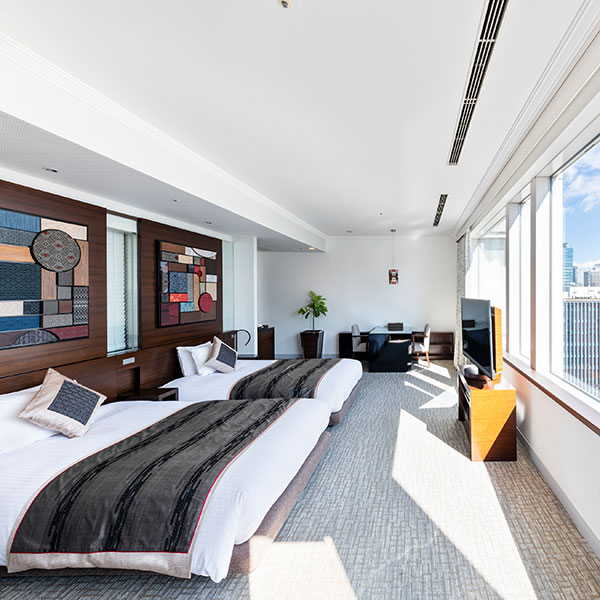 Hotel The Celestine Tokyo Shiba
 If you want my quick opinion, I'd book based on your travel style:
- Best all-around first-timer base: Shibuya or Shinjuku.
- Best if you want quieter and nicer: Ginza.
- Best if you want a more traditional atmosphere: Asakusa.
- Best if you're trying to save a little money: a smaller business hotel near a station, even if the room is tiny.
I mentioned this in my broader Japan planning guide, but I actually like APA hotels for short stays in Japan because they're usually near stations, easy to book, and practical when you just need a clean place to sleep. For Tokyo specifically though, I would prioritize location over room size almost every time.
Getting Around Tokyo
Tokyo is one of the easiest big cities in the world to navigate once you stop psyching yourself out. Google Maps works very well for trains, and I would absolutely use a Suica card or app so you can tap in and out quickly instead of buying individual tickets every time.
If you're flying into Tokyo, I strongly prefer Haneda over Narita because it's much easier on your brain after a long flight. Once you're in the city, expect to walk a lot. This is a place where comfortable shoes really matter, and I would personally bring my Brooks Ghost Max for long city days like this.
Day 1: Classic Tokyo
For your first day, I would keep it classic and let yourself enjoy the sensory overload. Start in Shibuya and just take in the movement of the city for a while. Walk the surrounding streets, get coffee, browse stores, and don't over-plan the morning.
Coffee and matcha are absolutely part of the experience for me in Tokyo. One of my favorite stops was Koffee Mameya for coffee tastings. If you're into specialty coffee at all, I think it's worth carving out time for a stop like that instead of only rushing between major attractions.
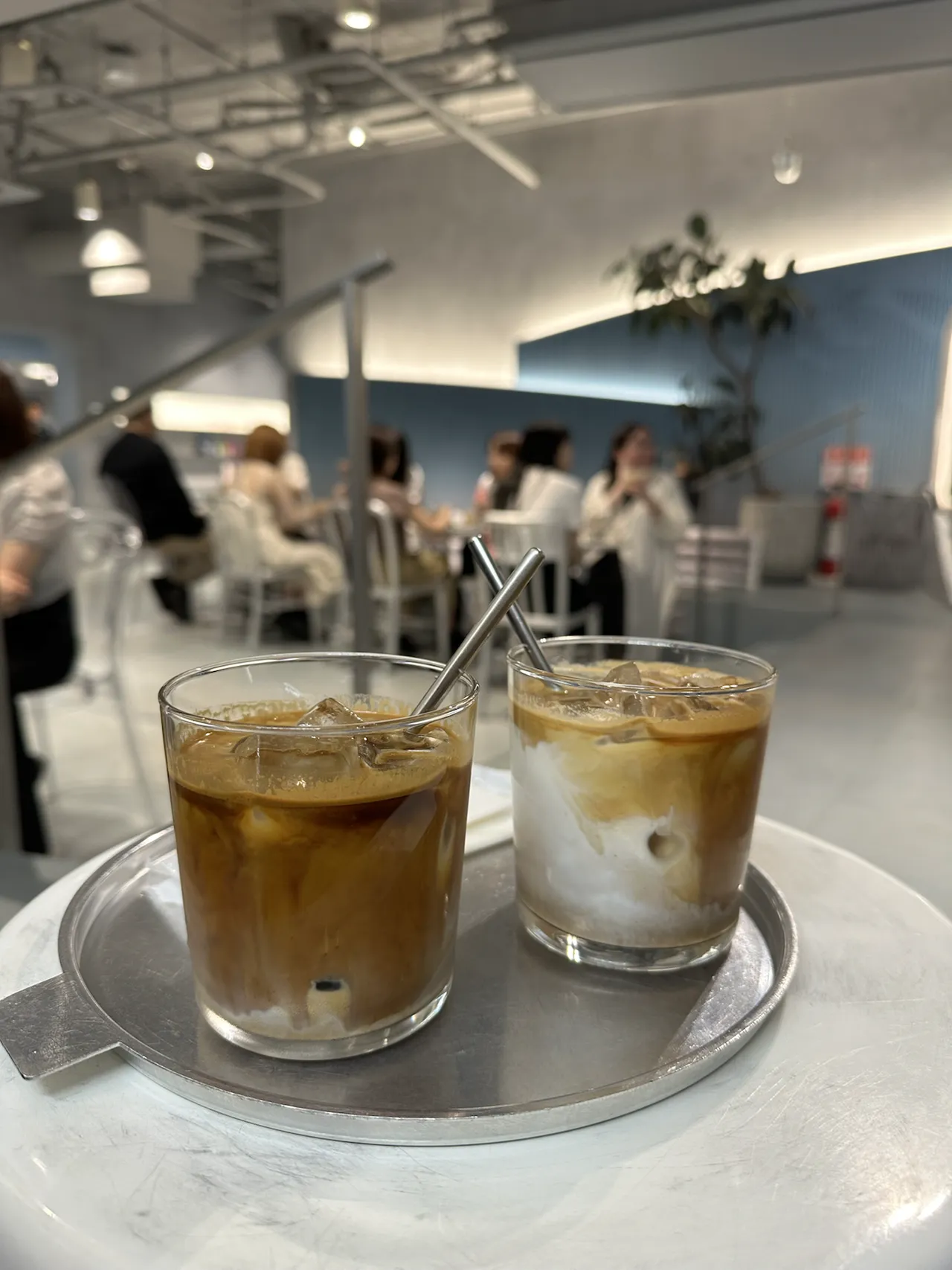
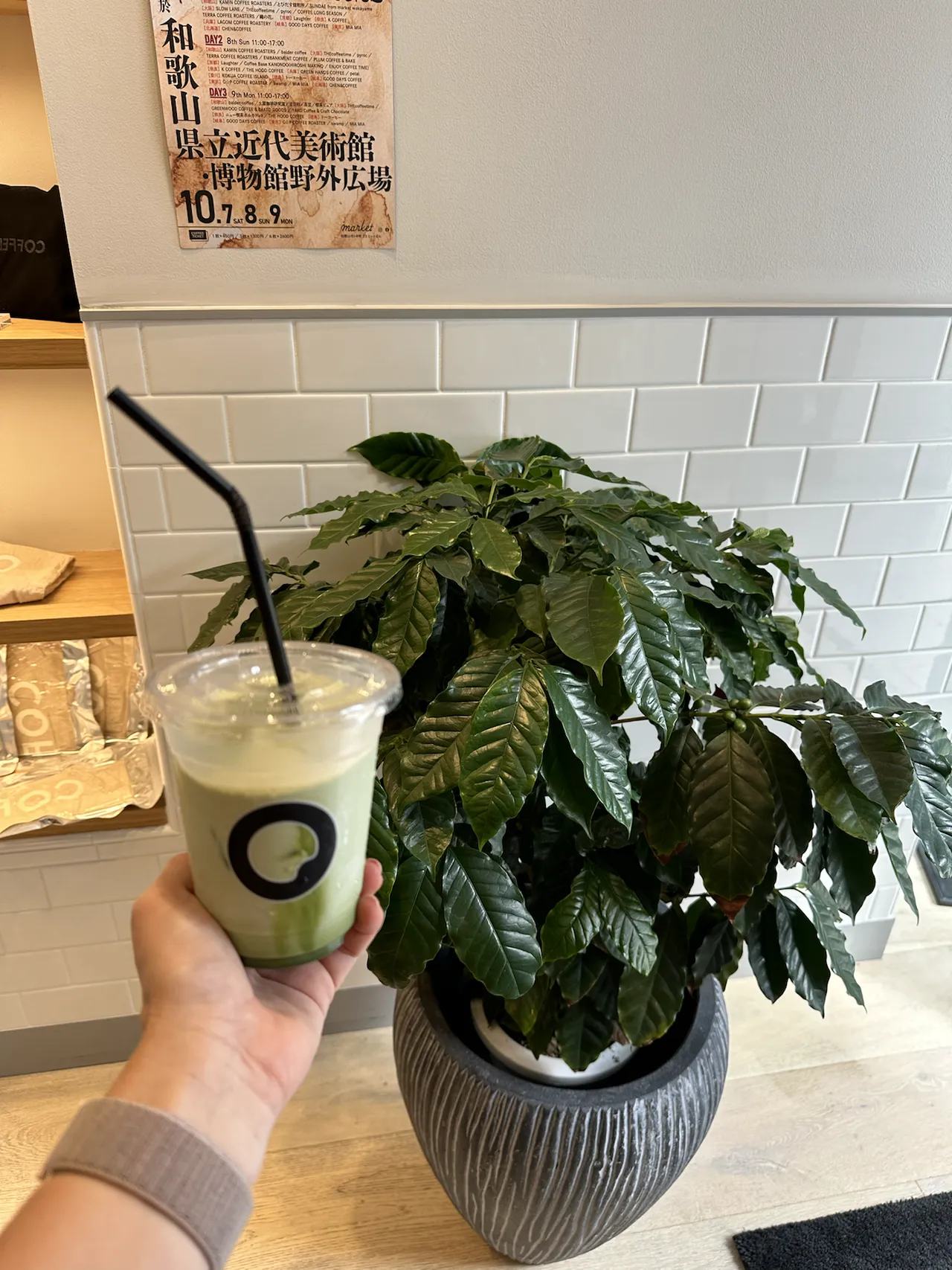
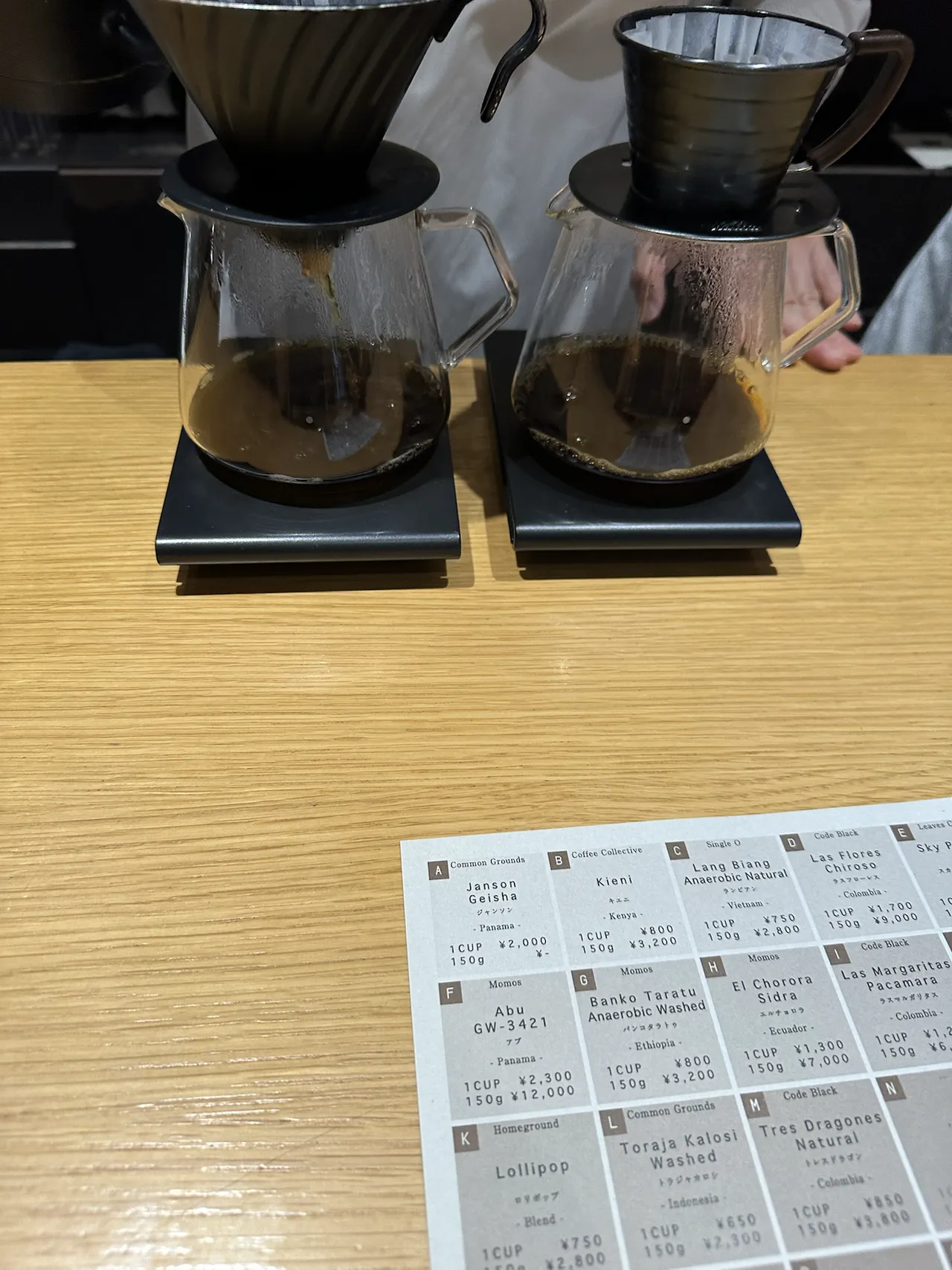
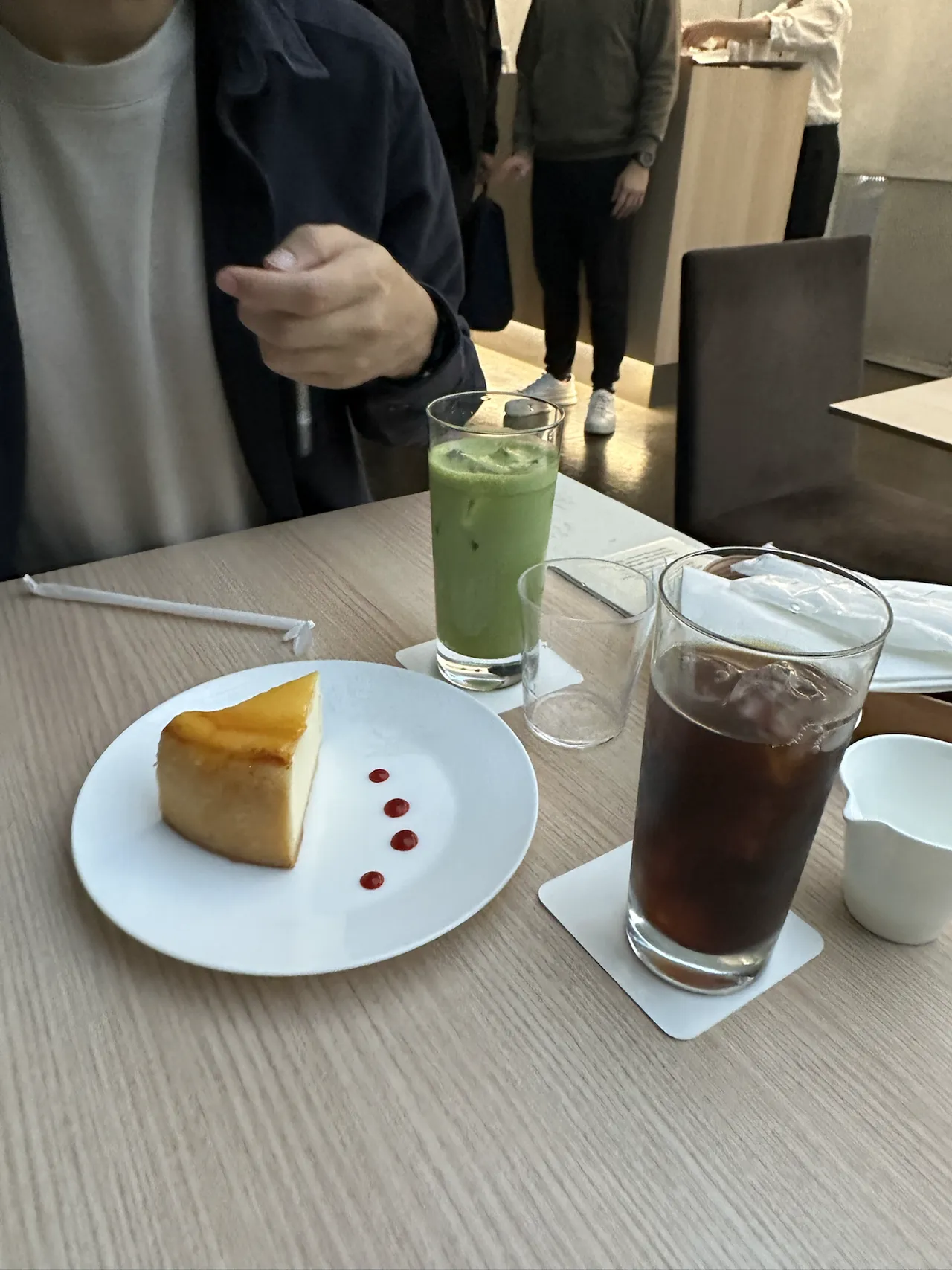
Also, wander around and eat lots of sweet treats. There is no shortage of sugary snacks in Tokyo, and you're walking so much that it feels totally justifiable. Some of my favorite travel days are basically just coffee, shopping, walking, and picking up little desserts and pastries as I go.
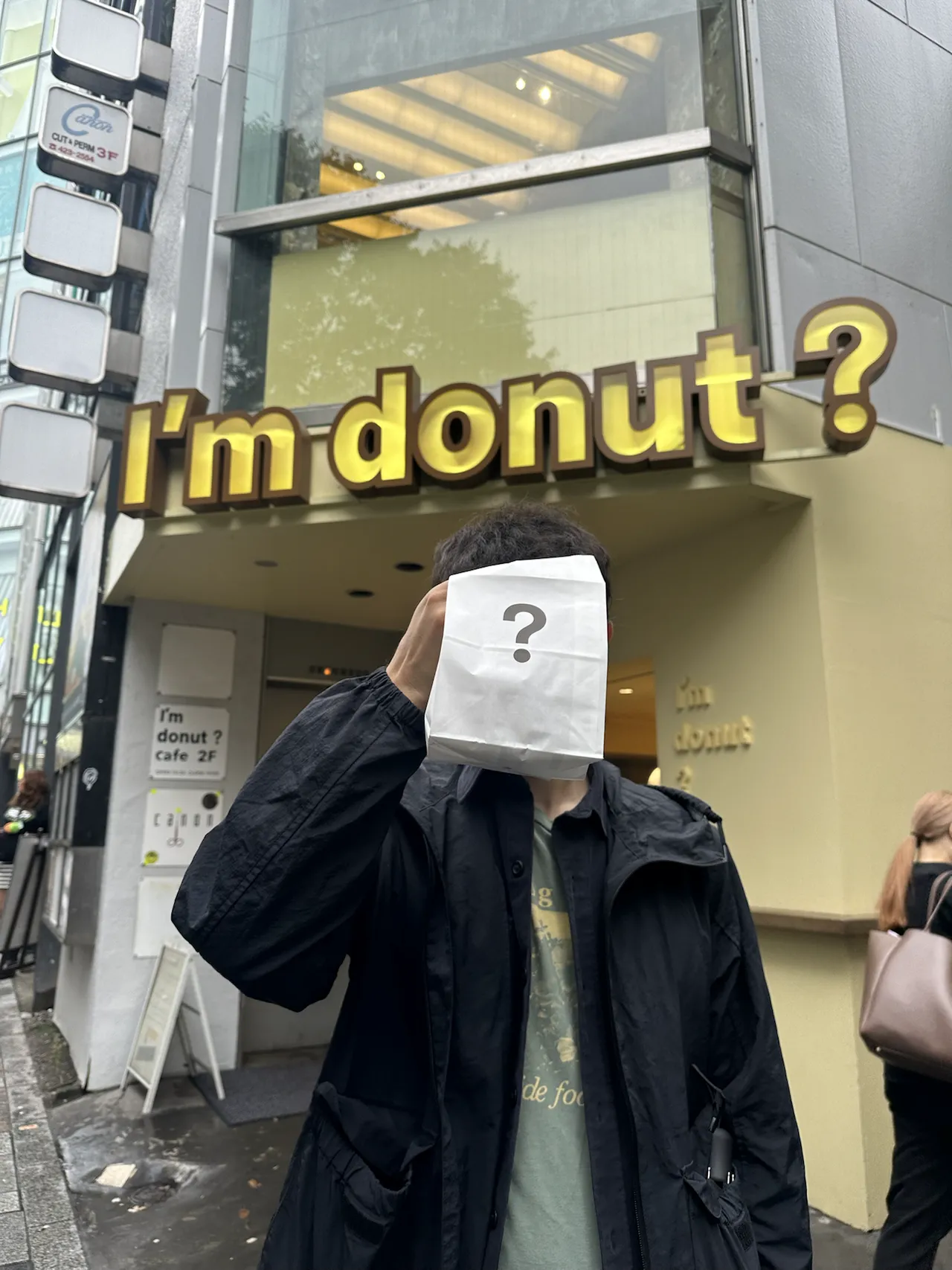
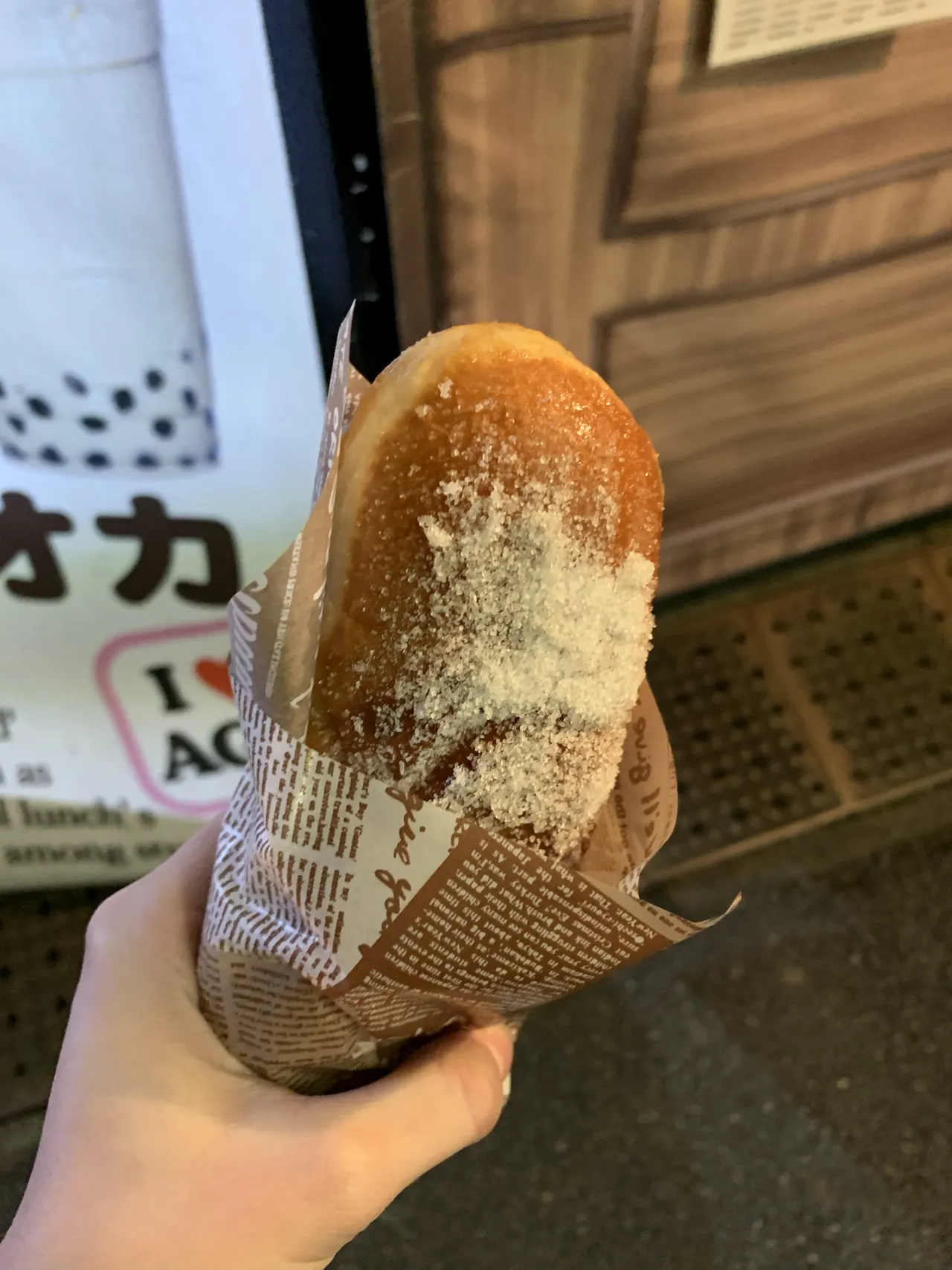
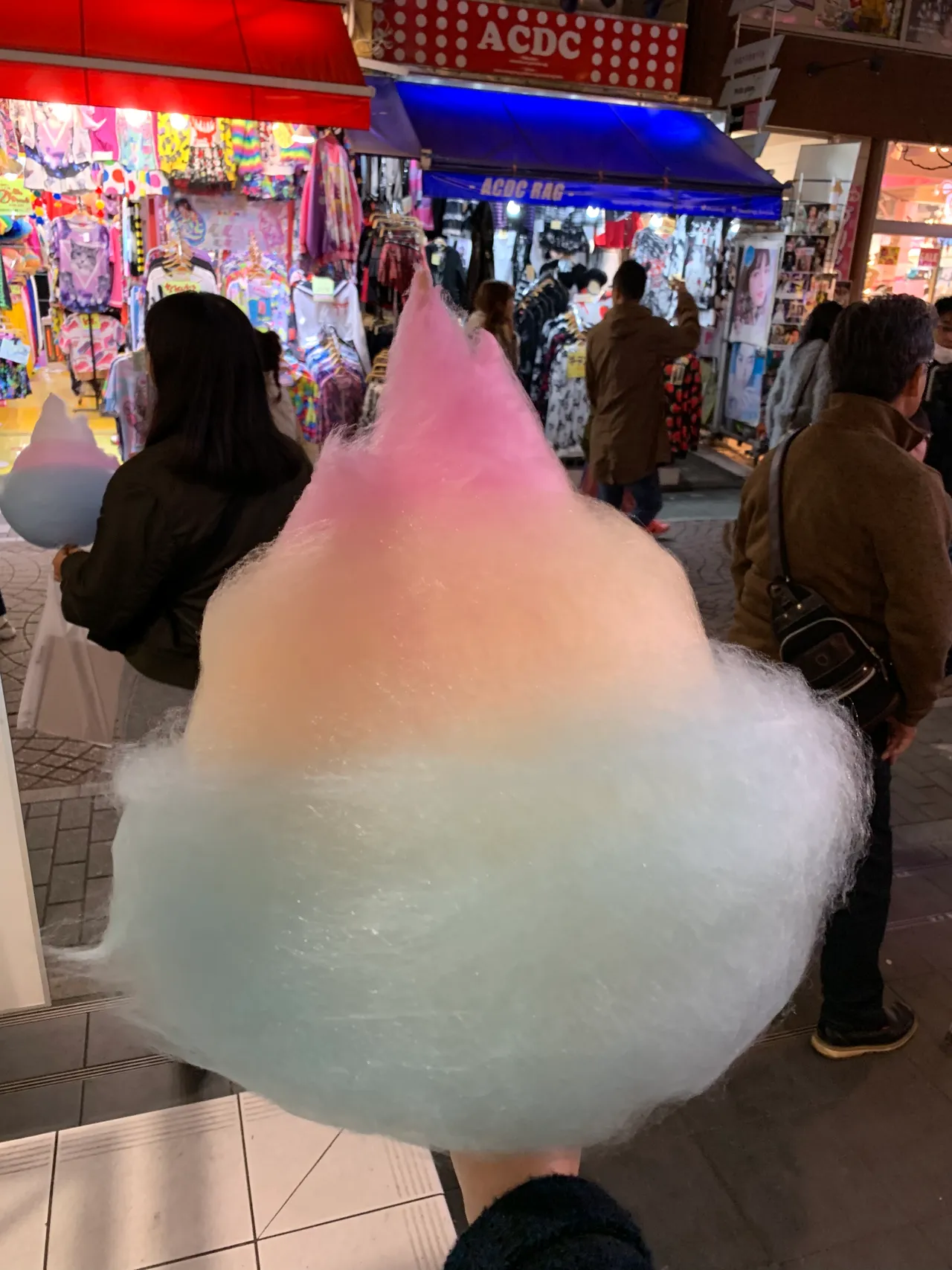
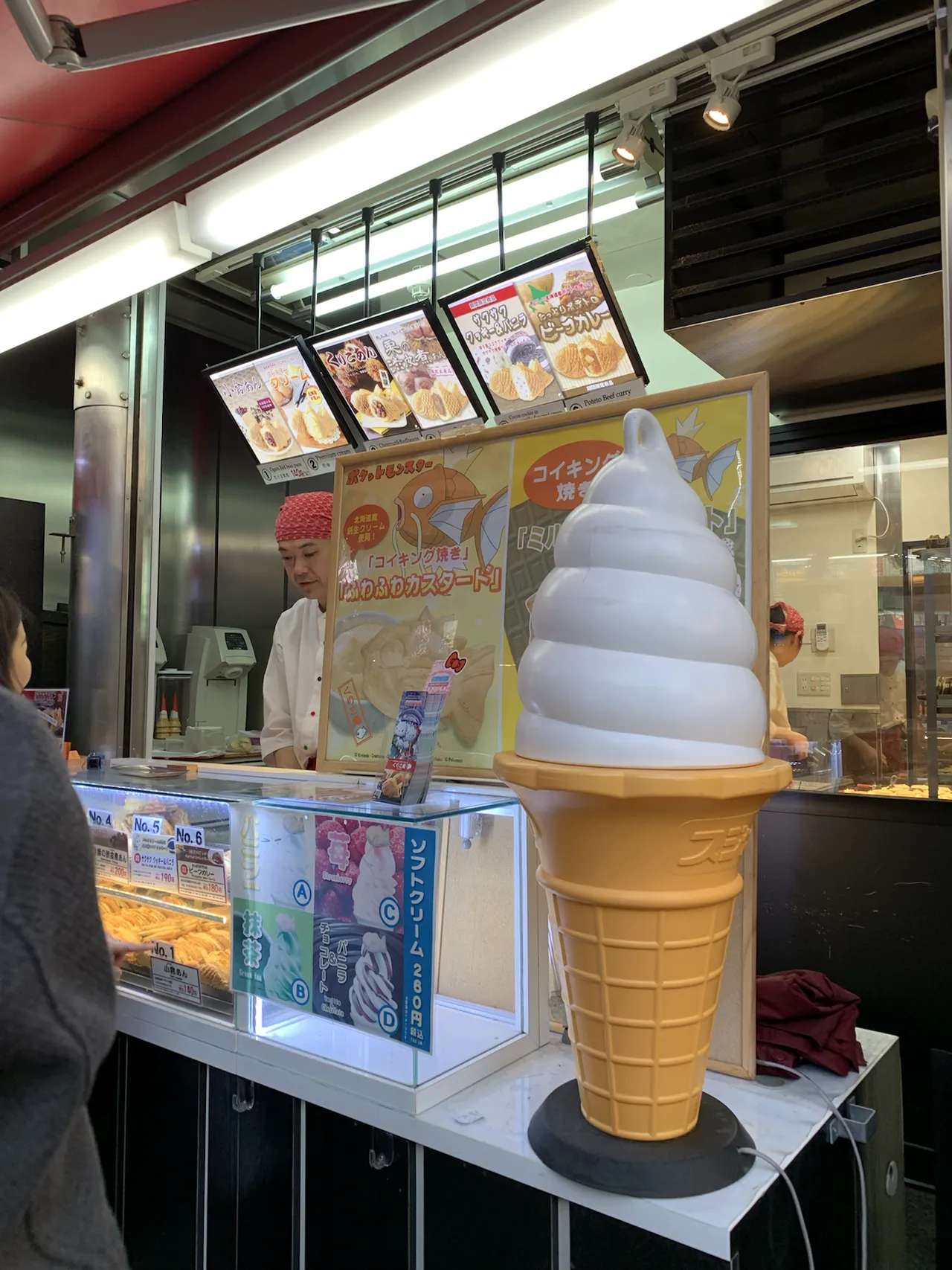
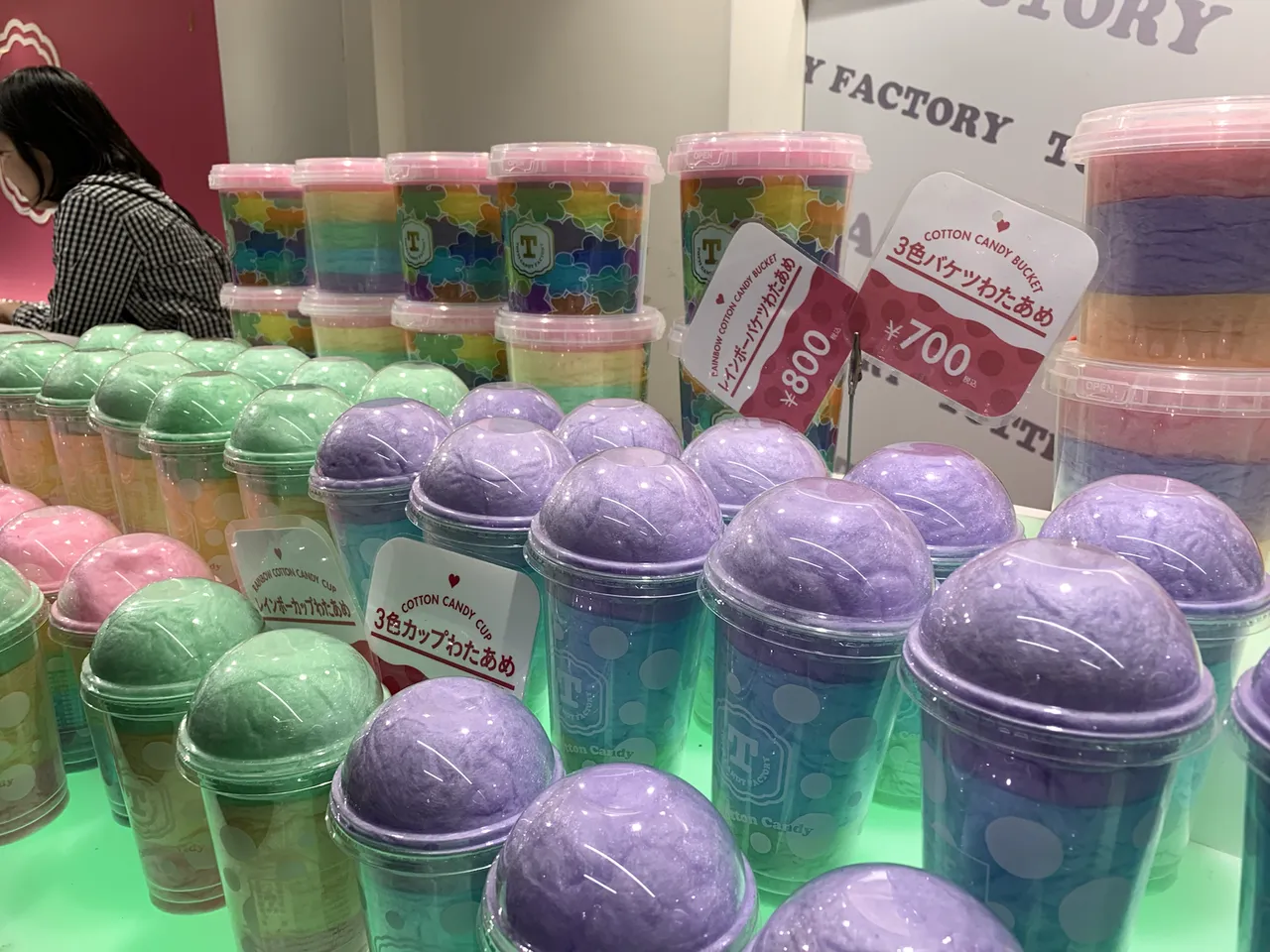
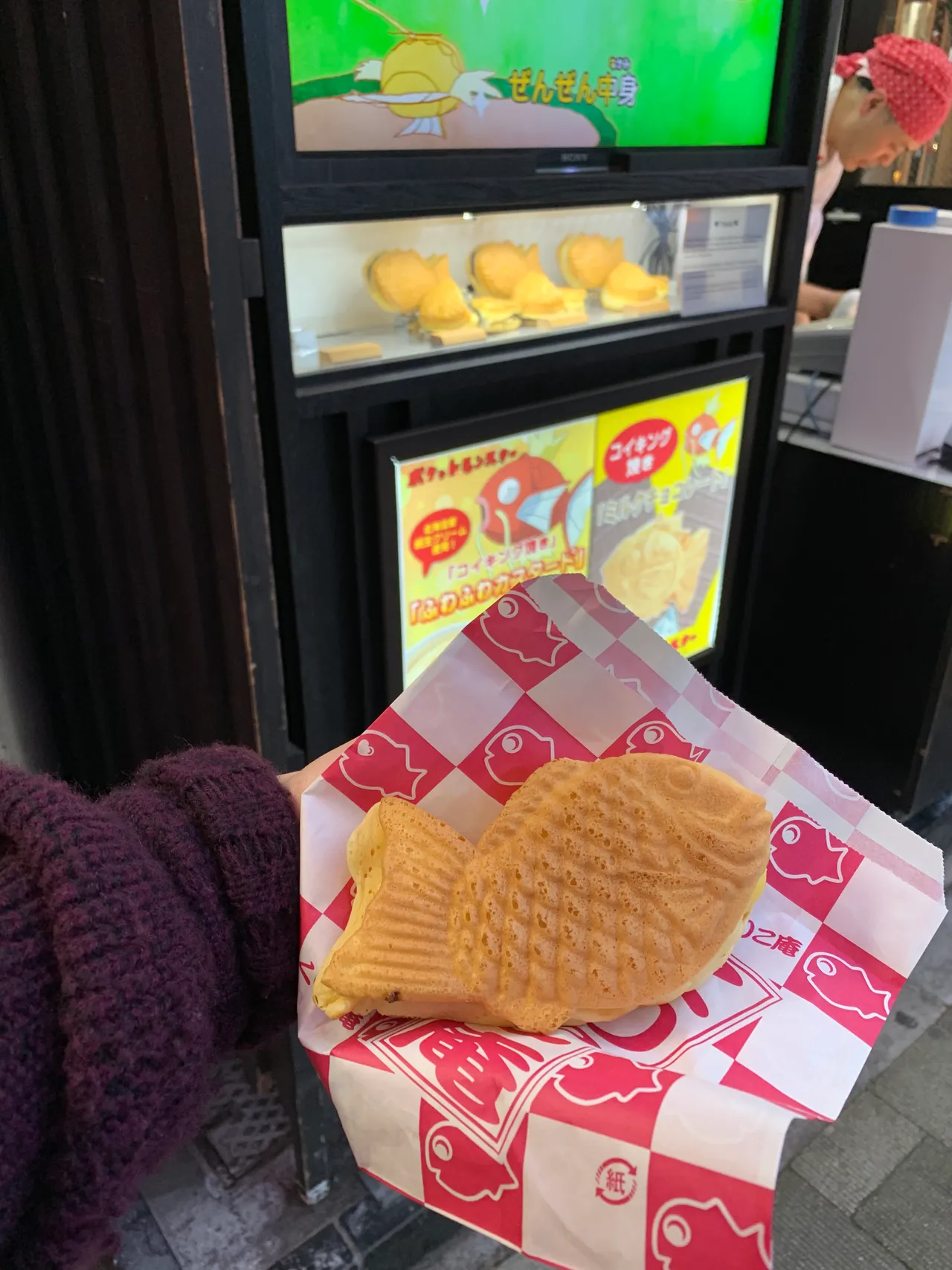
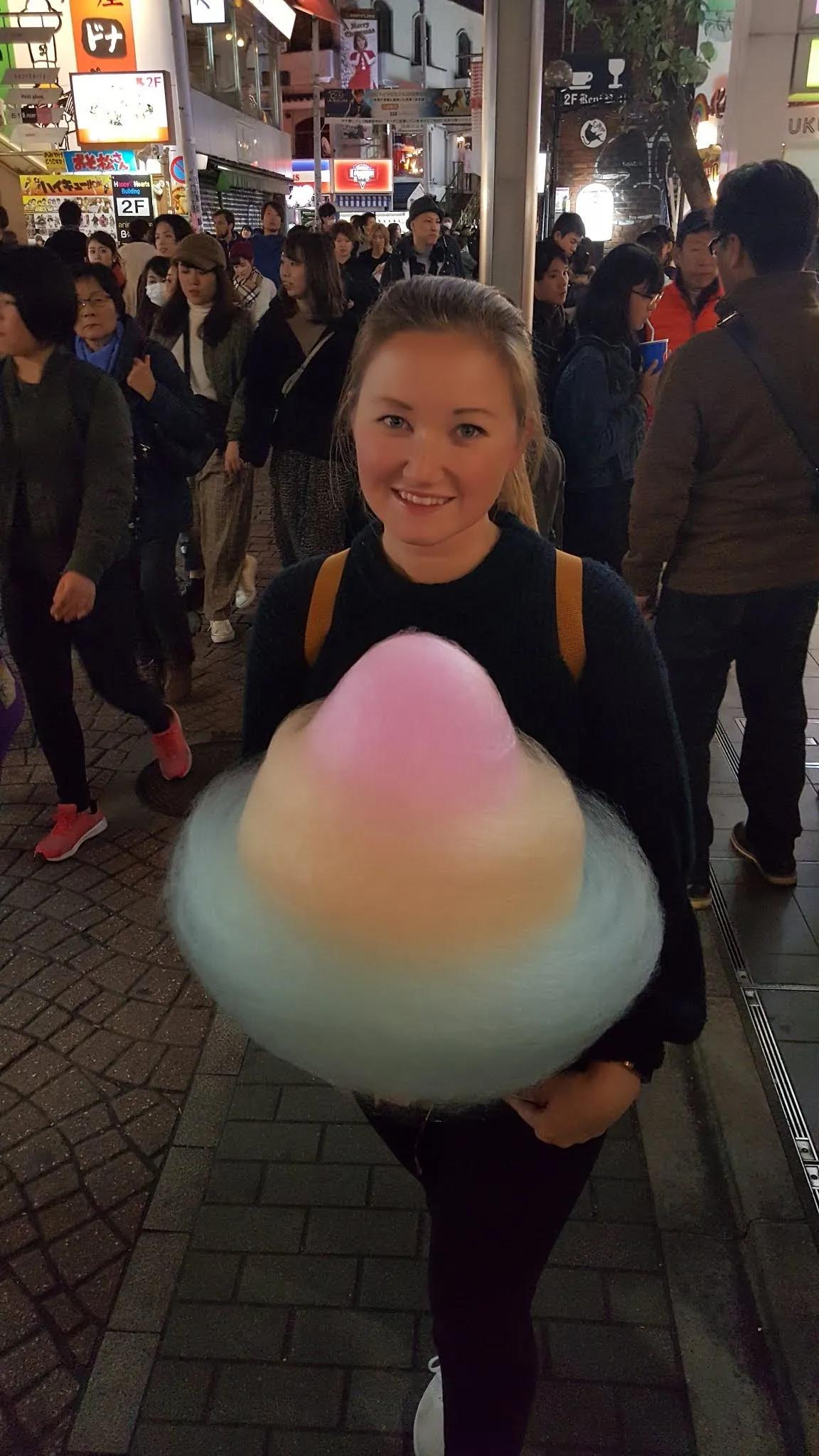
If you want to do something a little ridiculous and adorable, Tokyo is also a fun place to try an animal cafe. We went to a pig cafe and it was so cute. This is exactly the kind of city where random little experiences like that end up being just as memorable as the bigger sightseeing stops.
Then make your way to Harajuku and Meiji Shrine. I like this pairing because you get the contrast of busy city energy and then a quieter, greener reset. That rhythm is part of what makes Tokyo so good.
In the afternoon, head toward Omotesando if you want better shopping, architecture, and a more polished feel. End your evening in Shinjuku when the lights come on and the city starts to feel extra cinematic.


Day 2: Old Tokyo and Slower Wandering
Day two is when I would shift into a more traditional side of the city. Start in Asakusa and walk through Senso-ji earlier in the day if you can. It's one of those places that can be very busy, but it's still worth seeing on a first trip.
After that, I would keep the day a little looser. Walk along the river, grab lunch, and then head toward Ueno or Yanaka depending on your mood. Ueno works well if you want museums and a bigger park atmosphere. Yanaka is better if you want a slower neighborhood feel and a break from the constant intensity.
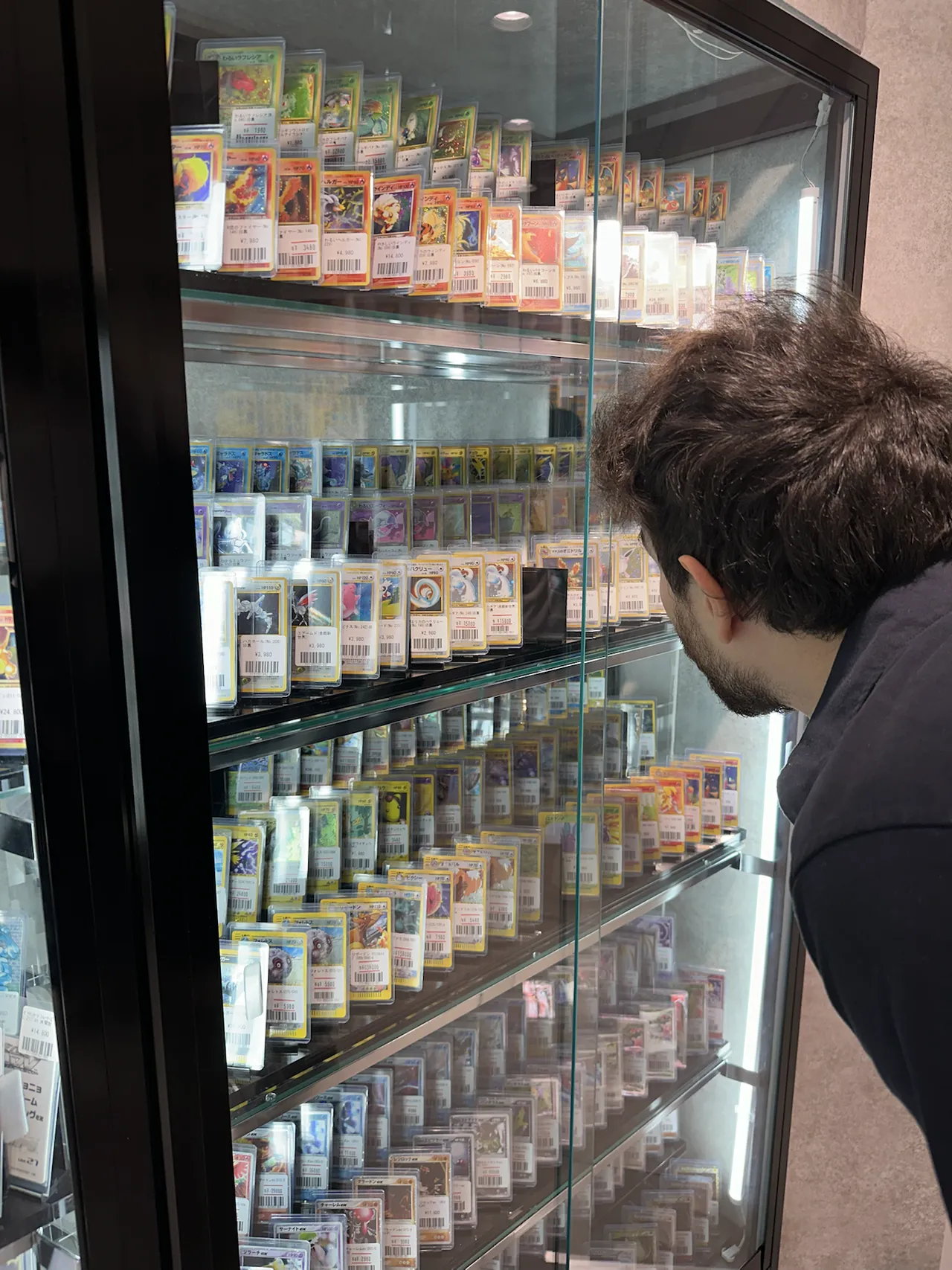
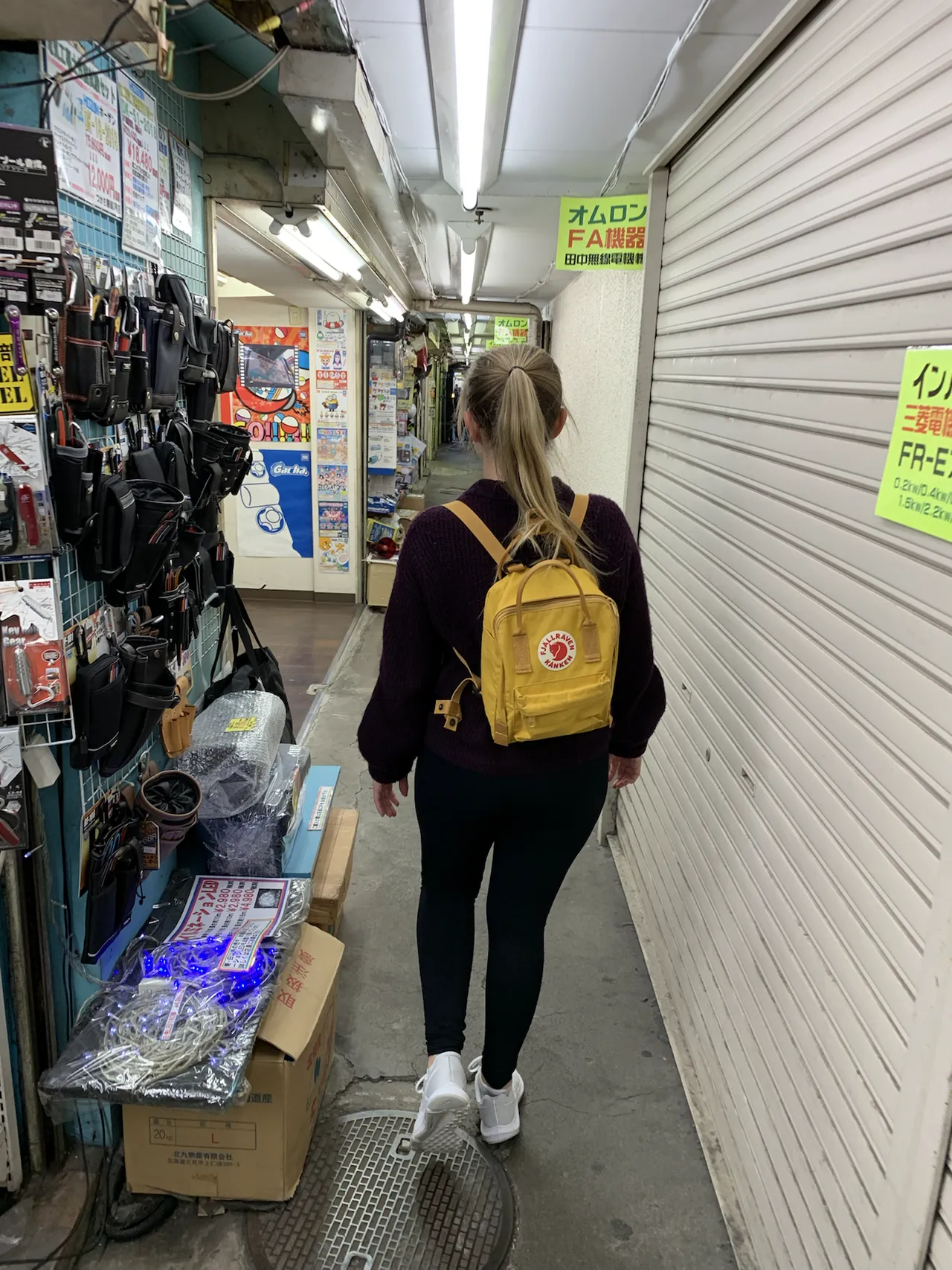
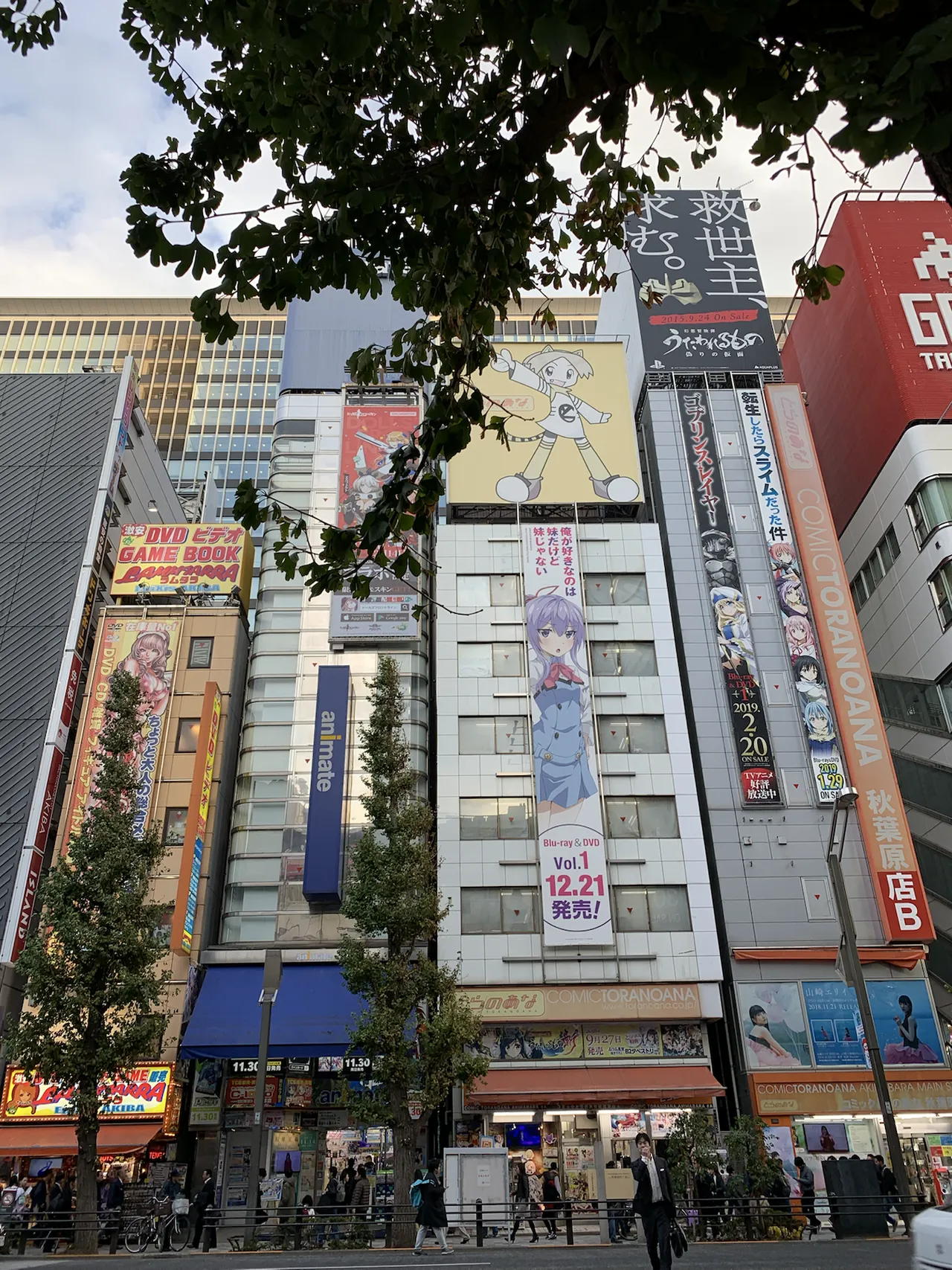
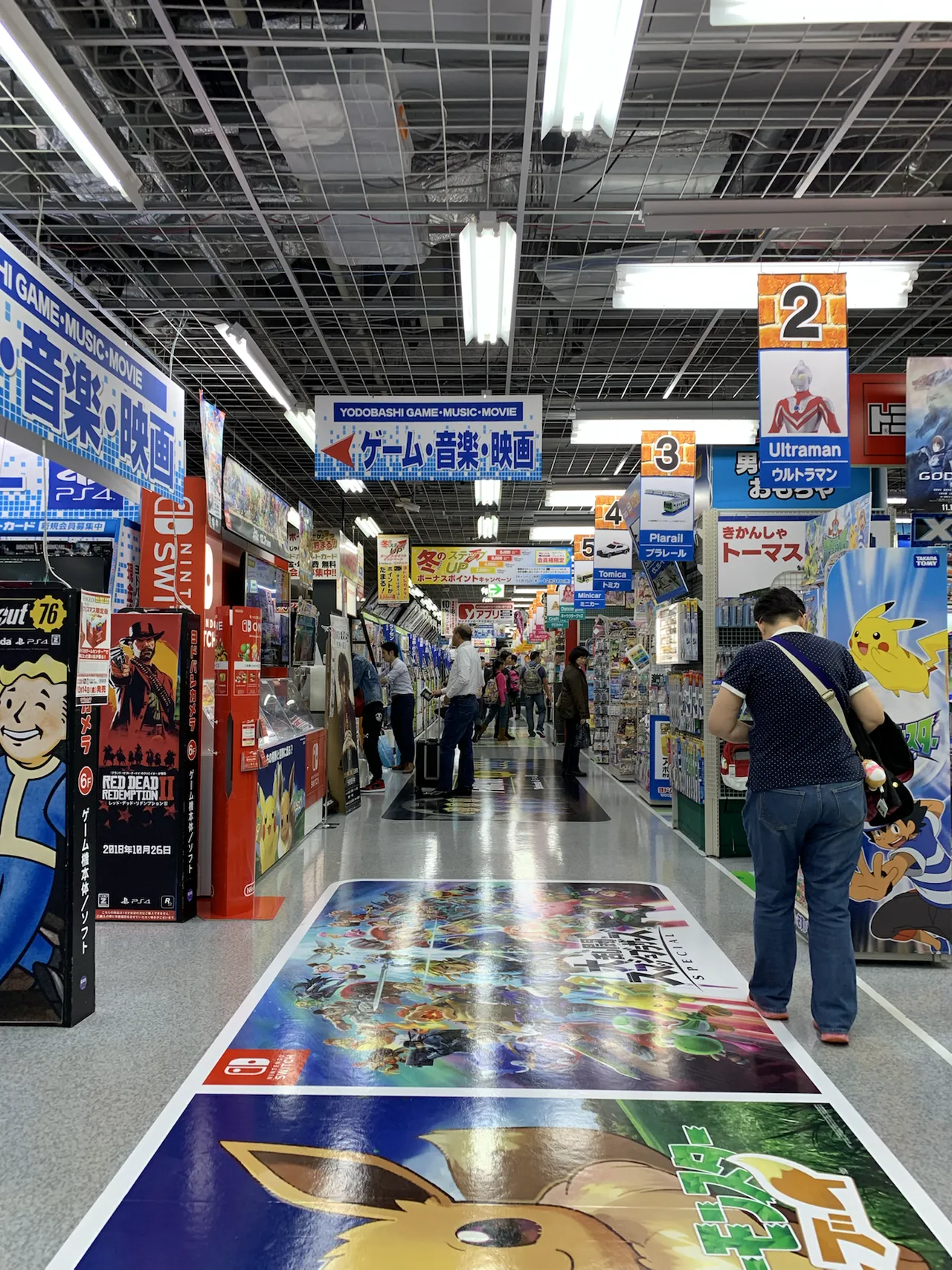
If you like anime, arcades, figures, or just chaotic neon energy, you can also add a quick stop in Akihabara. I don't think every first-time visitor has to prioritize it, but if it's your thing, it's fun to poke around the shops and just absorb the atmosphere for a while.
This is also a good day to build in a nice dinner instead of running around trying to maximize every hour.
More Daytime Ideas
If you have more energy or are staying longer, Tokyo has no shortage of extra daytime stops you can mix into your itinerary.
- Fish market: If you like food, the famous fish market area is worth seeing at least once, especially if you want an early start and a snack-heavy morning.
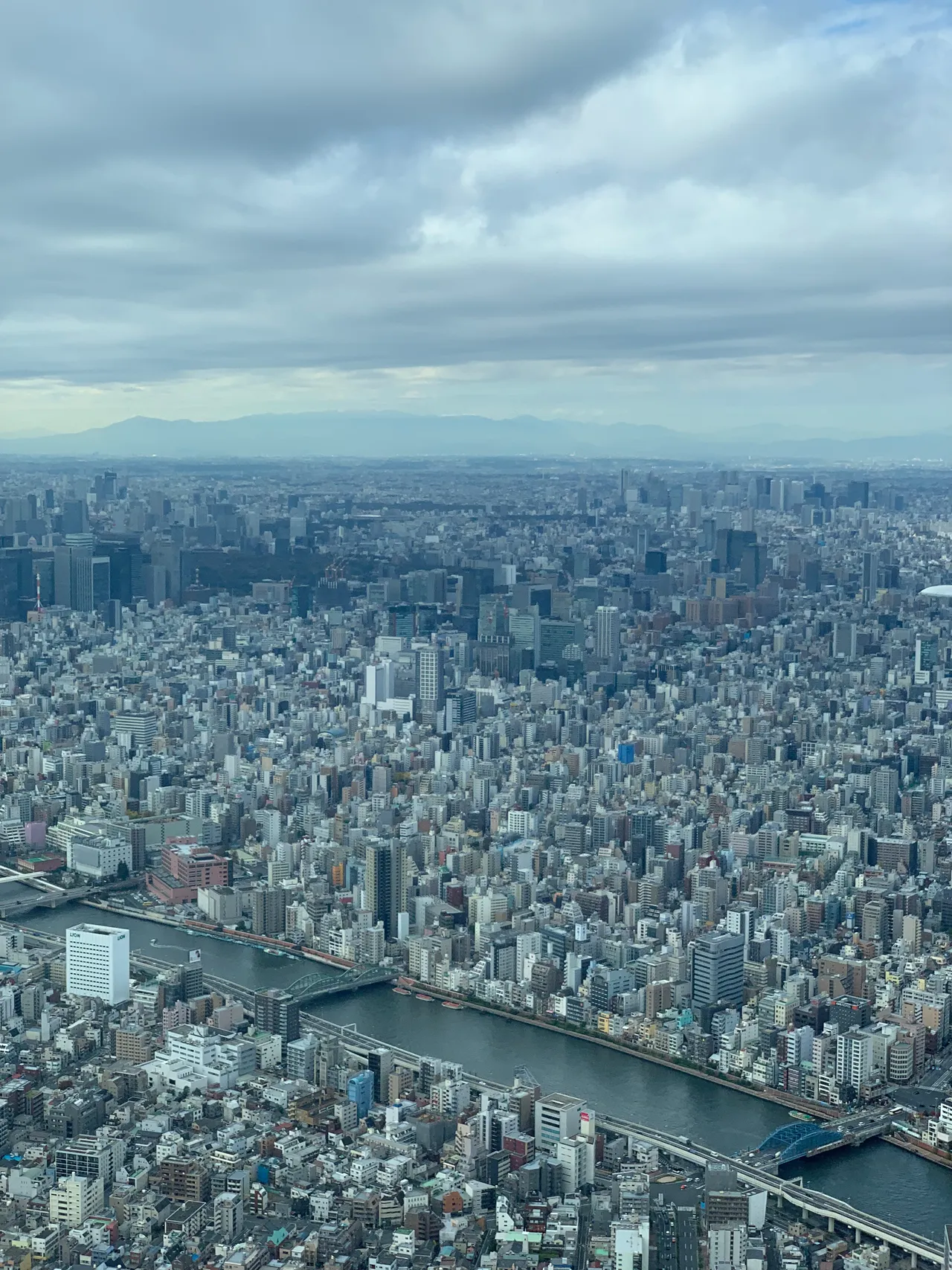
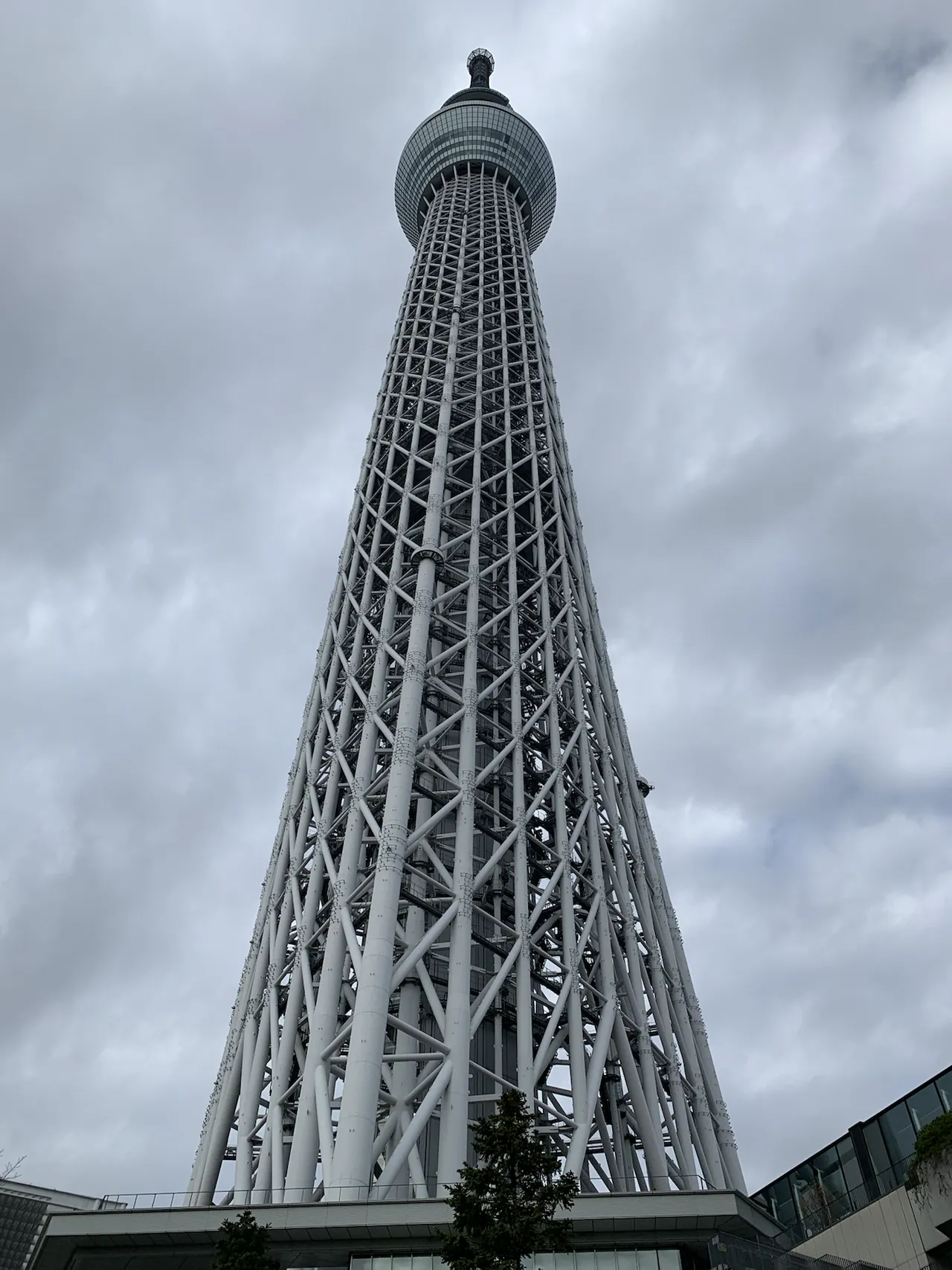
- Tokyo Skytree: This is one of those classic skyline attractions that's fun if you want a big city view. I wouldn't say it's mandatory, but it's easy to work in.
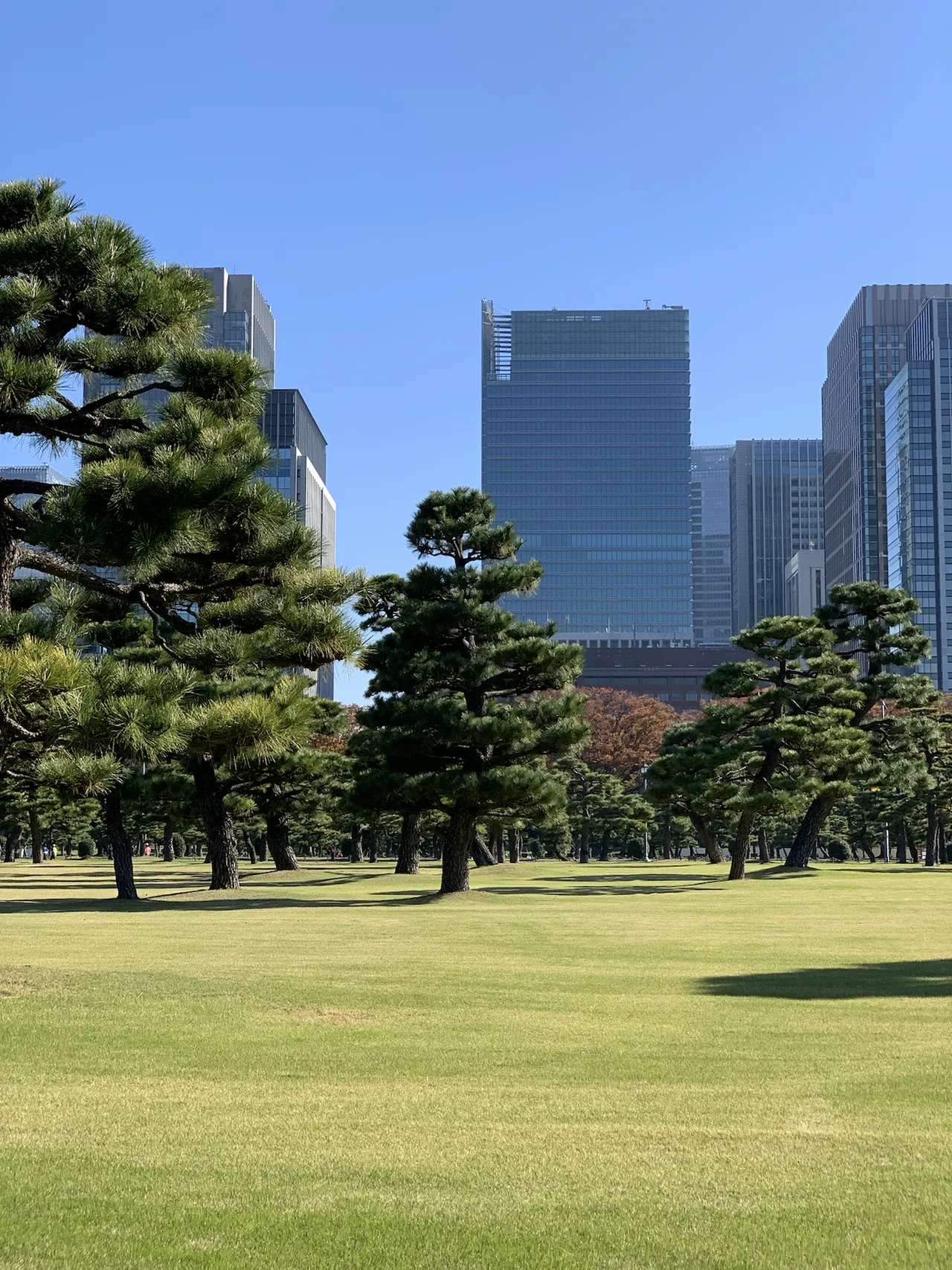
- Walk around a park: One of the best things about Tokyo is how often you can reset in a quieter green space without leaving the city.
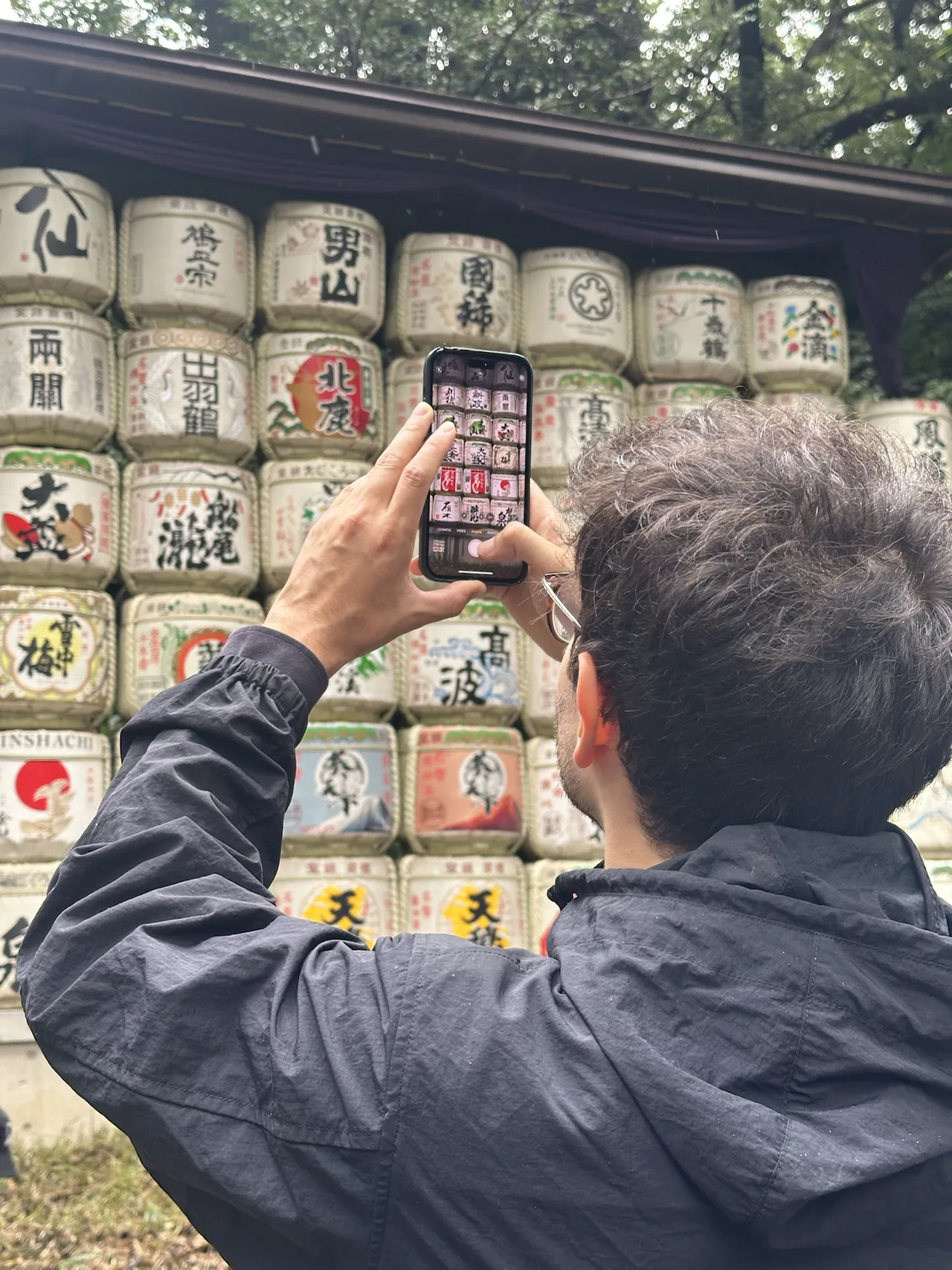
- Whiskey and wine barrels: This is such a fun little visual stop if you're already nearby and like finding smaller details around the city.
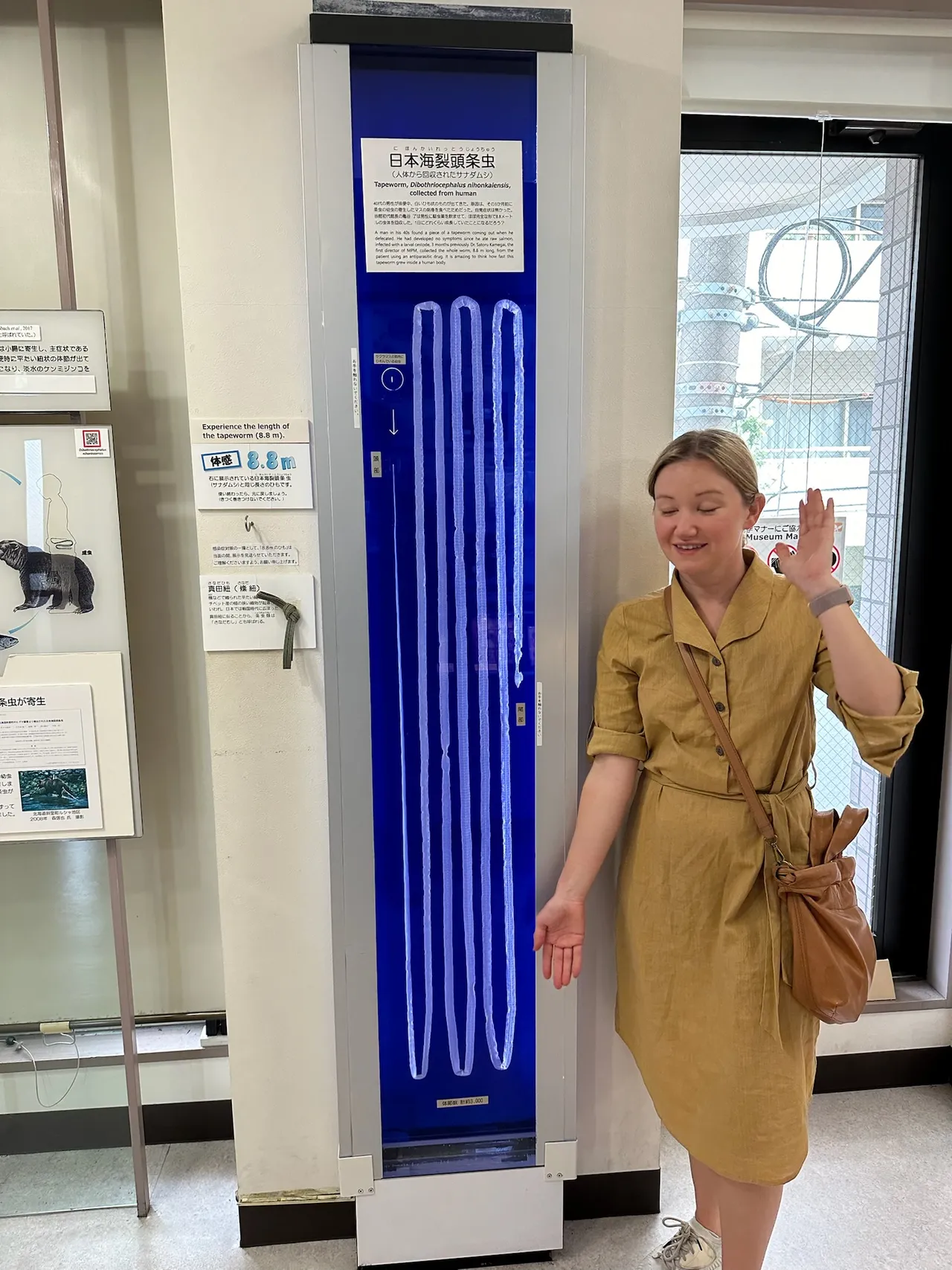
- Meguro Parasitological Museum: If you're into weird niche museums, the free parasite museum is one of those very Tokyo experiences that people either love or find deeply unsettling.
Day 3: One Special Experience and a Flexible Finish
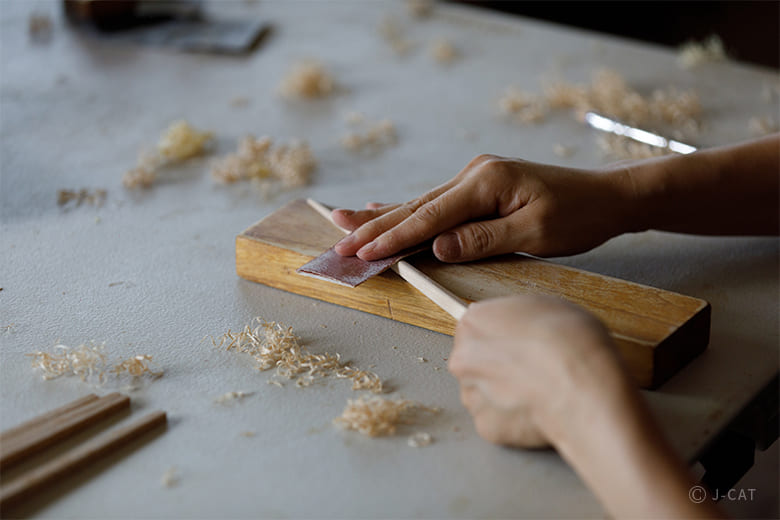
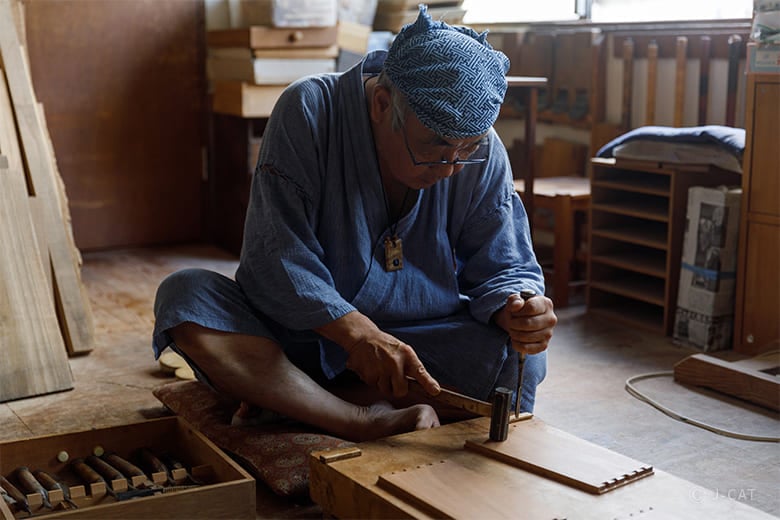
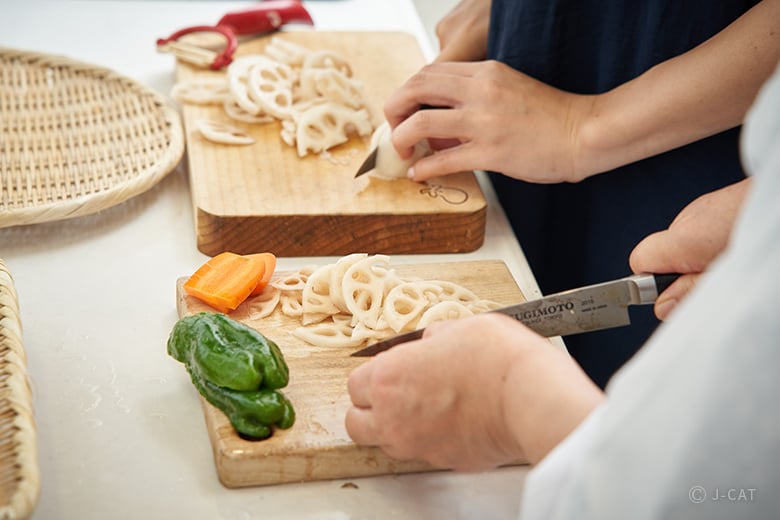
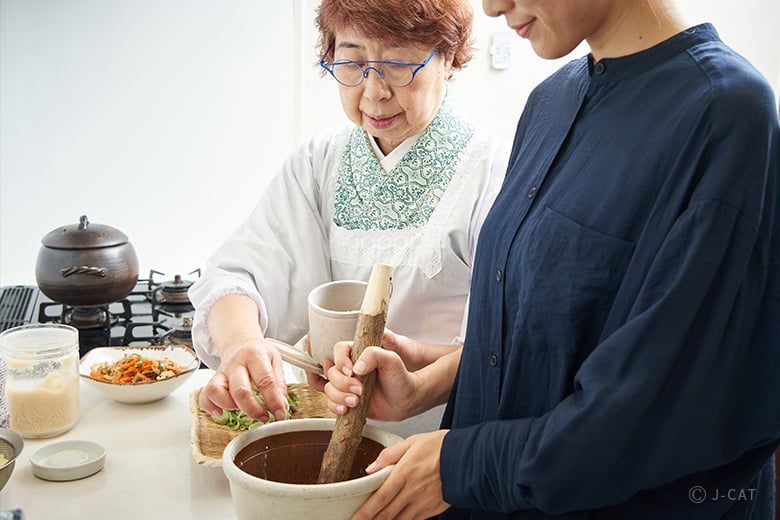
By the third day, I think it makes sense to stop trying to check boxes and instead make space for one memorable experience. If you want something more meaningful than just shopping and eating your way through another neighborhood, I would look at this chopstick-making workshop in Tokyo. It feels much more personal than a generic tour, and you'd come home with something you'll actually keep.
If you follow a vegetarian diet or just want a food-focused activity, this vegetarian cooking class in Tokyo would also be a really good option. Japan can be a little trickier for vegetarians than people expect, so something like this could be both fun and genuinely helpful.
If you're a Studio Ghibli fan, this is also a good day to do the Ghibli Museum. Just make sure you plan well ahead because this is absolutely not the kind of thing I'd leave to the last minute. On one of my trips, I knew someone stationed there in the Navy and had them buy the tickets for us and then I just paid them back, but either way, the main point is that you should look into ticket logistics early and check the current rules before your trip.
After that, I would keep the rest of the day flexible. You could revisit your favorite area, do some last shopping in Ginza or Shibuya, or even make a simple half-day trip to Yokohama if you want a change of pace without doing anything too complicated.
Tokyo Evening Activities
If you're building your own itinerary and want a few nighttime ideas, Tokyo is easy because you can make the evenings as energetic or as low-key as you want.
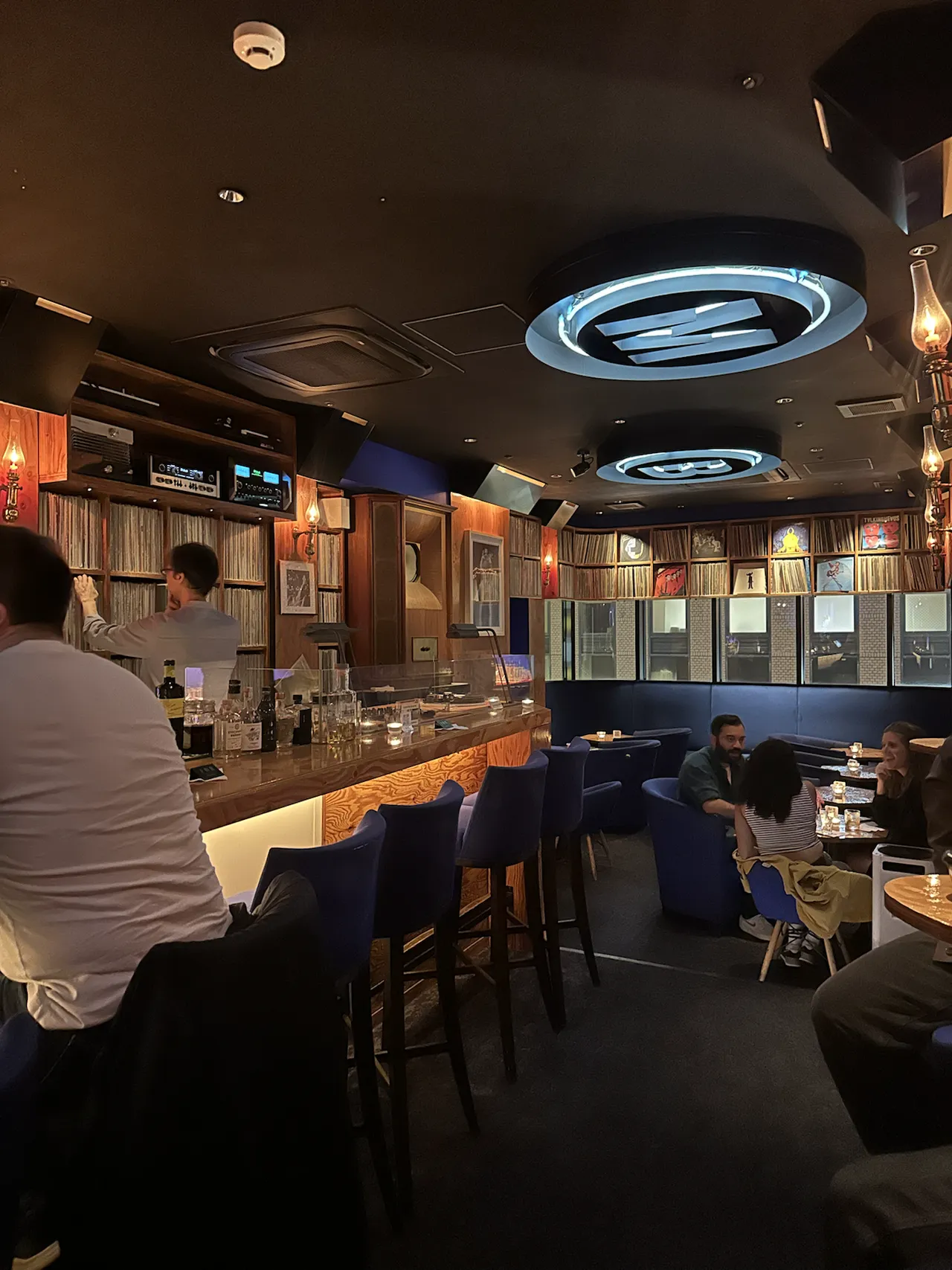
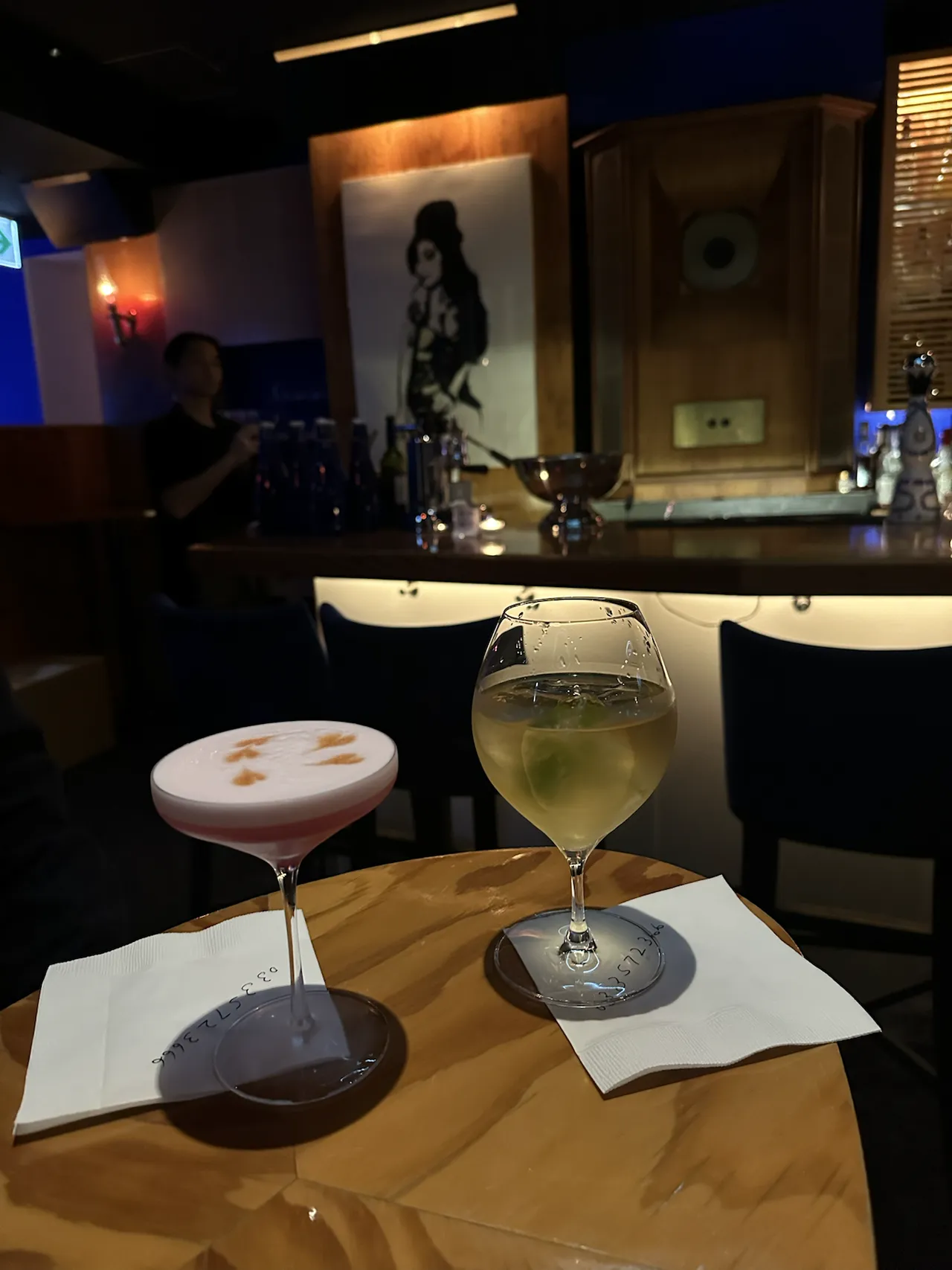
- Japanese listening rooms: This is one of my favorite calmer options. We randomly stopped into Ginza Music Bar while walking around, and it was such a nice way to sit down, have a cocktail, and rest our legs after all the walking. There are a lot of spots like this around the city, so it's worth keeping an eye out for one near wherever you end your day.
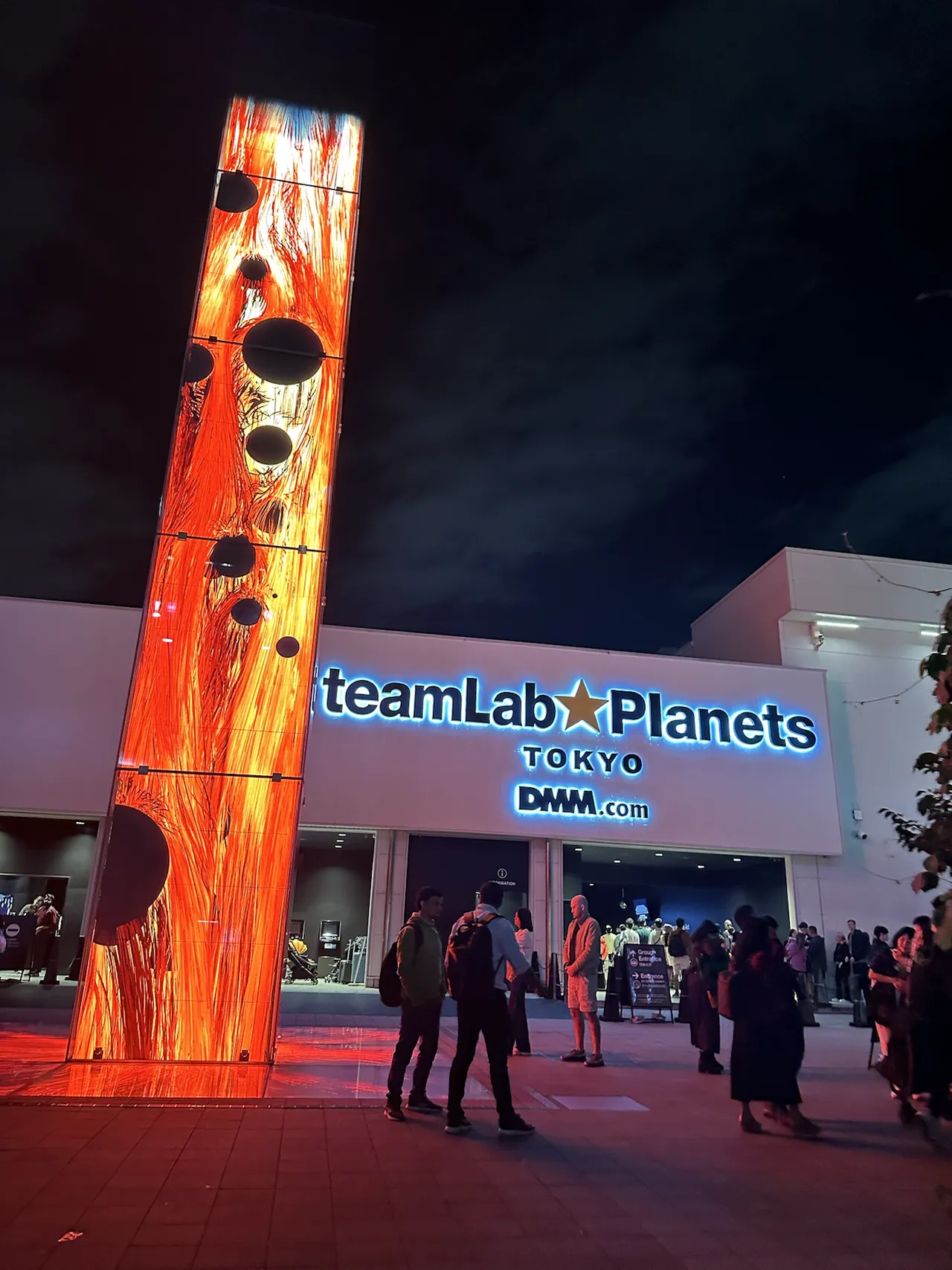
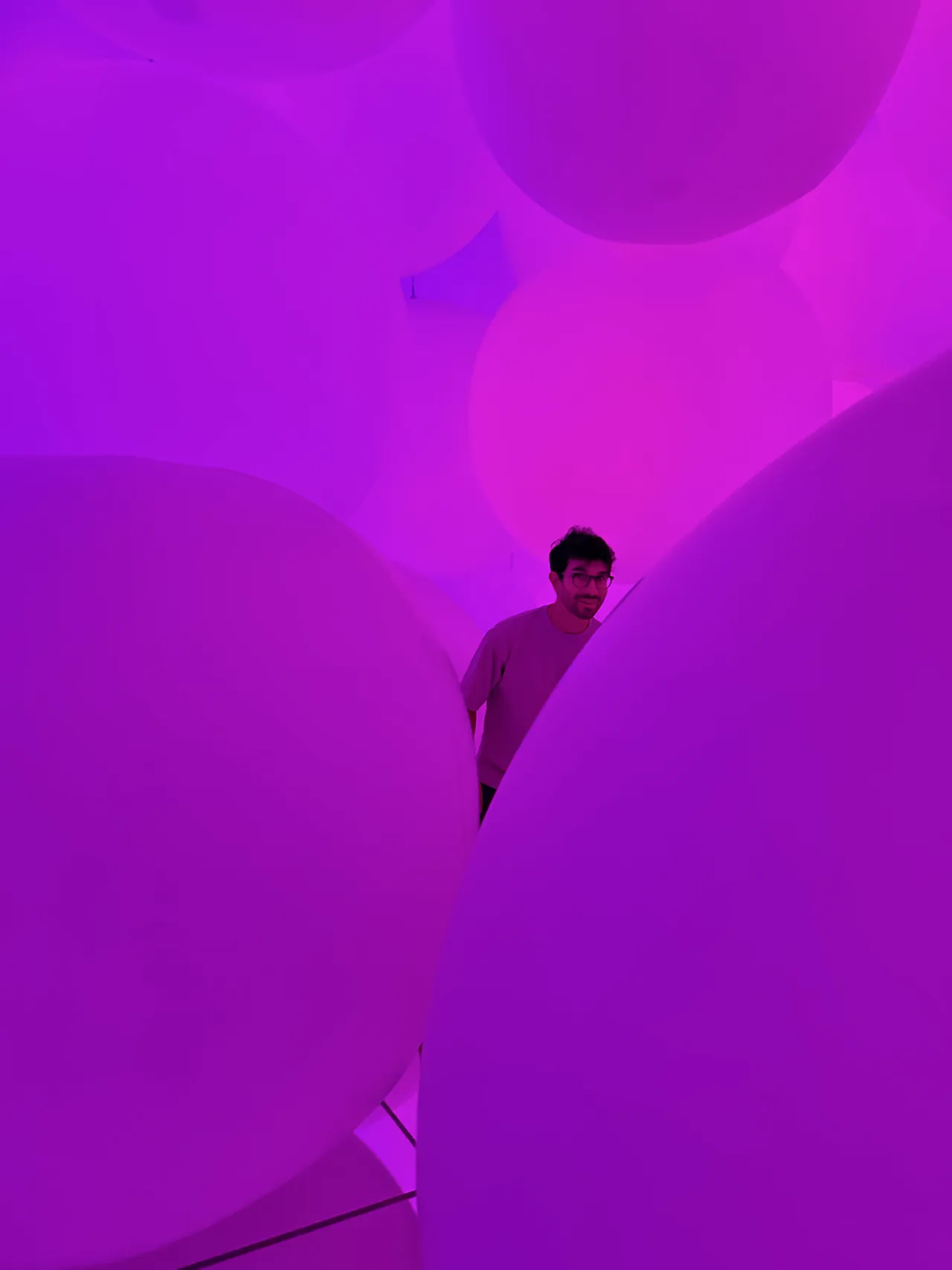
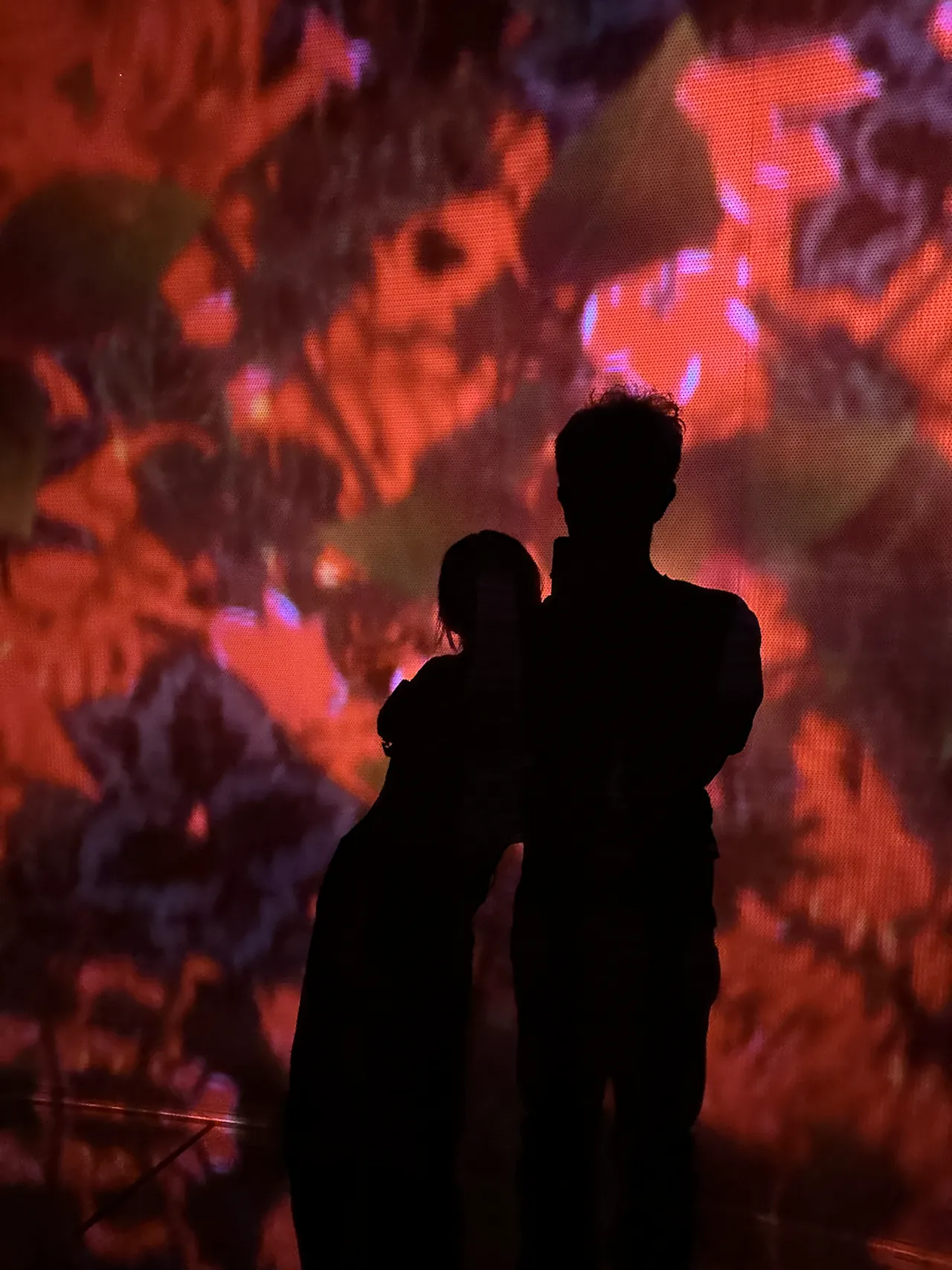
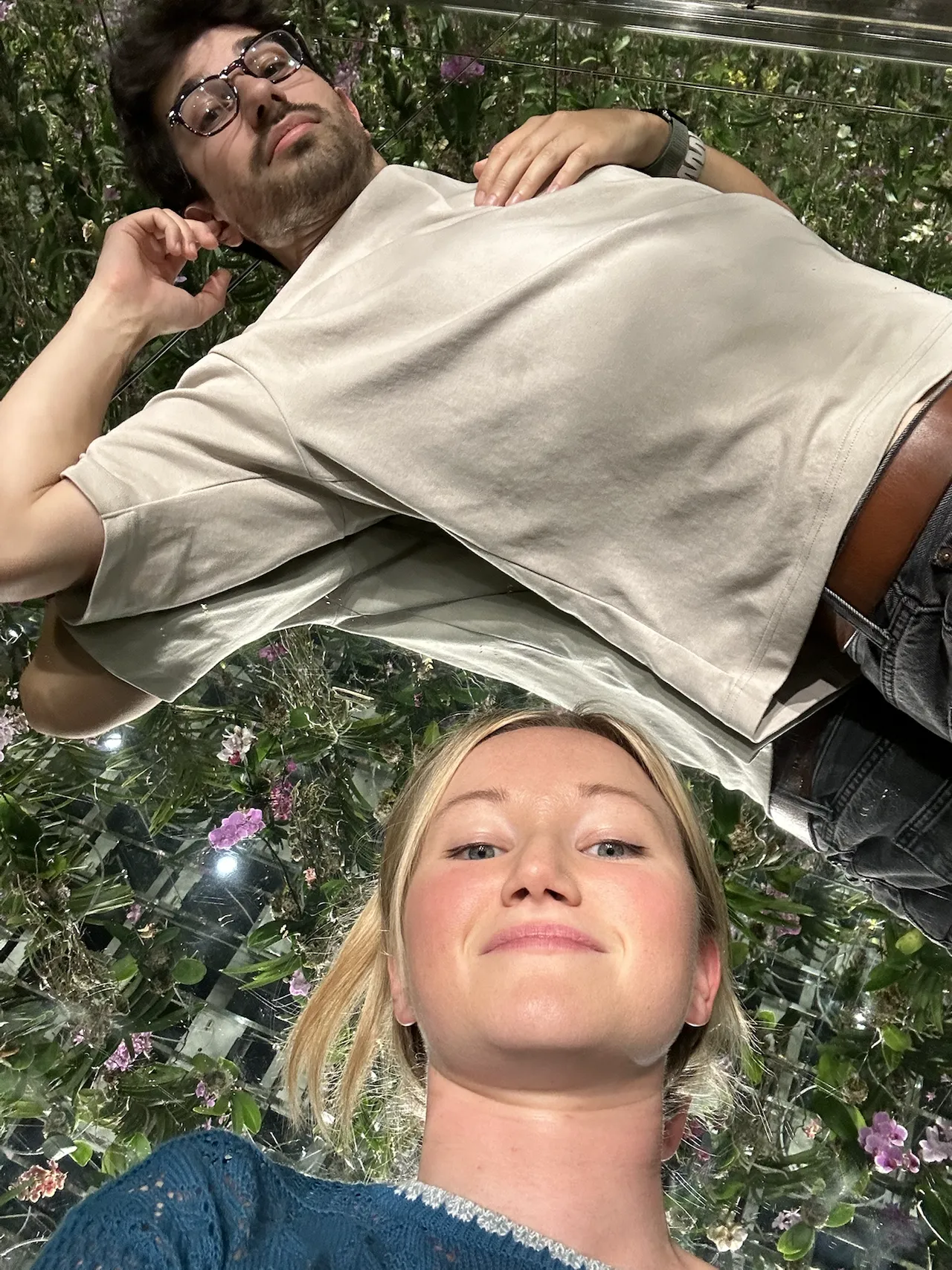
- teamLab: If you want something visually immersive at night, teamLab is an easy crowd-pleaser. My honest take is that parts of it felt a little overrated and gimmicky, but it was still entertaining and gave us something different to do. I would just go in with that expectation instead of expecting a life-changing cultural experience.
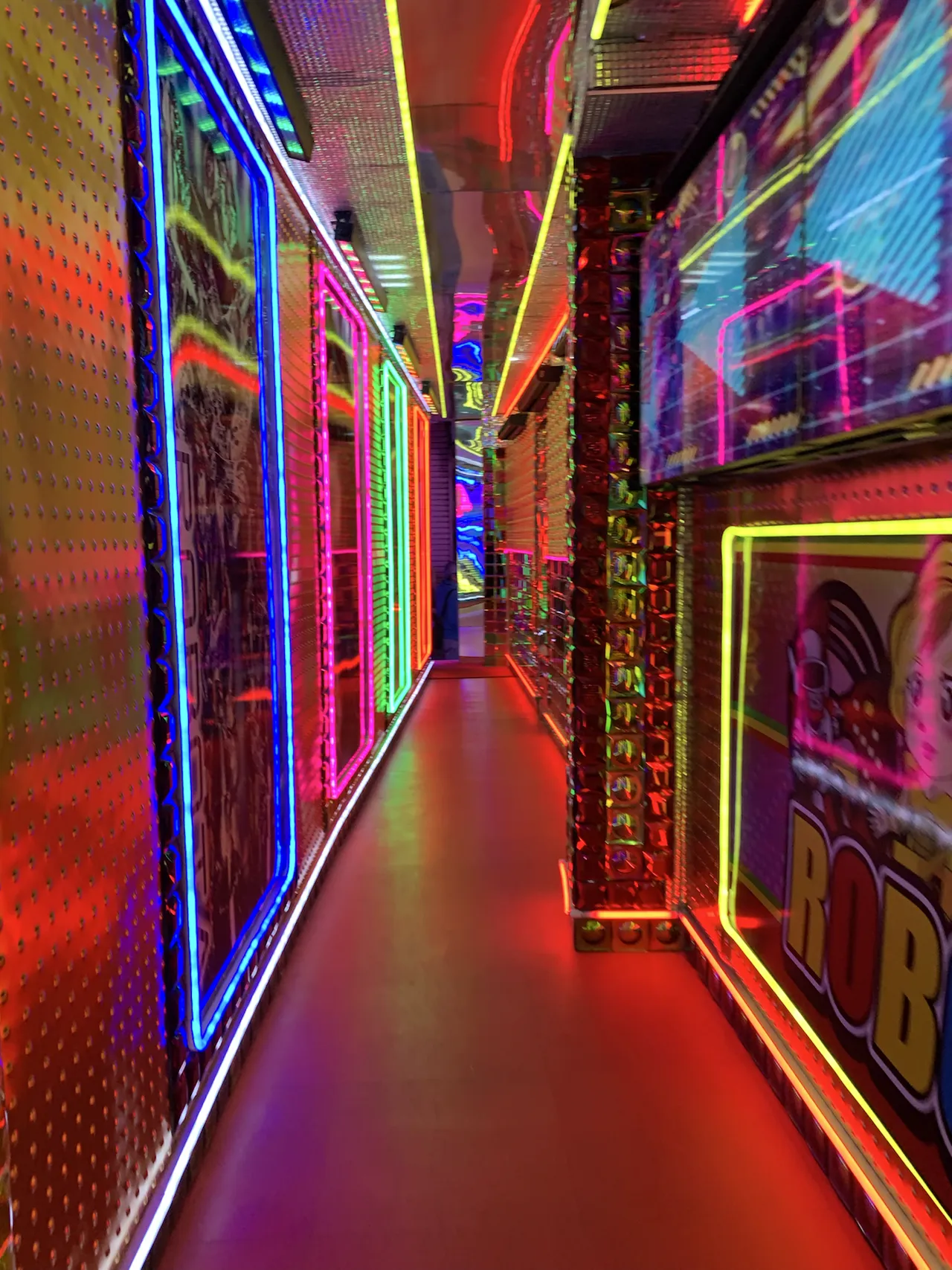
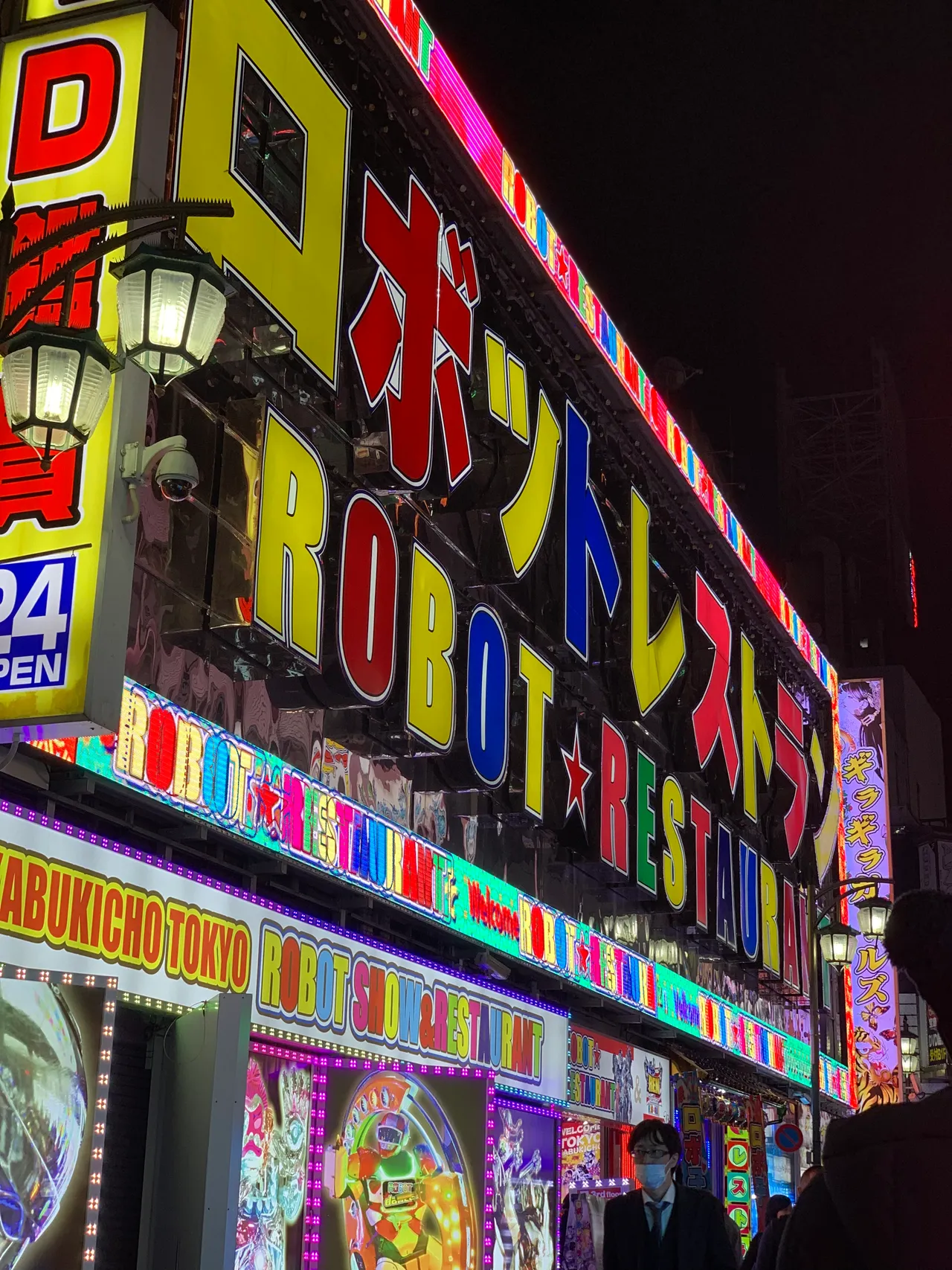
- Over-the-top cabaret-style shows in Shinjuku: The original Robot Restaurant is closed, but that style of flashy, sensory-overload entertainment is very much part of the Tokyo tourist experience people look for. It's the kind of thing I would only do if the campiness appeals to you, because yes, it can absolutely feel gimmicky, but it is also entertaining and memorable in its own chaotic way.
- Late shopping and dessert stops: Honestly, one of the best Tokyo evenings is just continuing to roam, shop, snack, and see where the night takes you.
What I Would Book Ahead
- Any attraction or experience you care deeply about and would be disappointed to miss.
- The Ghibli Museum, if that's on your list, because it needs more advance planning than most casual sightseeing stops.
- teamLab, if you know you want to go, because timed-entry attractions are just easier when you plan them instead of trying to improvise.
- Your hotel, especially if you're picky about neighborhood.
- Any nicer dinner reservations if food is a major part of your trip.
- Your eSIM setup before you land, because arriving disconnected is annoying.
My Honest Advice for a First Tokyo Trip
- Don't move hotels unless you have a really good reason. Tokyo is much easier when you keep one base.
- Don't pack your days too tightly. Some of the best parts of Tokyo are the random streets between your planned stops.
- Wear comfortable shoes and travel lighter than you think you need to.
- Build in rest. Tokyo is exciting, but it can also fry your brain if you're jet-lagged.
- If a place is too crowded, just keep walking. Tokyo always has another option.
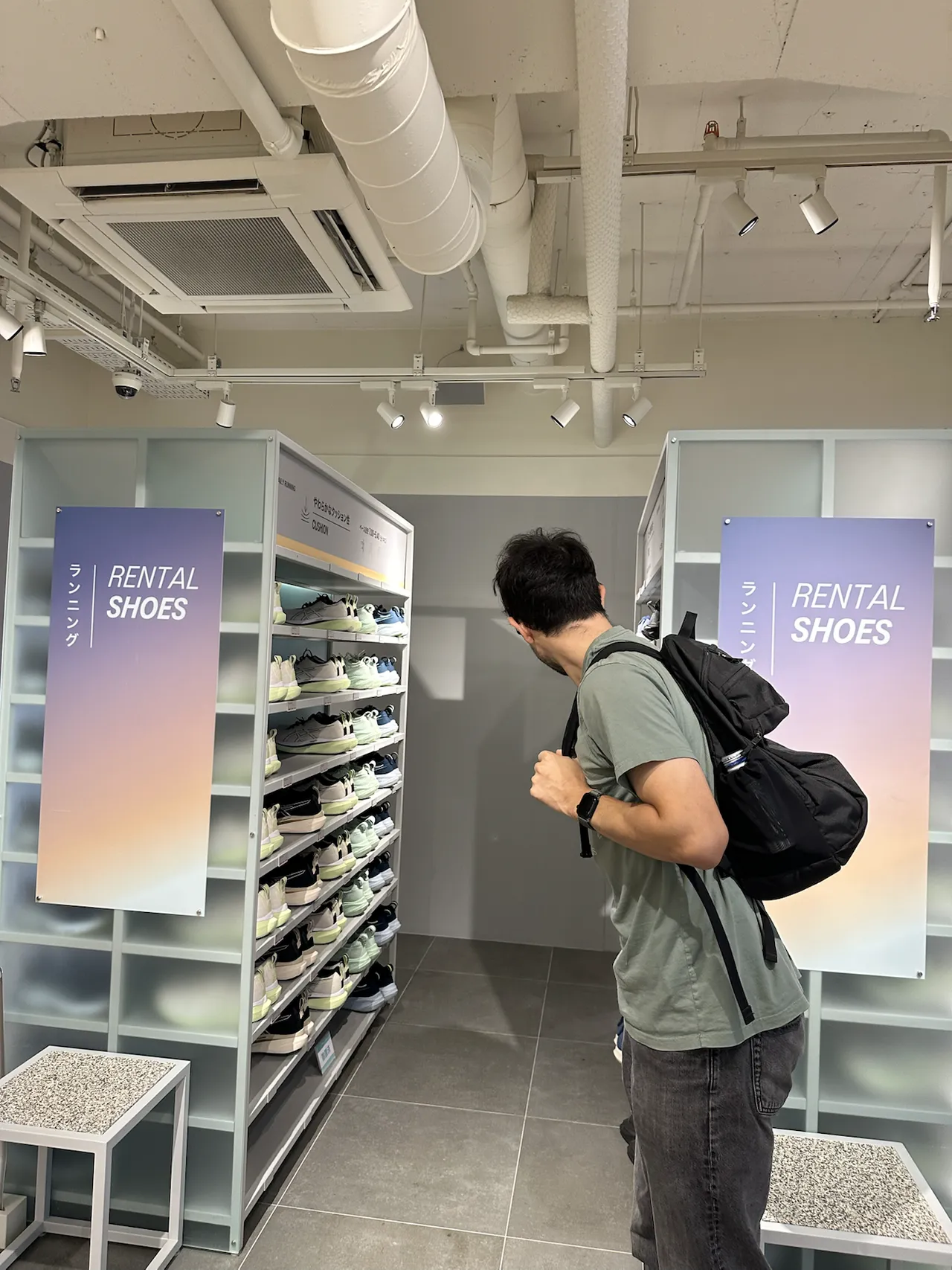
If you're a runner, one unexpectedly useful thing Tokyo offers is that you can even rent running shoes at Asics in the city. I love when a place makes it easy to be active without having to haul every single thing with you on an international trip.
Final Thoughts
Tokyo is huge, but it doesn't need to feel chaotic if you approach it neighborhood by neighborhood. That's really the trick. Pick your zones, walk a lot, leave room for spontaneity, and let the city impress you without trying to conquer all of it at once.
If you're pairing this with the rest of Japan, I would do Tokyo first, then move on to Kyoto for a totally different pace and atmosphere.
Comments
Leave a comment
International Destinations
Country guides, city breaks, and travel planning beyond the U.S.