Yosemite Valley Lodge
I haven't stayed here, but it is the in-park option I would check if you prefer a traditional hotel room. It is near Yosemite Falls and keeps you in the valley, which saves a lot of driving.
Check availability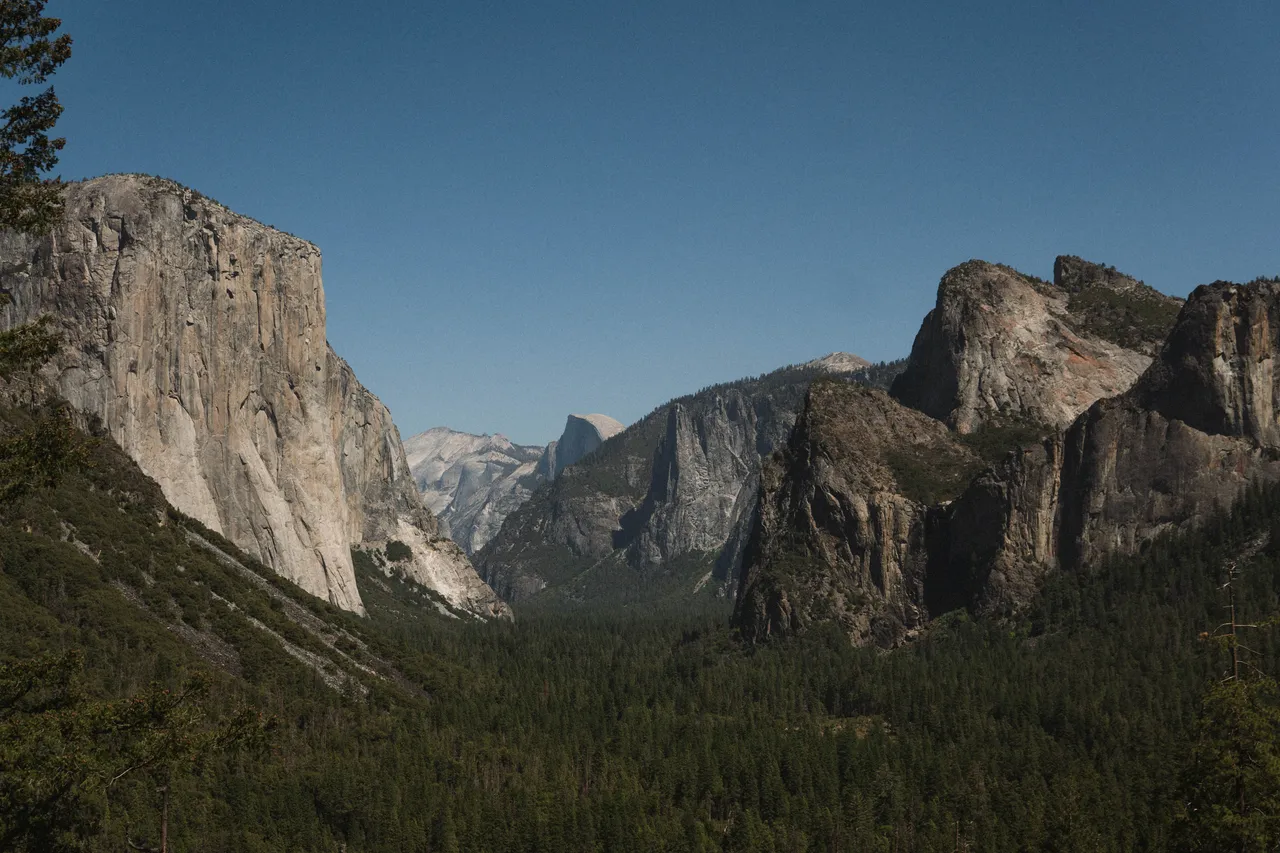
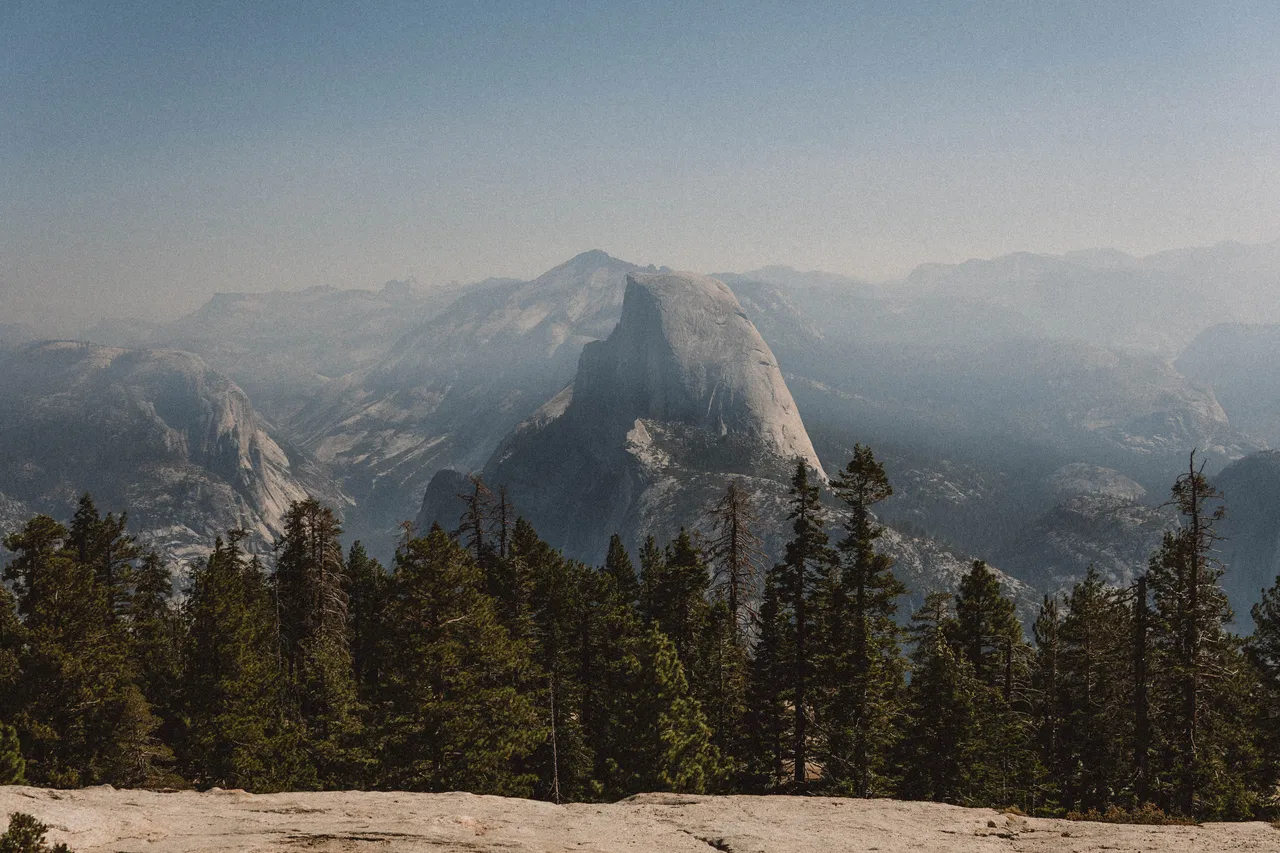
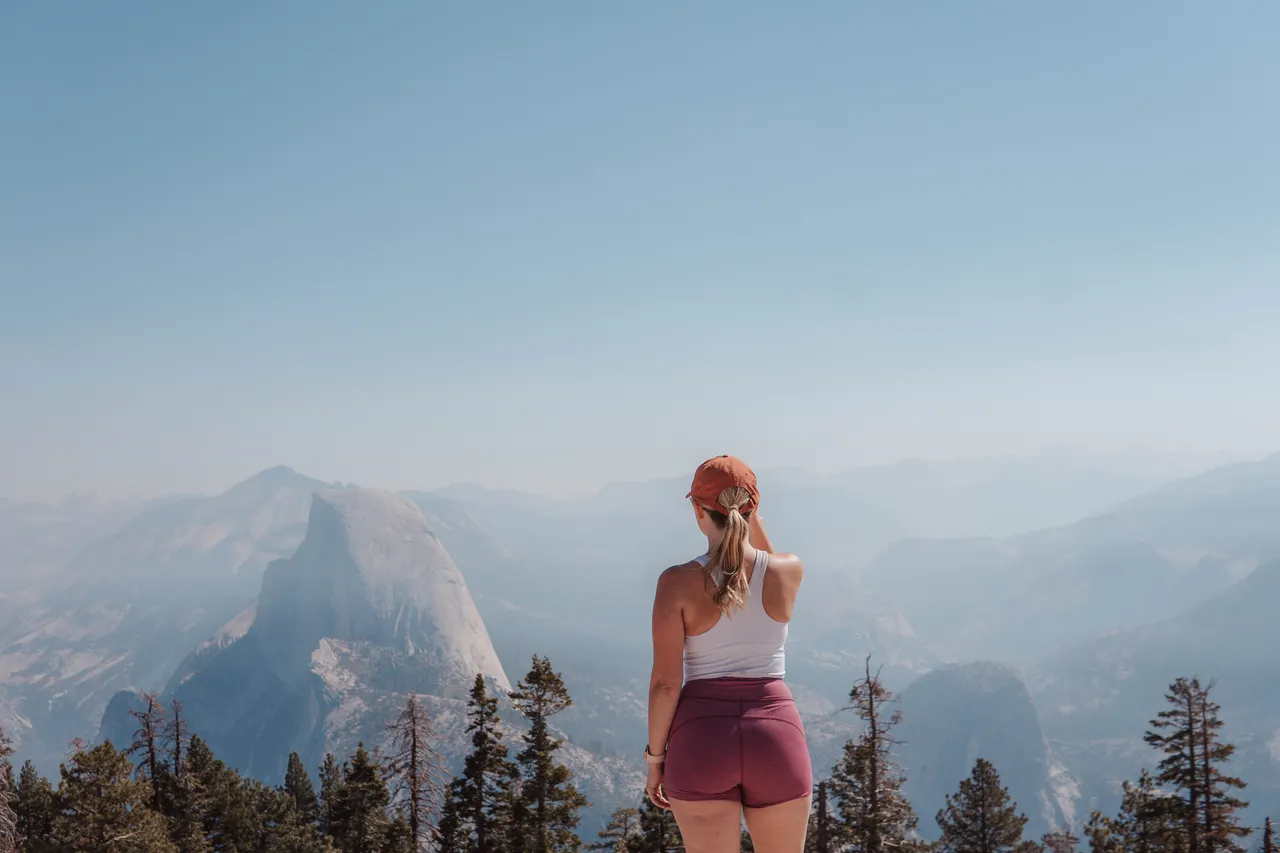
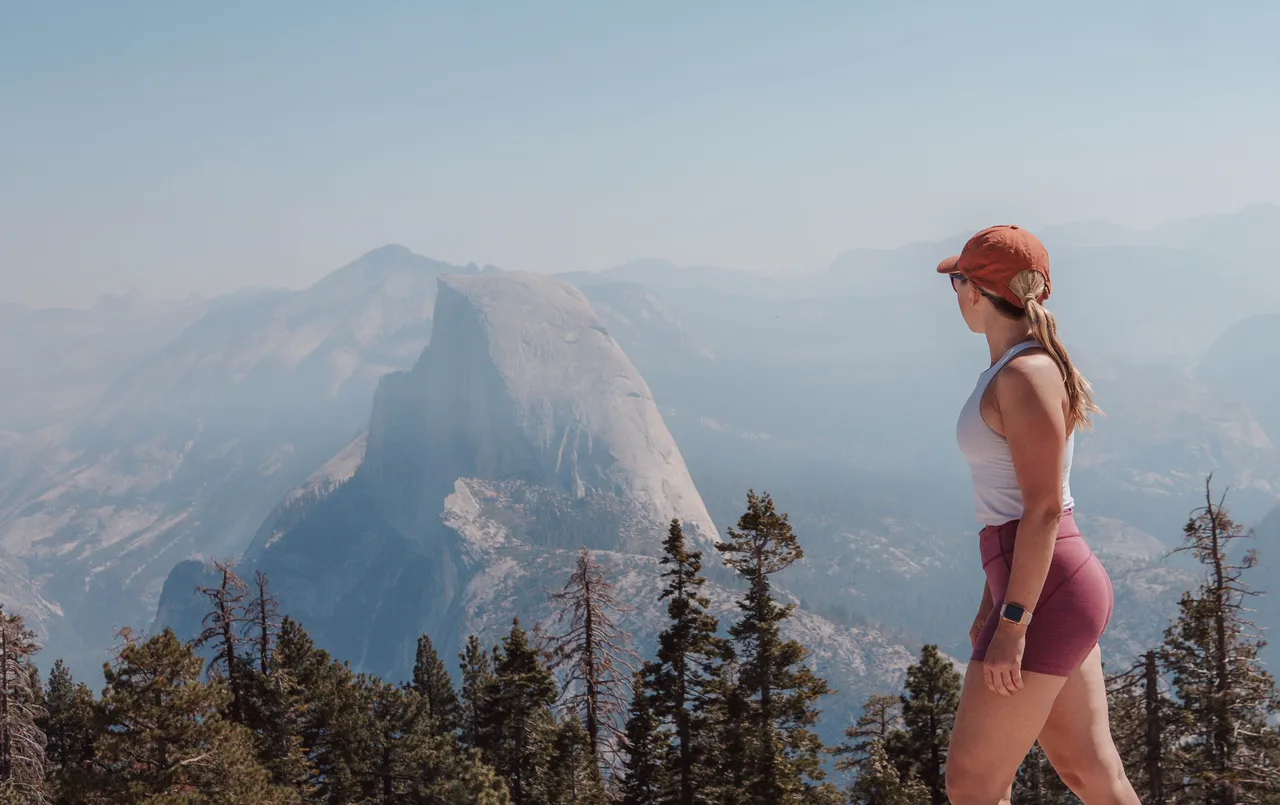
Yosemite is one of those places where the famous views are somehow even bigger in person. El Capitan rises straight out of the valley, waterfalls spill over the cliffs, and Half Dome seems to appear everywhere you turn. I first visited in 2021 and spent that trip exploring Yosemite Valley, driving Glacier Point Road, and hiking Sentinel Dome. Standing on Sentinel Dome and looking across at Half Dome was one of the moments that eventually inspired me to come back and hike Half Dome five years later.
This first-timer's Yosemite National Park guide covers when to go, where to stay, what to pack, the best hikes and viewpoints, and the practical things I wish everyone knew before driving into the park. Yosemite is huge, service is unreliable, roads are seasonal, and a little preparation makes the entire trip so much easier.
This post contains affiliate links. I may earn a commission if you make a purchase through these links at no extra cost to you.
Late spring is best for waterfalls. Yosemite's waterfalls are usually strongest during snowmelt, with peak runoff often happening in May or June. That is the time I would choose if seeing Yosemite Falls, Bridalveil Fall, Vernal Fall, and Nevada Fall at their most dramatic is the priority. The tradeoff is that higher roads and trails may still be snowy or closed after a big winter.
Summer gives you the most access. By July, Glacier Point Road and Tioga Road are more likely to be open, which unlocks many of Yosemite's high-country hikes and viewpoints. Summer also brings heat, crowds, traffic, and full parking lots. If you visit then, go on weekdays if possible and start your days early.
September is my personal pick for hiking. Both of my major Yosemite trips were in September. The weather can be cooler and drier, and most seasonal roads are usually still open. Waterfalls are much smaller by then, though, and wildfire smoke can affect the air and views. Check weather, air quality, and the park's current conditions shortly before your trip.
Fall and winter can be beautiful and quiet, but require flexibility. Tioga Road and Glacier Point Road close for snow, generally sometime in fall through late spring, and tire chains can be required on park roads during wintry weather. Yosemite Valley remains accessible year-round, but your itinerary will look very different from a summer trip.
When I visited in 2021, Yosemite had a temporary vehicle reservation system. The rules have changed several times since then. For 2026, you do not need a timed reservation to enter Yosemite National Park. Always check the official Yosemite entrance reservation page for the year and dates of your trip instead of relying on an old blog post or social media video.
A reservation and an entrance pass are two different things. The park entrance fee still applies. Yosemite's main entrances are open 24 hours a day, so you can drive in very early even when the booth is not staffed. That is genuinely helpful for beating traffic and finding parking, but it does not mean the park is free before 6 or 7 AM. Bring an America the Beautiful annual pass, buy a Yosemite pass online, or follow the entrance station's instructions for paying. The latest prices and payment details are on the NPS fees and passes page.
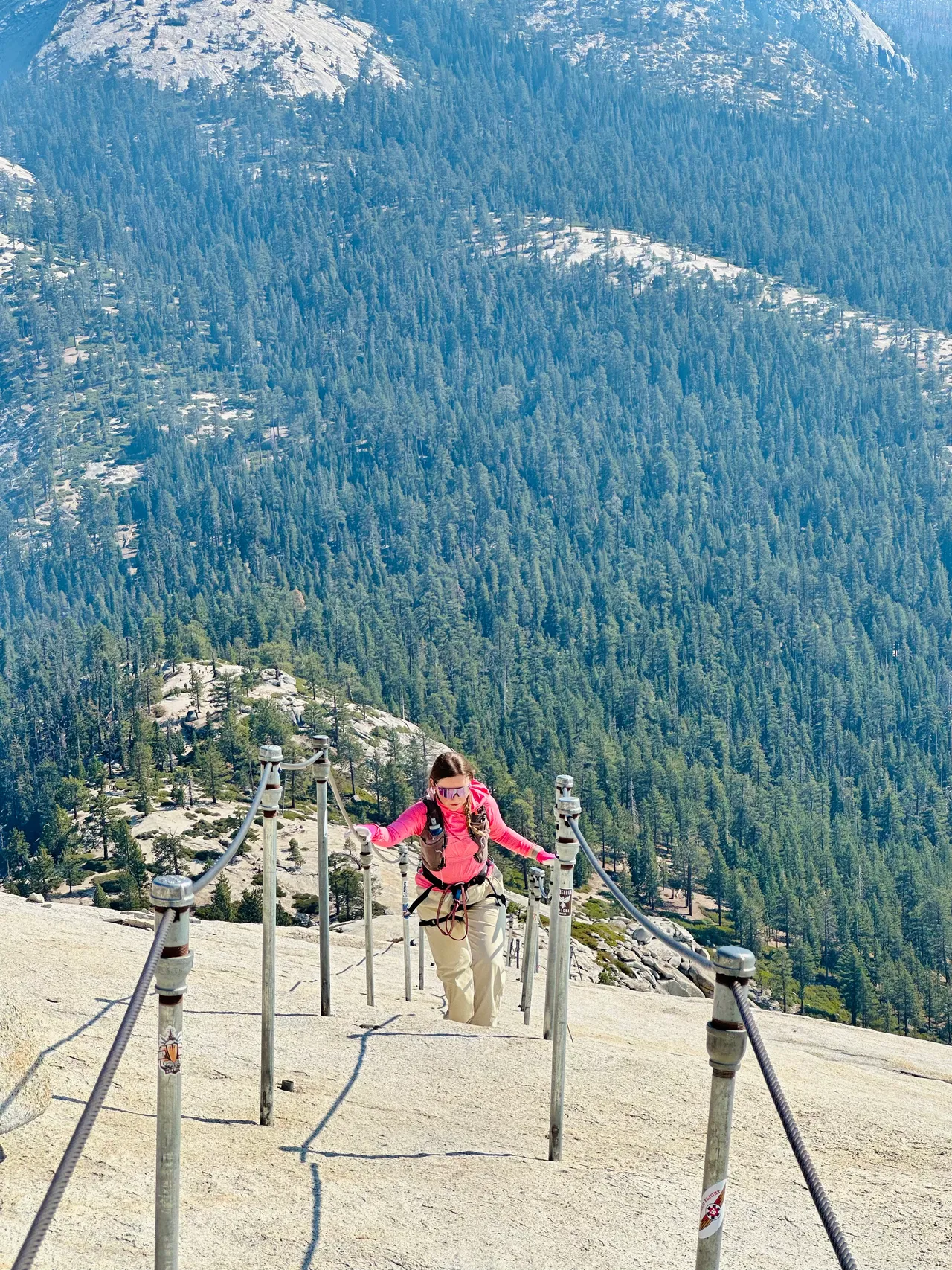
Separate permits still apply to certain activities. You need a Half Dome permit to go up the cables when they are installed, and overnight wilderness trips require a wilderness permit. You do not need a Half Dome permit to hike the Mist Trail to Vernal Fall or Nevada Fall.
Where you stay has a huge effect on your trip because Yosemite is so large and traffic can be slow. Staying inside the park costs more and books quickly, but it makes early trail starts much easier. If you stay outside the park, look closely at the actual drive time to Yosemite Valley rather than the distance on a map.
My pick for convenience
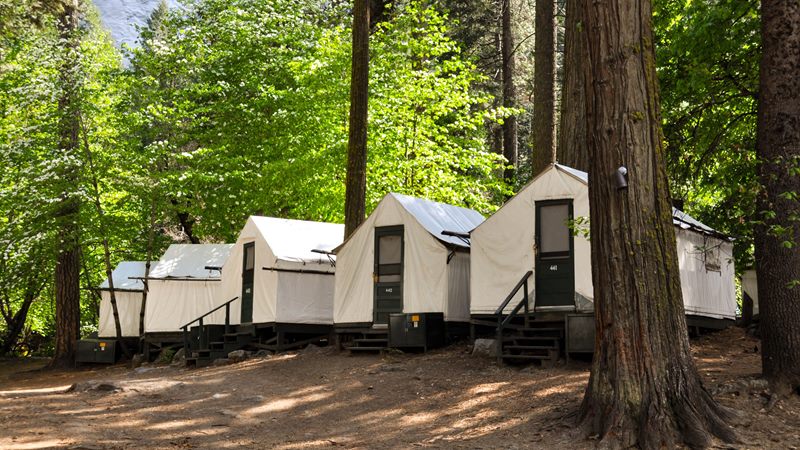
I've stayed at Curry Village before and would recommend it if you can get a reservation. You are right in Yosemite Valley, close to the Mist Trail and Half Dome trailhead, with restaurants and basic services nearby. The tent cabins are simple, but the location is hard to beat.
Check availabilityCamping: Yosemite campgrounds are extremely popular, and spring-through-fall sites generally require reservations. Do not assume you can sleep in your car in a parking lot—vehicle camping is only allowed in a registered campsite. Check the park's campground information and book as early as you can.
Even if you are mostly sightseeing by car, pack as if you may lose service, encounter a big temperature swing, or spend longer outside than planned. These are the things I would bring:


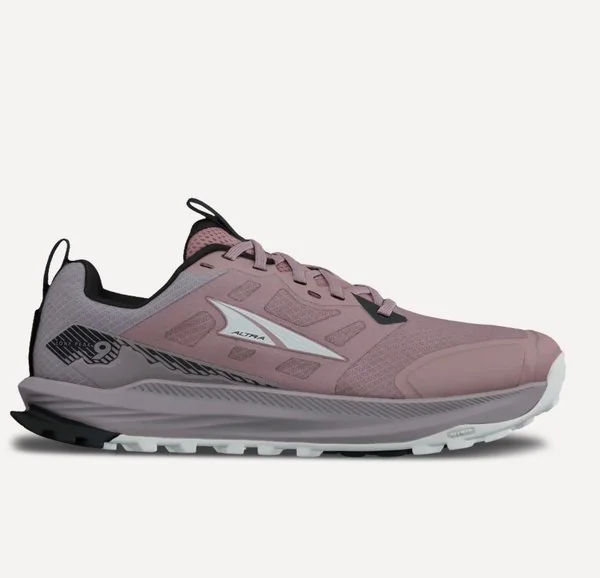

For longer hikes, add a small first-aid kit, blister care, extra food, and the rest of the ten essentials. You can browse more of my favorite hiking gear, and my Half Dome trail review has a much more detailed packing list for a full-day Yosemite hike.
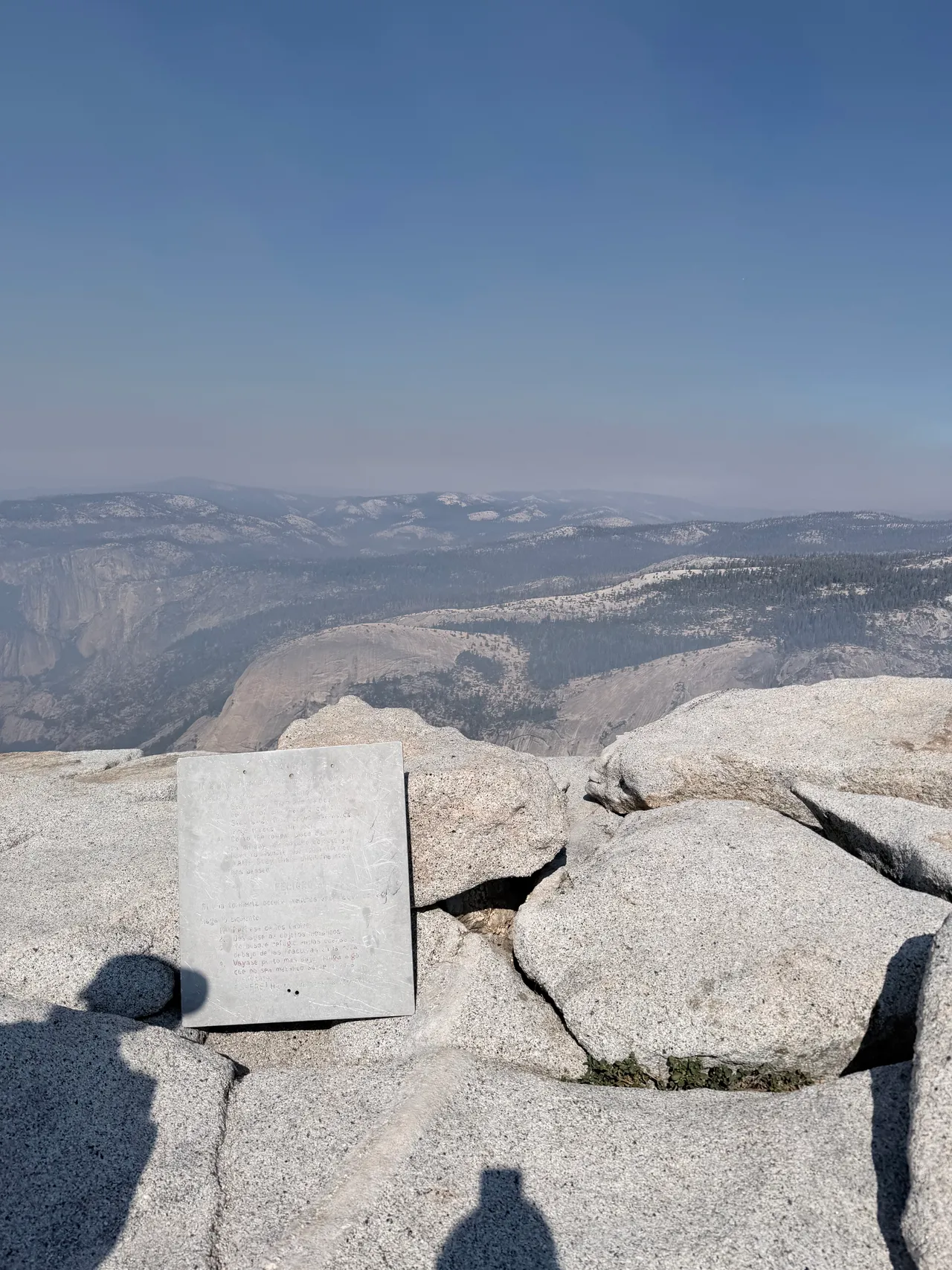
Sentinel Dome is the hike I did on my first trip, and it is still one of my favorite recommendations. The trail is about two miles round trip with roughly 400 feet of elevation gain. The final walk up the granite dome gives you a 360-degree view, including Half Dome and the surrounding high country. It is short enough to pair with other Glacier Point Road stops, but the view feels much bigger than the effort required.
The top is exposed, so do not go onto the dome when thunderstorms are nearby. Glacier Point Road is also seasonal; check that the road and trail are open before building your day around it.
If you do not get a Half Dome permit—or simply do not want an 18-mile day—you can still hike the Mist Trail and experience one of the best sections of the Half Dome route. The hike to the top of Vernal Fall is about 2.4 miles round trip with around 1,000 feet of climbing. Continue to Nevada Fall for a longer and harder day. The stone steps can be wet and extremely slippery from waterfall spray, especially during spring runoff, so take your time and expect to get damp.
The Mist Trail sometimes has seasonal closures or weekday construction detours. Check the current Vernal and Nevada Fall trail information before hiking.
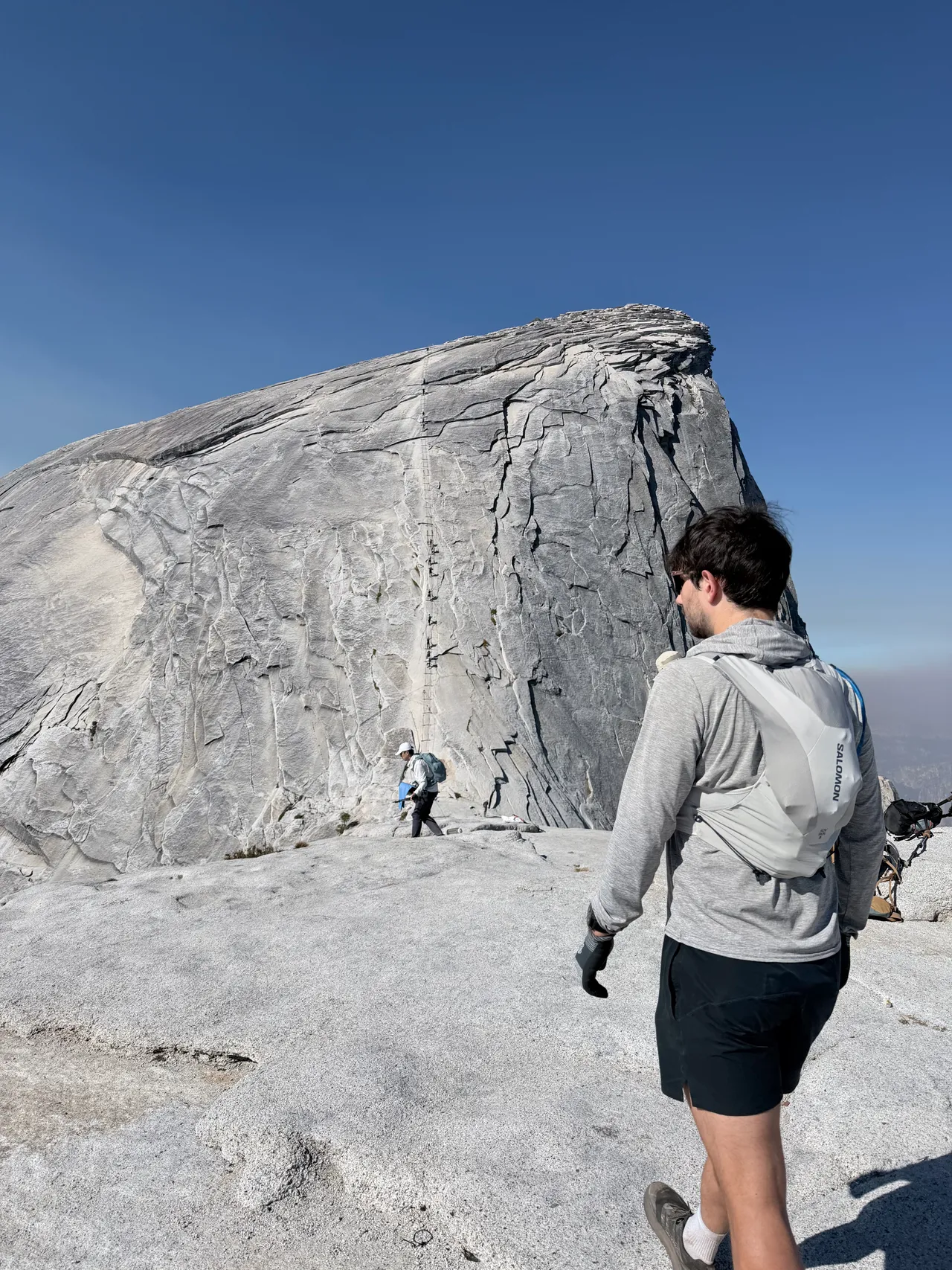
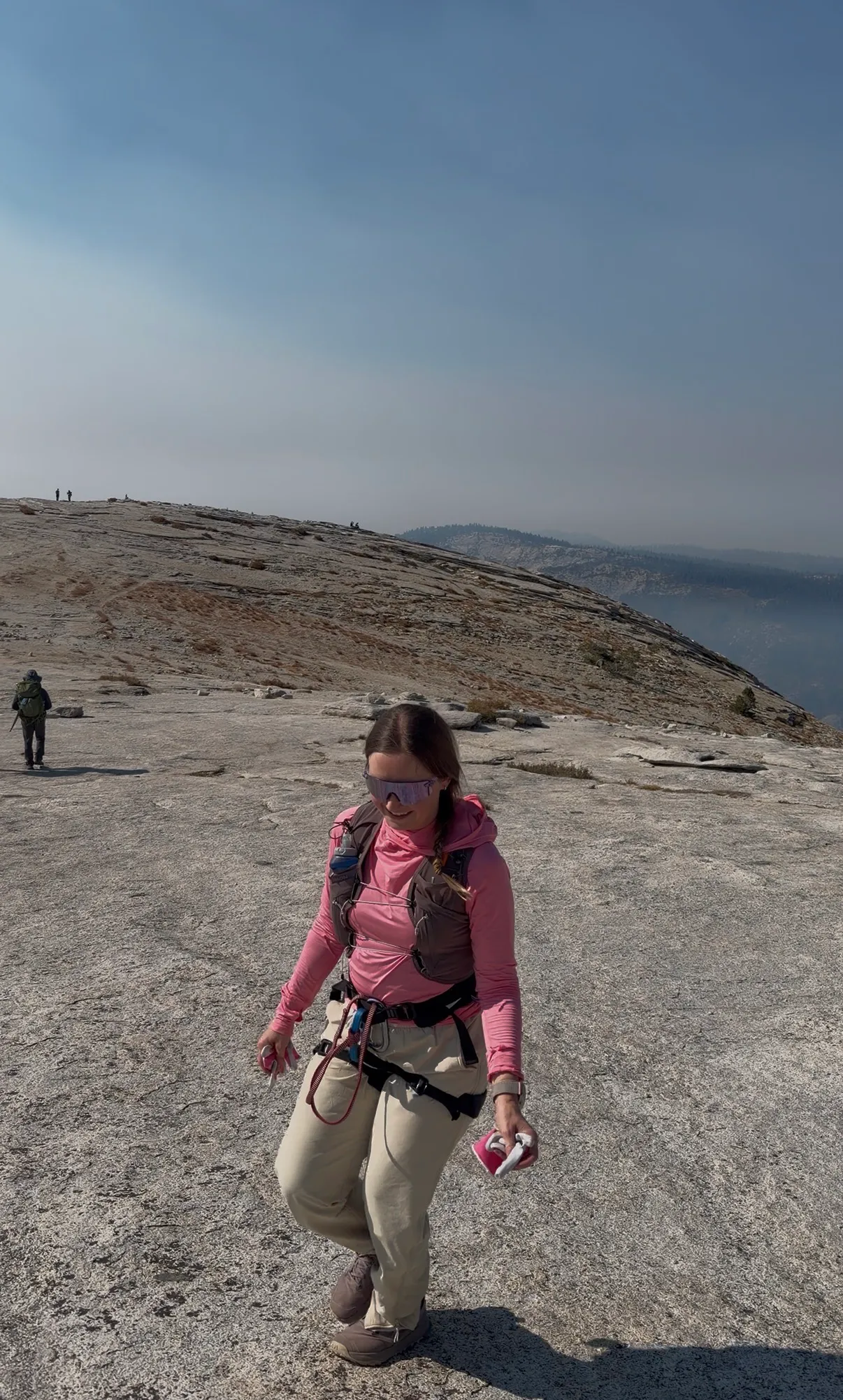
Half Dome is the bucket-list option, but it requires a permit for the cables and much more preparation than the other hikes in this guide. My recorded route was 18 miles with 5,576 feet of climbing and nearly 11 hours on the trail. If you are considering it, read my full Half Dome hiking guide for the permit lottery, training, gear, water plan, cables, and our actual route.
Taft Point starts from the same trailhead area as Sentinel Dome and is about 2.2 miles round trip. Instead of Half Dome being the main event, the trail takes you to the rim of Yosemite Valley with views toward El Capitan and Yosemite Falls. There are dramatic drop-offs and fissures near the point, so stay aware of your footing and keep children close.
This is more of a short walk than a hike, but it belongs on a first-trip list. A paved trail leads from the parking area to a sweeping view over Yosemite Valley, Half Dome, and the High Sierra. It is one of the easiest ways to get a huge Yosemite view when Glacier Point Road is open.
This easy valley walk is a good option between bigger hikes. The one-mile loop takes you to the base of Lower Yosemite Fall and is most impressive during spring and early summer. By late summer, Yosemite Falls may be very low or completely dry, so set expectations based on the season.
Honestly, I would not bring your dog to Yosemite unless your pup is comfortable relaxing in a dog-friendly hotel while you explore. Dogs are not allowed on Yosemite's hiking trails, in wilderness areas, on shuttle buses, or out in the meadows. That rules out almost every hike in this guide, including Sentinel Dome, the Mist Trail, Taft Point, and Half Dome. In-park lodging areas do not allow pets either, so confirm the policy wherever you are staying before planning to leave your dog there.
There are still a few beautiful places to walk and take photos with a dog in Yosemite Valley. Leashed dogs are allowed on most fully paved roads, sidewalks, and bike paths, including the paved trail and boardwalk through Cook's Meadow, the Lower Yosemite Fall trail, the Bridalveil Fall trail, and the paved road toward Mirror Lake. Cook's Meadow would be especially gorgeous for photos around sunrise or sunset, with open views toward Yosemite Falls, Half Dome, and the surrounding cliffs. Keep your dog on the paved path or boardwalk, though—pets are not allowed in the meadow itself.
Beyond walking the paved valley paths and stopping at accessible viewpoints, there just is not much for a dog to do. You also cannot bring a pet on the shuttle to connect different parts of the valley. If the main purpose of your trip is hiking, I think your dog will be happier staying home or with a sitter. If you do bring your pup, use a leash no longer than six feet, bring water and paw protection for hot pavement, pick up all waste, and store pet food like human food because it attracts bears. Read the current Yosemite pet rules before your trip.
If you are looking for a national park trip with more realistic ways to include your dog, my guide to visiting Zion with a dog has more ideas for balancing park time with dog-friendly stops.
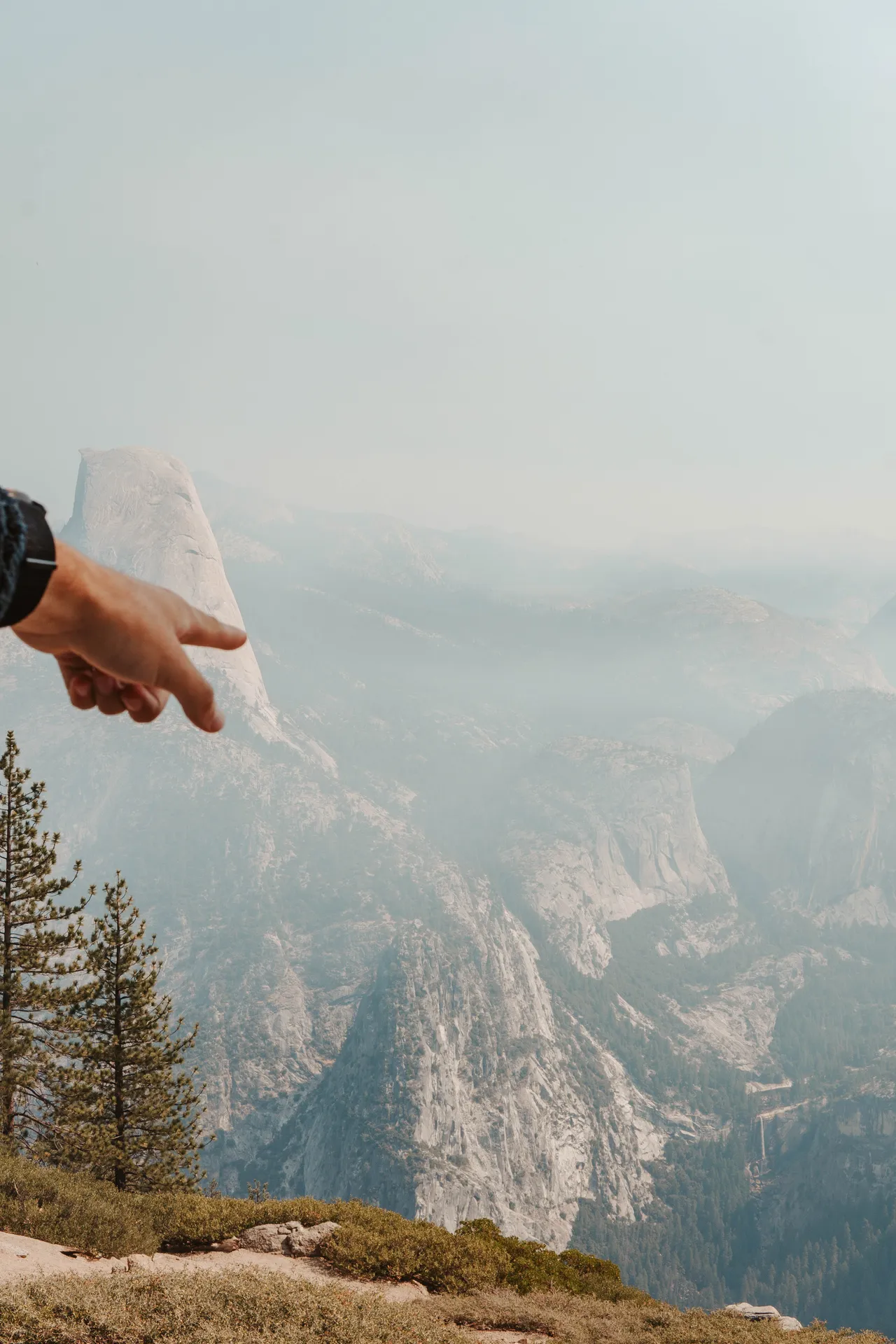
Glacier Point Road is one of the best parts of a first Yosemite trip because you can combine short hikes with huge views. There are several trailheads and overlooks along the drive, and near the end of the road you can pull into the signed parking areas, walk a short distance, and look across at Half Dome, Yosemite Valley, and the waterfalls. Washburn Point has especially good views of Vernal and Nevada Falls, while Glacier Point looks straight across toward Half Dome.
Give the road more time than it seems to need on a map. The drive from Yosemite Valley to Glacier Point is about an hour without stops, and you will want to stop. My ideal half-day would be Sentinel Dome early, then Washburn Point and Glacier Point afterward. If you have more time and are comfortable around exposed cliffs, add Taft Point.
Glacier Point Road is normally closed by snow from roughly November into May, sometimes longer. There is no regular shuttle between Yosemite Valley and Glacier Point, and services along the road are limited. Check the Glacier Point access information and current road status before you go.
My first visit gave me the overview; coming back for Half Dome gave me an entirely different relationship with the park. You do not need to hike the biggest trail to have an unforgettable Yosemite trip. Start early, choose one area at a time, and leave enough space in the itinerary to stop when the view makes you want to.
Two to three days is a good starting point for a first Yosemite trip. It gives you time for Yosemite Valley, Glacier Point Road, a hike, and a few scenic stops without spending the entire visit driving.
May and June are usually best for powerful waterfalls, while September is a great choice for cooler hiking weather and access to seasonal roads. Conditions vary with snowfall, wildfire smoke, and road closures.
Yosemite does not require a timed vehicle reservation for general park entry in 2026, but the entrance fee still applies. Half Dome, wilderness trips, lodging, and campgrounds may require separate permits or reservations.
Yes. You can hike the Mist Trail to Vernal Fall or Nevada Fall without a Half Dome permit. A permit is required to climb the Half Dome cables when they are installed.
Cell service is sporadic and often unavailable in Yosemite. Download driving directions, trail maps, permits, and lodging details before entering the park, and pick up a paper map at an entrance station or welcome center.