My Honest Wellness Toolkit: Real Practices for Mental Health, Self-Discovery & Living Well
I am not someone who woke up one day with perfect routines and a regulated nervous system. A lot of this toolkit came from trying to function better with ADHD tendencies, obsessive thought loops, body image struggles, dating fatigue, burnout, and the general overstimulation of modern life. None of this is meant as a prescription. It is simply what has genuinely helped me build a life that feels calmer, richer, and more intentional.
Some of these tools cost money and some are completely free. Some are deep inner-work practices and some are embarrassingly basic, like putting floss where I can actually see it. That is kind of the point. Wellness is rarely one dramatic transformation. For me it has been a lot of small, repeatable systems that help me trust myself more.
Systems That Help Me Function
Daily Planner
One of the most effective things I have ever done is return to using a paper planner. In school I relied on one constantly, and after graduation I realized how much I was forgetting once everything was no longer tied to a class schedule. A planner helps me offload chores, birthdays, work tasks, appointments, and ideas I do not want to hold in my head. I like sitting down on Sunday or Monday and mapping the week before it runs me over.
I have tried bullet journaling, but it creates too much friction for me. I want something simple that I will actually use. Lately I prefer Sugar Paper planners, and I use them to organize my job, my content work, and my personal life in one place.
Goal Setting with the 8 Dimensions of Wellness
The 8 Dimensions of Wellness framework gave me a more balanced way to think about goals. It pushed me to look beyond productivity and ask whether I felt supported emotionally, financially, socially, spiritually, and physically. Even writing down a few concrete goals in each category makes them feel more real.
- Social: Make two new friends, try a new activity, call longtime friends on their birthdays, plan an international trip with a close friend.
- Intellectual: Read one book a month on Libby and learn to sew and tailor my own clothing.
- Environmental: Compost more consistently and repurpose old clothing.
- Physical: Take a Lyra or trapeze class and build a small daily yoga and meditation habit.
- Spiritual: Join a moon circle and spend more time journaling with intention.
- Occupational: Deepen my AI knowledge and build something genuinely useful at work.
- Financial: Pay off debt and use side hustles strategically. Last year I paid off my MINI loan this way.
Do a Values Card Sort
A values card sort with my therapist was one of the most clarifying exercises I have ever done. It forces you to distinguish between values you admire and values you actually live. That difference matters. If I say I care about community or justice or creativity, but my life does not reflect that, then I have information I can work with.

When I did this exercise, my top 10 values were creativity, a varied life, true friendship, influence, mature love, cleanliness, responsibility, curiosity, honesty, and an exciting life. Seeing them laid out that clearly helped me understand myself much more deeply.
This has been useful for friendships, dating, work, and everyday decision-making. I feel much more aligned with how I actually live, and I can make choices that intentionally move me toward a life that reflects those values instead of away from them.
Interior Design and Home Organization
My environment affects my mood more than I used to admit. I function better when my spaces have a clear purpose. I have tried to build little zones that support the kind of life I want: a standing desk for focused work, a floor workspace for hobbies, a reading nook, a bathroom setup that makes skincare feel easy, and a bedroom that actually encourages sleep. I wrote more specifically about that setup in my home office post.
Small upgrades have had outsized impact: better ambient lighting, smart lights on timers during dark Seattle months, a step stool so storage is actually usable, and keeping routine-heavy items visible instead of hidden away. I also love using simple frames for my travel and personal photos. Framing them made my home feel much more personal, and it is genuinely beautiful to look back on those memories every day.
I also really prefer buying real plants over plastic fake ones when I can. It is one small way to reduce plastics in your life, and honestly it is not that hard to care for beginner plants like a Monstera, pothos, or even an olive tree. I like having living things around me. It helps me feel more connected to nature, and caring for them makes a space feel more alive.


Mental Health and Emotional Regulation
Meditation and Mindfulness Practice
I have taken two courses through Mindfulness Northwest: Mindfulness-Based Stress Reduction and Mindfulness Self-Compassion. The MBSR class is one of the most studied for improvements in health and well-being. It is an 8-week course that meets once a week. I did that one in person in Kirkland, and I took the self-compassion course online. At the end of the course there is a day-long silent retreat, which is a really unique and grounding experience.
My class had all different kinds of people from different backgrounds. Some had chronic health issues and wanted to better understand where pain was coming from in their body. Others were engineers like me who were just trying to manage daily stressors and become better versions of themselves. Meditation is extremely hard for me, but when I practice consistently, I notice I can slow down more easily and pause before reacting.
One of the best outcomes of taking a meditation course is the accountability. You are held to the practice long enough to actually build the habit. It also pays off in unexpected ways in daily life. It has helped me be more present in what I am doing and bring my full self to things. Even at work, you want to be present, listen carefully to your coworkers, and fully immerse yourself in what is happening around you.
This applies to almost everything. If I am taking a new class, like when I learned to sail, I try to let myself get fully immersed in that world so I can get the most out of the course and the people I meet. If I am making coffee in the morning, I try to slow down enough to smell the beans, think about the process, and actually enjoy it. It makes daily life feel richer, and it teaches you to love the small moments more.
Therapy
Therapy helped me identify emotions more accurately, set better boundaries, and understand how trauma and attachment shape relationships. The feelings wheel was so helpful for uncovering what emotions I was actually feeling instead of flattening everything into vague stress. It helps me get to the core emotion.
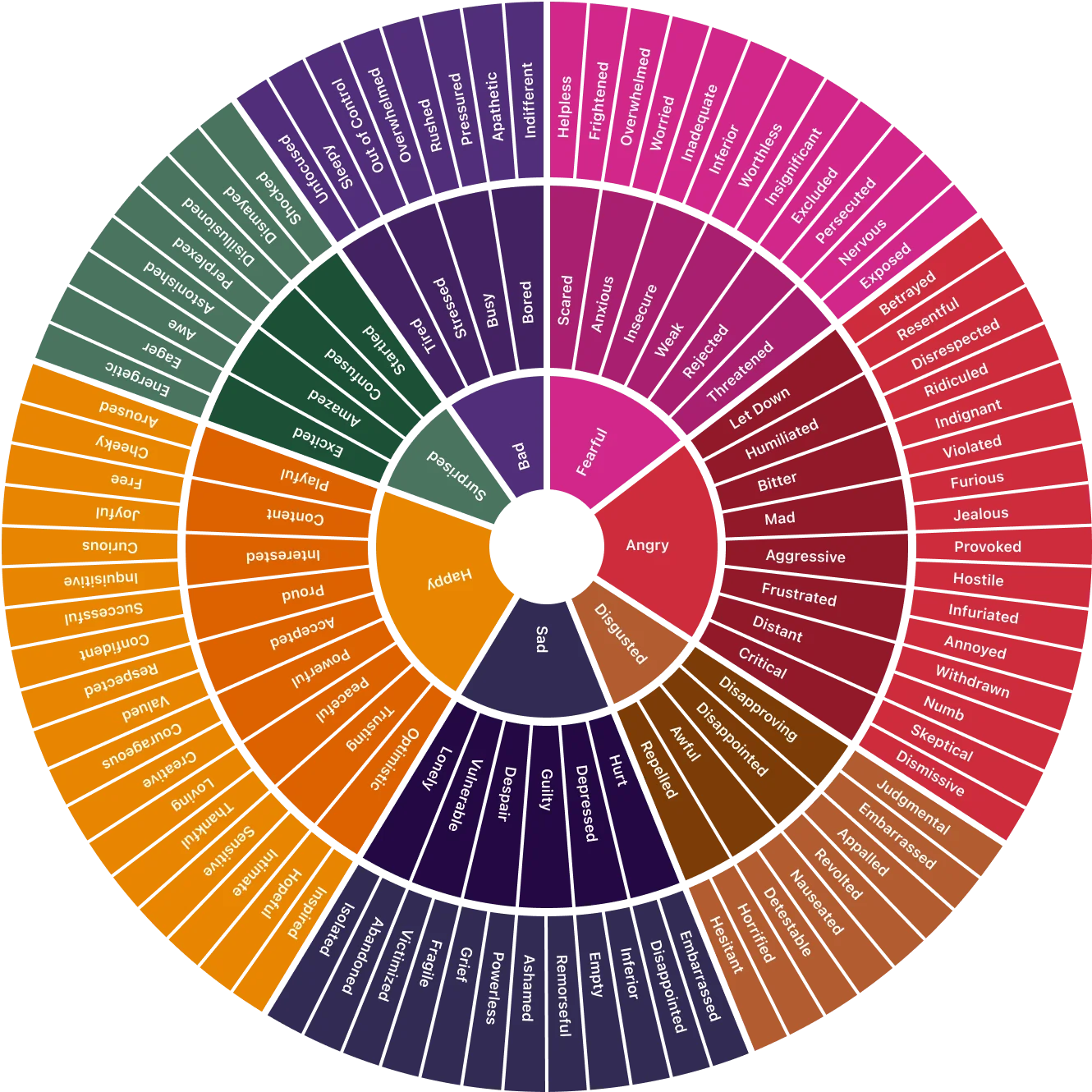
One distinction that changed a lot for me was learning the difference between a thought and a feeling. My therapist has challenged me a lot on this. We often say things like "I feel like she is being this way because XYZ," but really that is a thought. Thoughts are mental narratives, opinions, and judgments that can sometimes distort reality. Feelings are more body-based states like happiness, sadness, anger, fear, or calmness. They are more immediate signals of what you need, which is why those are what you actually want to communicate to other people.
Therapy has also helped me work through different traumas, and it has been especially useful for dating. Learning about attachment styles and different ways of thinking has made me much more aware of my patterns and the kinds of dynamics I want to avoid.
Another resource that really helped me was Burnout by Emily Nagoski. It gave me a much better understanding of the stress cycle and helped me become more compassionate toward myself and my body. It also gave me more permission to treat movement, rest, crying, connection, and other forms of release as necessary ways to complete the cycle, not indulgences I had to earn.
Podcasts for Free Therapy Adjacent Insight
The Love, Happiness, and Success podcast has been one of my favorite free resources, especially for heartbreak, self-esteem, and relationship dynamics. I have recommended her breakup episodes to multiple friends. For dating specifically, I also liked Damon Hoffman's advice because it is practical, grounded, and good at cutting through fantasy.
I also listened to her "Signs of a Healthy Relationship" episode, which helped me recognize that I was in a toxic dynamic stuck in a very common anxious-avoidant loop. Overall, she has wonderful advice, and her episodes are great for a long walk with your dog when you want your brain to keep learning.
I still think therapy is irreplaceable, but good podcasts can reinforce healthier patterns between sessions and help you feel less alone.
Tune Into Your Jealousy
Jealousy became much more useful once I stopped treating it as something shameful. Usually it is information. When I feel envy, I try to ask what it is pointing to. Is it a quality I want to cultivate, a goal I have been neglecting, or a life direction I secretly want for myself? Once I frame it that way, the feeling becomes data instead of poison.
Body Trust and Physical Health
Working with a Dietitian
Working with a dietitian helped me untangle body image, nutrition, and a lot of misinformation I had absorbed over the years. I grew up in an environment where weight was commented on often, and for a long time I let my weight dictate how I felt about myself and my self-worth. If I was not at the weight I thought I needed to be, I would guilt myself into skipping meals and then end up binging later because I was hungry. I also over-exercised in a pretty obsessive way and even lost my period once while training for my first half-marathon. I was running so much, loved how skinny I looked, and was not eating enough calories or enough carbs to replenish what I was burning.
I corrected that after losing my period, and it came back once I started eating more carbohydrates and sugar. I also used to think I was listening to my body by skipping breakfast, but it turned out that after doing that for so long, my hunger cues had basically turned off. Once I reintroduced food in the morning, I started getting naturally hungry again and felt much less moody and more energized.
My dietitian introduced me to The Body Image Workbook and Reclaiming Body Trust, both of which were genuinely helpful. Since my hair growth had slowed in my late 20s, she also recommended bloodwork and increasing my protein intake to at least 80 grams a day. That is harder than it sounds when you are mostly vegetarian. I am pescatarian, and I started hitting that goal more consistently by adding a daily protein drink and being more mindful about including protein in each meal. So instead of just making pasta for dinner, I will add shrimp or Impossible meat to make it a more complete meal.

Learning about set point theory and the ugly history of BMI also helped me detach health from a narrow and often harmful aesthetic framework. I wrote more about how fertility care intensified my attention to bloodwork and nutrition here.
Simplified Skincare Routine
I got a little fixated on skincare after getting a free skin analysis done on my trip to Korea. It was fun, but the real progress happened after seeing a dermatologist. I learned that what I had assumed was acne was actually rosacea, which changed the entire strategy. I also wrote more about that report in this post.
My routine is much simpler now, but it is also more targeted. During the day I use numbuzin vitamin C, stay extremely consistent with sunscreen use, and use a tinted sunscreen with iron oxide for added visible light and blue light protection.
At night I first double cleanse using Heimish All Clean Balm, then the ma:nyo cleanser. After that I use Torriden Dive-In hyaluronic acid serum, rosacea triple cream, hydroquinone, tretinoin, and then COSRX Advanced Snail 92 All In One Cream layered on top for moisture.

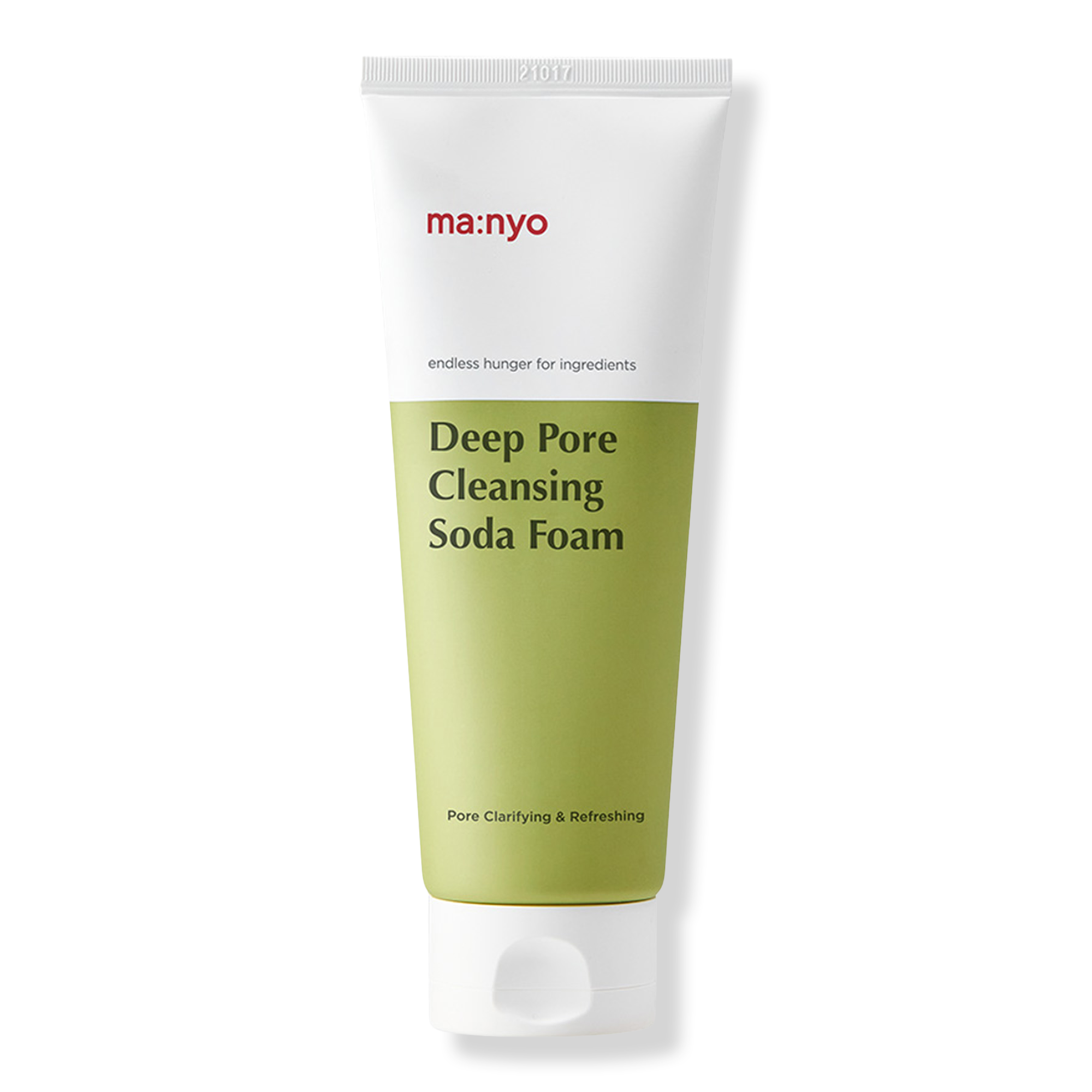
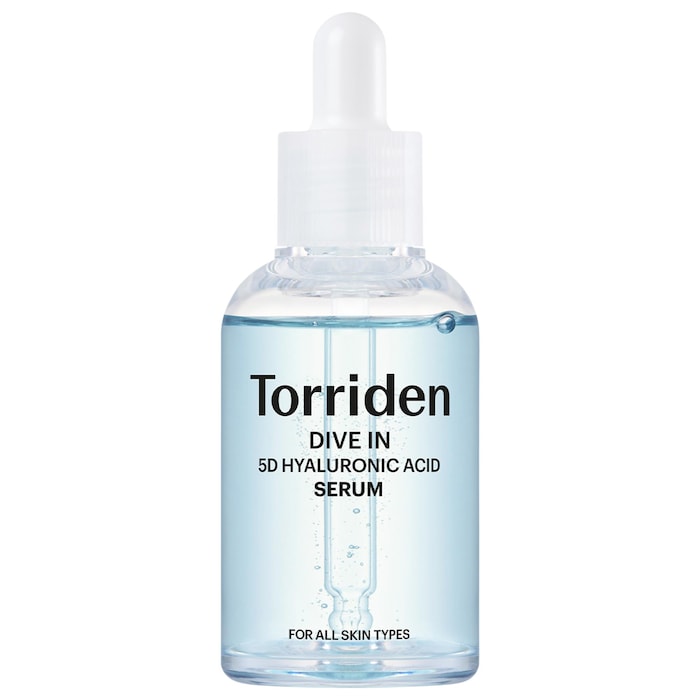
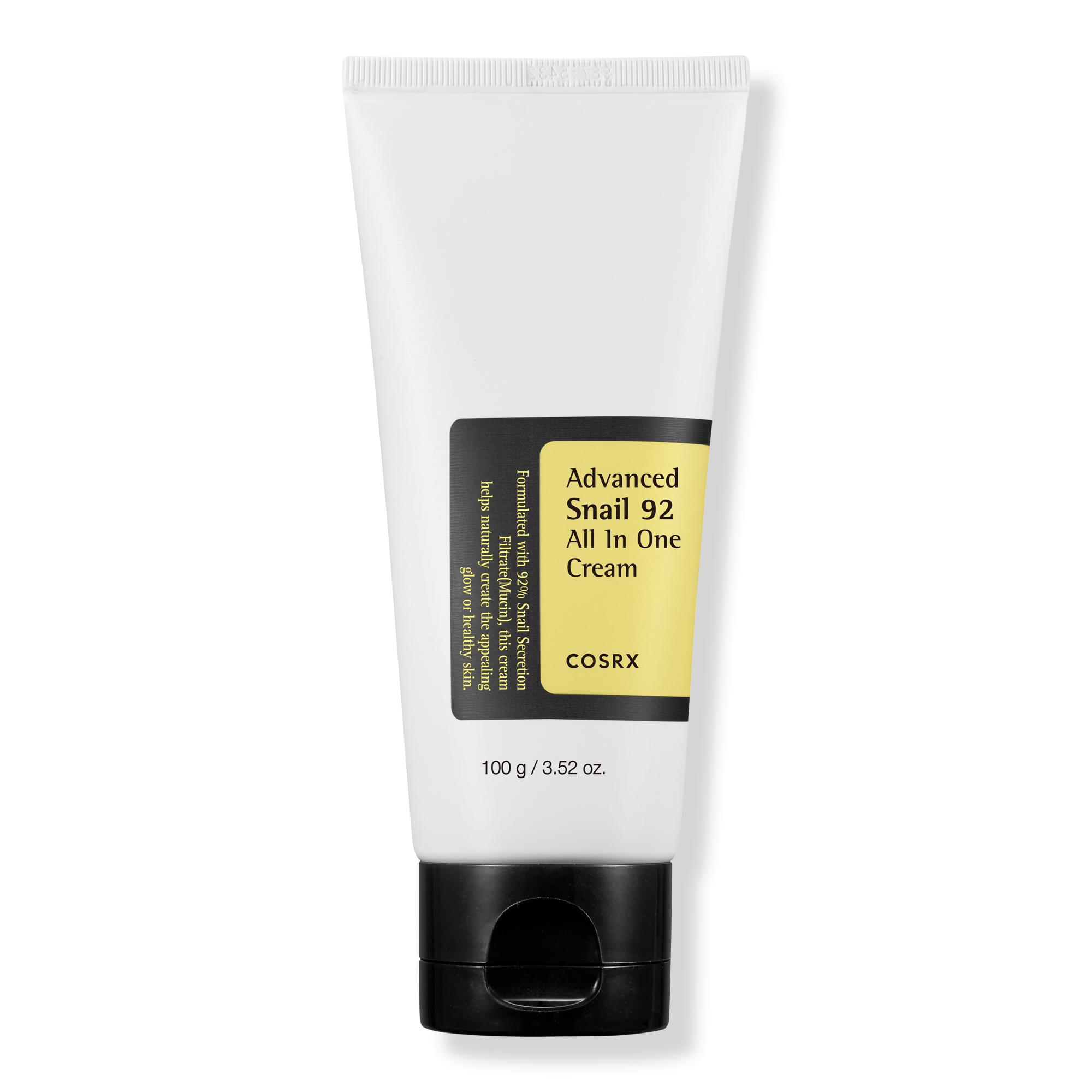


That routine has helped me keep things simple while also treating rosacea, dehydration, texture, and melasma at the same time. I still do not do Botox or cosmetic procedures. For me, skincare is mostly about comfort, health, and sun protection.
Take Your Dental Health Seriously
Dental care is one of those boring categories that matters more than people want to admit. Cocofloss made flossing less annoying for me, and I built the habit by putting it near the couch where I would actually see it. I also try to leave the dentist with the next appointment already booked so there is no future version of me pretending to forget.
Vitamins and Supplements
I do not believe in taking a hundred supplements just because wellness culture says to. I think it makes more sense to work with your doctor and dietitian to figure out what your goals actually are and how you want to get there. For me, some of the goals were managing my cholesterol, getting my hair to grow longer after it had been breaking off, and addressing deficiencies that kept showing up on bloodwork.
That is why I prefer annual bloodwork and targeted support instead of random stacking. Right now that means protein supplementation, Nutrafol for hair growth, gentle iron and vitamin C for low iron from heavy periods, and vitamin D supplements. My vitamin D had become deficient from living in the Pacific Northwest, and supplements helped get my levels up to 70. Iron has been harder and is still something I am actively working on.


One other thing that has been useful is looking at bloodwork across multiple years instead of only reacting to one lab draw. You can also give your historical bloodwork to Claude or ChatGPT, explain any symptoms you have had and when they started, and ask it to look for trends or patterns that might be worth following up on with your doctor. That is not a replacement for medical care, but it can be a useful way to organize your own health history and ask better questions.
Track Your Menstrual Cycle
I wish cycle literacy were taught more clearly. I track mine with an Oura Ring, and over the years I have also used Garmin for mood and emotion tracking so I can see more clearly how my cycle affects me. Tracking it has made me much more compassionate toward myself, especially during the luteal phase and while I am actually on my period.
I have leaned much more into planning around my cycle. I try to prioritize more rest and hydration in the luteal phase, and I like to take advantage of higher energy in the follicular and ovulatory phases when I usually feel my best. Exercise actually tends to help reduce my period symptoms, and my running performance is still pretty solid during my period even if the tampon situation is annoying.
I also think it is worth evaluating all of your contraceptive options before choosing one. Birth control pills caused a lot of inflammation for me, so switching to a non-hormonal IUD made life significantly better.

Reducing Microplastics Exposure
I became more intentional about microplastics and endocrine disruptors during the egg freezing process, when my doctor explained how these exposures can affect fertility. I do not approach this in an all-or-nothing way. I just try to make the obvious swaps: stainless steel or cast iron instead of non-stick when possible, glass instead of plastic for food storage, and wood or bamboo instead of plastic cutting boards.
It is easy to feel overwhelmed by this topic, so I focus on the biggest wins and ignore purity spirals.
Relationships, Dating, and Self-Knowledge
Get Scientific with Dating
At one point I started treating dating like a part-time research project. A friend and I kept date journals with names, where we met, how the date felt, and a few notes afterward. Looking back, my gut was usually right much earlier than I wanted to admit.
I only dated when I was in a healthy mental place and used heavy filtering on values as much as I could before agreeing to go on a date. I do not recommend getting too caught up in superficial filters like height or race. Keep your mind open, focus on your non-negotiables, and pay attention to values and character.
Damon Hoffman's podcasts were especially helpful for me here. She is fun, practical, and gave some of my favorite first-date advice. I loved her rule of no dinner dates as a first date and keeping first dates to about one hour. It lets momentum and energy continue if there is a connection, while also keeping the investment lower for both people in terms of time, money, and pressure.
I also really like Helen Fisher, who worked with Match.com and had a PhD in biological anthropology. I found her content easy to consume and genuinely interesting. Her book Why We Love was fascinating, and I highly recommend it if you want more insight into how humans evolved around relationships, partner selection, and even why some people cheat and how that may be tied to genetics.
Another helpful concept in dating was psychological flexibility and openness to the fact that your partner is going to be different from you. That is often part of what you like about them. Every person has their own way of being, and when you let go of trying to control how people show up in the world, you make more room for compassion and curiosity. That is not the same thing as abandoning boundaries though. You still need to know your limits and what you are not willing to compromise on.

Take a Solo Trip
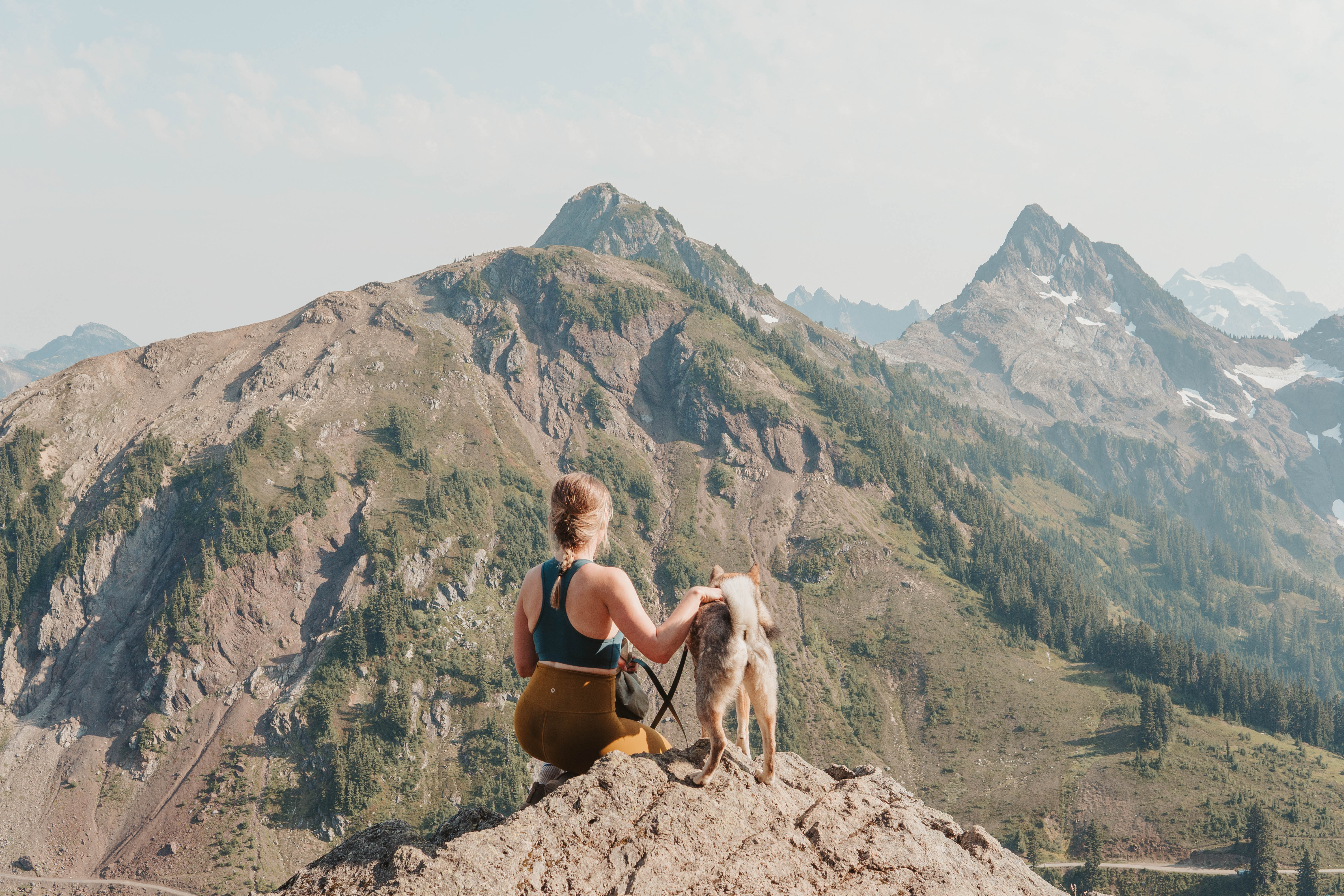
Solo travel gave me some of the clearest self-trust I have ever built. One solo road trip with my dog helped me realize I wanted to leave Denver and build a life in Seattle. I do not think you need to become a digital nomad or perform independence online for this to count. Even one small solo trip can show you how capable you are.
I wrote more about my first solo road trip and first solo camping trip if you want more detail.


Creative Practice and Personal Expansion
Have a Hobby That Uses Your Hands
A hobby that occupies your hands is incredibly helpful if your mind tends to race. For me that has been guitar. I bought an acoustic guitar on Craigslist, used YouTube, and paid for Ultimate Guitar. It is grounding, inexpensive compared to many hobbies, and satisfying in a very immediate way.
Vocal Lessons
Voice lessons gave me much more than better singing. They made me more aware of tension in my body, how I breathe, and how much fear I carried around self-expression. My teacher pointed out that I had vocal fry and that tension in my neck and body was getting in the way of a healthier speaking and singing voice. That kind of embodied work reaches deeper than I expected.
Another fun thing I like to do when I get into a new hobby is make a Pinterest board of inspiration. I made one full of female singers and fun outfits to get myself excited about it. Singing is such an expressive art form, and I love seeing women be vulnerable, share their inner beauty with the world, and of course wear incredible outfits while doing it. That side of it is genuinely inspiring and fun for me.

Vision Boarding and Manifestation
I used to find vision boards corny, but once I approached them less as magical thinking and more as a way to clarify desire, they became useful. They help me articulate what I want to move toward and keep those desires visible. Even if you are skeptical of manifestation language, there is still value in giving your future self somewhere concrete to look.
Dive Into Personal Growth for Work and Hobbies
Two books I liked in this category were Ikigai and Becoming You. They helped me think more seriously about strengths, purpose, and the overlap between what energizes me and what is actually viable in the real world. I do not think every hobby needs to become monetized, but I do think many people stay stuck because they never take their own interests seriously enough.
One of the biggest takeaways I got from Ikigai was the idea of making yourself less fragile, which feels especially important in this economy. The book talks about resilience and antifragility, and I think that applies directly to modern life. Build more options for yourself. Have multiple income streams if you can. Develop a diverse set of hobbies and interests. Invest in strong friendships. Be conservative in some parts of life and more willing to take risk in others. Avoid toxic habits and toxic people. The goal is not to control everything, but to build a life that can absorb change without falling apart.
Free and Low-Cost Tools I Use Constantly
Libby for Audiobooks
Libby has made me more consistent about reading because it removes friction and cost. I use it on walks with Sora, while driving, and during chores. The library due dates weirdly help too. They give me just enough urgency to finish books instead of letting them linger forever.
On AI and Brain Rot
I work in tech, so I am not anti-AI. I use it regularly, especially for coding workflows. But I do think people need to be careful about outsourcing too much thinking, reflection, and creativity to tools that are supposed to support us. Used well, AI can sharpen productivity. Used lazily, it can flatten your brain. One podcast episode I liked on this was "ChatGPT, Brain Rot & Debate: The Fastest Way to Get Smarter".
My rule is simple: use it to extend your thinking, not replace it, and opt out of training on your chat data whenever possible.
What Actually Matters
If there is a theme running through all of this, it is that feeling well has less to do with perfection and more to do with self-trust. I feel best when I create systems that lower friction, stay honest about what is and is not working, and let my life reflect my values instead of just my aspirations.
You do not need to adopt everything in this list. Pick one thing that makes your days easier, one thing that helps you hear yourself more clearly, and one thing that supports your long-term health. That is enough to start.