How I Maximize Savings While Traveling (So I Can Travel More)

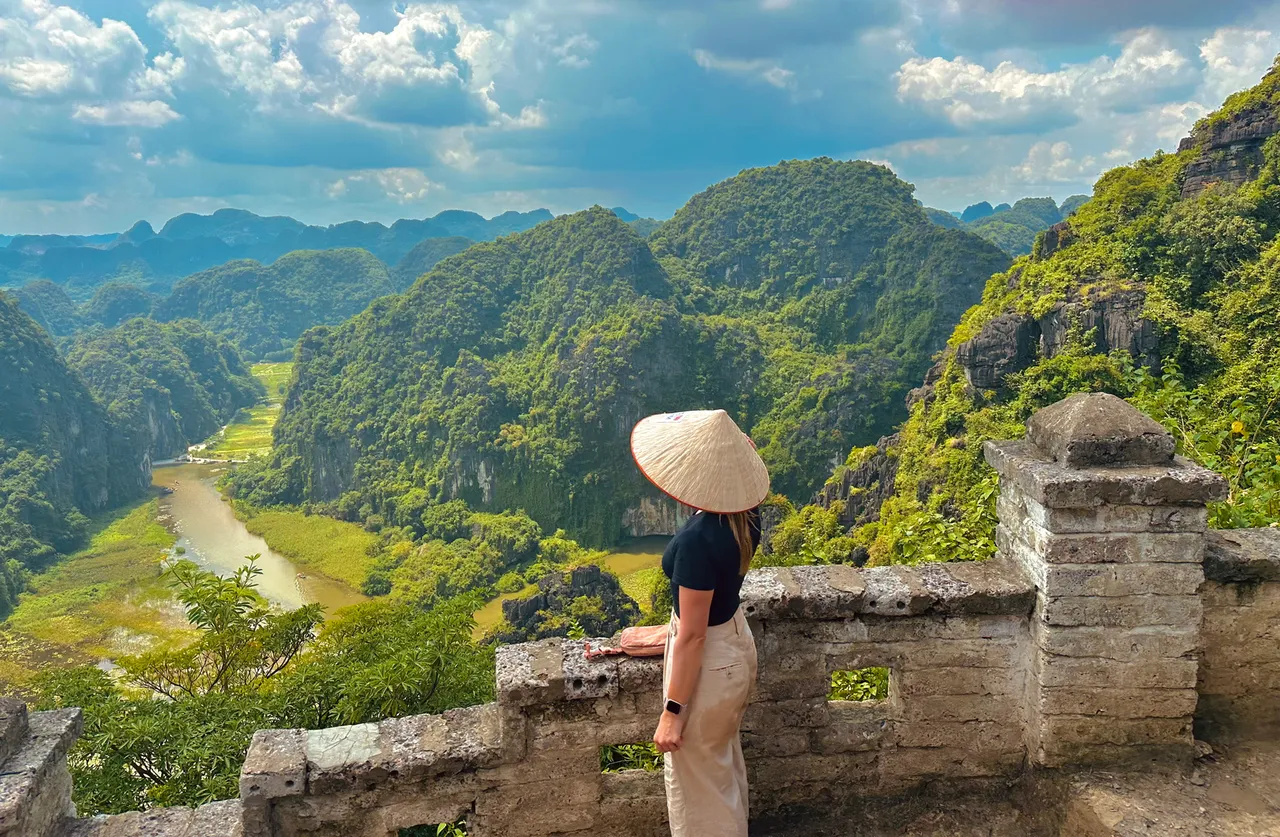

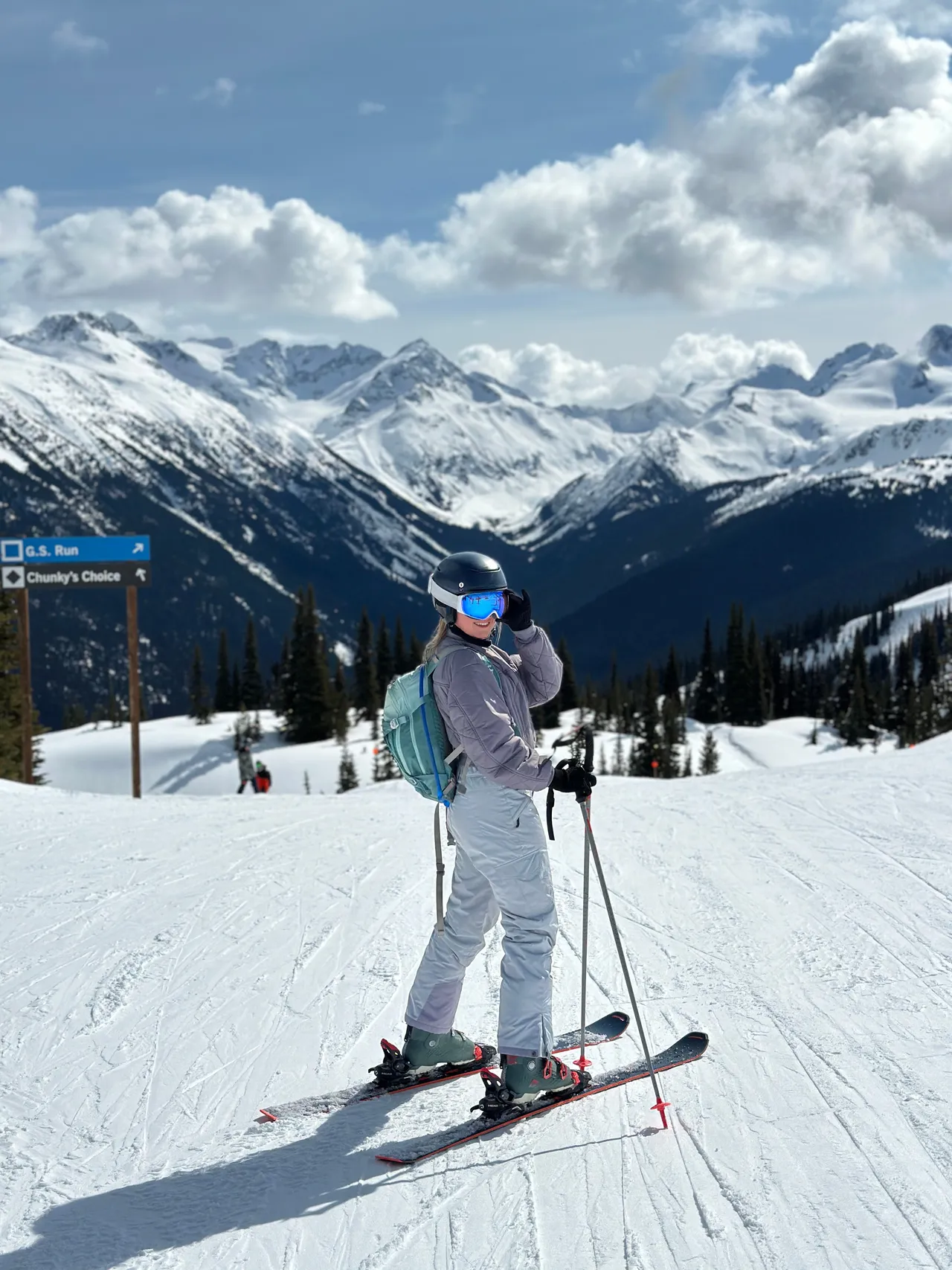
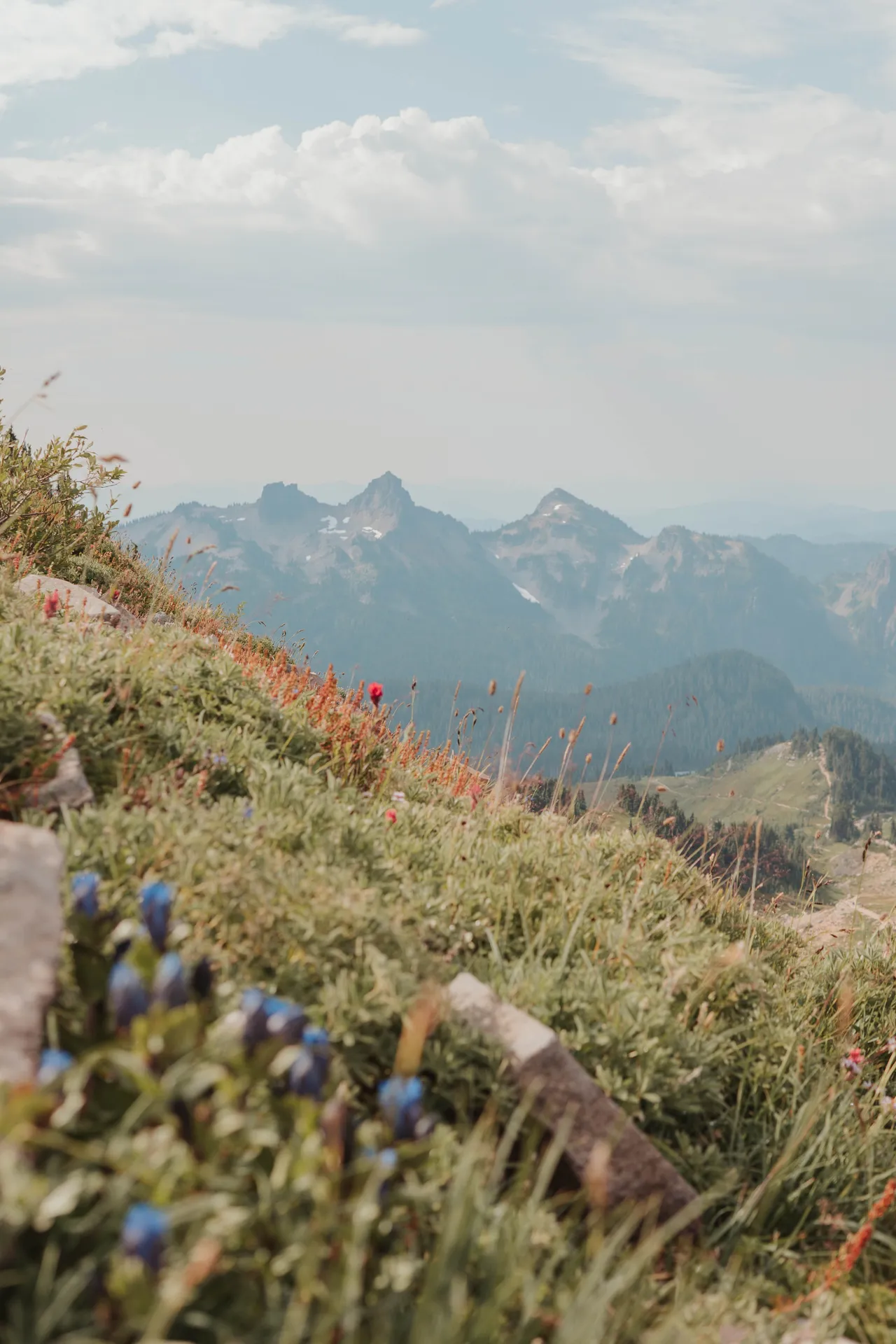
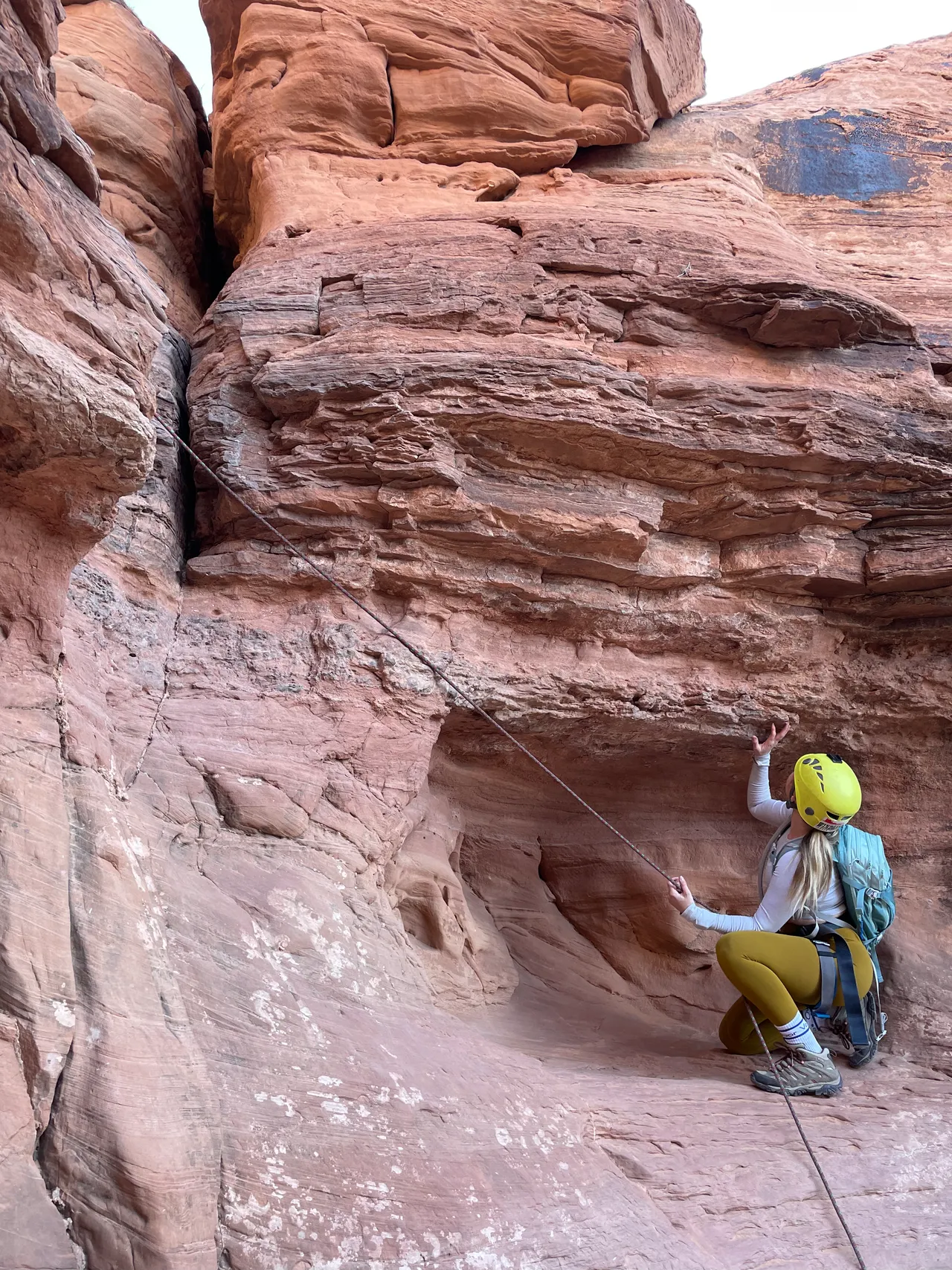

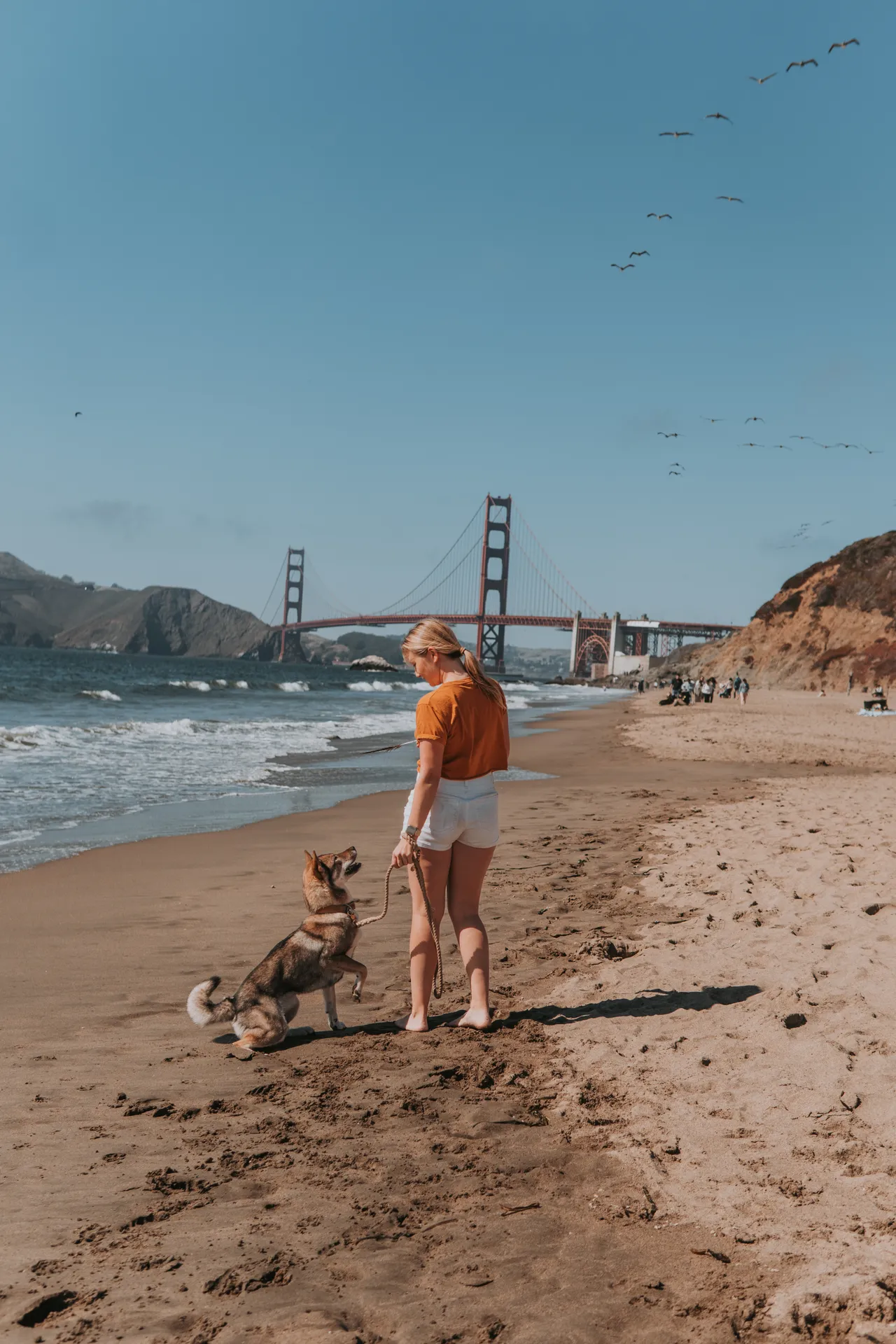

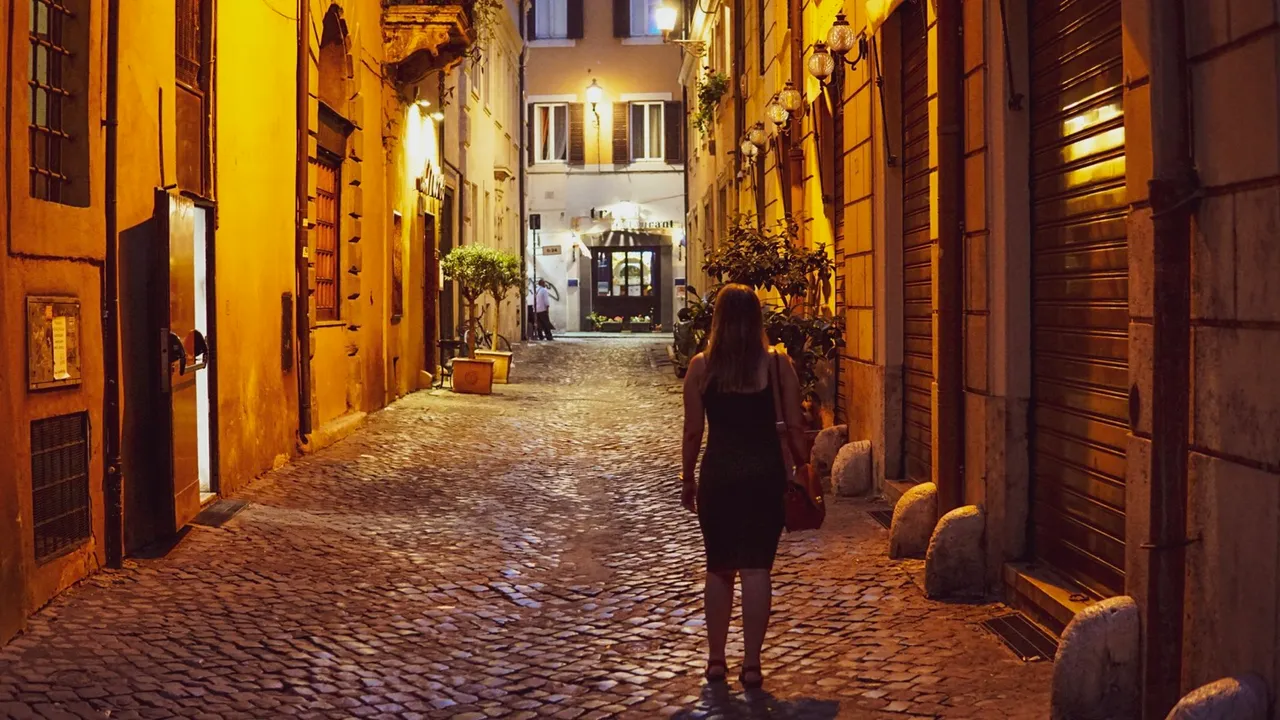
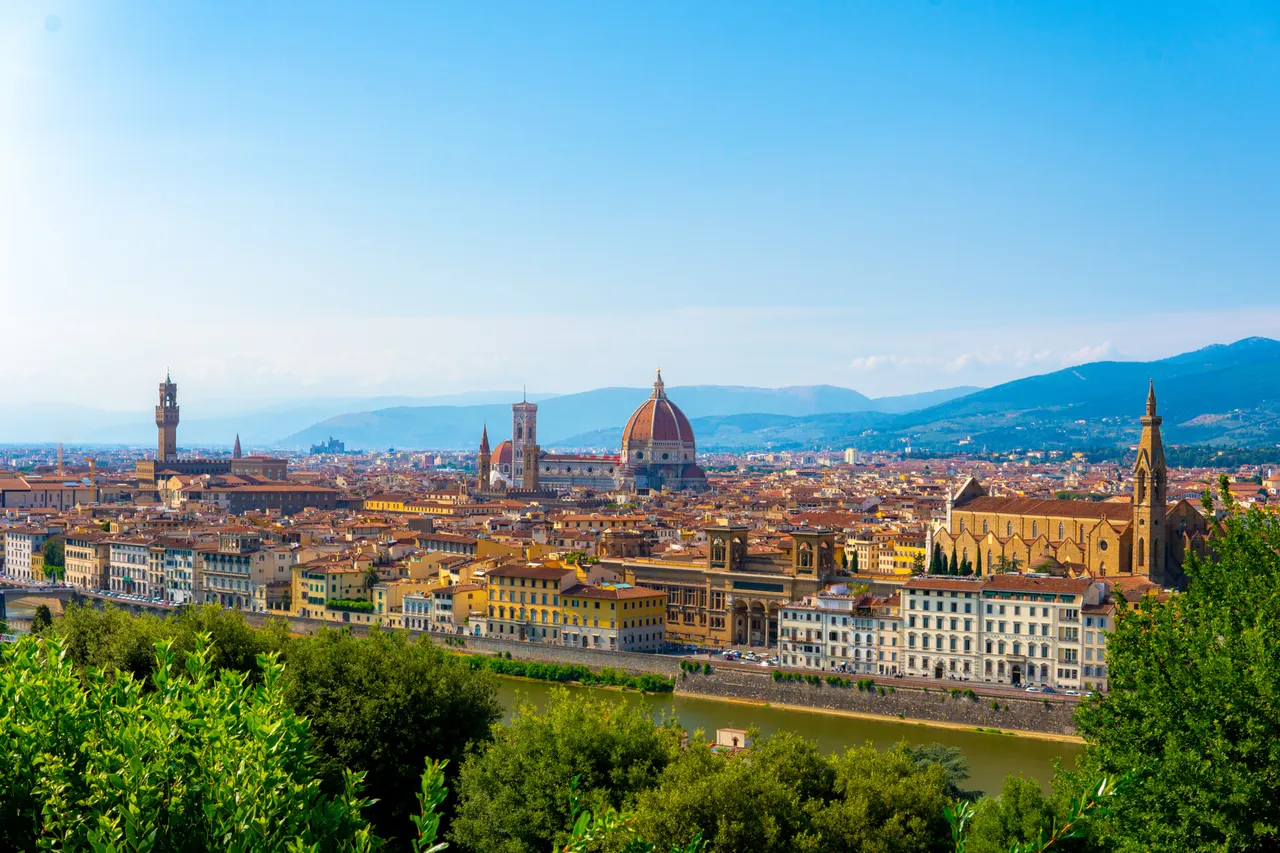




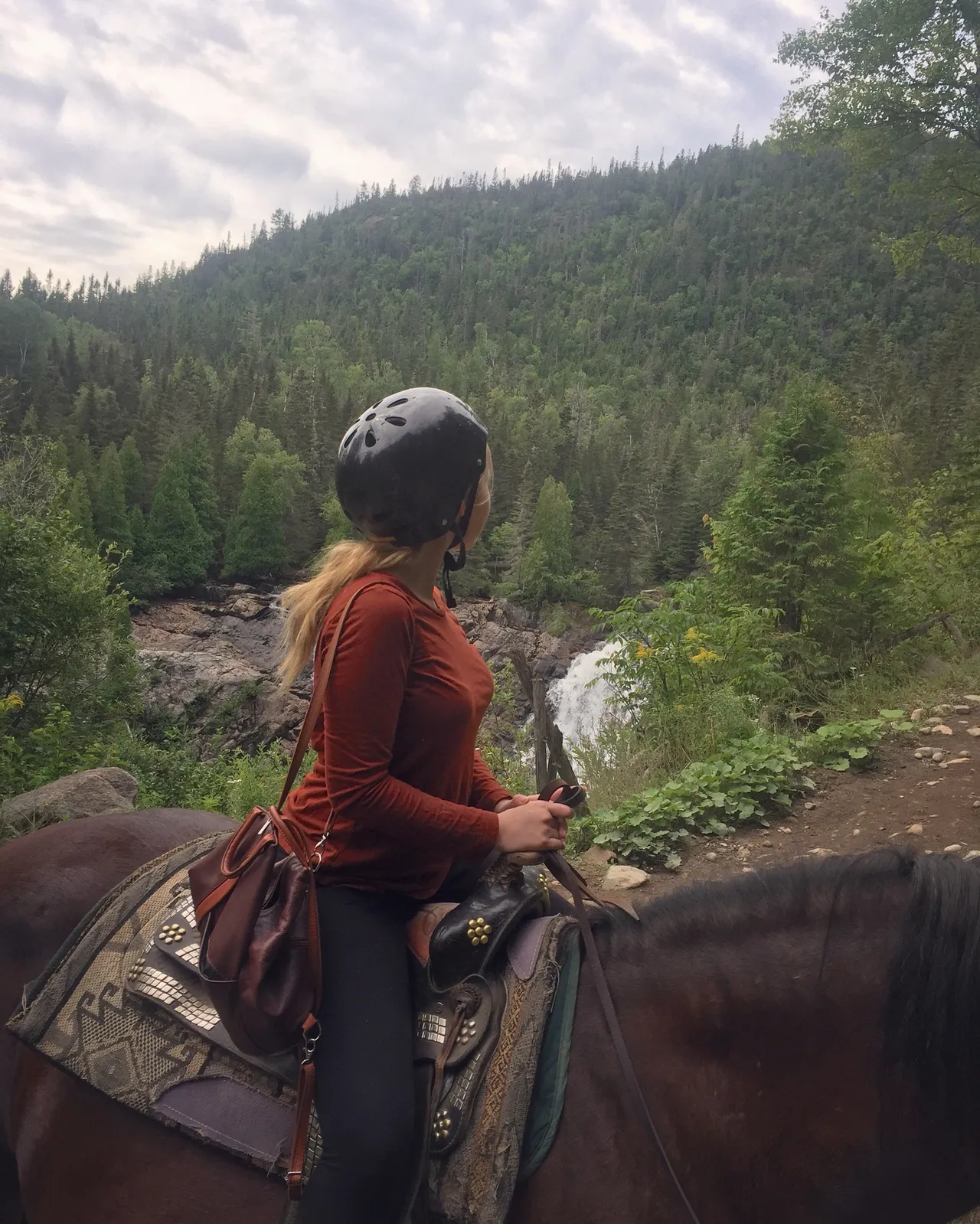
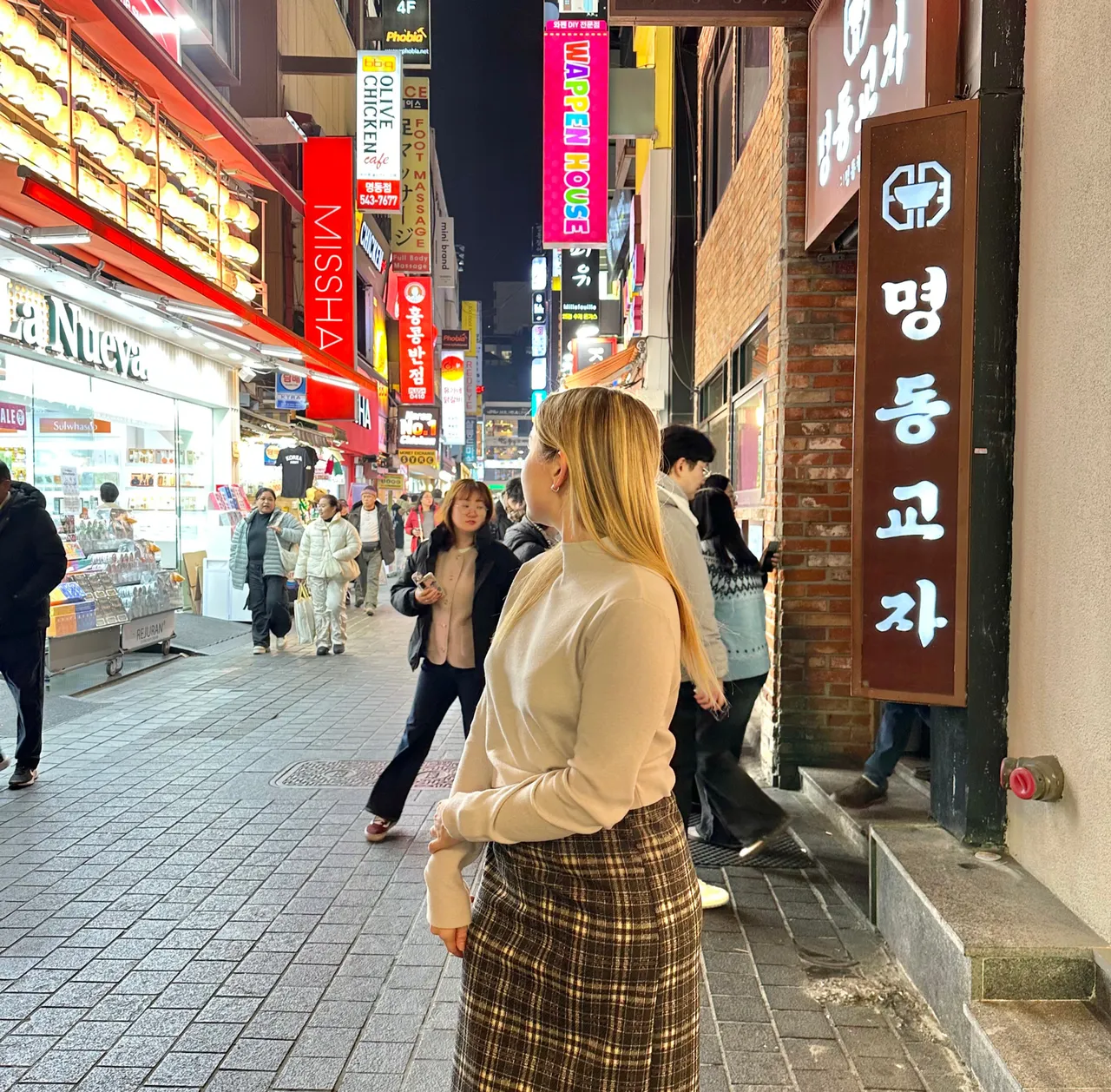

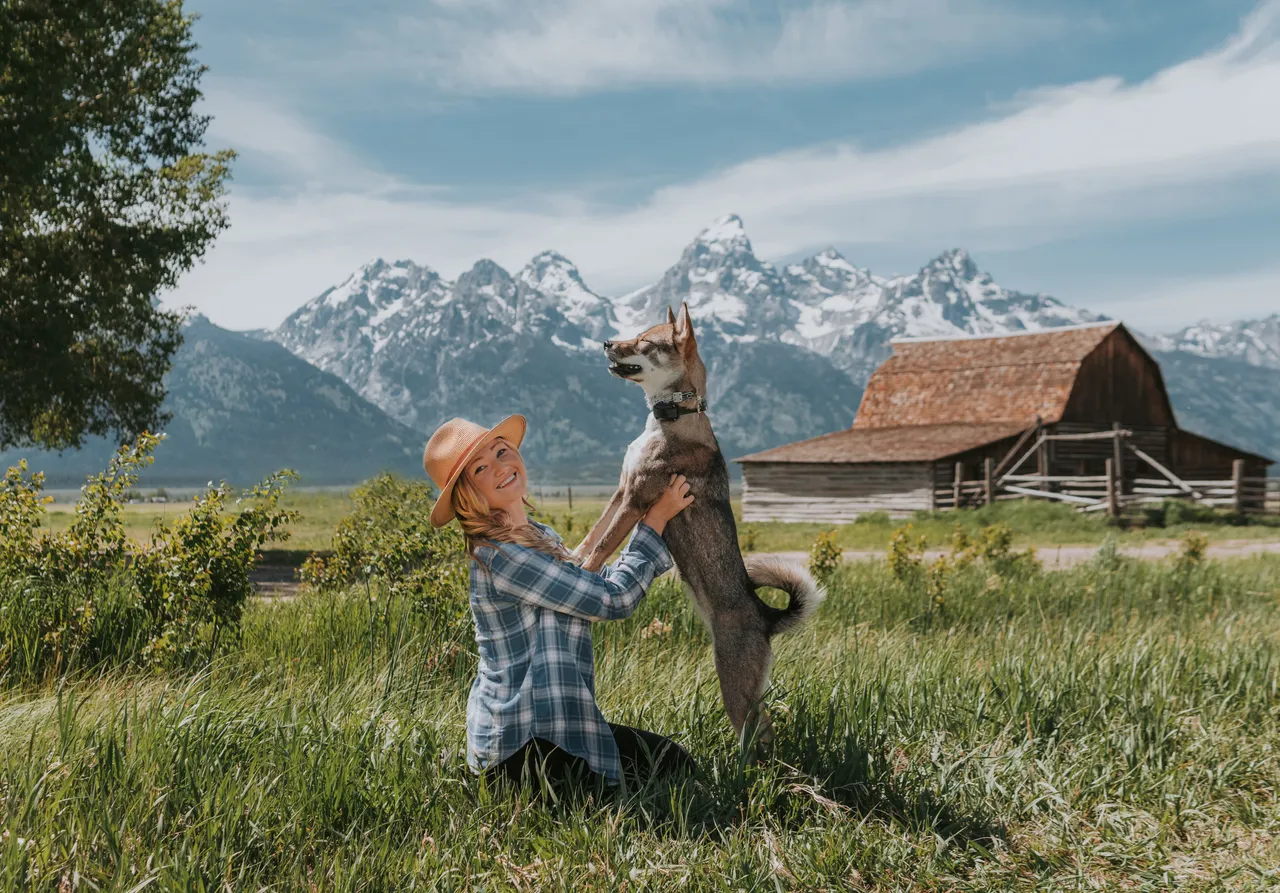
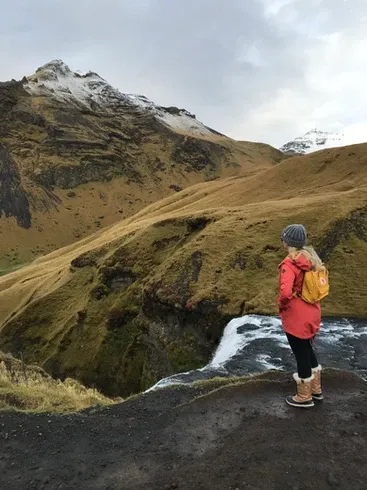
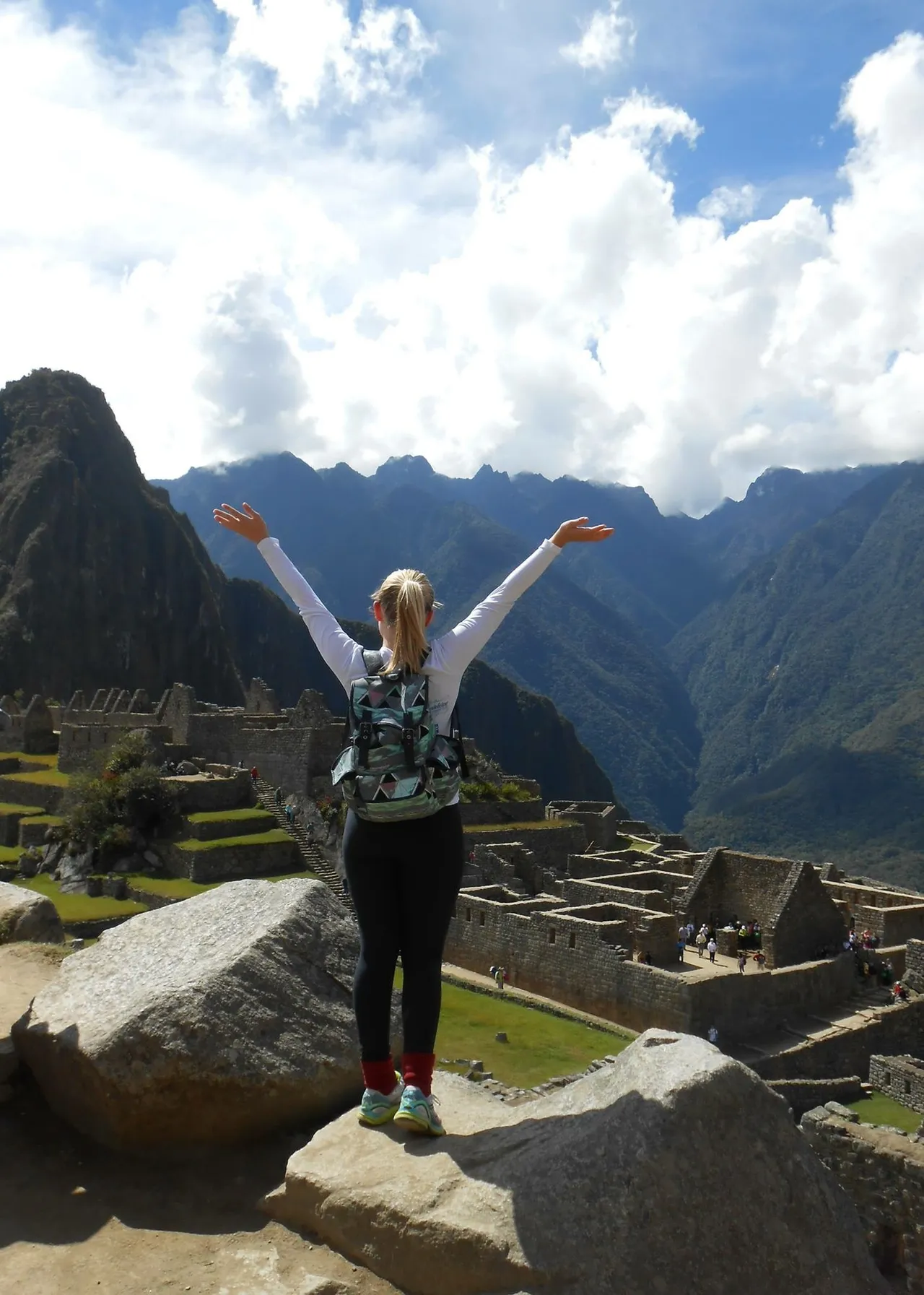

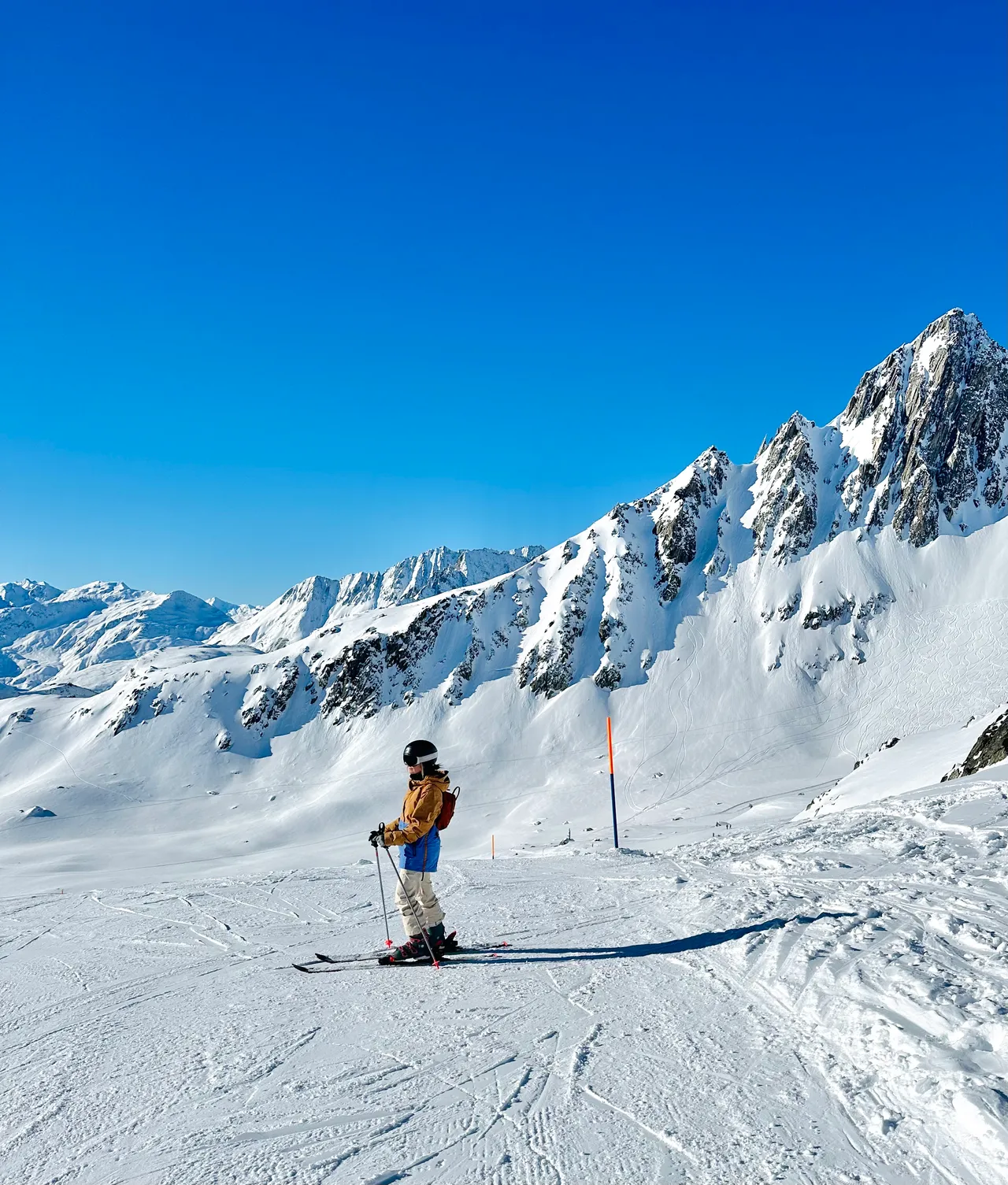
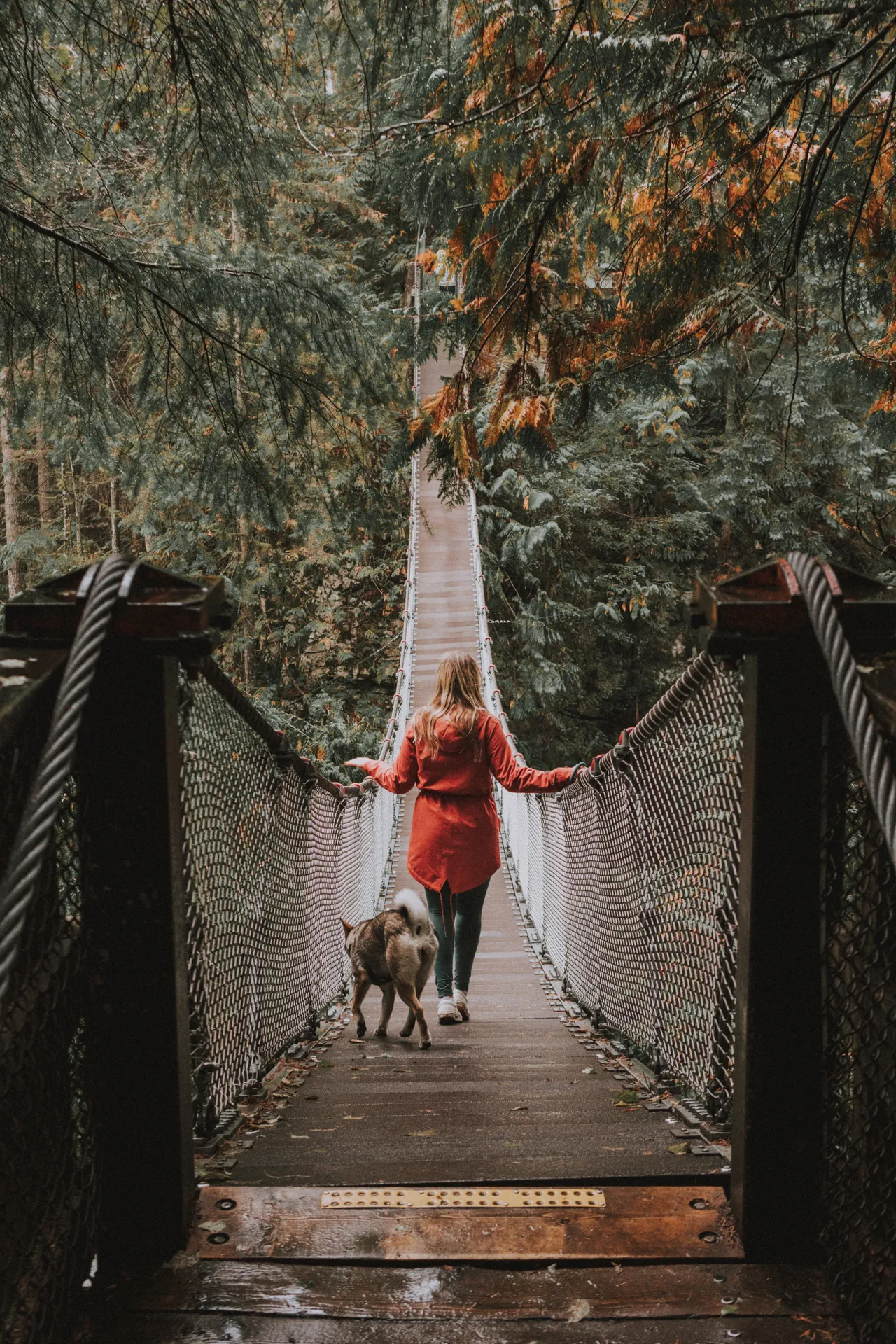
When I look back at all the trips I've taken — and there have been a lot — I realize I've done a pretty good job of making them happen without spending a fortune. This isn't a "travel hacking" post full of credit card churning spreadsheets. It's more about the mindset, habits, and creative strategies that have let me visit places like Japan, Vietnam, Taiwan, South Korea, and Ireland without draining my savings account.
Some of these strategies take patience. Some take a little hustle. But none of them require you to be rich — they just require being intentional about how and when you travel.
Commingling Work Trips
This has been one of my biggest money-savers. If your job involves any travel at all, you can often extend a work trip into a personal one for a fraction of the cost — or sometimes free.
Through work, I've been sent to Hawaii, Vietnam, and Taiwan (twice). My company covered premium economy flights, and here's the trick: as long as adding a personal leg to somewhere nearby was cheaper than the premium economy return flight, it was essentially free. From Taiwan, I commingled trips to both Japan and Korea. From Vietnam, I tacked on another trip to Japan. The flights were completely covered.

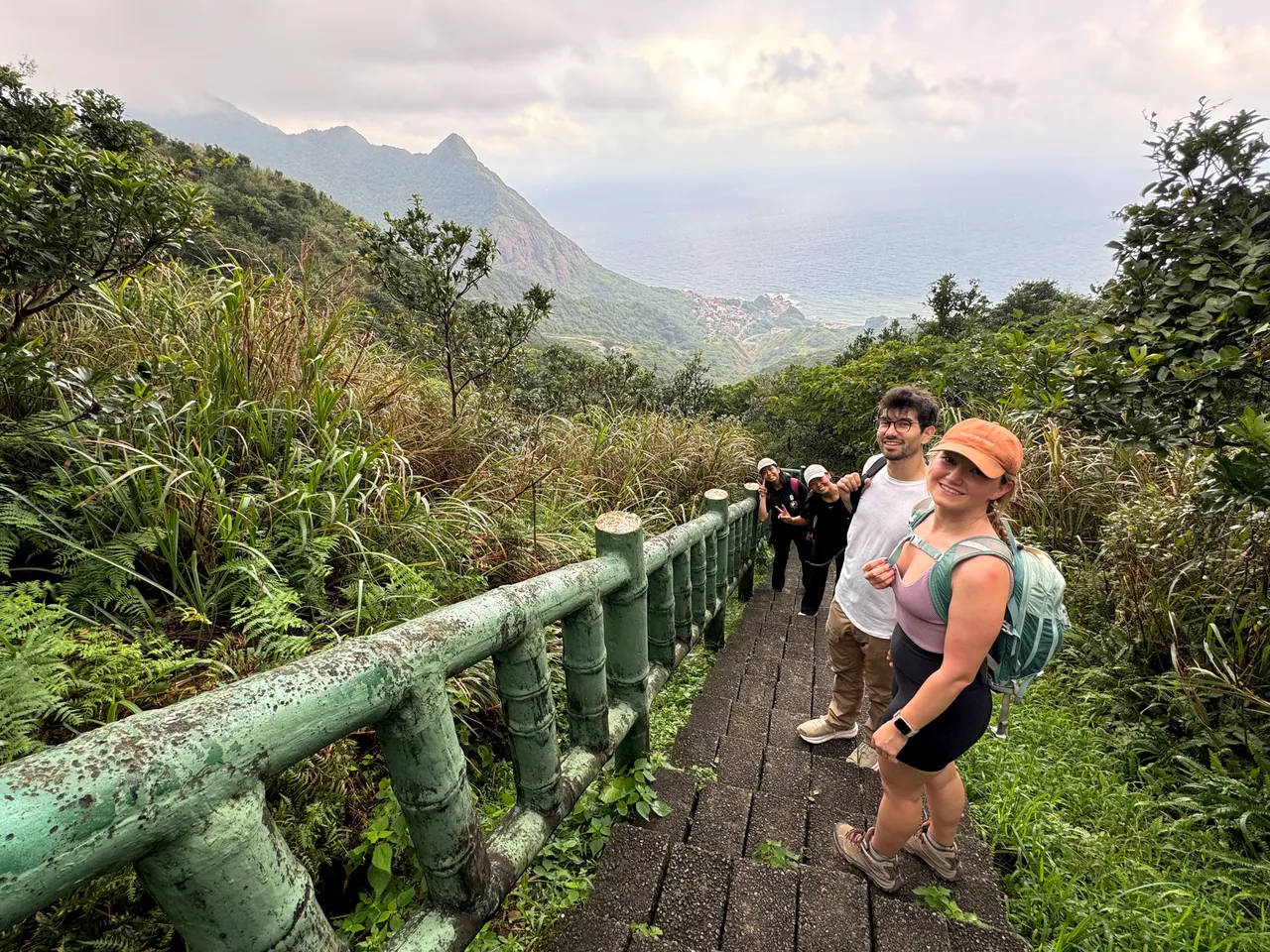

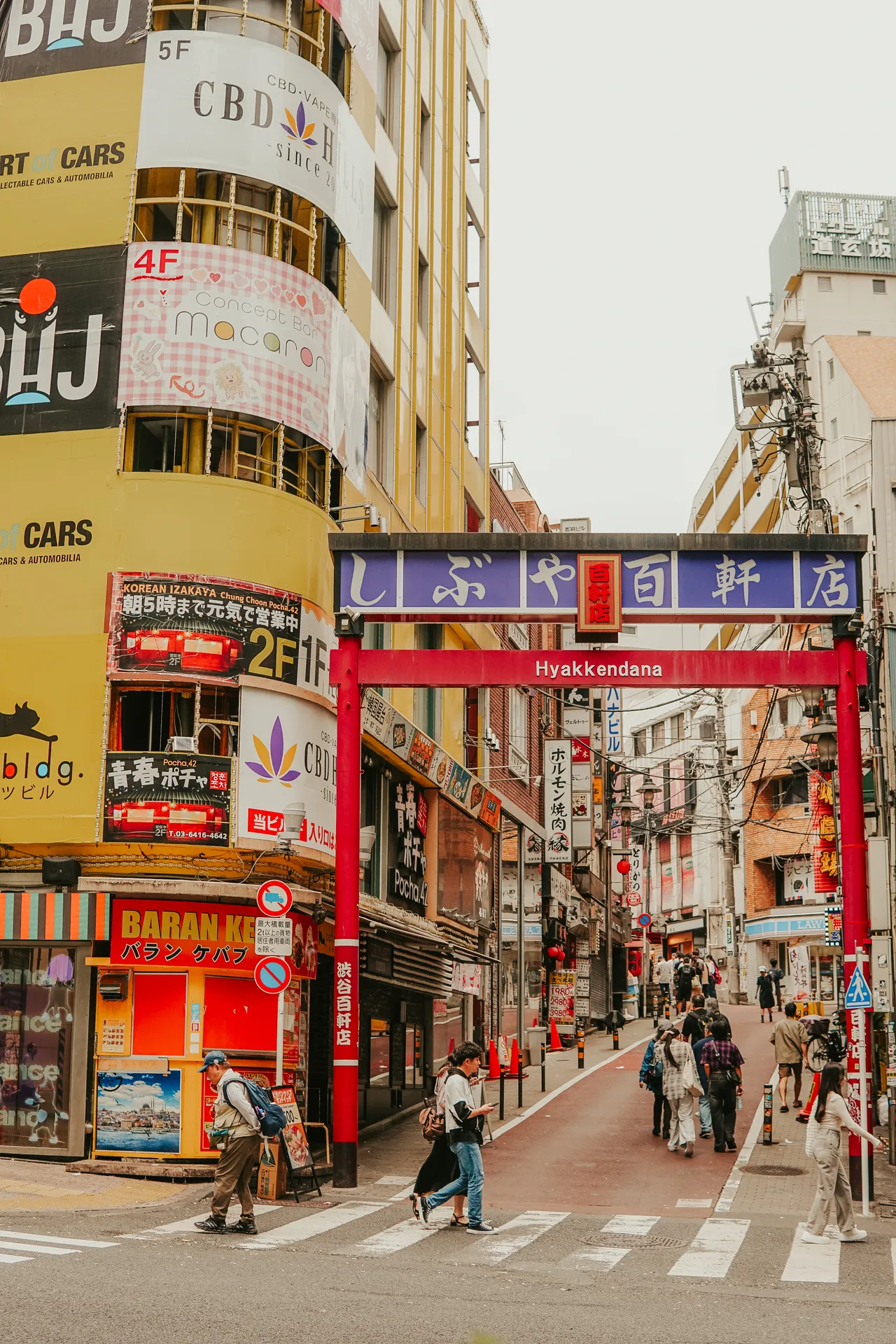
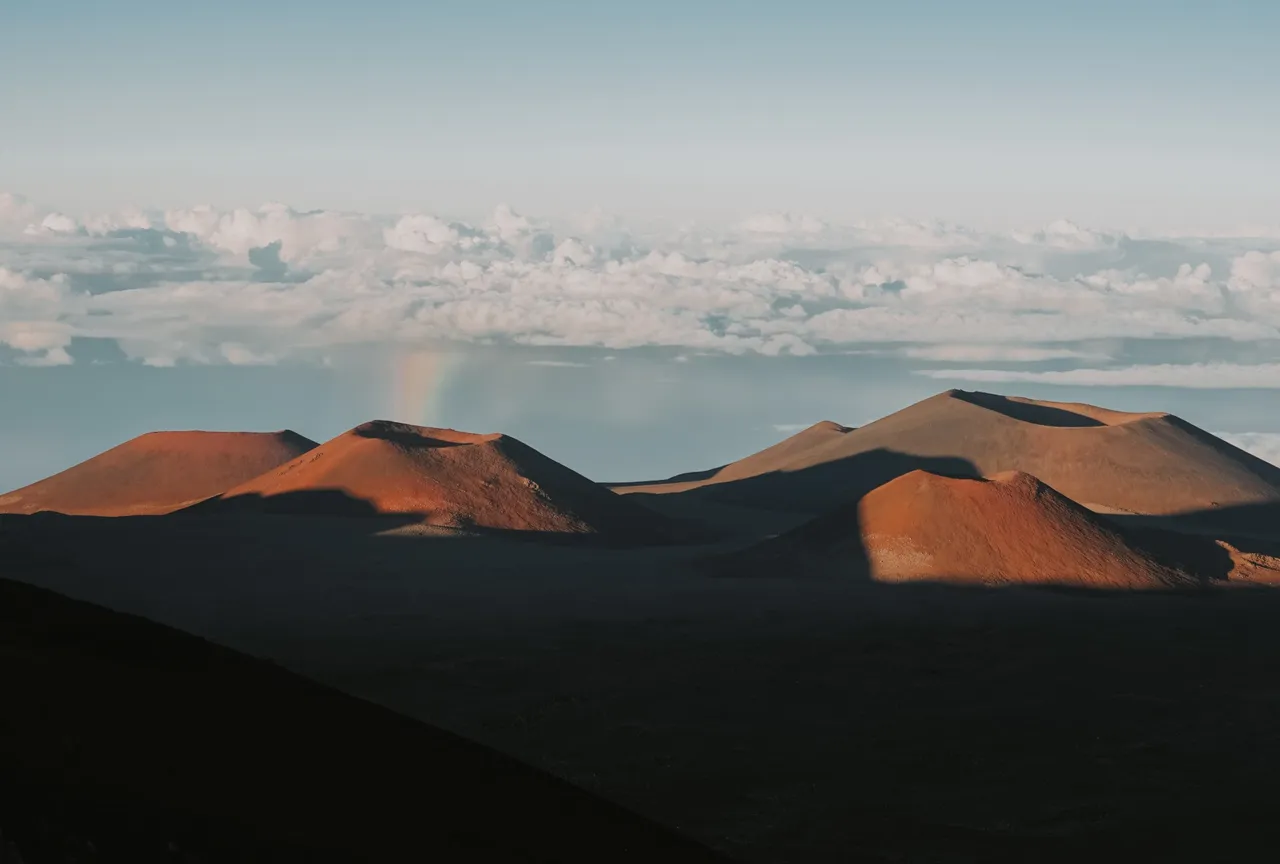
My work trip to Oahu gave me the chance to pop over to the Big Island and explore Mauna Kea and the volcanoes — a trip I might not have prioritized on its own, but since I was already in Hawaii, it was a no-brainer.

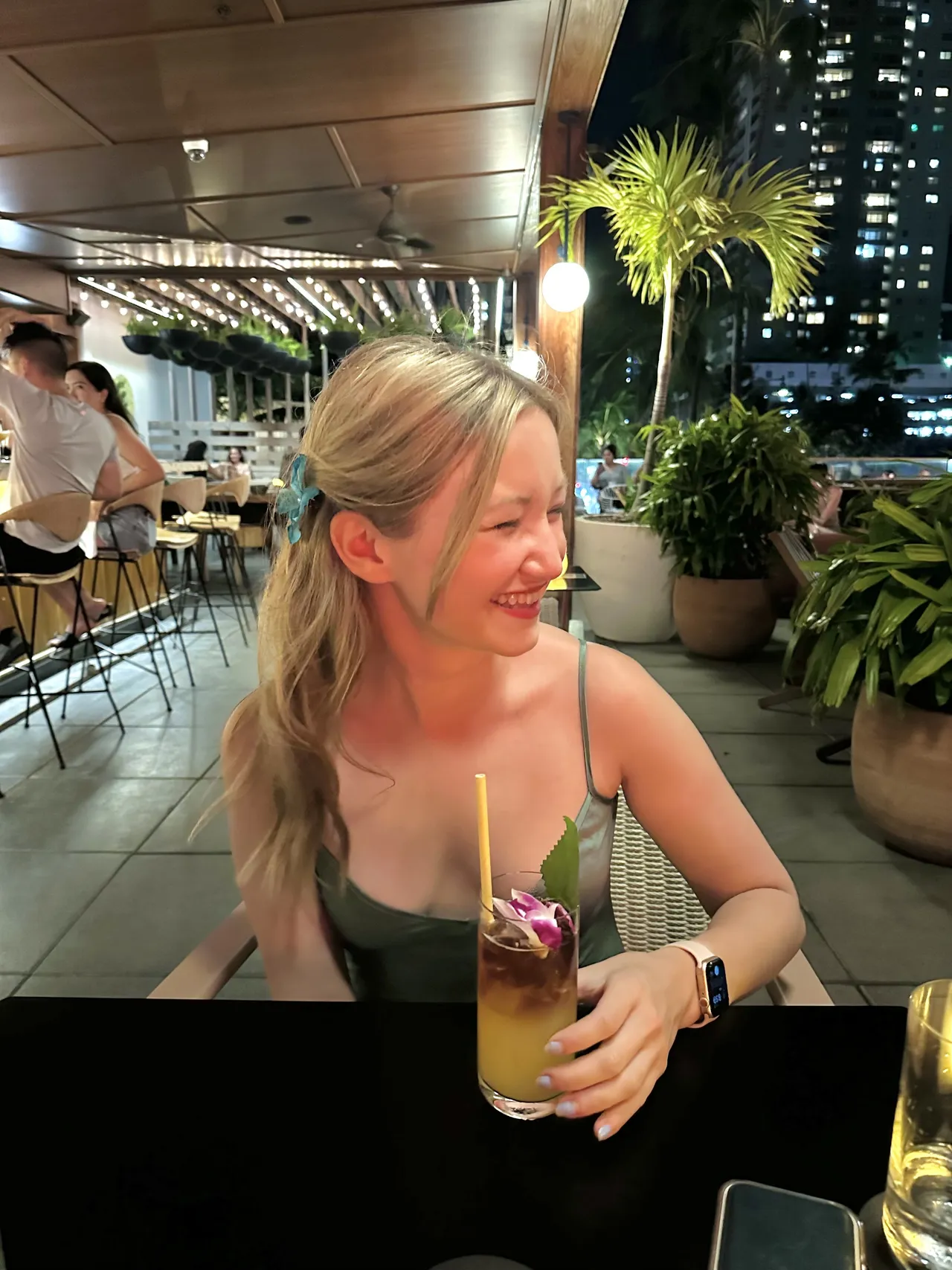
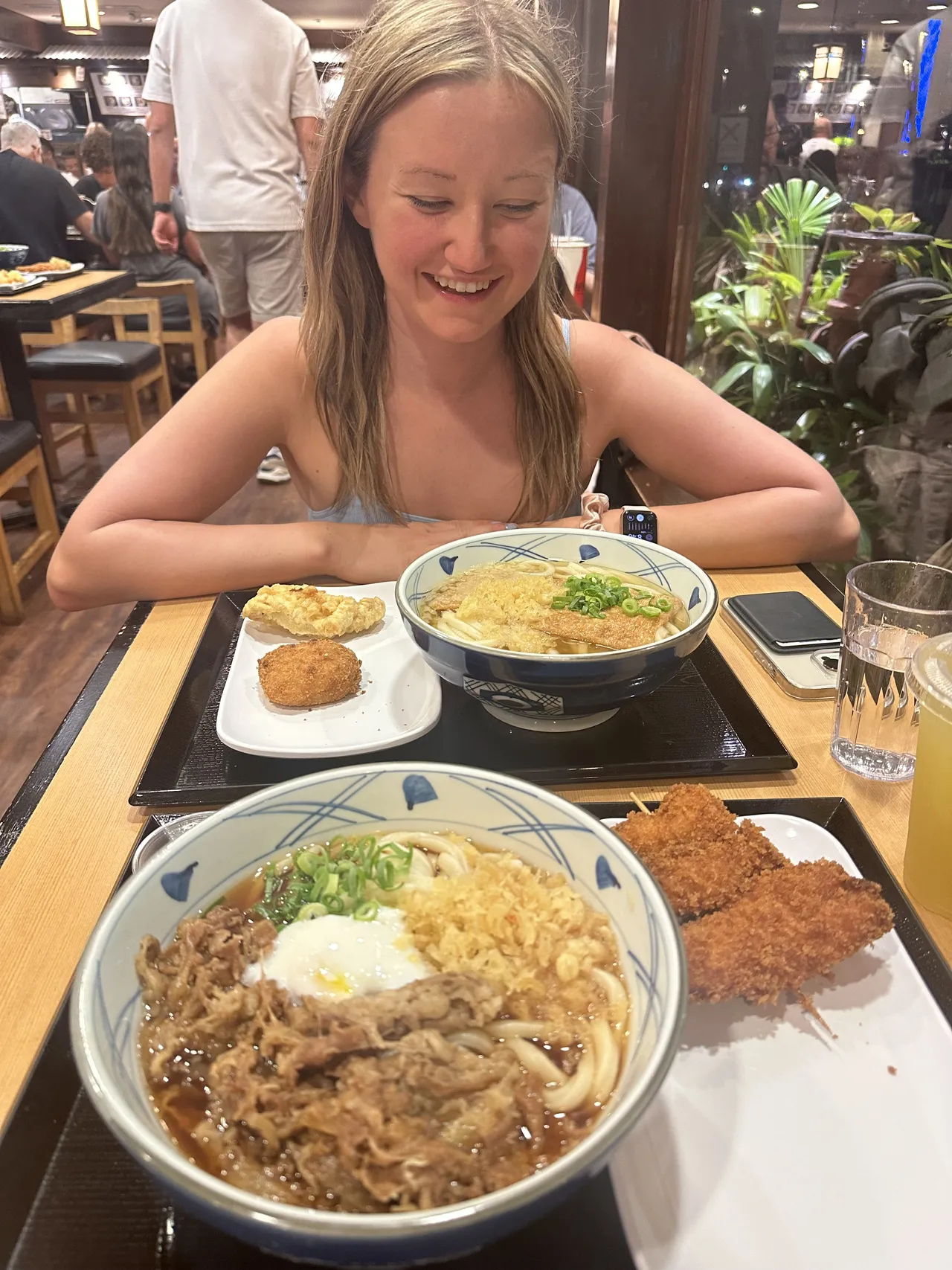
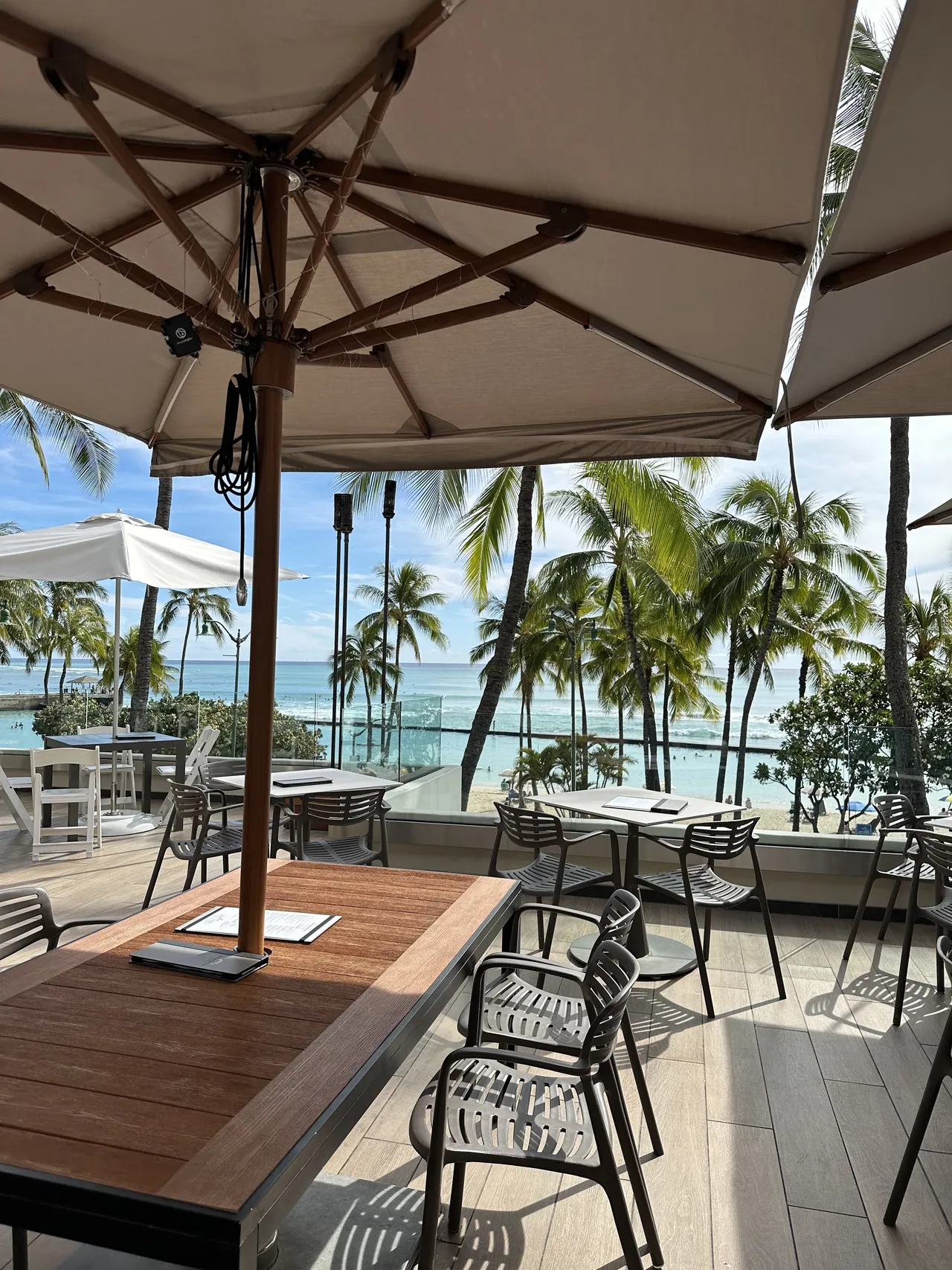

Even if your company doesn't send you abroad, regional work travel counts too. Any time you're already somewhere on someone else's dime, ask yourself: what's nearby that I've been wanting to see?
Another underrated perk of work travel: your company covers transportation to and from the airport. That might not sound like much, but it adds up. When I came home from Hawaii and landed in Seattle at midnight, the Uber ride home was $160 one way — surge pricing in an already expensive city, and it was too late to take the Link light rail. My boyfriend was with me on the trip, so I couldn't have him pick me up. But because it was a work trip, it was covered. Those airport transfers, especially late-night ones, can quietly eat into your travel budget if you're paying out of pocket.
Patience & Delayed Gratification
I think one of the most underrated travel savings strategies is simply... not rushing. If there's a place I want to go but I have a feeling life might take me there eventually — a friend's bachelorette party, a wedding, a work trip — I'll wait.
This has worked out more times than I can count. I've had bachelorette trips take me to Montreal, Kauai, Key West, Las Vegas, and Austin. These were all places I was curious about, but instead of booking solo trips, I let them come to me. The trips were already planned and split among a group, making them way more affordable than going on my own.
This doesn't mean you should never be spontaneous. But for international trips especially, I'd avoid being overly impulsive. Flights are expensive, and if you give it some time, you might find an opportunity — a work trip, a group trip, a deal — that makes the whole thing more affordable.
Shoulder Season Discipline
I've been to Japan three times, and my hotels have always been affordable. The secret? I go in the fall. I don't go during peak summer or cherry blossom season when every hotel in Kyoto is triple the price and booked months out.
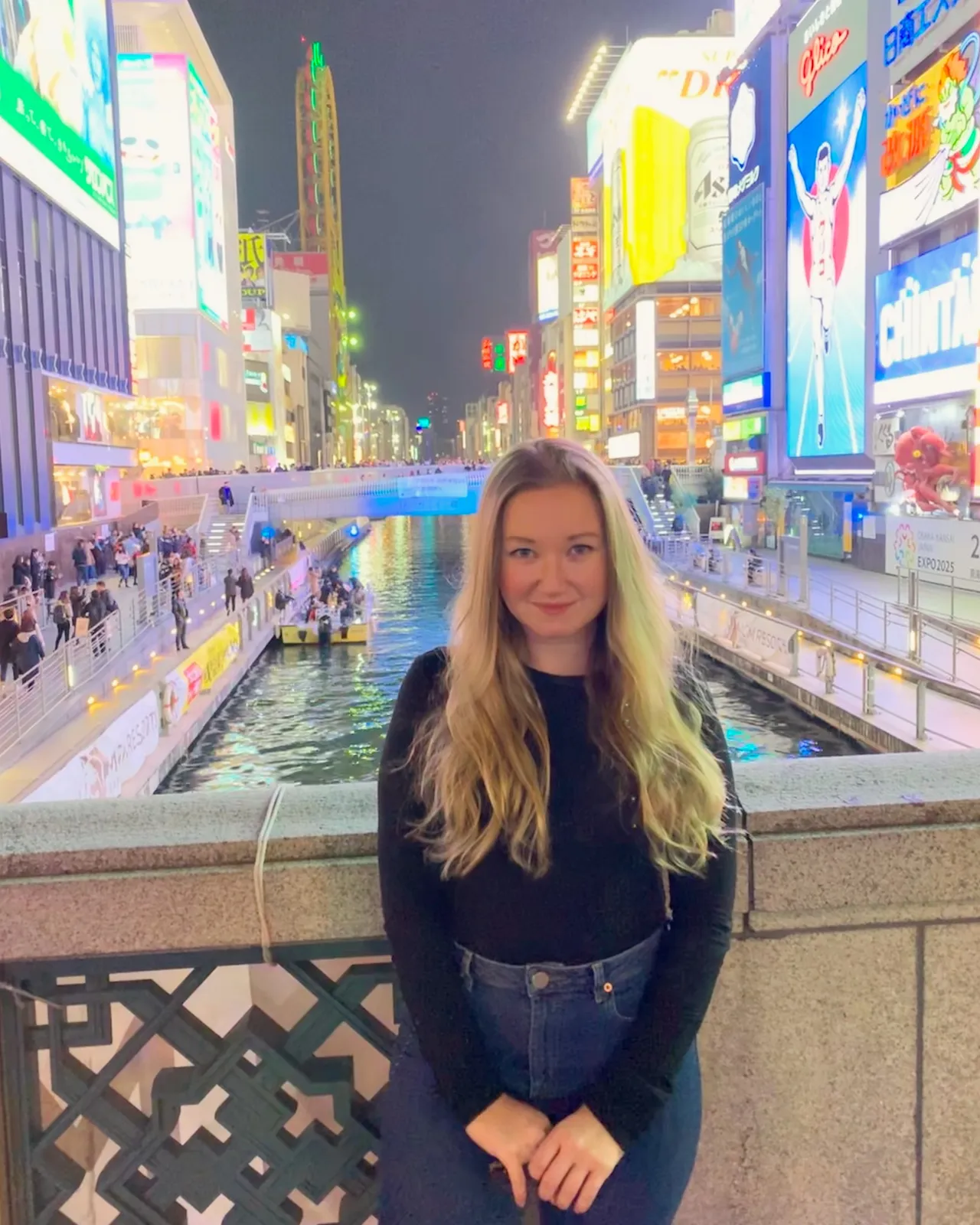

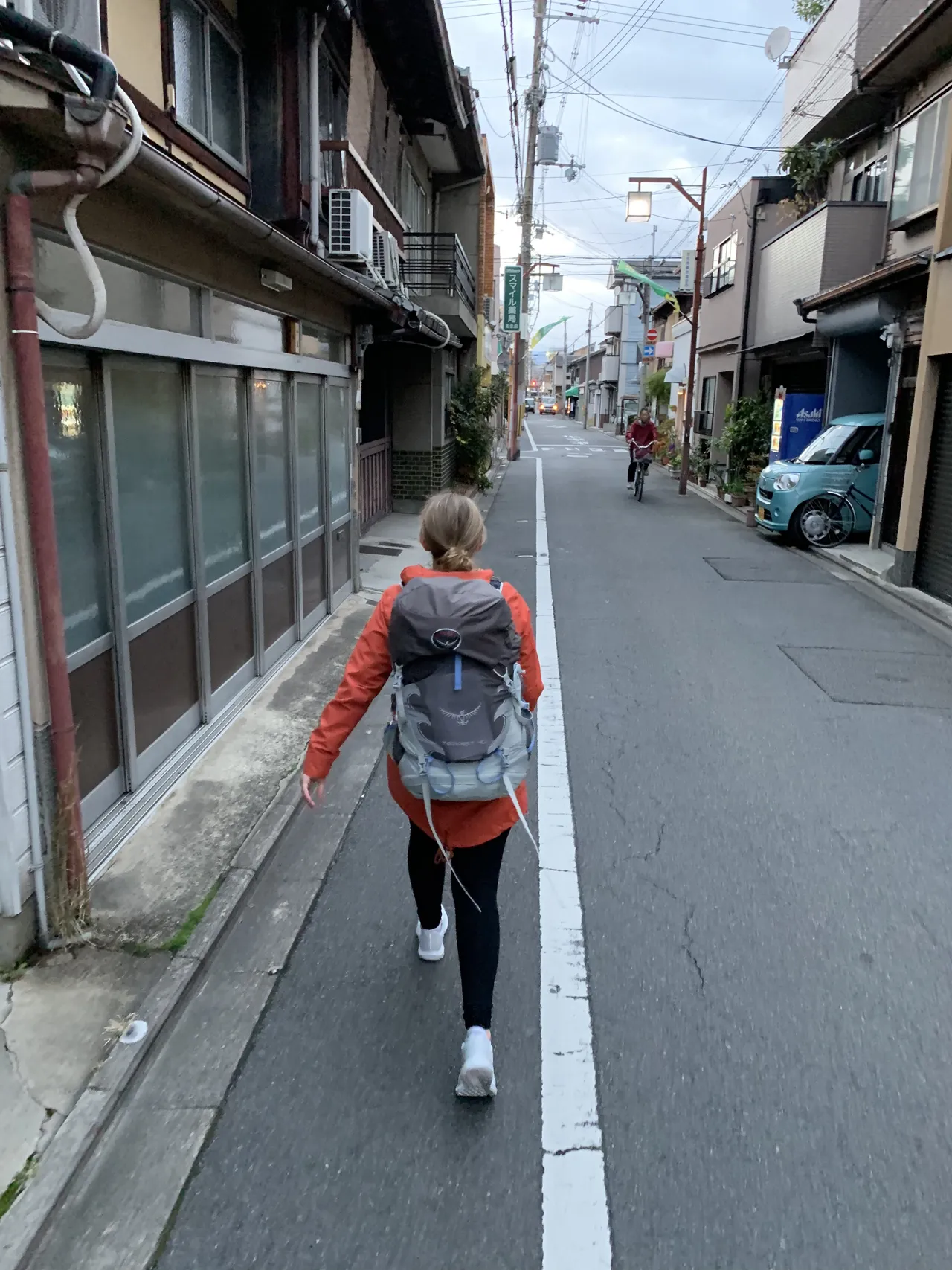

Shoulder season — those weeks just before or after peak tourism — gives you better prices on flights and hotels, thinner crowds, and often equally beautiful weather. Fall in Kyoto with the autumn foliage is just as stunning as spring cherry blossoms, and you're not fighting for every reservation.
This applies everywhere, not just Japan. Ski trips are cheaper in early or late season. European cities are more pleasant (and affordable) in September and October than July and August. A little flexibility on timing can save you hundreds.
Along the same lines — and this is a commonly known one, but worth repeating — try not to fly on weekends. I'll always compare prices for leaving on a Tuesday or Wednesday versus a Friday night, and the difference can be significant. This has gotten harder as I've taken on more responsibilities at work and need to be online during the week, but I still look at midweek and off-peak flight times whenever I can. Sometimes a weird Tuesday afternoon departure saves you enough to justify taking a half day.
Credit Card Points: Prioritize Flights
The very first time I went to Japan, I flew for free. I had signed up for the Chase Sapphire Preferred card, earned the sign-on bonus, and used those points to book my flight. That single move saved me close to a thousand dollars.
Here's my philosophy on points: I use them for flights, not hotels. There's no scrappy workaround for a flight — you either pay for a seat or you don't. You can't barter your way onto a plane (unless you're a massive influencer with airline partnerships, and even then it's rare). And the alternatives to a direct flight — crazy long layovers, red-eyes that wreck your sleep schedule, budget carriers with delays — often aren't worth the savings.
Hotels, on the other hand, have way more flexibility. You can negotiate, use content creation, book direct, or sleep in your car. So I'd rather spend my points where there's no other option. That said, if you're someone who loves splurging on luxury hotels — places like Hyatt where Chase points transfer really well — then using points for hotels makes total sense. It just depends on your travel style.
Also make sure your travel credit card doesn't charge foreign transaction fees. Most of the good travel cards — including the Chase Sapphire Preferred — already waive these, but if yours doesn't, you're paying an extra 3% on every purchase abroad. Some cards will also refund ATM withdrawal fees, which can add up fast when you're pulling cash in countries that are still cash-heavy.
One more Chase Sapphire perk worth mentioning: the travel insurance. I haven't had to use it often, but when I needed it, it came through. I had a trip to Montreal where my flight got canceled by the airline a few days before departure. I was freaking out because rebooking last-minute was way more expensive than what I'd originally paid months in advance. I went into the Chase portal, submitted a claim, and they refunded me the difference I had to pay for the new flight. That alone made the card worth it. It's one of those benefits you forget about until you really need it.
Hotel Loyalty Programs Add Up
Even though I don't use credit card points for hotels, I do benefit from hotel loyalty programs — and it's mostly from work travel doing the heavy lifting.
My work trips predominantly use Marriott for U.S.-based hotels, and when we travel to Asia, it's also Marriott. For more regional trips — like Texas — I've stayed with Hilton. By staying loyal to just Marriott and Hilton rather than bouncing between chains, the points stack up. Eventually you hit bonus thresholds and earn free nights without even trying.
After all my work travel accumulated enough Marriott points, I was able to book a trip to Oregon with free hotel nights. That trip cost me almost nothing for lodging, and I didn't have to burn any credit card points to make it happen.
Split Costs with a Travel Partner
This one's obvious, but it makes a massive difference. Whether you're dating someone or traveling with girlfriends, splitting the cost of a hotel room, rental car, and gas instantly cuts your expenses in half — or more with a group. I still take girls trips even though I have a boyfriend, and those group trips are some of the most affordable travel I do.
For bachelorette trips to places like Austin, Montreal, and Key West, we'd have four or five girls splitting Uber rides, which made getting around super affordable. We'd book a hotel in a walkable area so we could walk most places or take short, cheap Ubers. No rental car needed.
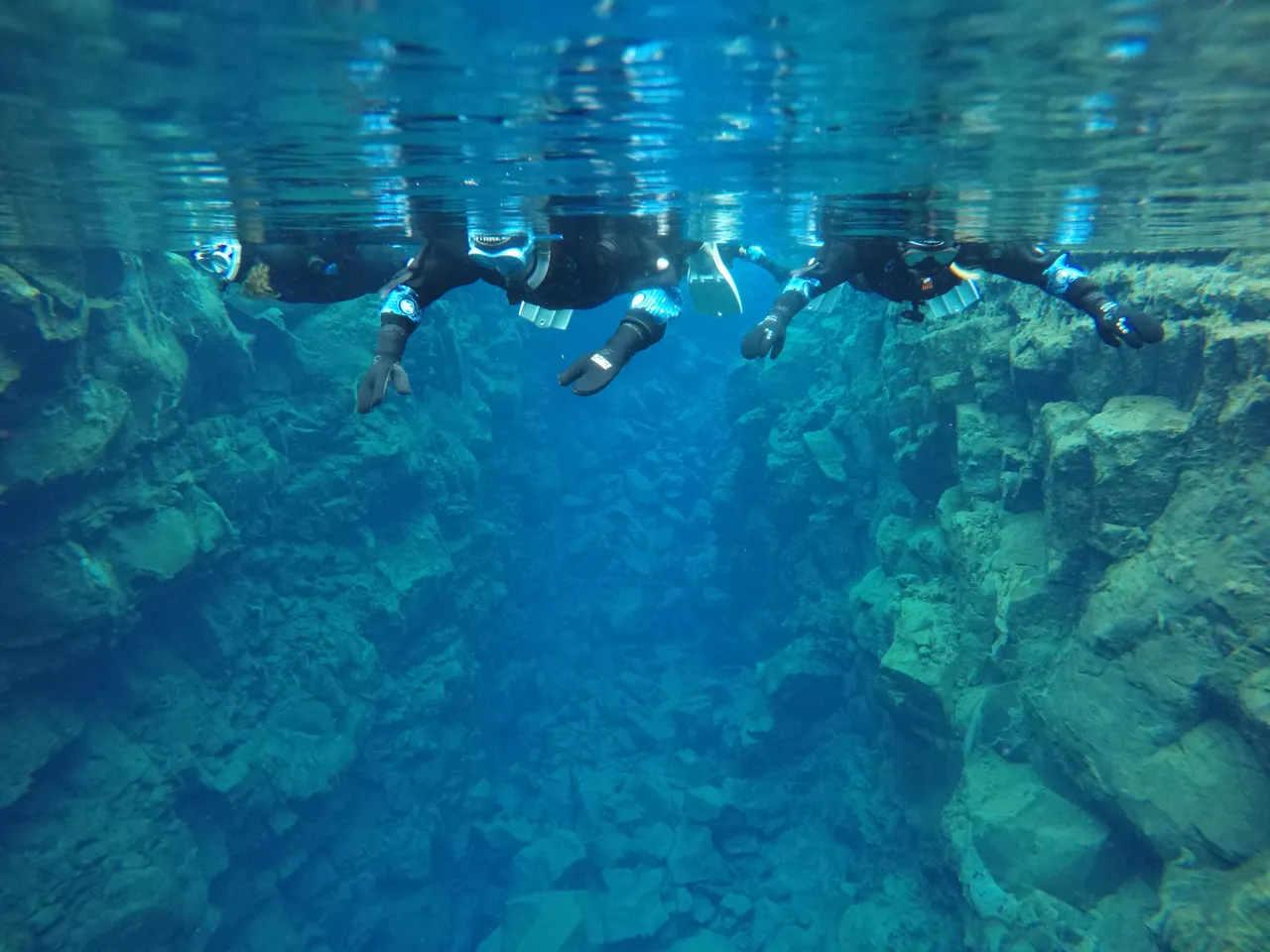
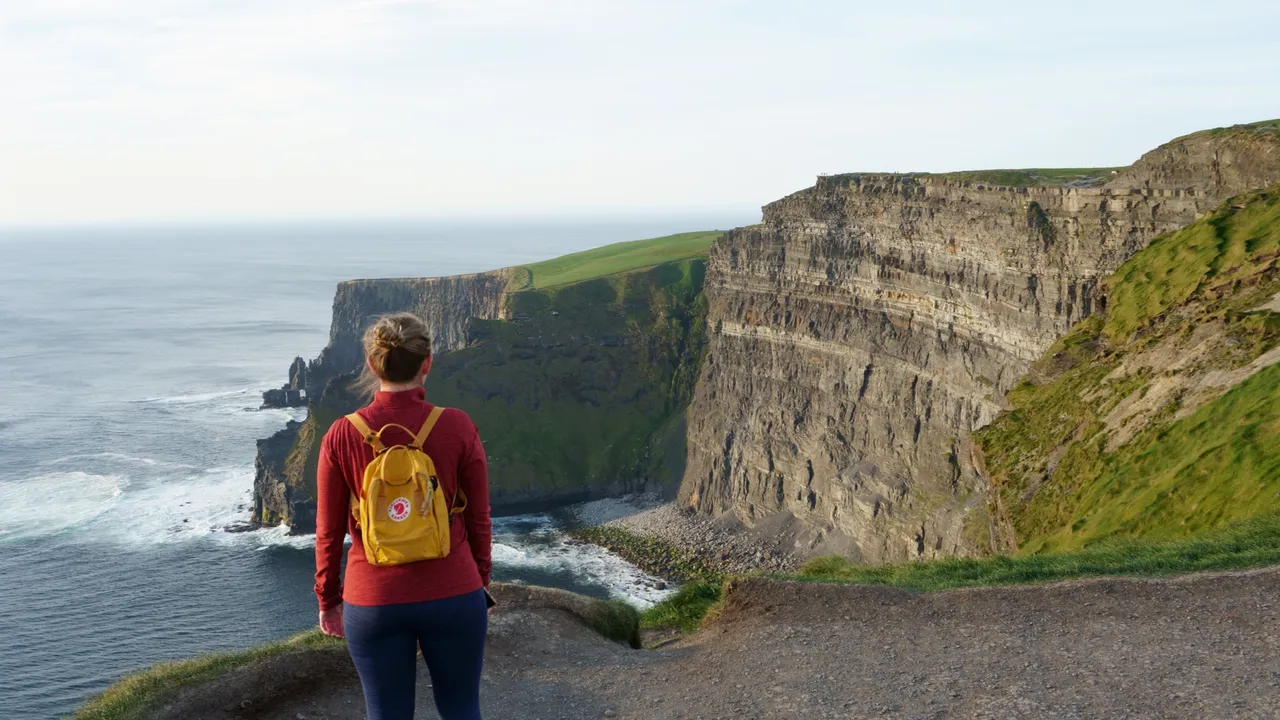
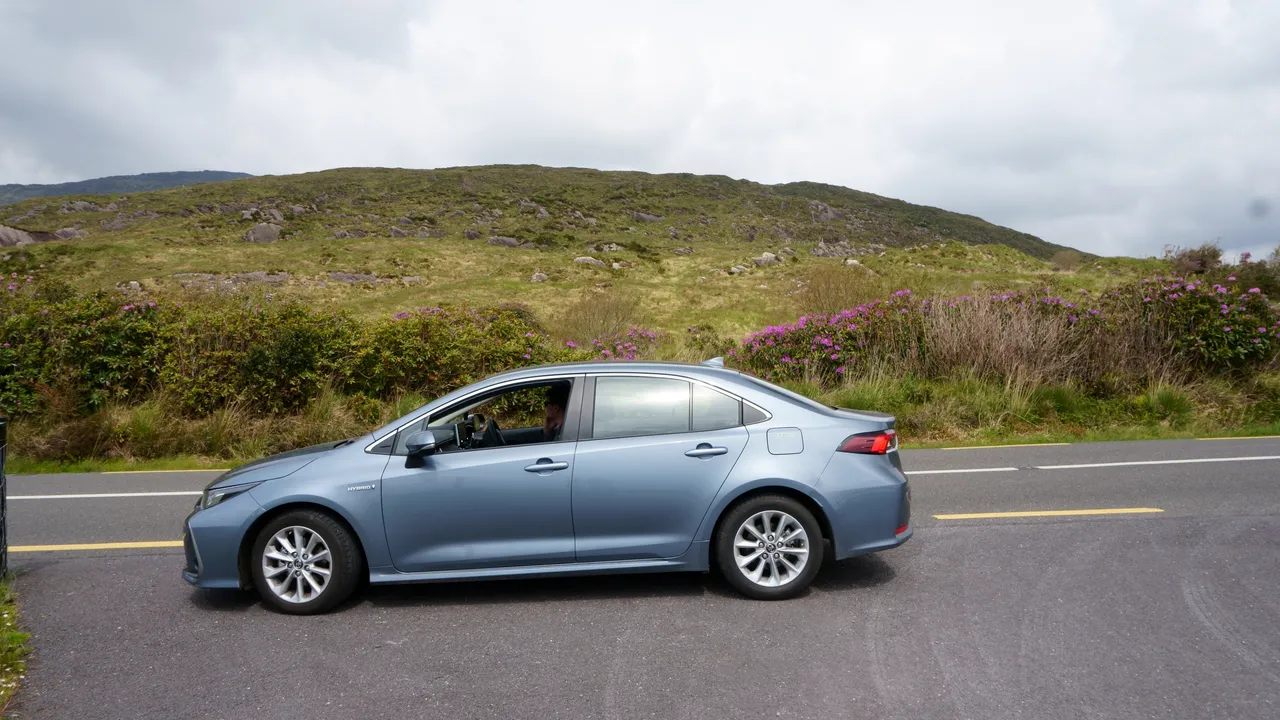
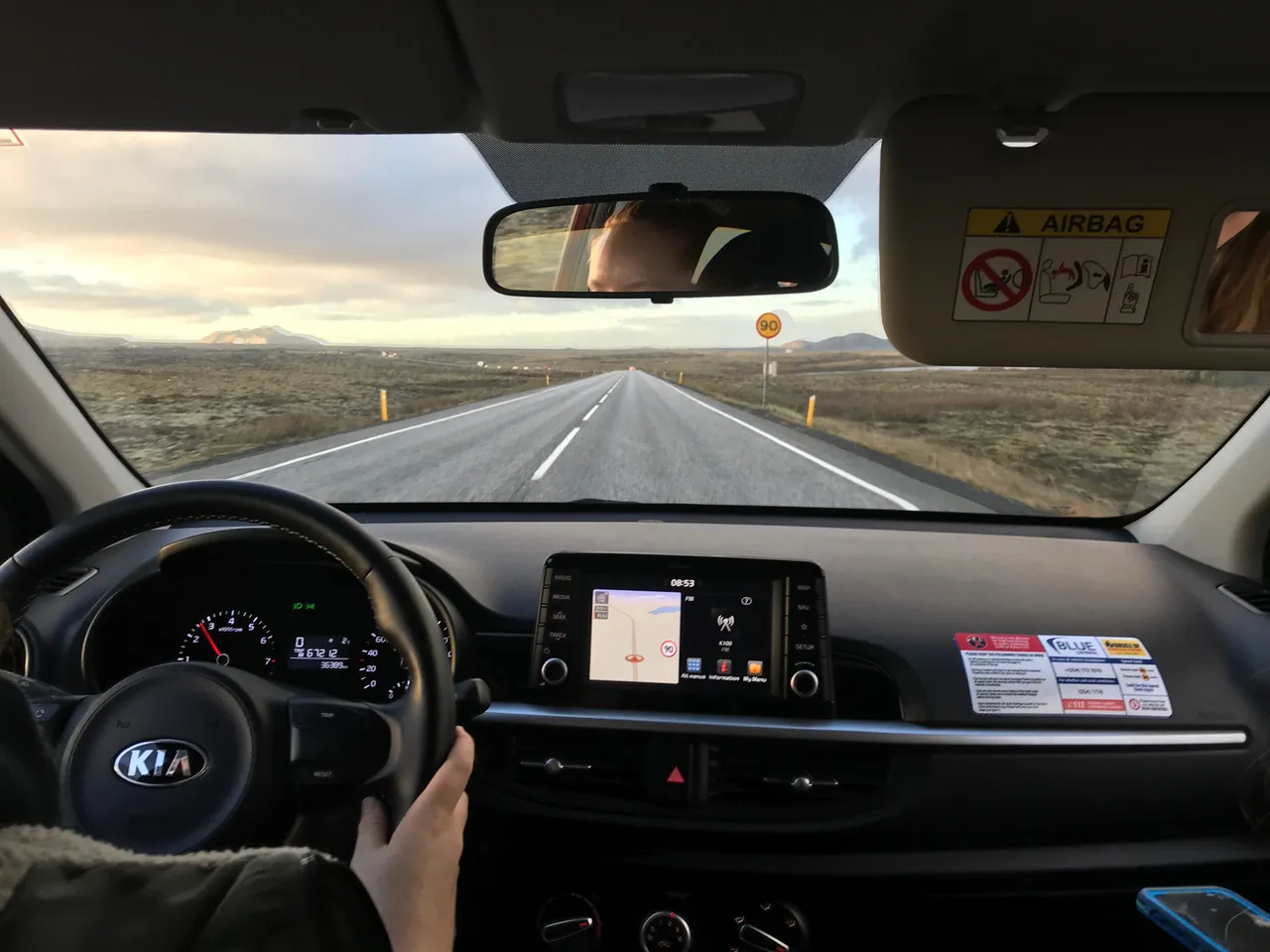
When a rental car does make sense — like road tripping through Ireland or Iceland where there's no train circling the island — splitting it with your travel partner or group makes it very reasonable. The key is reading the destination: cities with good public transit like Japan or Korea don't need a car at all. Places without strong transit networks, you're better off renting and splitting.
Public Transit Over Rental Cars
Before you default to renting a car, compare the cost of public transportation — especially internationally. Cities across Asia and Europe have incredible transit systems that are a fraction of what you'd spend on a rental car plus gas plus parking. When I'm in Japan, Korea, or Taiwan, I take the train everywhere. It's fast, affordable, and way less stressful than driving in an unfamiliar country.
For destinations without strong transit — like Ireland and Iceland — a rental car is the way to go. But in most major cities, you honestly don't need one. And if you're in a group, splitting Uber rides is often cheaper and more convenient than renting a car, especially when you factor in parking costs and the hassle of navigating an unfamiliar city.
And when you do need a rental car, check Costco Travel for deals. We've gotten great rates through Costco for rental cars in Oahu and Kauai — they often beat what you'll find on the major booking sites, and the Costco membership you're already paying for keeps working for you.
Content Creation for Lodging
You don't need to be a big influencer to trade content for a hotel stay. I've done this multiple times, and it's one of my favorite ways to save on lodging. If you're interested in how I approach content creation and brand partnerships more broadly, I wrote a whole post on getting started with brand deals.
One of my favorite examples: I wanted to visit Vashon Island and do a bike ride from Seattle. I found Lodge on Vashon, messaged them on Instagram, and pitched making a Reel for them. The owner said yes — one night's stay in exchange for a short video. Simple as that.
On a road trip from Seattle down through Lake Tahoe, Colorado, and Montana, my friend and I wanted to cut costs on the drive. We reached out to the Radisson, which we knew had worked with smaller content creators before. They gave us each a room plus a food voucher — for two nights. We negotiated the second night because we were exhausted from driving and honestly just needed to rest. In exchange, we took photos and made some videos for them. It was basically a little staycation in the middle of a road trip.
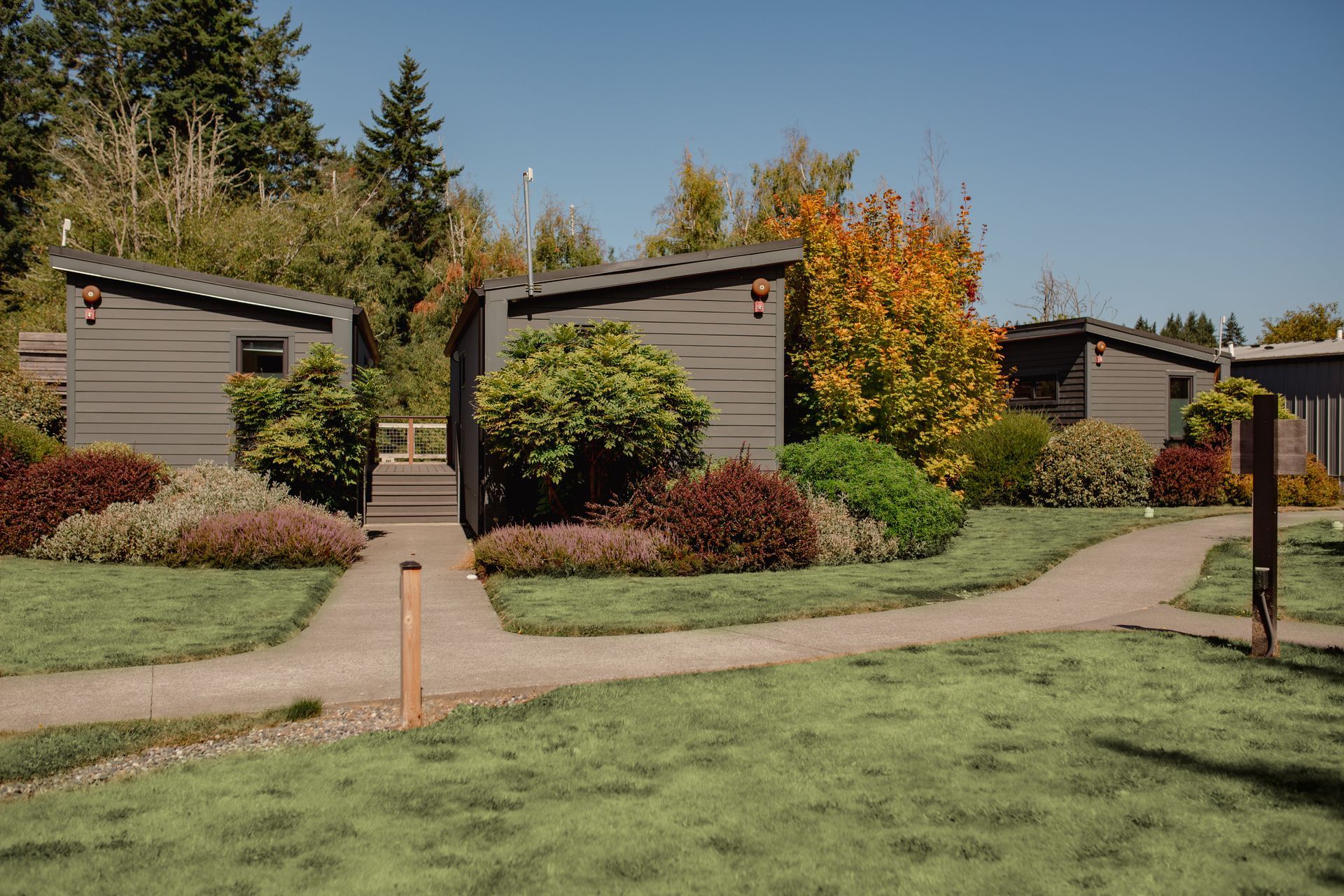


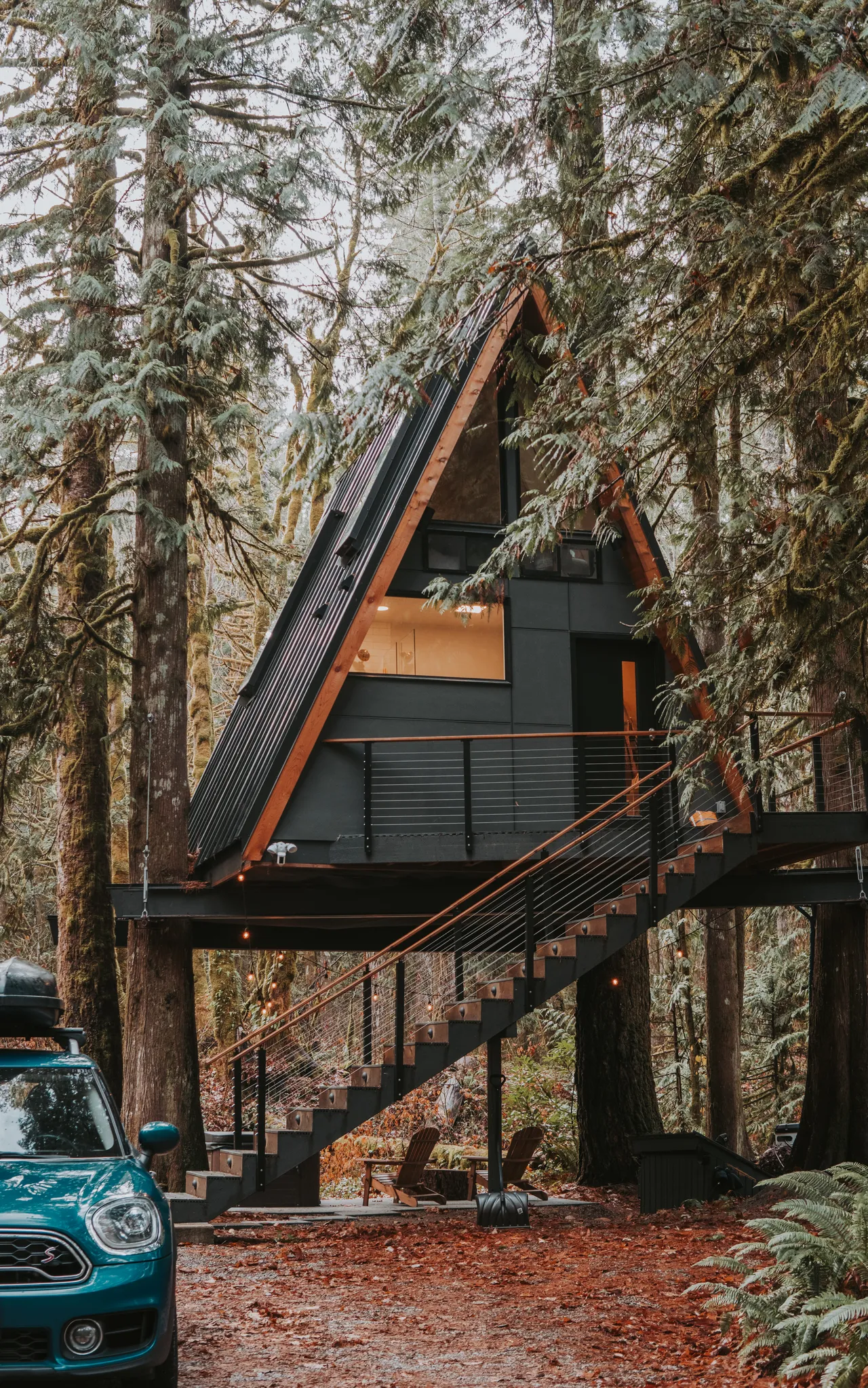

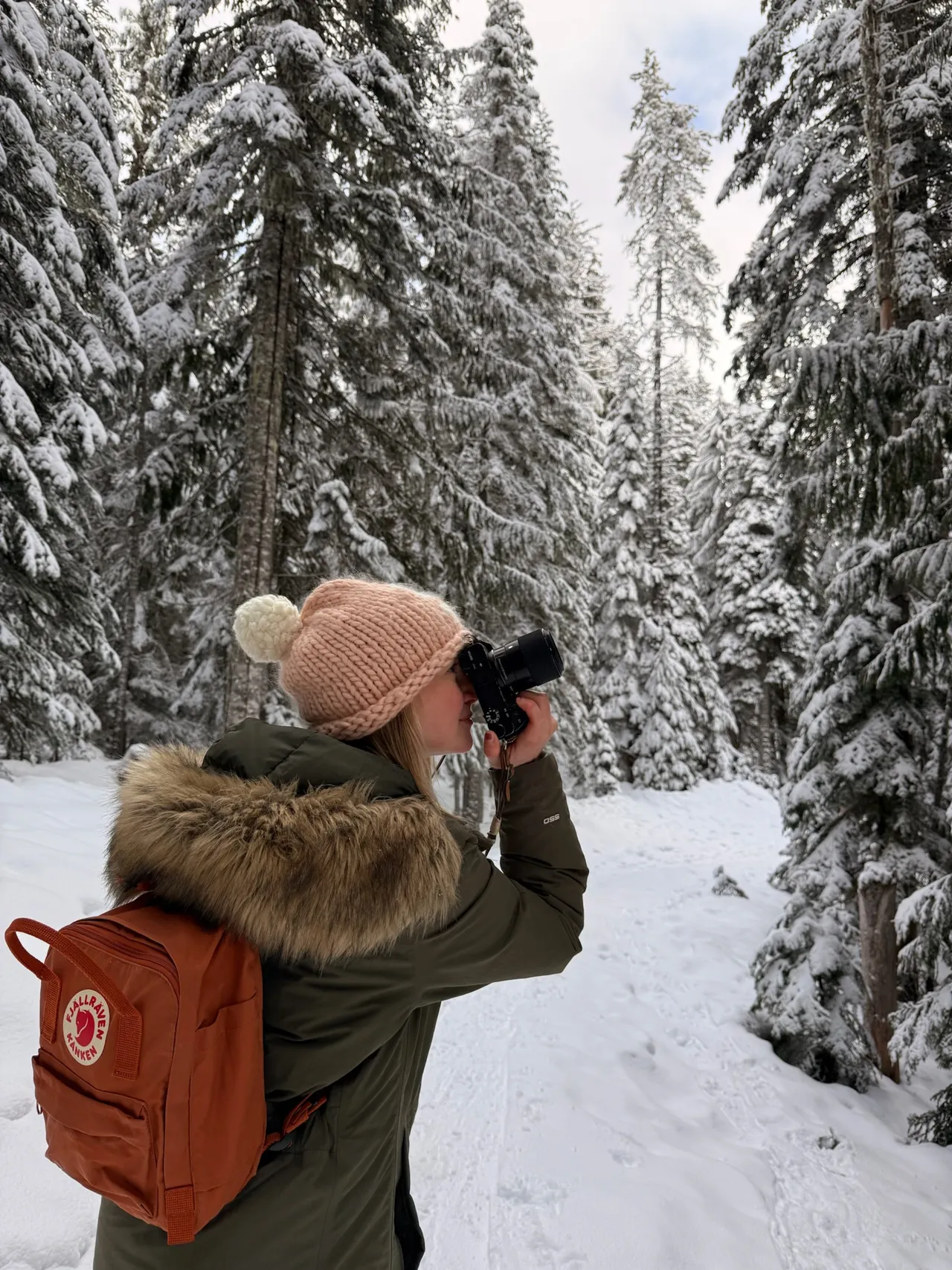
The key is being genuine and professional in your pitch. Show them your work, be clear about what you'll deliver, and don't oversell your following. A lot of smaller hotels and lodges are happy to trade a room for quality content.
Off-Platform Accommodation Deals
Here's one a lot of people don't think about: when you find a place you love on Airbnb, message the host and ask if they have a direct booking option. Many hosts offer 10–20% off when you book directly because they're avoiding Airbnb's service fees on their end too. It's a win-win.
The same goes for small hotels and guesthouses. Booking direct — whether through their website or just calling them — often beats the price you'll find on an OTA (online travel agency) like Booking.com or Expedia. Those platforms take a commission, and plenty of properties will pass some of that savings on to you if you book with them directly.
Geo-Arbitrage on Experiences
When you're in a country where your dollar goes further, front-load the expensive self-care and experiences there instead of at home. Things like massages, dental work, tailored clothing, and even certifications like scuba diving — all a fraction of the U.S. price in places like Vietnam or South Korea.
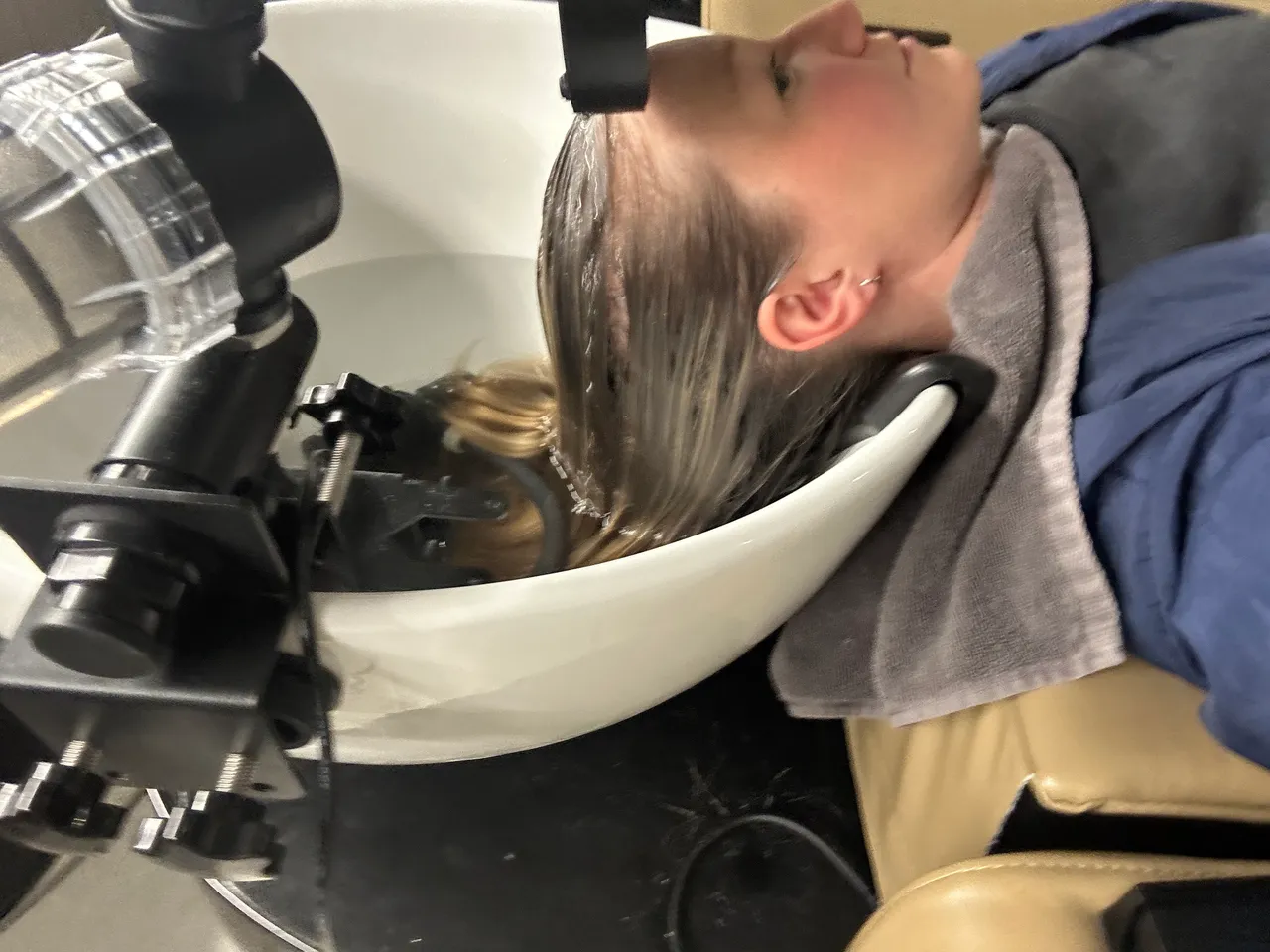
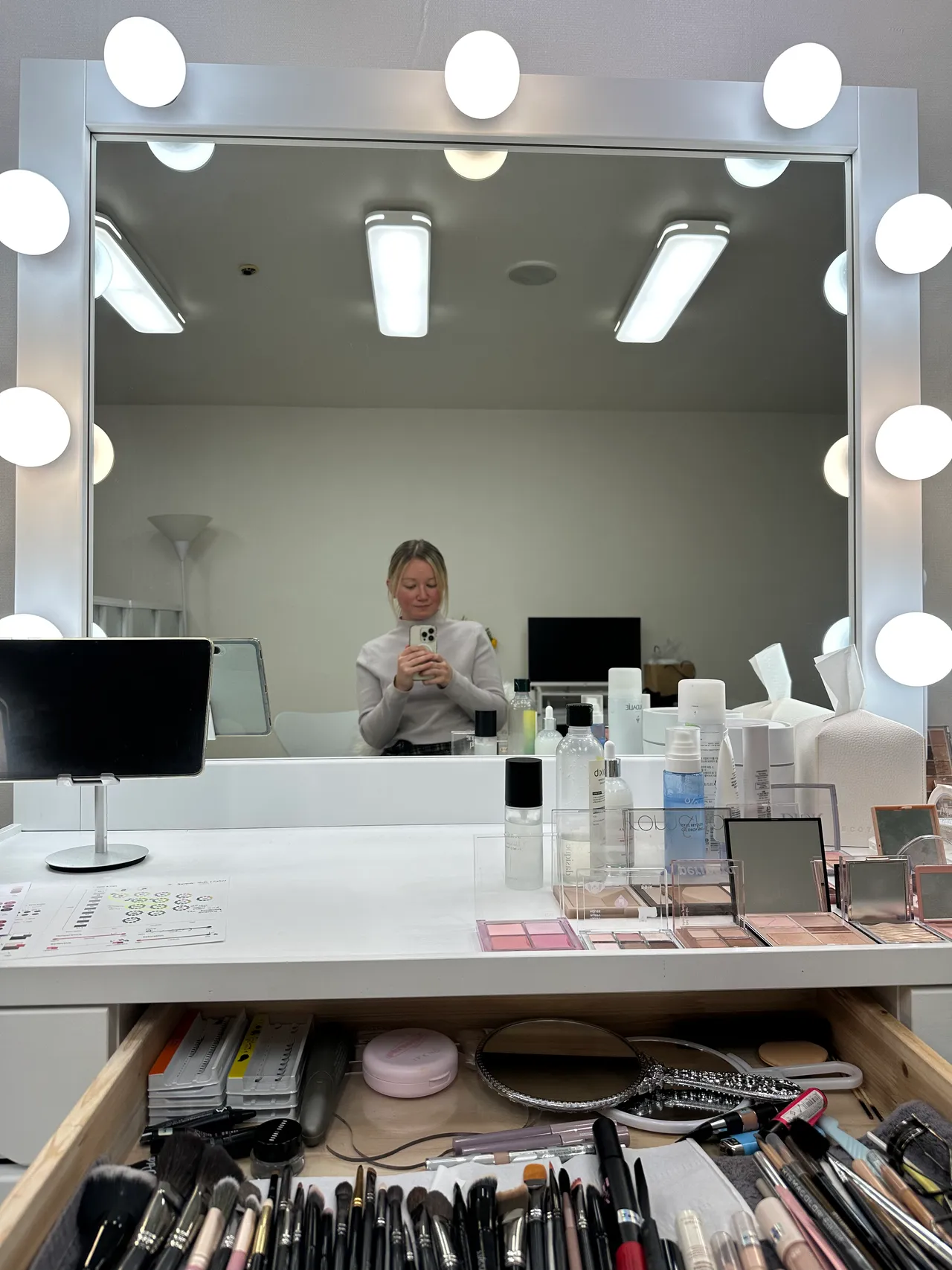
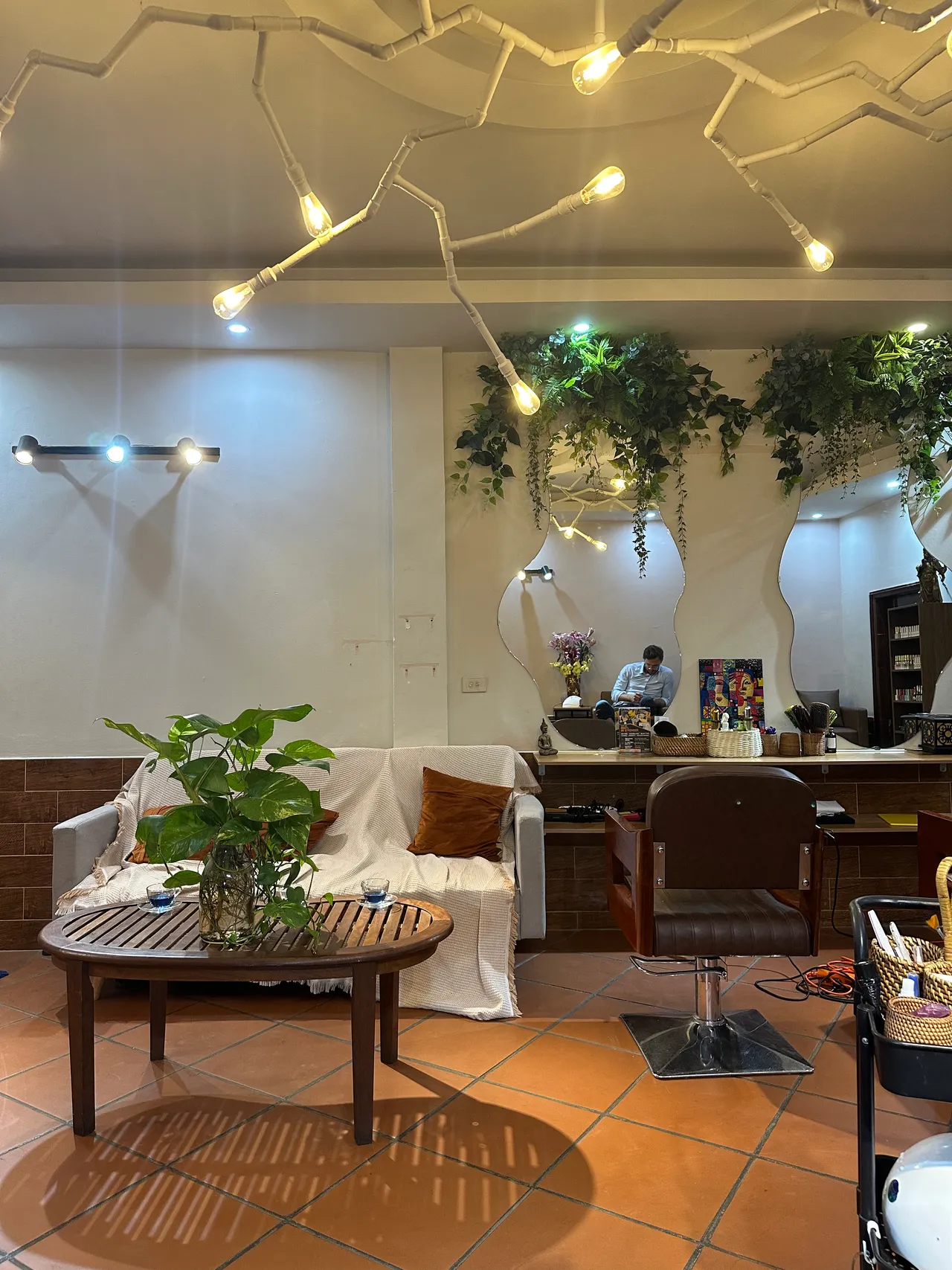
I make a point of getting my massages, nails, and other treatments done abroad whenever I can. On my South Korea beauty trip, I did a professional color analysis, a full Korean body scrub, nails, multiple facials, and a scalp and hair treatment — all for dramatically less than what even one or two of those services would cost in the States.
It's not just about saving money — the quality is often better because these services are part of the everyday culture. Why pay $200 for a facial at home when you can get a better one for $40 abroad and call it part of the travel experience?
Book Refundable Hotels for Domestic Travel
For traveling within the U.S., I almost always book hotels through Hotels.com or Expedia because they usually have fully refundable options. Travel is so unpredictable these days — and I've learned this the hard way over hundreds of hotel stays.
I've had so many trips that have needed to be reworked or canceled entirely due to wildfires, mudslides closing roads, or snowstorms making destinations completely inaccessible. Being able to cancel a reservation and rebook something else without losing money has been instrumental in saving over the years. With Airbnb, you rarely have that kind of flexibility — most hosts have strict cancellation policies, and backing out last minute usually means eating the cost.
I especially do this for road trips, where plans change constantly. And for ski trips, I'll book hotels way in advance — just throw something fully refundable on the calendar. As the dates get closer, I can see who's available to join and what the snow conditions look like. If there's barely any snow and conditions are poor, I'll back out of the trip without penalty. That flexibility is worth so much more than saving a few dollars on a non-refundable rate.
Go Remote If You Can
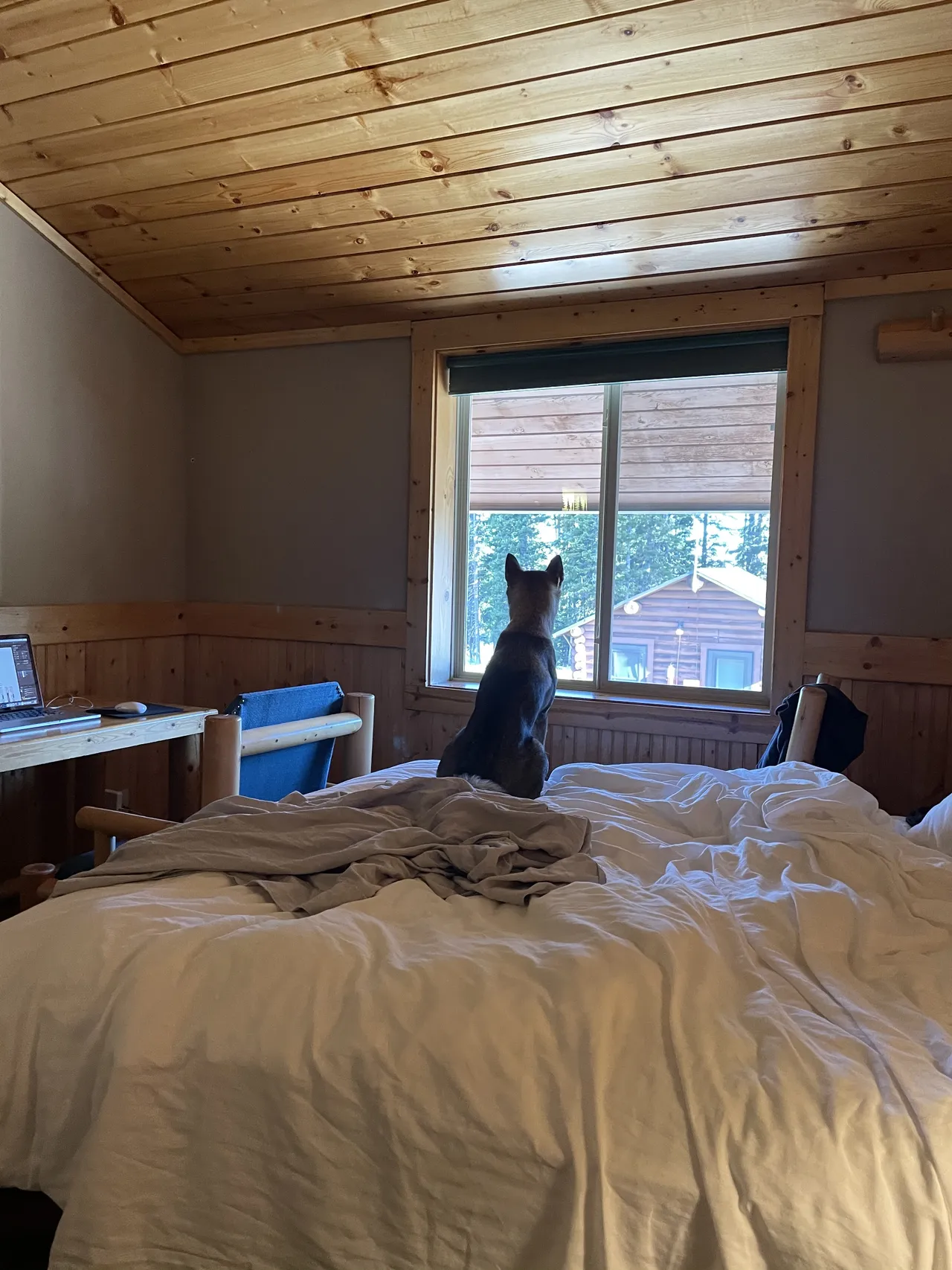
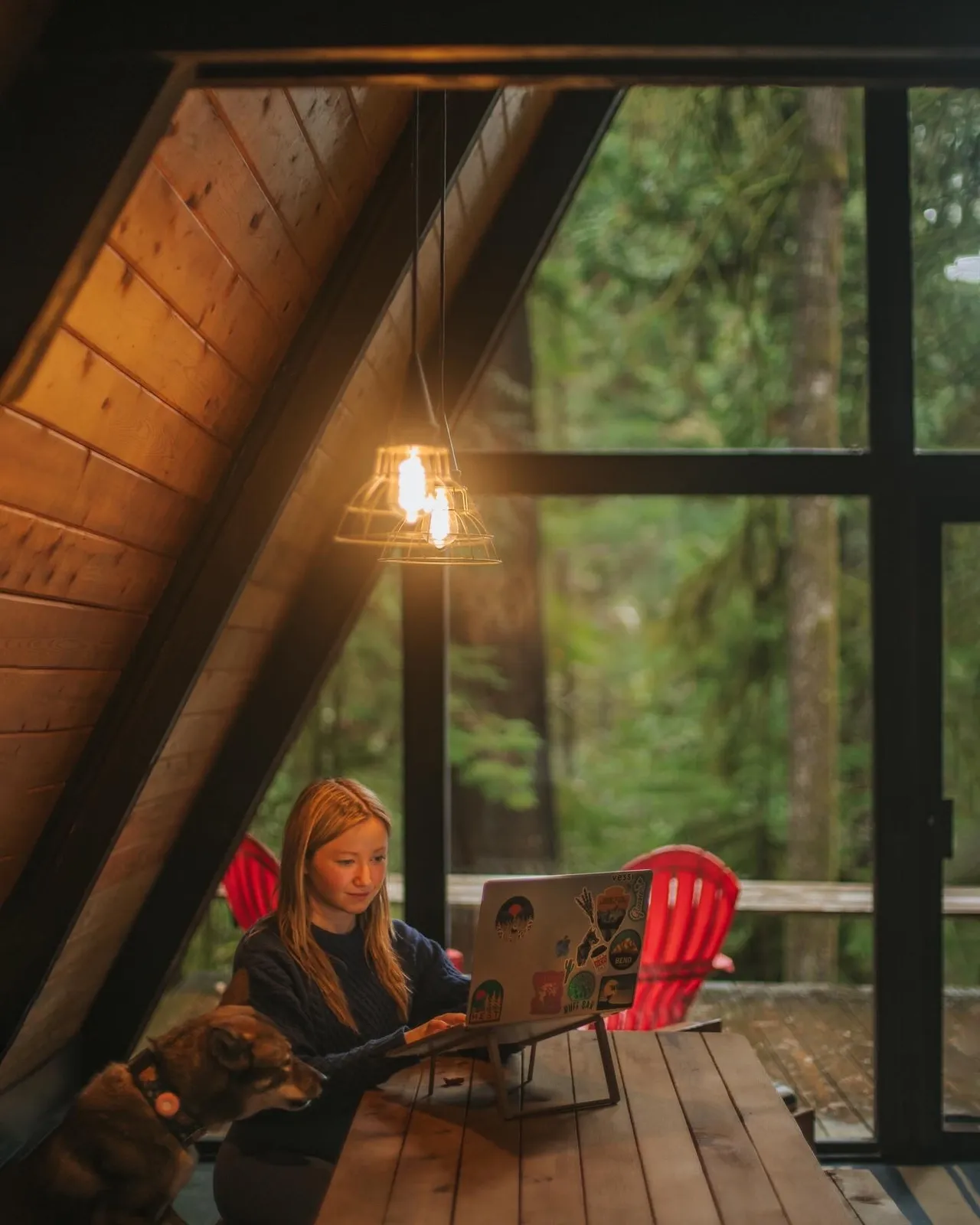
This one isn't a quick hack — it's a lifestyle shift. But if you have the opportunity to convert your job to remote, it opens up an entirely different way of traveling. I was fortunate enough to make that switch when I had this vision of traveling more and doing slow travel — going to a place, staying longer, seeing if I actually like it, and working while I'm there.
I went back and forth between Denver and Seattle for a while, and I'm planning to spend a lot of time in Alaska this summer. When you're staying somewhere for weeks or months instead of days, the economics completely change.
A website like Furnished Finder has been really great for this. They connect you directly with landlords, so it's more personable — you can negotiate a rate, and you avoid Airbnb's service fees and cleaning fees. Leases are typically month-to-month, though many landlords on there prefer at least a three-month commitment. And if your dog is an ESA, the lease structure means landlords can't charge pet fees, which is a nice bonus when you're traveling with your dog long-term.
Save on Gas for Road Trips
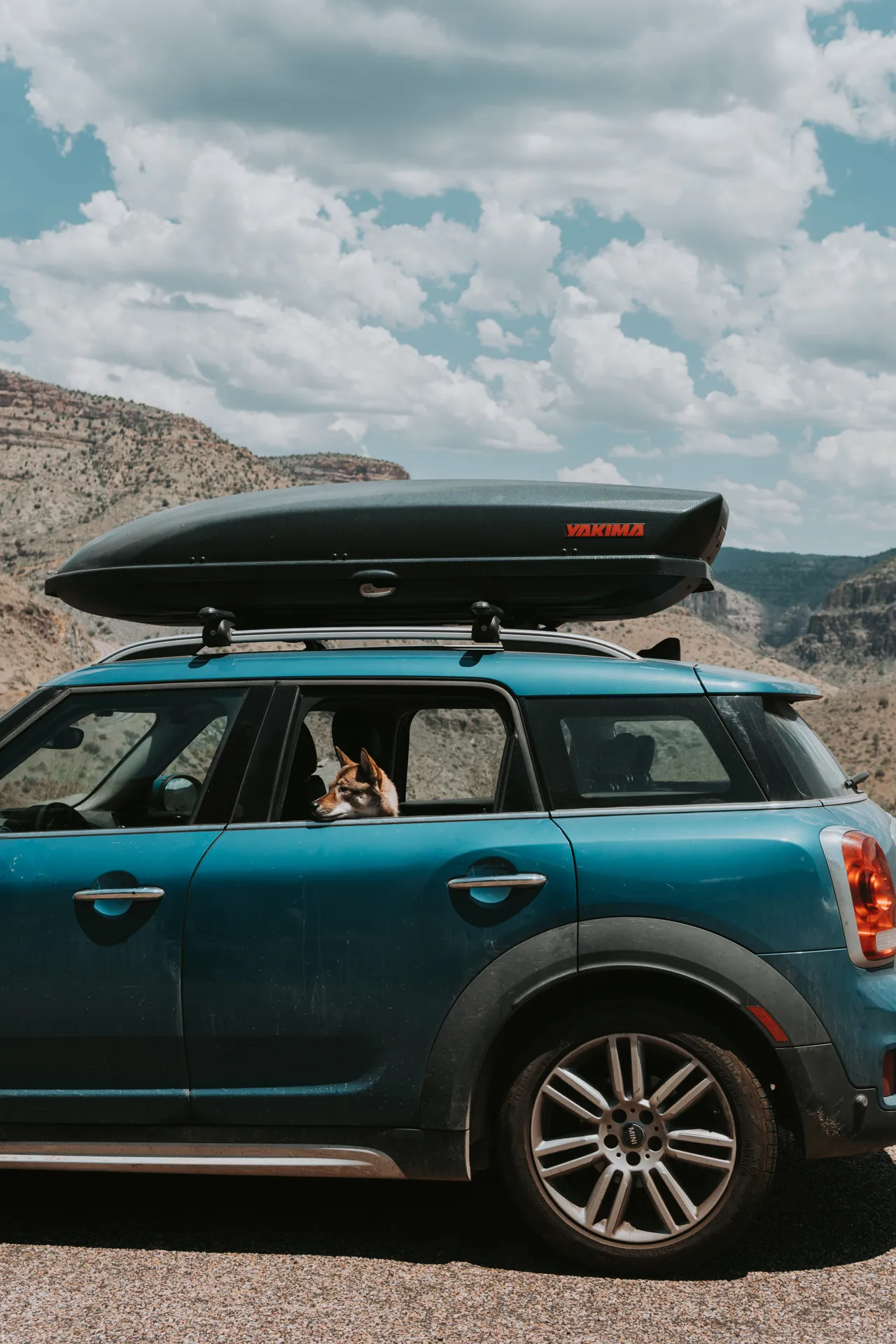
If you road trip as much as I do, gas adds up fast — especially when you drive a MINI Cooper that takes premium. A few things that have helped me keep costs down:
Costco membership. The savings at Costco gas stations are real. I remember being on a road trip to Lake Tahoe in the summer and gas prices in California were insane — well over $6 a gallon. Filling up at Costco cut at least a dollar off per gallon, which made a noticeable difference on a long drive.
GasBuddy. The GasBuddy app is great for finding the cheapest gas along your route. It takes two seconds to check before you pull off the highway.
Time your fill-ups by state. This is one people don't always think about. When I'm road tripping from Washington down to Oregon, I'll wait until I cross into Oregon to fill up. Washington has a huge gas tax, and Oregon has no sales tax — so the price difference is significant. If you're driving through states with different tax structures, a little planning on where you stop for gas can save you more than you'd expect.
Consider a hybrid or EV. If you're in the market for a new car and you road trip often, a hybrid or electric vehicle will pay for itself in fuel savings over time. I love my MINI, but premium gas on long trips is not cheap.
Get the America the Beautiful pass. The annual National Parks pass is $80, and it pays for itself after just three or four park visits. But it's not just for national parks — I've used mine at local parks and recreation areas in Washington, Oregon, and other states too. If you're road tripping through the West at all, it's a no-brainer.
Consider ferries vs. driving. This is especially relevant in the Pacific Northwest and Alaska. Sometimes putting your car on a ferry is cheaper than the gas and time it would take to drive the long way around. For example, if you're heading from Seattle to the Olympic Coast, taking the Bainbridge Ferry cuts the drive significantly compared to going all the way down and around. The ferry isn't that expensive, you save on gas, and you get a nice break from driving. I like to take the ferry whenever it makes sense — it's one of those cases where the more scenic option also happens to be the more affordable one.
Pack a Cooler and Cook on the Road
Eating out every single meal on a road trip adds up fast. One of the easiest ways I save money is packing a cooler with groceries before I leave. I have a hard case cooler, but honestly a soft cooler is a better investment for most people — you can fold it down and stow it when you're not using it, which matters a lot when you're living out of your car.
I keep it simple: bread with avocado, protein shakes, shelf-stable snacks — things that are easy to eat on the go without any prep. And I bring my Camp Chef stove so I can make real meals at campsites or rest stops. Even just cutting your restaurant meals in half makes a big difference over a week-long trip.
When I do eat out, I try to be smart about it. Local happy hours are a great way to try a city's food scene without paying full dinner prices. And reliable chains like Sweetgreen or Cava are solid options — you get a big, filling meal for a reasonable price, and you know exactly what you're getting when you're tired from driving and don't want to gamble on a random spot.
Find Hotels with Free Breakfast
This is especially important when you're traveling in Asia. The free hotel breakfasts there are on a completely different level compared to the sad continental spreads you get at most American hotels. We're talking full hot buffets with rice, soup, eggs, fresh fruit, pastries, and coffee — a real meal that sets you up for the day.
When I'm booking hotels in Japan, Korea, or Taiwan, I'll prioritize deals that include breakfast. It saves you money every single morning — one less meal to buy out — and you start the day with protein and coffee without even thinking about it. Then you can still treat yourself to a coffee or matcha out in the afternoon as part of exploring. It's a small thing to look for when comparing hotel options, but over a week-long trip it adds up to real savings.
And speaking of Asia — don't sleep on convenience stores. 7-Elevens in Japan and Taiwan are nothing like the ones back home. You can get surprisingly good little sandwiches, onigiri, breakfast items, drinks, and desserts for next to nothing. They're everywhere, they're quick, and they're a great way to grab a cheap snack or light meal when you're out exploring without sitting down at a restaurant.
Save on Phone Costs Abroad
If your company gives you a work phone with an international plan, you might already have this covered without spending a dime. My work phone has an international plan built in, so when I travel abroad I just tether my personal phone to it via hotspot. No need to buy a separate international plan through my carrier.
If you don't have that option, look into getting an eSIM or a local SIM card at your destination instead of paying for your carrier's international roaming plan. They're usually a fraction of the cost and give you solid data for navigating, translating, and staying connected while you're there.
Pack the Little Things (They Add Up)
This might sound minor, but bringing everyday essentials from home instead of buying them on the road saves more than you'd think — especially on longer trips or when traveling internationally. I keep a running checklist of things to pack so I don't forget.
Things like a full-size bottle of shampoo or conditioner, sunscreen, tampons or pads, ibuprofen, face lotion — all stuff that's cheap in bulk at home but expensive or hard to find while traveling. I'll grab Sephora free samples for skincare, transfer products into smaller containers, and toss a baggie of Advil from my Costco-sized bottle into my bag. It takes up barely any space and saves you from unplanned spending.
This is especially important when you're traveling to more conservative countries where you might not find the products you're used to. I was in Vietnam on a work trip and could not find tampons anywhere — I was super stressed about it and made sure to pack them for every international trip after that. More recently, a friend told me to bring ibuprofen to the British Virgin Islands because medical supplies there are extremely overpriced. She was right — it's the kind of thing you don't think about until you're sick with a headache and staring at a $15 bottle of Advil.
A little preparation goes a long way. You already have most of this stuff at home — just make it part of your packing routine.
Pack Carry-On Only When You Can
For weekend trips and shorter getaways, I almost always pack carry-on only. You avoid checked bag fees, you skip the risk of lost luggage (and the stress of needing an AirTag in your bag), and you can just grab your stuff and go when you land. It's faster, cheaper, and simpler.
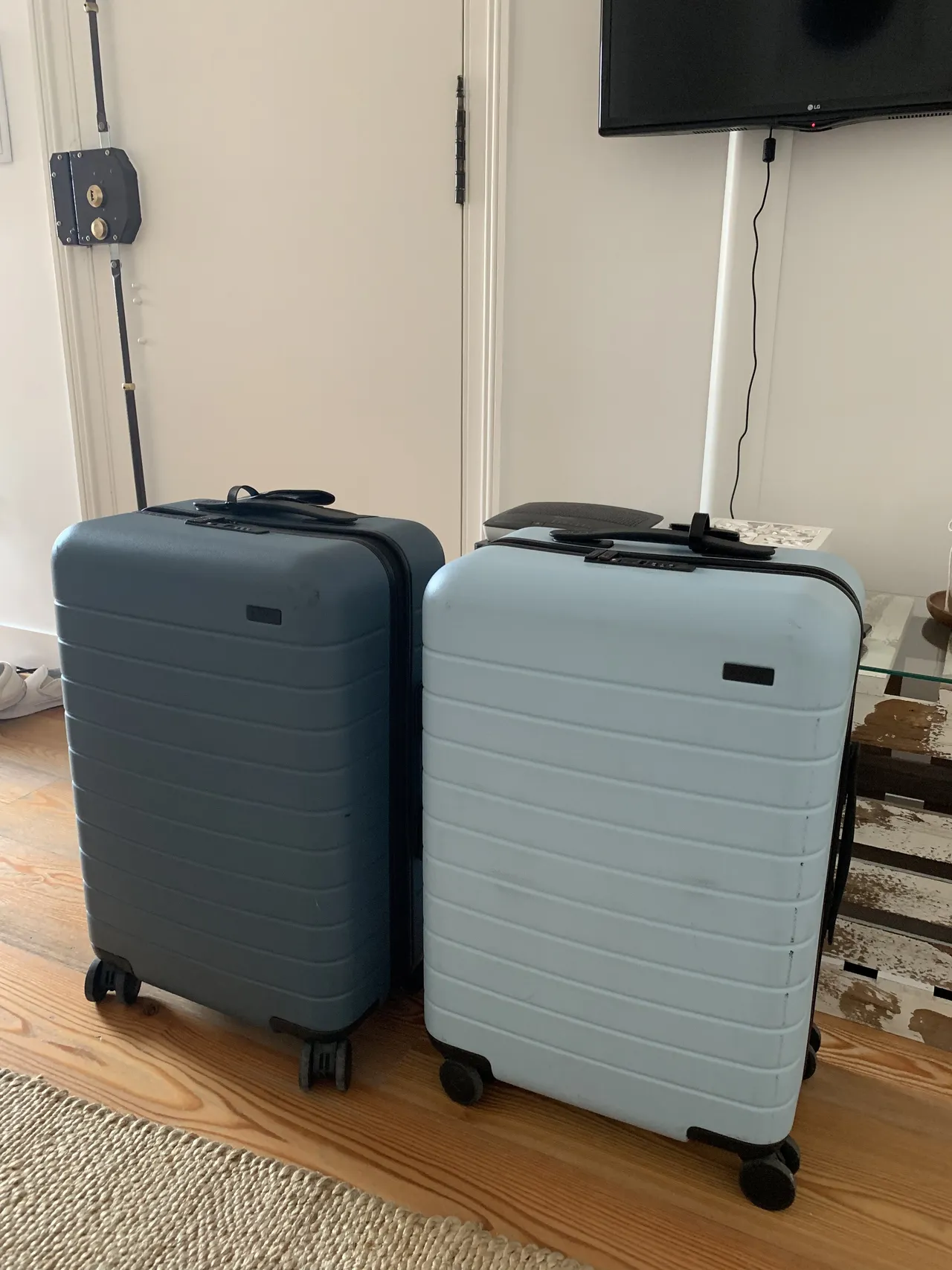
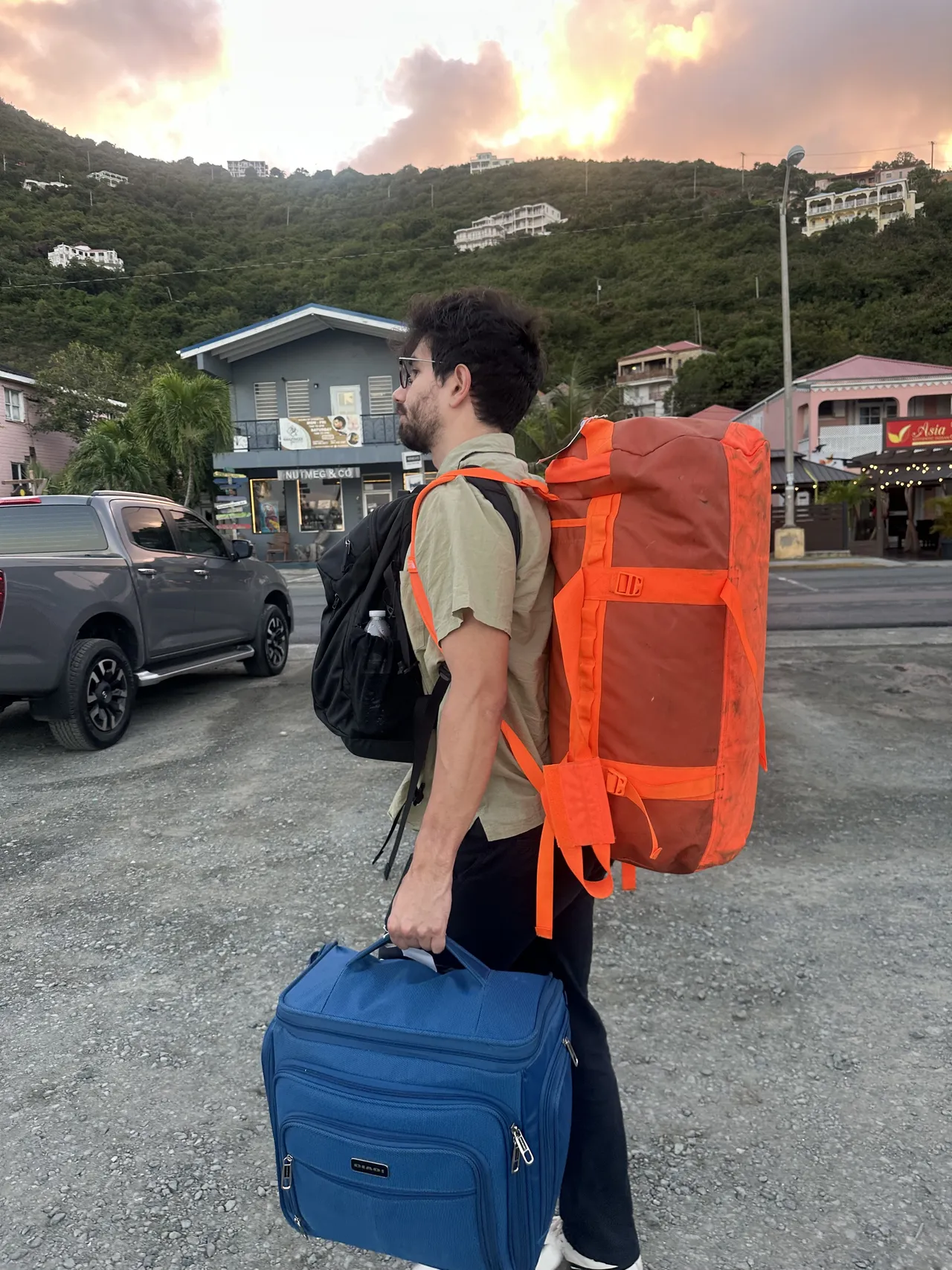
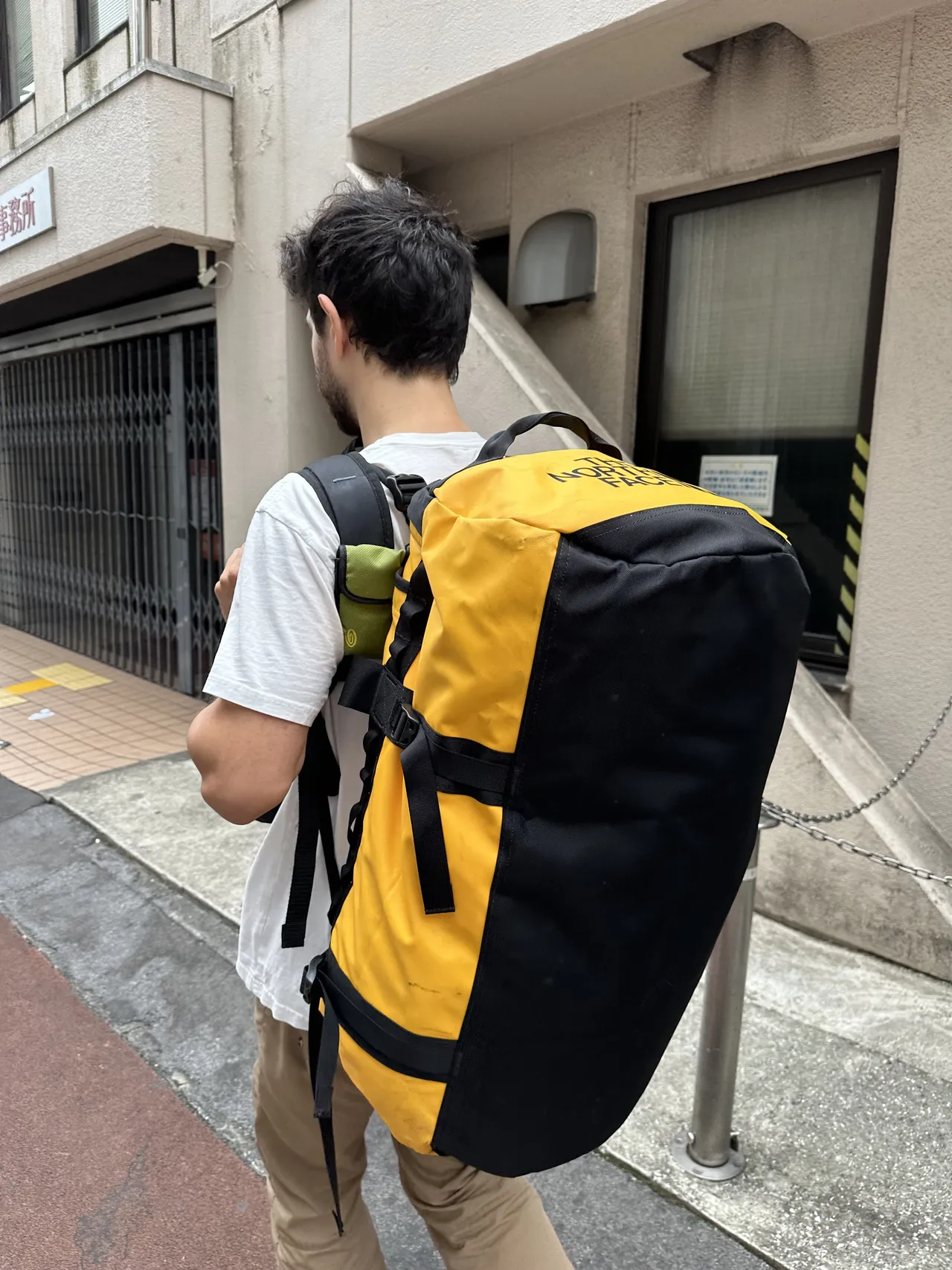
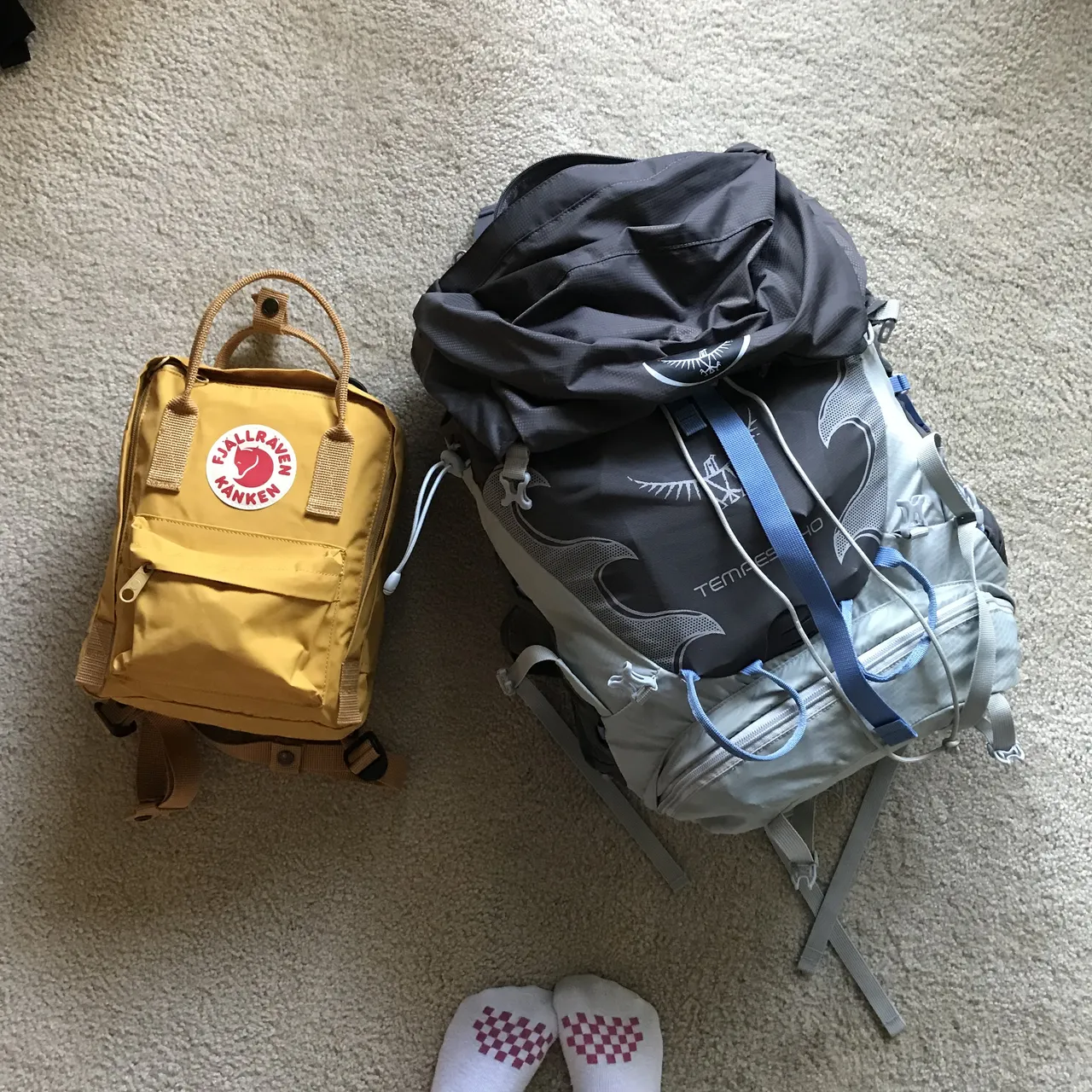
This isn't always realistic, of course. When I went to Asia for three weeks on work trips, I needed professional attire plus casual wear for the personal travel I was tacking on. I was packing for different seasons and carrying work laptops — there was no way it all fit in a carry-on. I brought my medium Away suitcase for those trips and it was the right call.
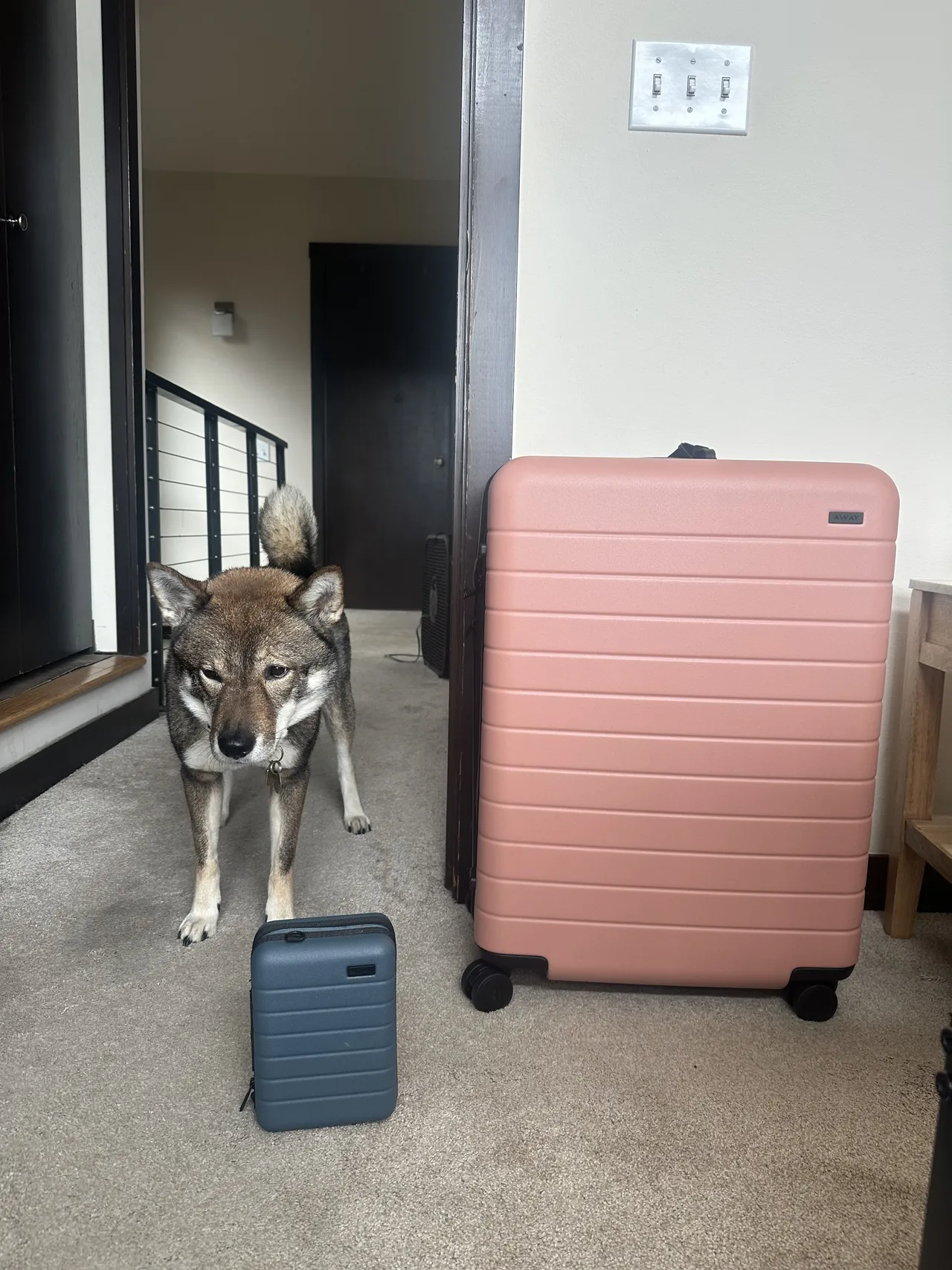
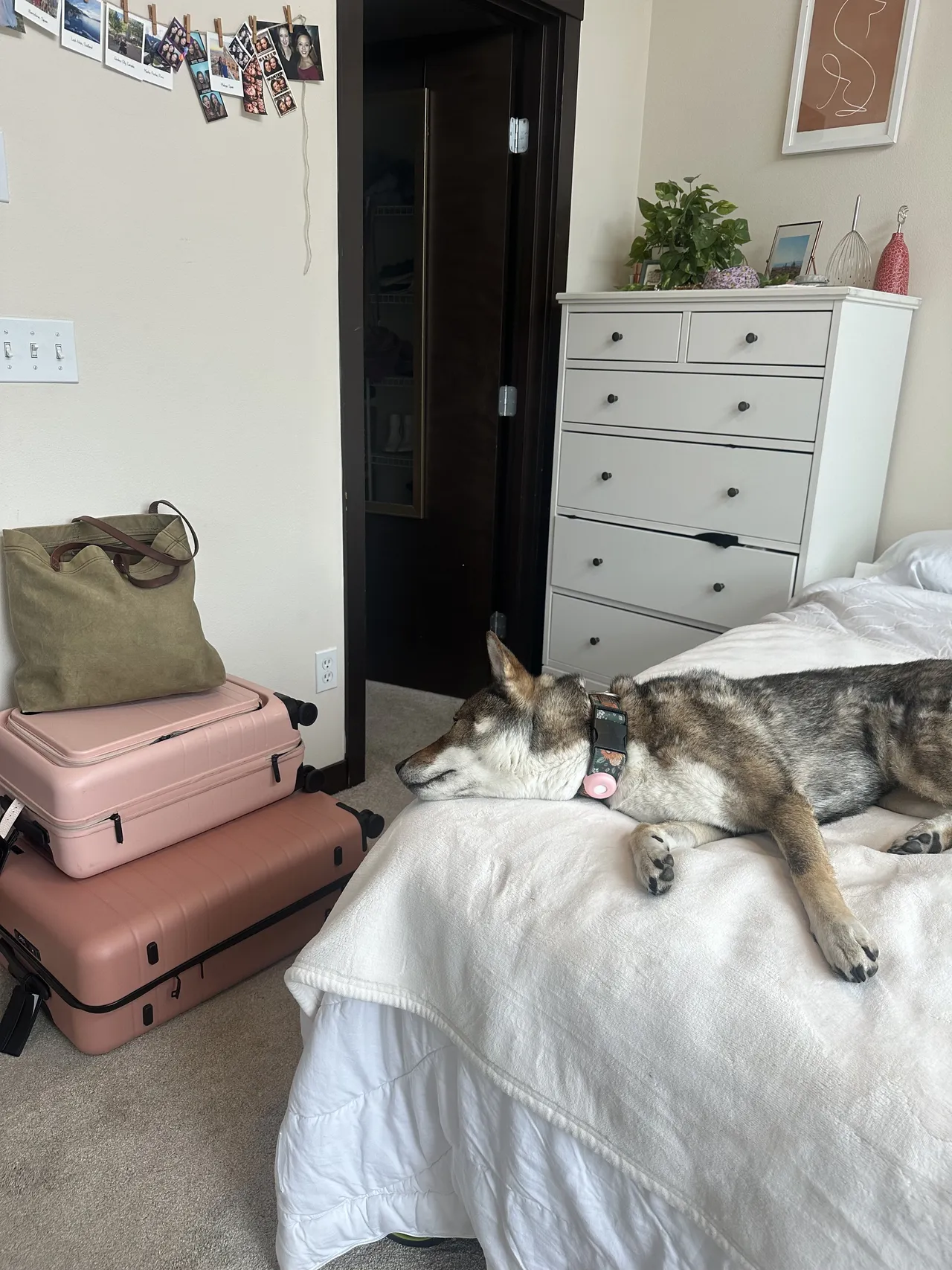
But here's a trick for when you do need to check a bag: luggage storage. When I flew to Taiwan for work and then headed to Japan right after, I packed a small duffel bag folded inside my medium suitcase. When I landed in Tokyo, I checked the suitcase into a luggage storage facility on the first day and traveled the rest of the week with just my backpack and duffel. I didn't have to lug around all my work clothes and gear, and it made getting around with my partner so much easier. Luggage storage services are cheap and available in most major cities — definitely worth it when you're transitioning between a work trip and personal travel.
And here's one more luggage hack: if you're shopping a lot abroad, just buy a cheap suitcase there to bring everything home. I bought a nice piece of luggage in Vietnam for way less than it would cost in the U.S. and used it to bring back Christmas gifts. I did the same thing in Korea — I picked up an extra bag for cheap and filled it with Adidas running shoes that hadn't been released in America yet, plus a ton of skincare and clothing. It's way more cost-effective than shipping things home, and you end up with an extra suitcase you can keep using.
Bring Your Own Gear
If you're into activities that require equipment — skiing, camping, photography — bringing your own gear can save a lot over renting. I've taken multiple ski trips where having my own skis and boots meant I didn't have to pay for rentals, which can easily run $50–80 a day.
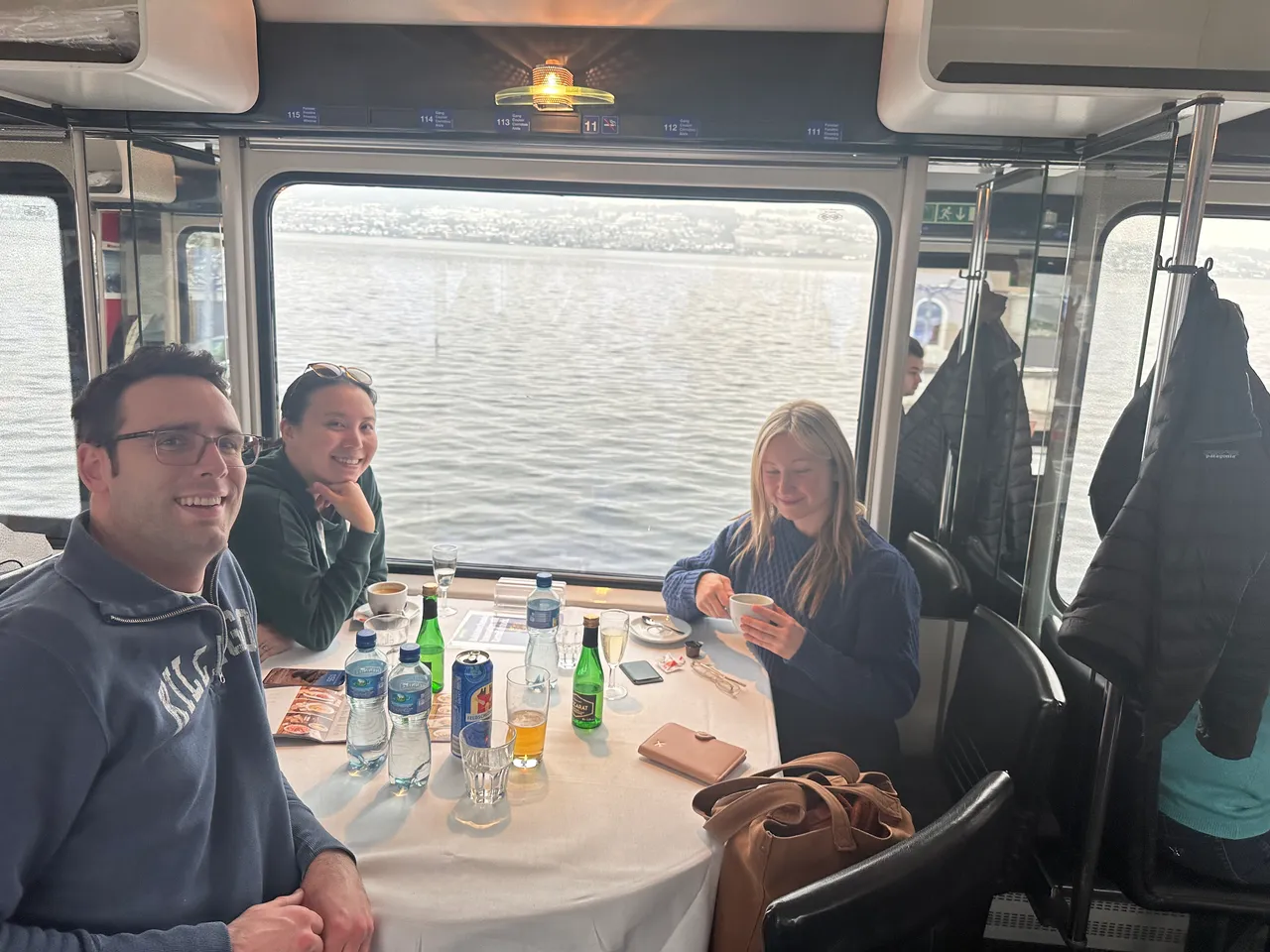
When I went to Switzerland to ski with friends, we all packed our own gear. Ski luggage counts as a checked bag — no extra oversized fee — and you can stuff clothes in the ski bag too, which helps with packing. We flew into Zurich, took the train down to the resort with all our gear, and then had a shuttle organized through the resort for a small fee. The Swiss train system made it seamless.
A lot of European train systems also offer luggage transfer services where they'll send your bags directly from the airport to your hotel. I didn't use it on that trip, but it's a great option if you're bringing a lot of gear and staying at one resort for the week — especially if you don't want to wrestle ski bags through train stations.
On the flip side — if you like to run when you travel, you can actually rent running shoes in some cities. When we were in Tokyo, the ASICS store had a whole section of shoes you could rent to go for a run. It saves luggage space and you get to try out different shoes. Another option is to bring an old pair you were going to replace anyway and just toss or recycle them when you're there — one less bulky item to carry home. I wouldn't recommend this on islands like Hawaii though, where waste disposal is more of an issue. But in a major city with good recycling infrastructure, it's a smart move.
Sleep in Your Car
This one isn't glamorous, but it's incredibly practical — and it's saved me a ton of money over the years. A good example: Cannon Beach on the Oregon coast. Hotels there are incredibly expensive, there's not a ton of lodging, and even fewer dog-friendly options. I've stayed at hotels in Seaside (just north of Cannon Beach) before during a cross-country move, and honestly, it wasn't great. I'd much rather find a campsite, build out the back of my car, and just sleep there. There are a lot of campgrounds in the area, and it's way more affordable — plus you skip the pet fees entirely.
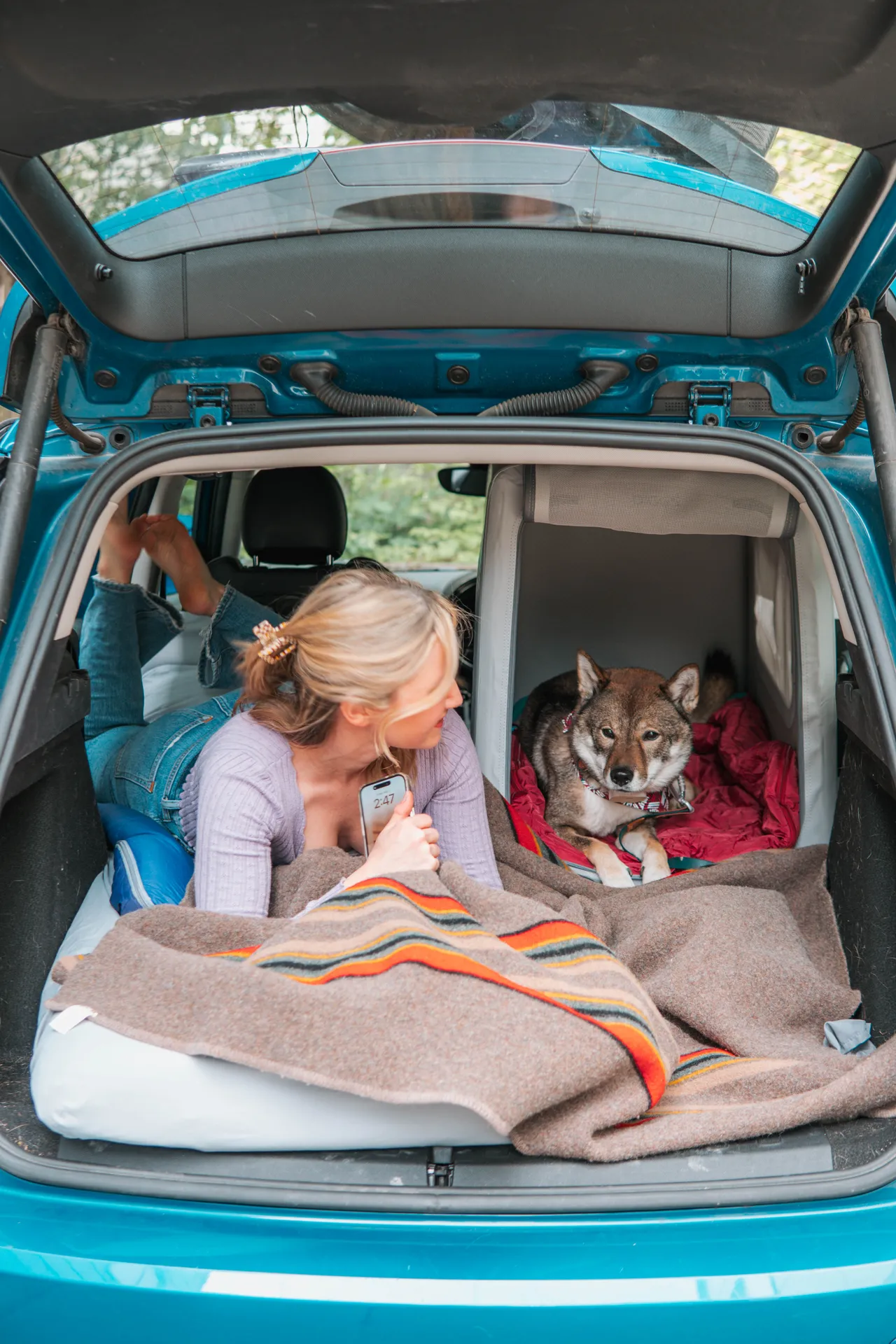
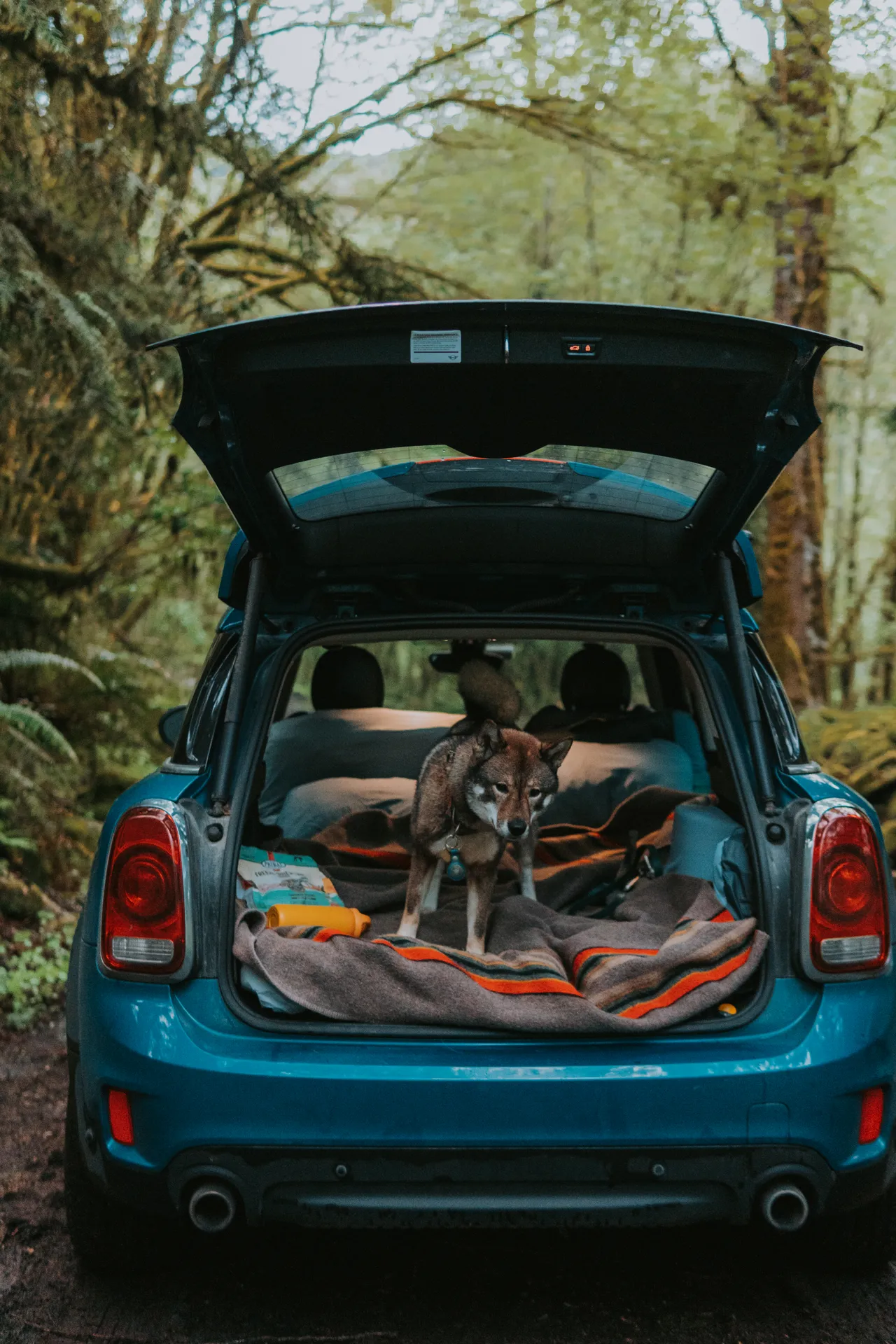
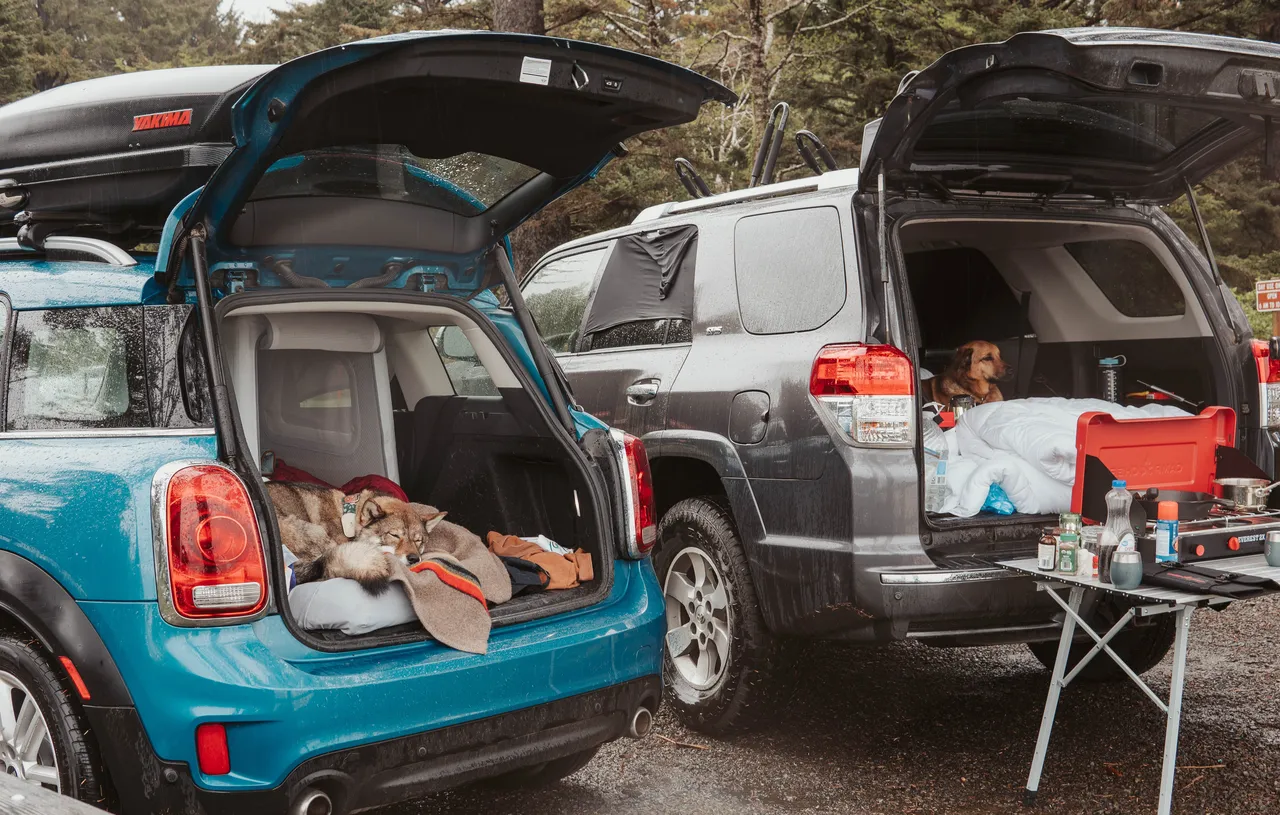
I've slept in my MINI Cooper more times than I can count. I'll find a local campsite, set up for the night, and then go explore the next day. Sites like Hipcamp make it easy to find a spot for as little as $20 a night. I once did this for a fast cat competition in southern Washington — the start time was really early, and I just wanted to be nearby so I could wake up and go straight to the race. I grabbed a Hipcamp spot for $20, slept in the car with Sora, woke up, went to the show, and drove home after. I could've driven in the morning, but being close by made it so much easier.
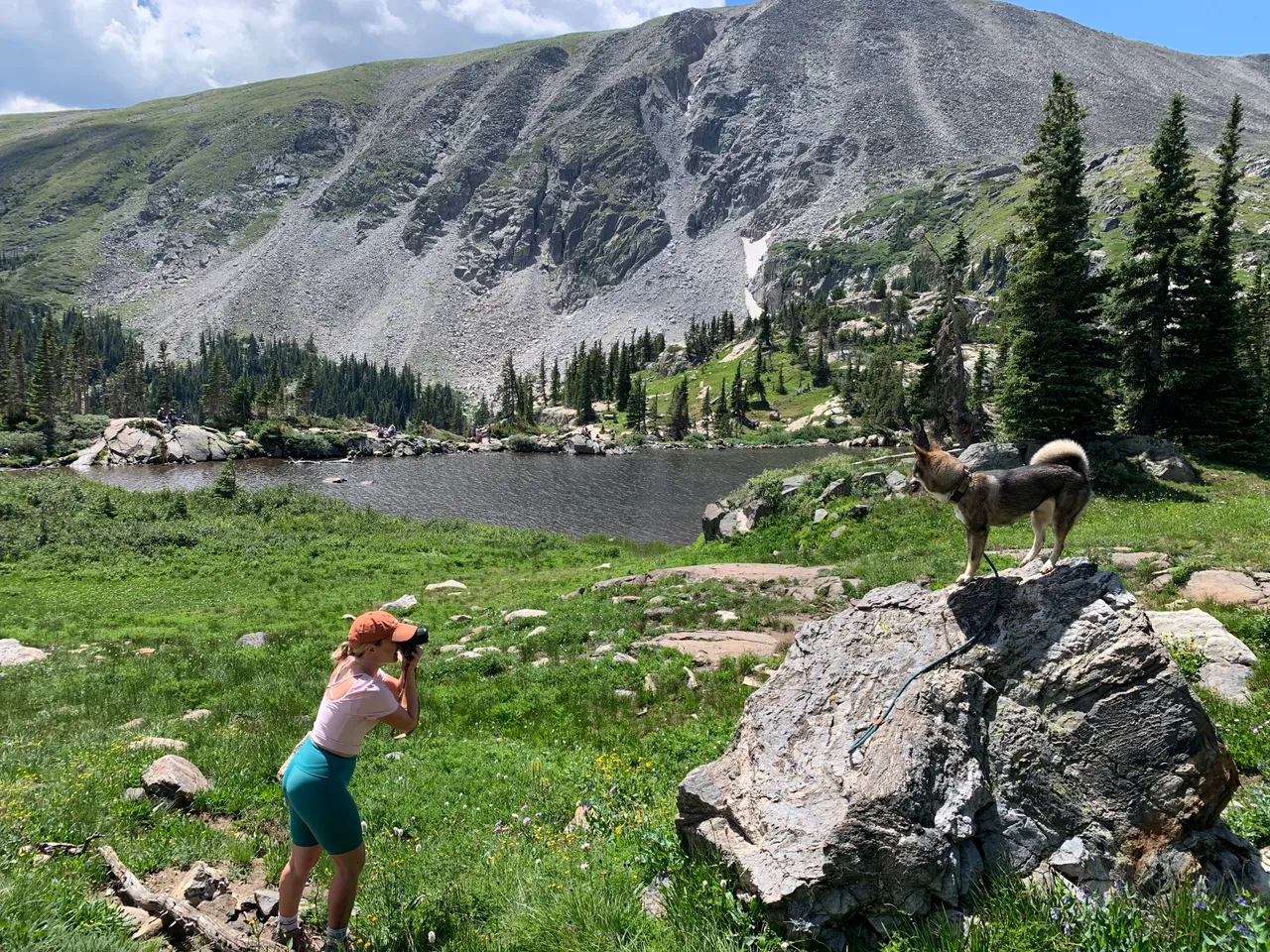
There are some conditions that make car sleeping work well, though. You want somewhere with cool temperatures — the Oregon coast is perfect for this since it's rarely hot. That also matters if you need to leave your dog in the car briefly while you grab food or run into a store. You generally don't want to be doing this somewhere like the desert of Moab where it's just way too hot to leave your dog comfortably. Safety matters too — stick to established campsites or well-reviewed Hipcamp spots. But for nice, temperate areas with campgrounds nearby, sleeping in your car is a great way to save. I wrote a whole post on car camping gear and tips if you want to try it.
Another option if you're well connected on social media: lean on your community. I'm pretty plugged into the dog Instagram world, and I've gotten to know people all over through it. When a woman I knew online was road tripping through Seattle with her dog and mostly car camping, I offered my driveway. I was living in a studio at the time and couldn't have her dog inside since Sora is reactive, but she was more than comfortable sleeping in her car in a safe driveway and using my shower and bathroom. It was a small thing, but it made her trip easier — and I know she'd offer me the same if I ever visit her in Vancouver. Those kinds of reciprocal relationships go a long way when you're trying to travel affordably.
The Europe Trip That Started It All
I have to give a shoutout to how I traveled in college, because it set the tone for everything that came after. My friend and I were not making tech money yet — we were students who worked all summer through internships, so winter break was our only real window to travel. We budgeted aggressively because we had to, and we stacked every savings trick we could find into one trip.
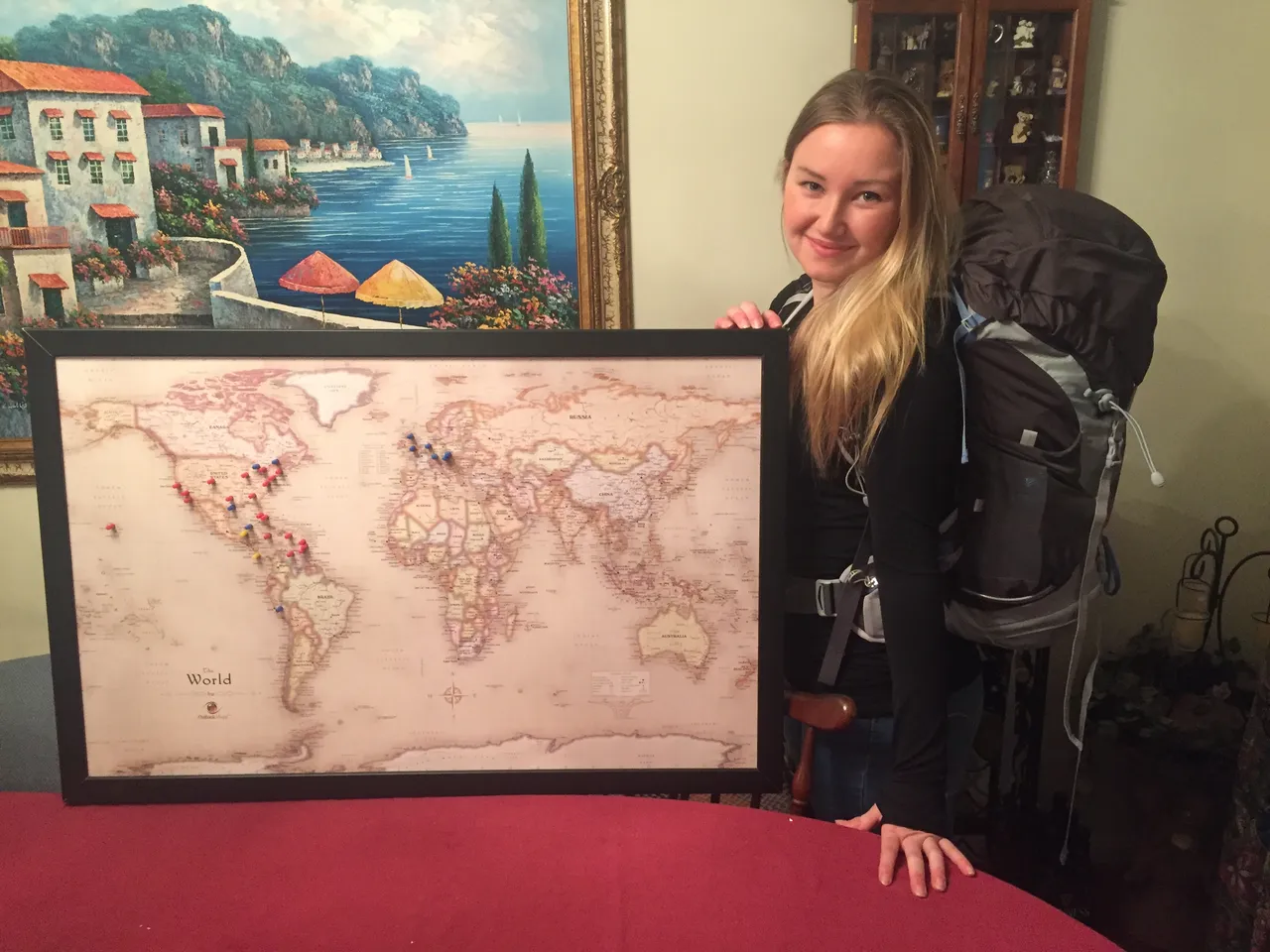
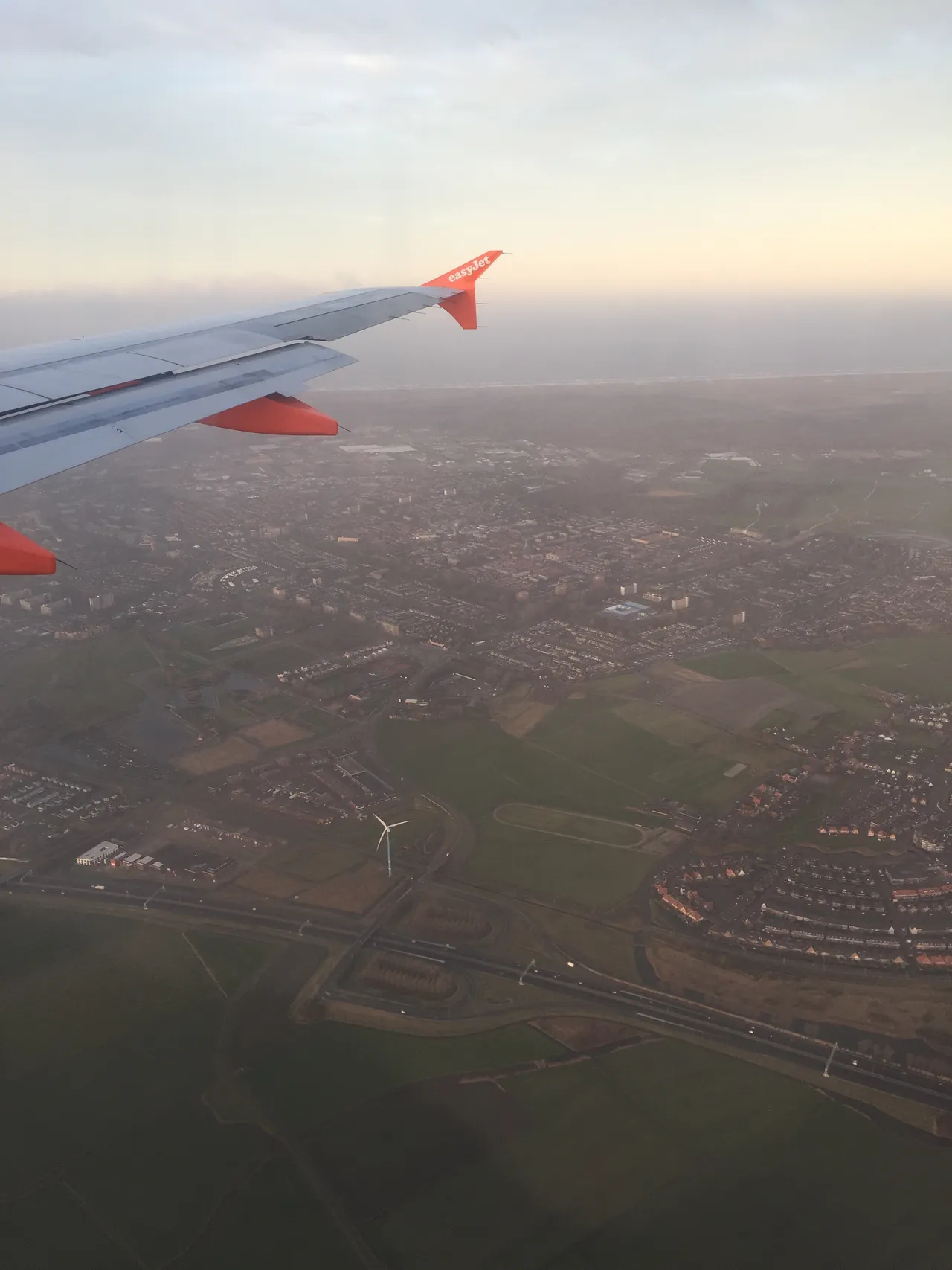
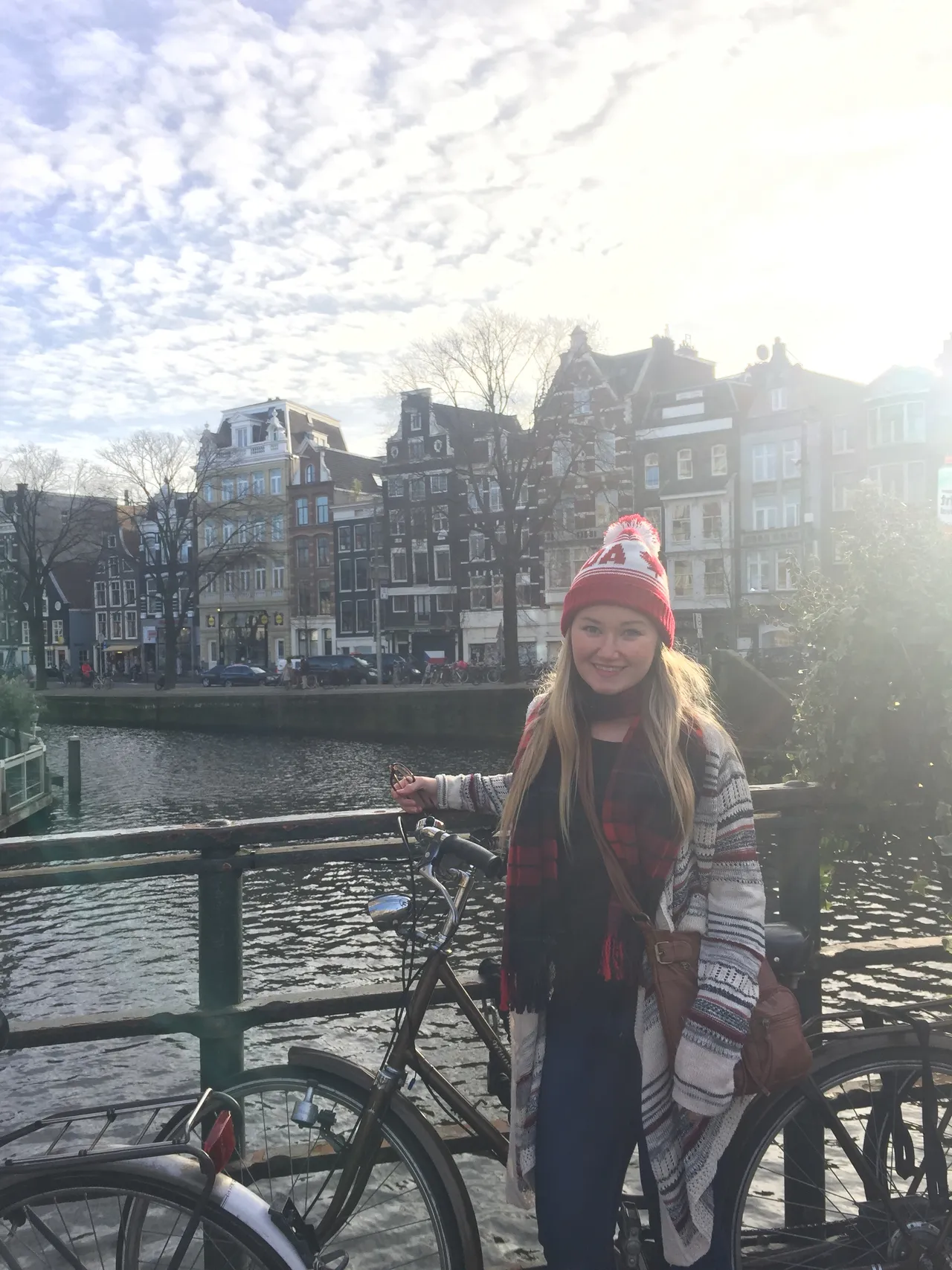
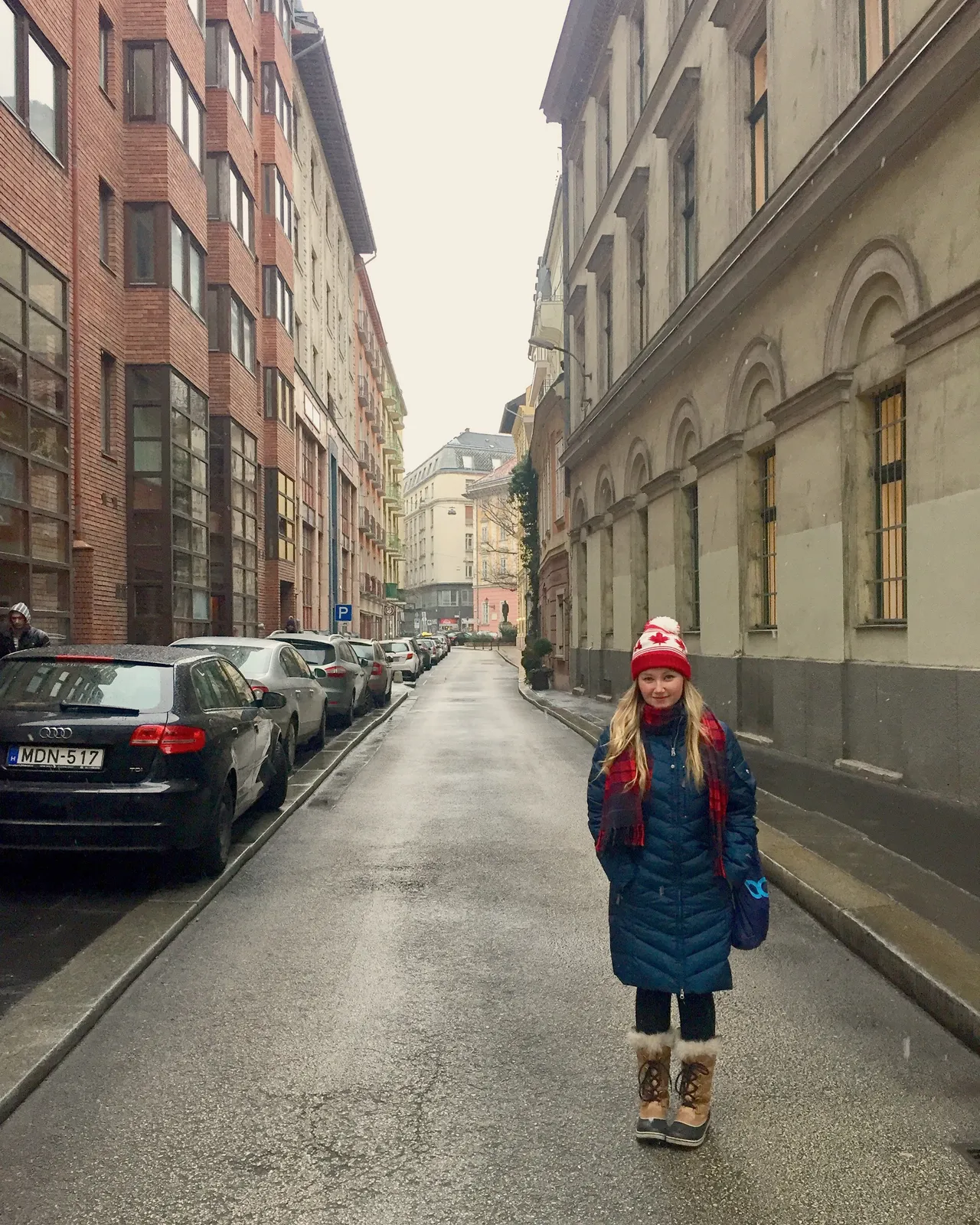
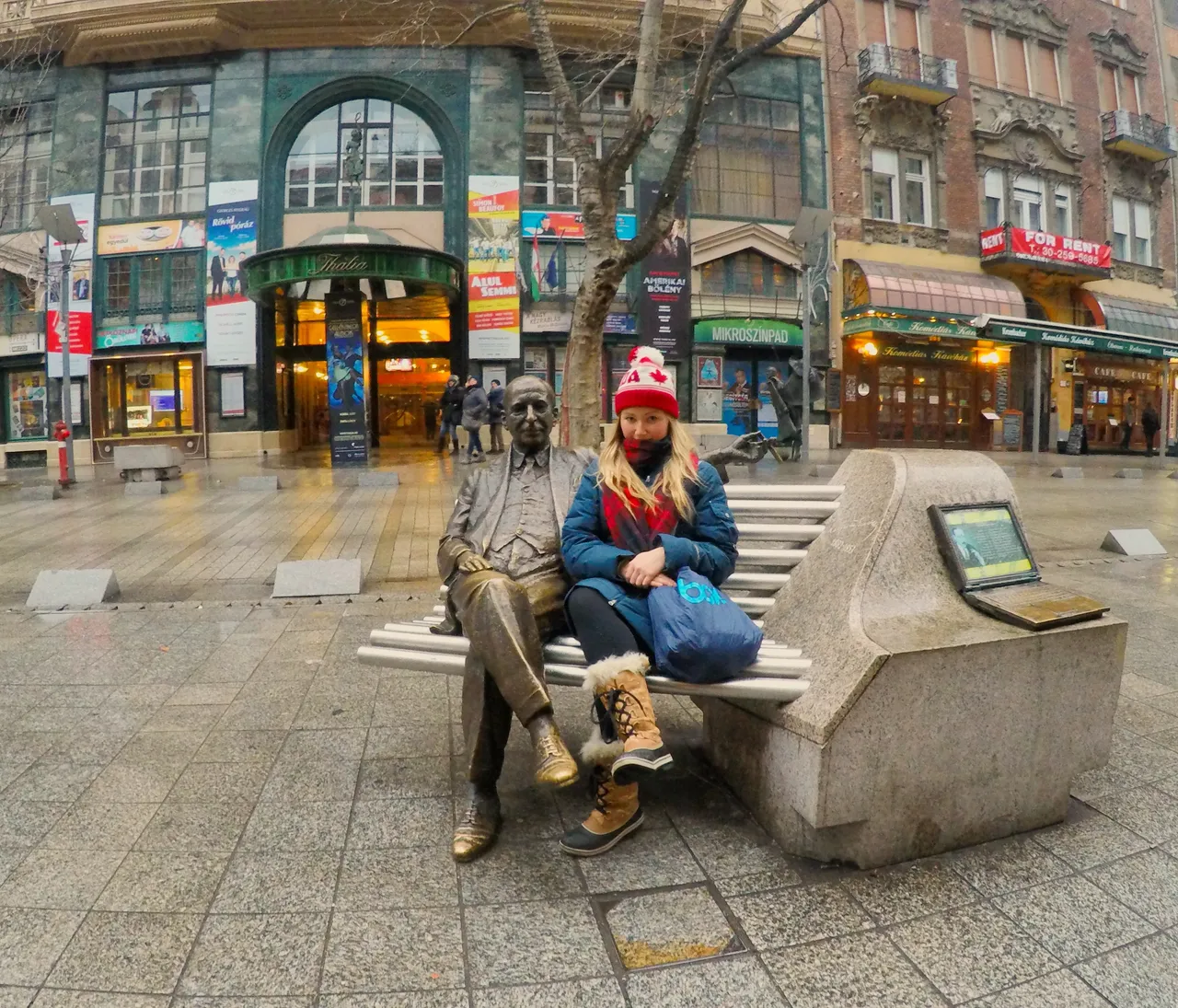
We flew round trip to Edinburgh for around $500 on WOW Air — which is now, shockingly and fittingly, out of business. Her cousin was studying abroad there, so we had a free place to stay in her apartment. From Edinburgh, we took a cheap Ryanair flight to Amsterdam. Then an overnight train to Munich in Bavaria, which saved us a night of hotel costs. From Munich we went to Vienna, did a day trip to Budapest by bus so we didn't need a hotel there, and then on to Prague where we spent New Year's Eve. After that, we flew to London where we stayed with a family friend for a week — which was huge because London was by far the most expensive city on the trip. Then back to Edinburgh to catch our return flight home.
Her dad worked for Marriott, so for the cities where we did need hotels, we got the employee child discount on rooms. That perk combined with free stays at her cousin's place and the family friend in London made the whole trip feasible on a college budget. We did the entire thing with just one backpack each as our carry-on — I wasn't really into photography yet, so I just had my GoPro. We did laundry here and there where we could, but we packed light and kept it simple. It was winter, prices were cheaper across the board, and it was one of the best trips I've ever taken.
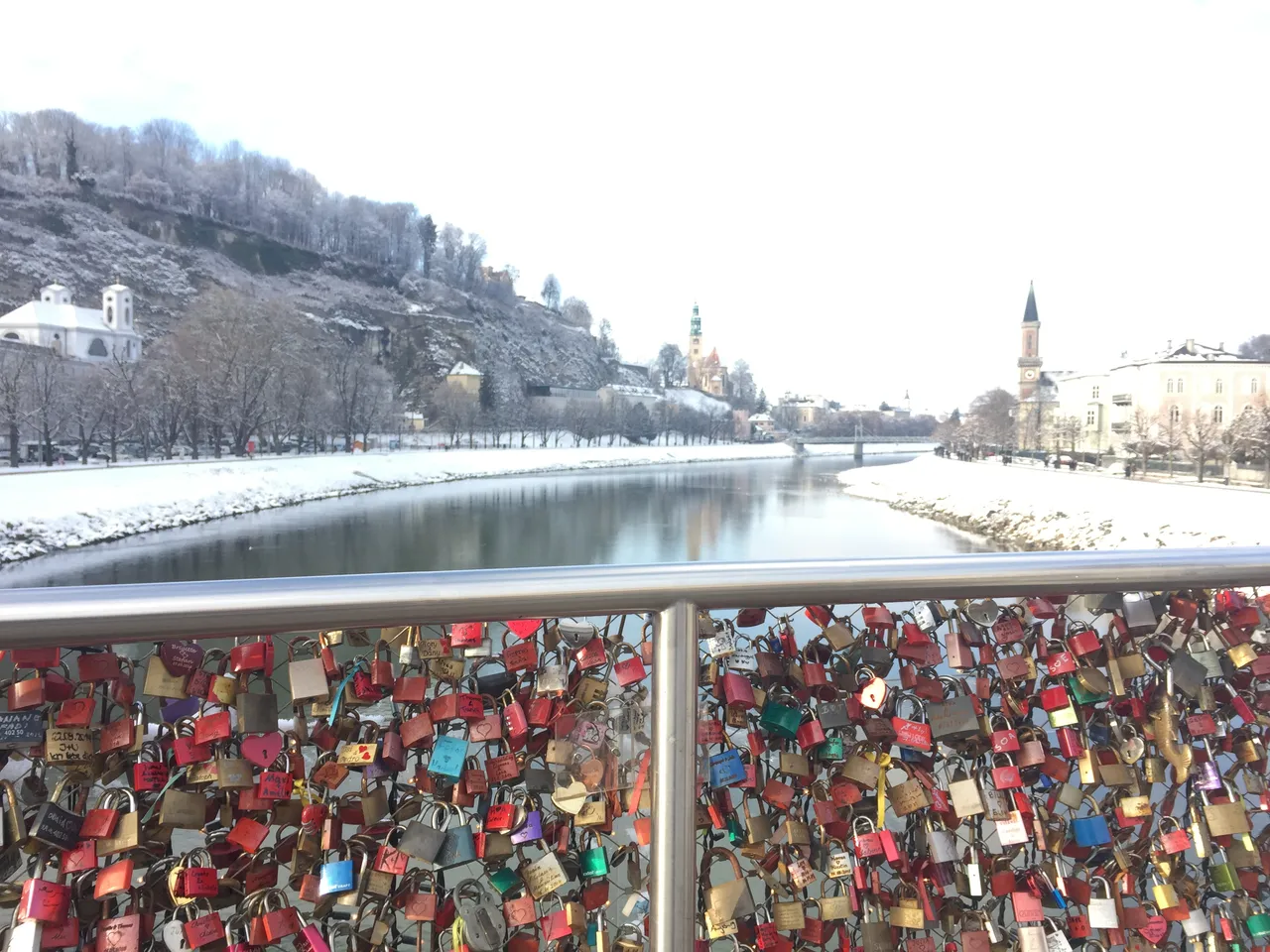
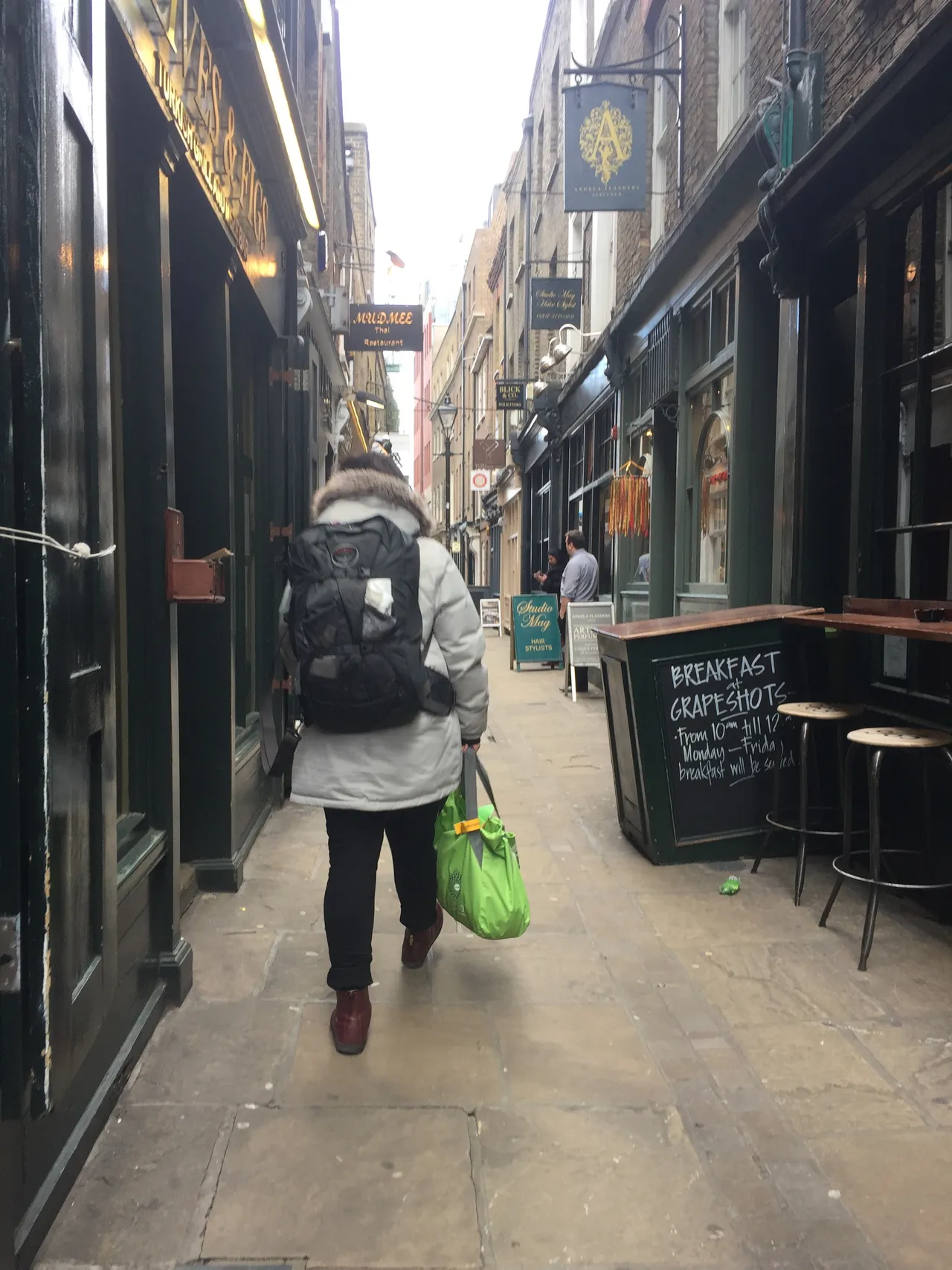
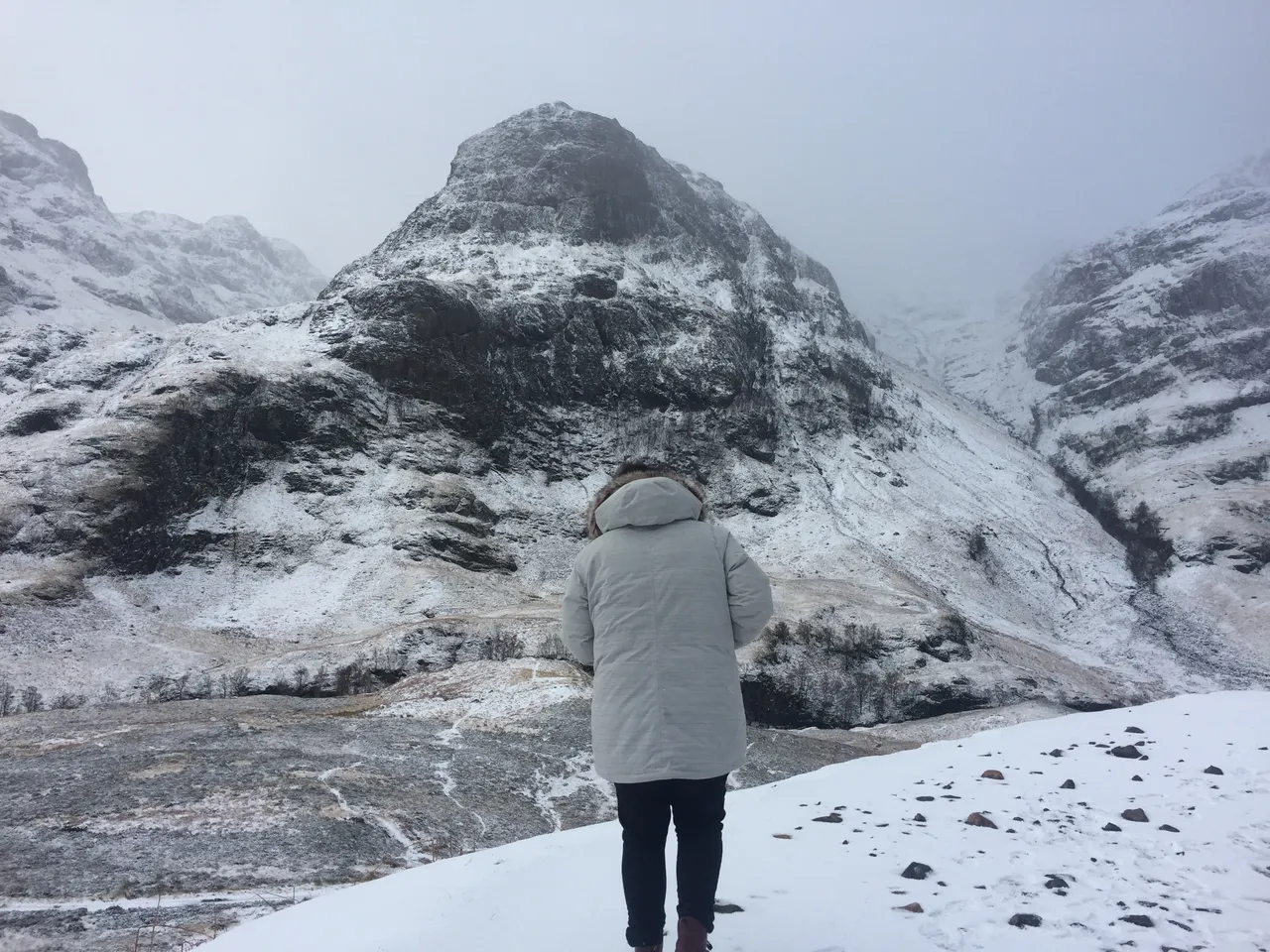
We did so much on that trip — I had spreadsheets planned down to the minute, we bought city passes for every place we went, and we had the energy of 20-year-olds who didn't know any better. As you can probably tell from the photos, since we only packed a carry-on each, I basically wore the same outfit in every city: a big coat, a scarf, and my Sorel boots.
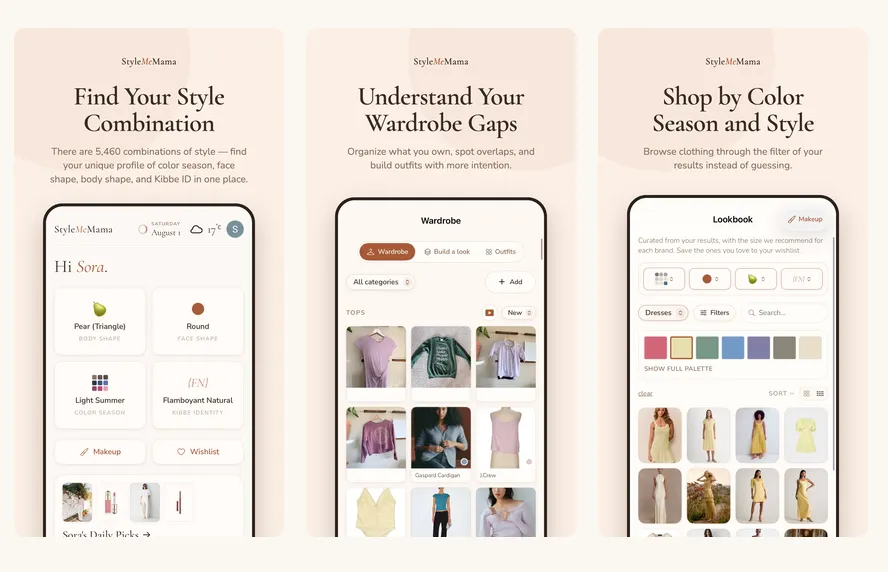
Need help finding the right clothes? I built a free app called StyleMeMama that helps you find your color season, body shape, face shape, and Kibbe identity so you can shop smarter and use your closet better.





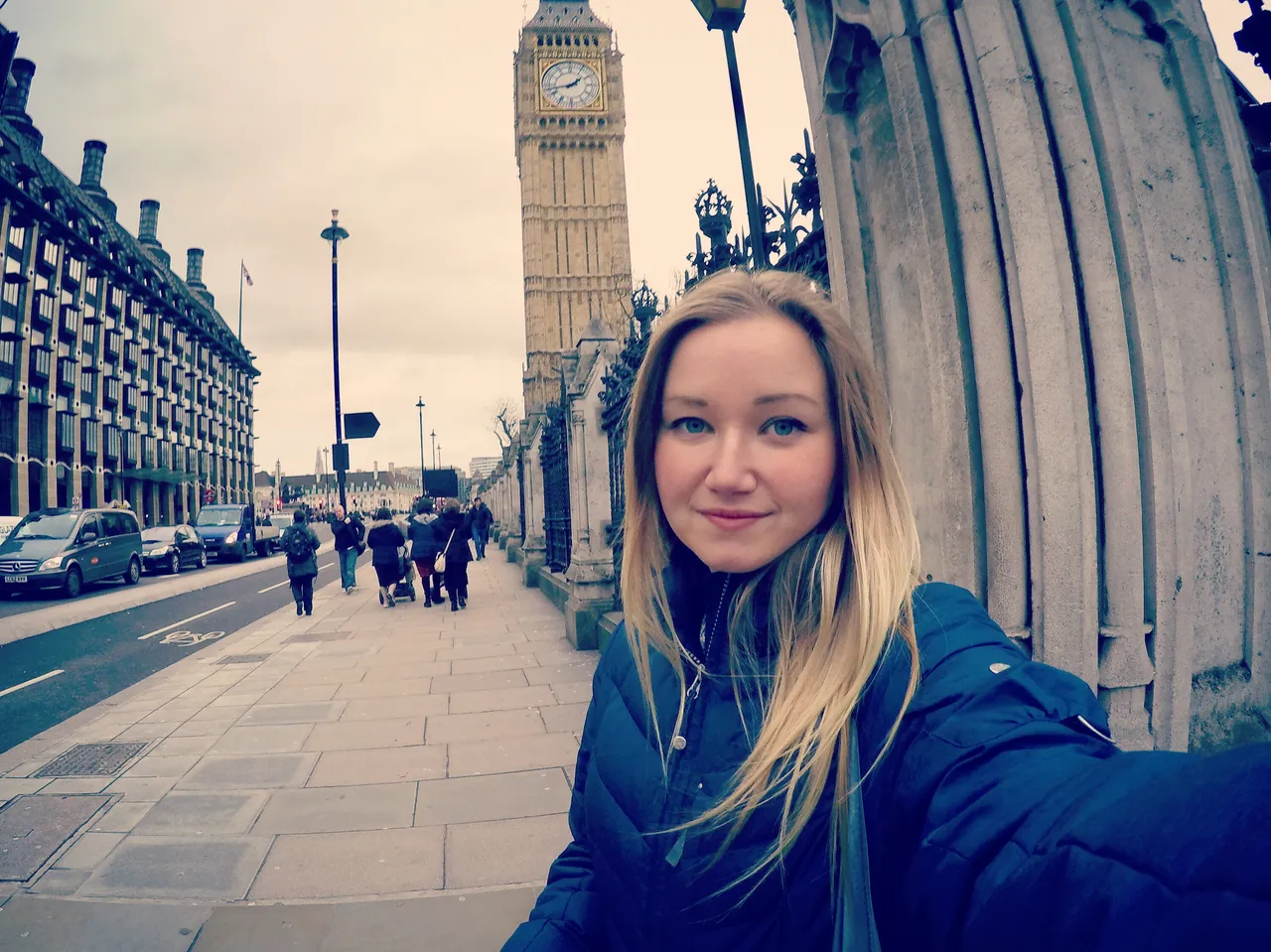
Not everyone has access to that specific Marriott perk, but the lesson is broader: always look for the discount you already have. Student rates, military discounts, AAA memberships, corporate codes, alumni networks — there's almost always something available that can bring the cost down if you take a minute to look. And lean on your network — free couches, driveways, and spare bedrooms from friends and family can turn an impossible trip into a very doable one.
Be Intentional About What You Spend On
I think one of the best ways to save money while traveling is to be honest with yourself about what you actually care about — not what Instagram tells you to care about. Do you actually want to go to that museum, or are you just checking a box because someone said you should? Will it genuinely expand your mind, or is it just something to do? Being realistic about your actual interests means you spend on things that matter to you and skip the stuff that doesn't.
I really love coffee — so I'll always spend money on good coffee when I travel. But I'm not a big beer drinker. If I'm somewhere with a strong beer culture, like Munich, I'll share one with a friend or two to try it, but I'm not ordering rounds for myself. Knowing what you value and what you don't prevents a lot of mindless spending.
Same goes for food. My boyfriend and I love to eat out when we travel, and every now and then we'll splurge on a Michelin-star restaurant. But we also eat cheap meals throughout the trip to balance it out. We share desserts instead of each getting our own — one gelato split between two people in Italy instead of two. We share dishes at restaurants so we can sample more without doubling the bill. You can do the same thing with friends — if someone in the group wants to try a fancy delicacy, split it. Or take turns: you get this one, they get the next.
Free Activities Are Underrated
Walking is free. Running is free. Sitting in a park and watching the locals is free. And honestly, some of my best travel memories come from exactly that. When I was in Mexico City, my boyfriend and I spent a ton of time just walking everywhere — through parks, through neighborhoods, through the city. It was one of the best ways to actually get to know the place, and it cost nothing.
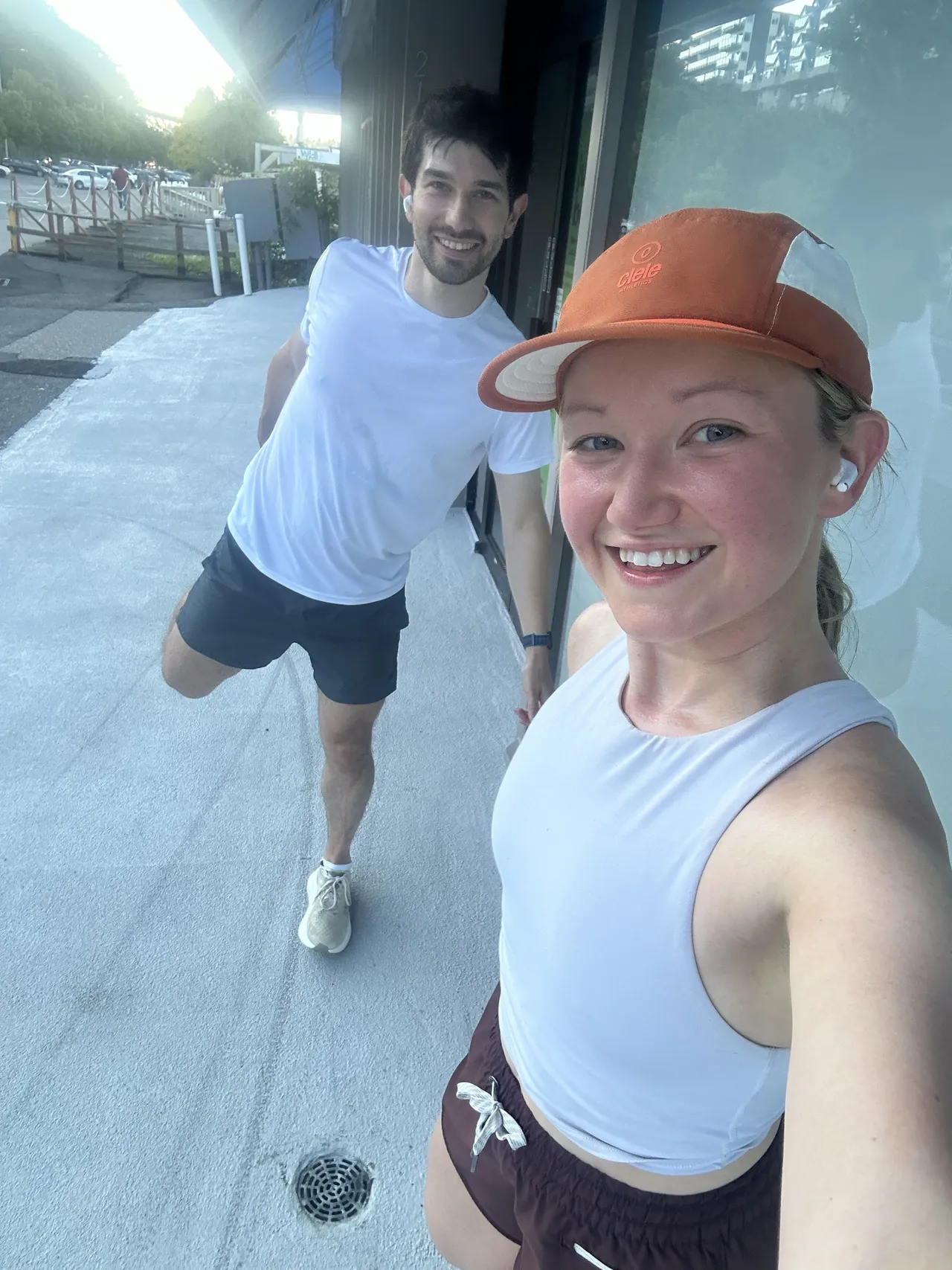
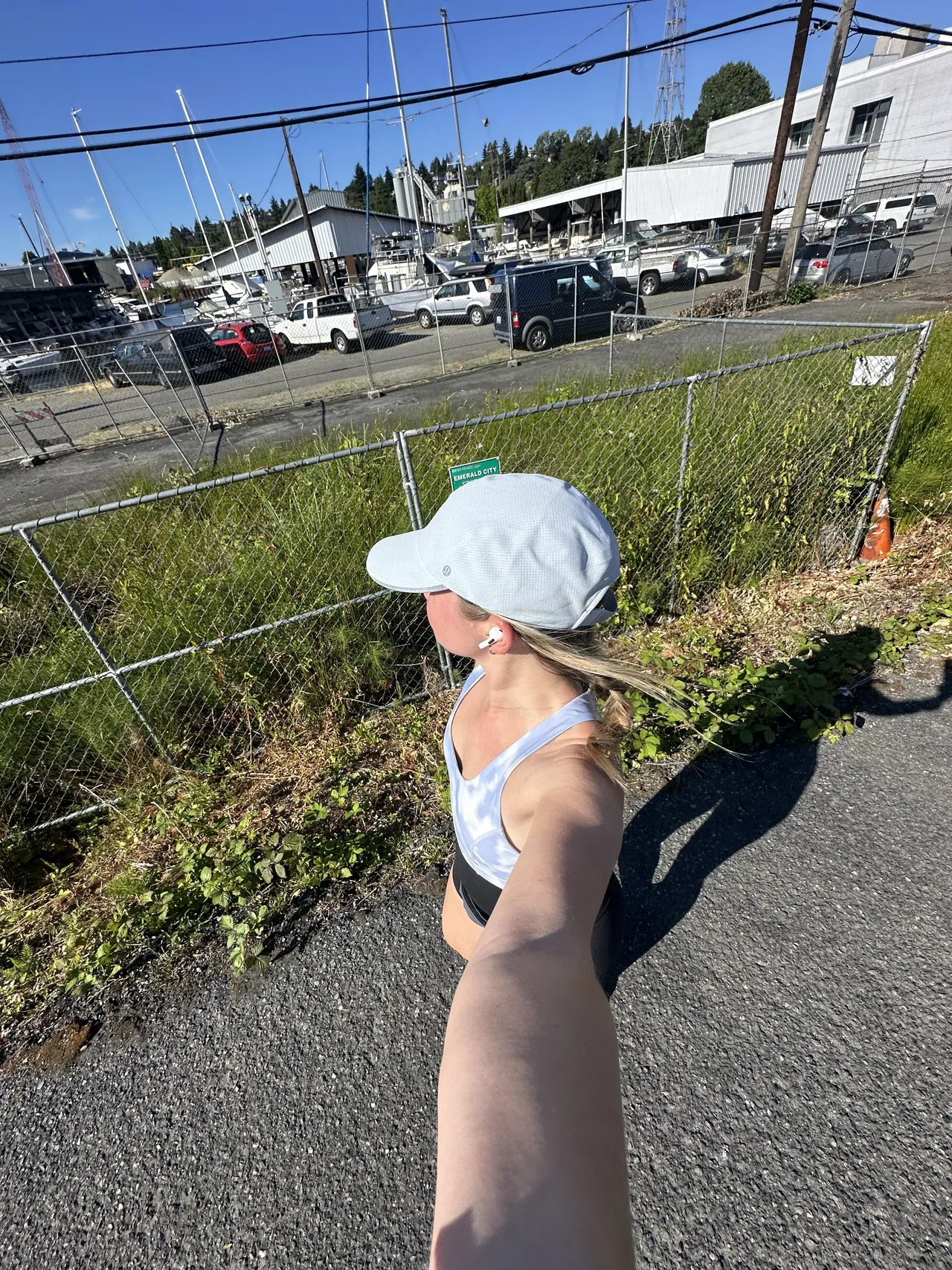
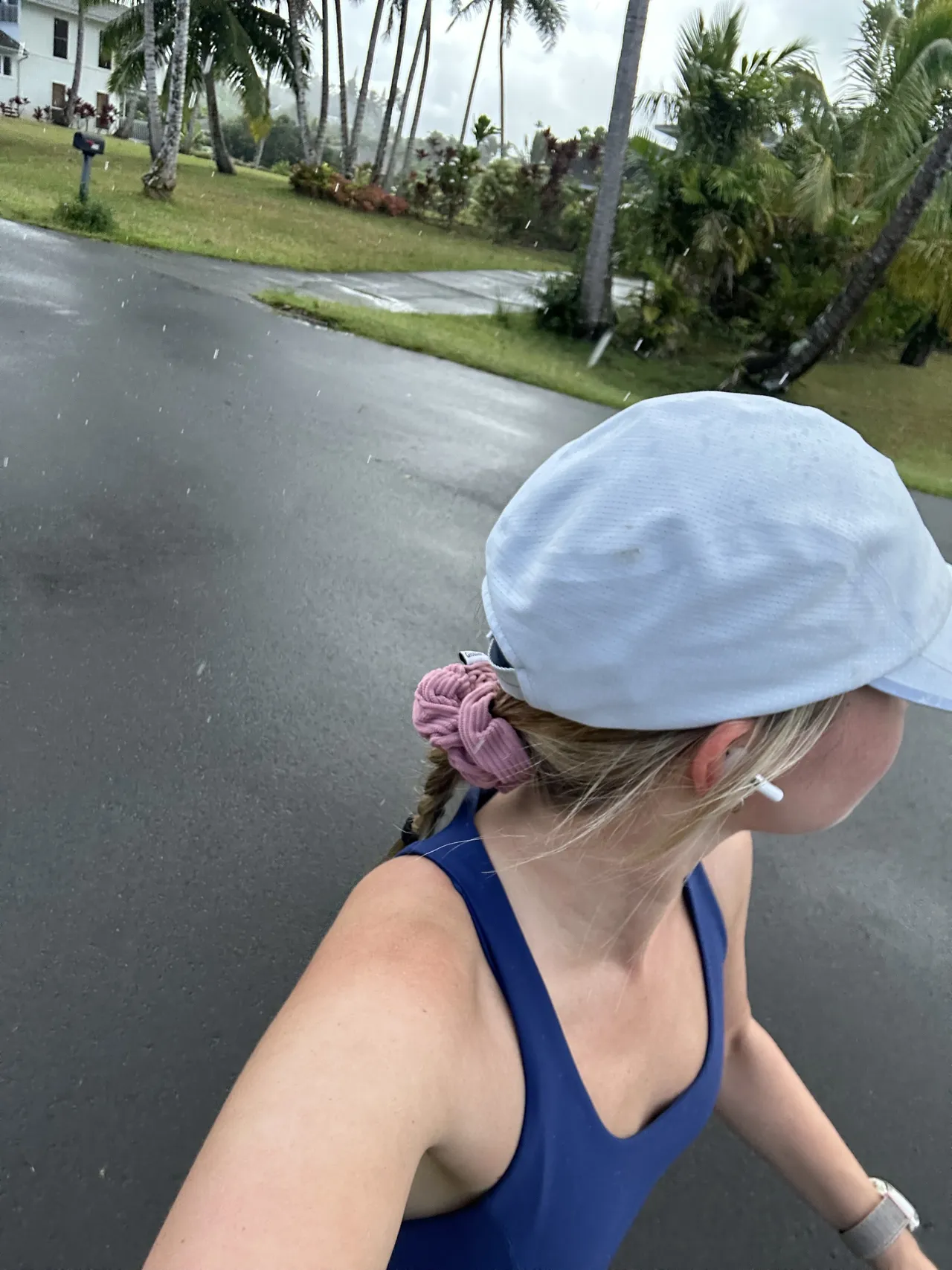
I like to go for runs when I'm traveling too — it's a great way to explore a new area, keep your routine going, and it helps with things like adjusting to a new time zone and keeping your body regular (if you know, you know). When I'm in Hawaii, I'll go for runs outside because the weather is perfect for it. It's exercise and sightseeing rolled into one.


And don't forget student discounts if you still have an ID — a lot of museums offer reduced or free entry for students.
Book Refundable Activities Too
Just like with hotels, I try to book activities through platforms like Viator or Airbnb Experiences that offer full refunds — especially for anything booked in advance. Travel plans change, weather happens, and you don't want to be out $100–200 on a tour you can't make.
I learned this firsthand when a flight to Barcelona got canceled and I arrived two days later than planned. I had a tour booked, but because I'd chosen a refundable option and was still within the cancellation window, I got my money back — easily a couple hundred dollars saved. It's a small thing to look for when booking, but it protects you from the unpredictability that's just part of traveling.
Freeze Subscriptions While You're Gone
If you're going on a longer trip, take a few minutes before you leave to freeze or suspend any memberships you won't be using. When I was abroad for three weeks, I froze my Solidcore membership since I obviously couldn't go to class from the other side of the world. Once I got back, I just resumed the charges. Most gyms, fitness studios, and subscription services let you pause — you just have to ask or check your account settings. It's an easy way to avoid paying for something you're not using, and that money can go toward the trip instead.
If you're going to be gone for a month or longer, check if your internet provider lets you pause service. I have Quantum Fiber, and they let you freeze your account for anywhere from one to nine months with no disruptions — you just pick back up when you're home. That's $50 a month you're not spending while you're away. And while you're at it, turn off your water heater, adjust the thermostat, and unplug anything drawing standby power. Those little utility savings add up over a longer trip.
Travel doesn't have to be expensive — it has to be intentional. The more creative you are with how you fund your trips, the more trips you get to take.
None of these strategies are revolutionary on their own. But stacked together — commingling work trips, being patient, traveling in shoulder season, using points wisely, creating content, negotiating lodging, front-loading experiences abroad, and sleeping in your car when it makes sense — they've let me visit over a dozen countries and countless states without ever feeling like I was spending recklessly.
The biggest takeaway? Travel doesn't have to be all-or-nothing. You don't need to save up $5,000 for one big vacation a year. With the right habits, you can take more trips, more often, and spend less doing it.