Getting Started with Brand Deals and Monetizing Content Creation
I never went into photography thinking it would be something I would monetize. I only ever met one of my grandparents growing up — the others had passed before I was born — and the one grandpa that was alive used to be an Army photographer as his profession. I'd ask him questions about what that was like. I thought it would be a really neat way to tap into some of my family history and explore the hobby. His favorite advice to share was to always try to have a subject for your photos; if you can, it makes a picture a lot more meaningful.
I bought my first camera, the Sony A6300, when I brought home my puppy, Sora, in September of 2019. Then the Covid-19 pandemic happened shortly after, and I took advantage of being home and signed up for an online photography course taught by a local retired professor. That was the start of my photography journey.
Background
I grew up spending the majority of my time taking pictures and filming things with my dad's camcorder and my cheap digital camera, constantly taking pictures of our German shepherd, directing small silly things with my sister — commercials, movies, characters — then reviewing the tapes, making edits, and sharing them with our friends and family. I really enjoyed this process as a child; I loved documenting things and learning how all the equipment works.
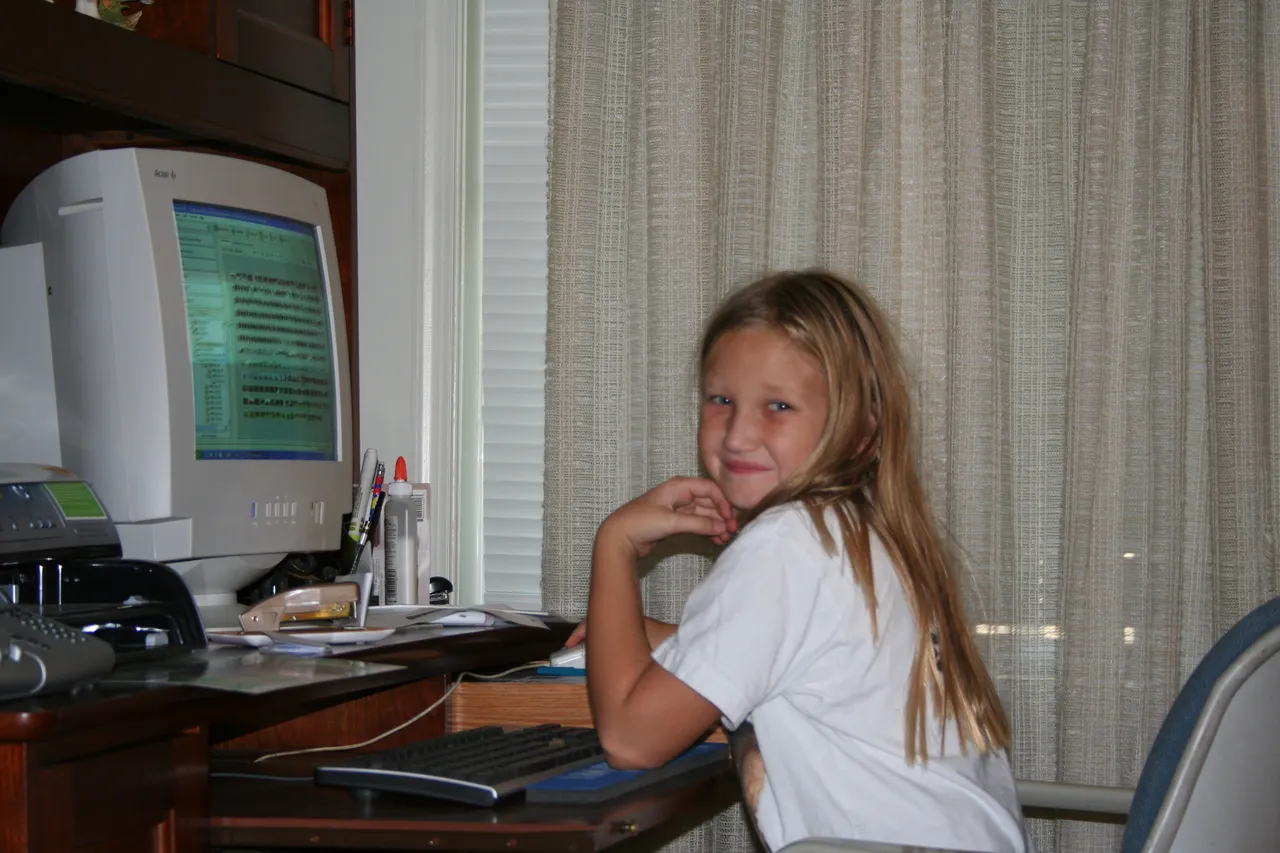
I grew up in the 90s and early 00s, so this was a time when technology was starting to change pretty rapidly, and it was really exciting. Here's 2005 me (10 years old) editing photos from my digital camera on our dinosaur computer, when computers used to be larger than you!
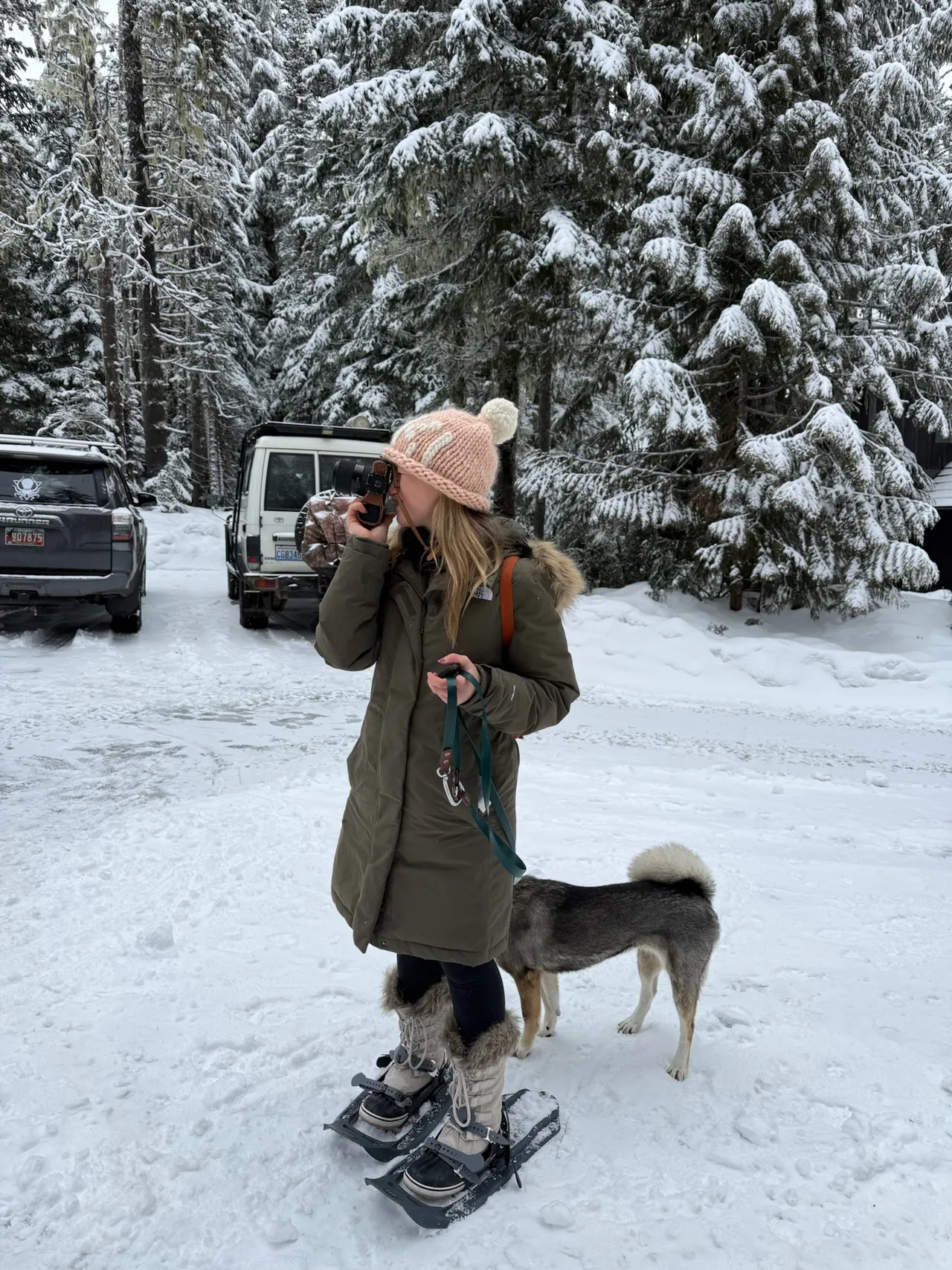
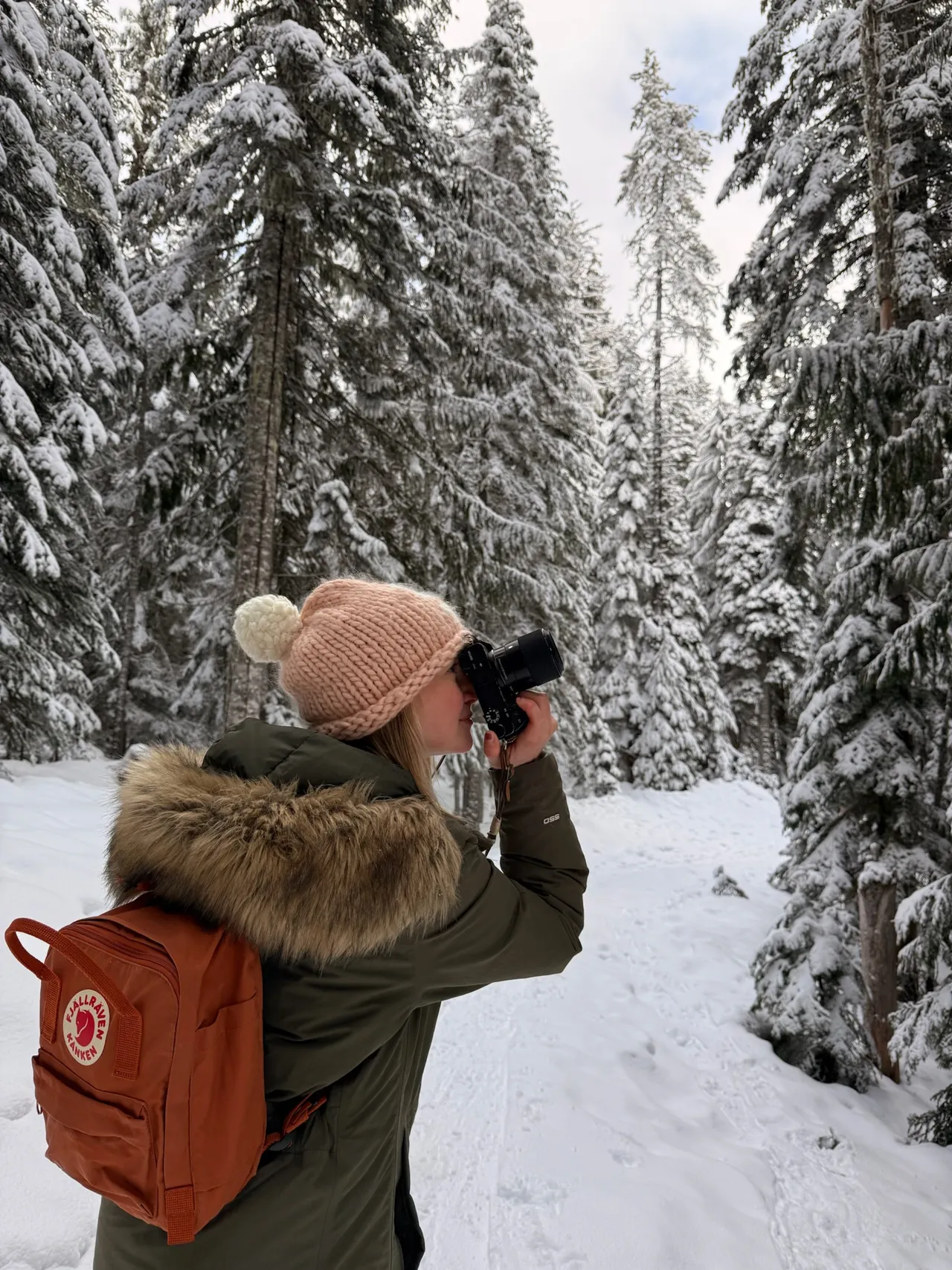
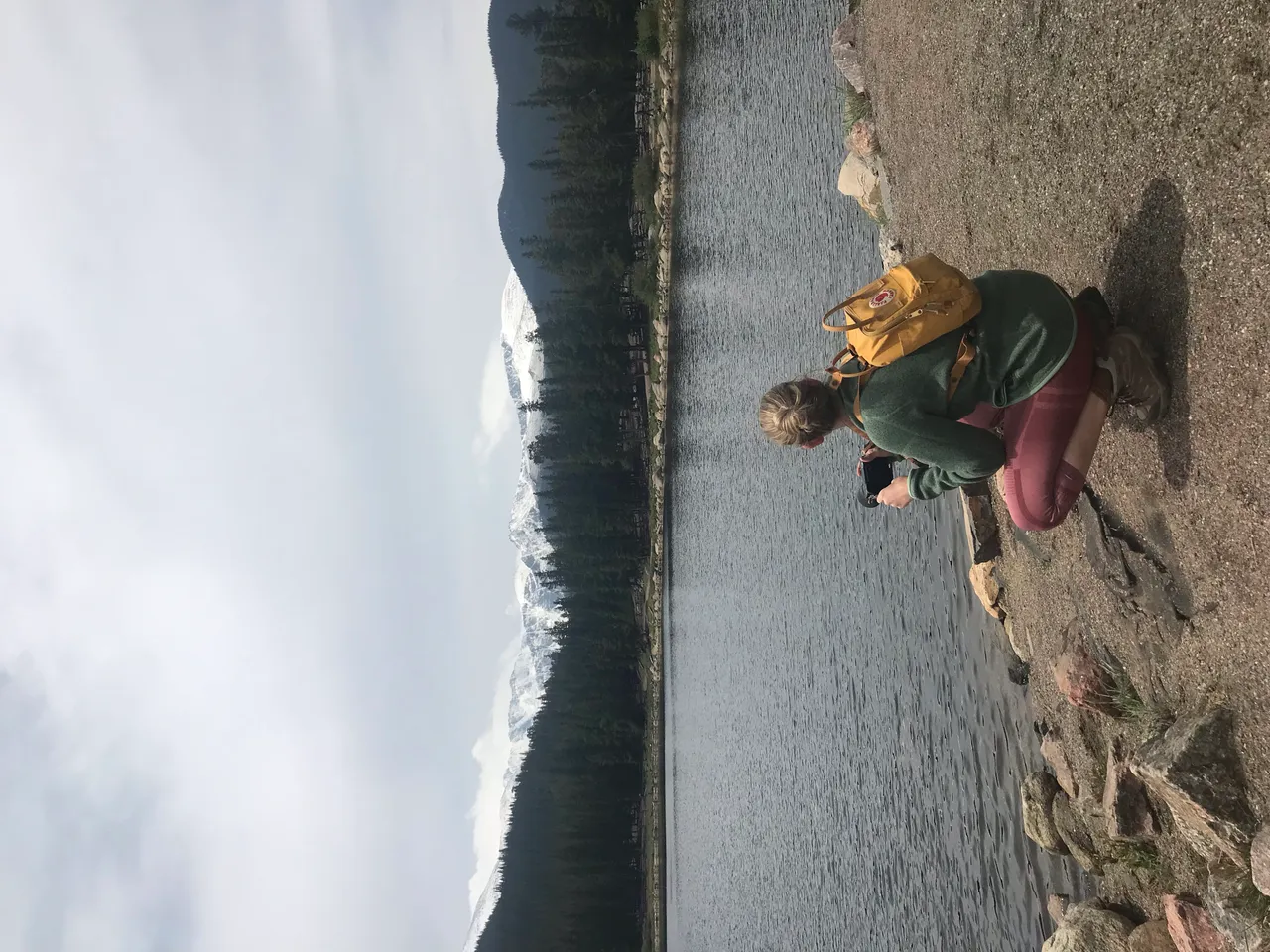
Fast forward to now, and that same instinct — always wanting to document, always curious about the gear — is exactly what led me to content creation. I take my camera everywhere. Even on snowshoe days, even on solo hikes where there's no one to take the shot for me. That's kind of the point: the camera became a way to be present in the moment and capture it at the same time.
The Sale That Launched My Content Creation Side Hustle
I remember it so vividly. I was going through a difficult breakup and in the middle of moving across the country to uproot my life and start over in a new city — Seattle. I was living in Denver, and I had been doing the photography Instagram thing for about a year at that point. I was sad about leaving the life I had created in Denver, and looking for signs from the universe that leaving for Seattle was the right decision.
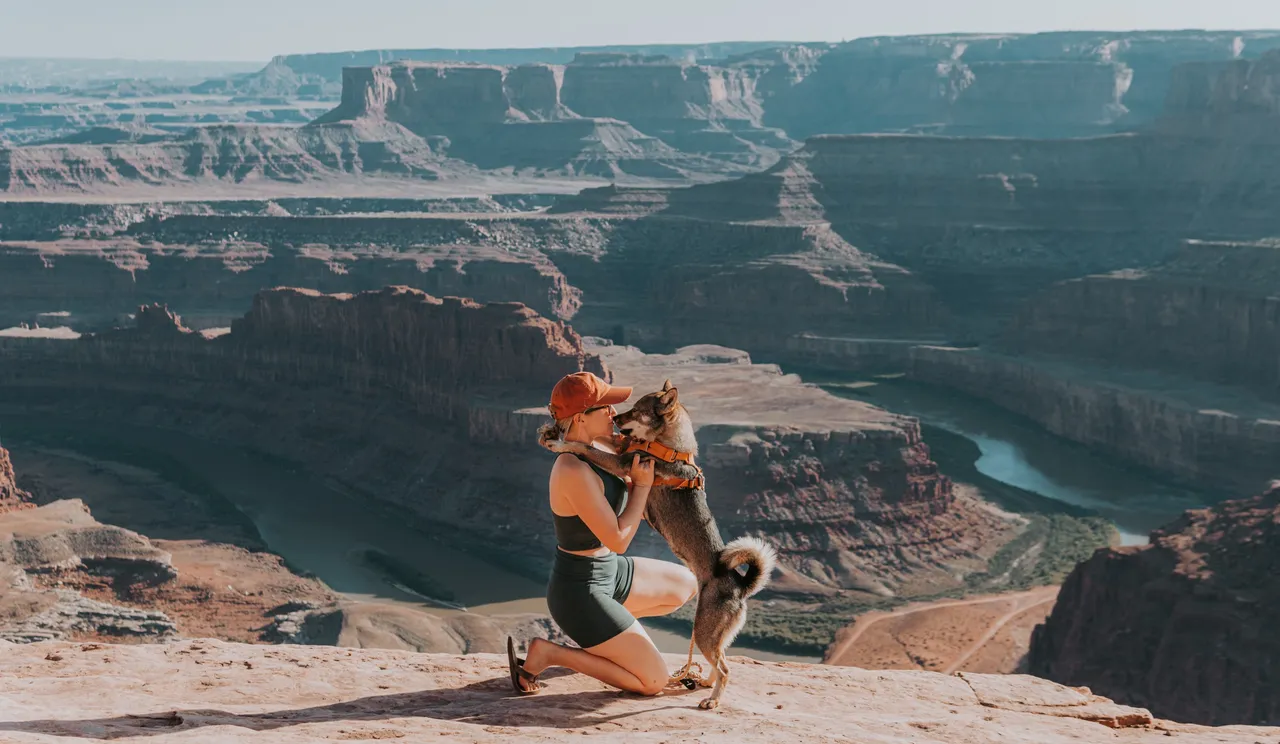
As I started my drive and my move, I got an Instagram direct message from one of my favorite activewear brands at the time — Outdoor Voices. I had posted a photo of me and Sora in Moab wearing their Tech Sweat outfit and just tagged them on Instagram — that's how they found me. They messaged asking if they could buy it for $150. Even though that amount wasn't much to me at the time, it was the reassurance I needed, with amazing timing, that I was on the right path and that this was where I was meant to be going. So I sold them my first photo for one year of rights. I still have that check they mailed me saved in my desk.
Define Your Niche... or Not!
To be honest, I really hate niches. I don't like being pigeonholed into one specific thing of creation; it can be fun for a little bit, but I want to expand and not have limitations on myself. However, if you want to be successful on a platform like TikTok or Instagram, then you'll need to define your scope and niche, whatever that may be. It can deviate a little bit from the norm sometimes, but audiences have expectations, and brands will only work with you most of the time for specific types of content.
I found it was easier to branch out of my dog niche when it still was dog-adjacent. I've worked with lots of hotels and Airbnbs for dog-friendly stays, and shoots for snowshoeing or cross-country skiing. I was able to branch out after I built out my portfolio a bit more and had some content on my dog Instagram. My most viral video was actually a video I made about securing a permit to Heybrook Lookout tower — which I couldn't bring Sora to since dogs aren't allowed — and that was surprising! I made an ad for Wix on building my website and capturing all our stories and adventures, and that was somewhat niche-adjacent. You can spin things to be closer to your niche for the sake of working with a brand; just get creative with how you pitch your ideas.
Once you have a bit of a following and portfolio, check out posts like Tips for Photography with your Dog and 5 Tools to Help you Find Instagram Locations that aren't Geotagged for practical ways to level up your content.
Creating the Vision
Before monetizing, I often just had visions come to me — usually through my connection to music. I'd hear a song and start visualizing patterns and let myself see where the song would take me emotionally and visually. I think this process ultimately comes down to your unique style and way of creating, and it takes work to break down mental barriers to allow your mind to be free enough to create. I don't really create meaningfully when I'm overly stressed or busy, but I've found it's often in sync with my cycle — in ovulation I'm full of energy, and the visions and emotions I felt in my luteal phase drive planning and brainstorming in the follicular phase. I reflect on my thoughts in my menstrual phase, and by the time ovulation comes, I'm extremely creative and higher energy, bringing together all the pieces of the creative vision I was imagining.
I love letting my imagination run wild and getting inspired by others' imaginations. I follow lots of creative people on Instagram and I'm picky about the work I find really inspiring — I'm usually looking for emotions conveyed by music, visuals, and storytelling (sometimes nonverbally, but both are interesting to me). One of my first reels of a dreamy setting to get 800+ likes and 14K views was this golden sunrise in the mountains — just jumping over a little creek, barefoot, with Sora — and I loved that it brought so many people to appreciating my art:
Creating the vision can start with just words on paper. If I'm stuck I'll start writing down all the adjectives that describe the brief and the emotions I want to convey. Then I move onto color theory — what kind of visual am I going for, and what outfit will I wear to either blend into or pop out of the landscape? Certain colors evoke specific emotions, so getting familiar with color and what you're seeking to show the audience is valuable.
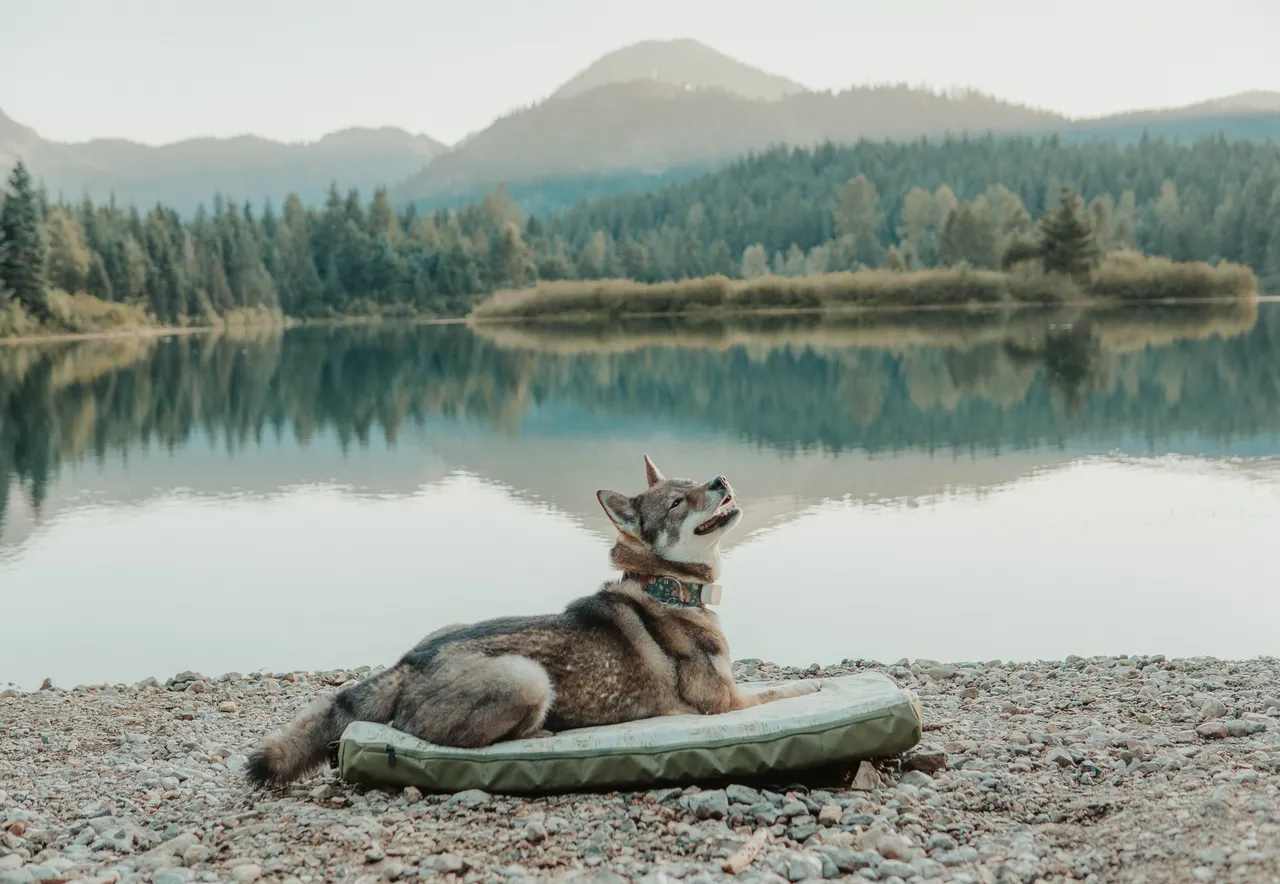
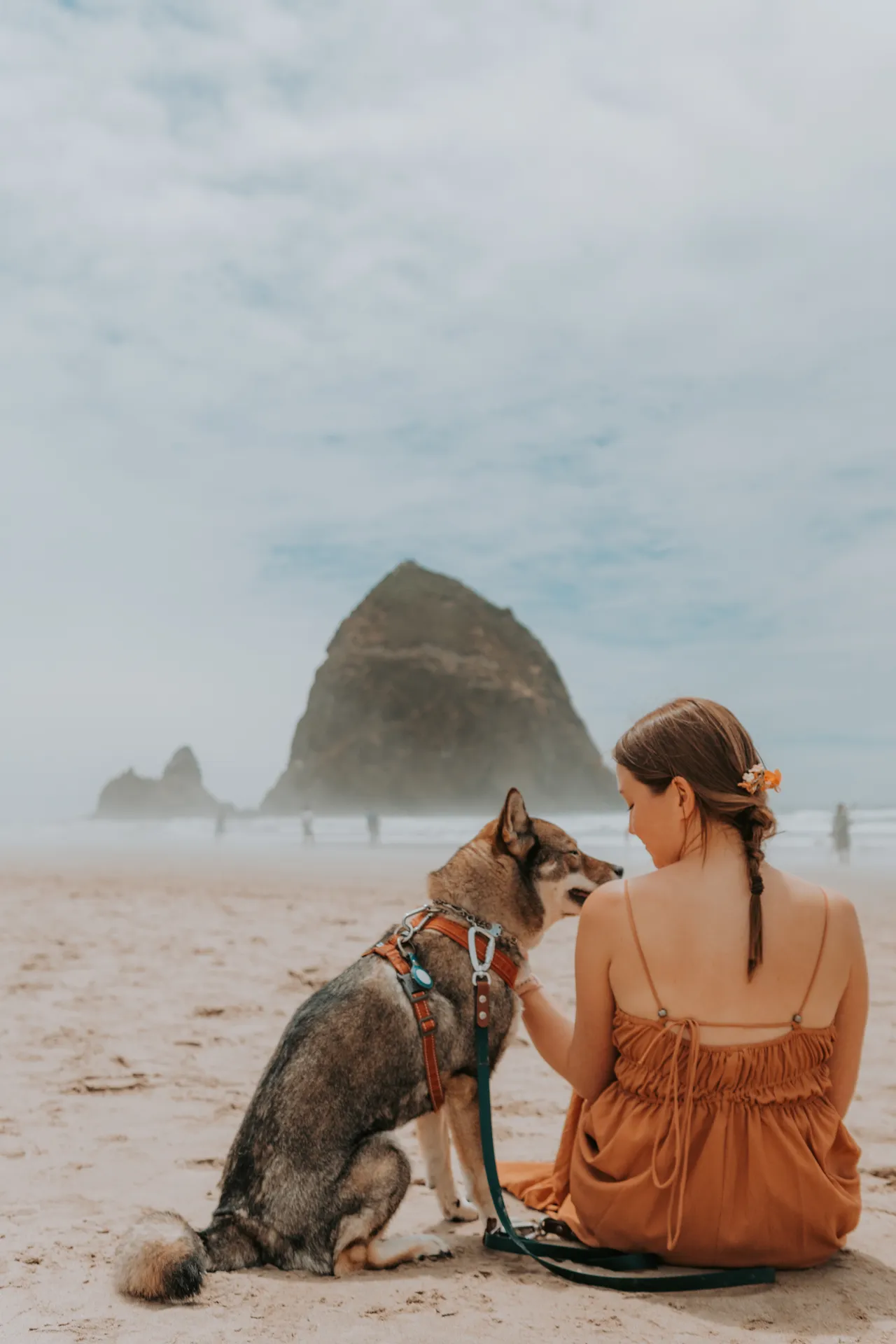
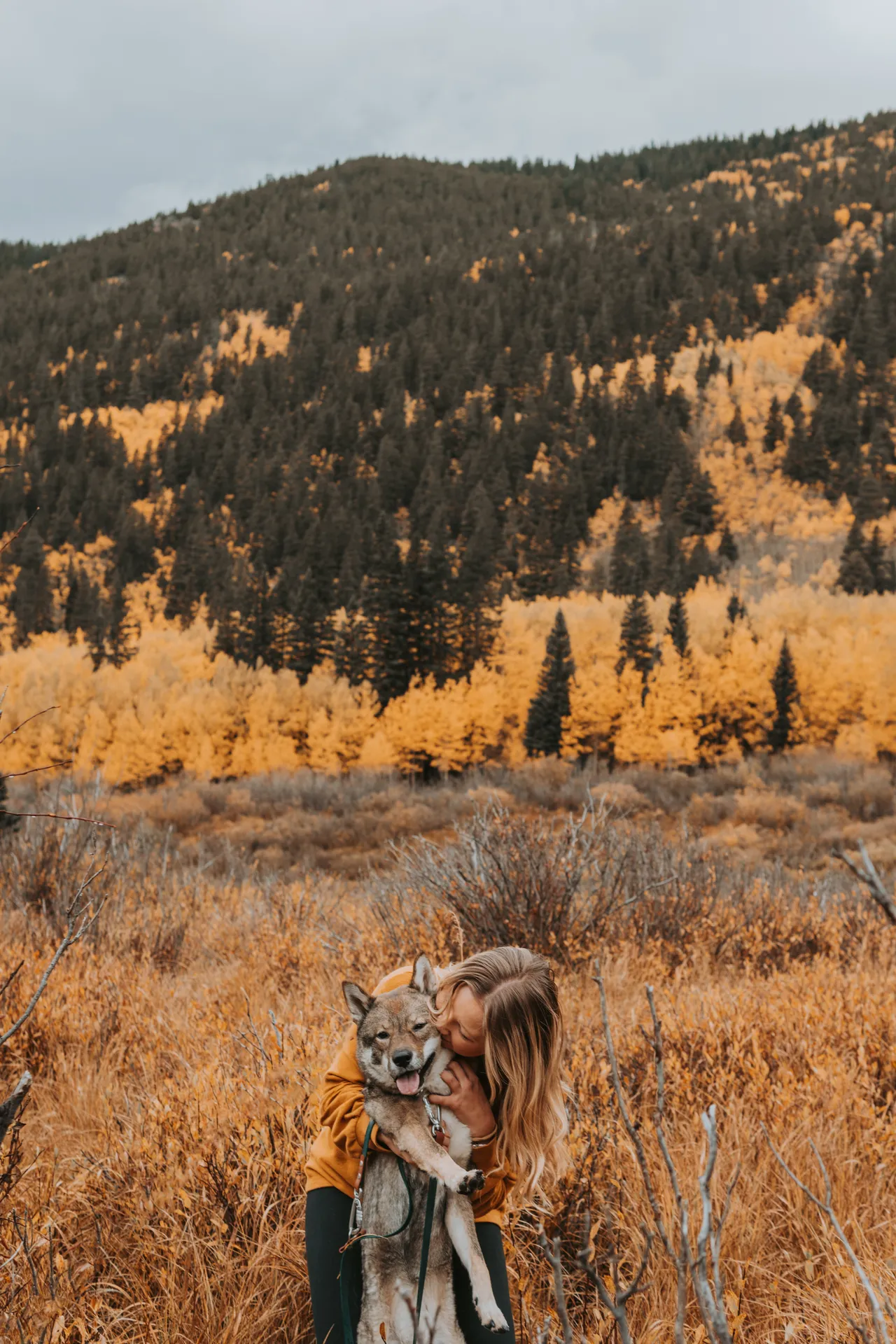
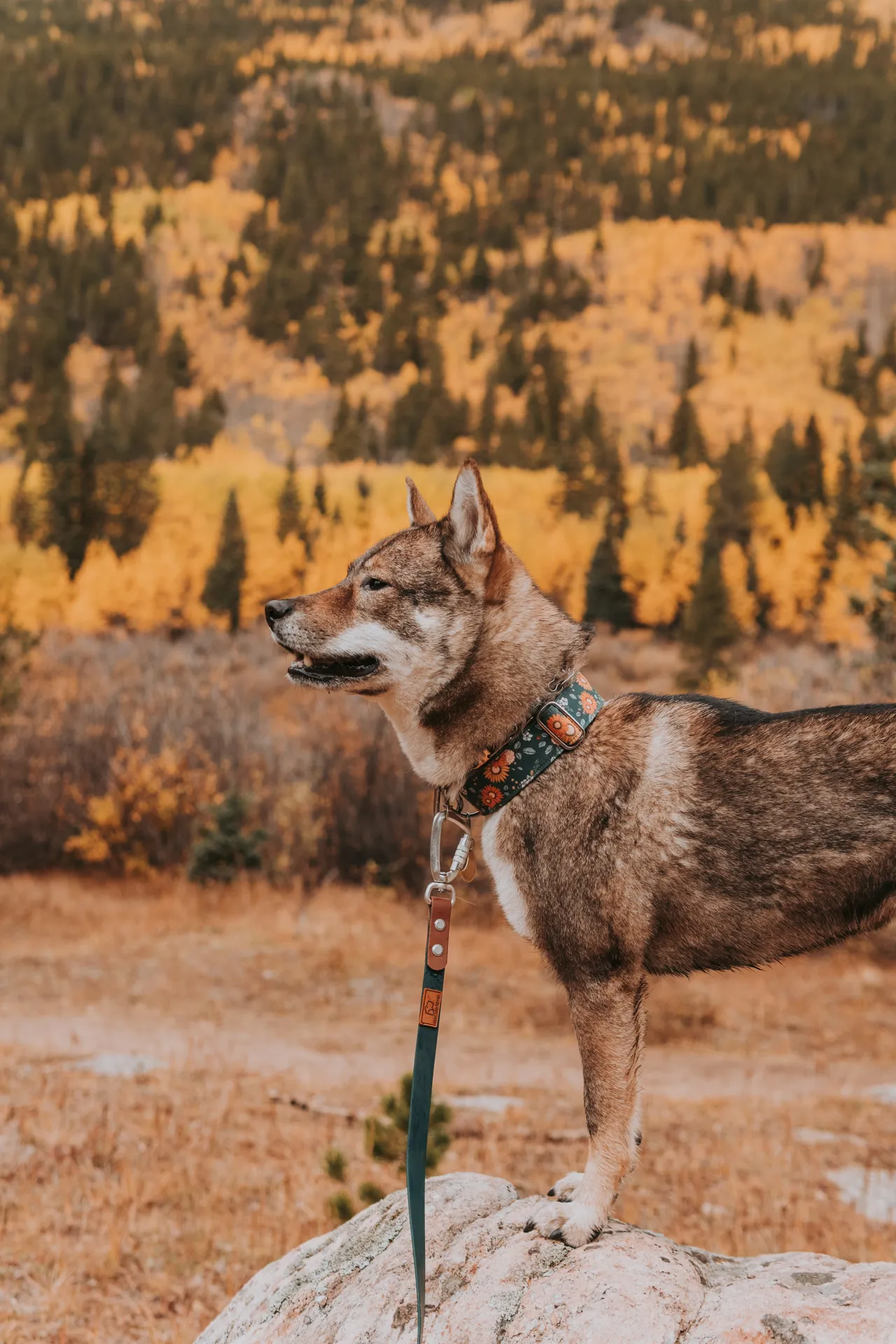
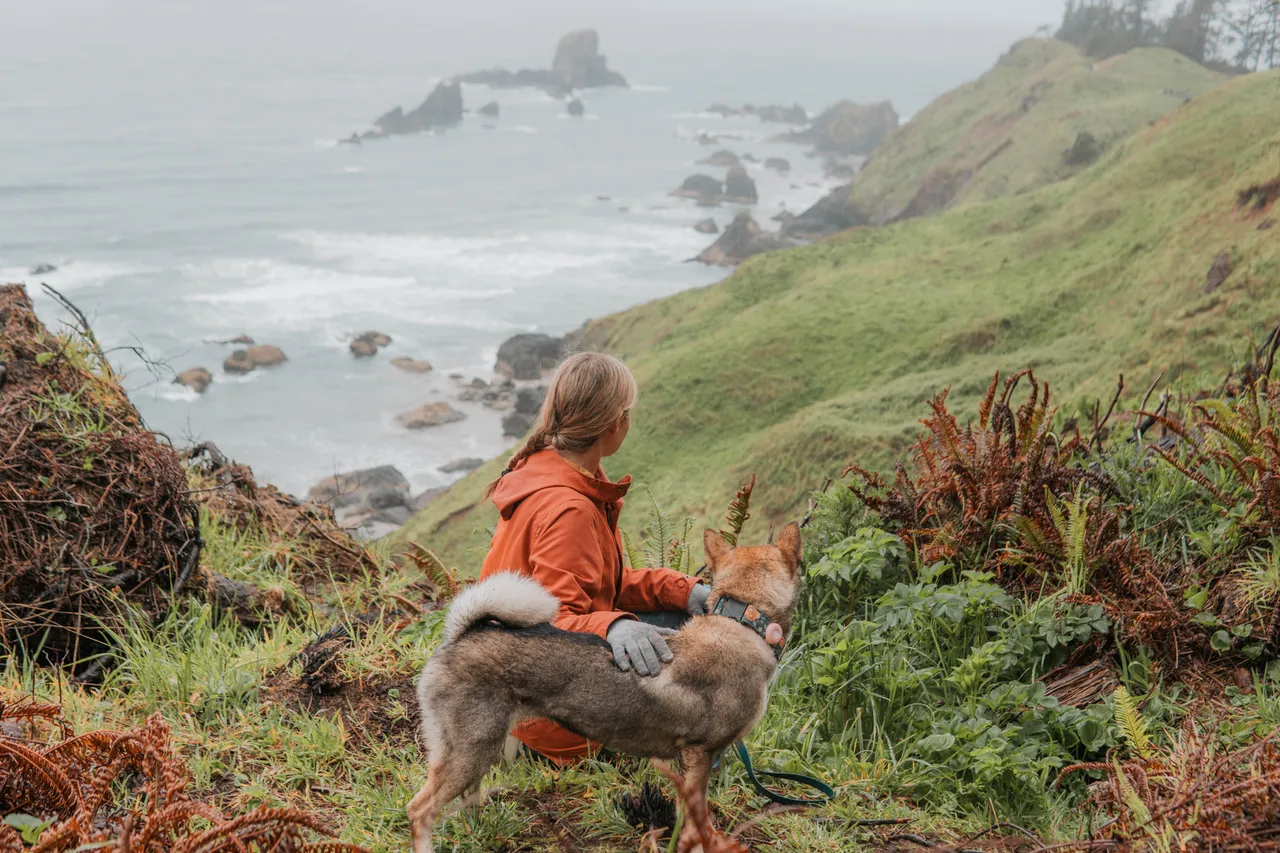
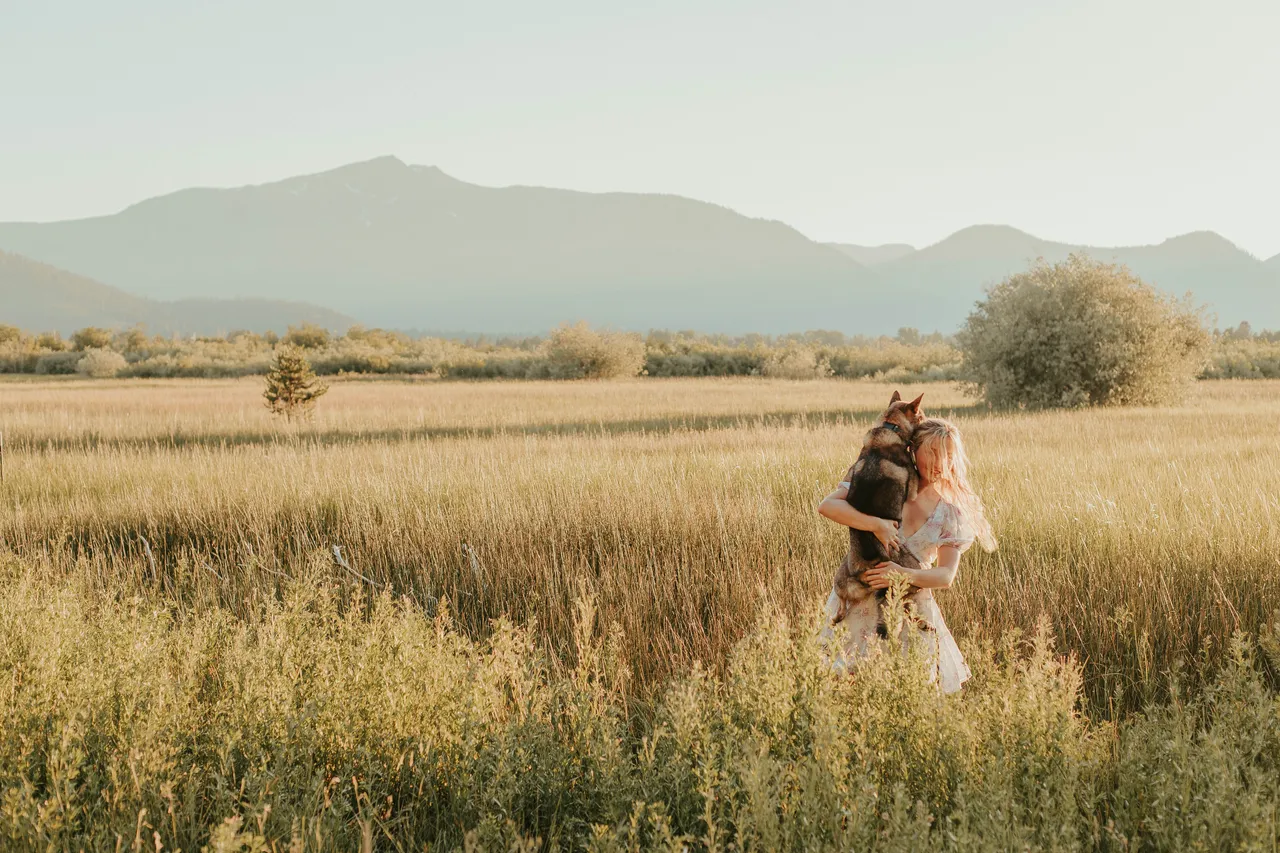
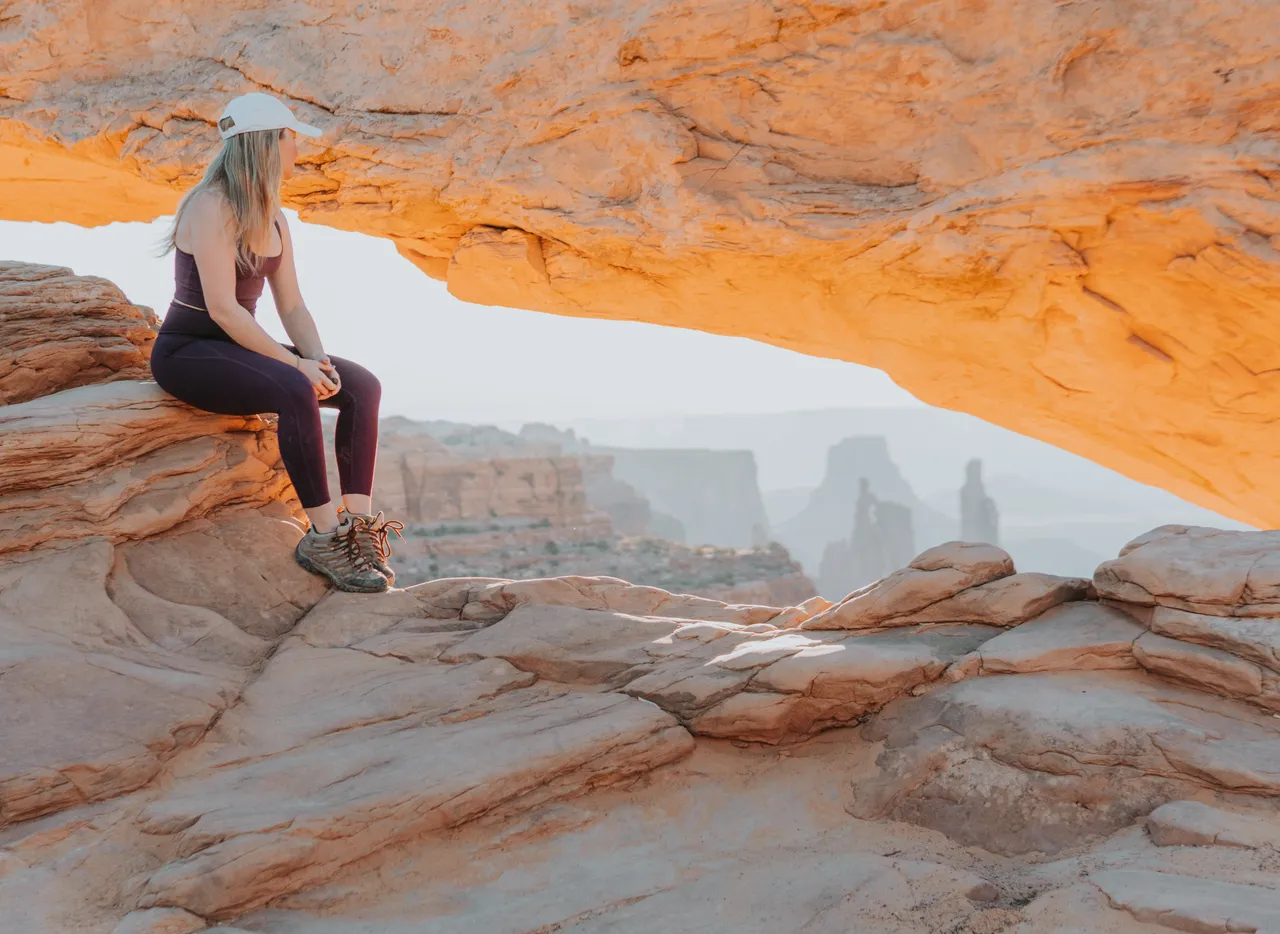
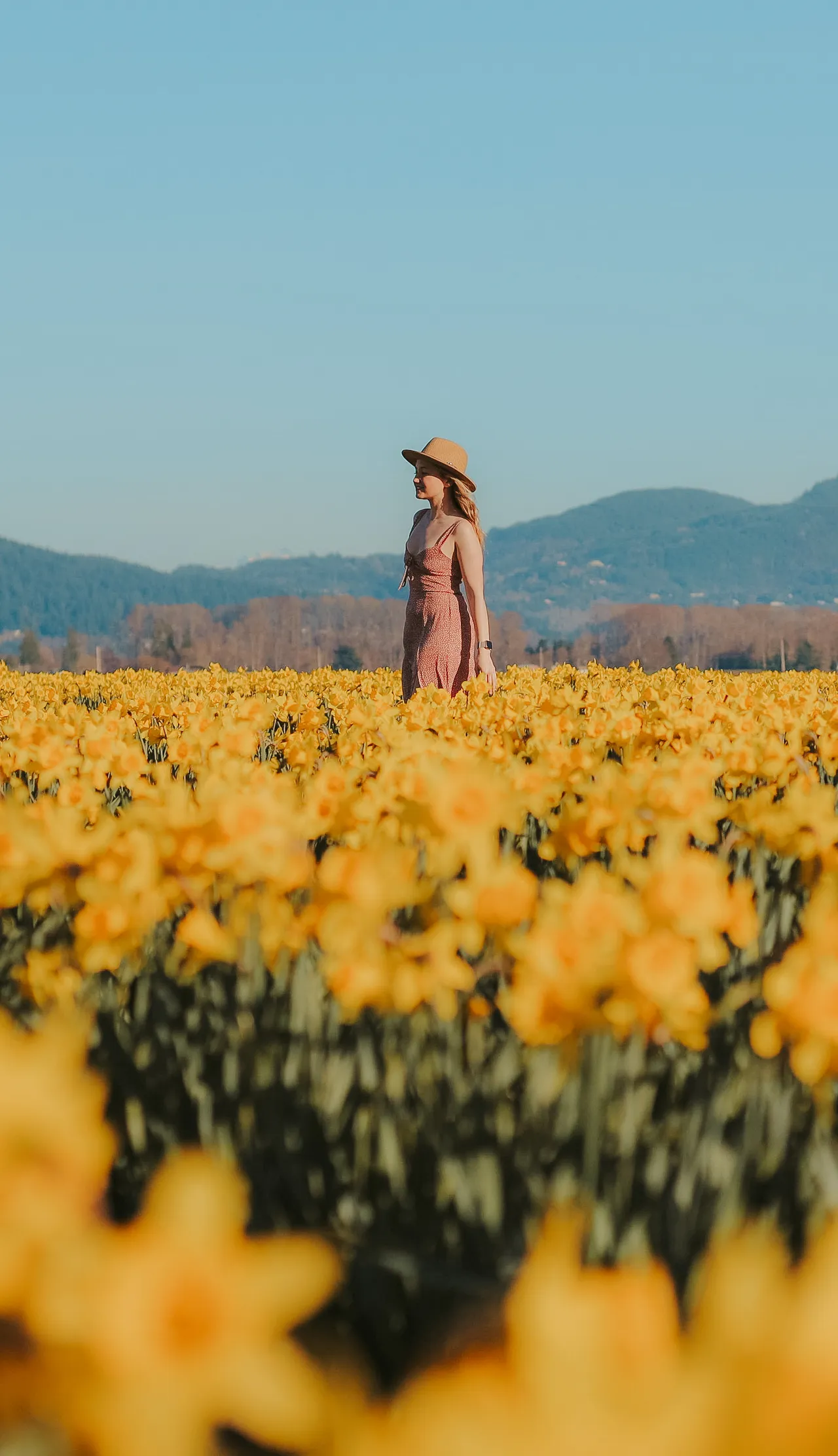
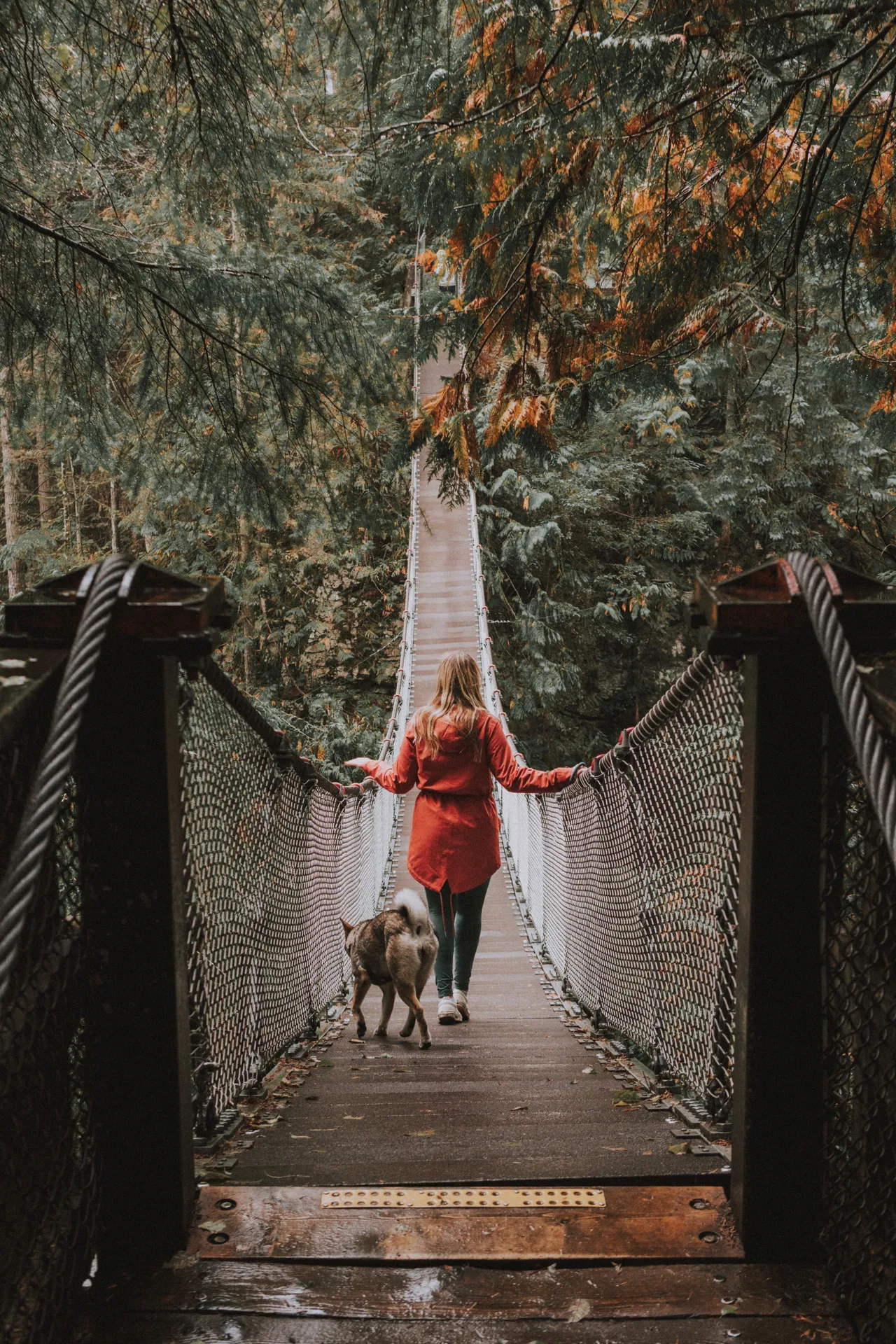
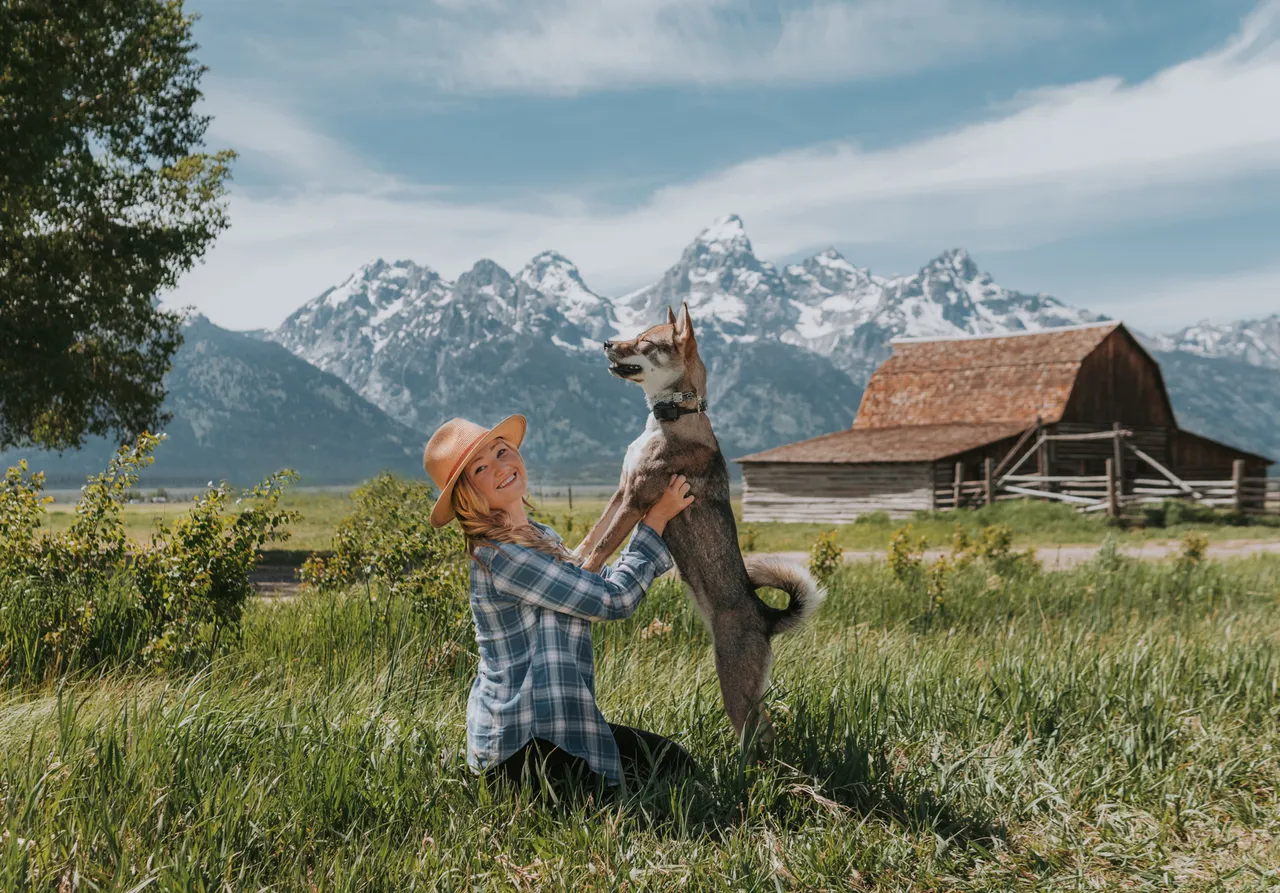
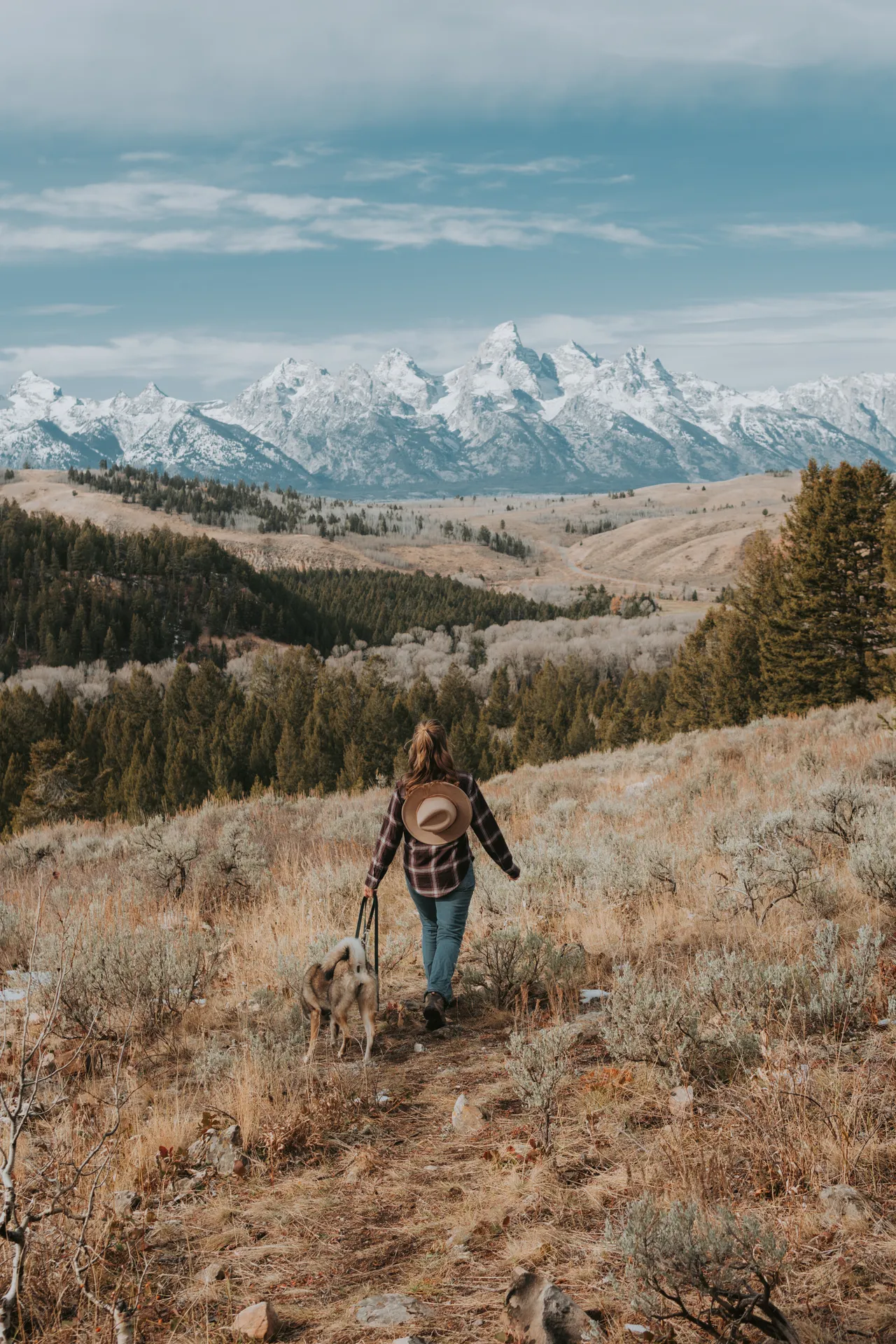
I also like to imagine props. Before my Wyoming trip I just imagined my rancher hat, looking out into the vastness of the wide open mountains — I wanted to convey freedom, openness, western vibes, and something somewhat mysterious. Lord Huron's Mine Forever (and honestly the whole album) really made me want to just be a cowgirl in the Mountain West, and I had a vision for this video as soon as I heard it.
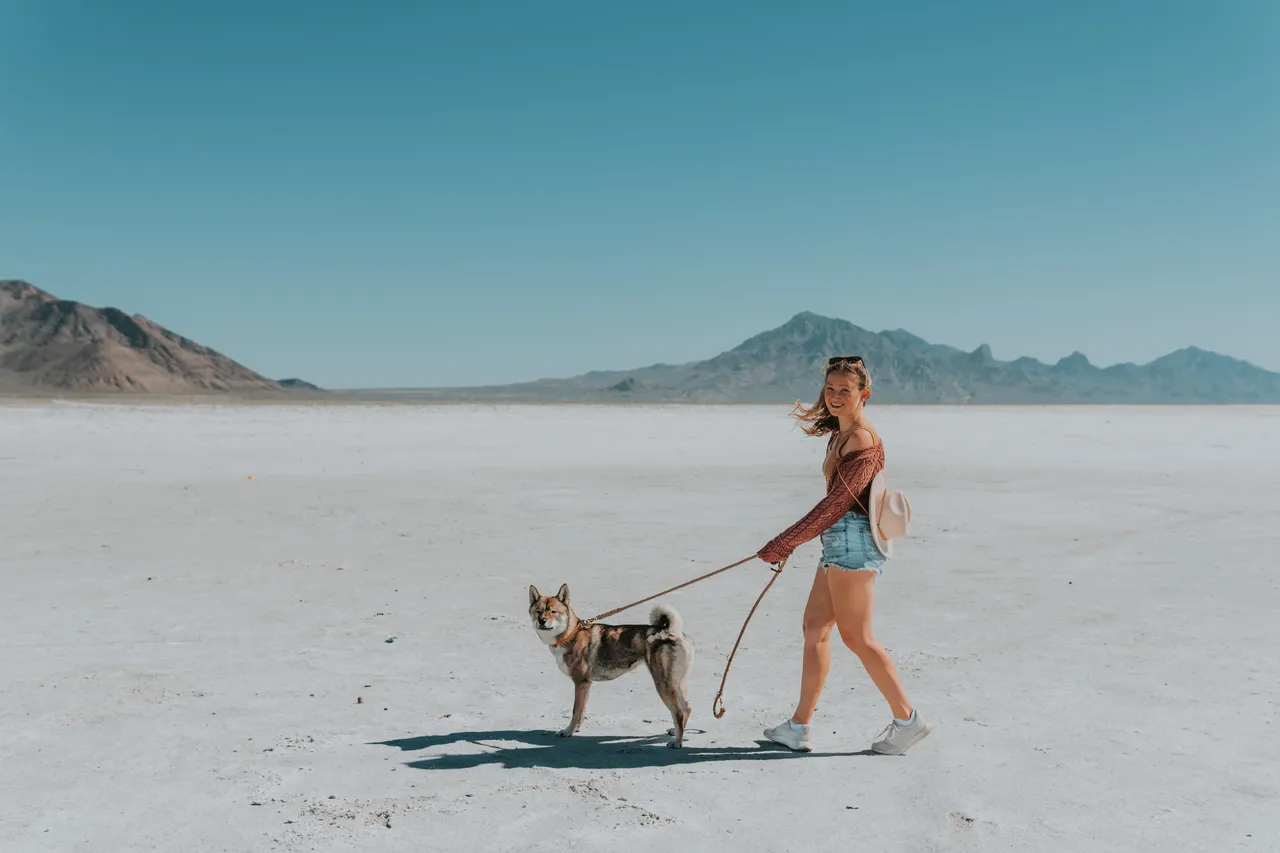
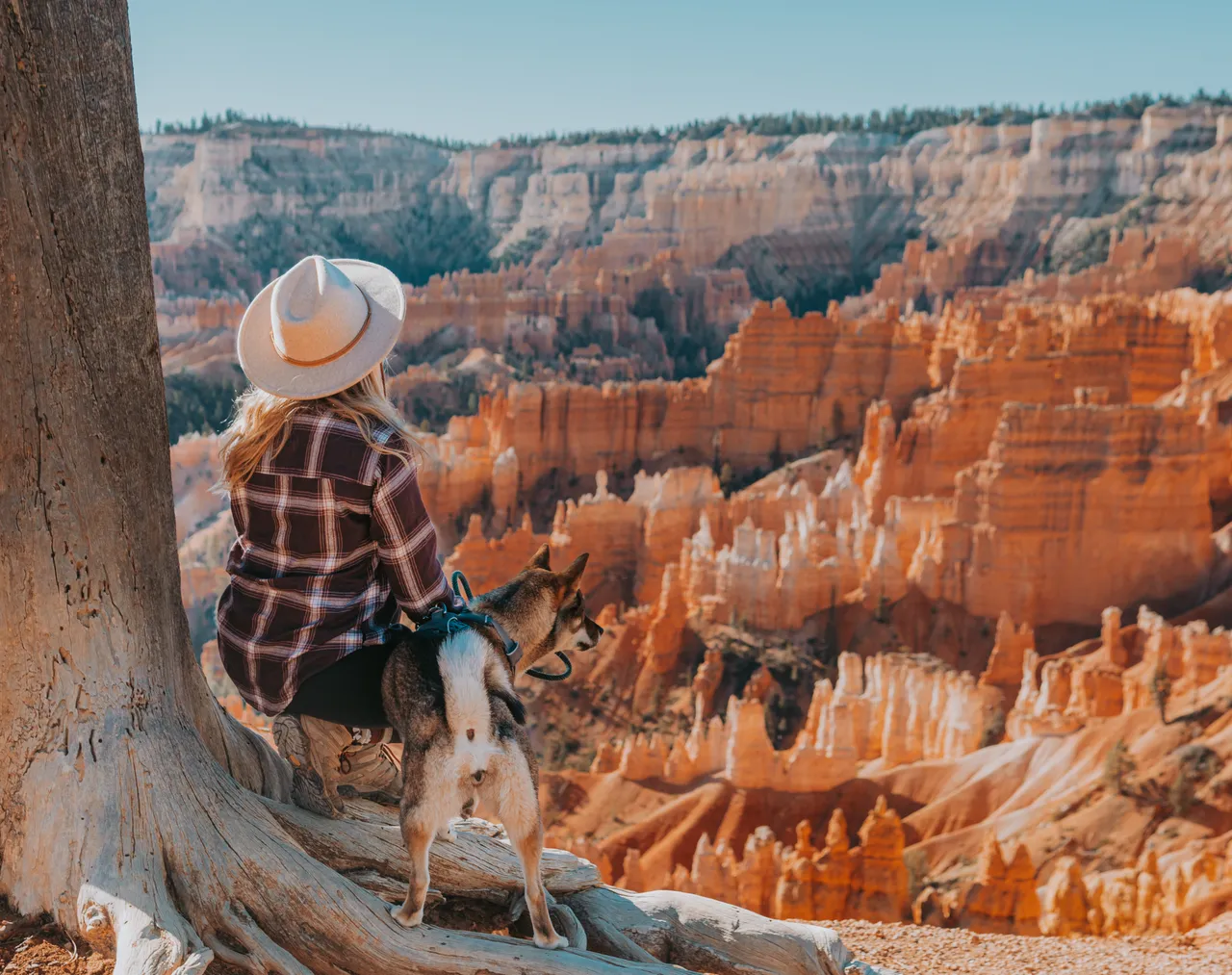
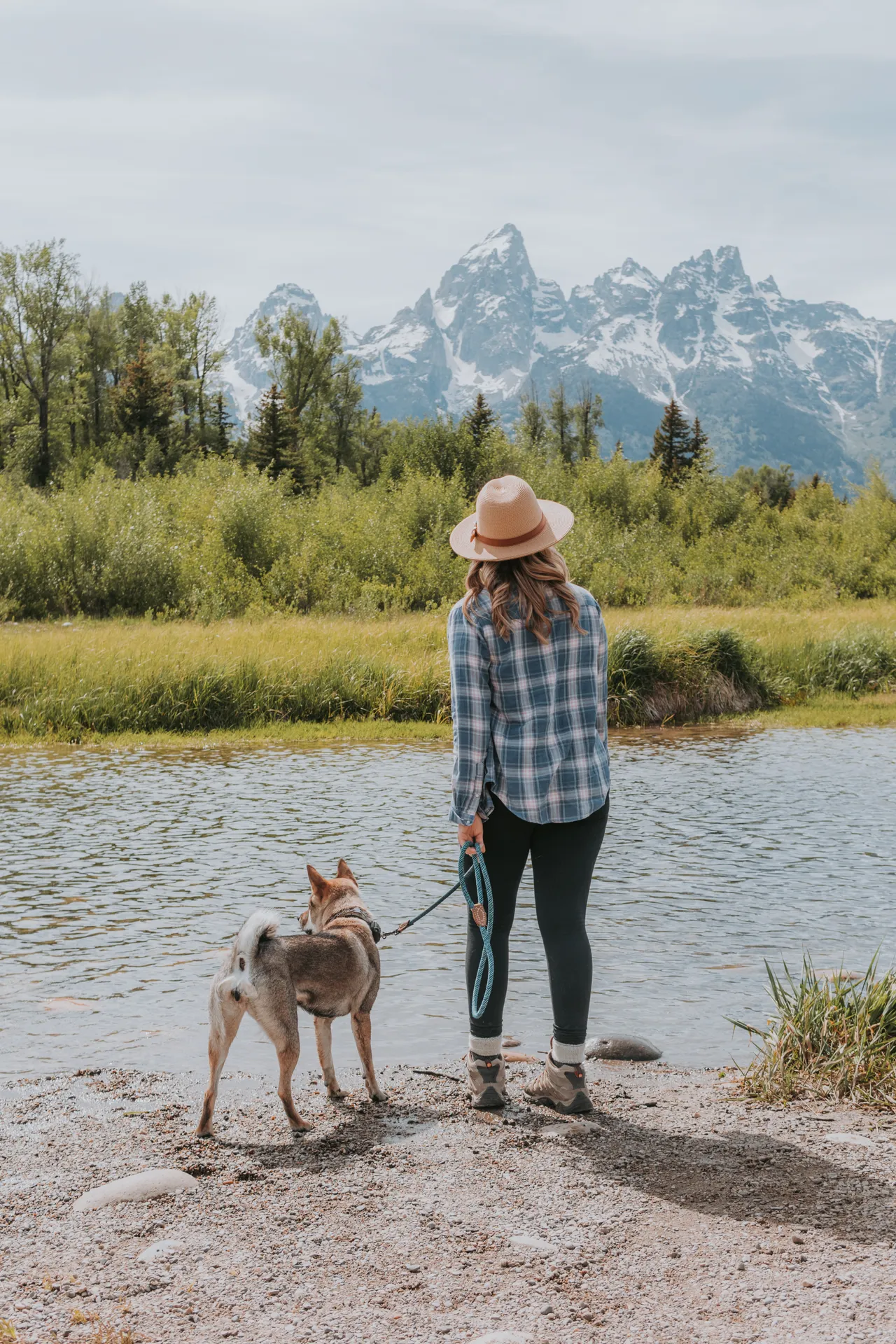
One summer I was dreaming of a golden paddleboard shot — I envisioned dreamy, soft, serene — and I think I captured it pretty well while trying to control my drone while also paddleboarding:
Another vision I had was seeing Mt. Baker up close and personal — Labrinth's The Feels was the perfect song choice. I changed out of my hiking clothes into a dress just for the shot, and even though there was wildfire smoke in the background, I made the most of it and still loved how it turned out:
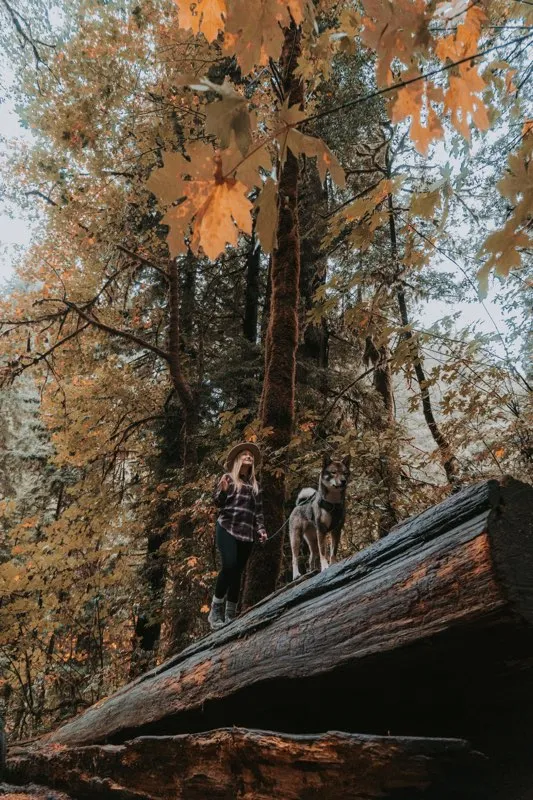
Once the words, emotions, outfits, and vision are coming together, I start looking at places to shoot. I use Photo Ephemeris sometimes to see how light will hit a specific point, and then I decide if it's going to be a drone video or a still camera video with my tripod. If it's drone I need a less crowded place and an open wide landscape — that requires more research. If I want to use my camera and a tripod I can get down close to a river, get my toes wet, climb on a fallen tree, or step in the leaves — the perspectives are more flexible. This video was one I made when moving away from Denver; I just wanted to capture one of my favorite places to sit and think with Sora, sometimes journal. I loved Loveland Pass and I thought of it as a love letter to Colorado and saying goodbye to another place I loved, to make space for the next place:
This next video I envisioned on a solo road trip down the coast. ODESZA came out with their new album that summer and I had just seen them in concert and I was ready to film. I wanted to showcase how much I missed the ocean being landlocked — just dancing with joy, barefoot, in a red dress atop the dramatic sunset cliffs in San Diego. I was also going through a heartbreak, so "you can't break my heart" just felt like too perfect a song choice:
One of my favorite videos that really opened me up to trusting my vision was the first video I created and posted in Colorado of me and Sora — and I literally inspired myself. The video was exactly what I had envisioned when I heard Aurora's Runaway, and it really started the process of sharing my creative videos with a larger audience. I wrote this as the caption:
The lyrics of this song so perfectly capture how I've felt most of my life, growing up and living in a place that didn't fulfill or inspire me. For a long time I wasn't happy, but Sora gave me the courage to leave and to chase after the life I've always envisioned for myself, and she truly is my "home." No matter where we live, as long as we're together, out exploring nature together, and making videos and taking pictures to share with the world, we're exactly where we need to be, and we're happy.
Getting the Shot!
Camera mounts are your new best friend. You cannot rely on other people to help you with all your content — unless it's infrequent or minimal, and/or you are offering them a small portion of the payment — because it's time-consuming and there's really nothing in it for them. Unless they're also doing content and you both help each other achieve the shots you want, you should give a small payment to a friend who helps so they don't feel like they're being used. Otherwise, your tripod or camera mount is all you need.
Drones are also great for automated shots — circle-me or follow-me modes can get cinematic footage without needing a second person at all.
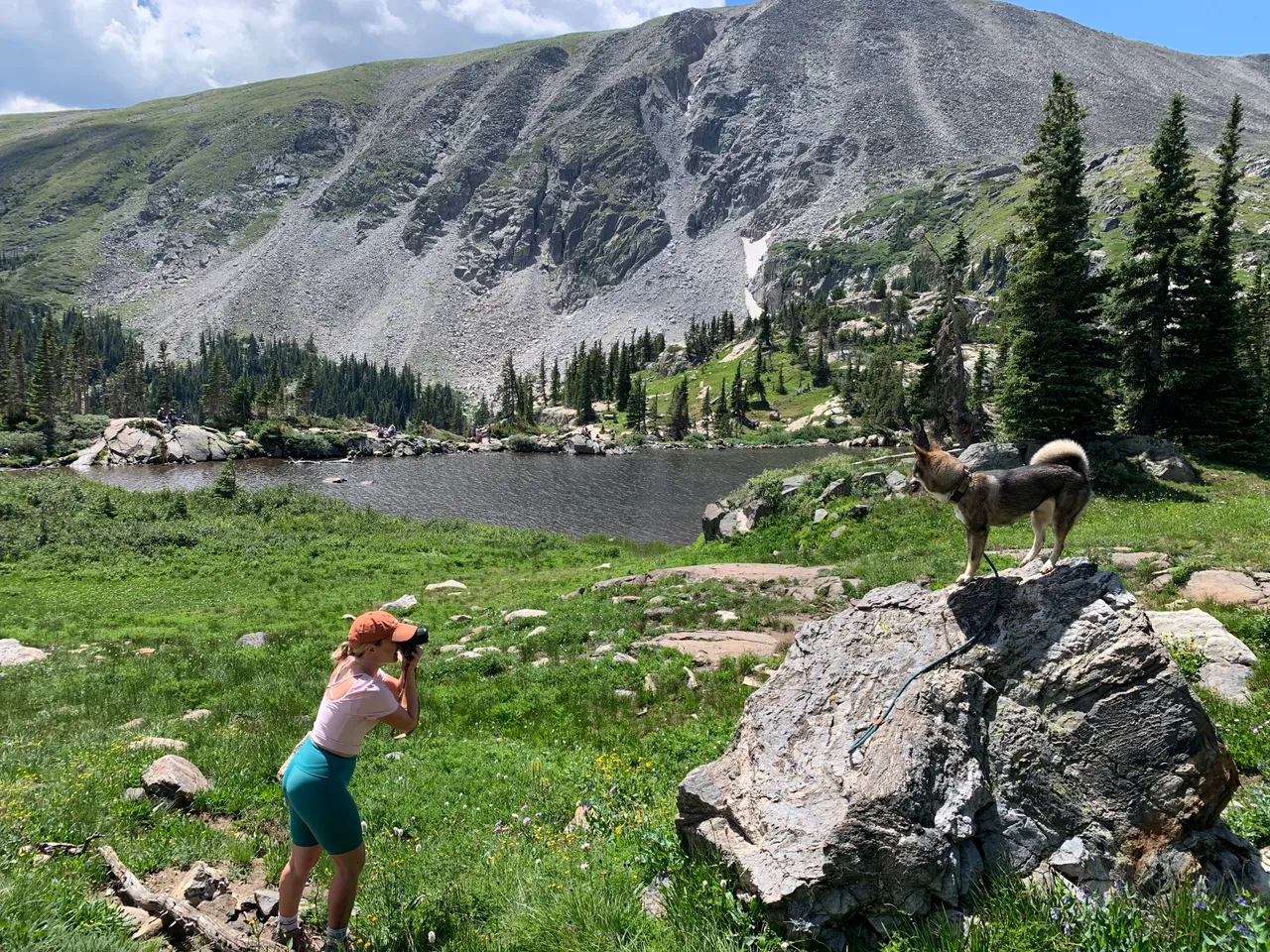
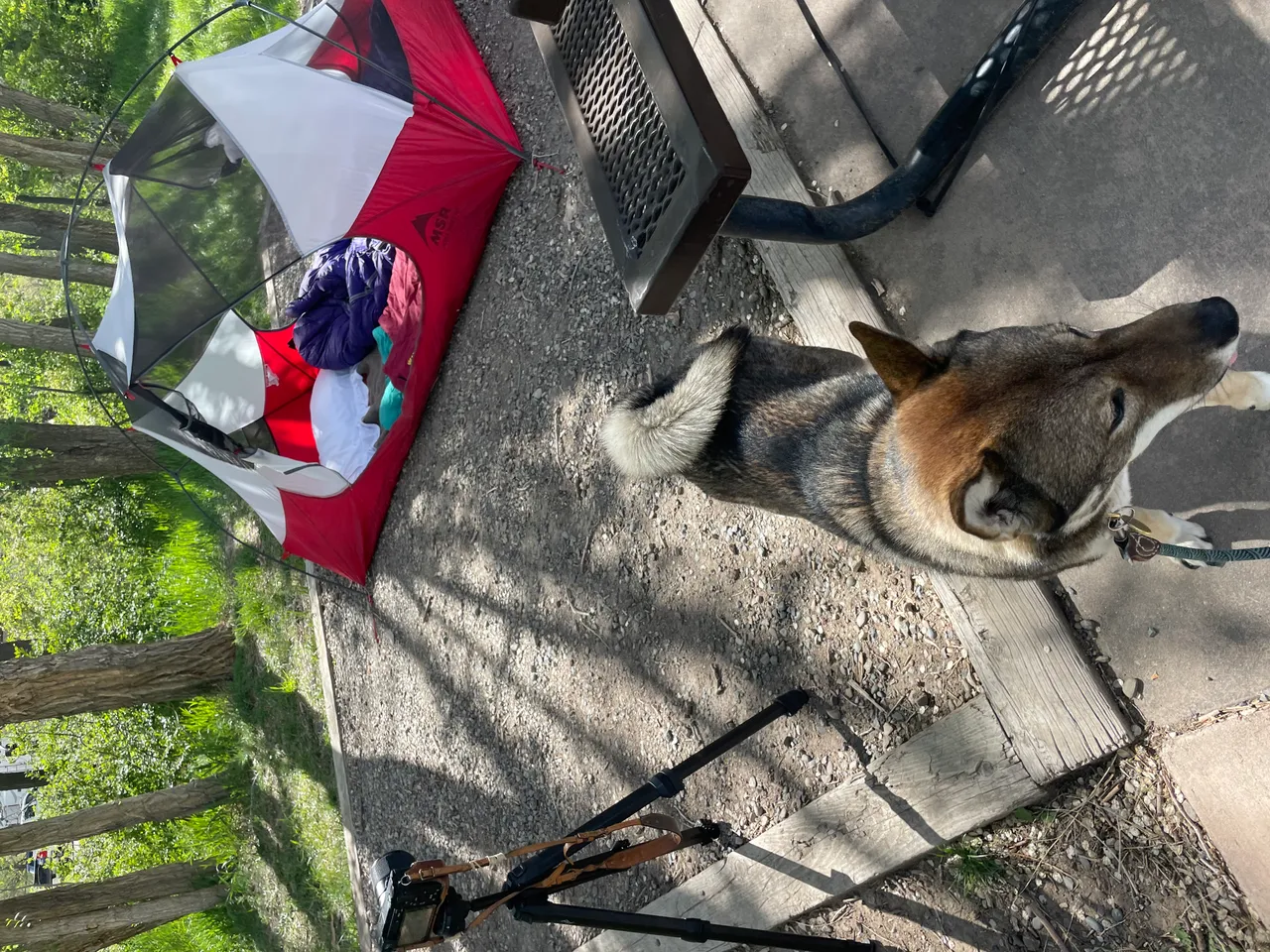
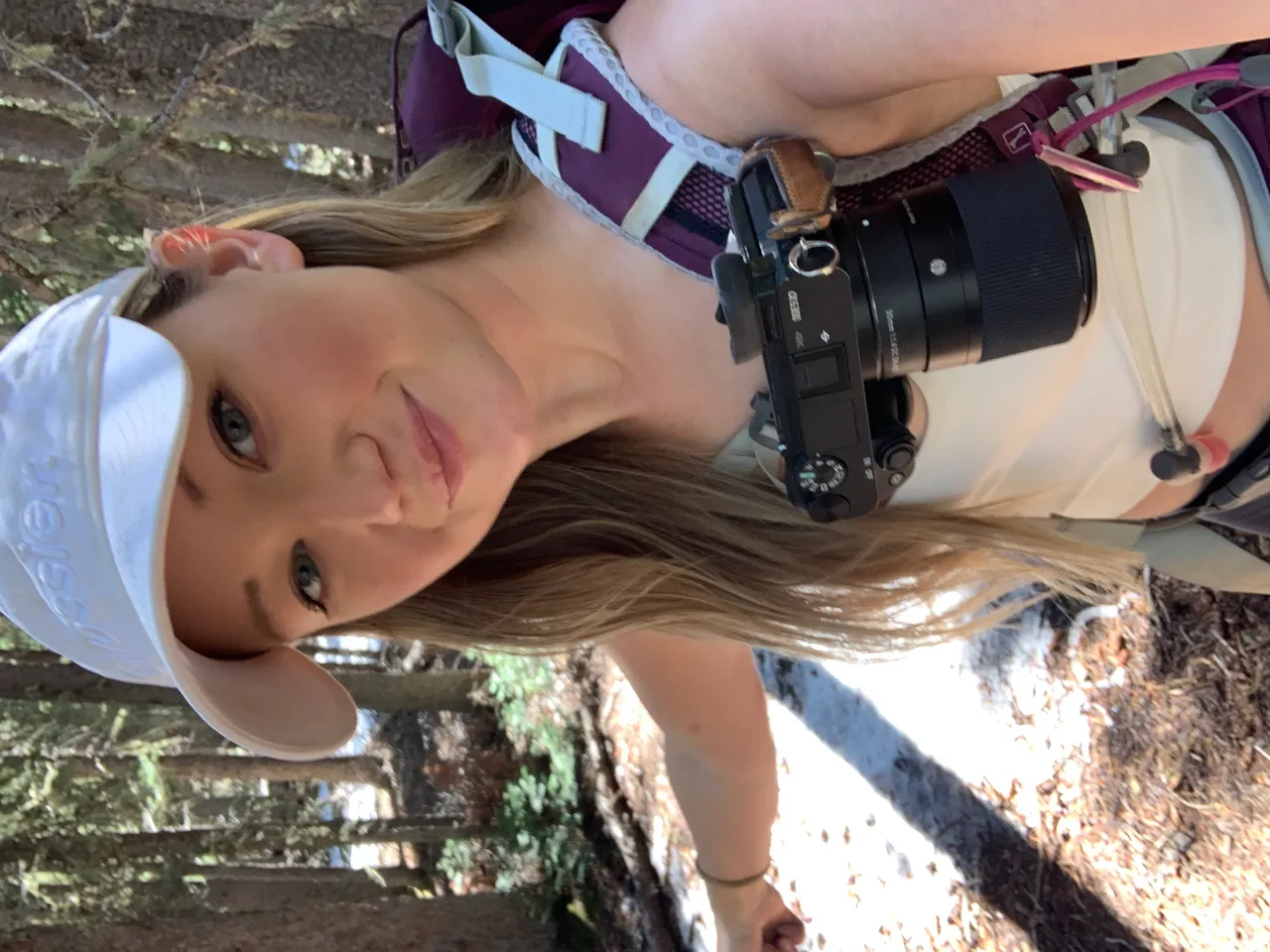
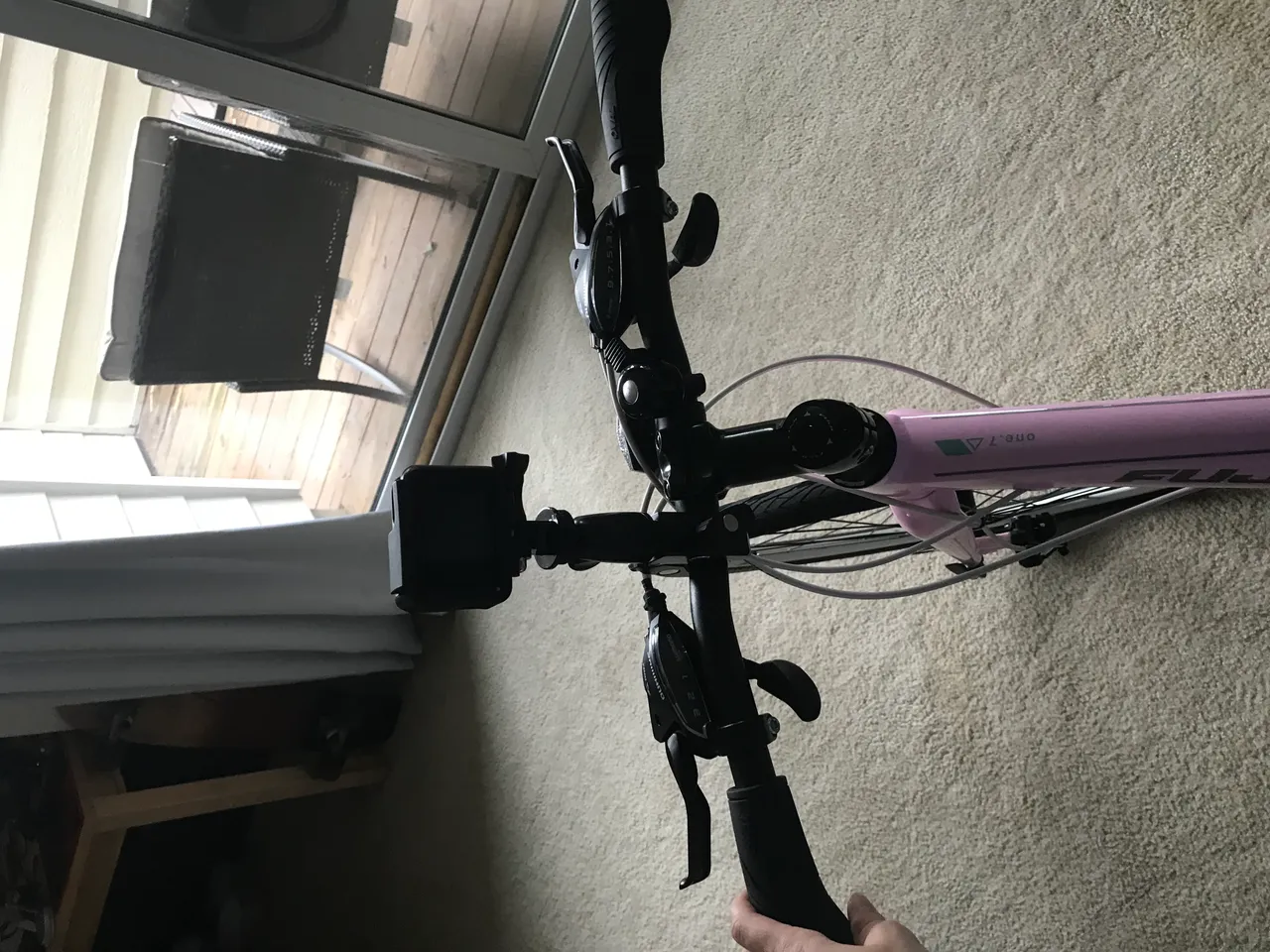
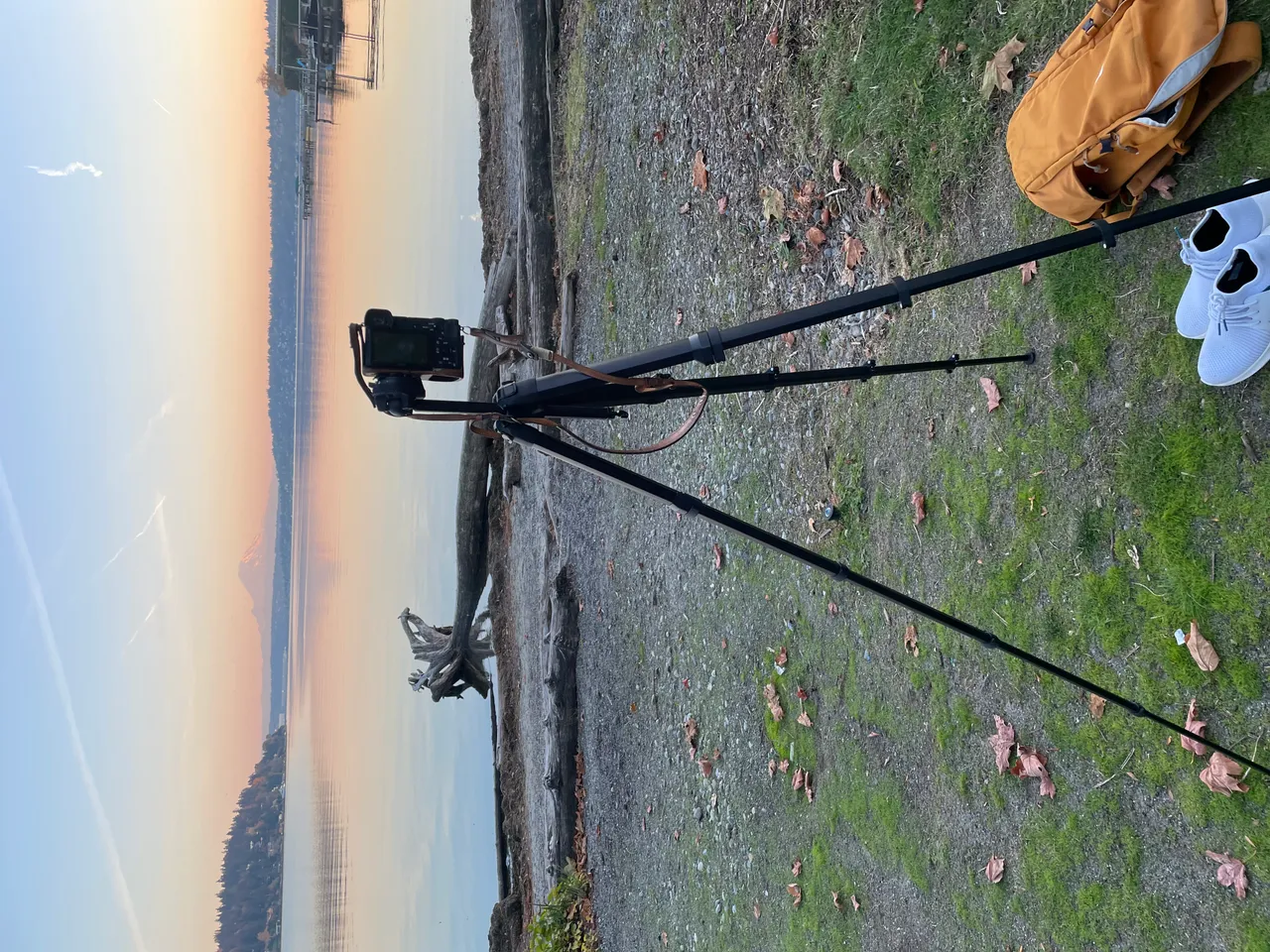
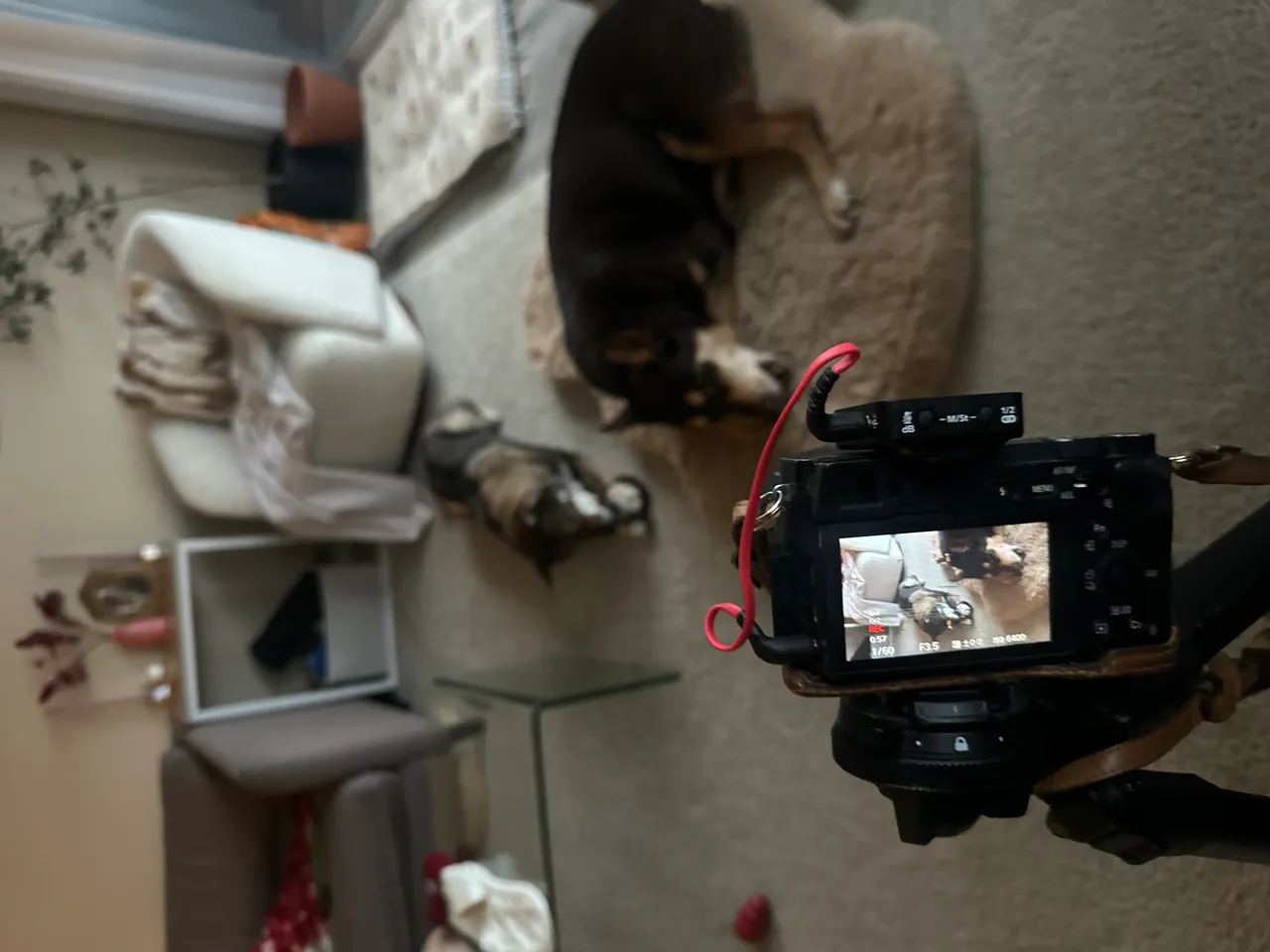
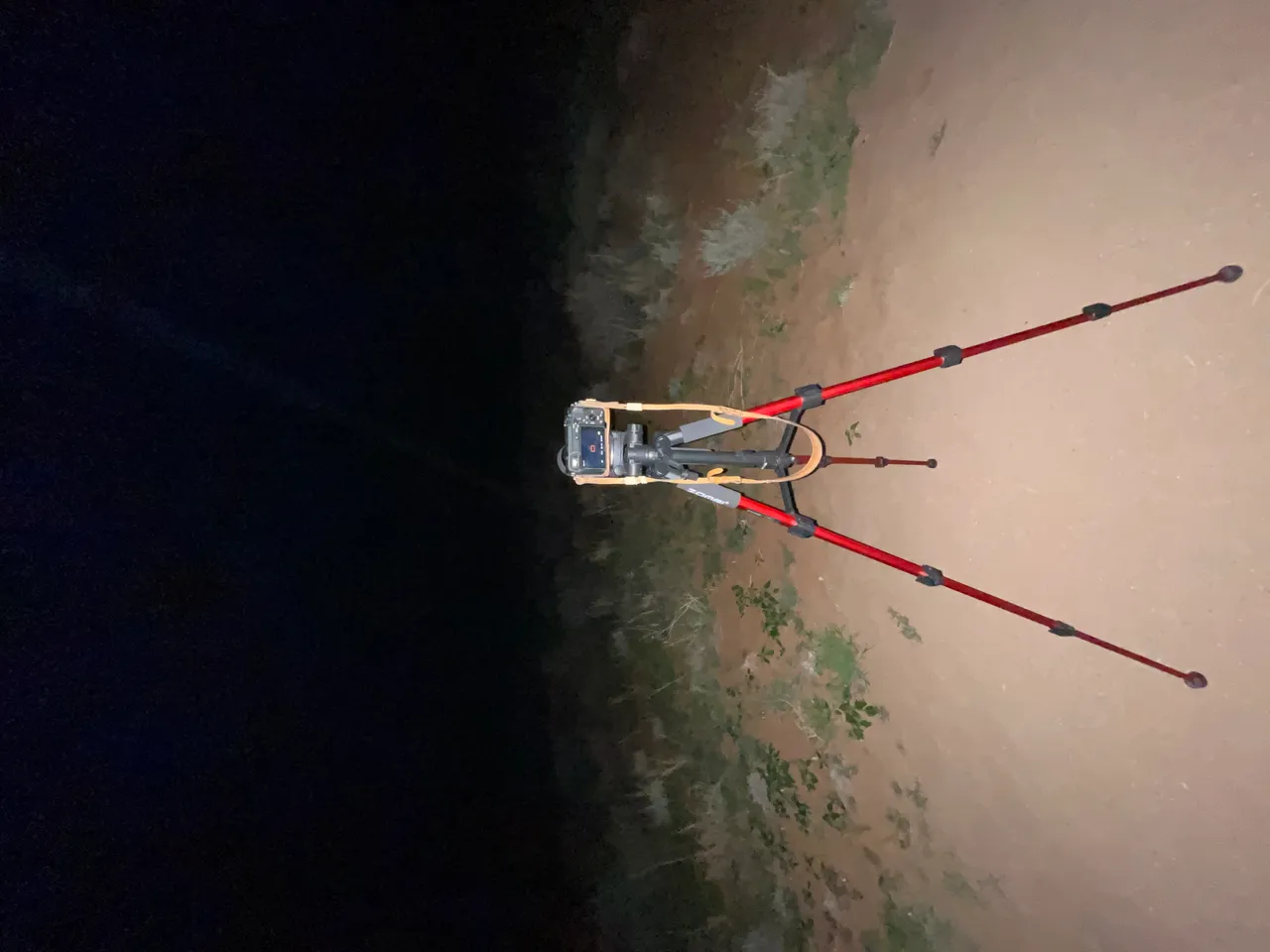
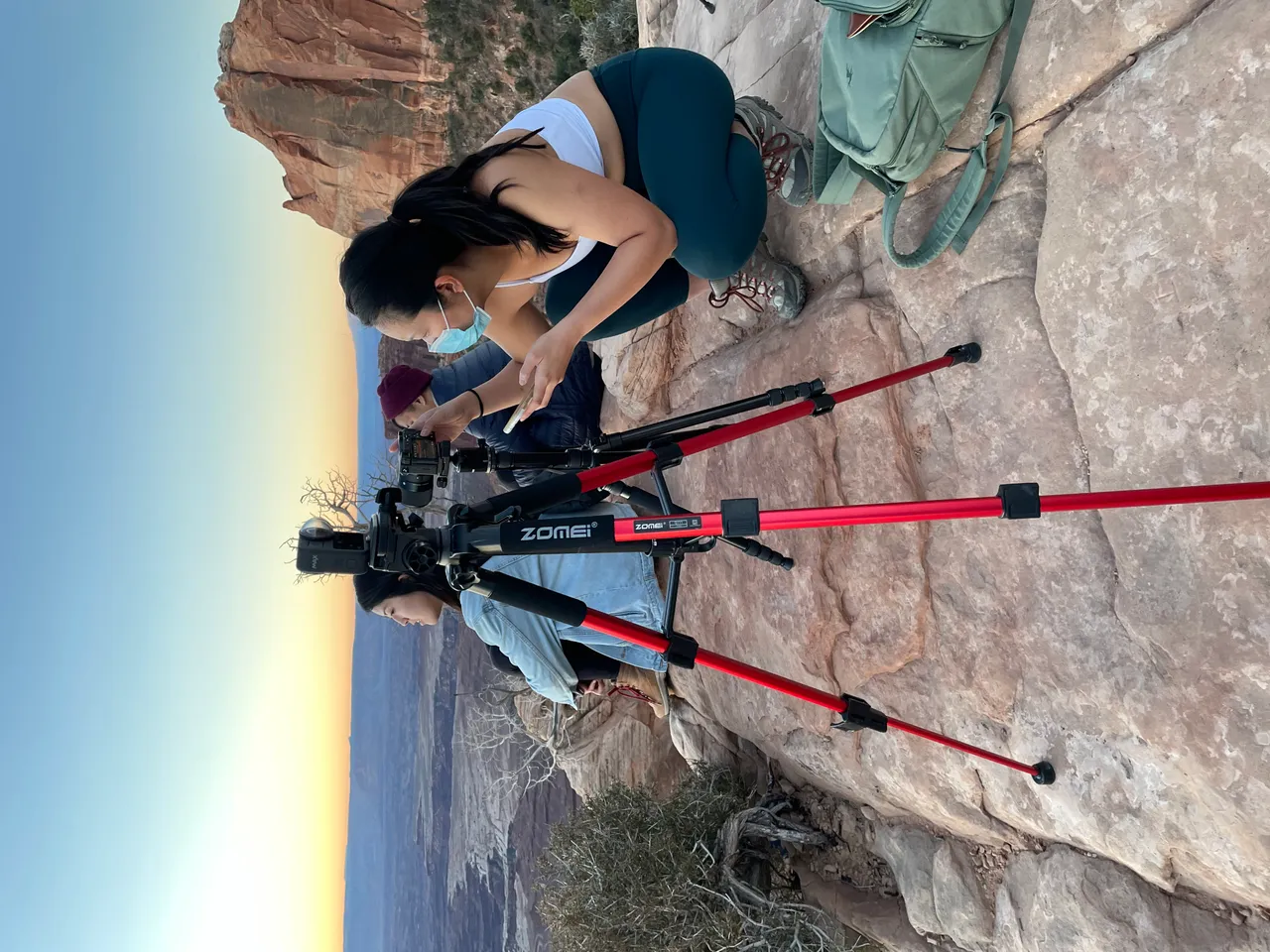
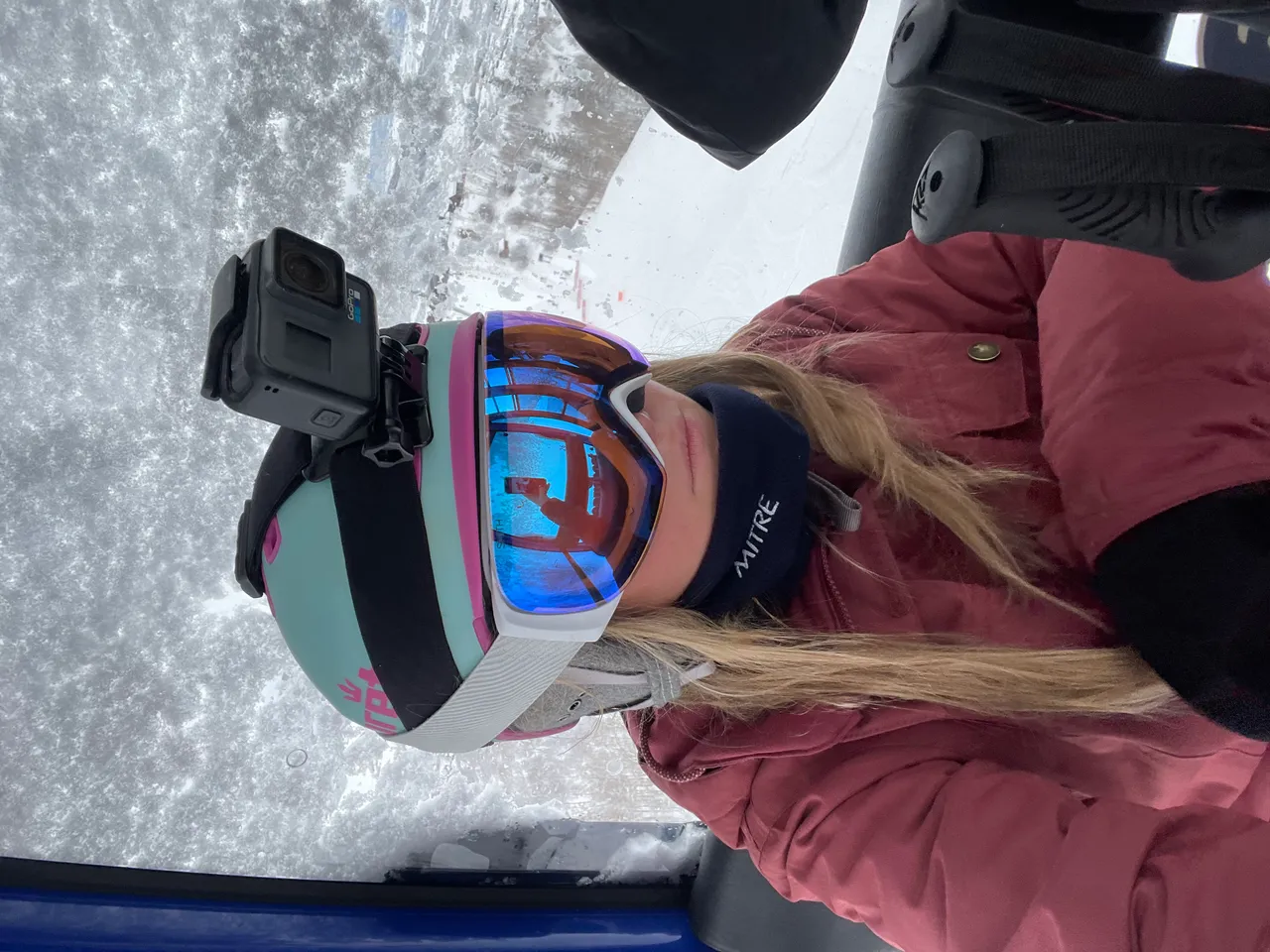
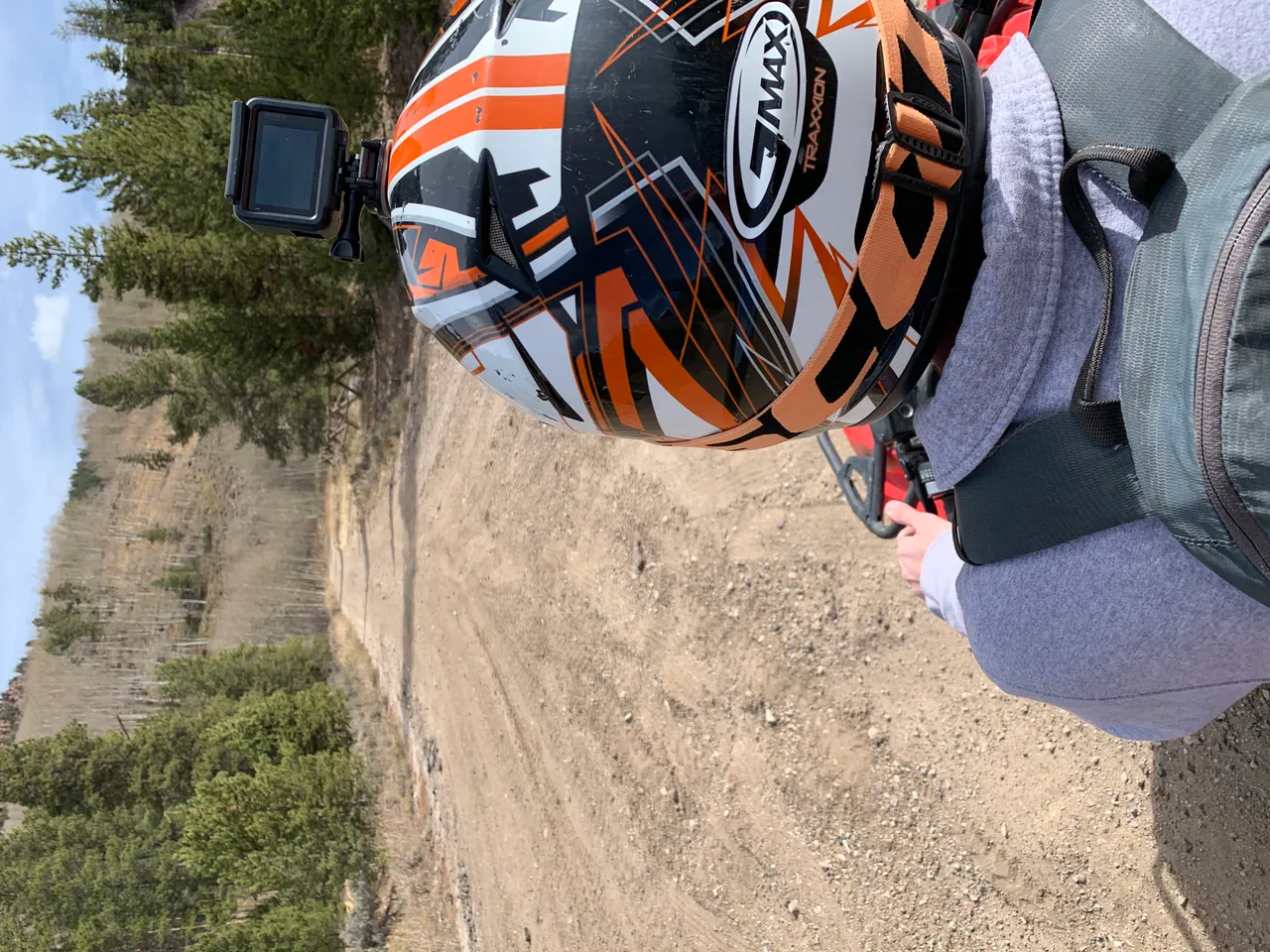
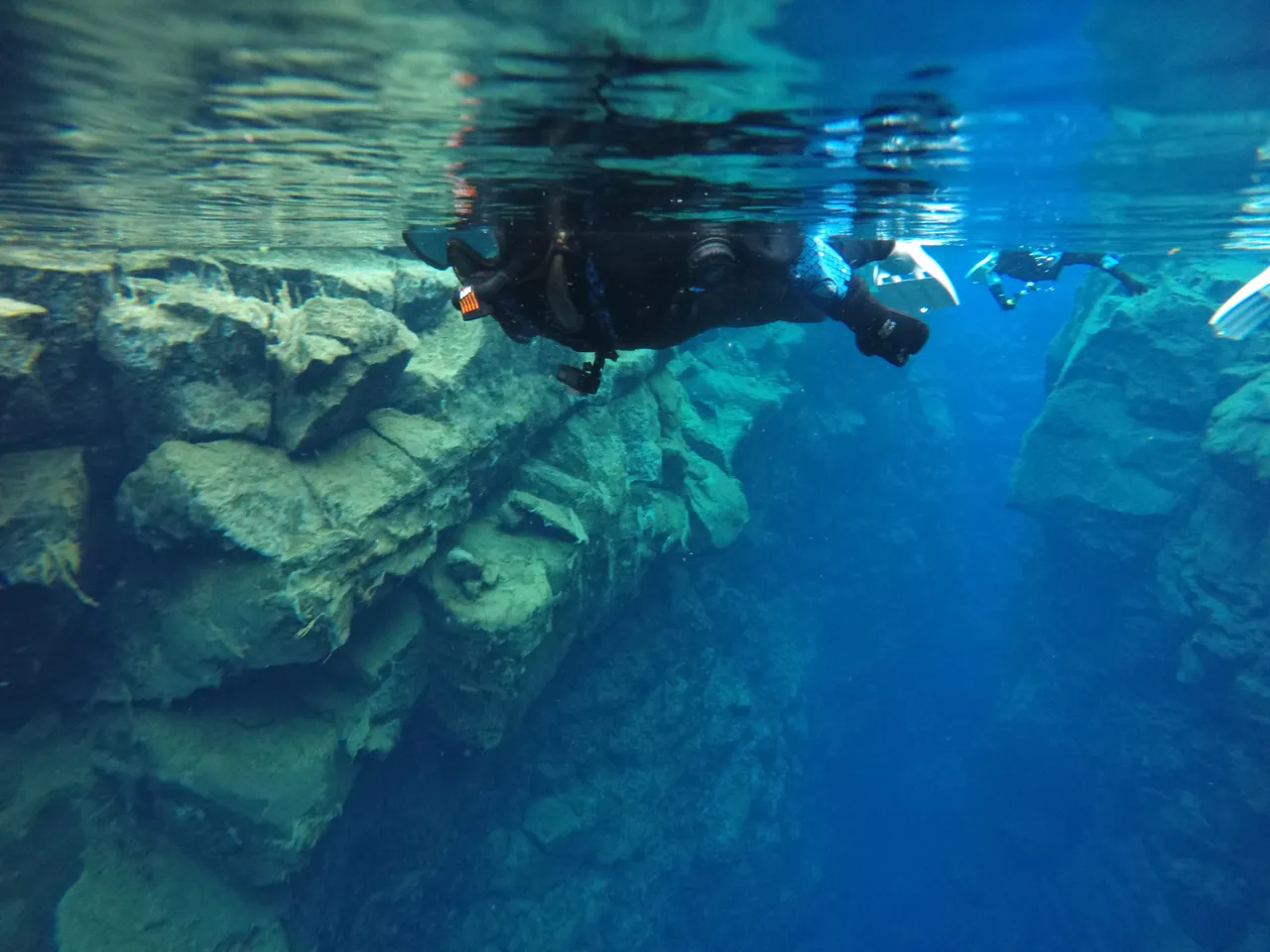
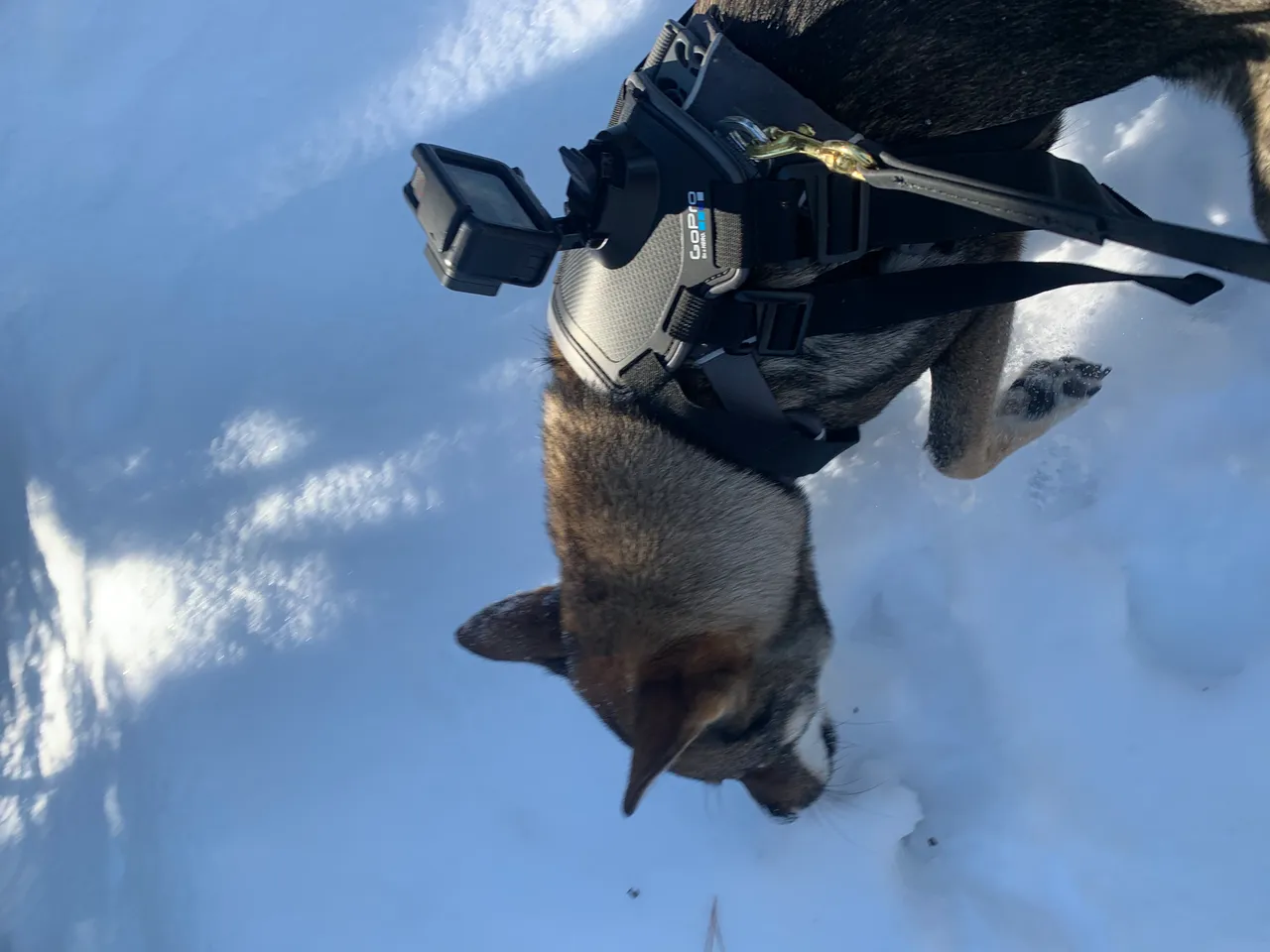
On my solo hikes and trips, I always bring my tripod and use a remote for easy control of the camera. This setup also opens up night photography — long exposures, astrophotography, light painting — none of which would be possible handheld. Action cams like a GoPro mounted to your helmet are another great hands-free option — skiing, ATVing, snorkeling, anything where your hands are busy and you still want to capture the experience. I've even mounted the GoPro to Sora before using the GoPro dog harness for some POV shots! Here are a few examples of setups from shoots:


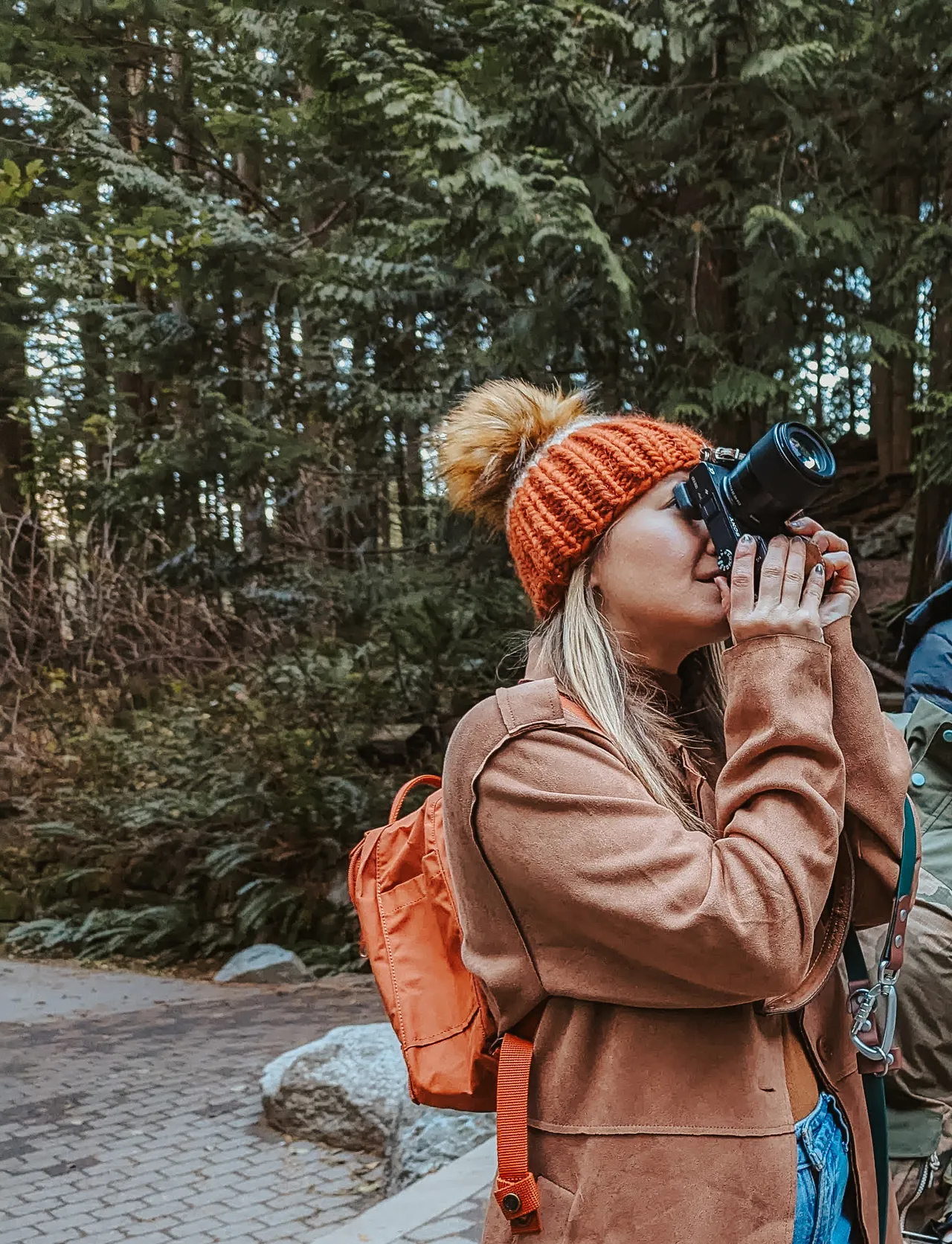
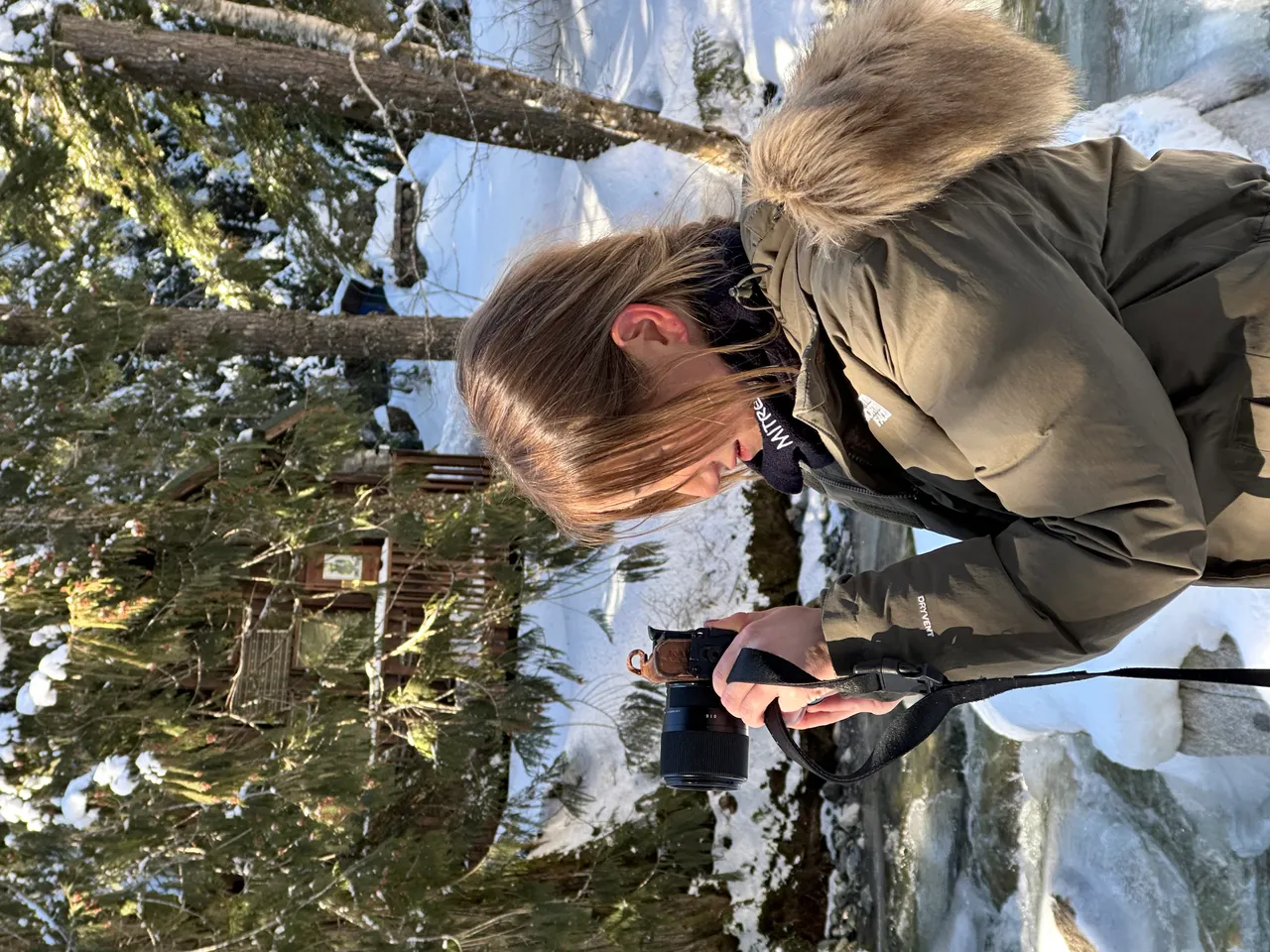
I also use a camera mount on my backpack strap with the Peak Design clip — this is great for when you're taking photos often and frequently on a hike and you need your camera to be quickly accessible. I don't do this on heavily forested hikes where I'm only taking shots at the top, but if I'm doing photography of Sora and just random spots in a forest or snow, then I'll keep it clipped close.
Finding the right location is half the battle. I use a variety of tools to search for places to make content — check out my post on 5 Tools to Help you Find Instagram Locations that aren't Geotagged for my full process. Sometimes it'll be my first time visiting a place and I'm scouting as I go, and other times I'll continuously revisit a location I love because I know it delivers a certain vibe or style of shot. Returning to the same spots in different seasons or lighting conditions can give you a whole new set of content from a place you already know.

Reaching Out to Brands Directly
You don't have to wait for brands to come to you — you can pitch them. I remember when I wanted to work with HEST and reached out to make a camping reel. I pitched them the idea of car camping in a MINI Cooper and how it could reach a new audience and market for them. They offered to send me a free mattress and pillow in exchange for one reel. I talked with my boyfriend and he said: ask for two, so your whole backseat can be covered and we both can have one. If they have money for one, they'll have money for two. Lo and behold, I asked and it was a simple yes, sounds great! — the value went up to over $1,000 in gear. I think about that all the time, and how men are just naturally conditioned to ask for more and women aren't. I've been working on that.
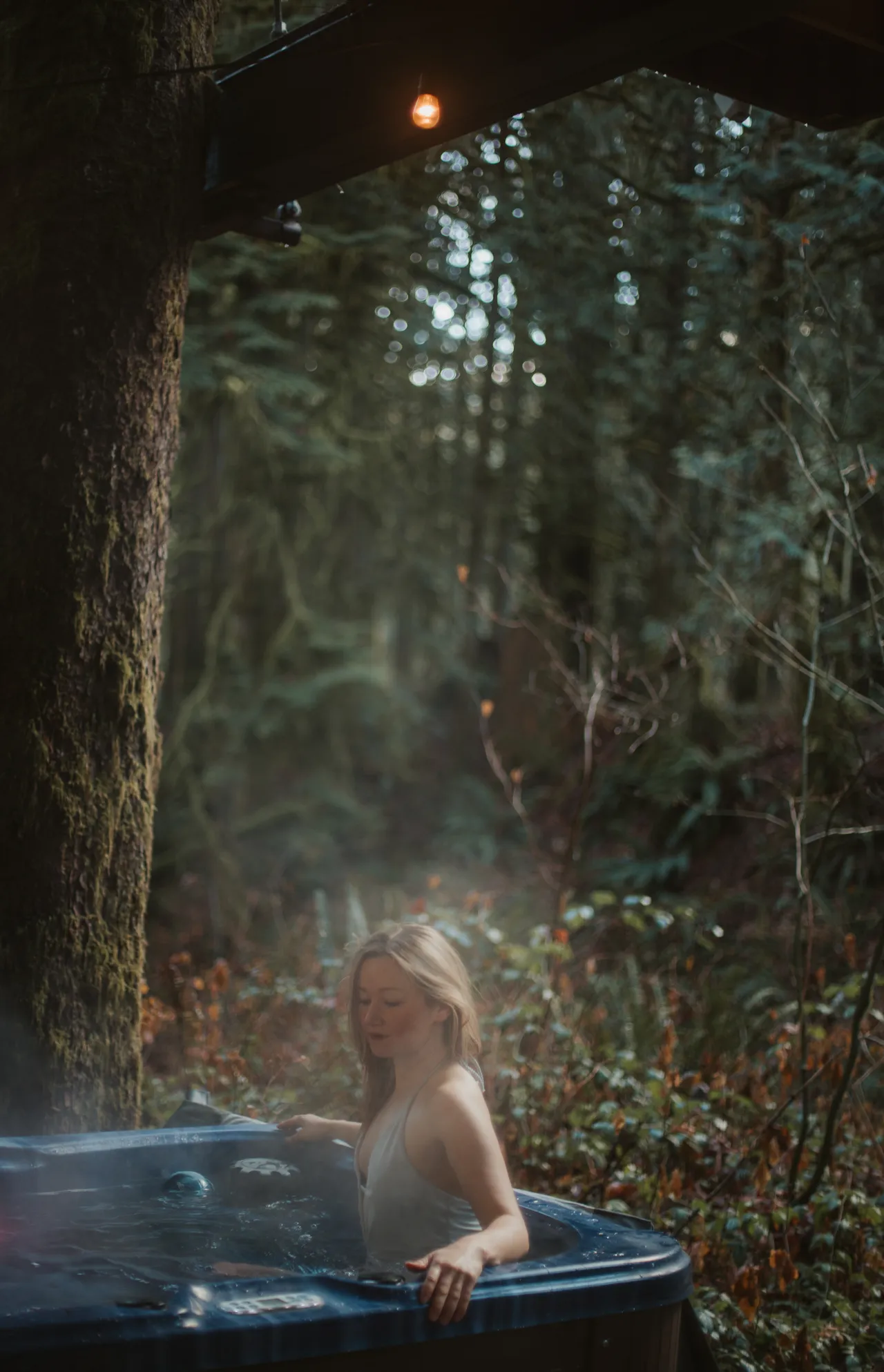
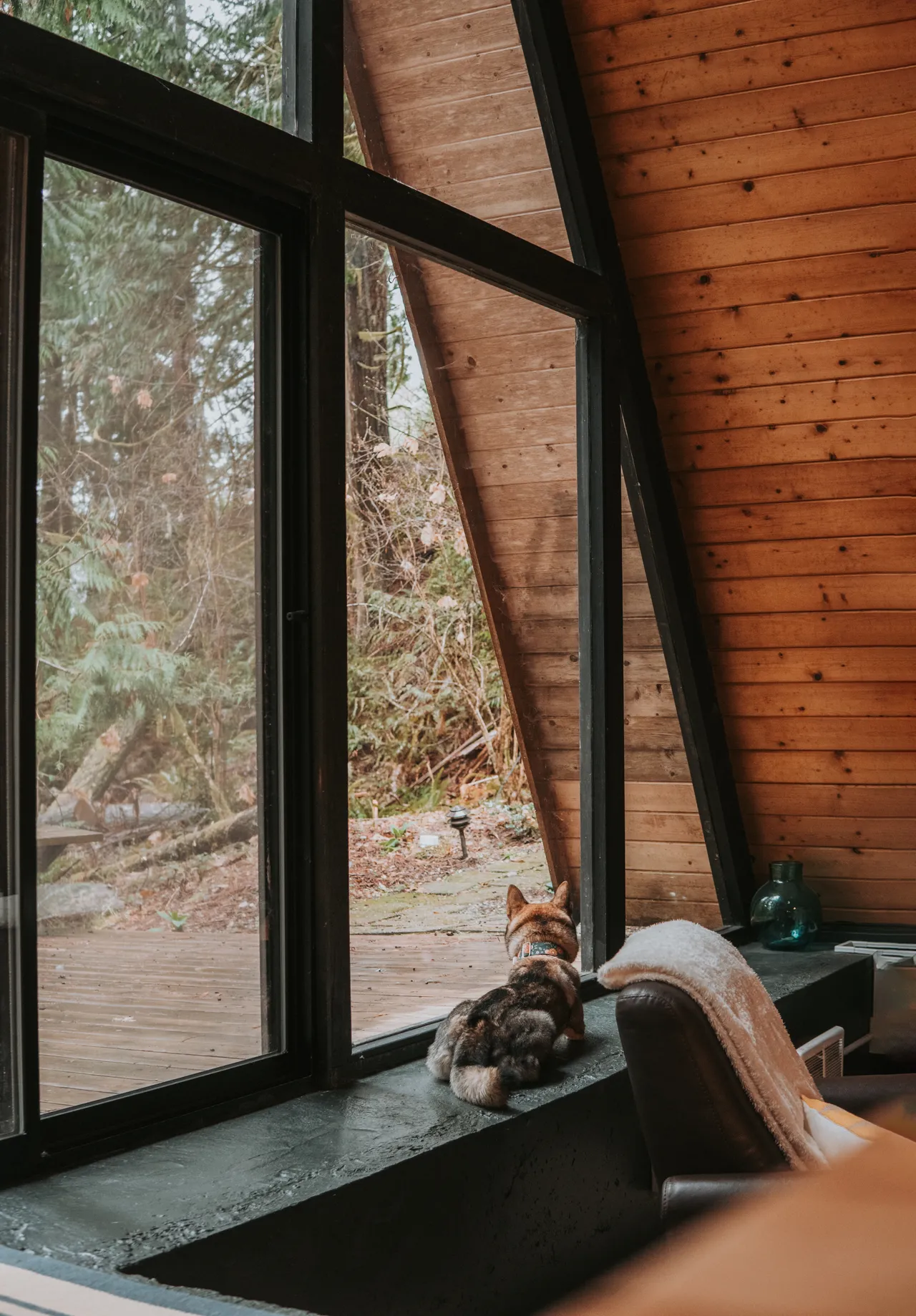
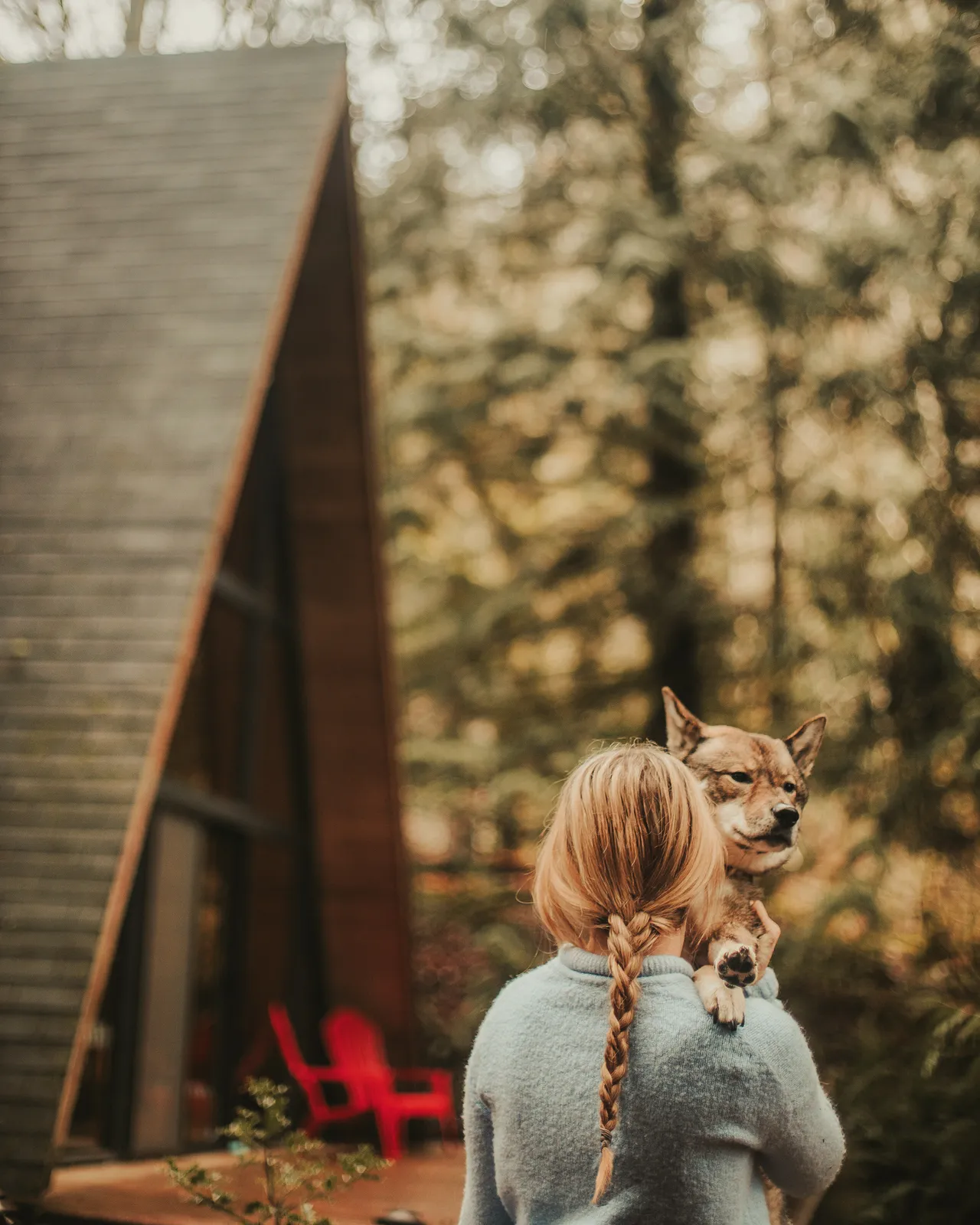
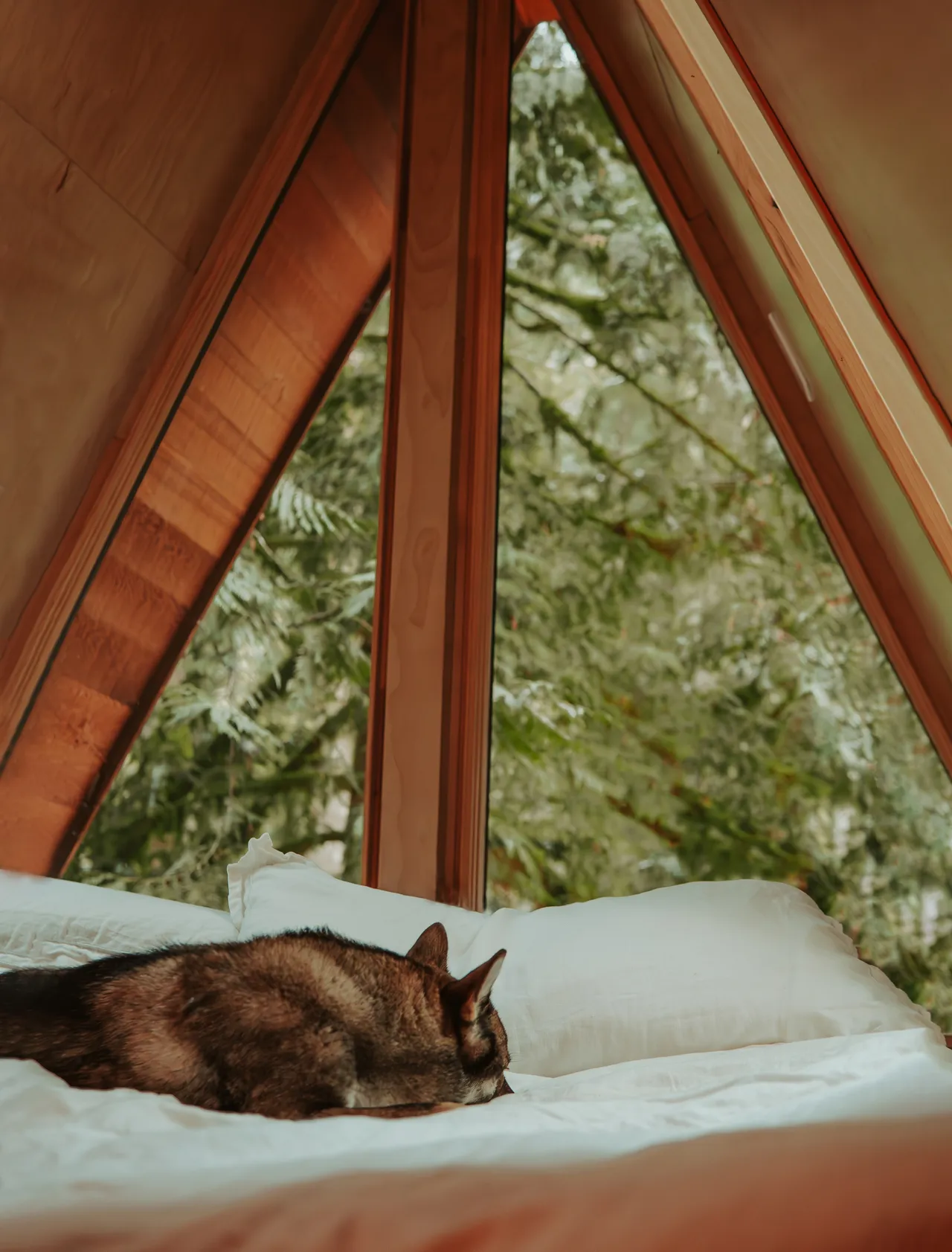
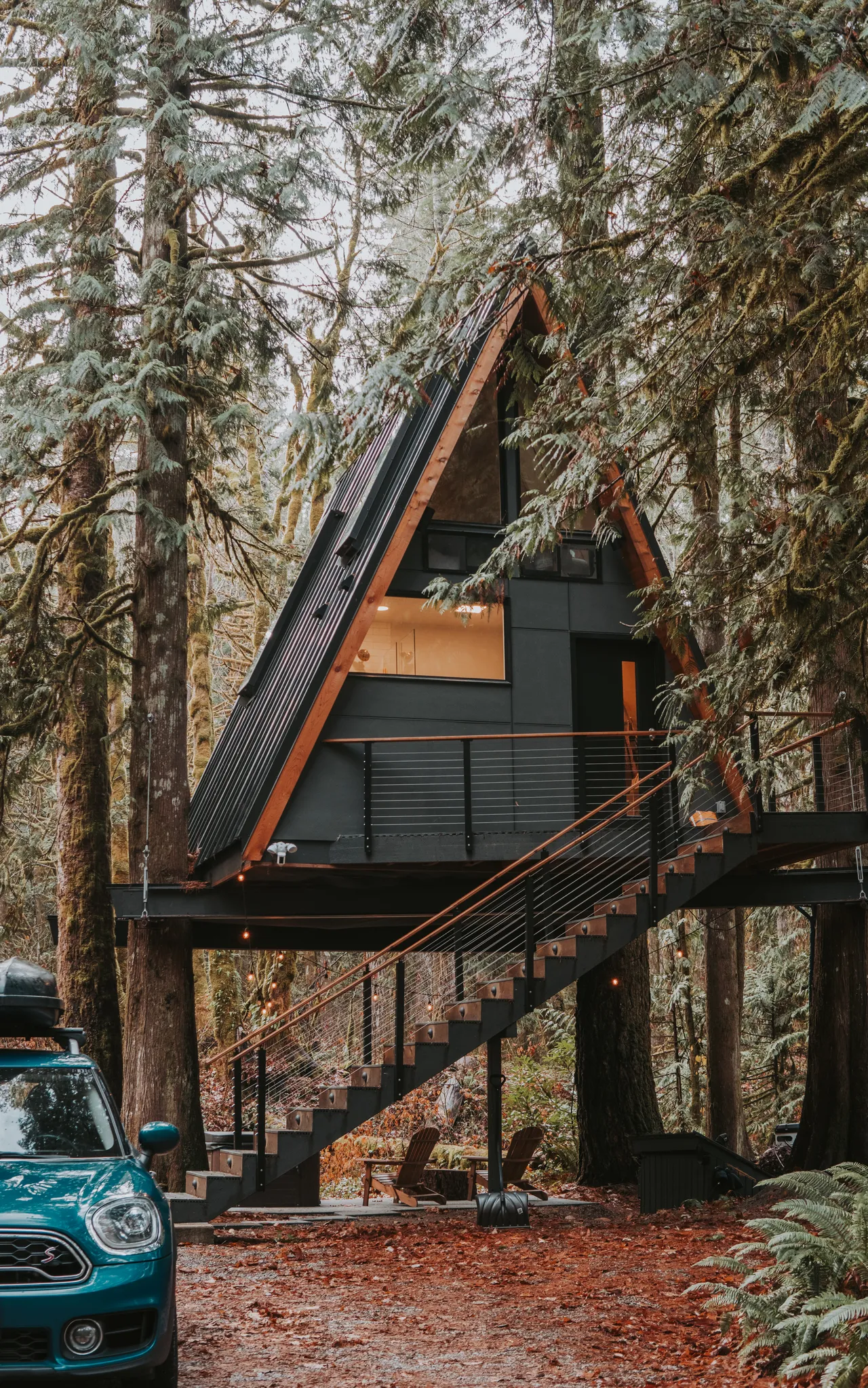
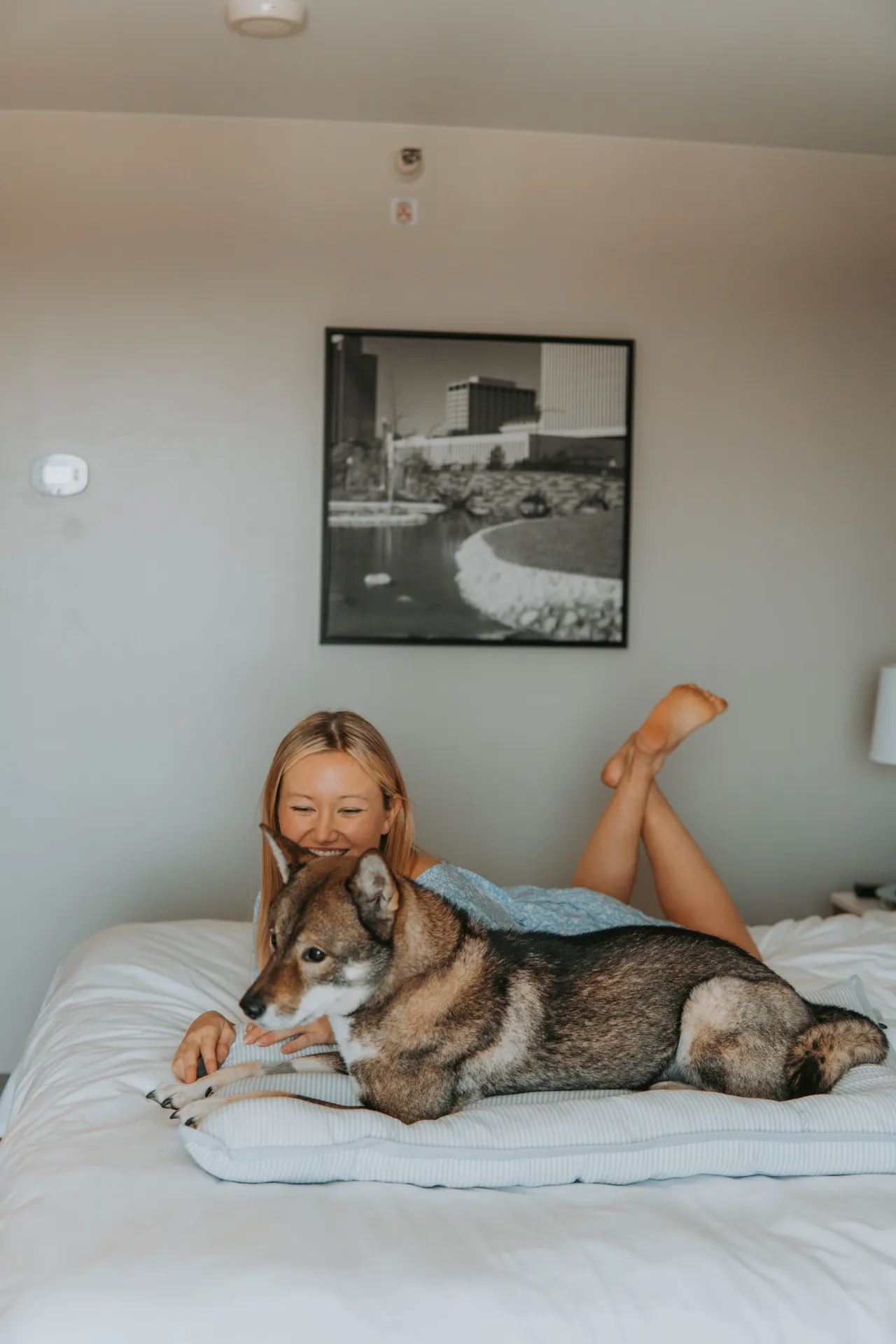
I also reach out to brands directly if I'm traveling somewhere — sometimes you can pitch a hotel or Airbnb stay. I've done this a few times with cozy cabin trips, themed holiday reels like this one, and even recently pitched a biking content reel for a hotel on Vashon Island and they gifted me a night in exchange for a reel. We've also worked with Radisson Hotels in Salt Lake City where they gave us multiple nights and a food voucher in exchange for edited photos and one reel — which was great.
Sometimes brands will also reach out to you directly. Wix was one example — they reached out to me via email since I used their tool to make my old blog. I negotiated them up from their initial offer since I knew they wanted me more than I needed to take the time to make a reel for them, and they were super flexible with allowing me to be fully creative. It was overall a great experience.
Just Say Yes
In my earlier days I worked with a few brands that I genuinely just wanted their products or liked their brands — the asks were very light and easy, so it was a good experience at the time. It took a lot of hustle, effort, and energy to get all the content that I did, and I never said no to adventures, experiences, or things to do with friends or whoever. I recommend just saying yes to things, start capturing, and see where it takes you.
Some examples: Vessi hiking shoes, a dog harness, HEST car camping mattresses, a Retrospec paddleboard vlog in Seattle, a portable espresso maker, and Ruffbars for dogs. I joined the Ruffbar and Hurtta ambassador programs by applying directly through Instagram.


Ask for More!
This part is so hard for me. I make good money at my tech job, so money is never a huge motivator, but I also know that content creation is extremely tedious and time-consuming. You are the director, the script writer, the actor, the video editor, and then the salesperson and negotiator at the end of it. And you're also the travel adventure planner and driver — all of that takes time and money. It's an all-consuming role that is difficult to convey to brands that want to take advantage of creators.
Negotiate
There's not much to lose from negotiating. Unless I'm using a platform where the prices are set before I apply (like Popfly), I'll evaluate the ask and see if it's fair. When brands reach out to me, I know I have a slight advantage because they want me (not the other way around), and I'll ask for a little more if needed. Don't be afraid to counter — the worst they can say is no.
If they have money for one, they'll have money for two.
Taxes
Equipment is an investment and you should be writing these off on your taxes if you have made even a little money from it. I was not doing this for years, unfortunately. If you're getting paid in product, gear, or cash — even occasionally — talk to a tax professional about what qualifies as a business expense. Cameras, lenses, editing software, travel for shoots: it all adds up. My journey into gear upgrades started with the Sigma 30mm 1.4, which was a game-changer, and it was fully deductible.
What Kind of Content Can You Make?
Once you know your niche (or intentional lack thereof), the types of content you can create are wide open:
- Photographs or Videos — the foundation of most brand partnerships.
- User-Generated Content (UGC) — brands pay creators to make content that the brand then reposts or uses in ads. Honestly, I see a lot of this being replaced by AI over time. Once enough content is out and a model gets trained on it, UGC may become obsolete — brands will just prompt and generate with their specific product for free or very low cost. Worth doing now, but don't build your entire strategy around it.
- Photography for niches — the world is open. Landscape prints, pet or children portraits, engagement and wedding content, real estate, blogging, and more. You can get into any really.
- Blogging — long-form content like this builds SEO authority over time and opens doors to affiliate partnerships and sponsored content. Check out the brands I love posts for examples: My Favorite Activewear Brands, Favorite Dog Brands, and Brands I Love: Travel Edition.
What Can You Monetize?
There are all kinds of ways to make money as a content creator — and you don't need a massive following to start. Some options to explore:
- Sponsored posts — a brand pays you to create content featuring their product.
- User-Generated Content (UGC) — brands pay you to create content they use in their own ads and channels, through platforms like Popfly and Crowdriff or direct outreach.
- Affiliate marketing — you earn a commission when someone buys through your link. A good entry point with low barrier to start.
- Product collaborations — co-creating products or campaigns with brands, like my HEST collab.
- Print sales — selling your photography as prints, especially if you shoot landscapes or wildlife.
- Teaching — workshops, courses, or 1:1 coaching once you've built enough experience.
The through line for all of it: build a portfolio you're proud of, stay consistent, and don't be afraid to ask for what you're worth.
User Generated Content (UGC) via Third Party Platforms
One great way to get started with content creation and UGC is to sign up for a third party platform. There are tons of them out there, but the main ones I use are Popfly and Crowdriff.
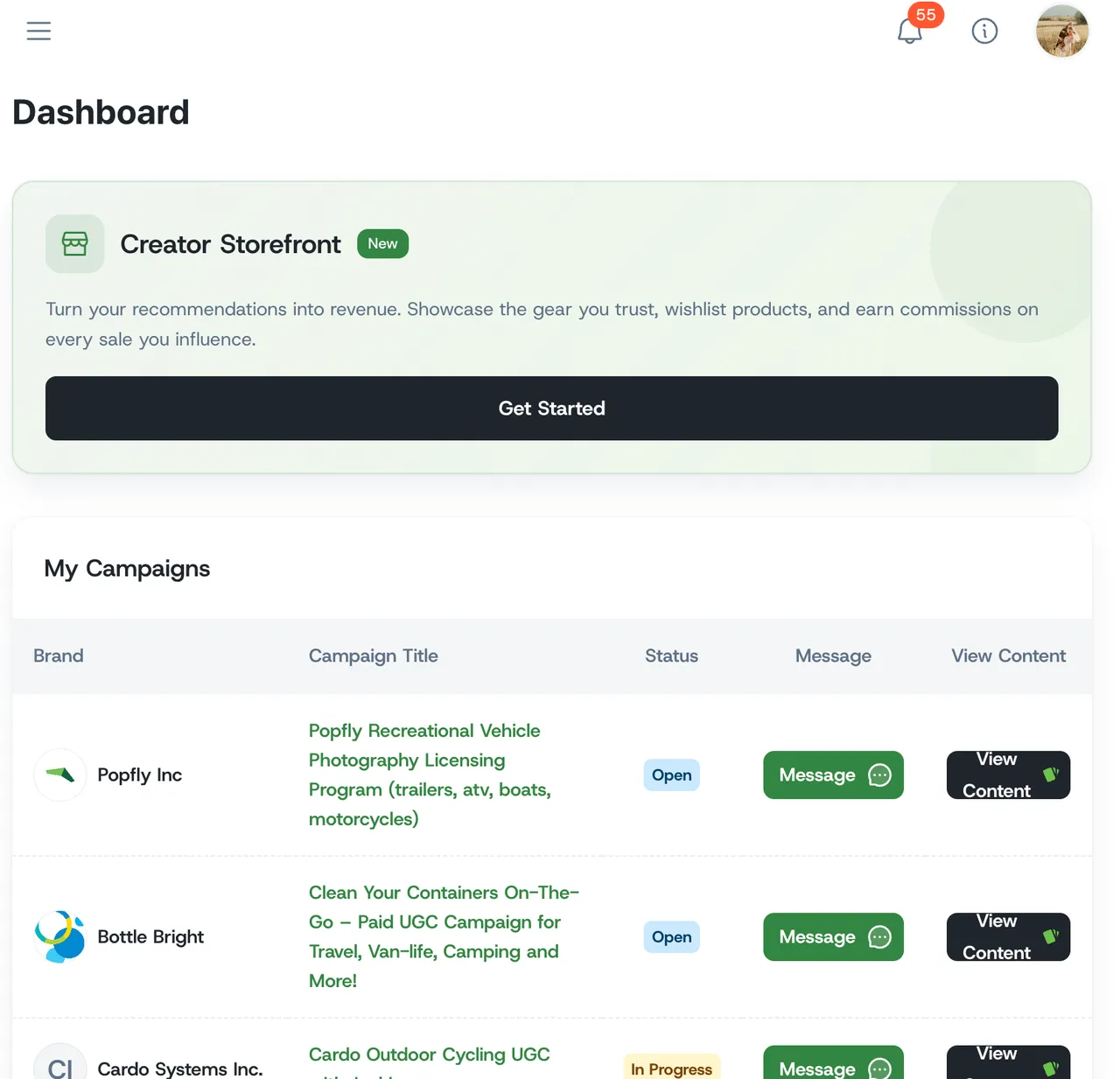
Crowdriff focuses on local and travel-based content where you create videos for very specific briefs. Some examples: $400 to take videos snowshoeing at Mt. Hood to showcase an outfitter's brand and tour. A couple others I took on were to find "the best tacos" and the best "hipster coffee shops" in Coeur d'Alene, Idaho — that one had a little freedom — and another was to drink at two breweries and show the menu and the vibes of the outdoor seating area. I also filmed a specific hiking trail in Idaho. Crowdriff briefs aren't posted as frequently, but they're very straightforward and easy to follow, with generally less room for creativity. Essentially these replace the need to have a direct connection to the tourism board — you just go through Crowdriff and they take a commission for setting up that connection. You can arguably get paid a lot more working directly with tourism boards, but it's hard to foster those connections without knowing people in the industry.
Popfly is brand-specific campaigns — similar to reaching out directly to brands or having them reach out to you, but through a third party that takes a cut. I love the convenience of it, and it's not my main source of income, so even if the pay isn't always the best, I'll take on a few jobs if they're easy, convenient, fun, or a brand I want on my portfolio.
They are great to work with and have protected me in certain cases, which is a real advantage of having a third party facilitator. I had a brand that wanted me to film a video in their hiking shoes on a hike. I drove out to a local mountain — it was still snowing in the alpine — and after putting together a creative video I was proud of, the brand requested multiple edits and then ultimately said they wanted a "more intense" hike to better showcase the brand. Going out into the North Cascades or Olympic Mountains in early April would be incredibly dangerous due to avalanche risk — an insane ask, since none of that was in the original brief. They then ghosted me when I said it was inappropriate and outside my safety comfort zone given the conditions. A month or two went by and then I got Popfly to request payment from the brand — and they paid.
Popfly is a web app and Crowdriff is an iOS app, but I've had a great experience with both. I've even negotiated higher pay on Crowdriff when there were extra costs involved and I needed another person to help film.
Affiliate Links
Outside of content creation and photography, you can generate passive income off affiliate links. There's a lot of options when it comes to affiliate links, but generally you need to have some basic kind of following on social media to get approved. I think I had around 3K followers when I finally started getting approved for things like Amazon Creator — I think their range is somewhere between 1–5K to get approved, it varies. I had very good engagement even when I was around 3K followers, honestly more engagement than where I'm at now, which is just a little under 7K. I think social media growth is increasingly harder than it used to be, so for me I'm not very interested in trying to create viral content. You don't get much from this unless you're gaining followers, in which case you can use your following to get affiliate and influencer campaigns.
The best affiliate programs to get started with are:
- Amazon Associates — easy to set up and everyone uses Amazon. A no-brainer first step.
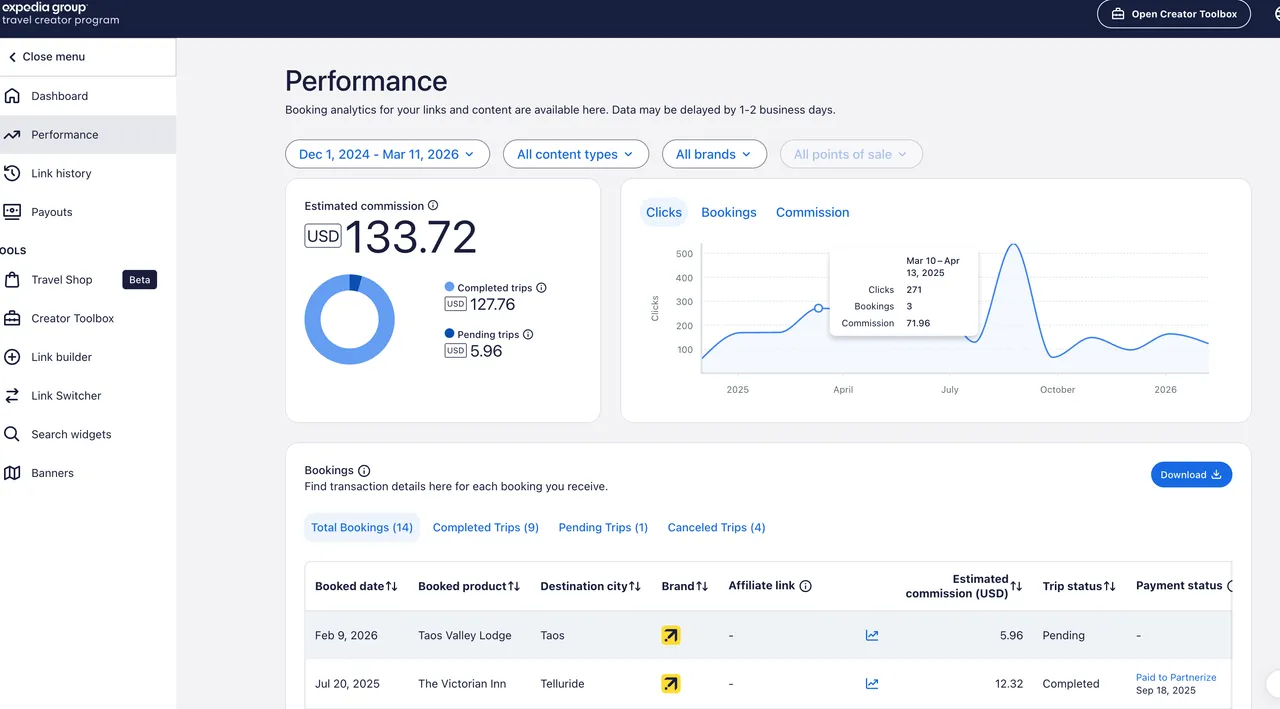
- Expedia Travel Affiliate — you can link any hotel or VRBO using their creator program, and as long as cookies are enabled, you'll still get commission even if someone books later.
- Direct brand programs — when you work directly with brands, ask for both a commission link and a discount code for your audience. Without a discount code, there's no incentive for people to use your link over just searching themselves.
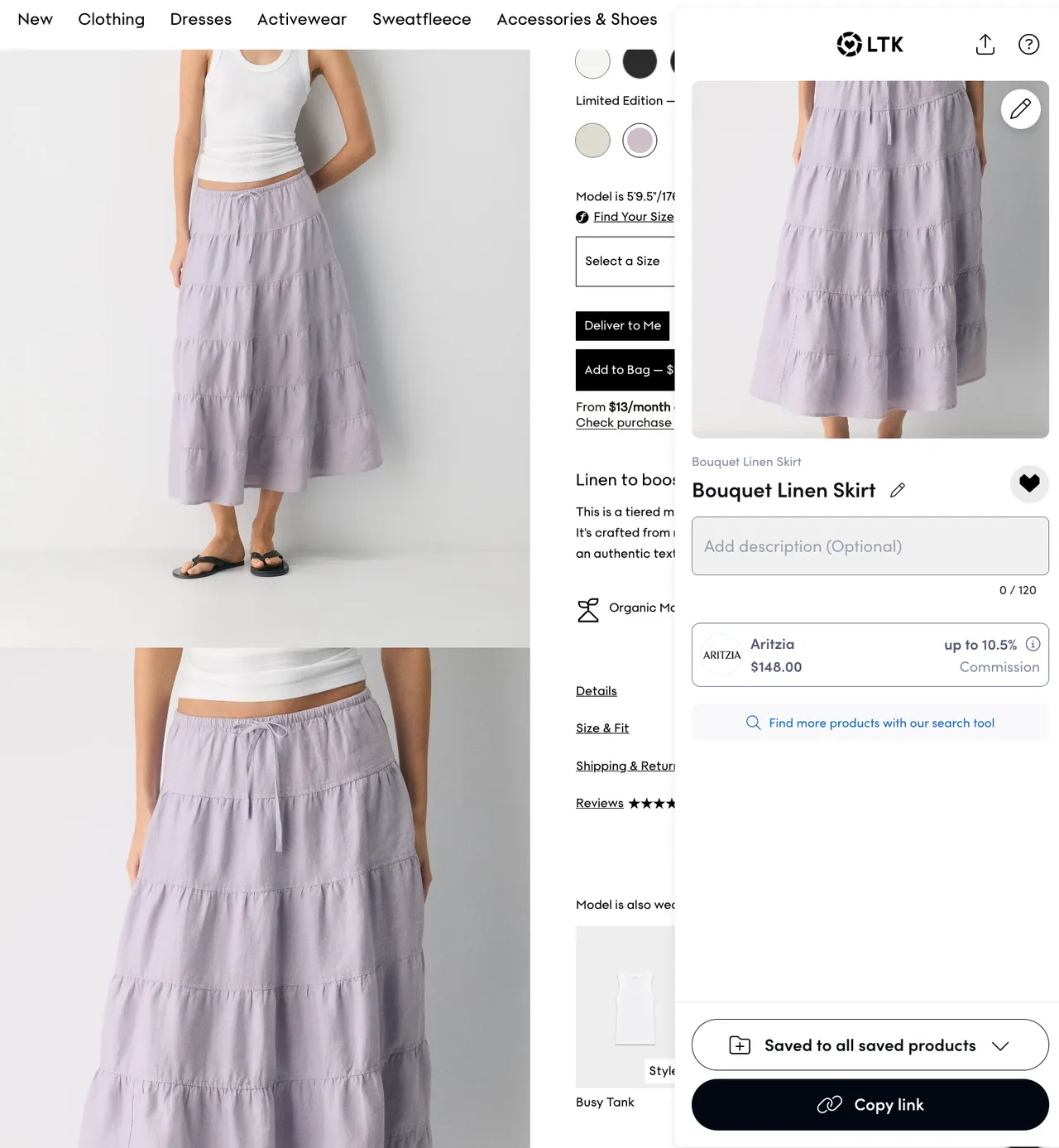
- LTK (LikeToKnowIt) — covers a large amount of clothing and gear brands. I don't find their tool very user-friendly since there's no API access, but their Chrome extension makes generating links straightforward. I link most of my clothing brands this way.
- Brand direct affiliate programs — you can apply directly to a brand's affiliate or influencer program, usually found at the bottom of their website.
- Impact — another affiliate network, though not my favorite. You have to get each brand approved individually and they're more strict with accepting applicants.
- Benable — you can link virtually anything and make passive income off your site. Use this link to skip the waitlist and sign up.
Affiliate links are not guaranteed income, but they're worth setting up and sharing when appropriate. When I get something from them I treat it as a nice-to-have, not my main source of generating money.