Nowhere to go, but everywhere.
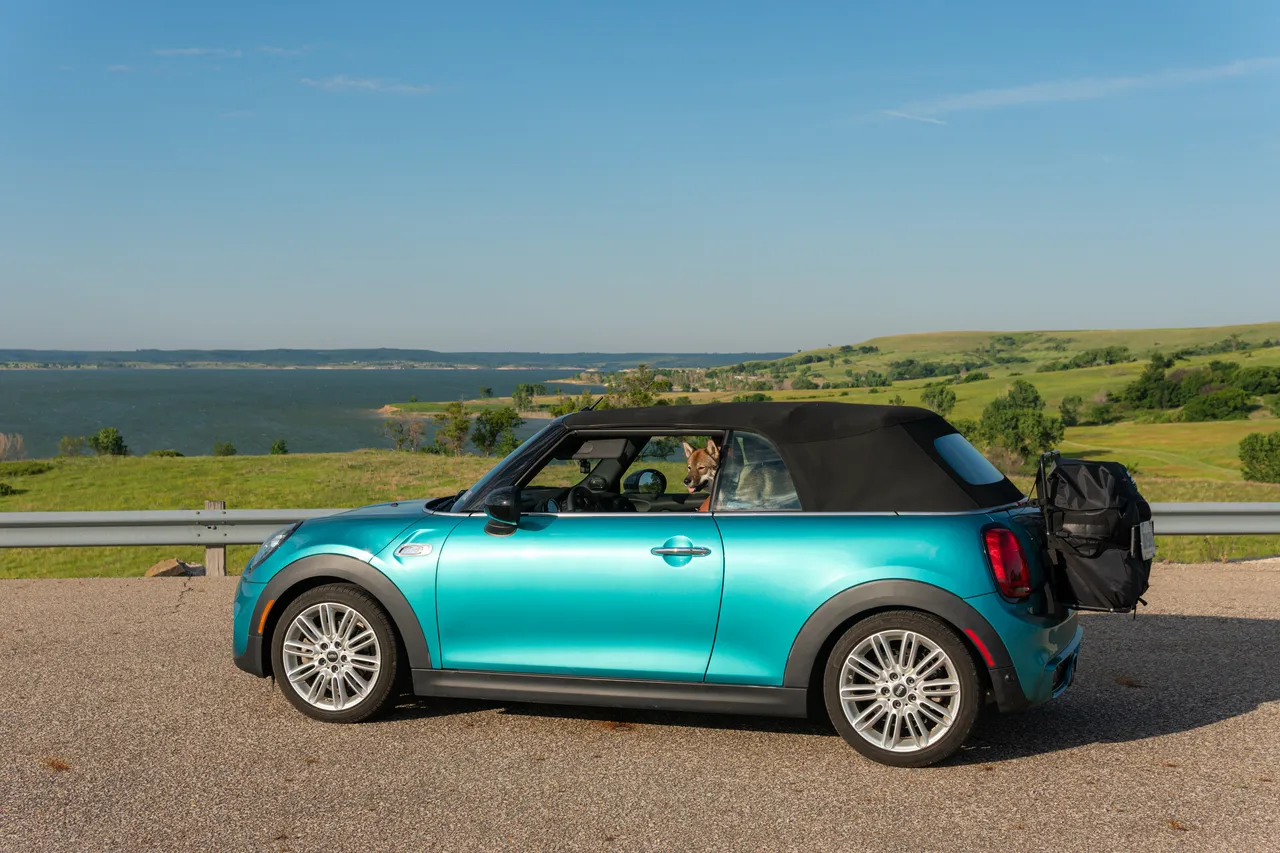
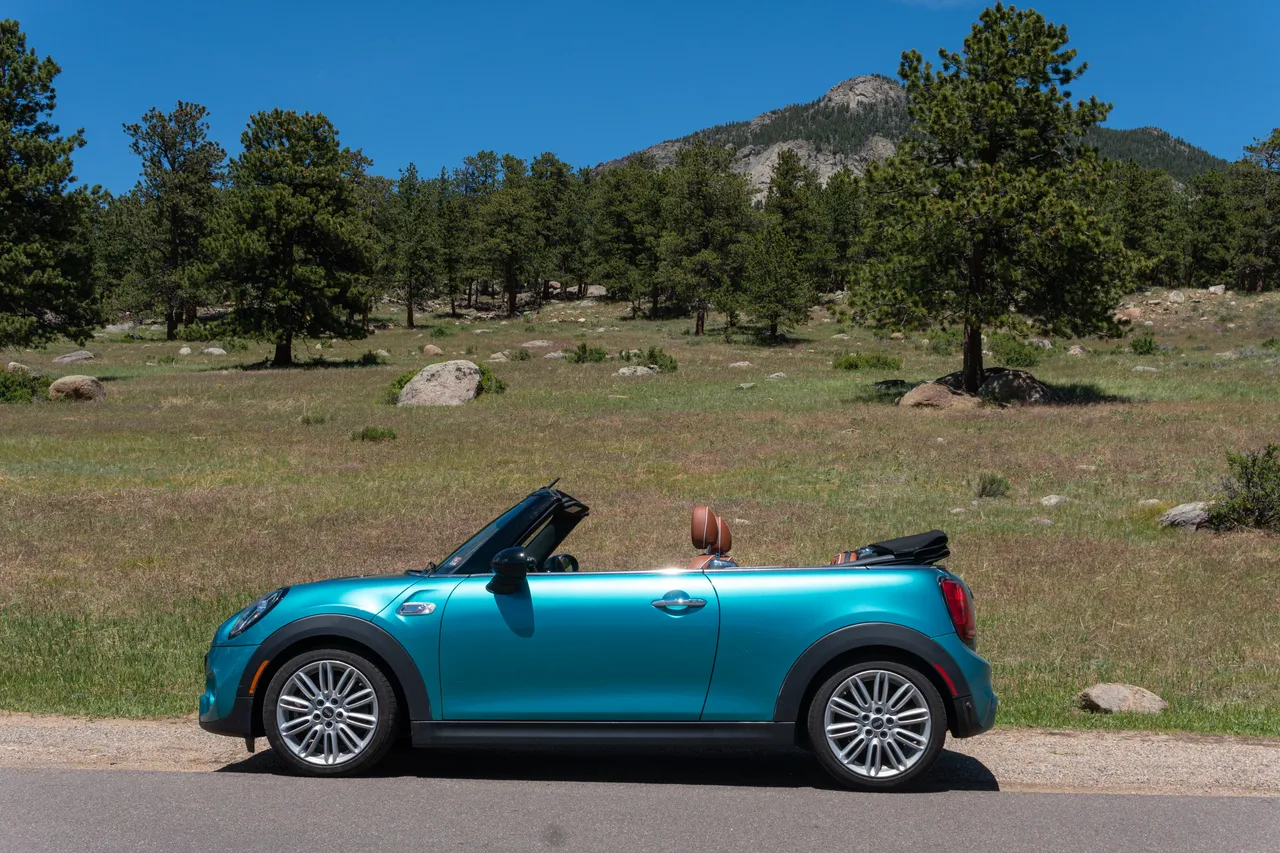
When I started thinking about getting my own car, I wanted something that actually felt like me — cute, a little compact, but more capable than it looked. I didn't initially love the look of MINIs. But in 2018 I sat down in a MINI Cooper S convertible at a dealership on a whim, and something clicked. I knew immediately it was the car for me. It's powerful like a little go-cart, but also everything is rounded, soft edges, and it fits so easily in new places.
Driving that convertible made driving fun — which sounds simple, but I'd always dreaded it before, especially growing up in the DC area with lots of driving time spent in traffic and around enraged drivers. I prefer windows down anyway, so having the top fully removable was something else entirely. There's nothing like it. Night drives, with the heat blasting, the cool summer wind in your face, music up, open road, stars easily viewable from above, it changed how I thought about getting from place to place.
Eventually, as Sora grew and our adventures got bigger, I traded the convertible in for the Countryman — the compact SUV version, with all-wheel drive and enough room for a dog, a human, and a week's worth of gear. Same spirit, more capable. And the trips just kept getting longer. Here's where we've been.
The Move That Started It All
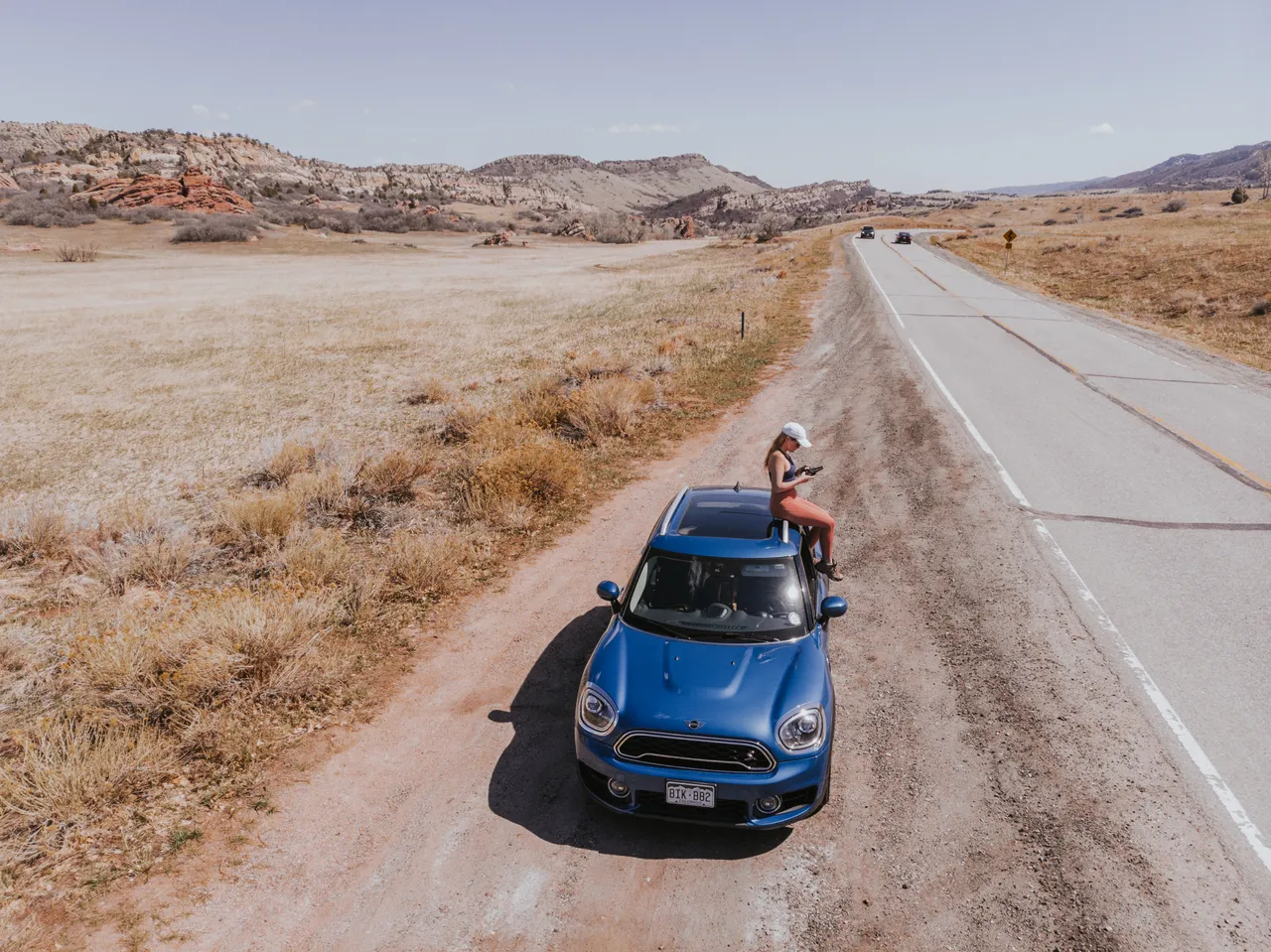
After months of quarantine with just my dog and four walls, something shifted. I kept having this urge to leave — to pack up and go somewhere new. My engineering job had gone fully remote, which meant I could essentially copy-paste my life anywhere. I made lists of cities. I kept landing on Denver. I'd never been, didn't know a single person there. It was COVID. If I could survive isolation in Virginia, I could survive it in Colorado.
In June 2020, I signed a four-month furnished lease and started packing. Everything I could fit went into the MINI Cooper convertible. Virginia → Maryland → West Virginia → Ohio → Indiana → Missouri → Kansas → Denver. Sora went in the passenger seat. We headed west with no plan beyond "if I'm unhappy, I can always go back."
I wasn't outdoorsy — not really. But I figured I could learn if I had to, and I had Sora. That first Colorado summer was solo hikes and wildflowers and figuring out that you don't need to know what you're doing to start. After a year of that, I was ready to try somewhere new. Same plan, new city: upgraded to a Countryman for extra space, packed up again, and moved to Seattle.
Colorado: Home Base
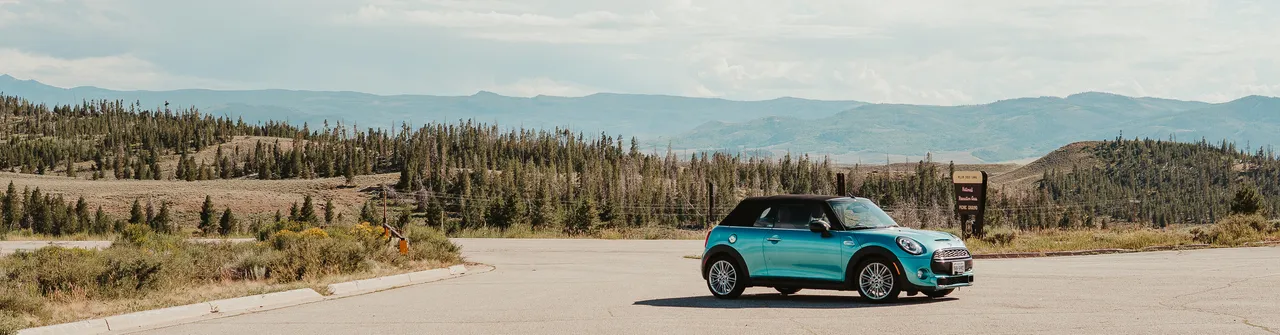
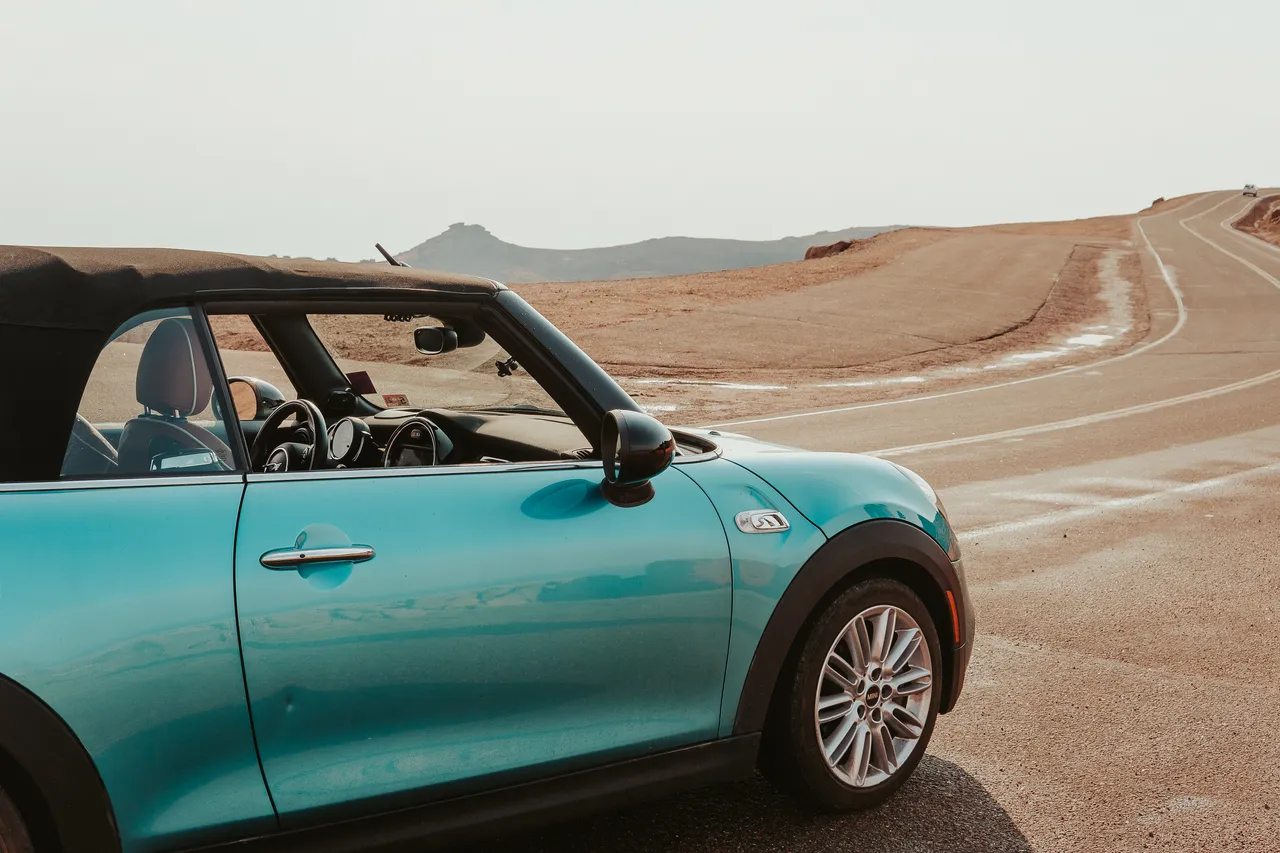
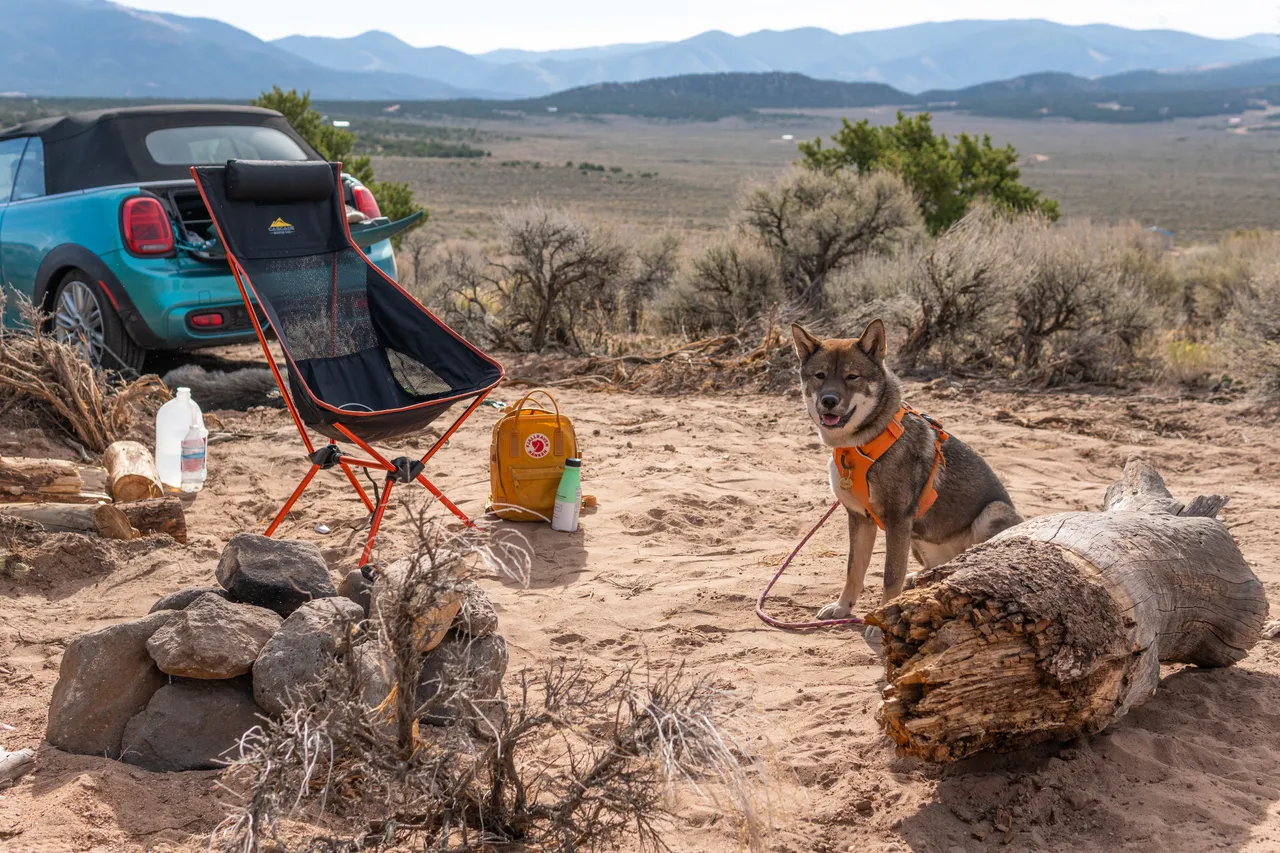
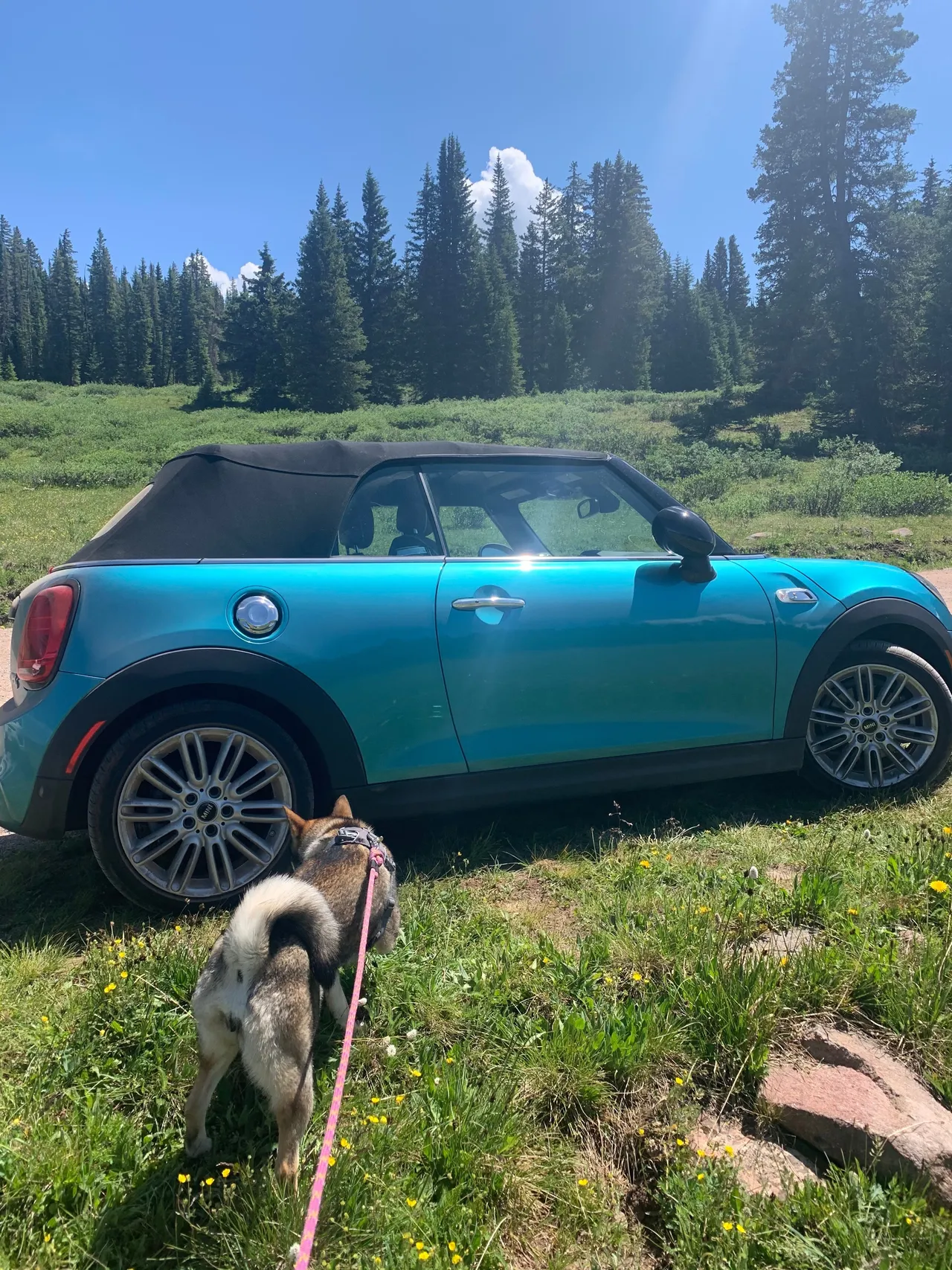
That first summer in Colorado, the convertible earned its stripes. I drove it up Pikes Peak — all 14,000 feet of it, in manual mode, because the car required it. The switchbacks, the altitude, the thin air: the little convertible handled all of it without complaint. MINIs belong in the mountains.
Getting Comfortable Exploring the Outdoors
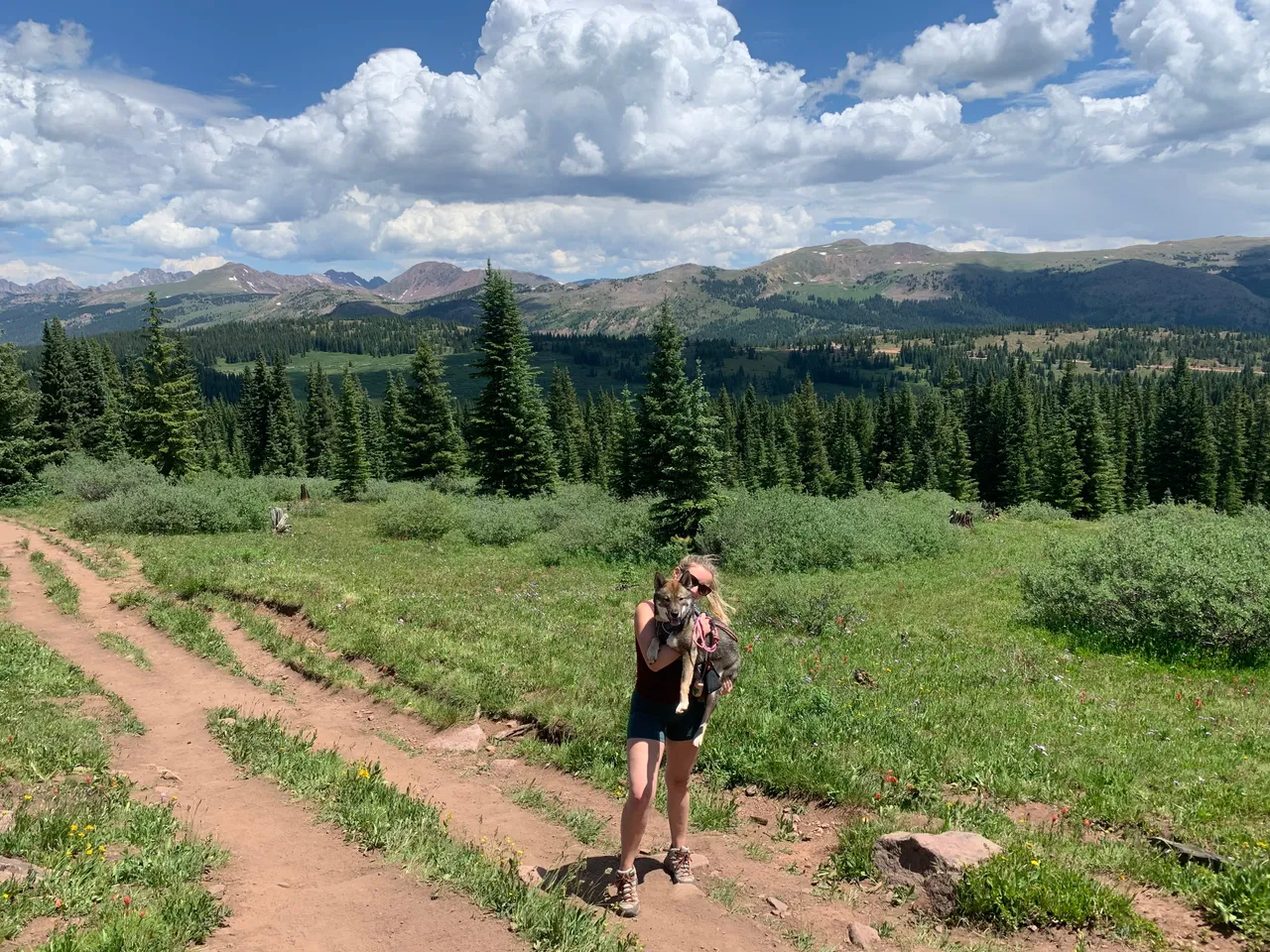
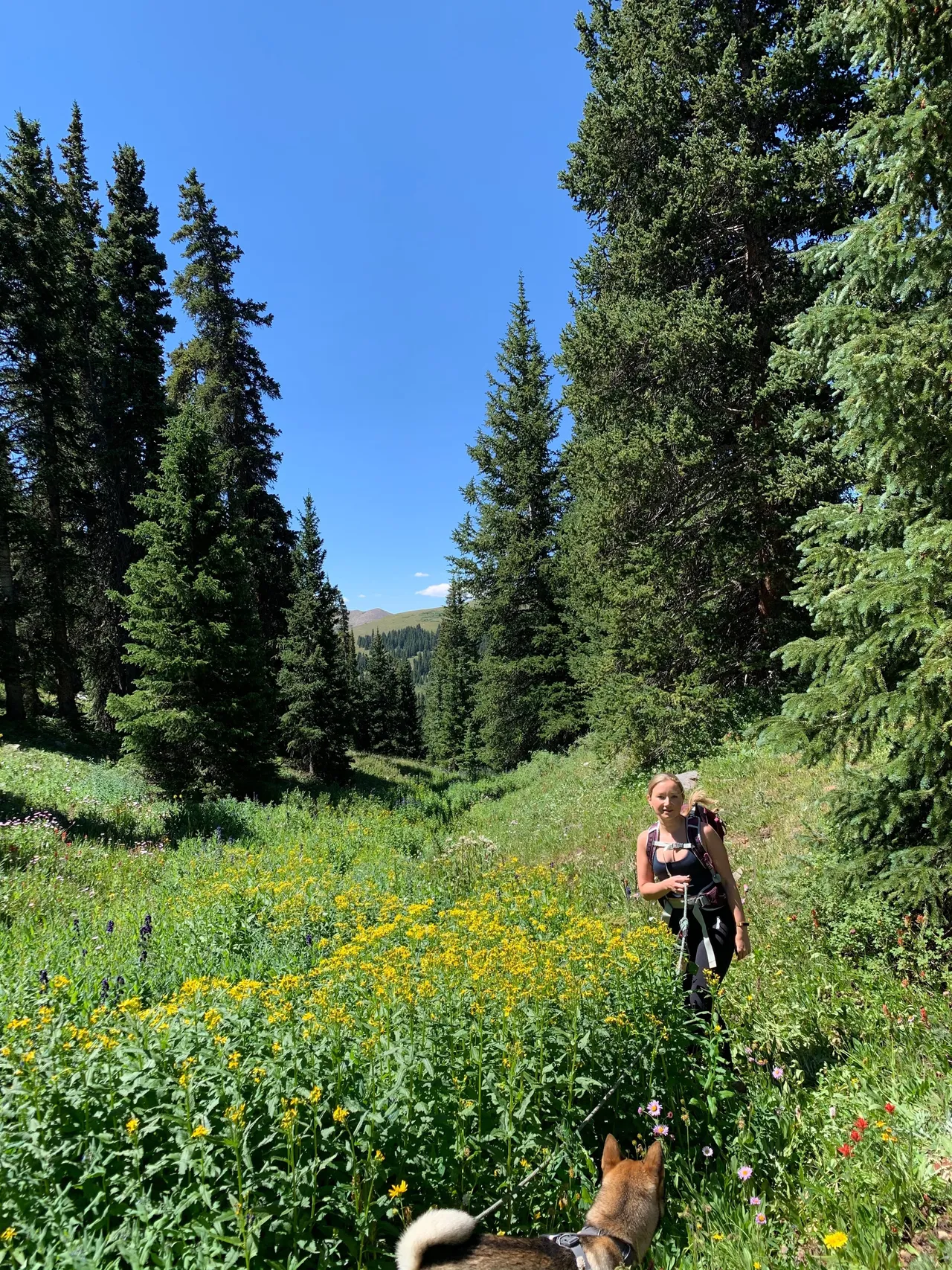
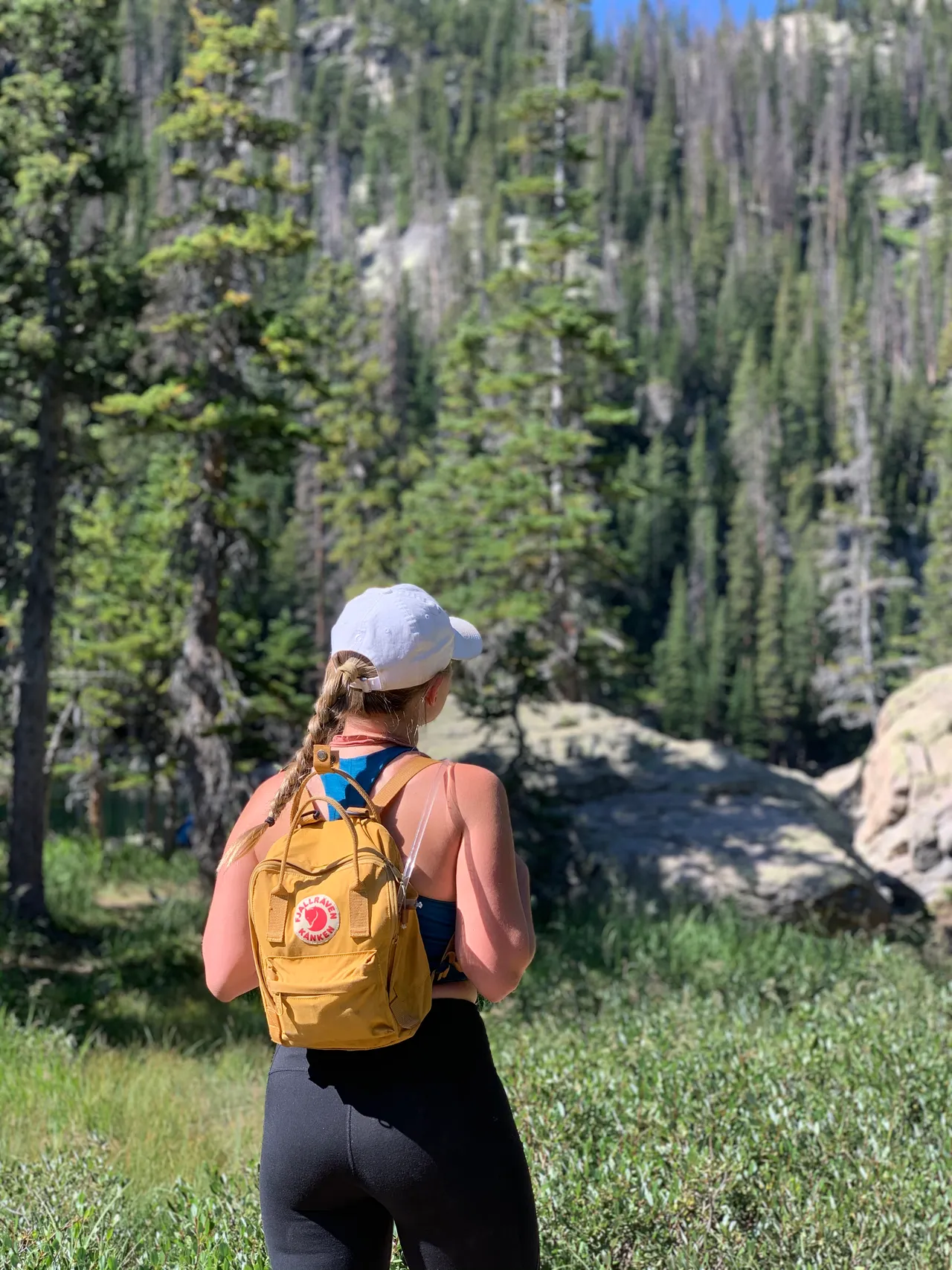
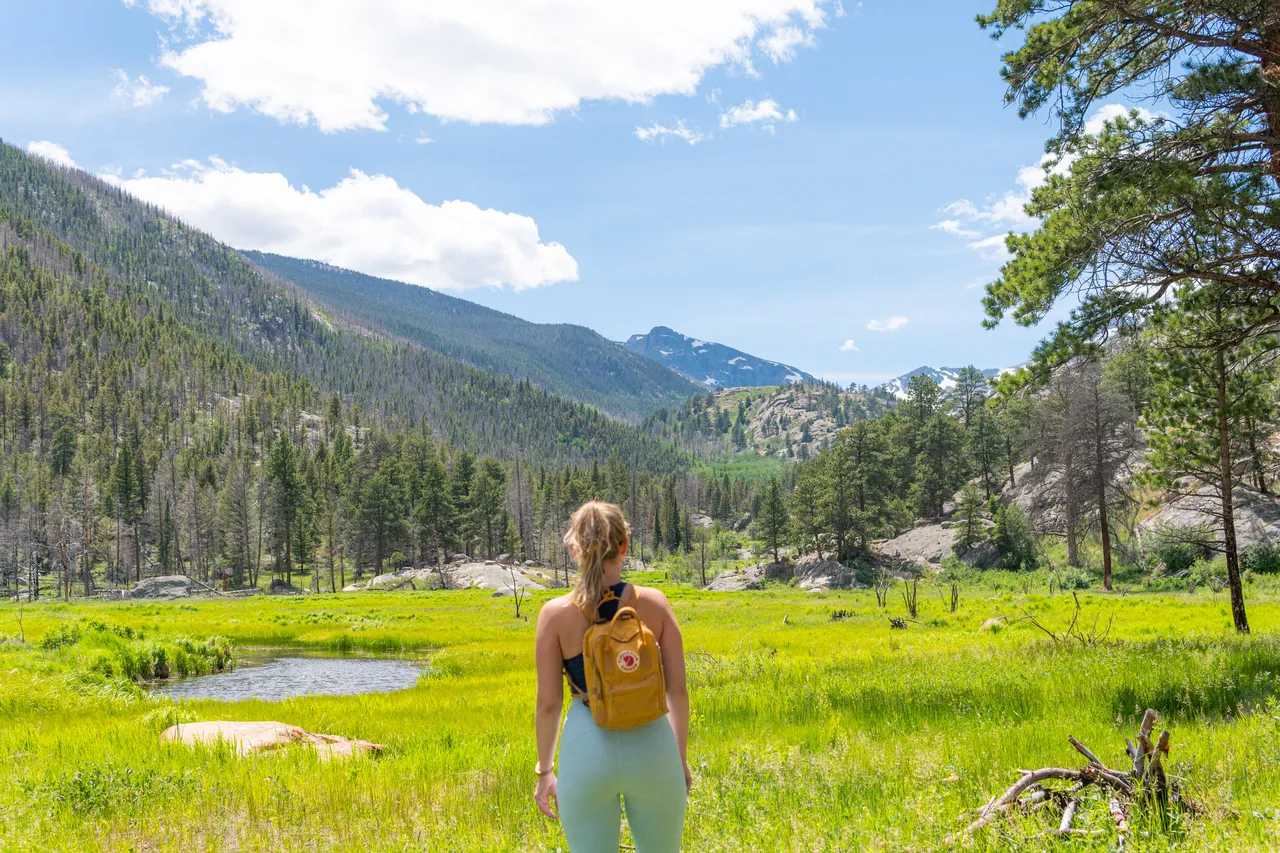
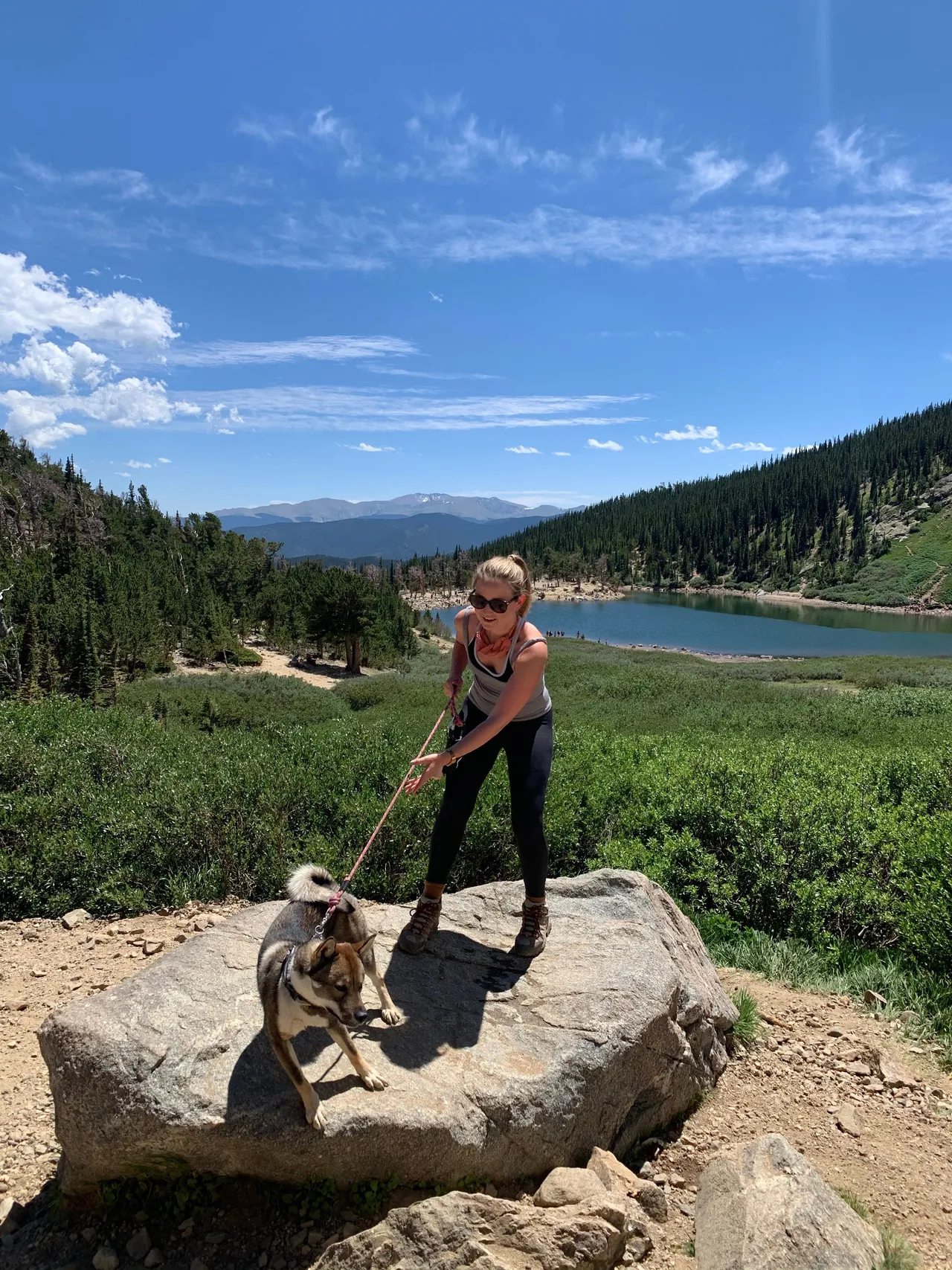
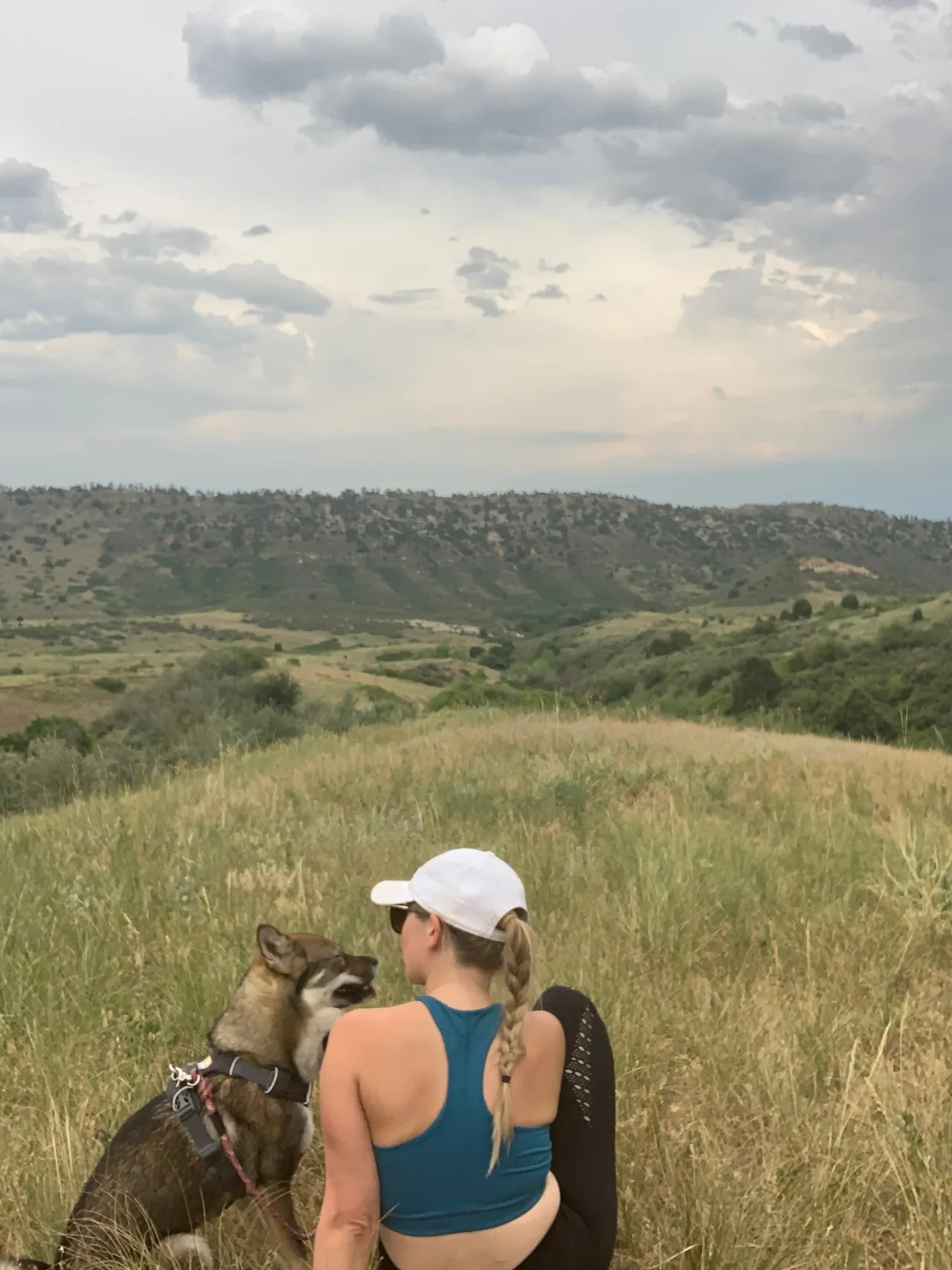
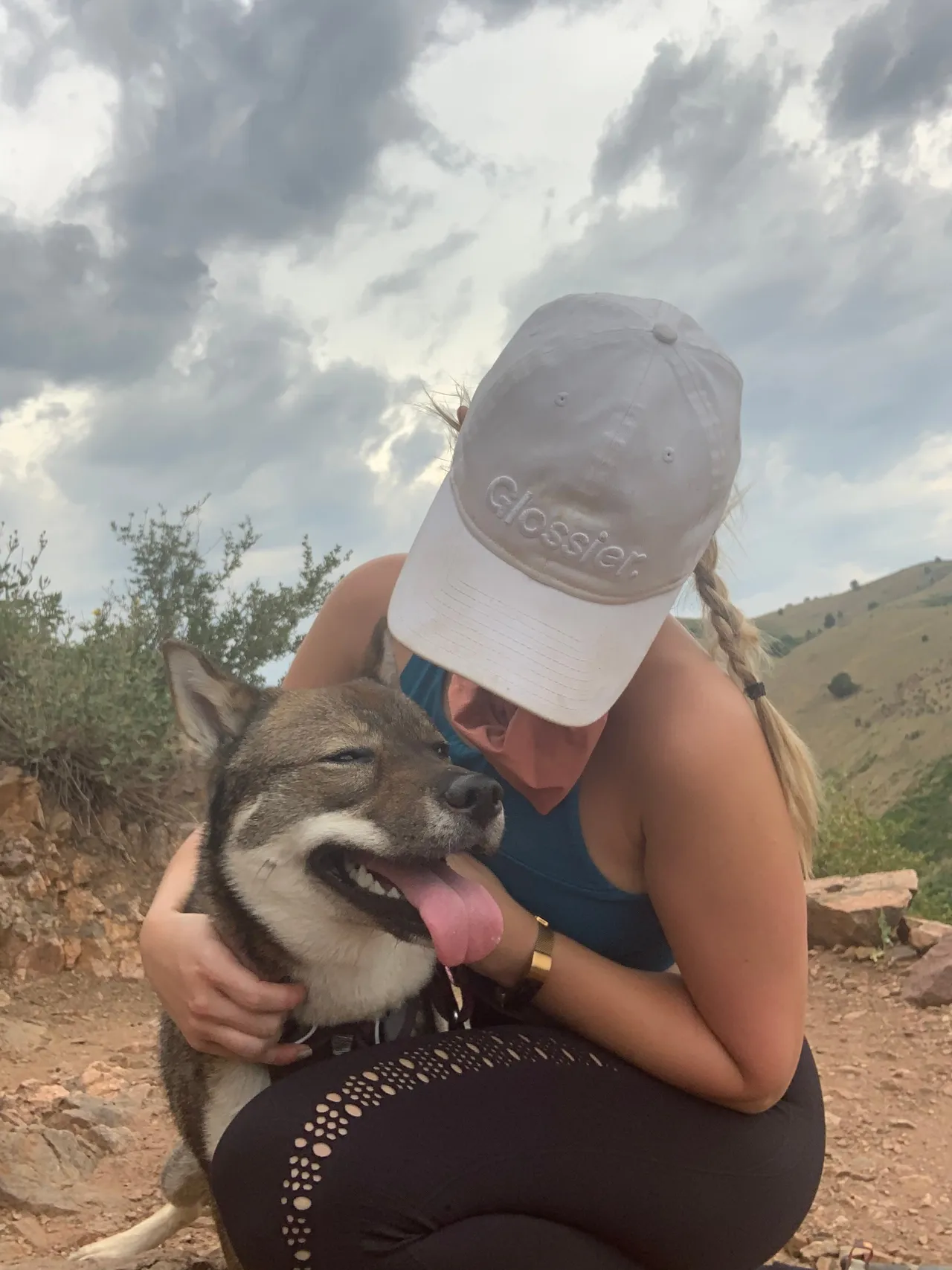
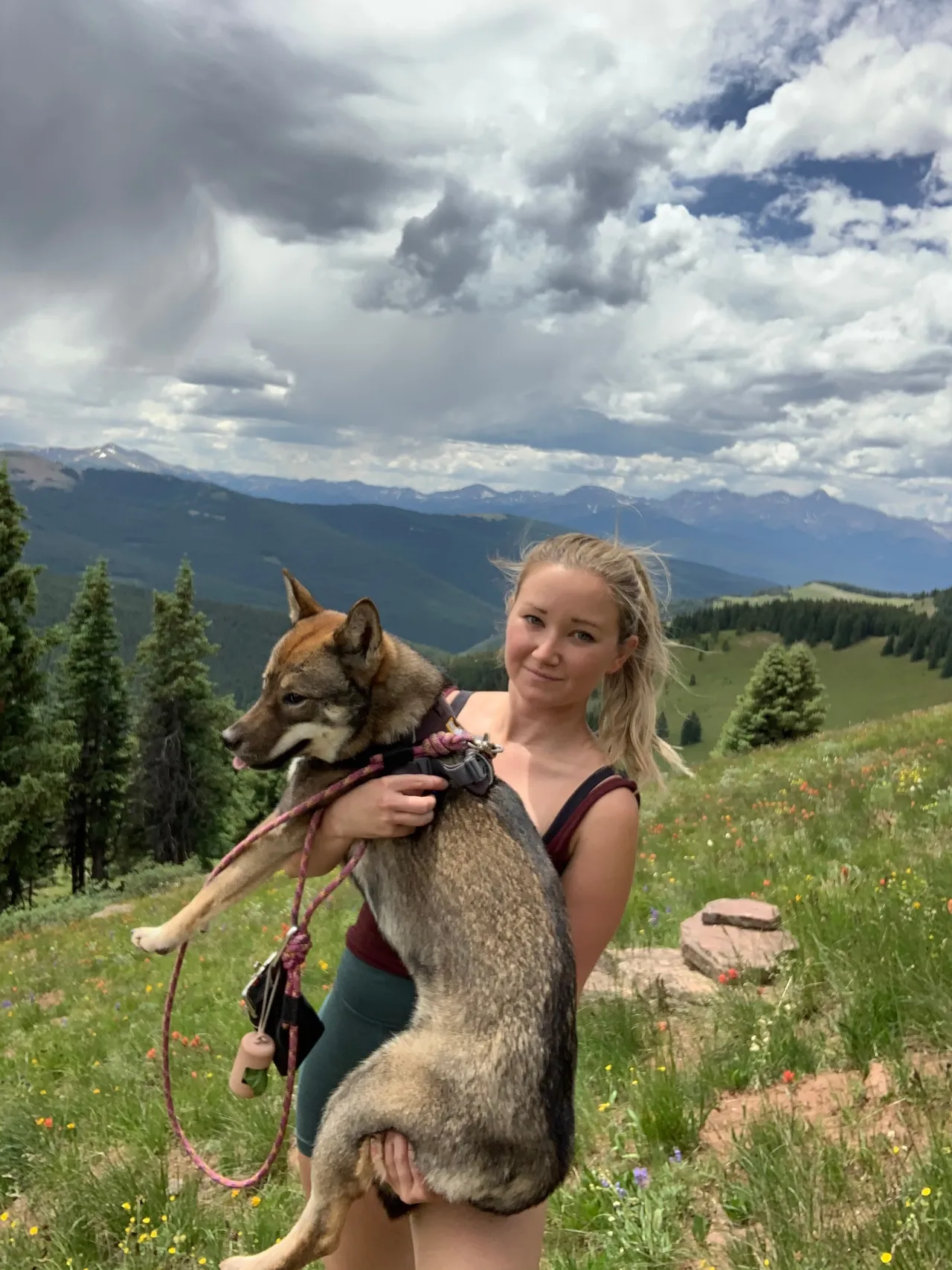
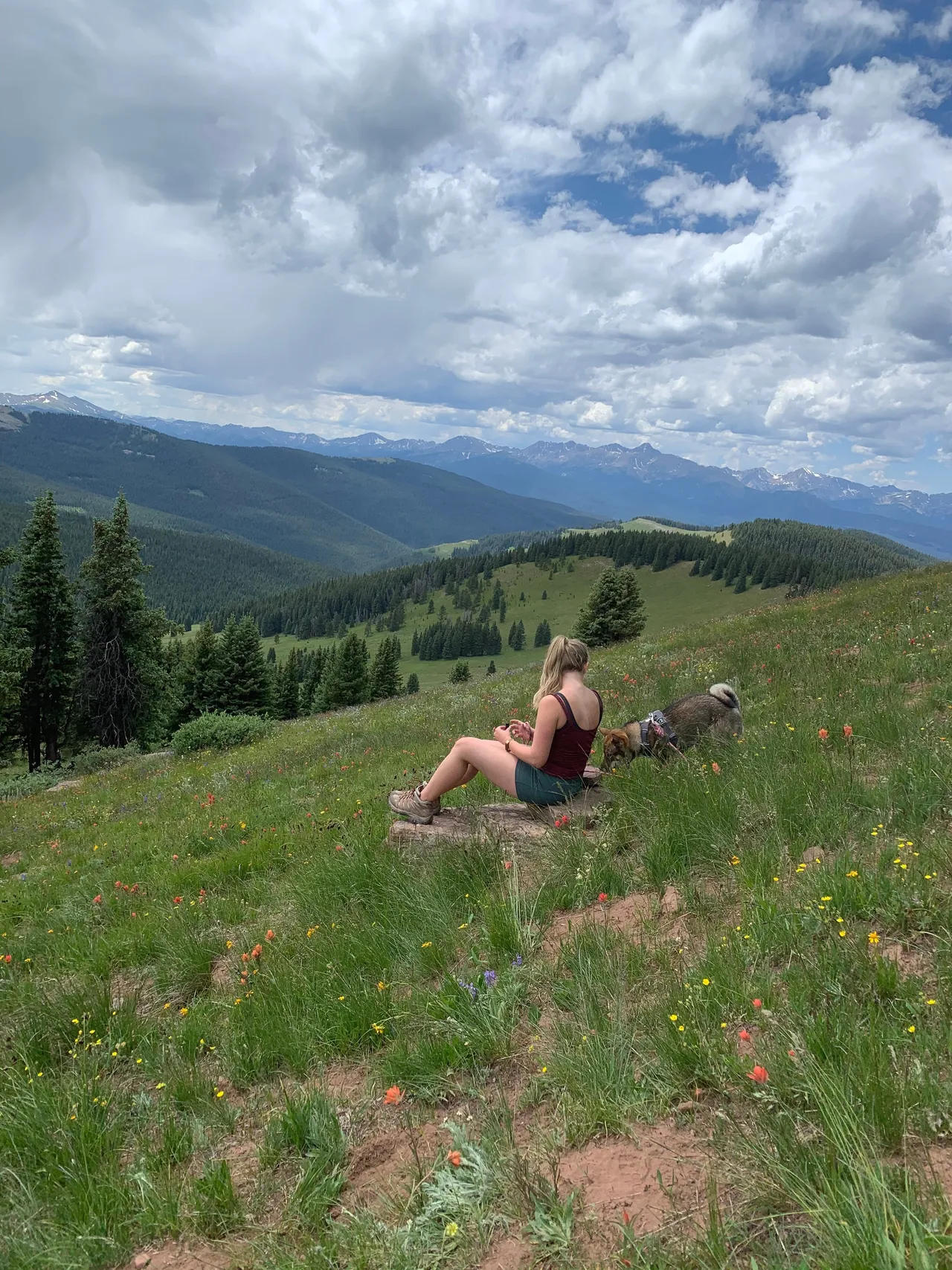
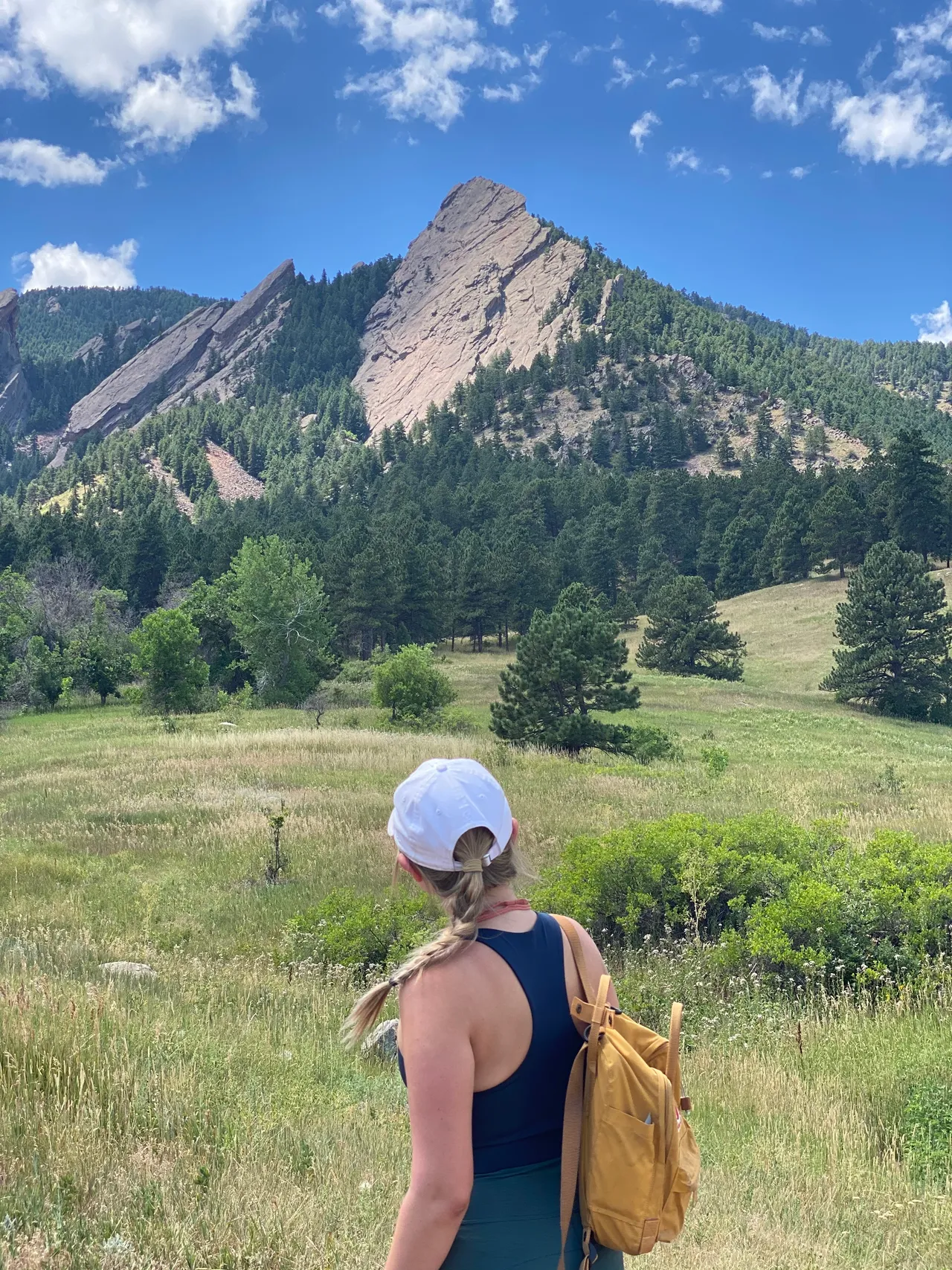
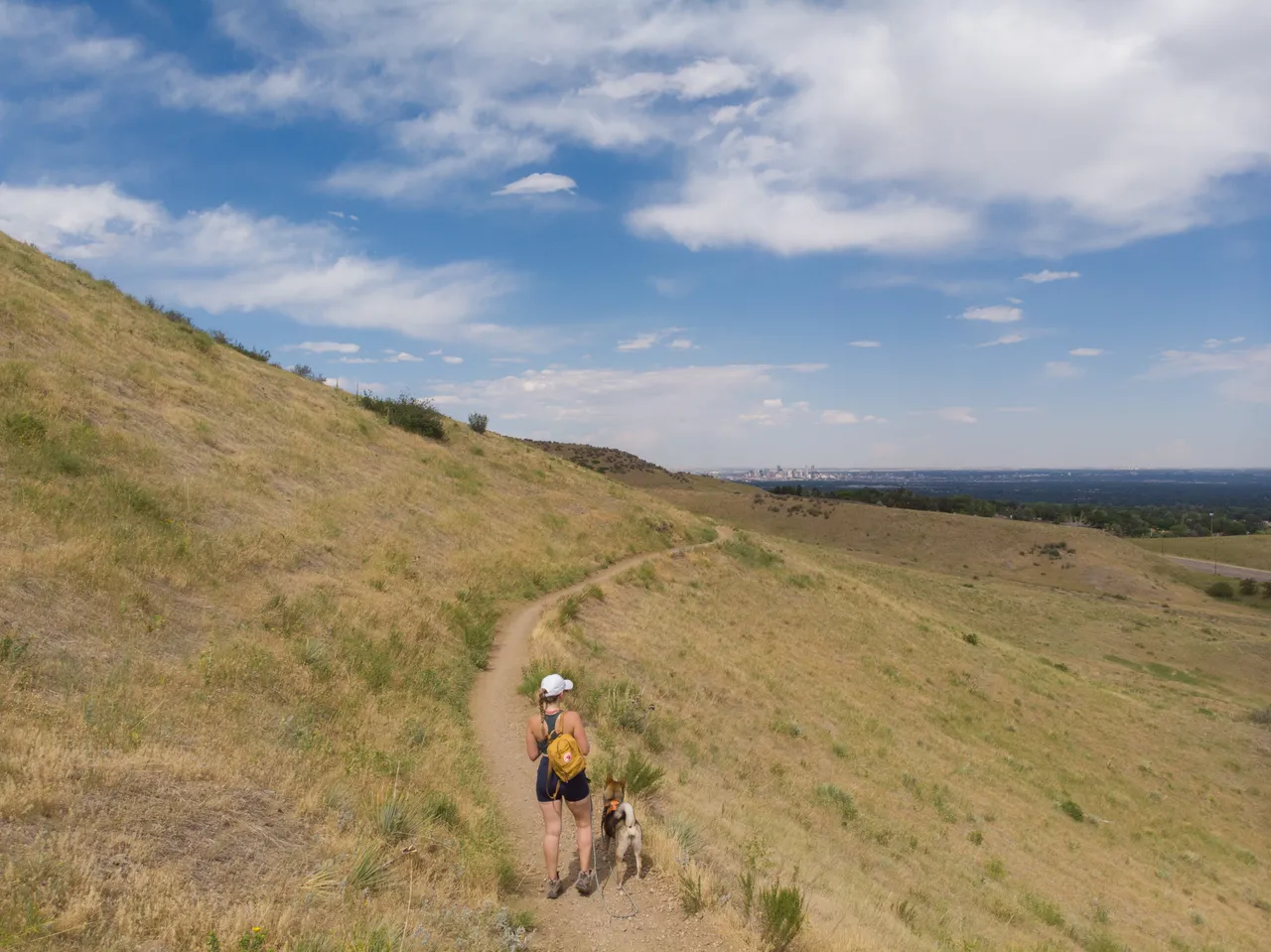
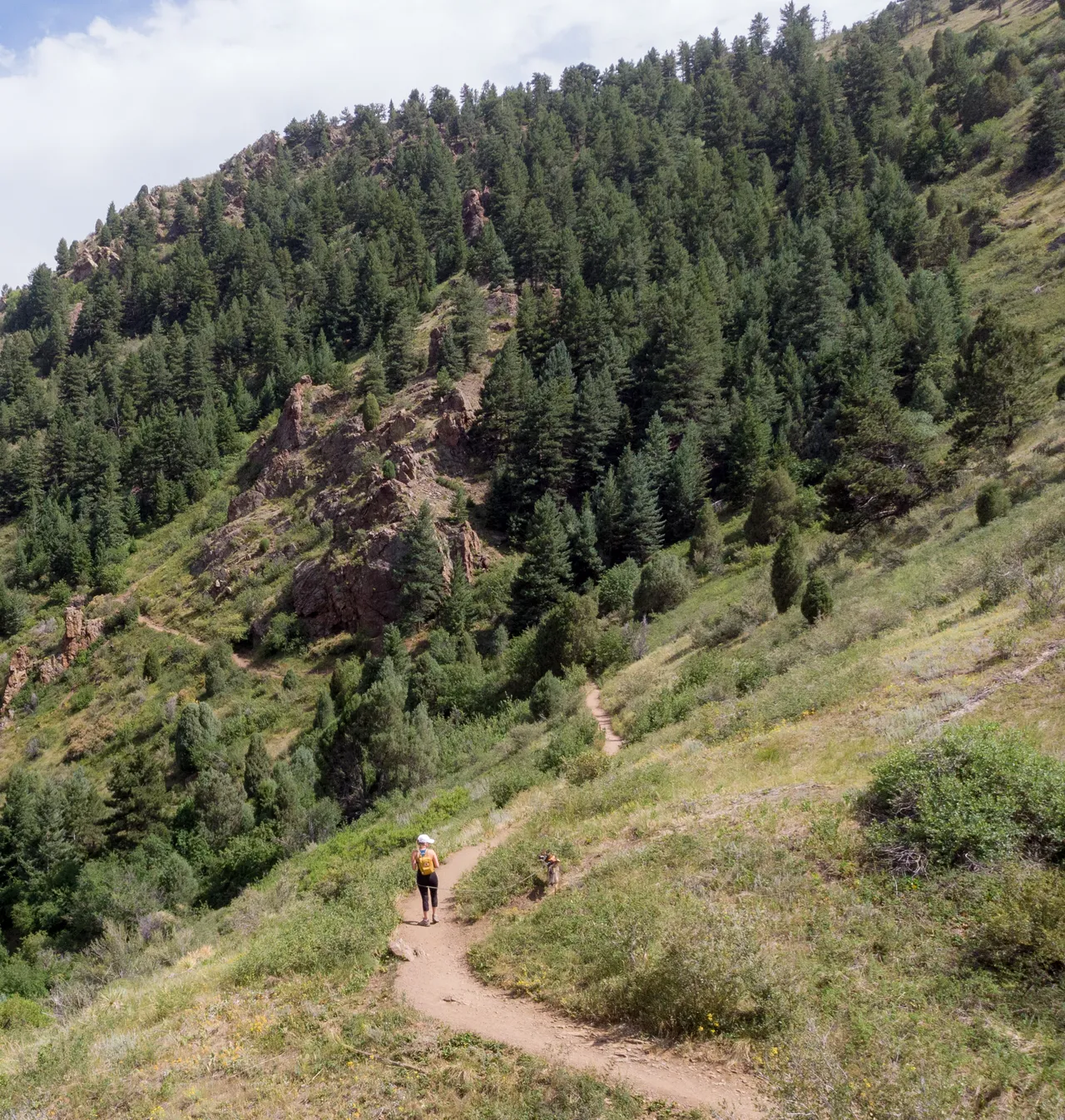
That first year in Colorado was about learning. I didn't grow up hiking or camping — I grew up in the suburbs of DC, afraid of bugs and the outdoors. I used to not even take a few steps into a trail and turn around because I was scared and anxious of the unknown — animals, the silence, all of it. COVID really put things in perspective for me, and leaving my hometown inspired me to try to shake things up for my life.
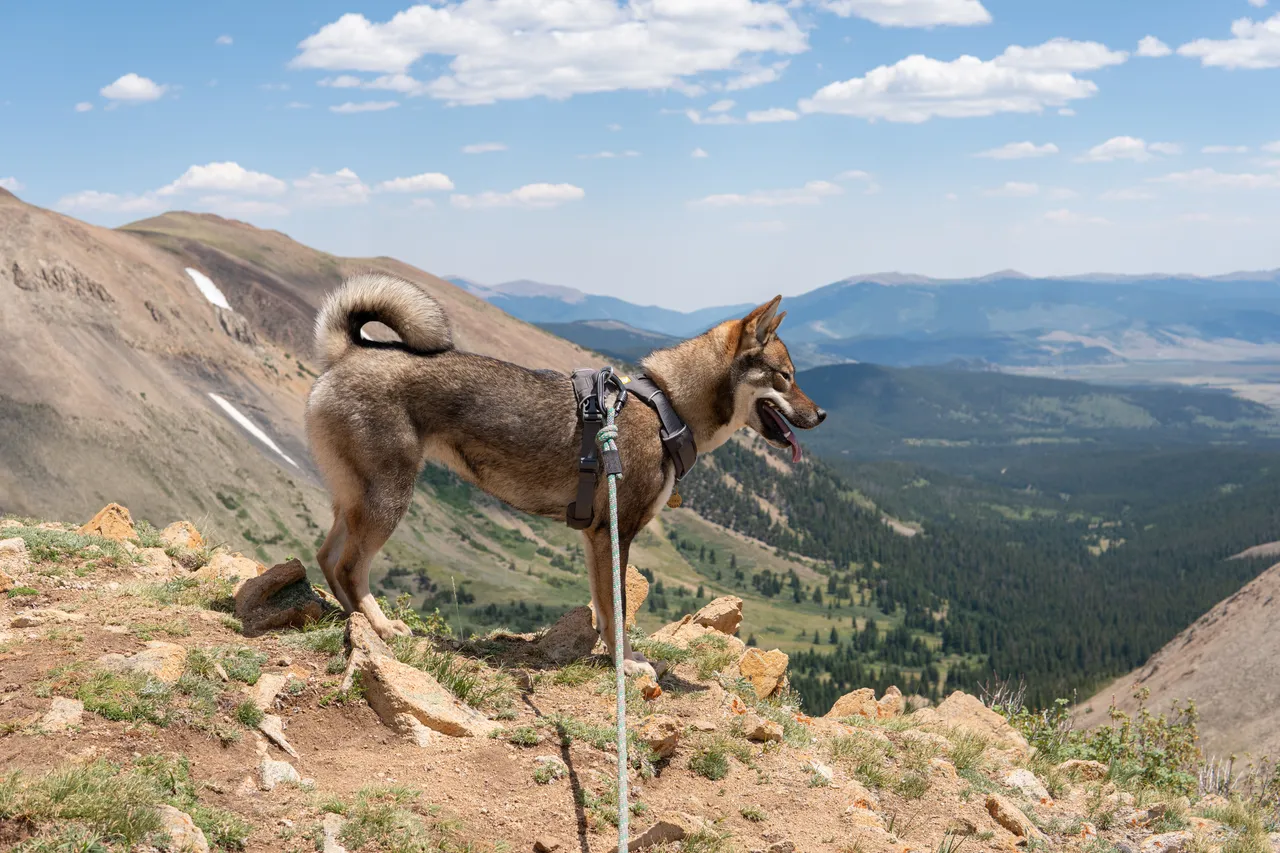
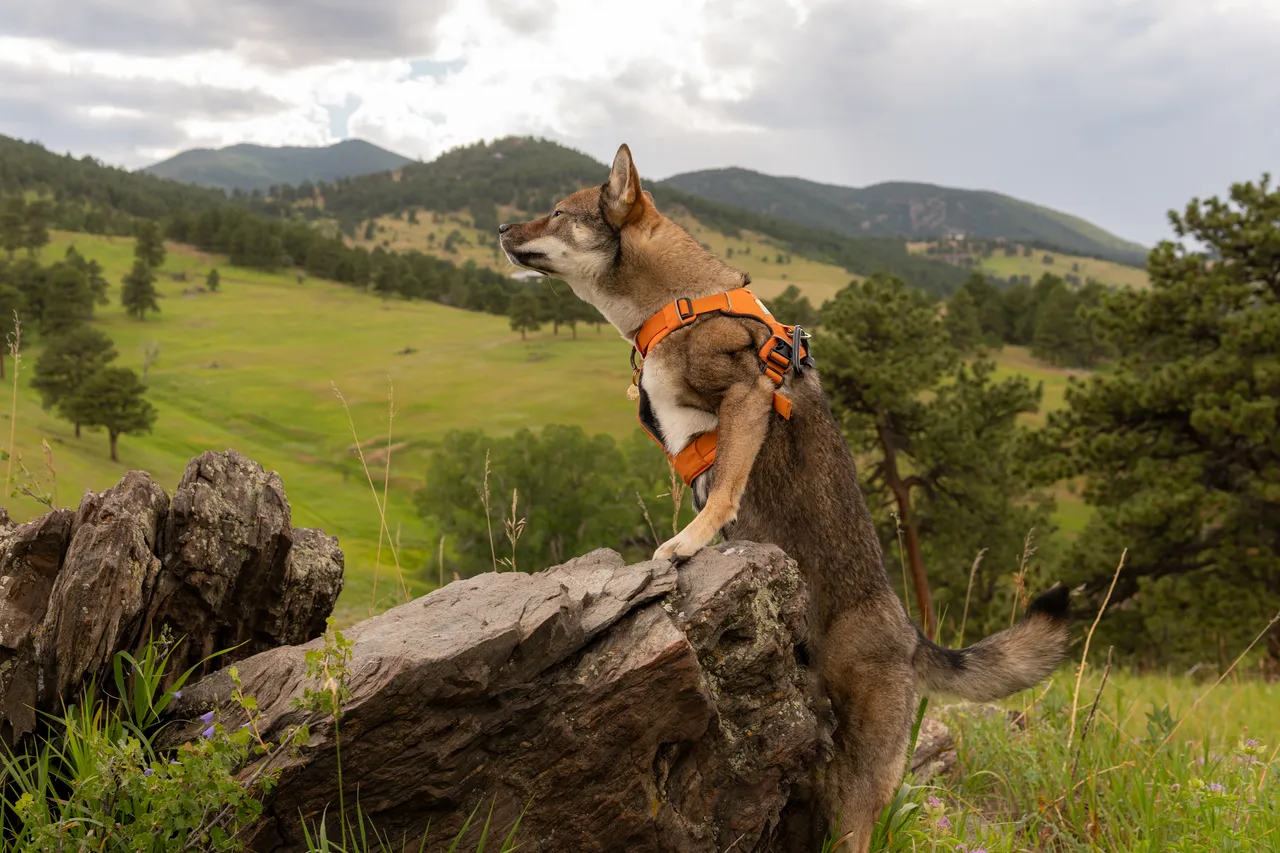
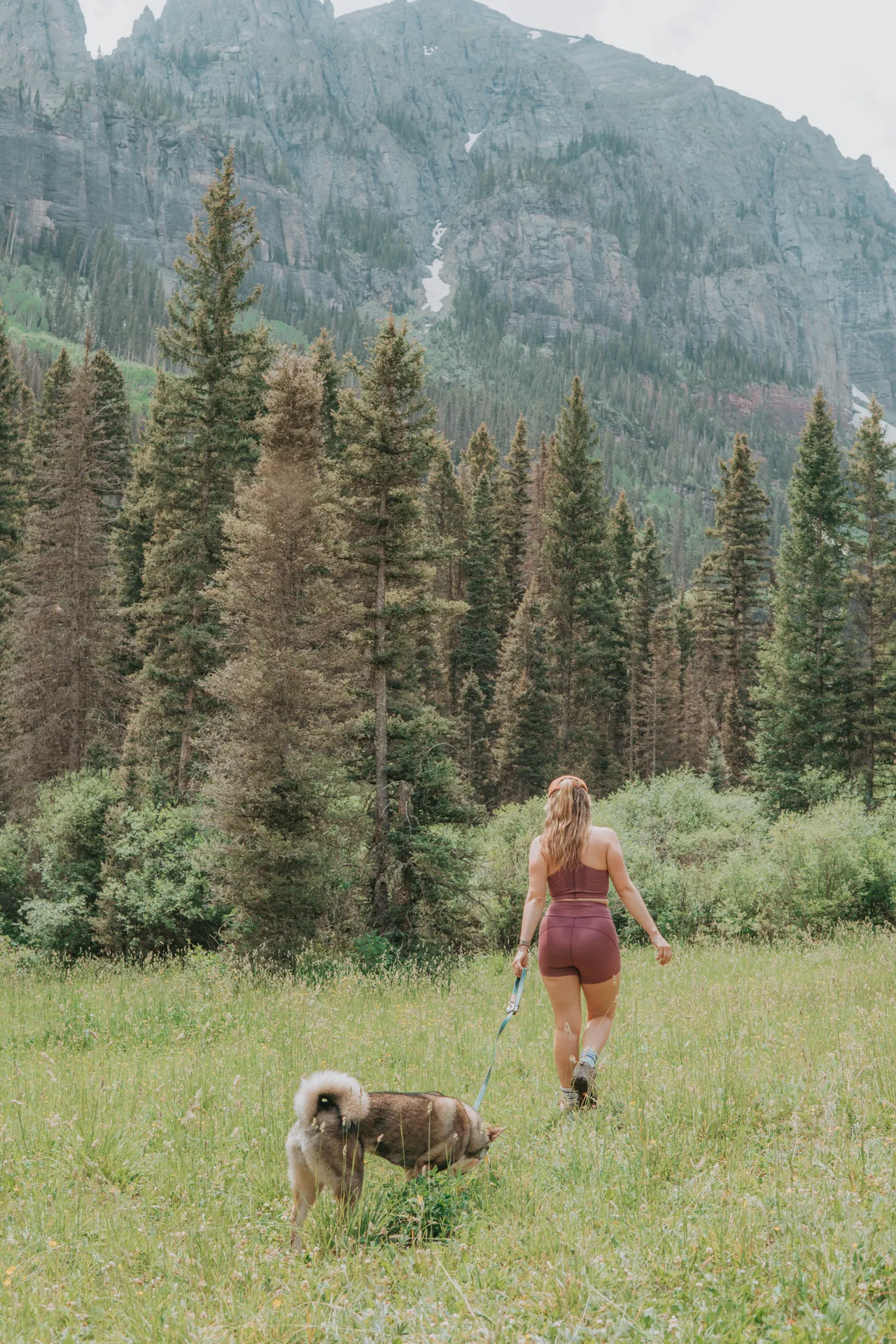
Denver will always be where I learned how to hike and be outside. We figured it out together, learning from other women in the outdoors via dog Instagram. Since I didn't know anyone there, I had no obligations, and it was lonely, but I made peace with it and embraced it. I made a Saturday morning ritual every weekend to try one new place with her — I'd grab an iced coffee from Starbucks, pack up the car, and head out to try a new trail, just me and Sora. I'd take photos and then spend the evening and morning editing them and finding my artistic style.
The Upgrade
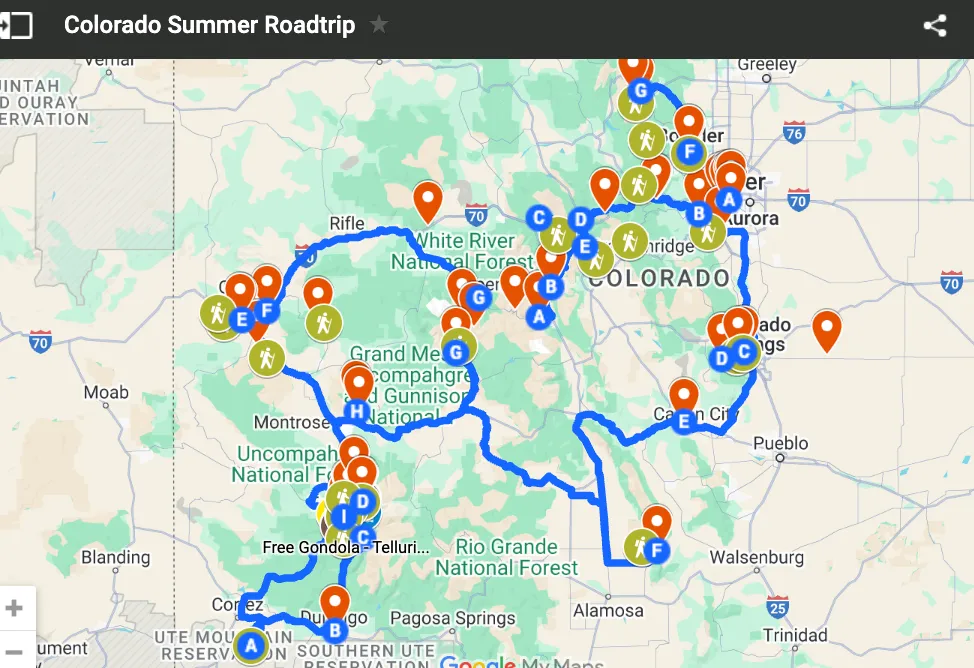
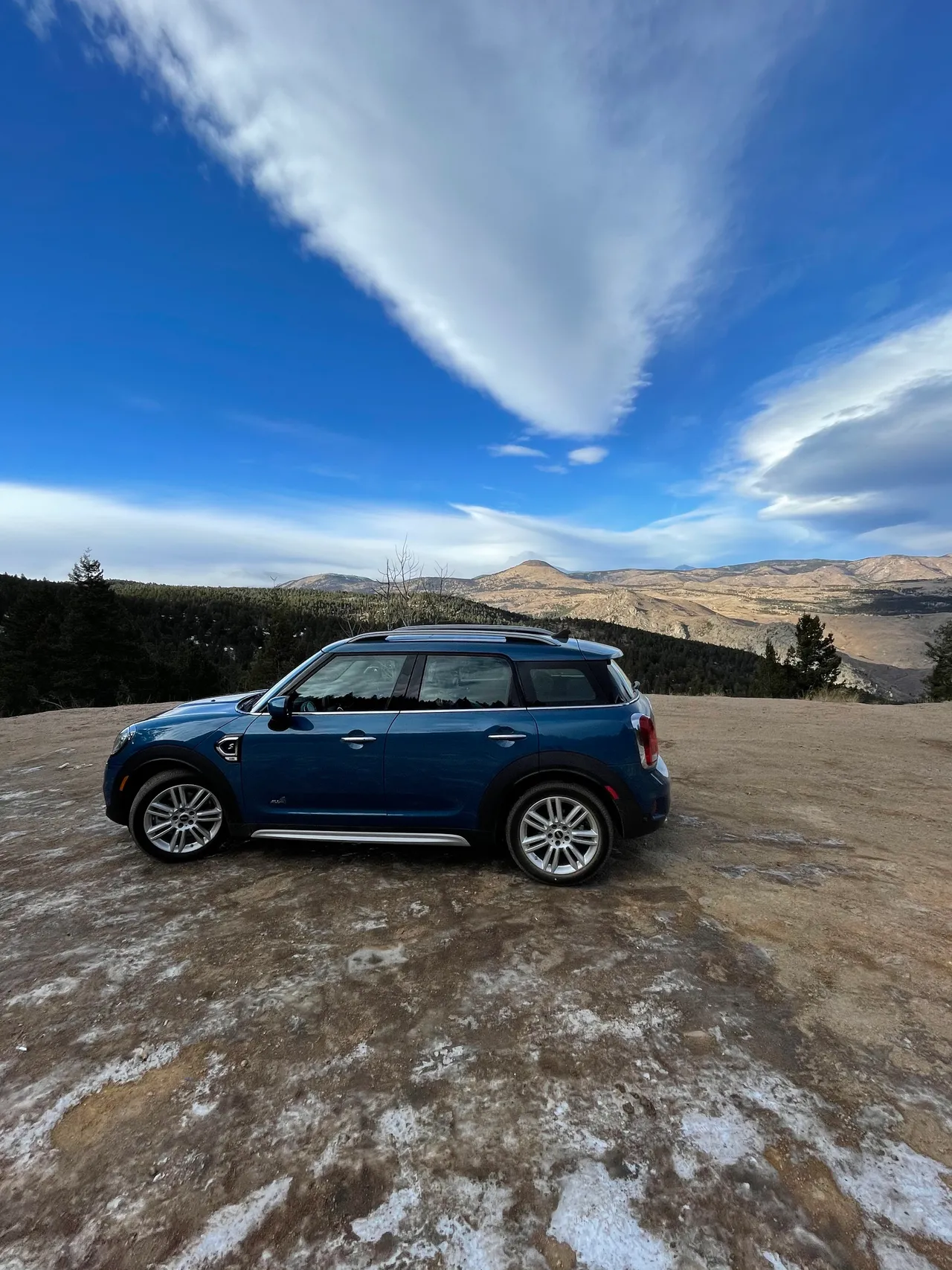
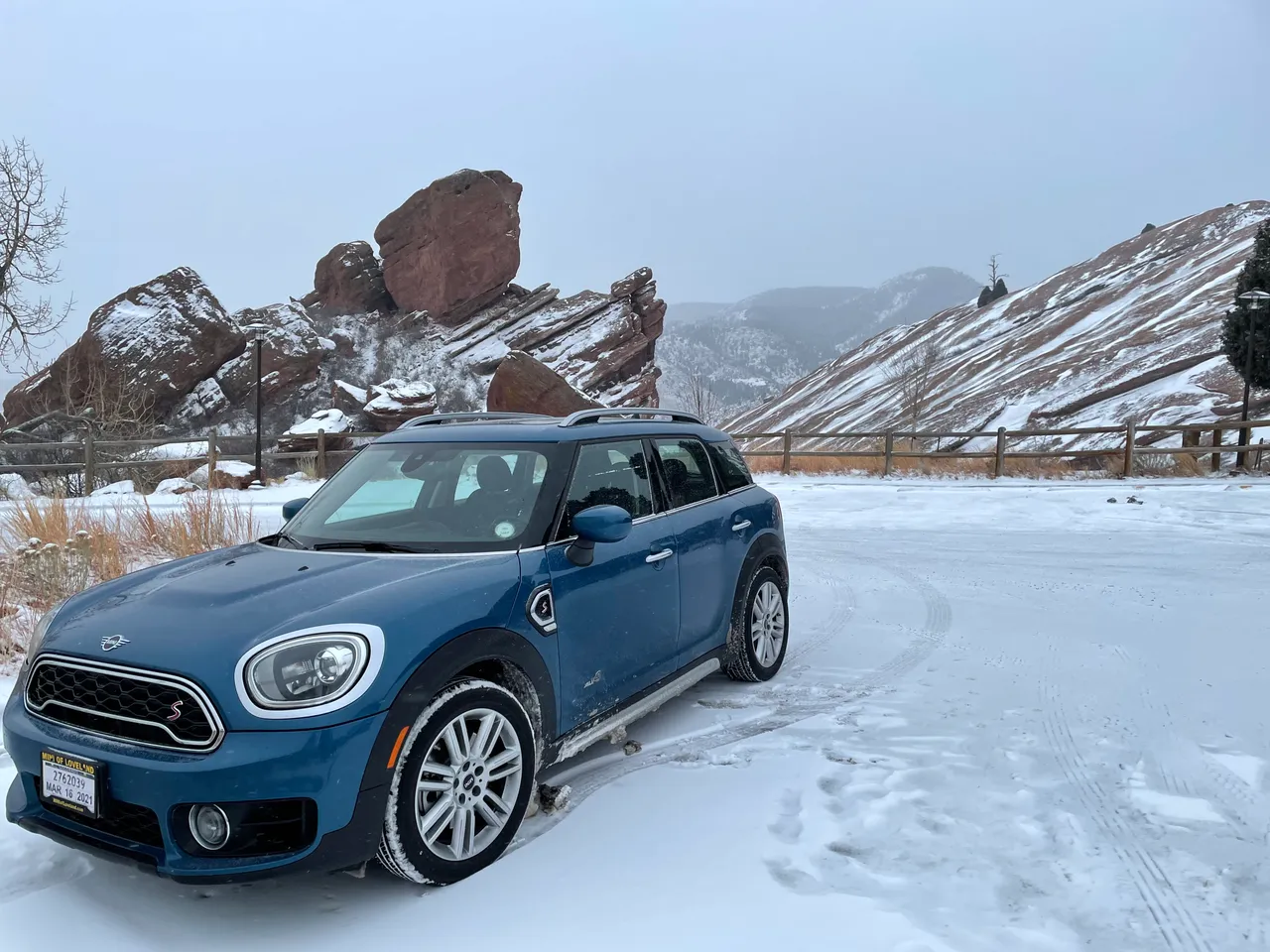
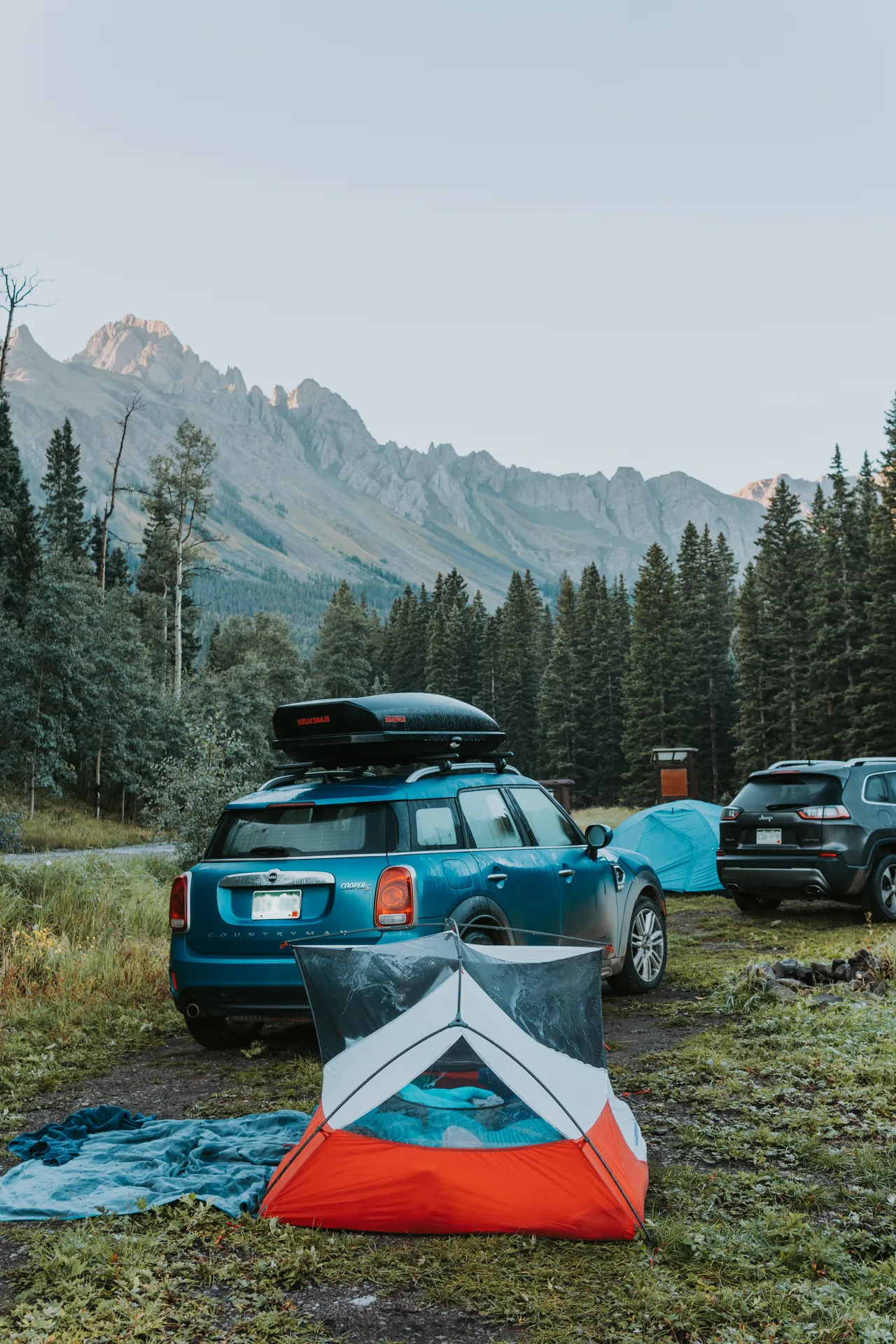
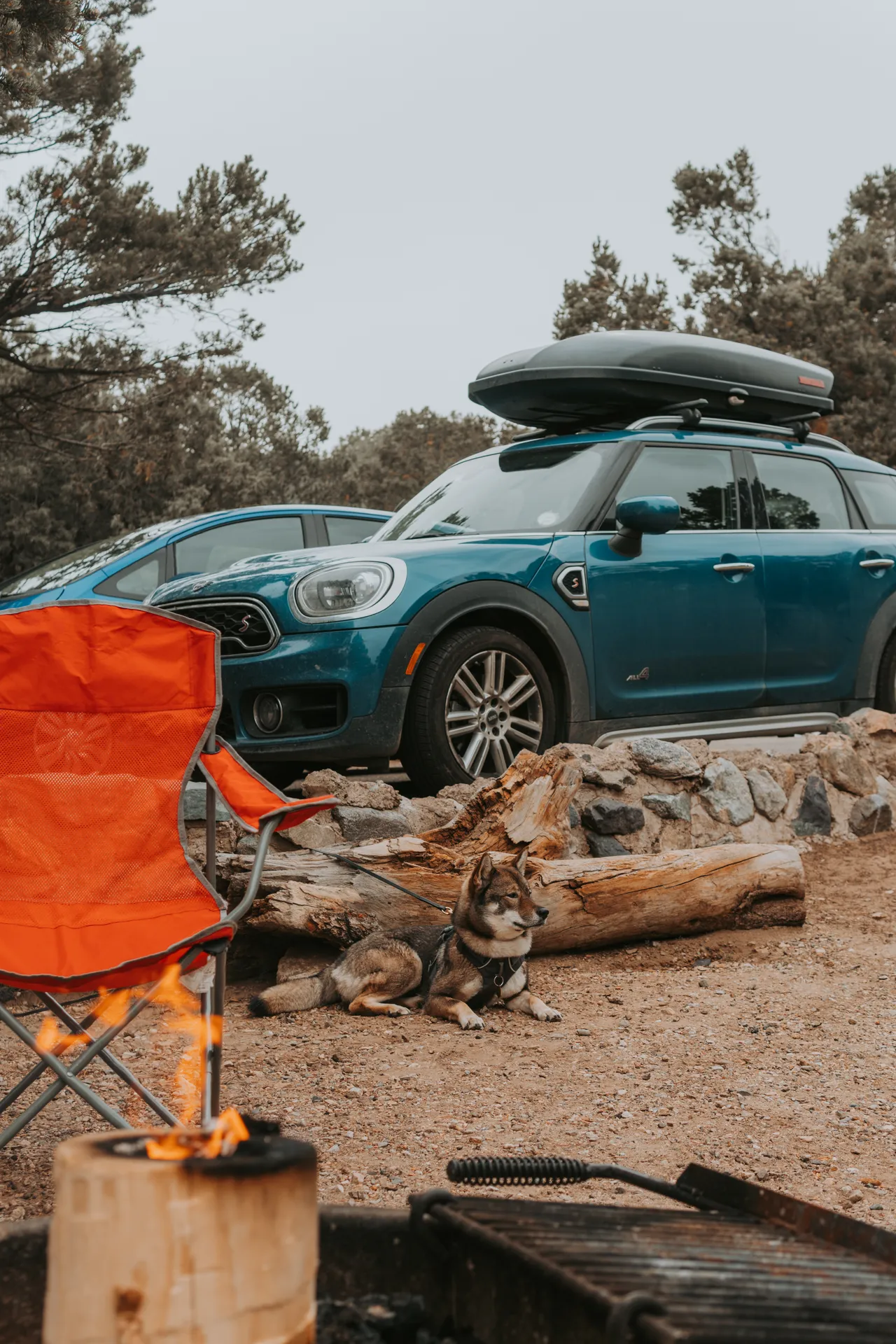
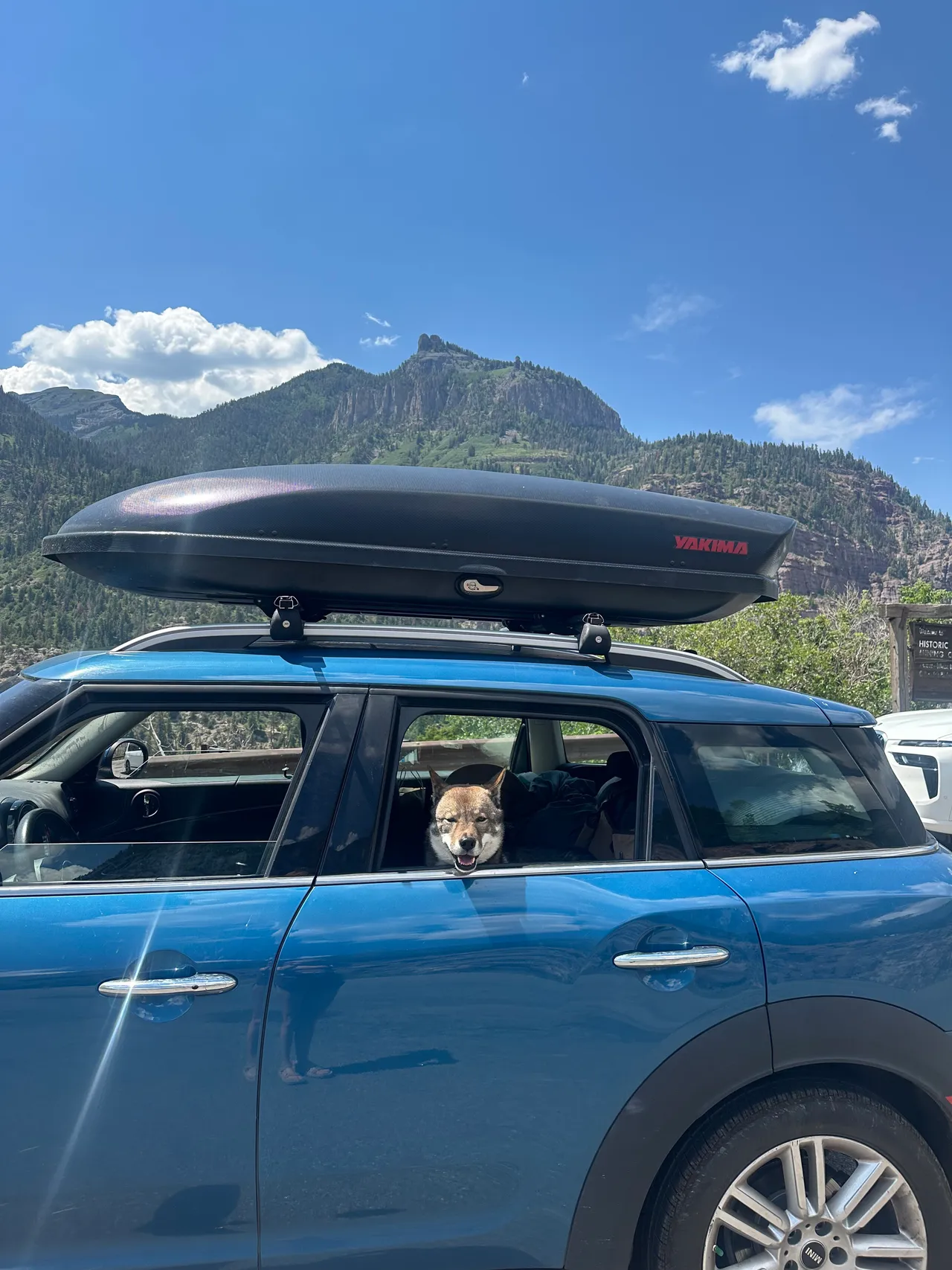
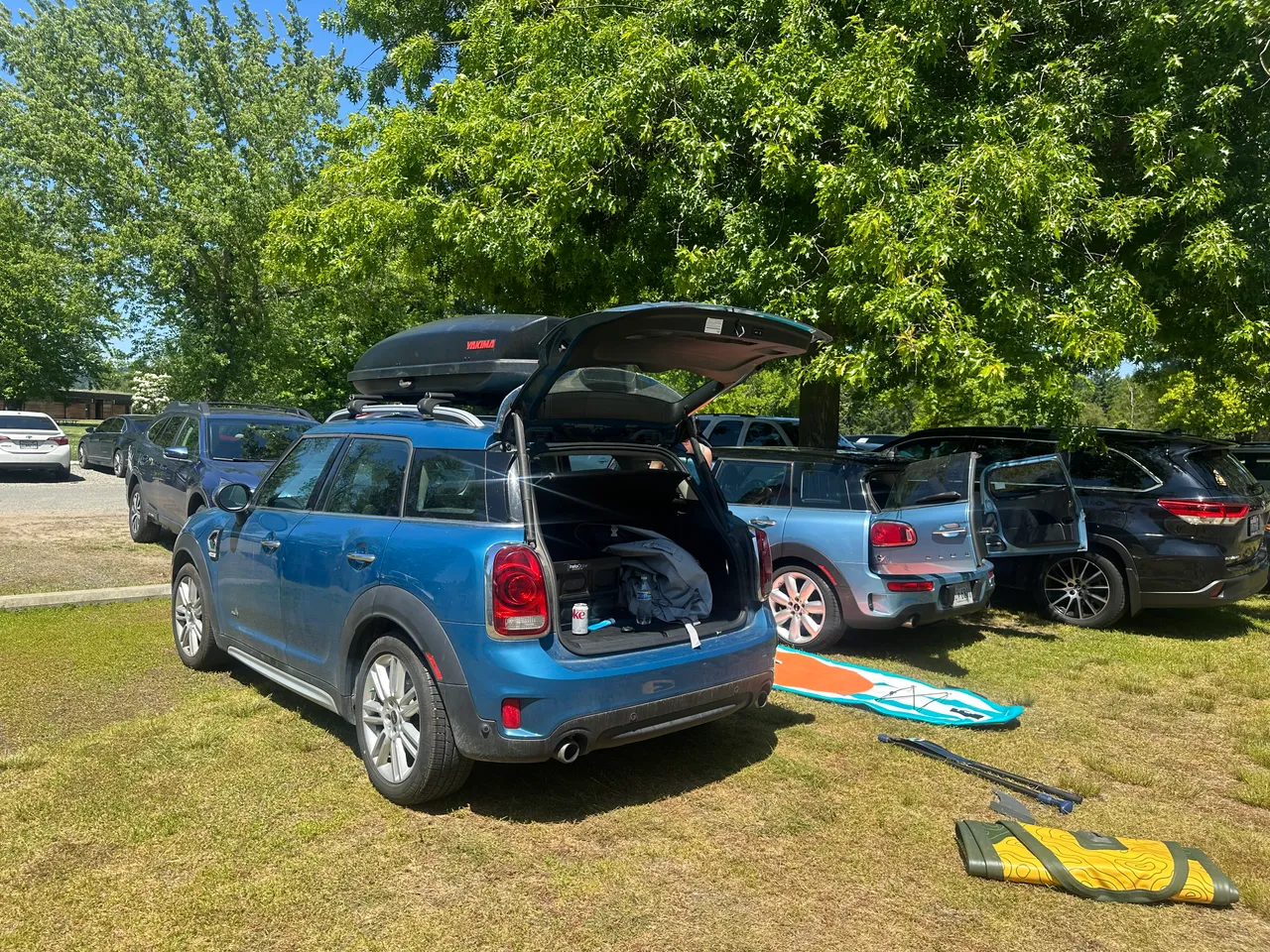
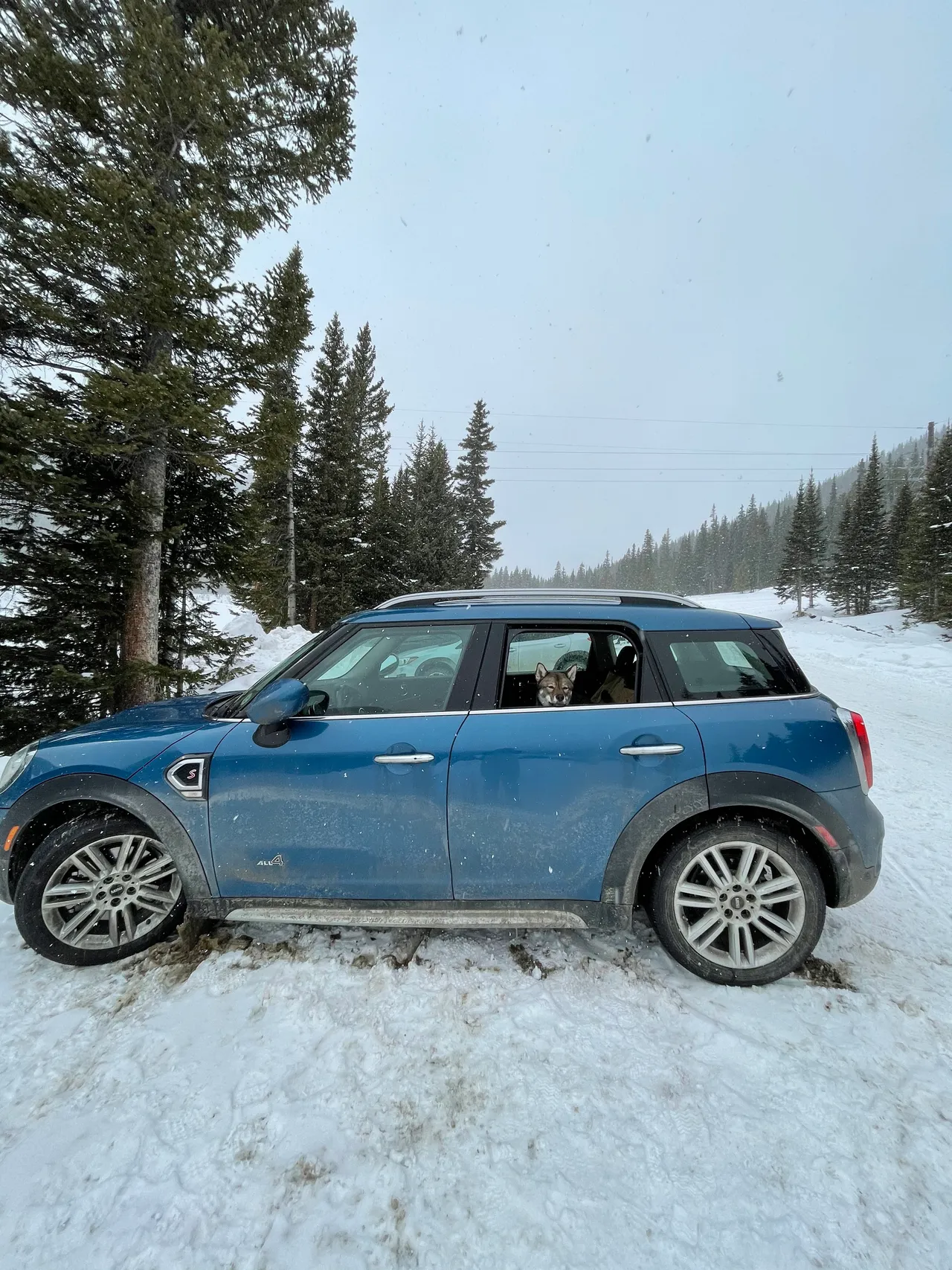
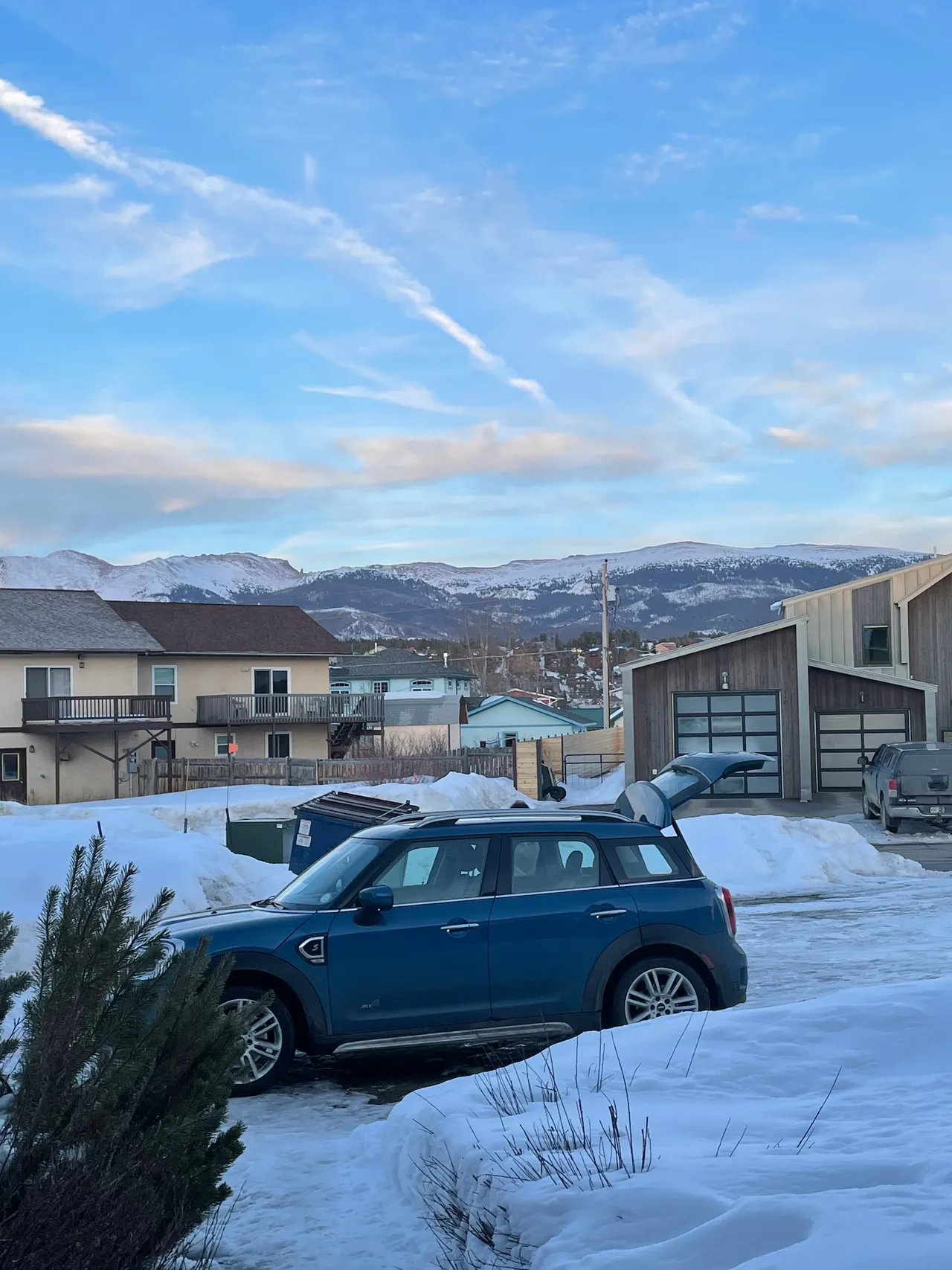
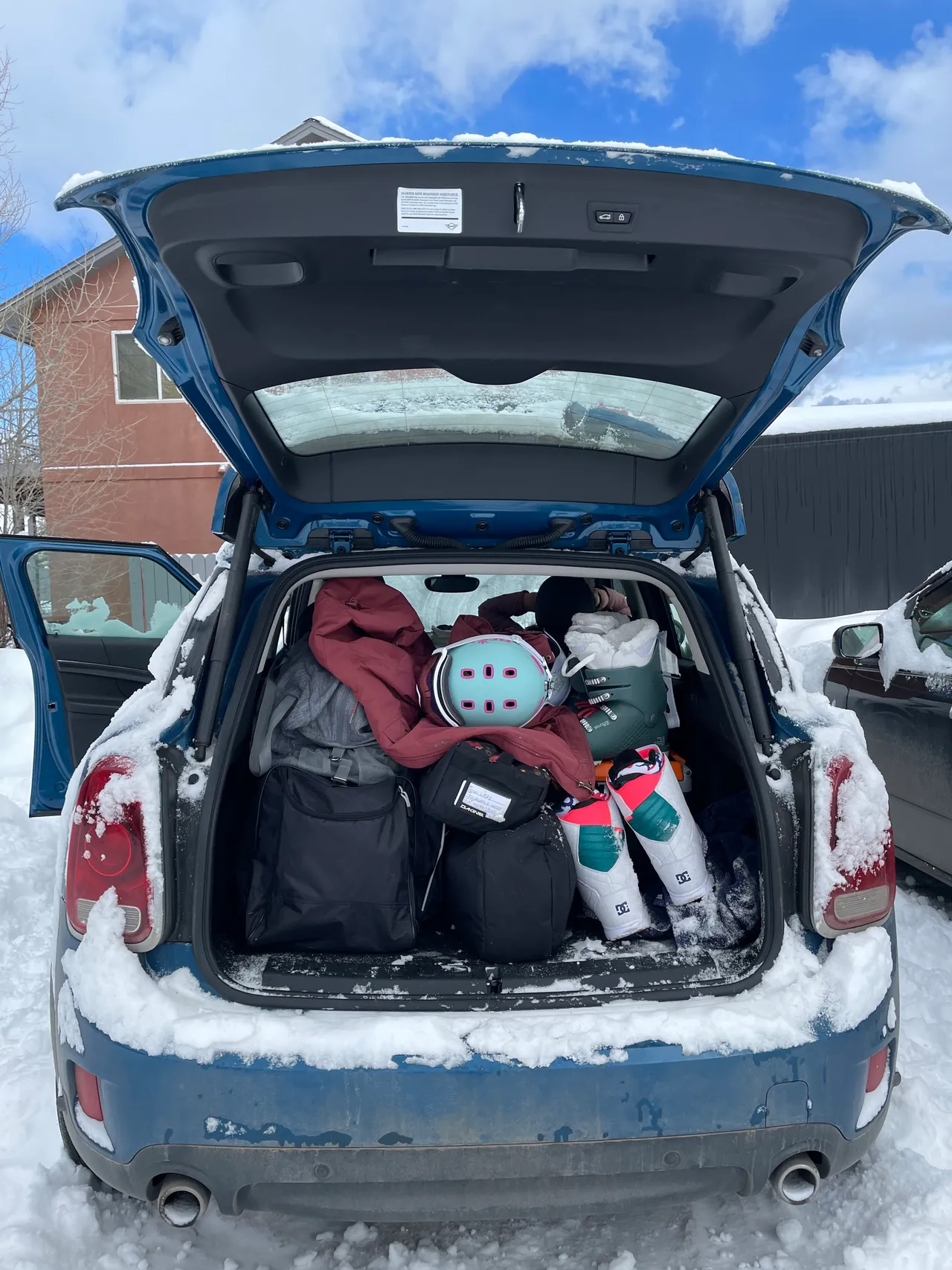
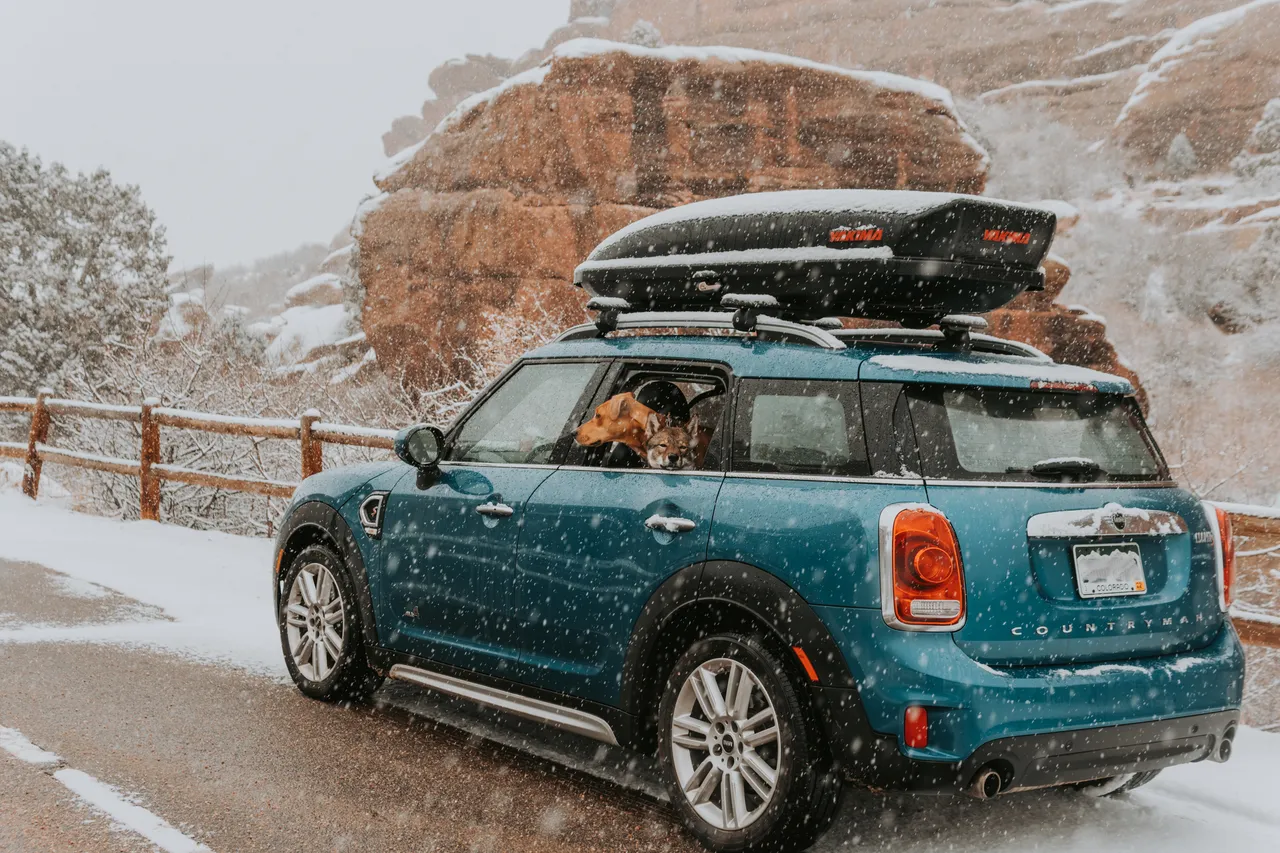
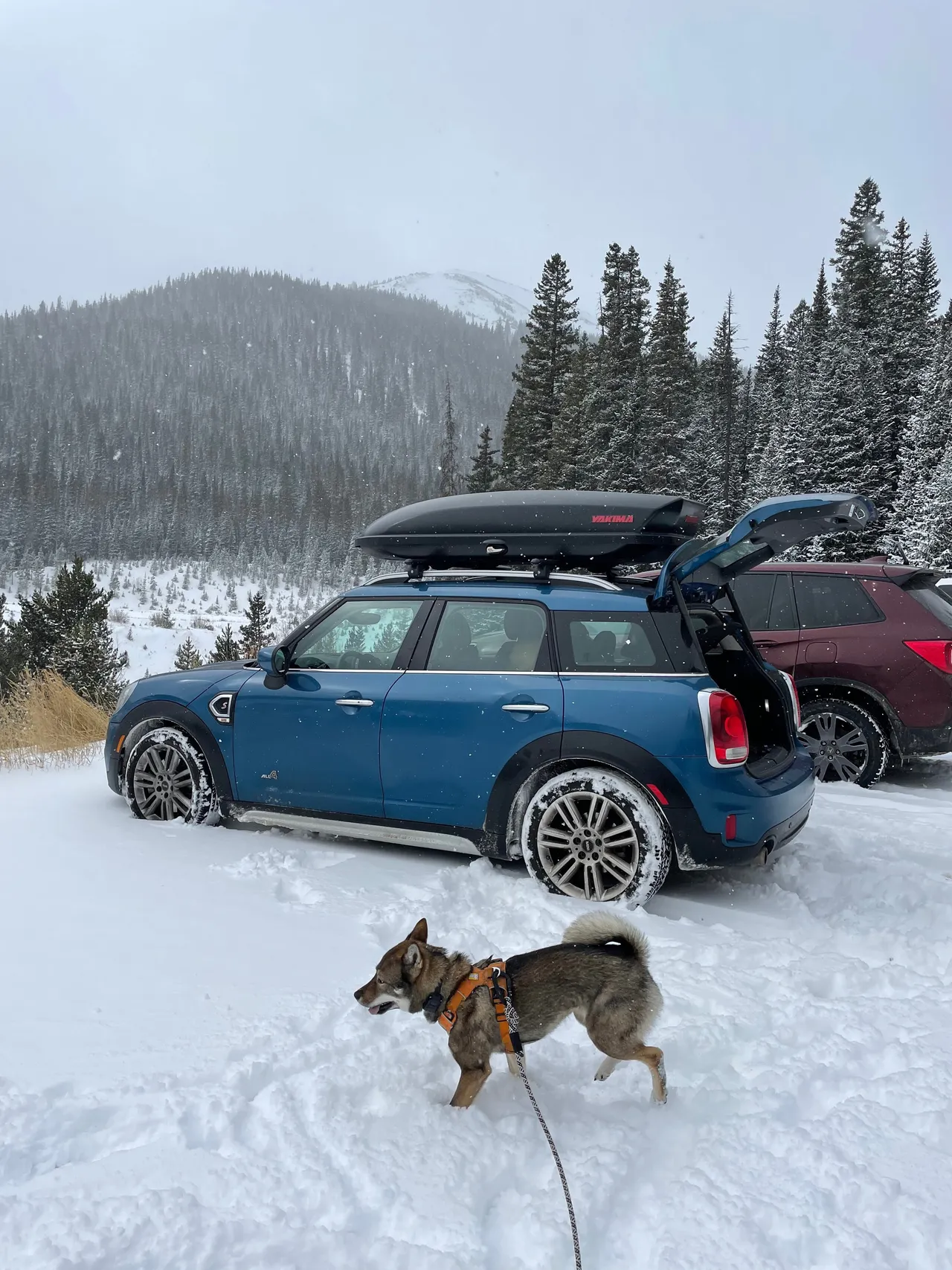
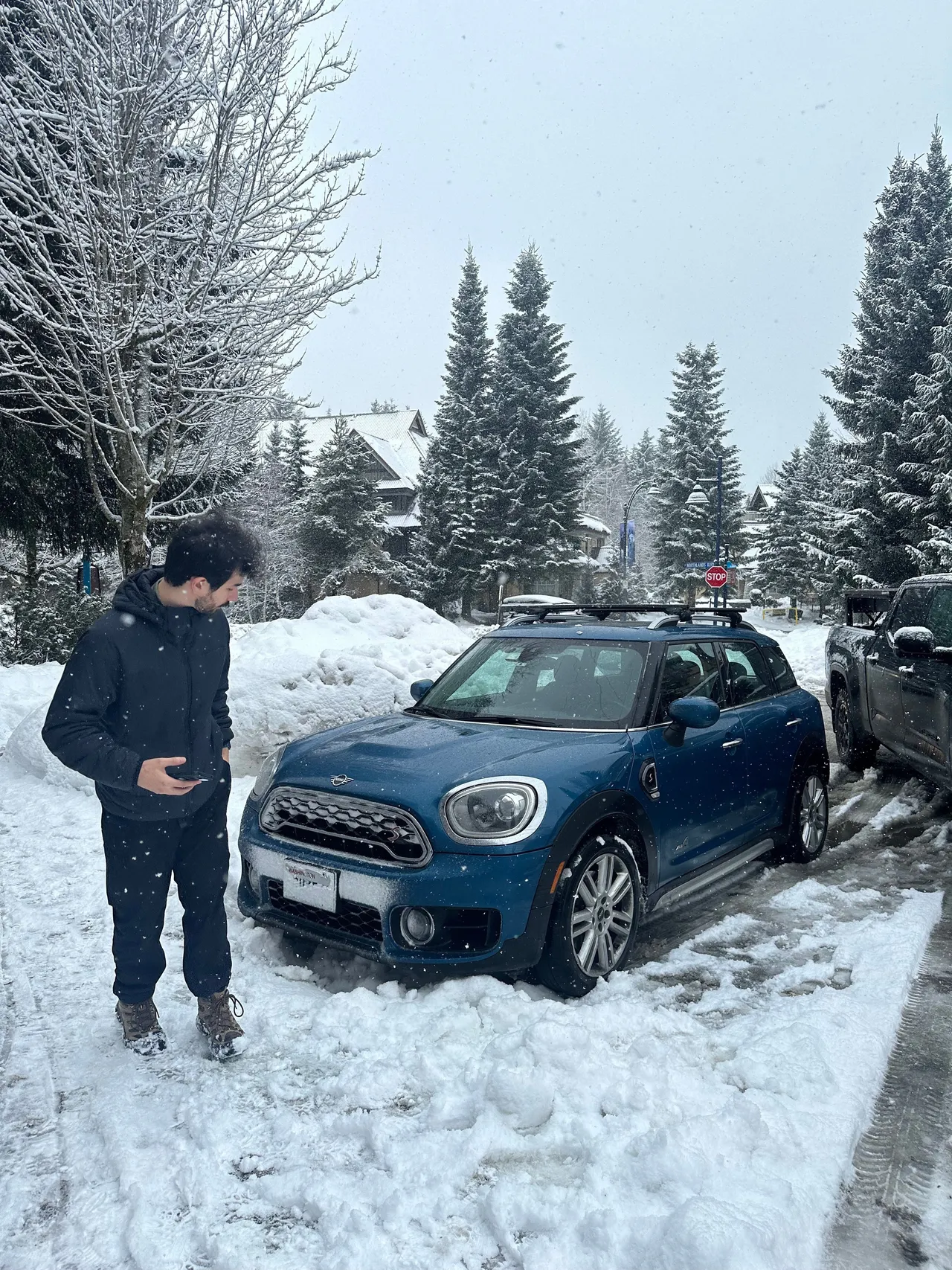
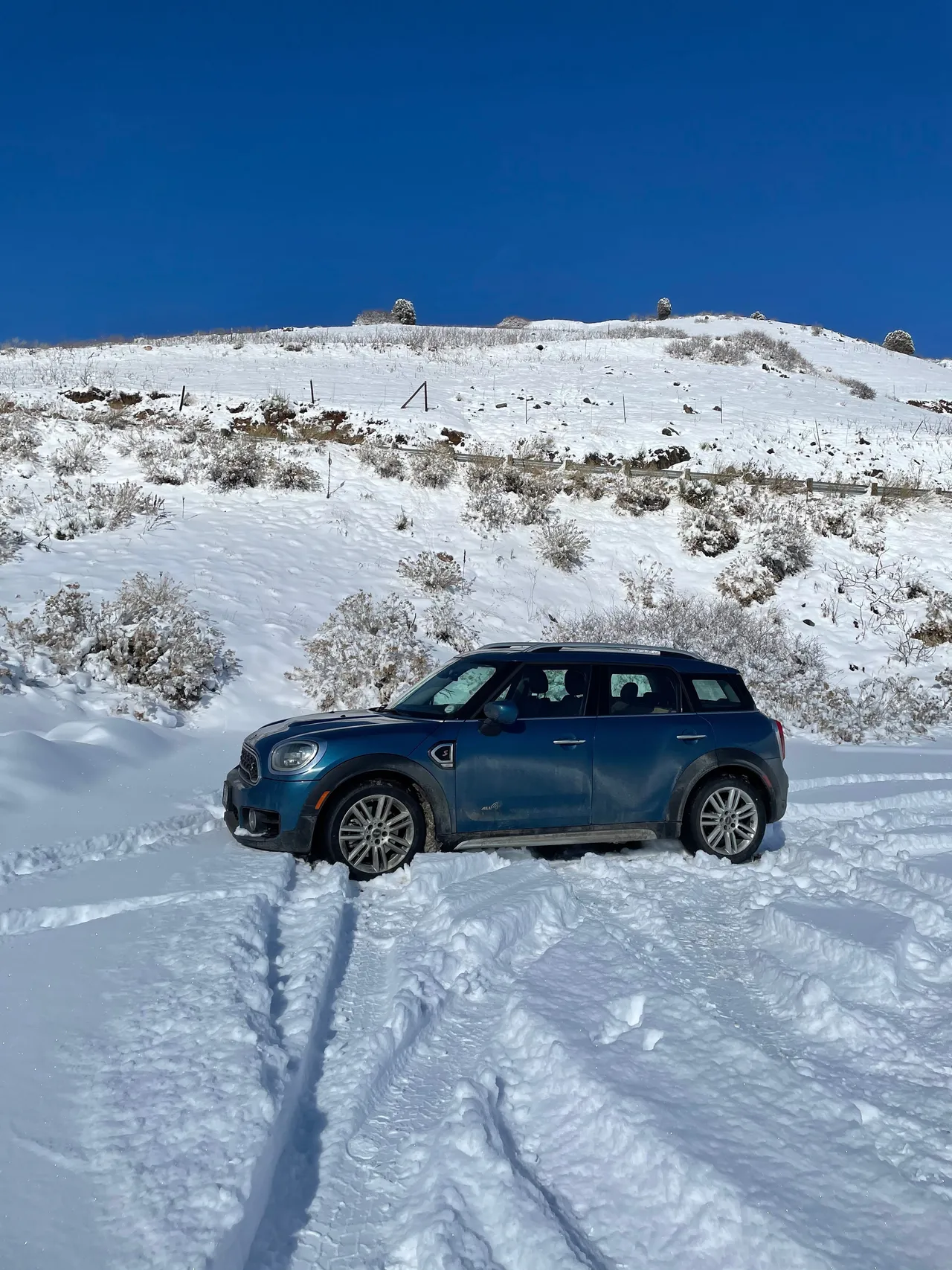
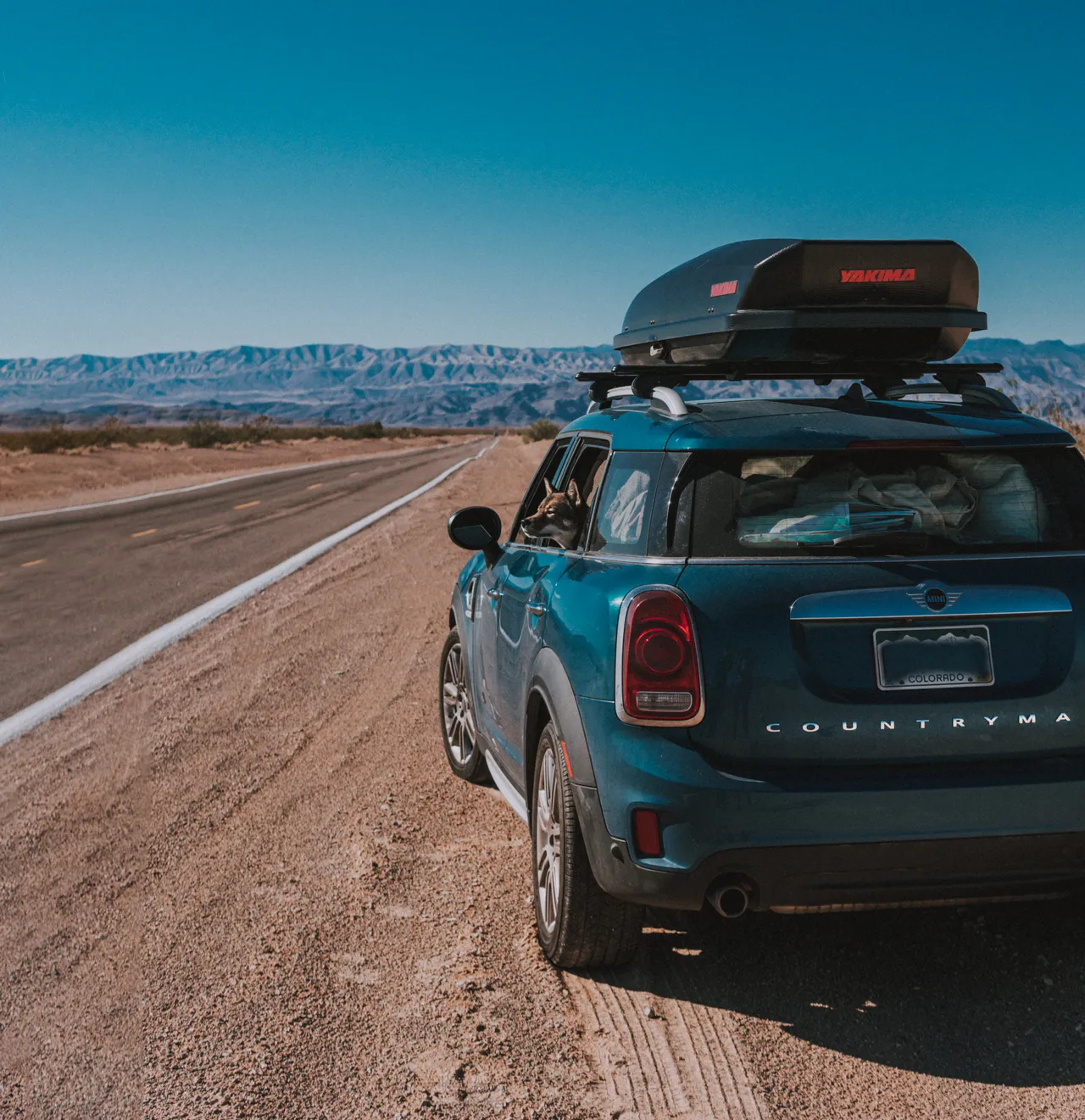
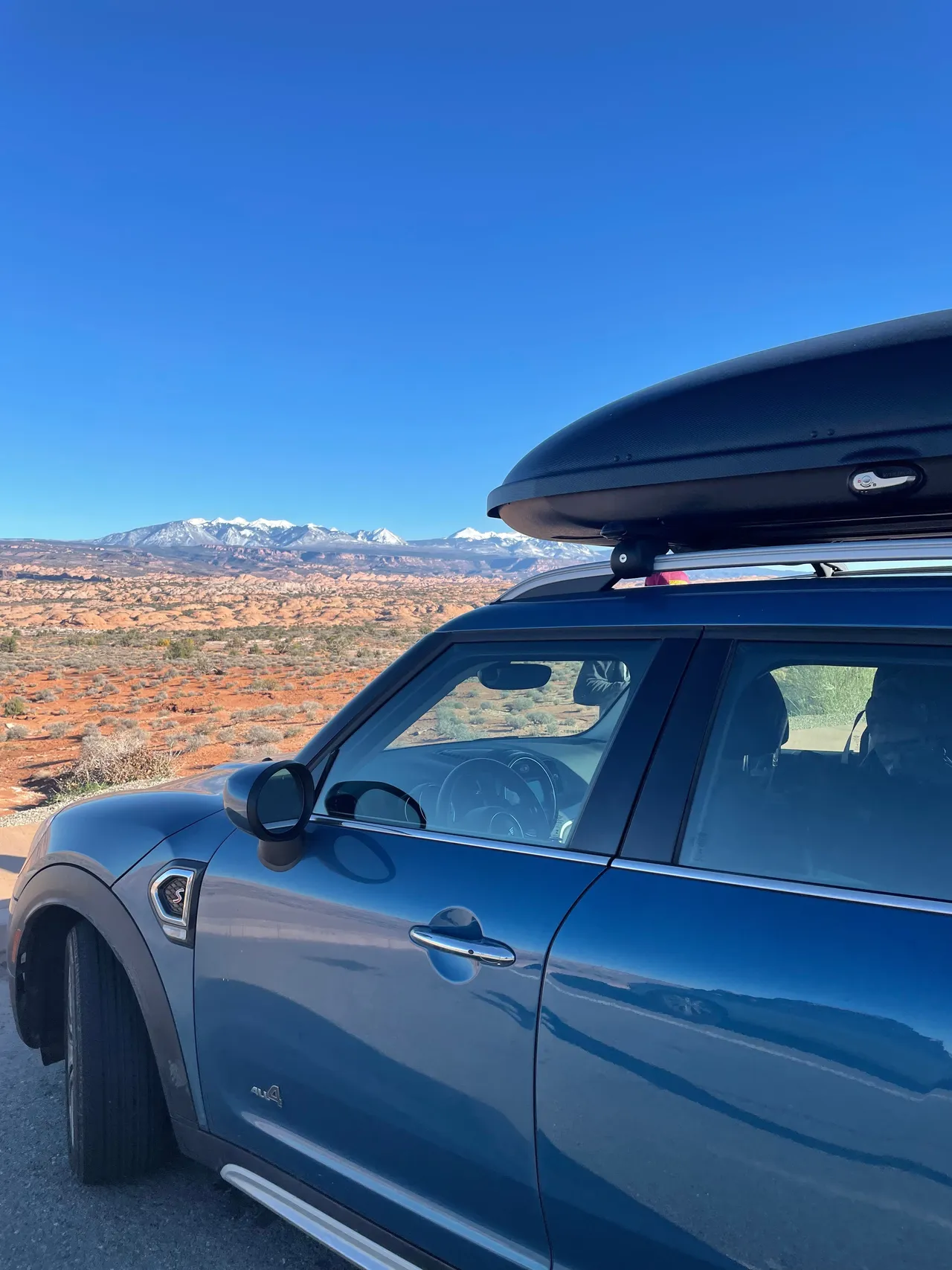
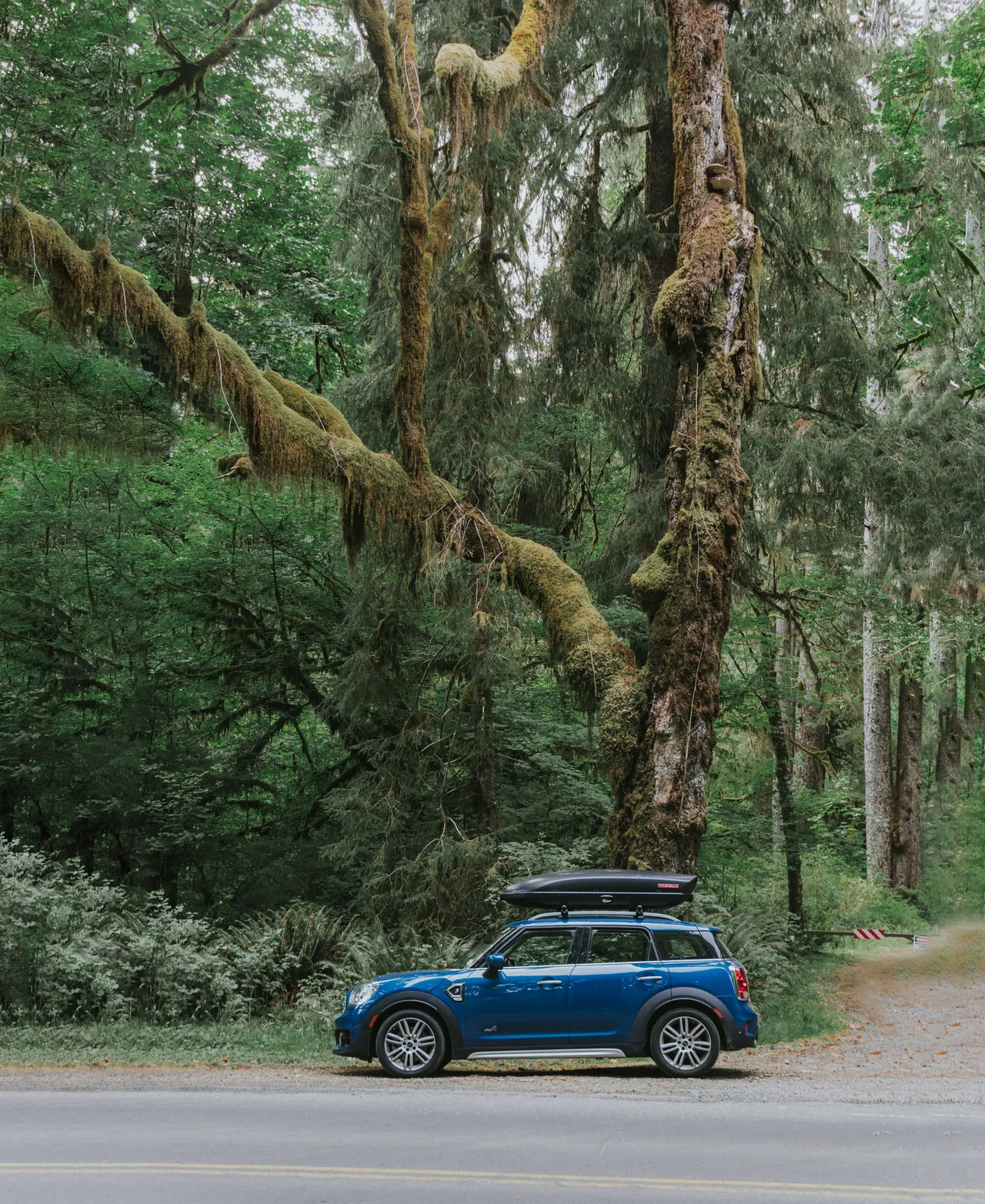
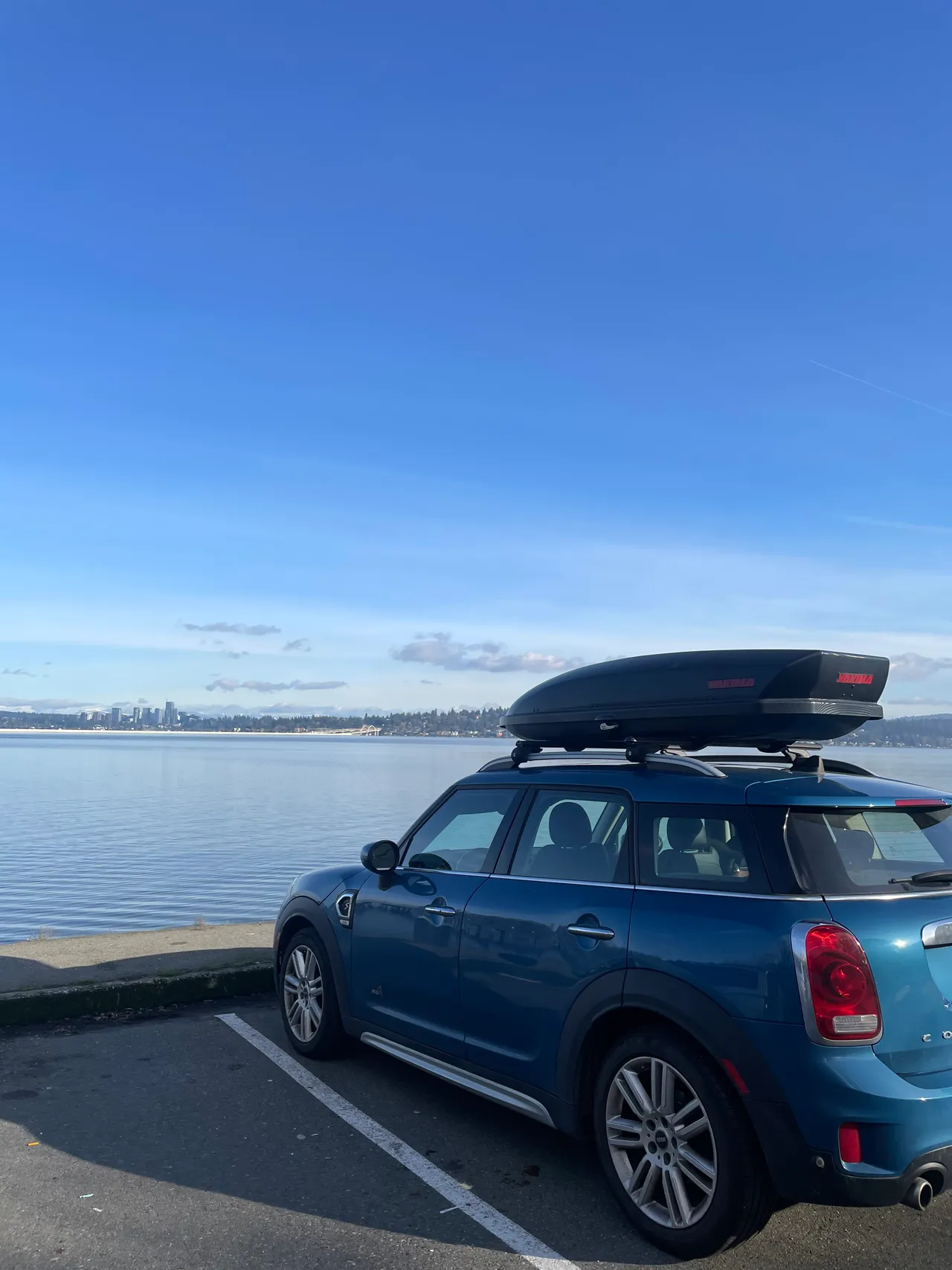
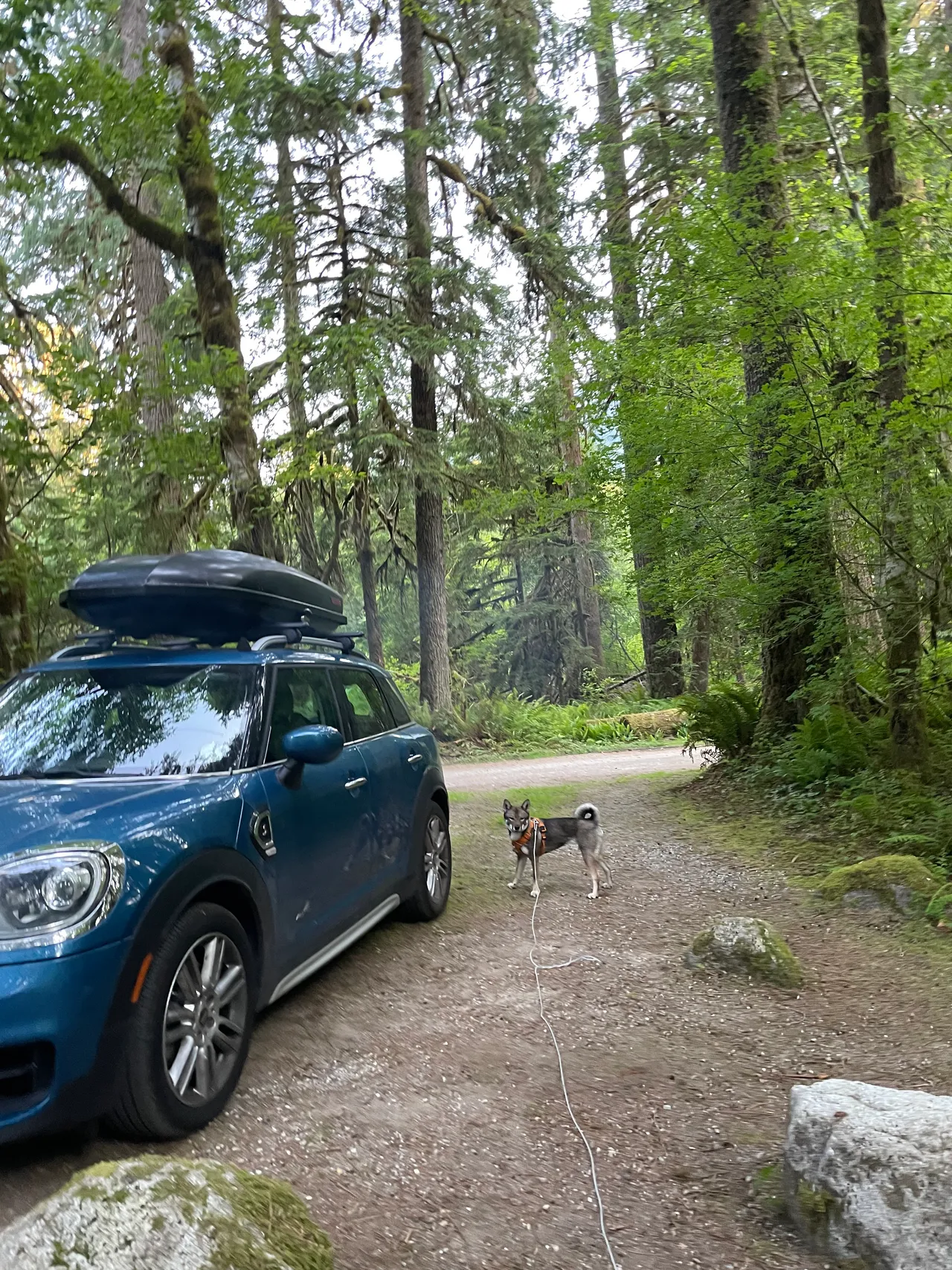
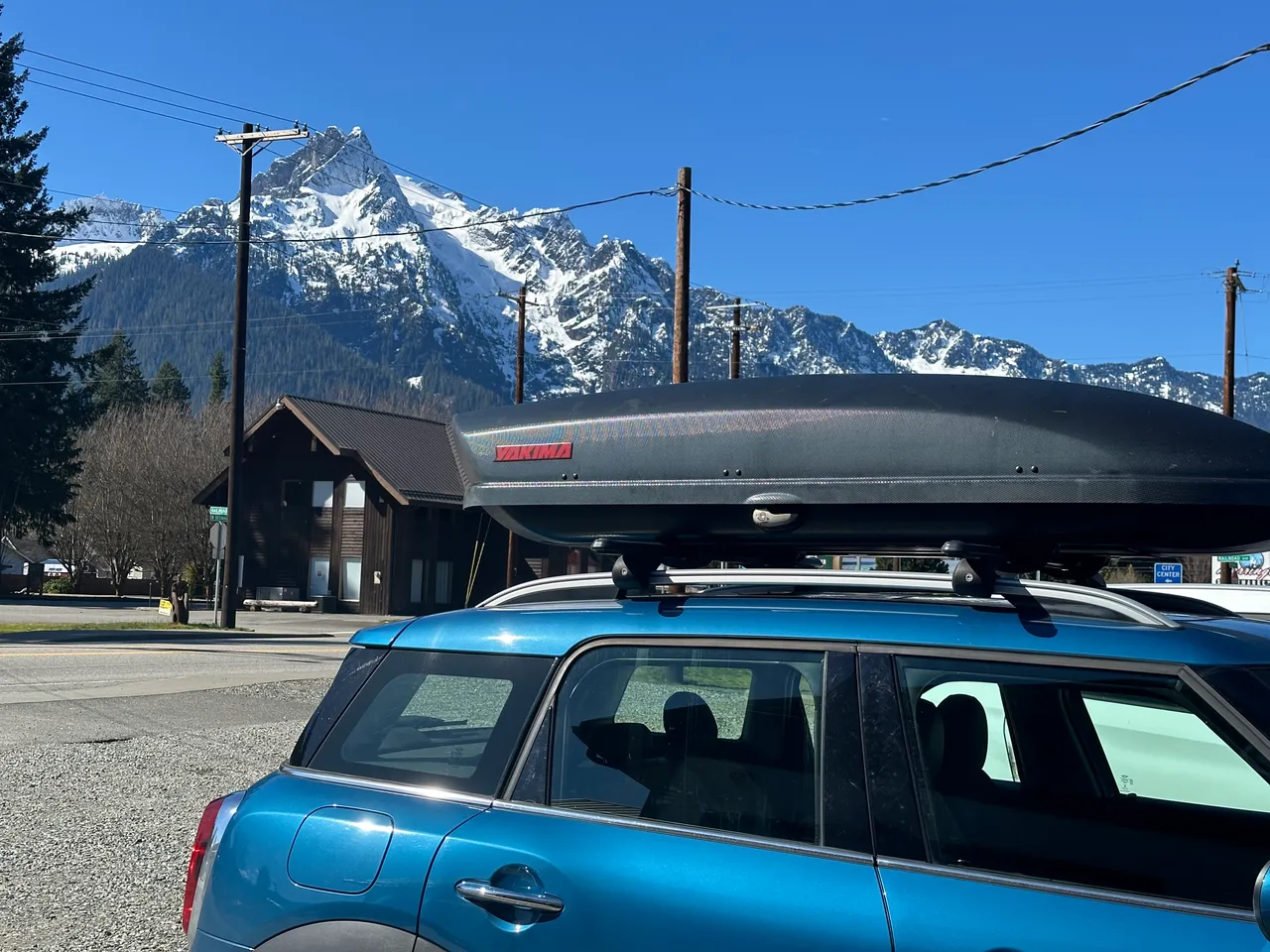
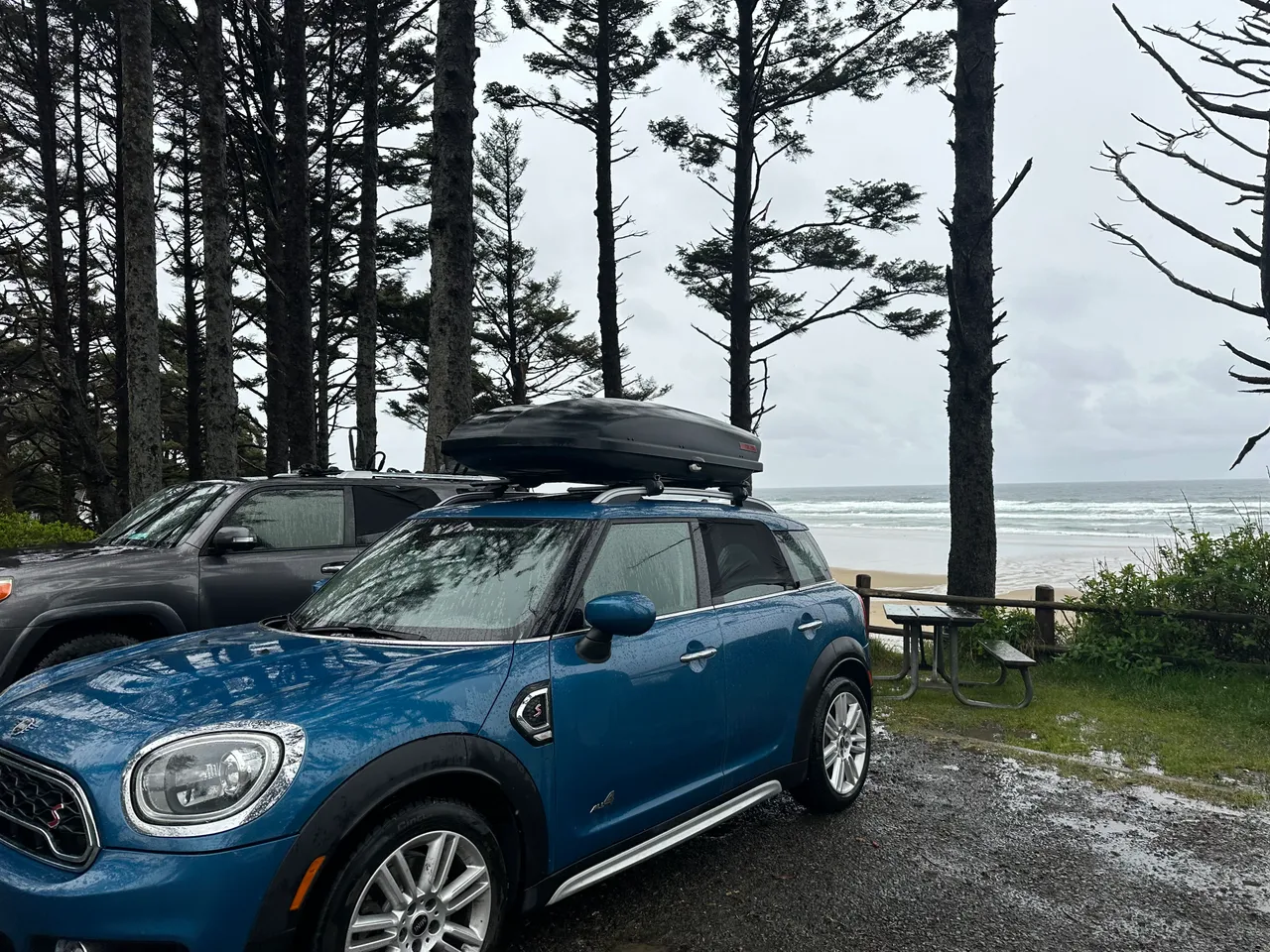
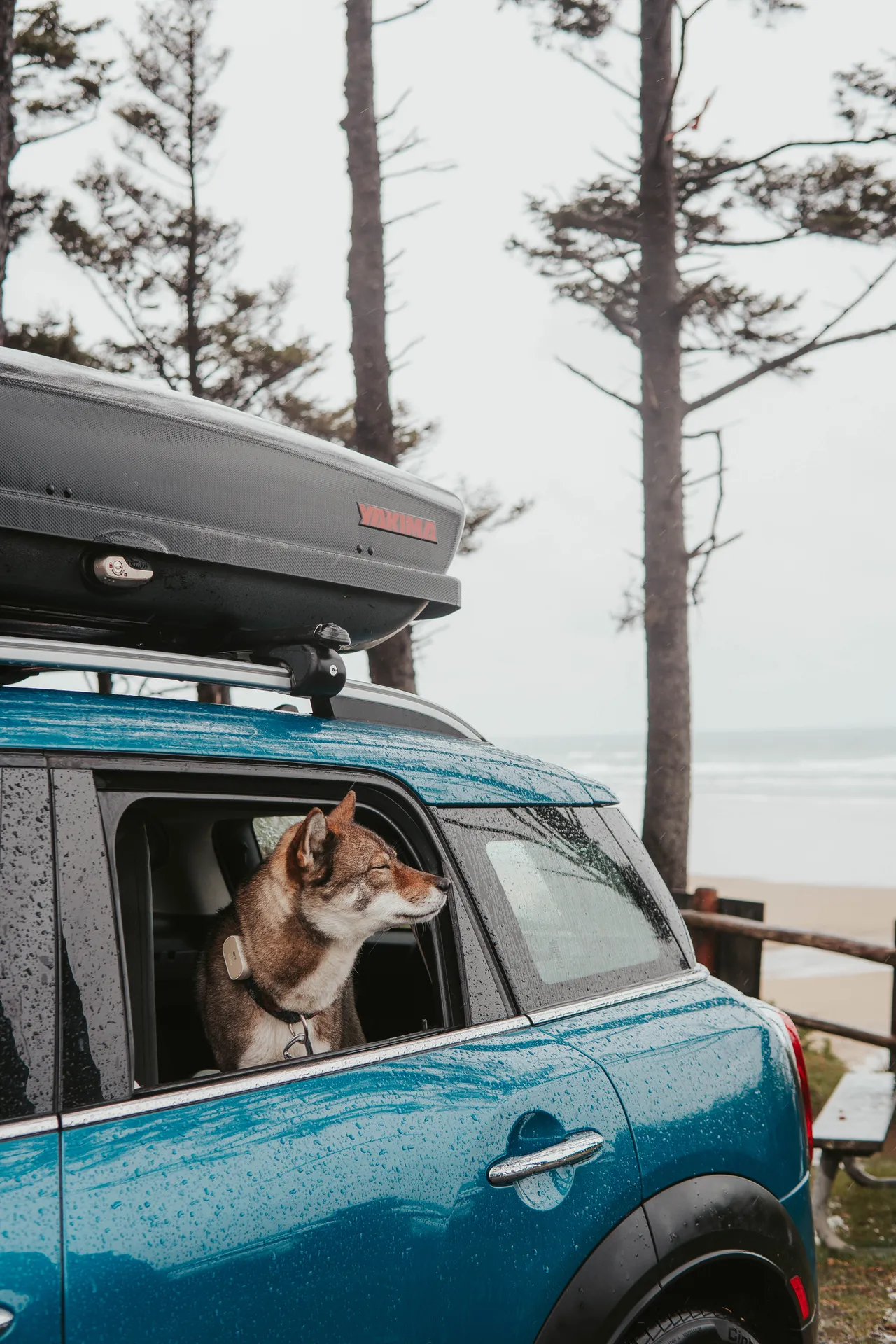
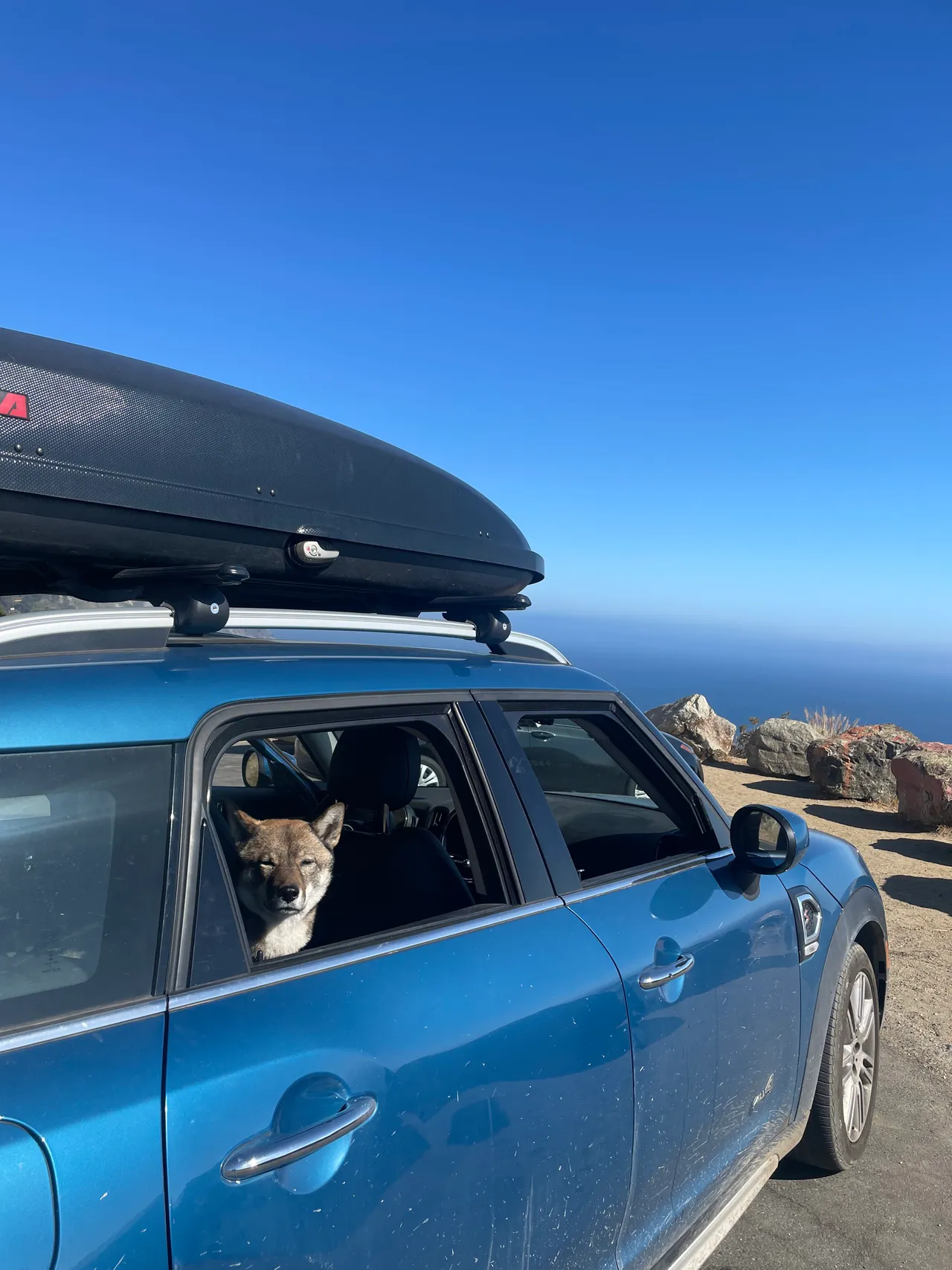
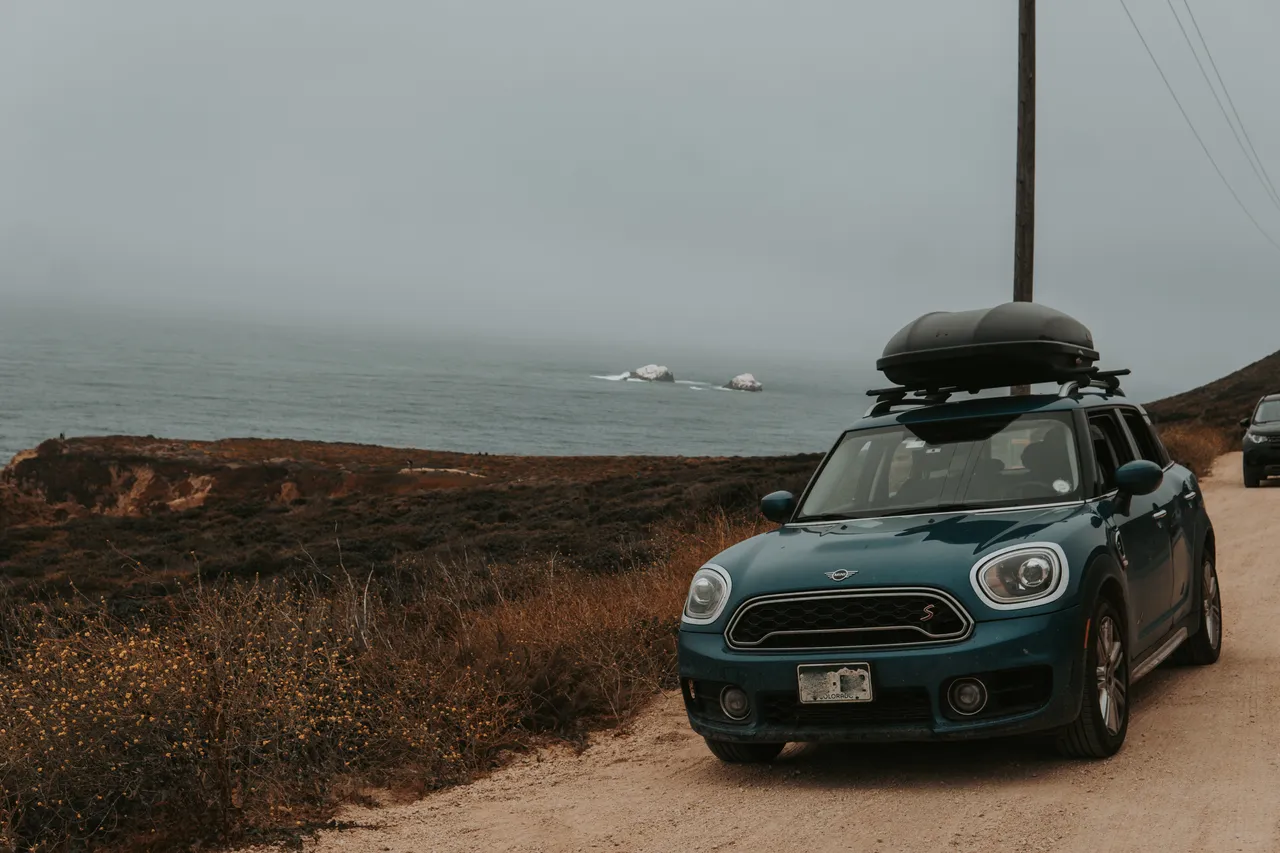
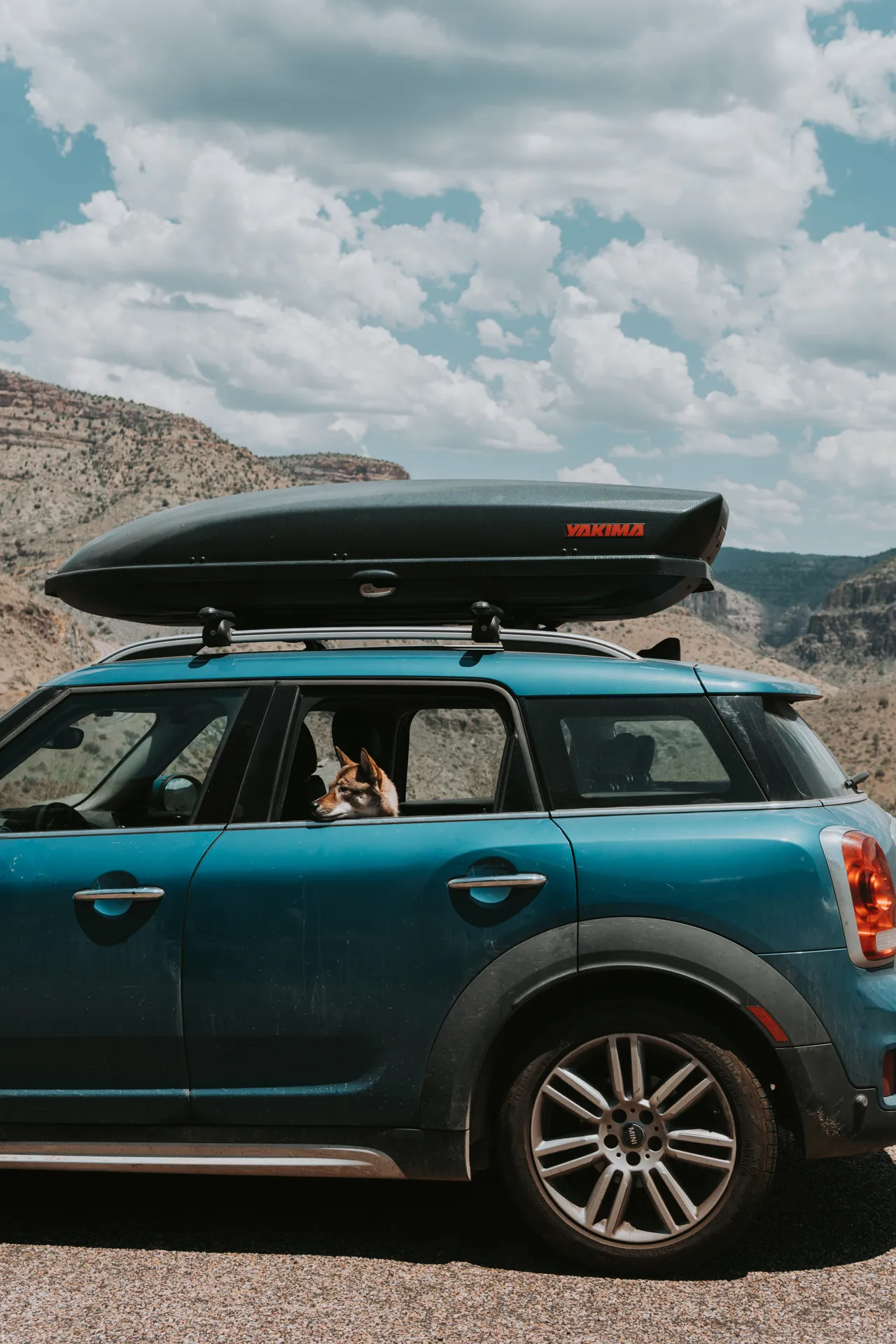
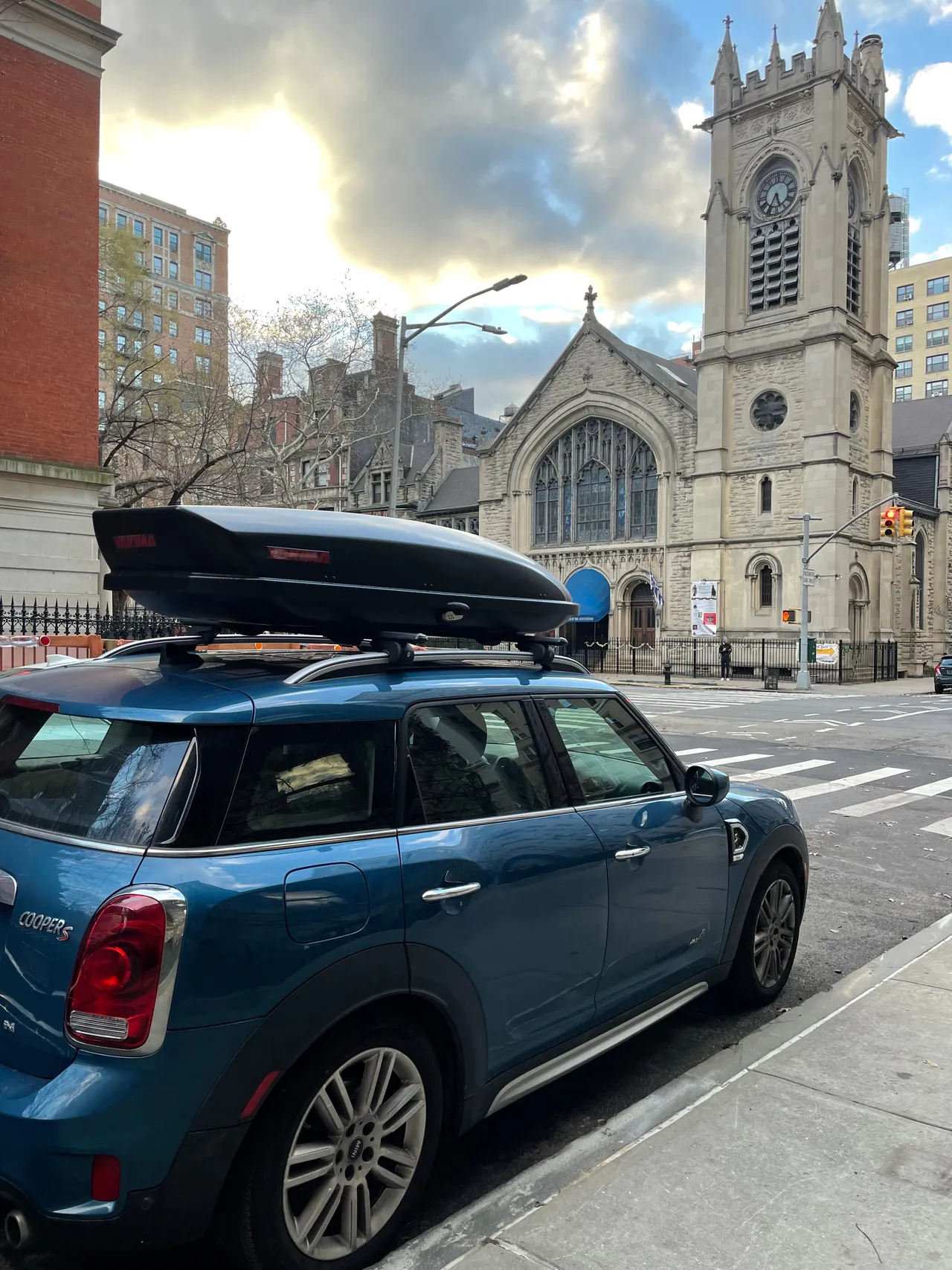
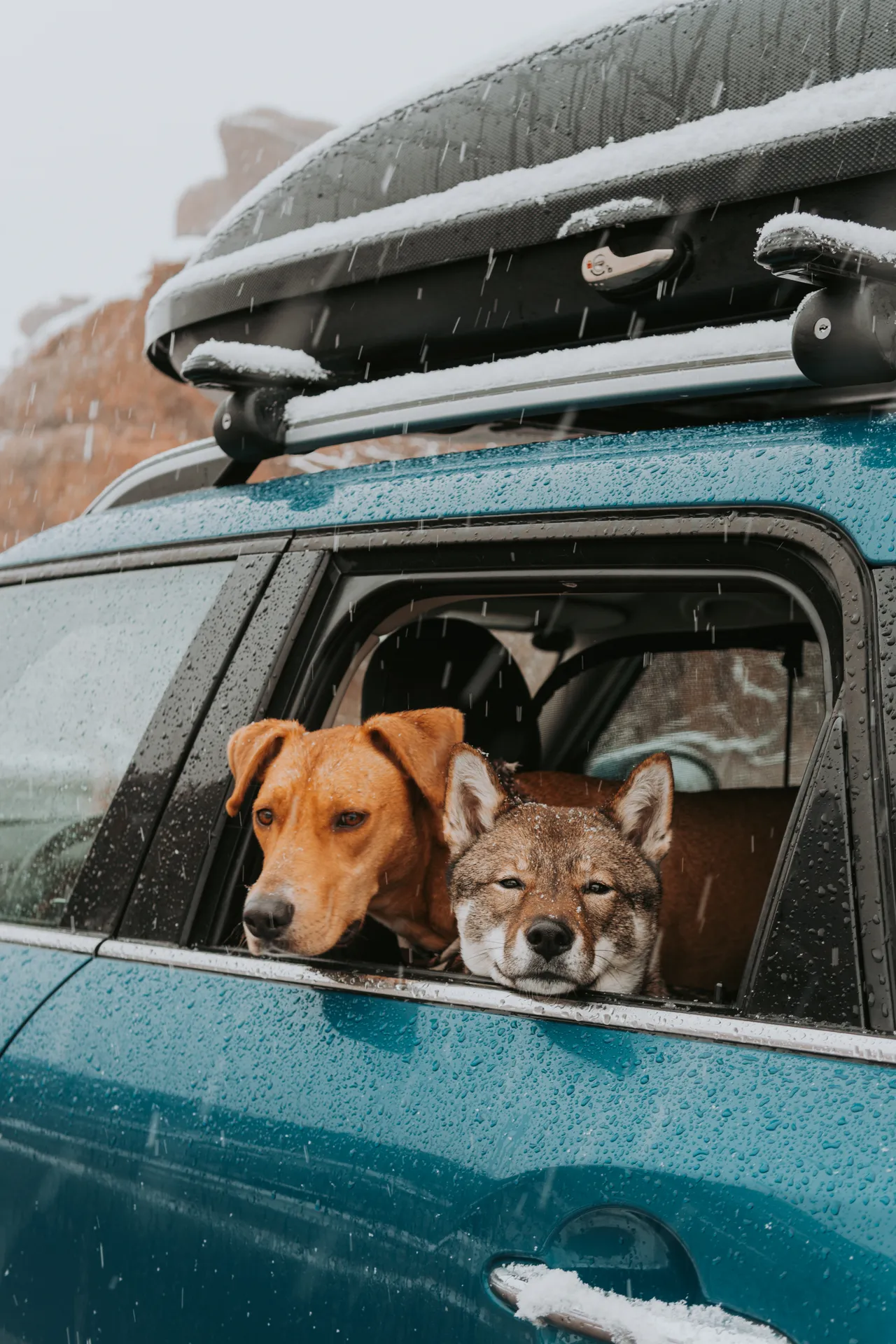
As I started exploring more of Colorado, I realized I needed more space and all-wheel drive to stay safe in the mountain winters. That first winter I upgraded to a blue 2020 MINI Cooper S Countryman — and added a Yakima cargo box on the roof for extra gear storage on road trips. It opened everything up. The AWD handled the mountain passes and ski resort runs without drama, and the cargo box meant I could pack for a week without cramming the interior. Denver became the anchor and Colorado became the proving ground. Winters were for the ski resorts — Breckenridge, A-Basin, Keystone, Winter Park, Copper, Vail, Beaver Creek, Eldora, Aspen Snowmass, Steamboat Springs. Summers were for the high passes: Independence Pass up to Aspen and Maroon Bells, Twin Lakes in every season, the mountain loop down to Taos. The four national parks — Rocky Mountain, Great Sand Dunes, Black Canyon, Mesa Verde — all done from that same car. The full Colorado road trip loop is one of the best things you can do in the American West, and you don't need a truck to do it.
Building It Out
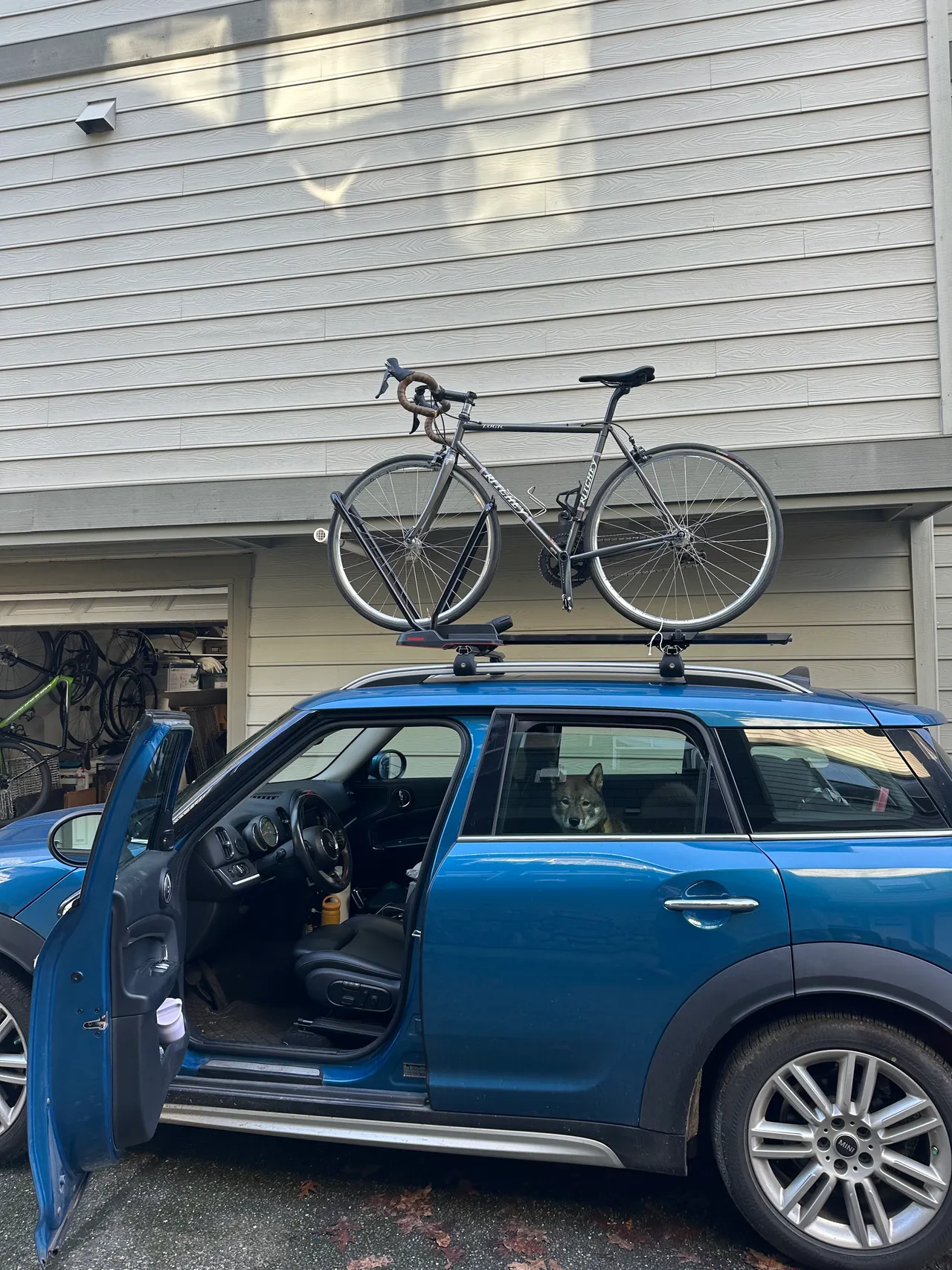
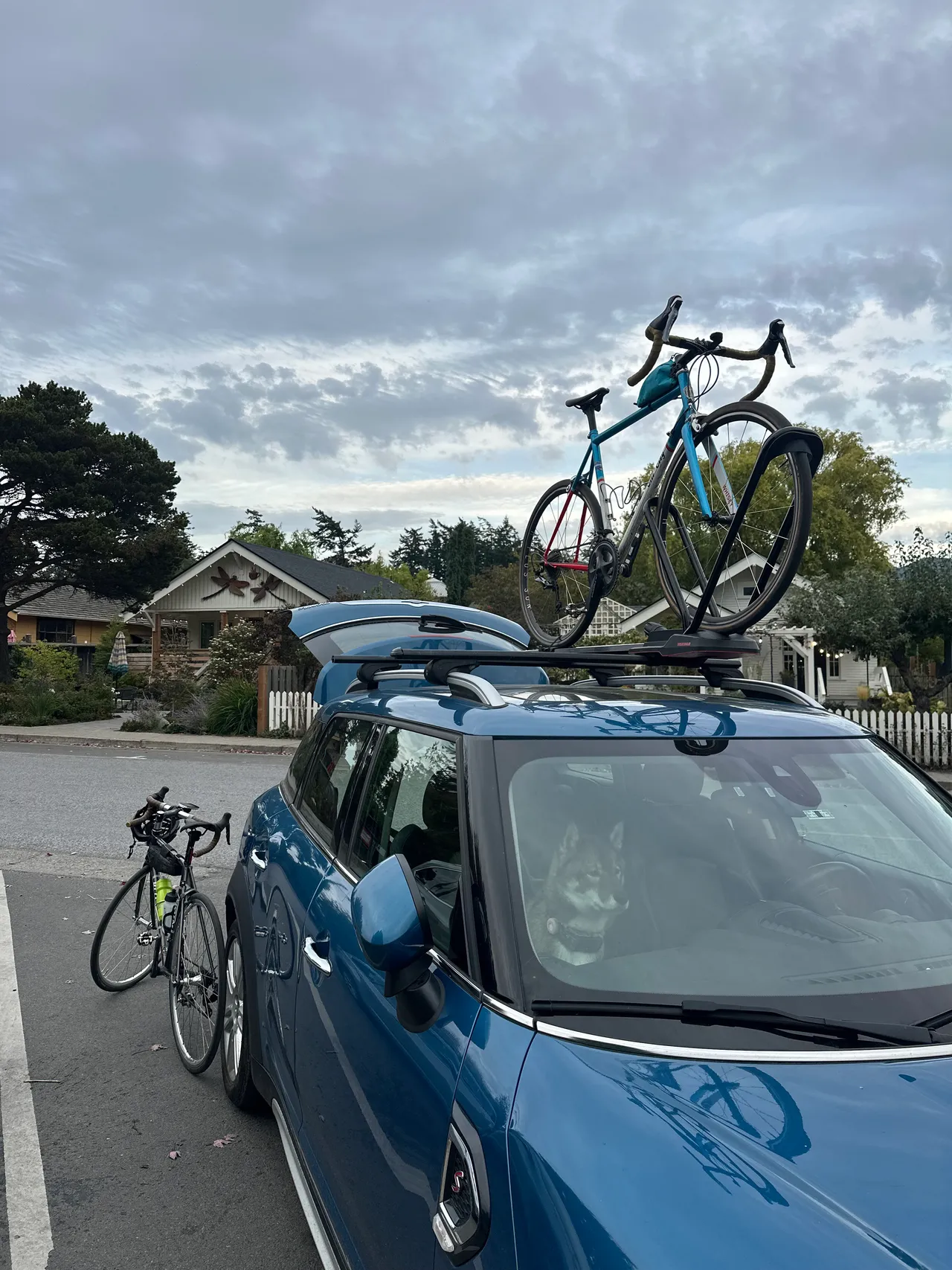
Over the years the Countryman has picked up a few additions that made it a proper adventure vehicle. The Yakima cargo box was the first and most impactful — suddenly a week's worth of gear, ski equipment, or camping kit could live on the roof instead of the back seat. A roof rack made it possible to bring bikes along, which opened up a whole different way of exploring. In the summers in Washington, the cargo box became the go-to for paddleboard and SUP gear — the lakes out here are everywhere, and being able to just load up the inflatable board and drive to whichever one looked best that day is exactly the kind of spontaneous trip a MINI was made for. Small car, big capability.
Colorado Winters
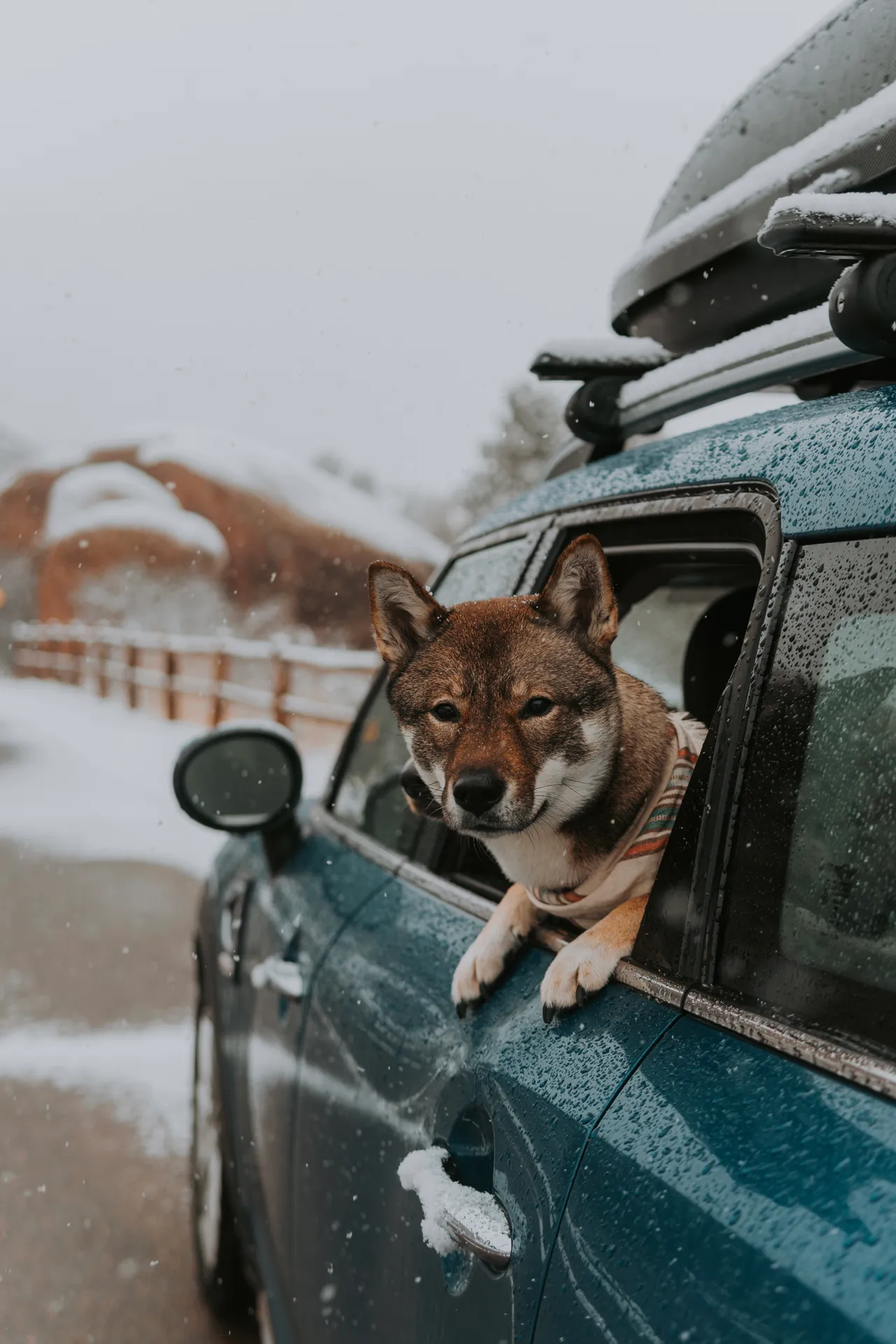
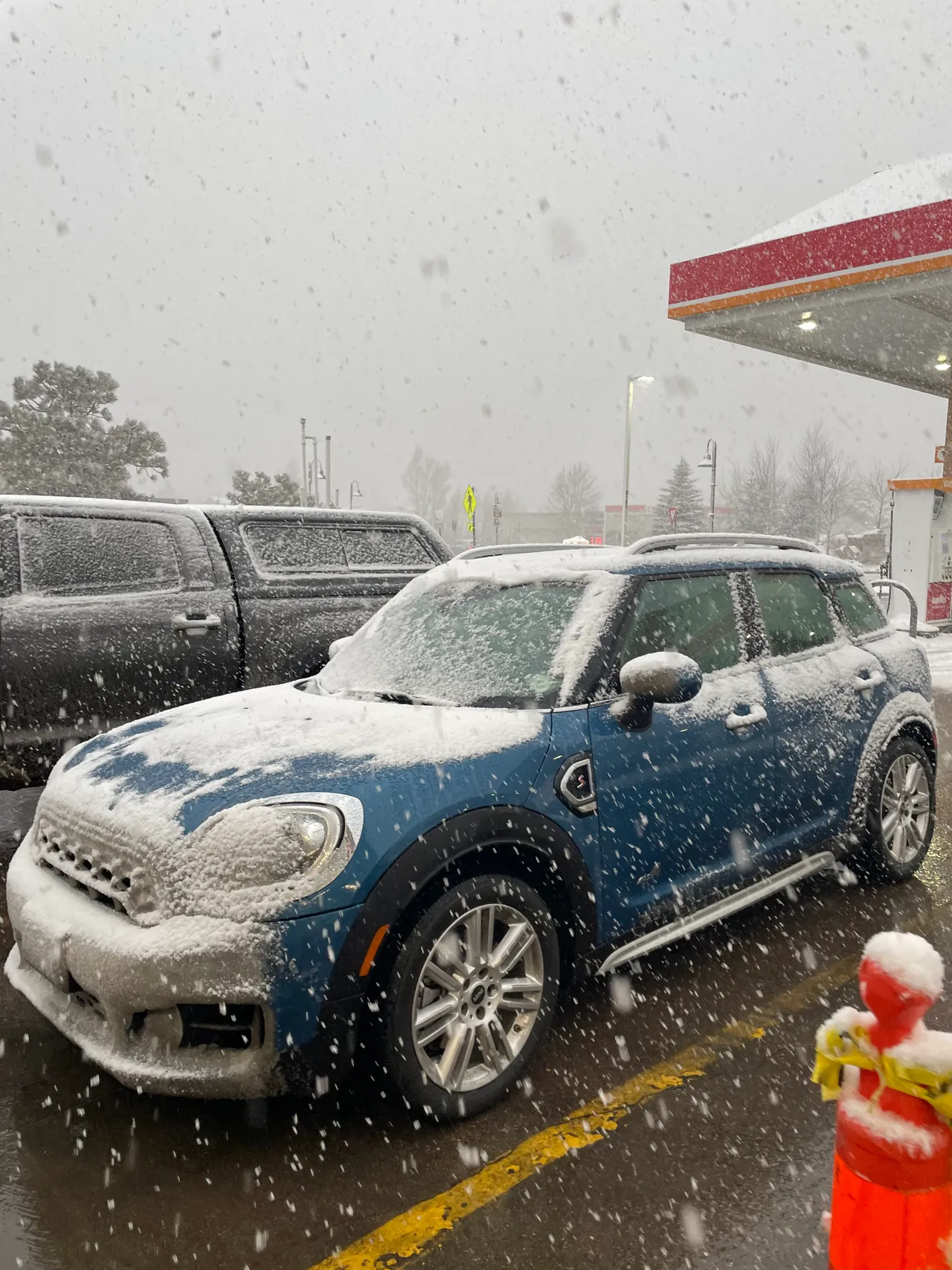
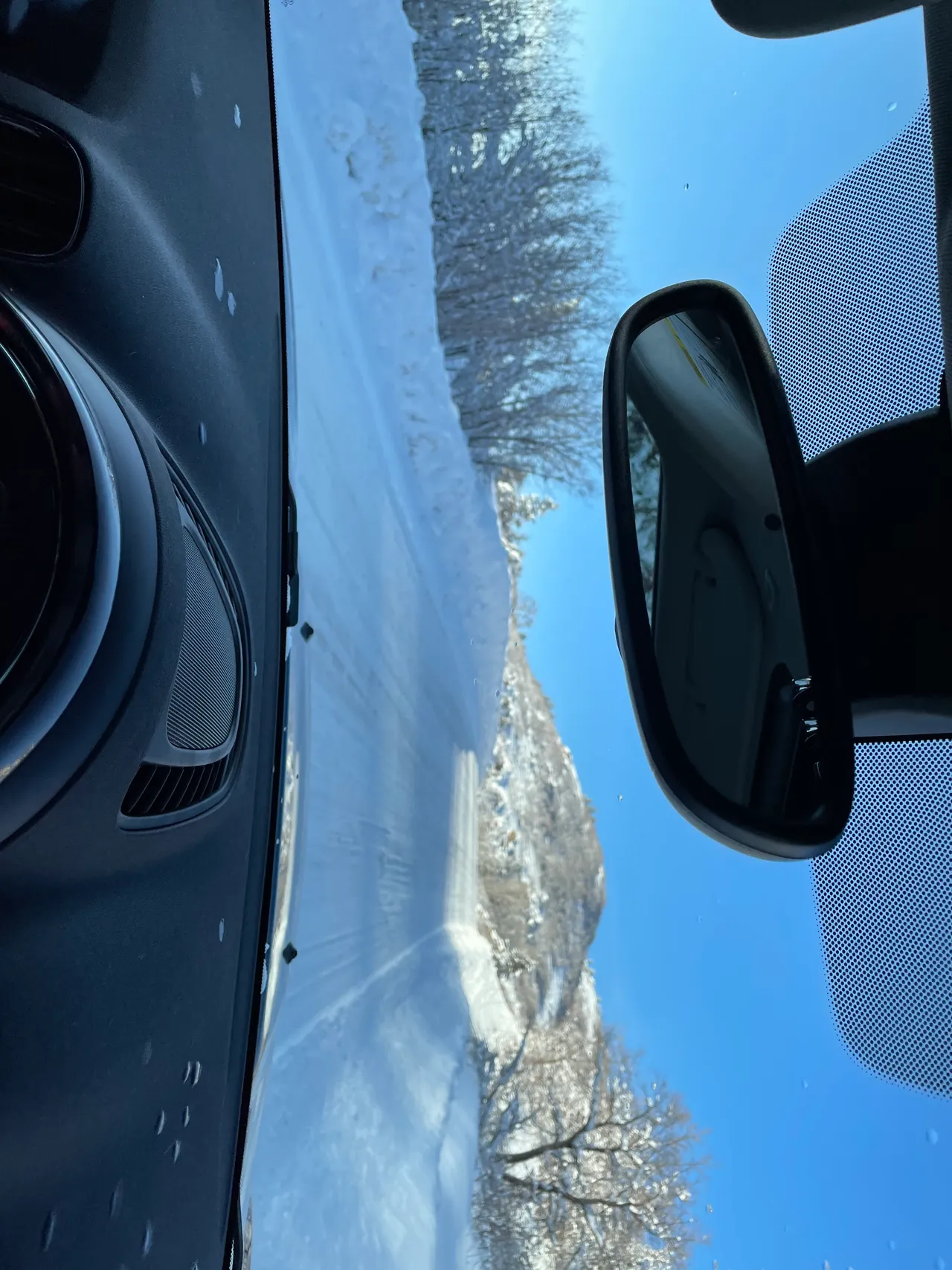
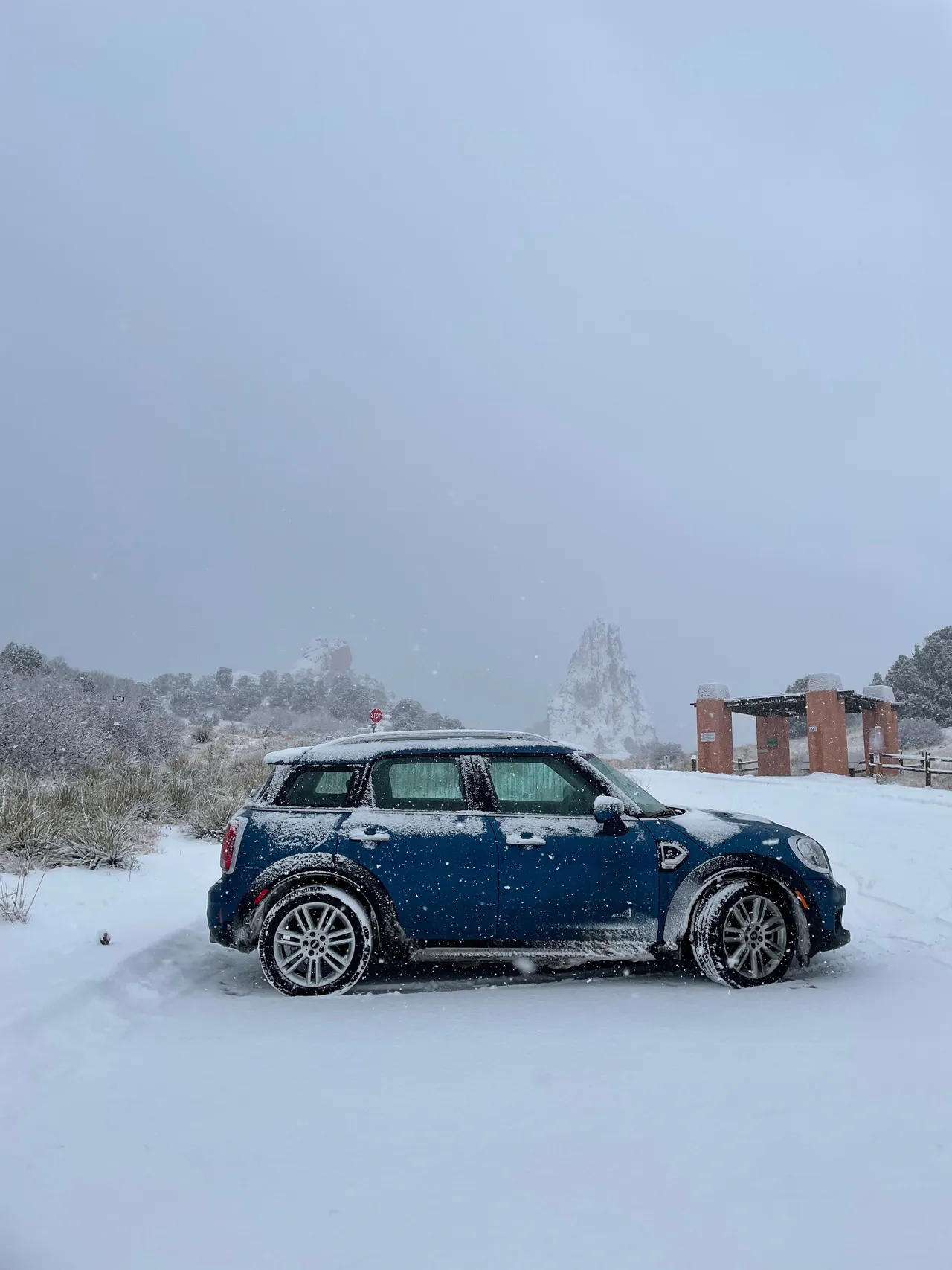
One of the best decisions I made early on was putting all-season tires on the Countryman. In Colorado winters, that meant driving on icy mountain roads and snowy highways to ski resorts without issue — while plenty of larger vehicles around me were spinning out or pulling over. In the summer, those same tires handled dirt roads, gravel passes, and the occasional rocky pull-off without complaint. Good all-season tires on a MINI will take you further than most people assume.
Western Colorado
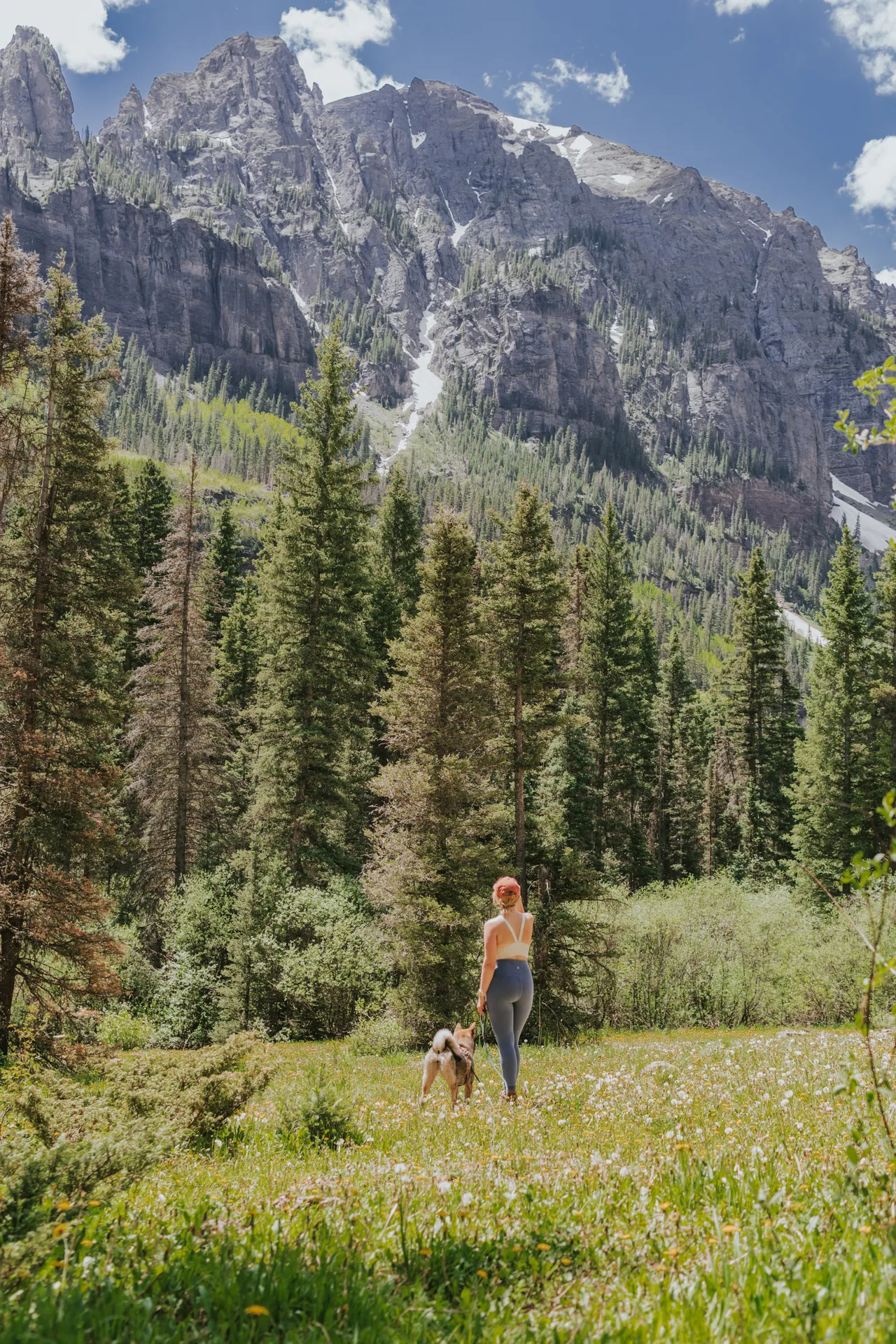
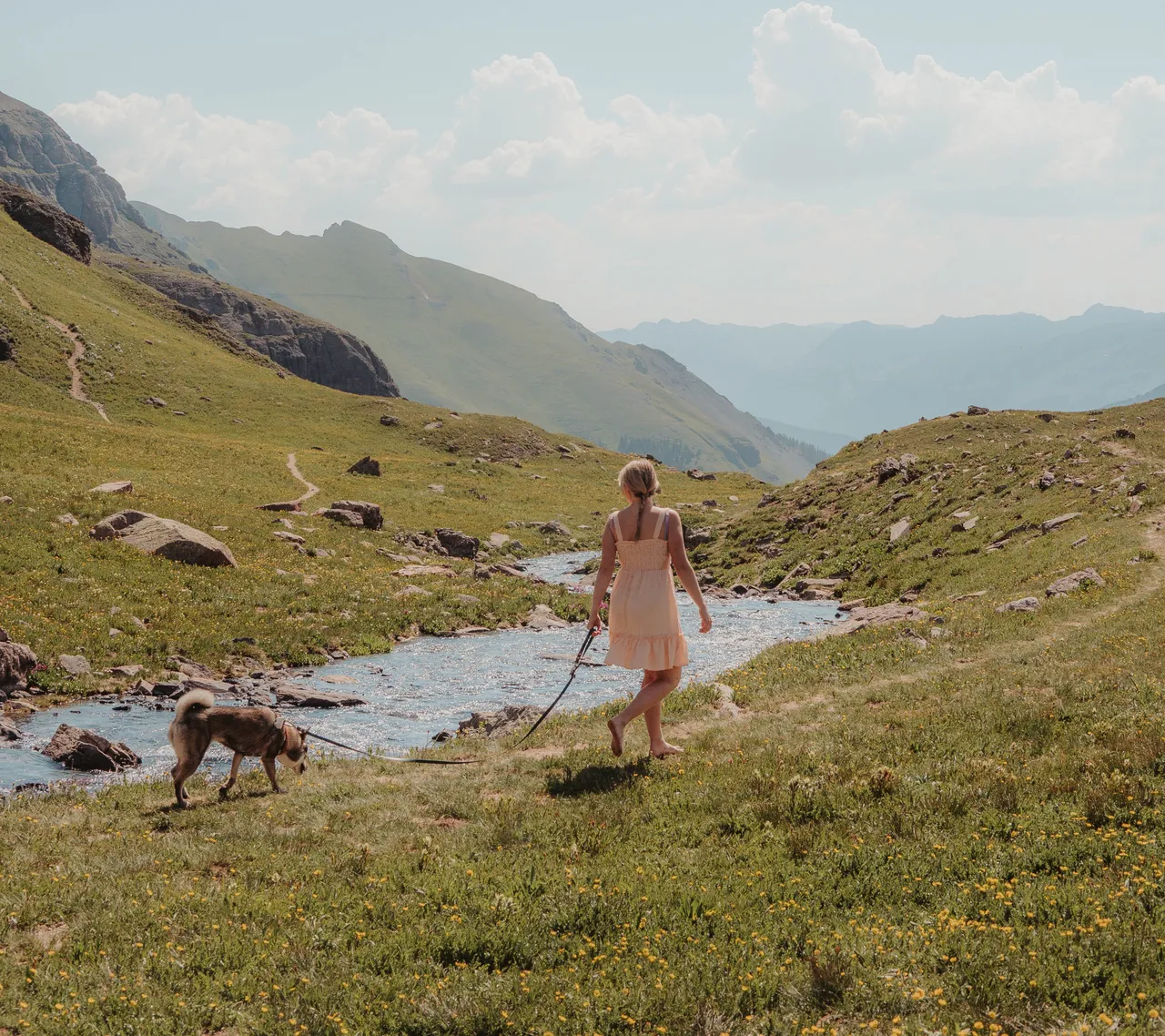
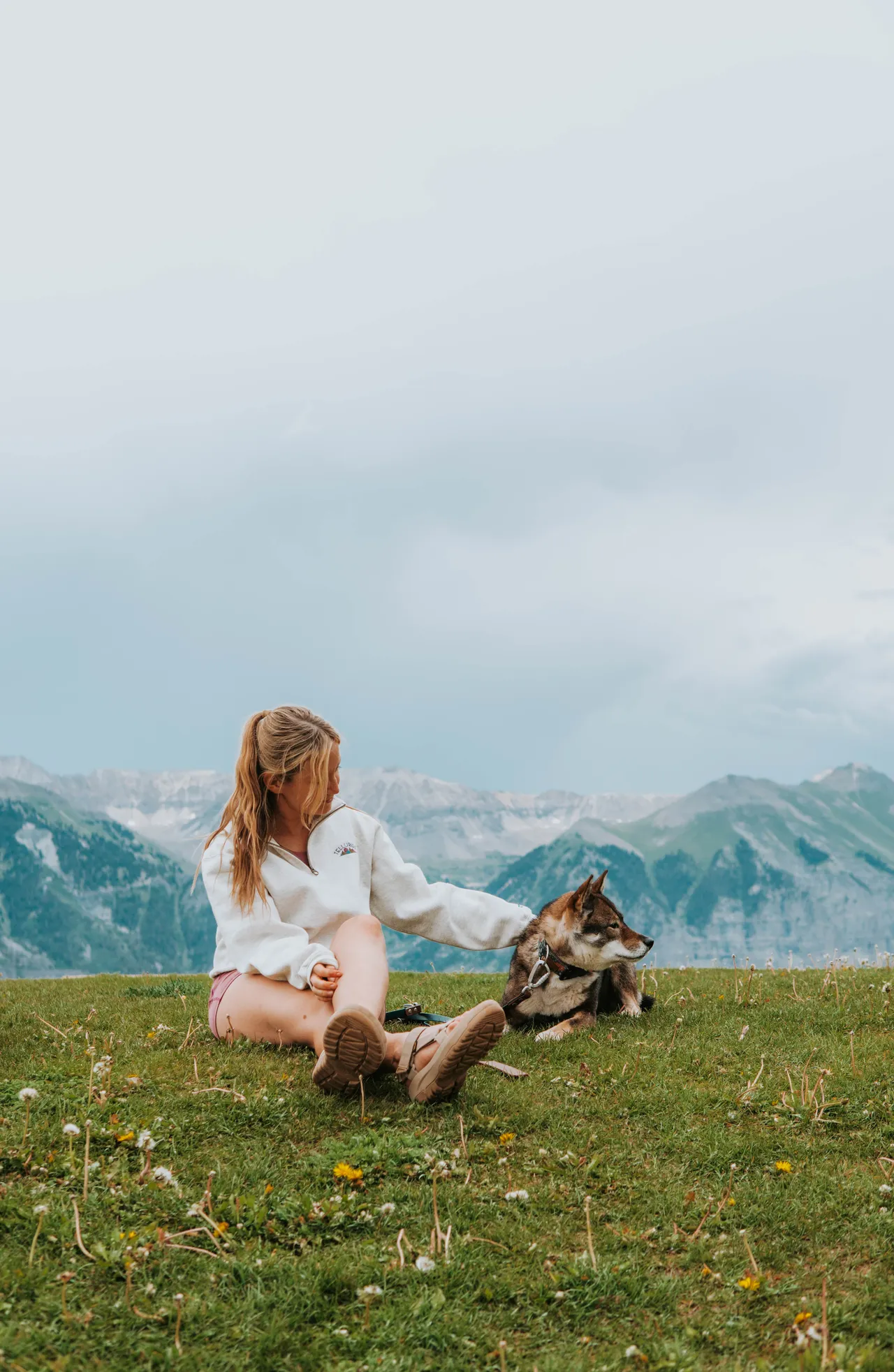
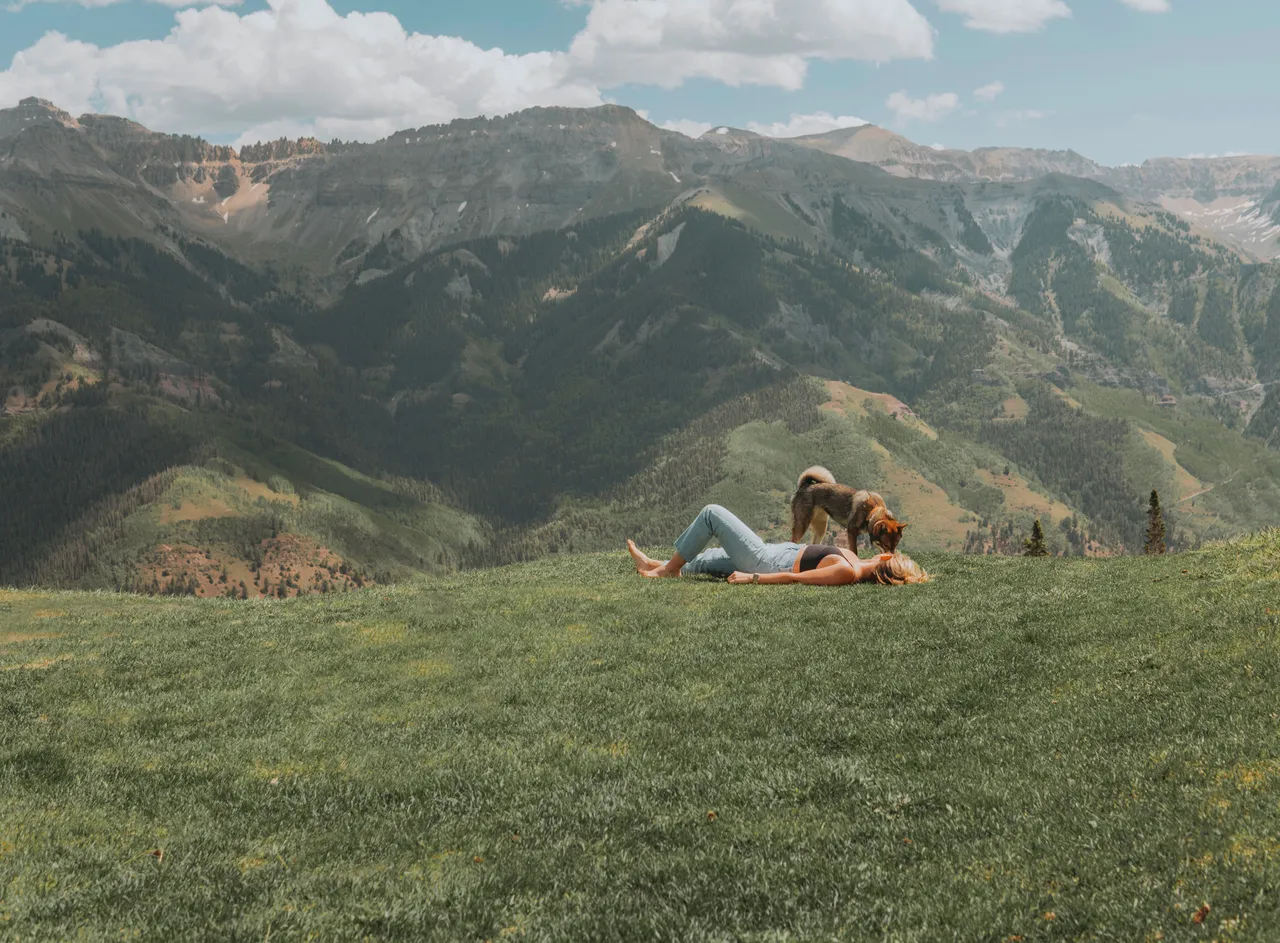
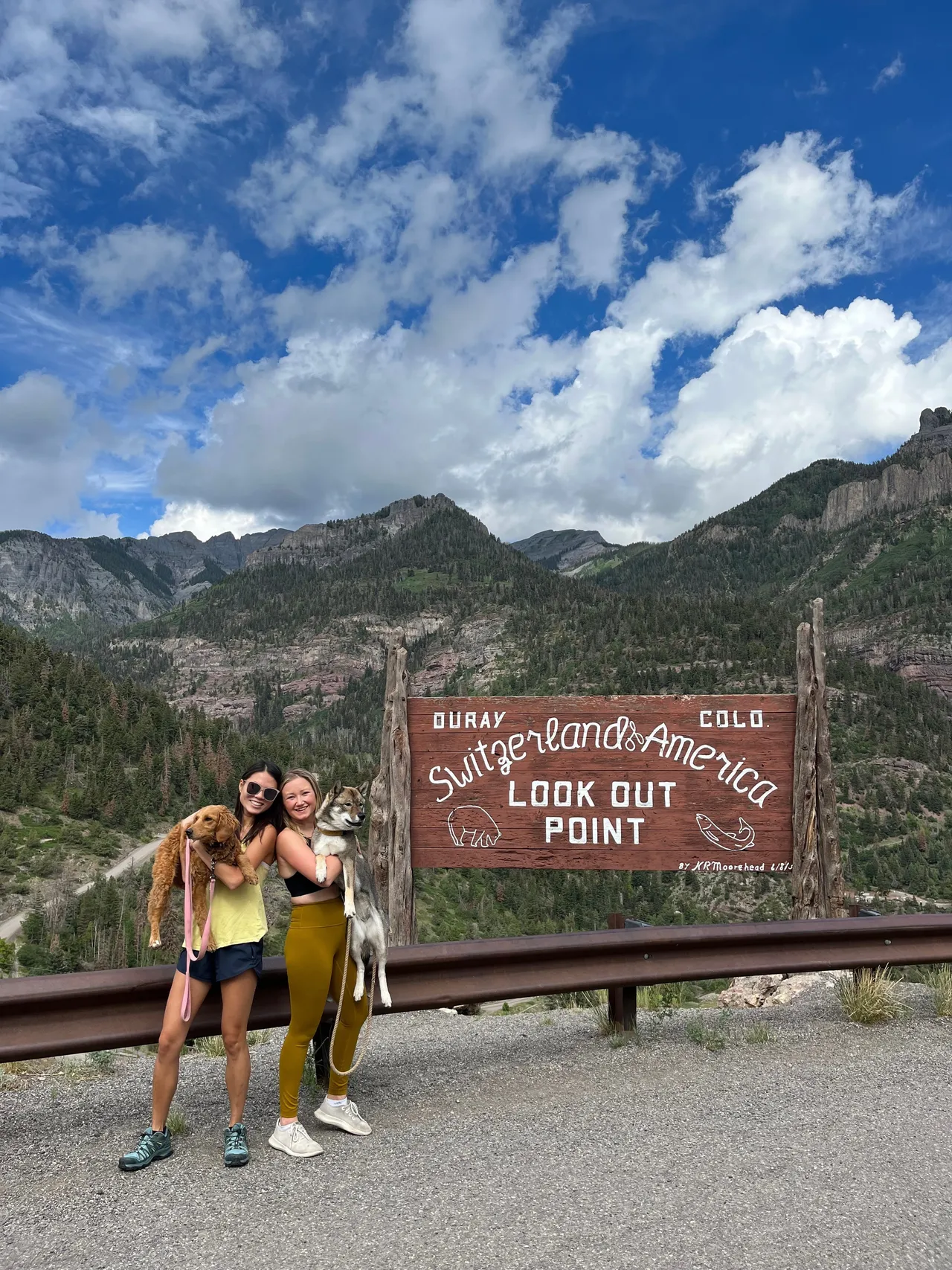
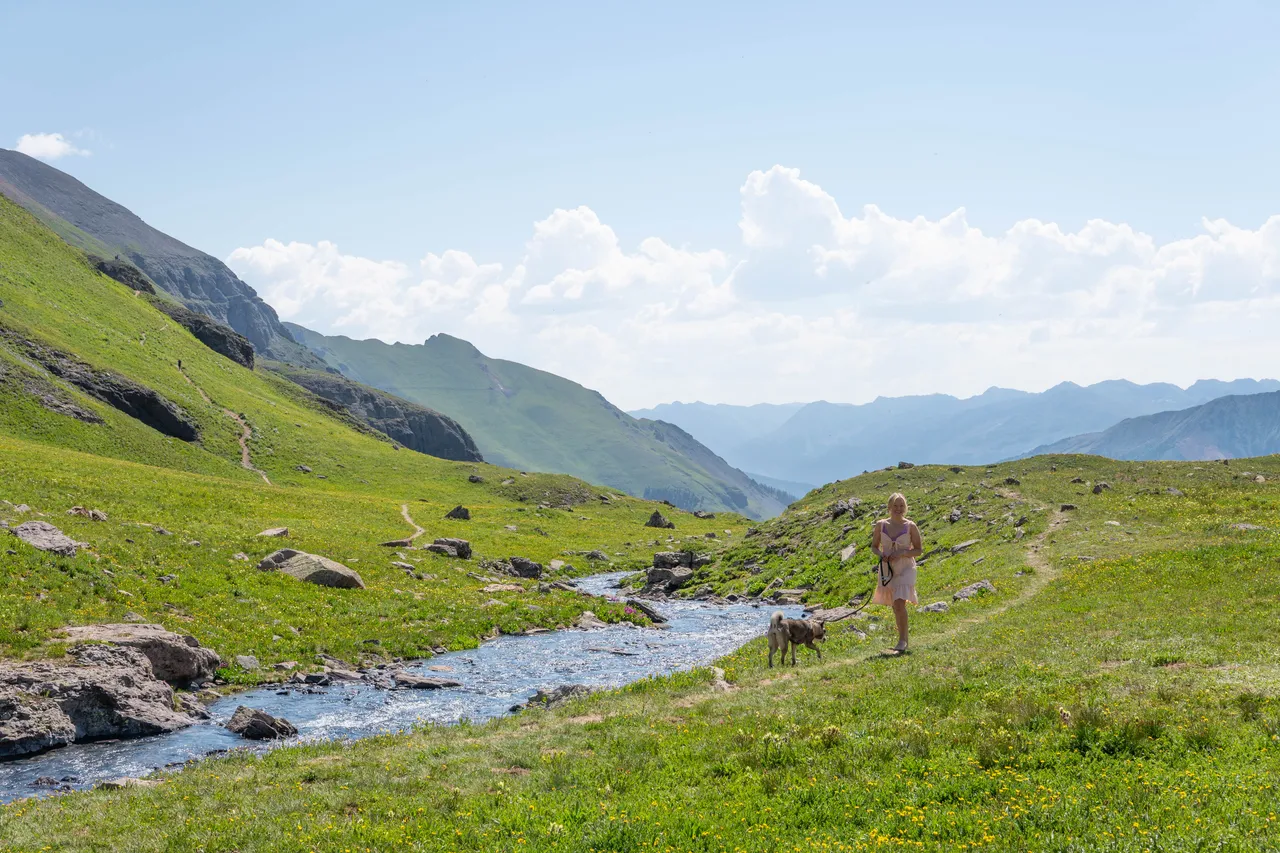
If there's one place that has my heart more than anywhere else, it's western Colorado. Telluride, Ouray, Ridgway — the San Juan Mountains feel like a different world entirely. Every time I drive over the passes and drop into those valleys, something in me settles. The air is thinner and cleaner, the mountains are sharper, and the towns are small enough that you start recognizing faces after a day or two. I've never felt so connected to a place before. I don't have a better way to describe it other than it just feels like where I'm meant to be. If I ever came into a lot of money, I'd move there in an instant — no hesitation. Until then, I'll keep making the drive as often as I can, because western Colorado is the one place that always feels like coming home.
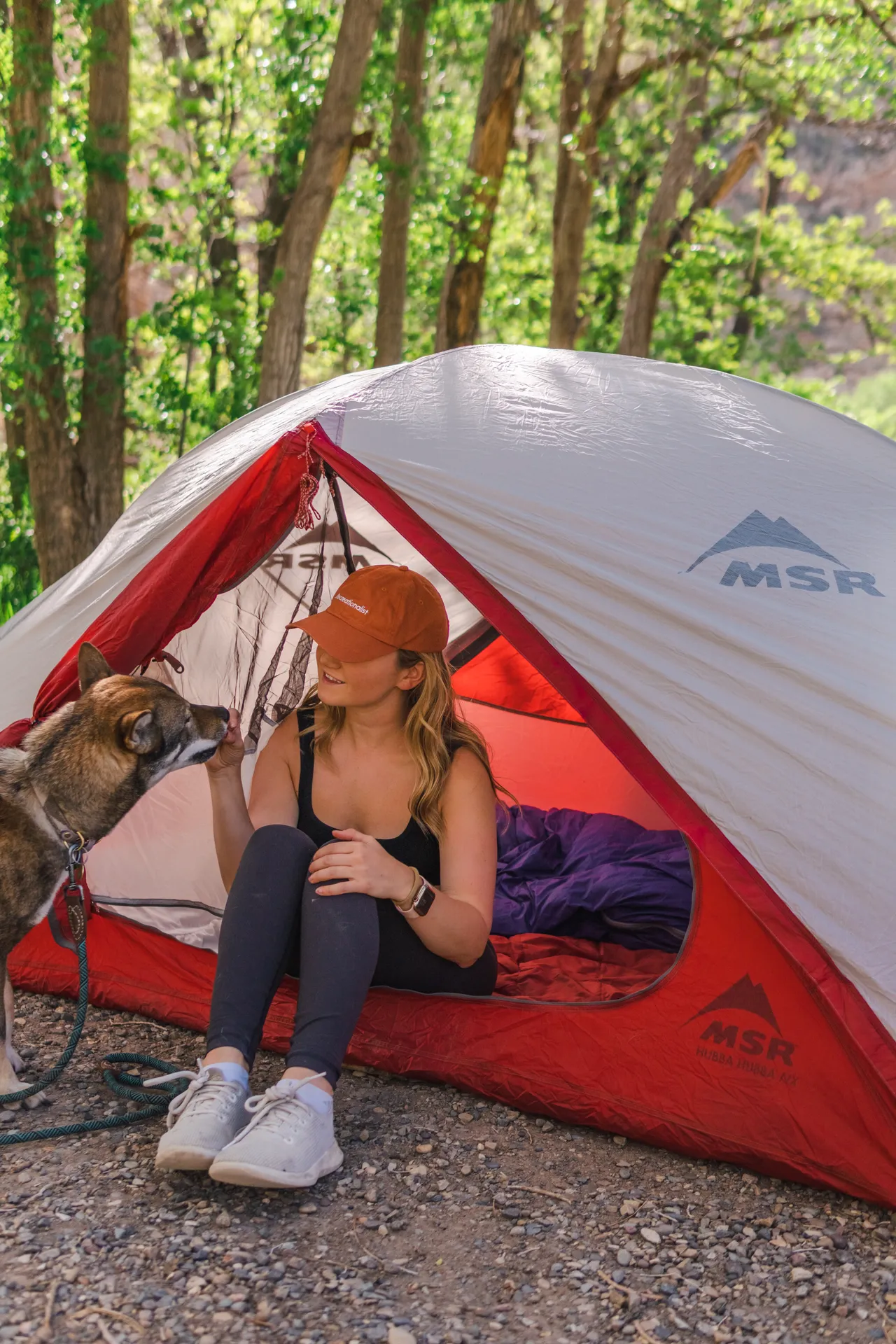
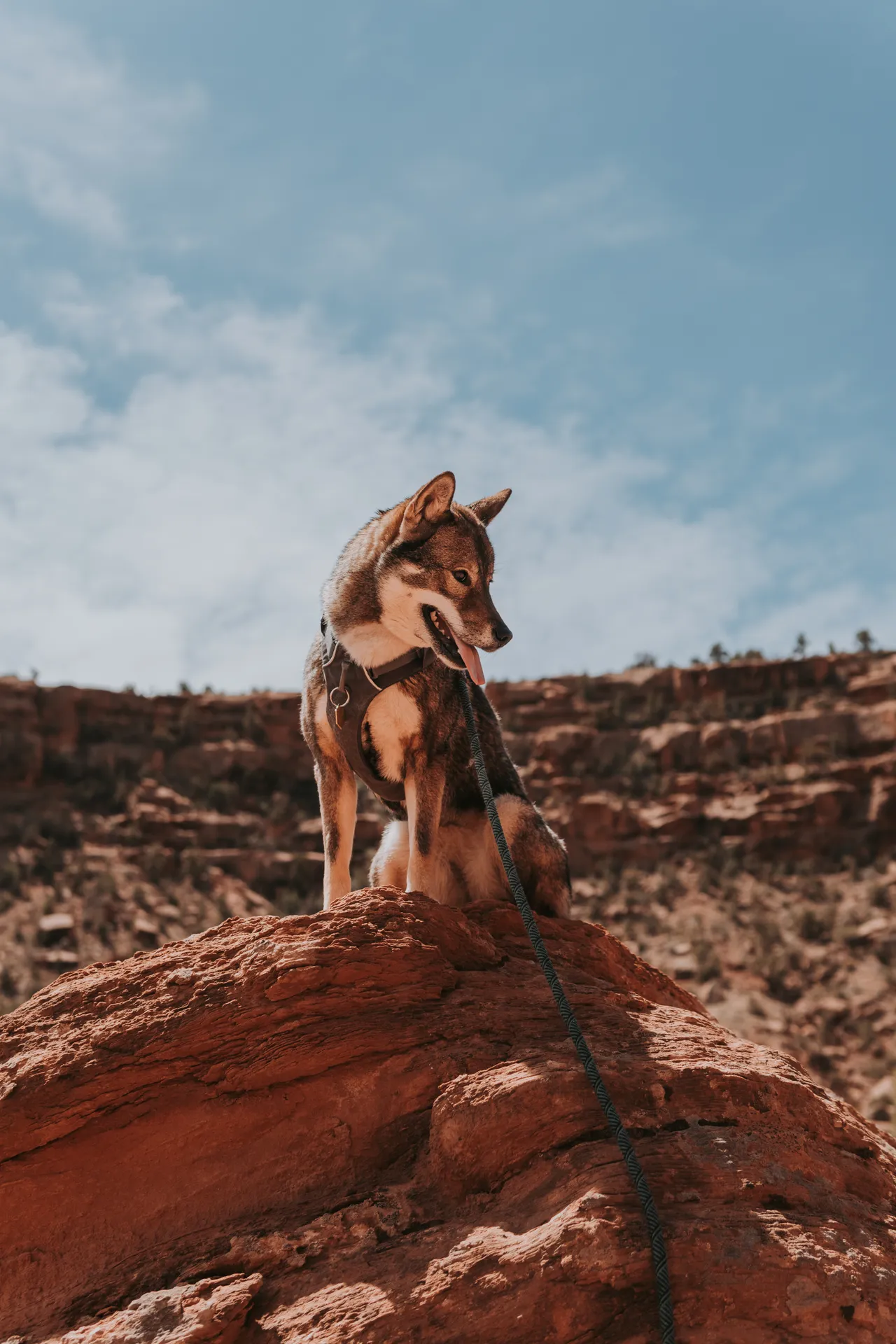
Grand Junction was where I took my first ever solo camping trip — just me, Sora, and a tent at the edge of the canyon. I was terrified going into it, honestly. But waking up out there, with the red rock stretching out in every direction and nobody around, something shifted. It really helped build my confidence in the outdoors and showed me I could do this on my own. That trip became the foundation for everything that came after.
The Desert
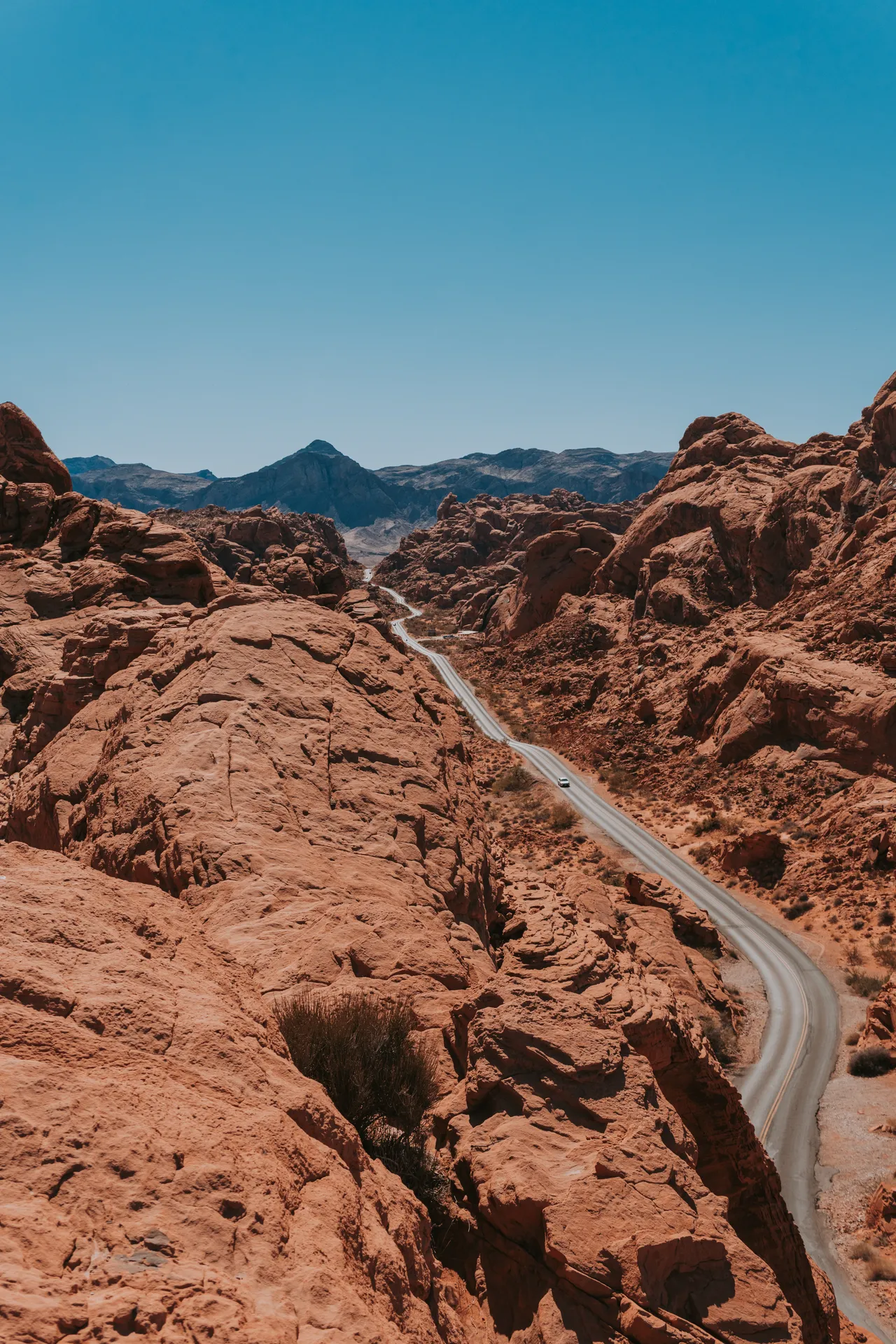
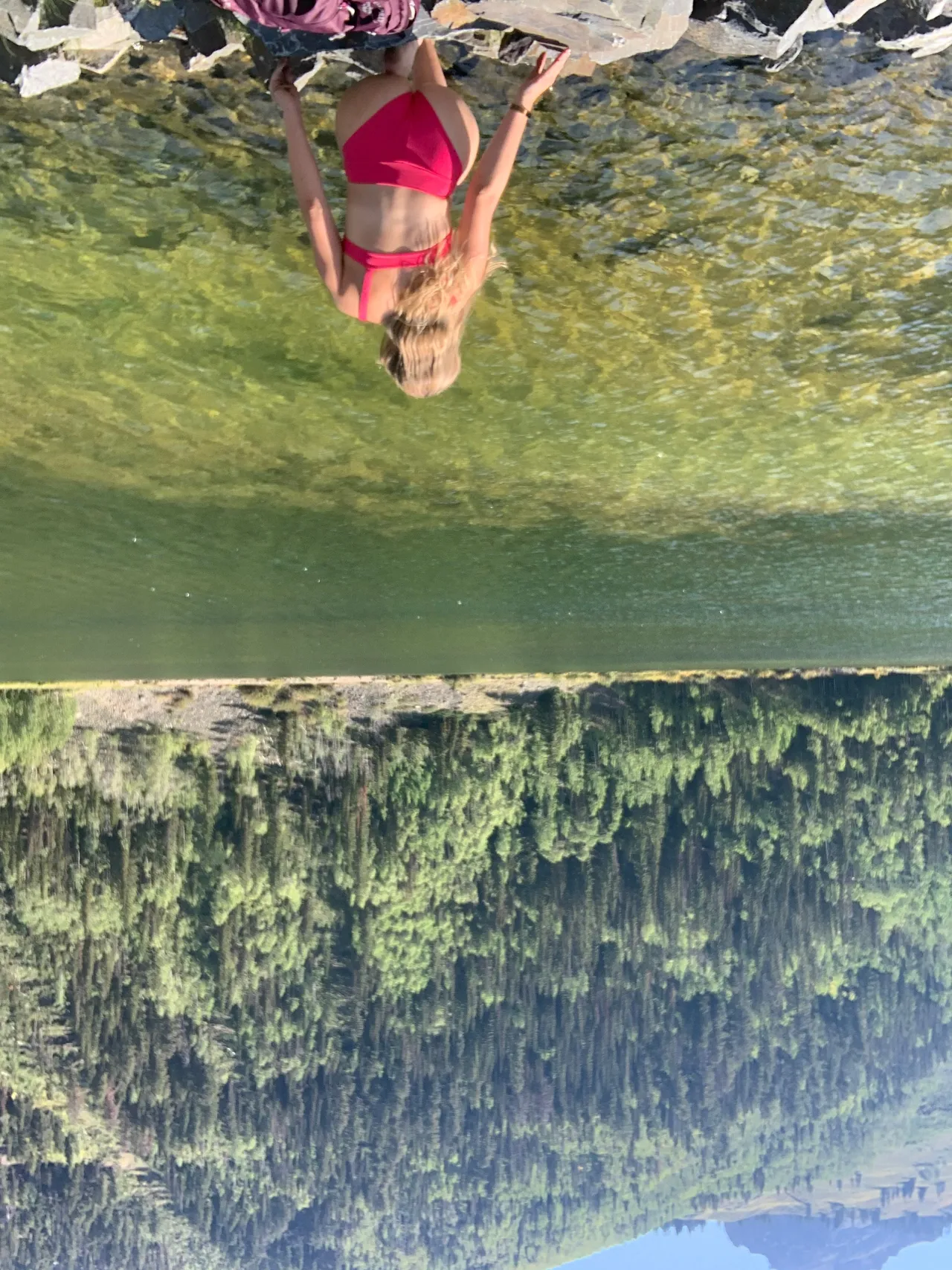
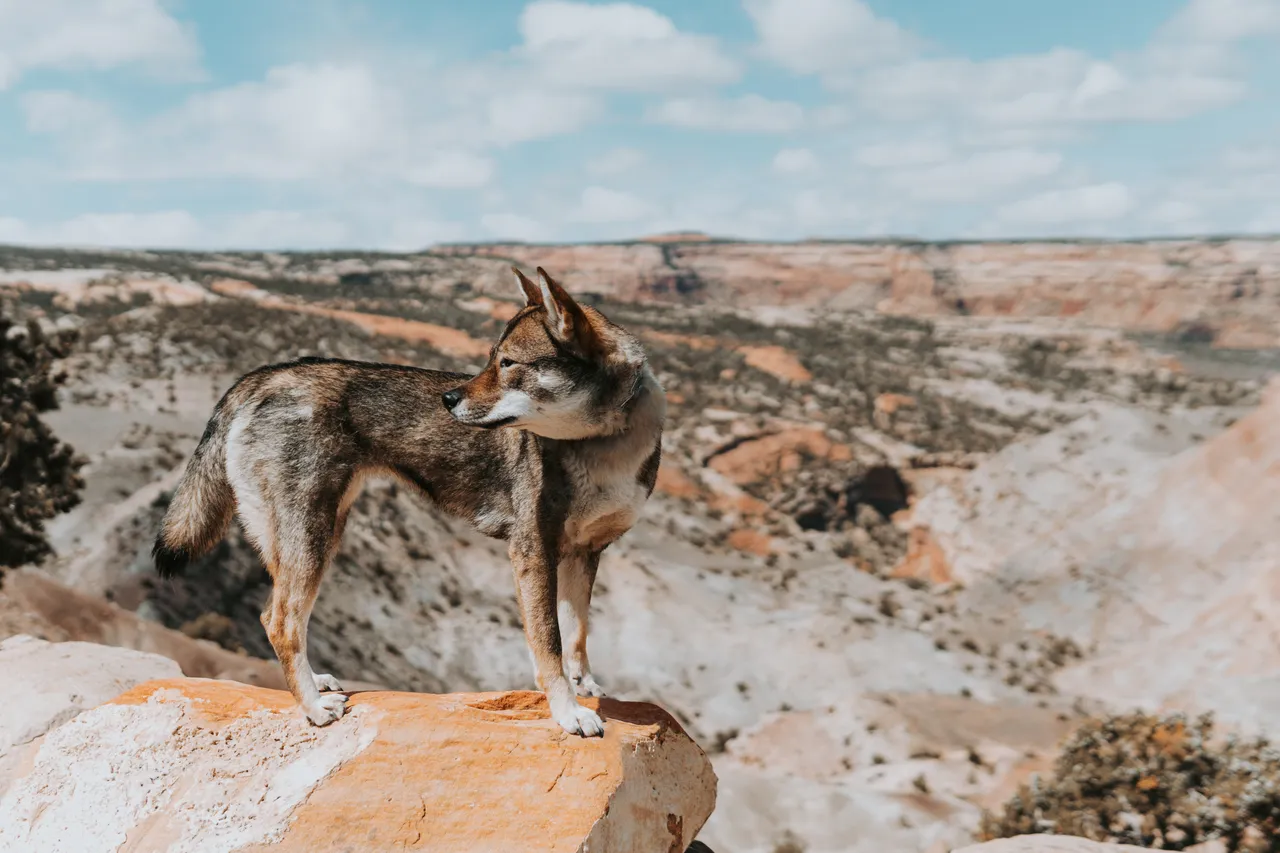
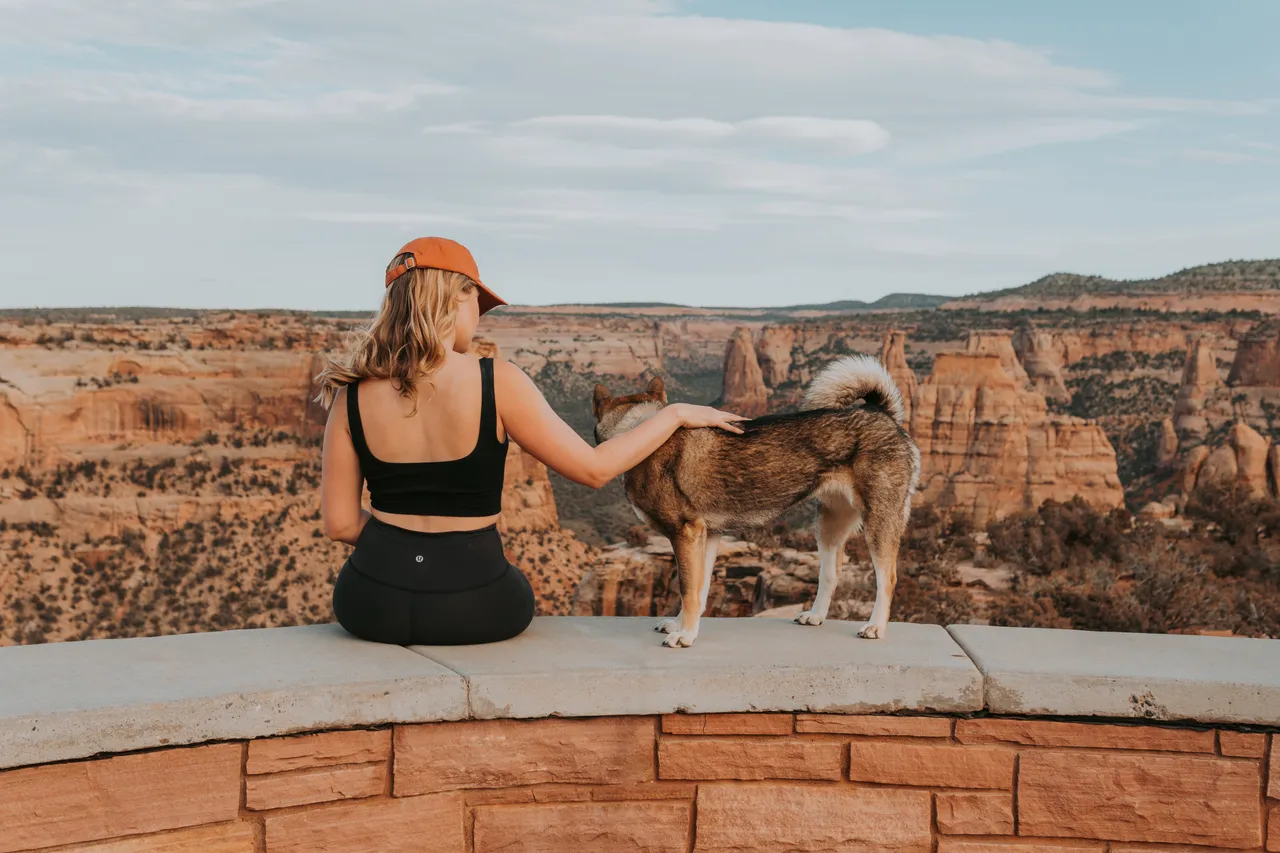
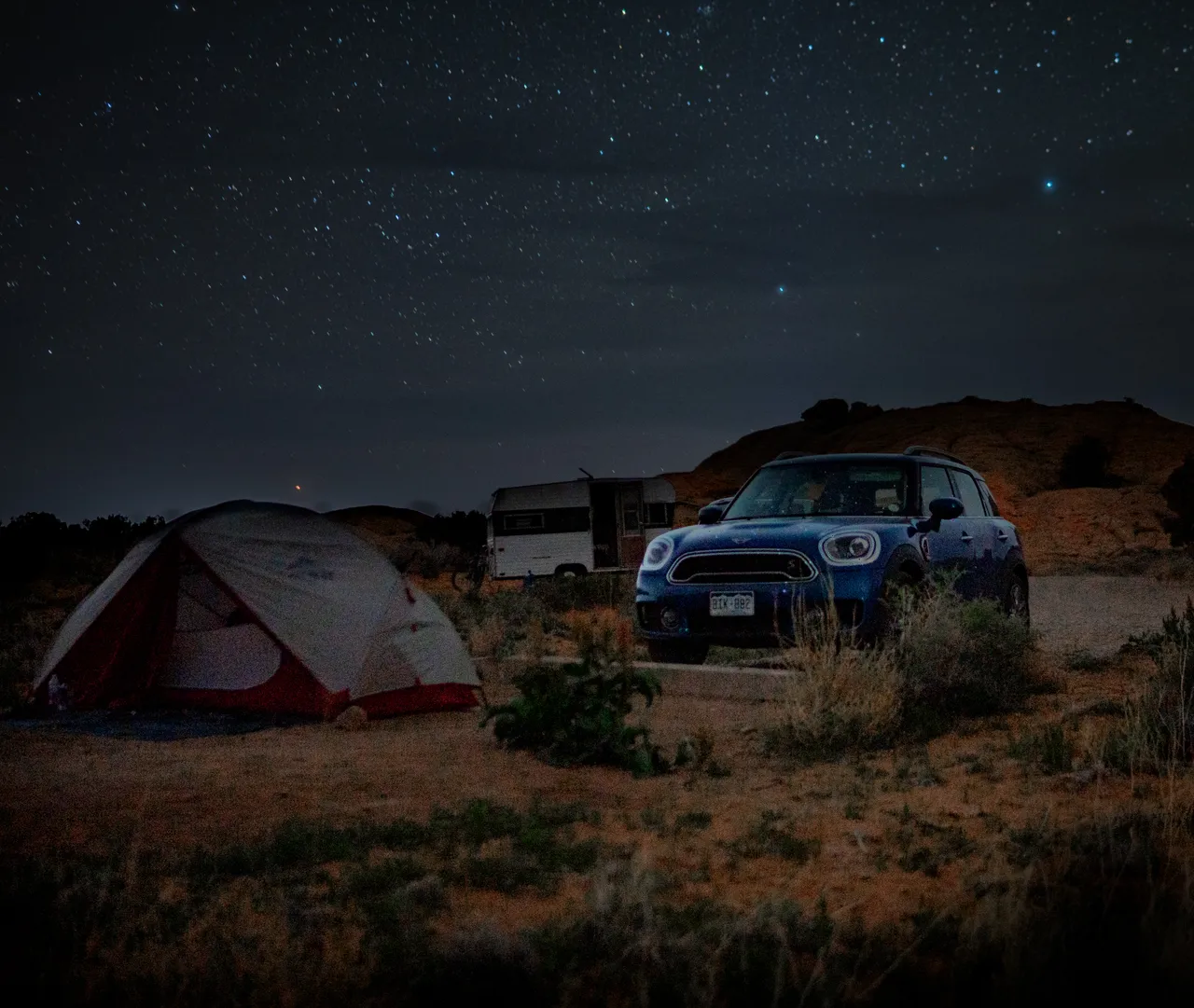
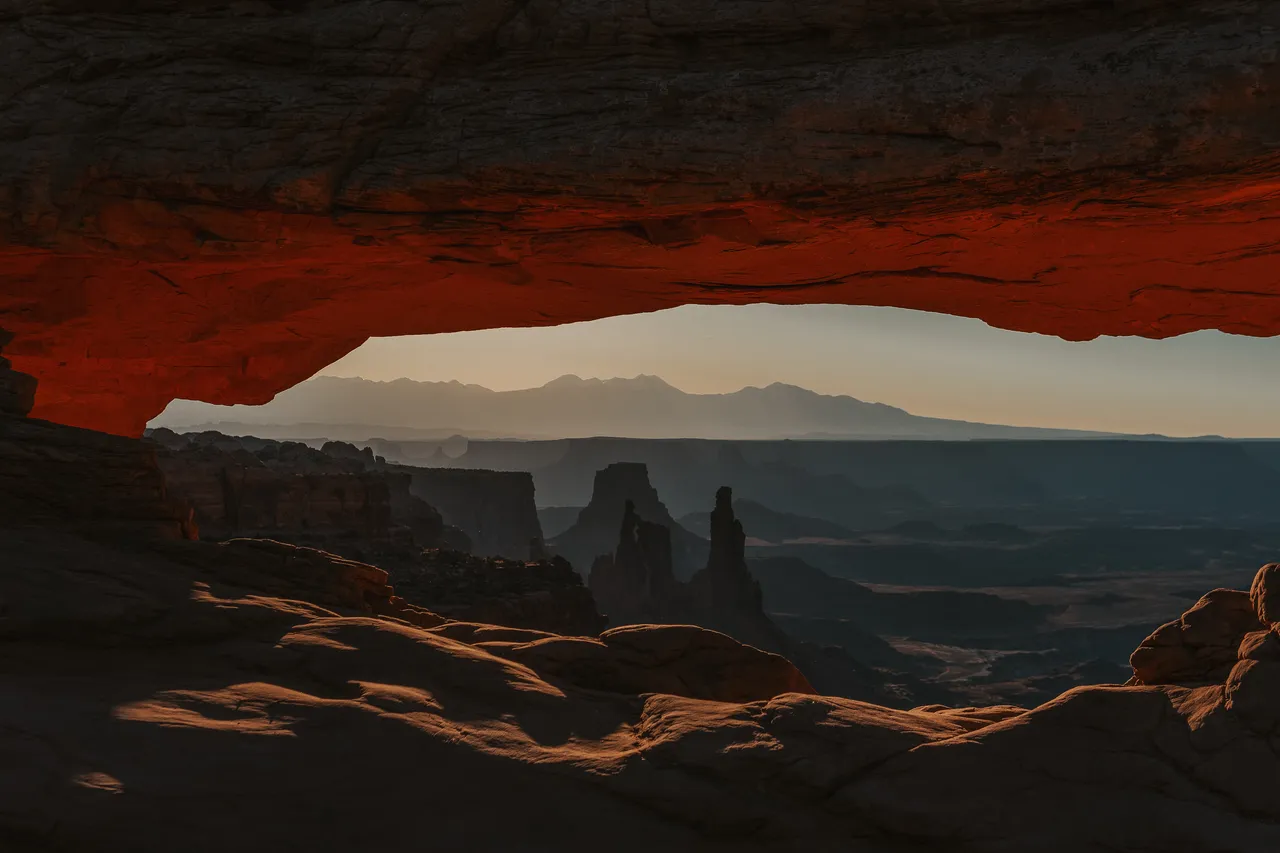
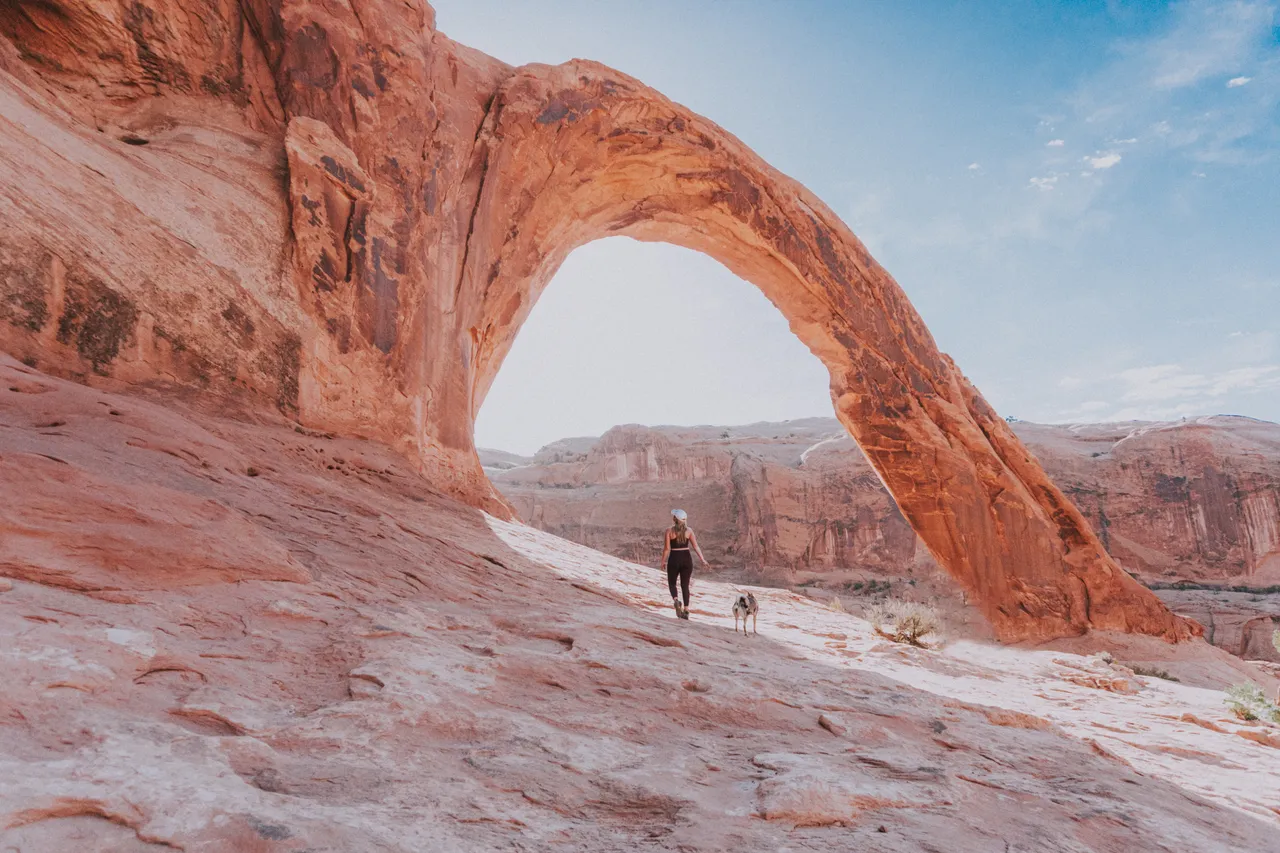
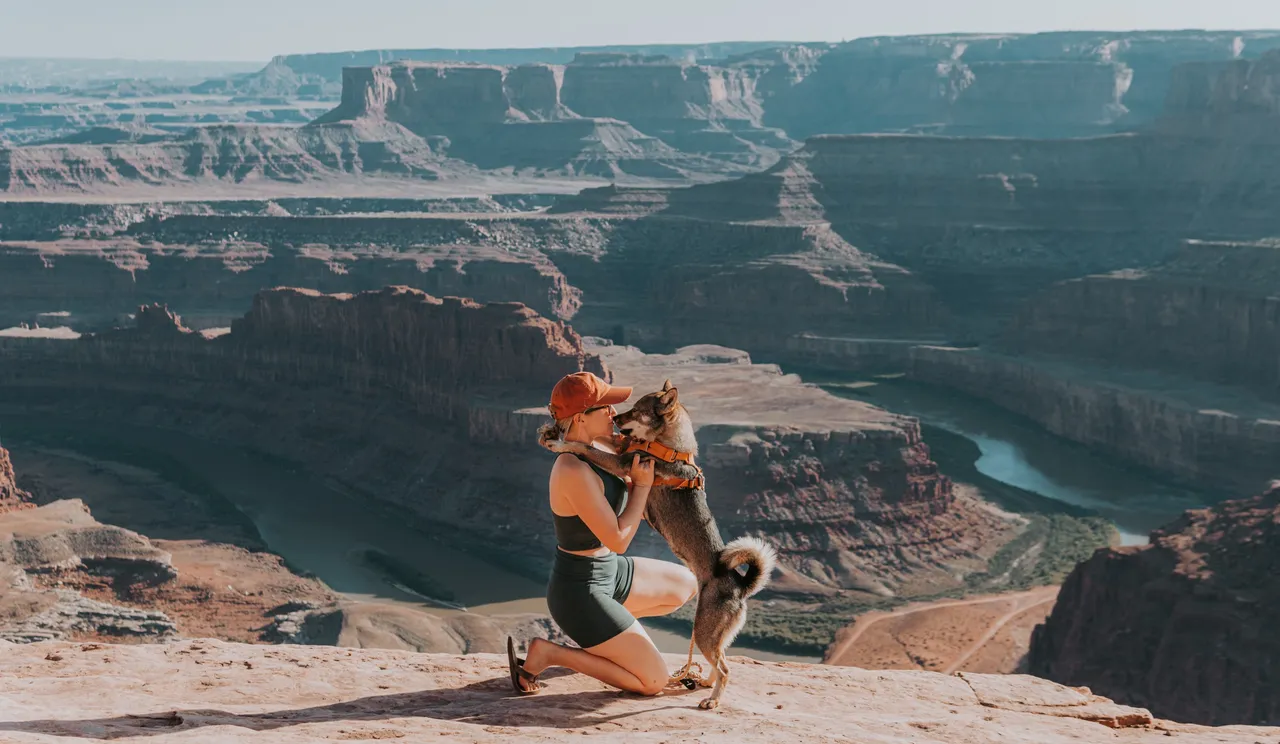
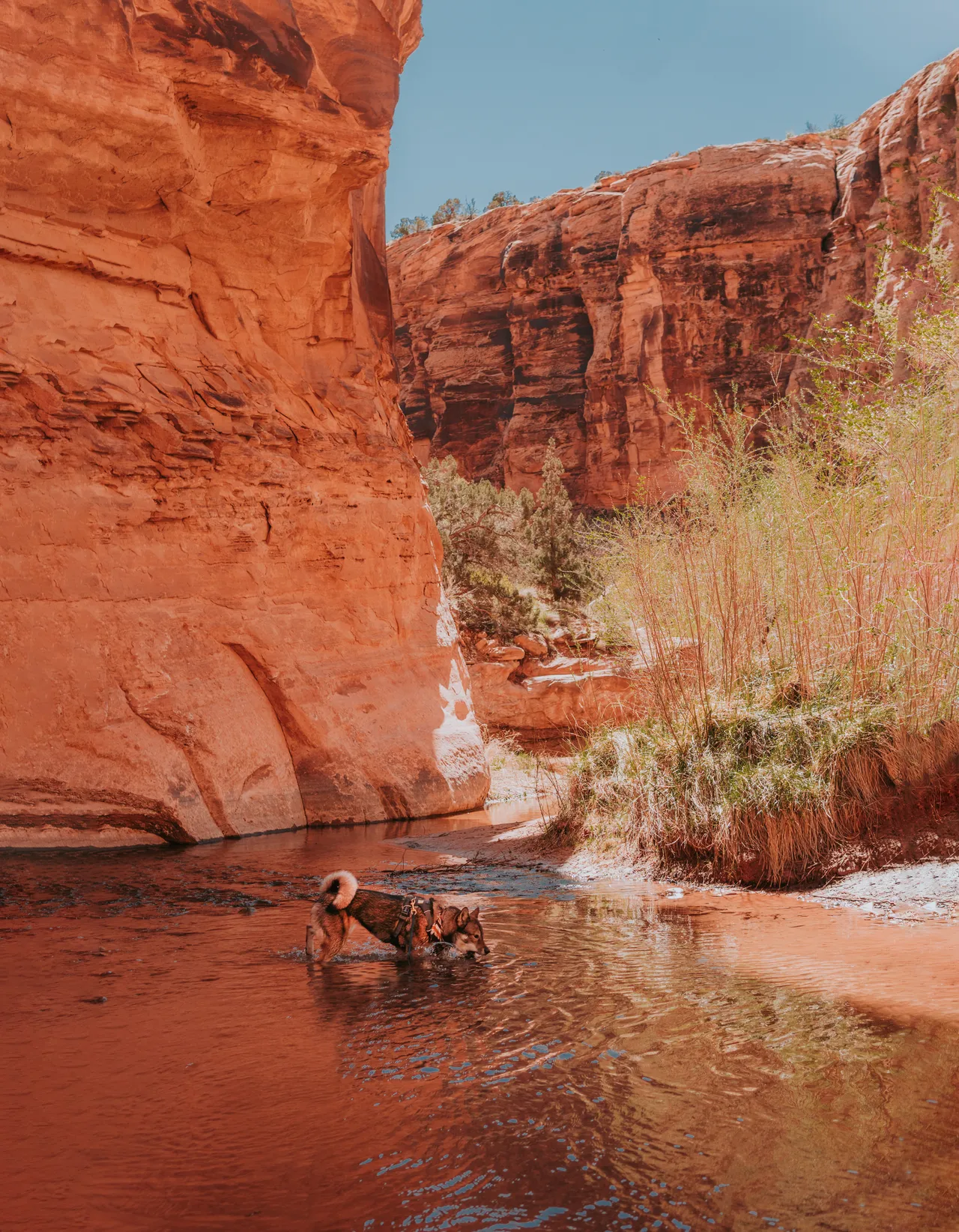
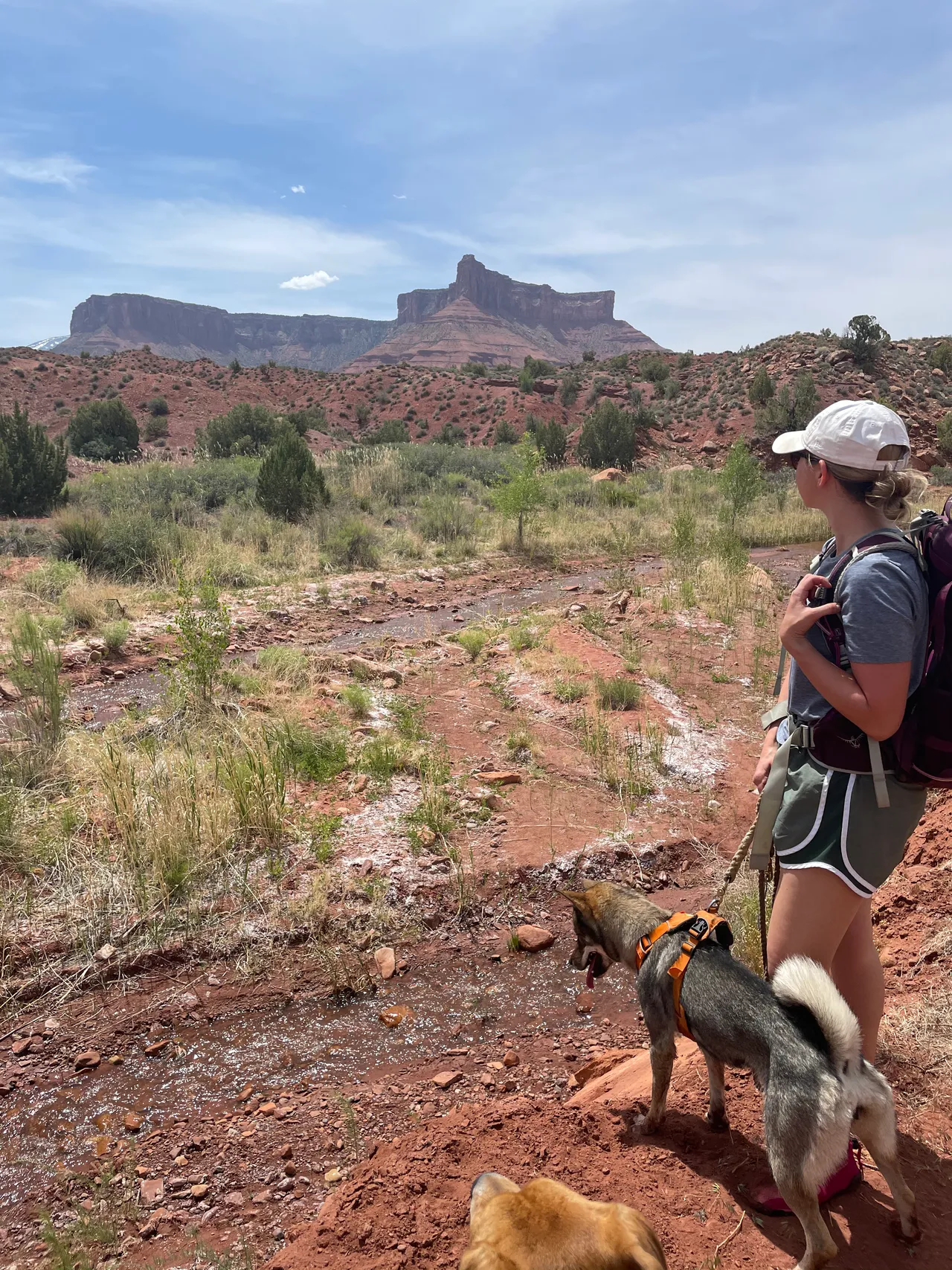
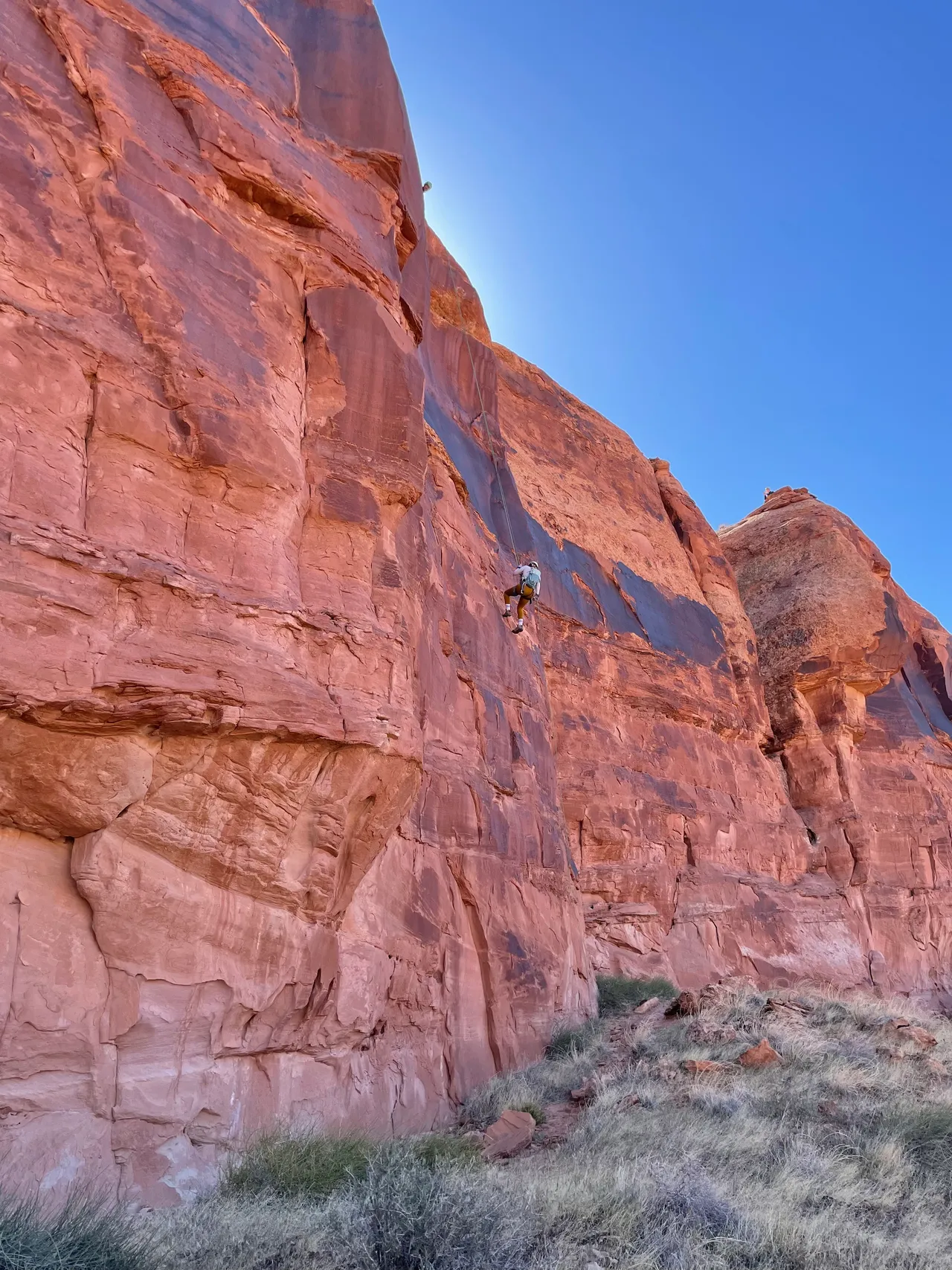
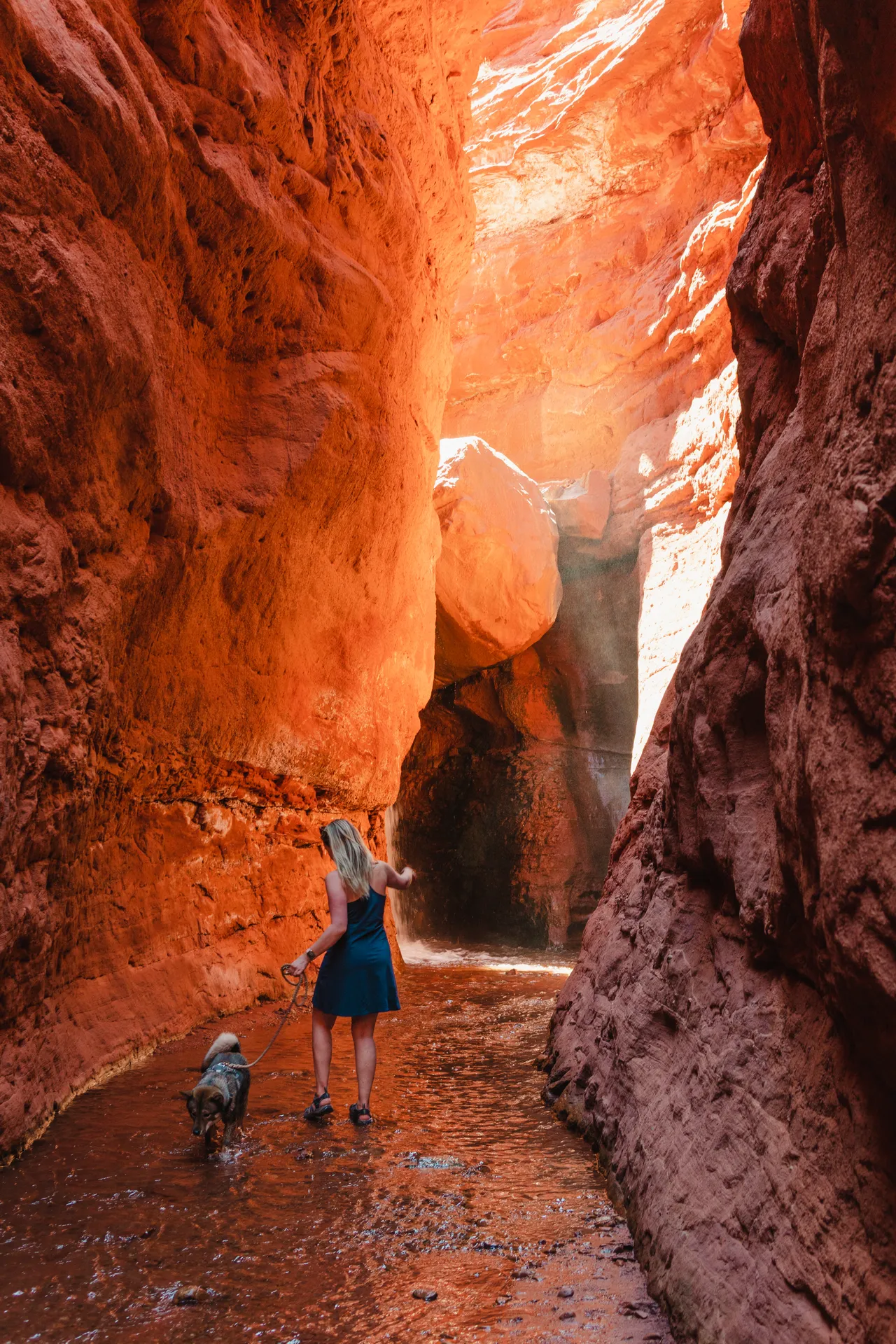
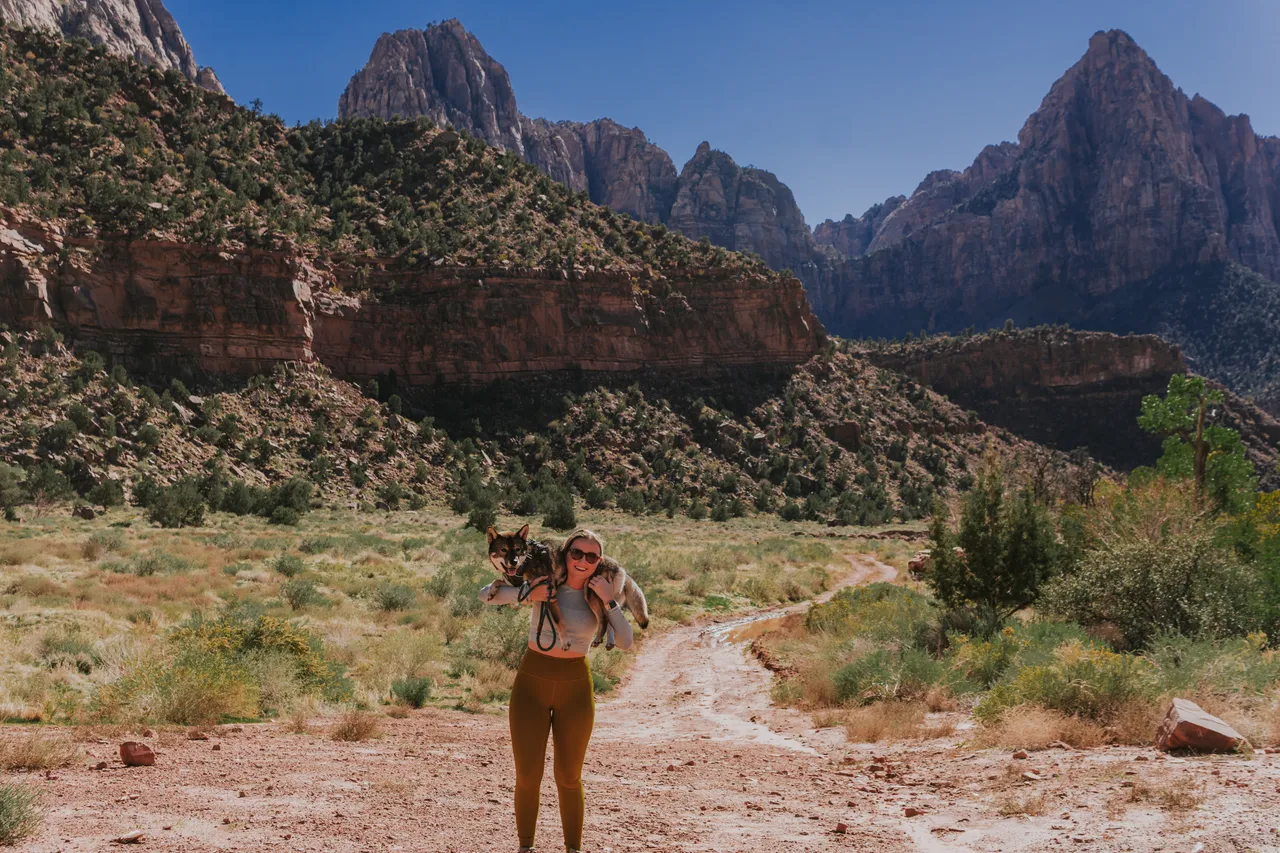
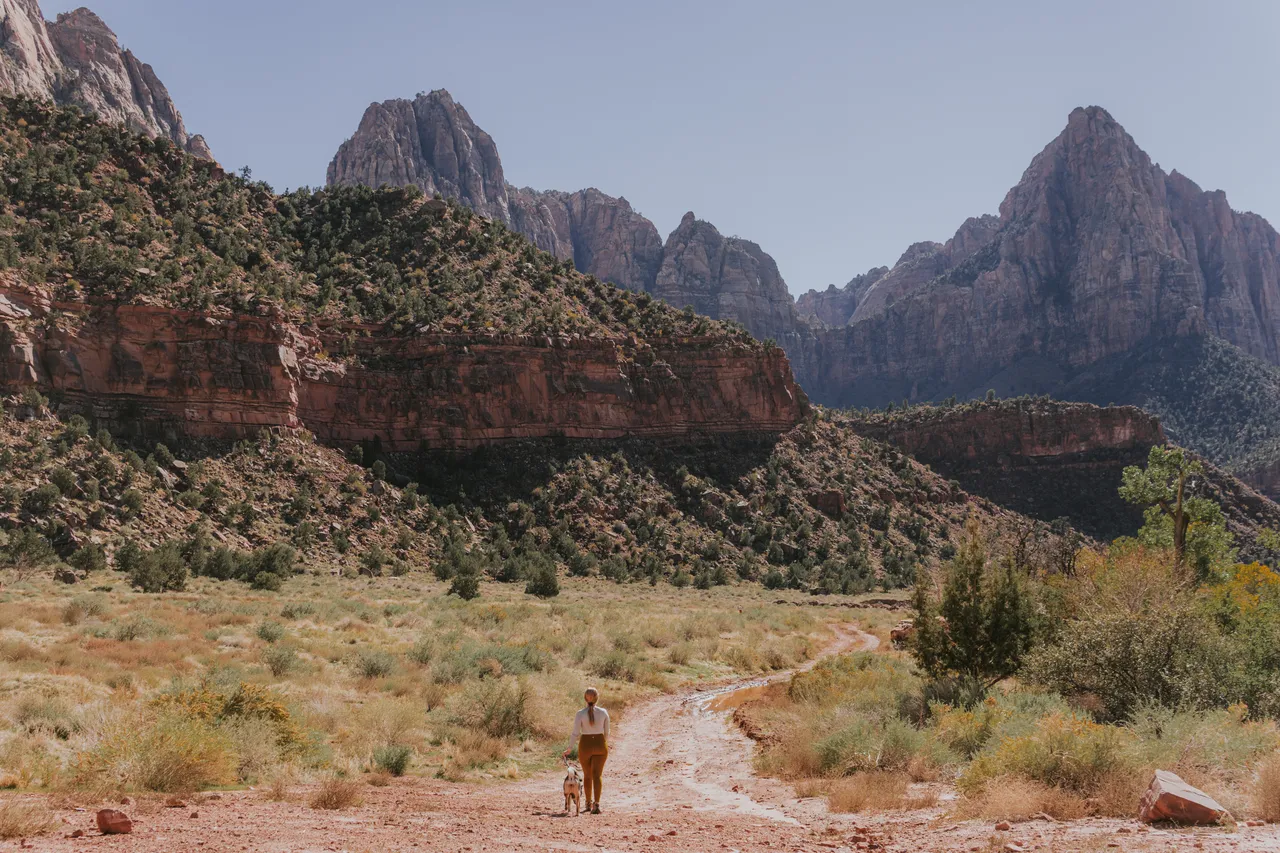
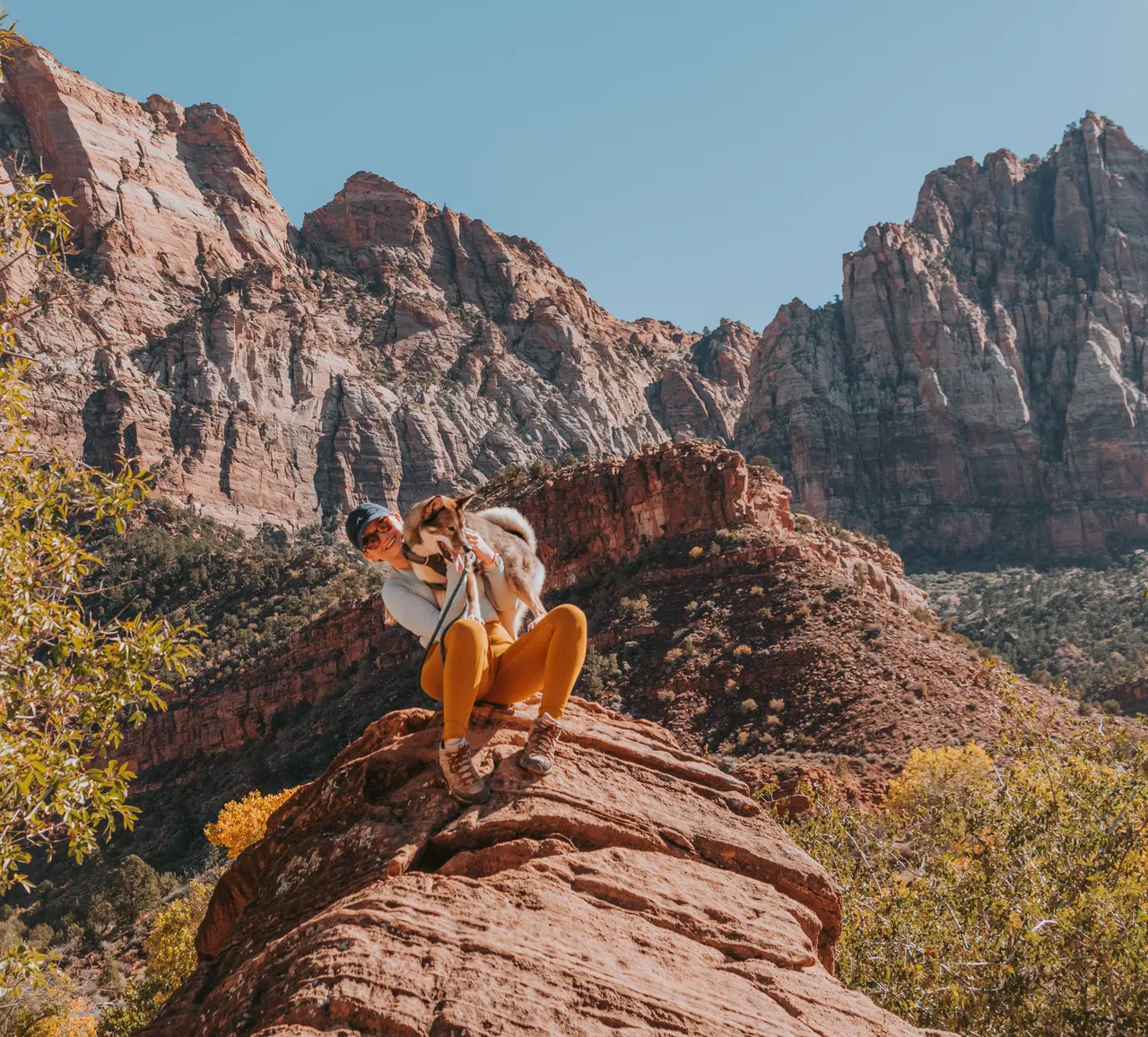
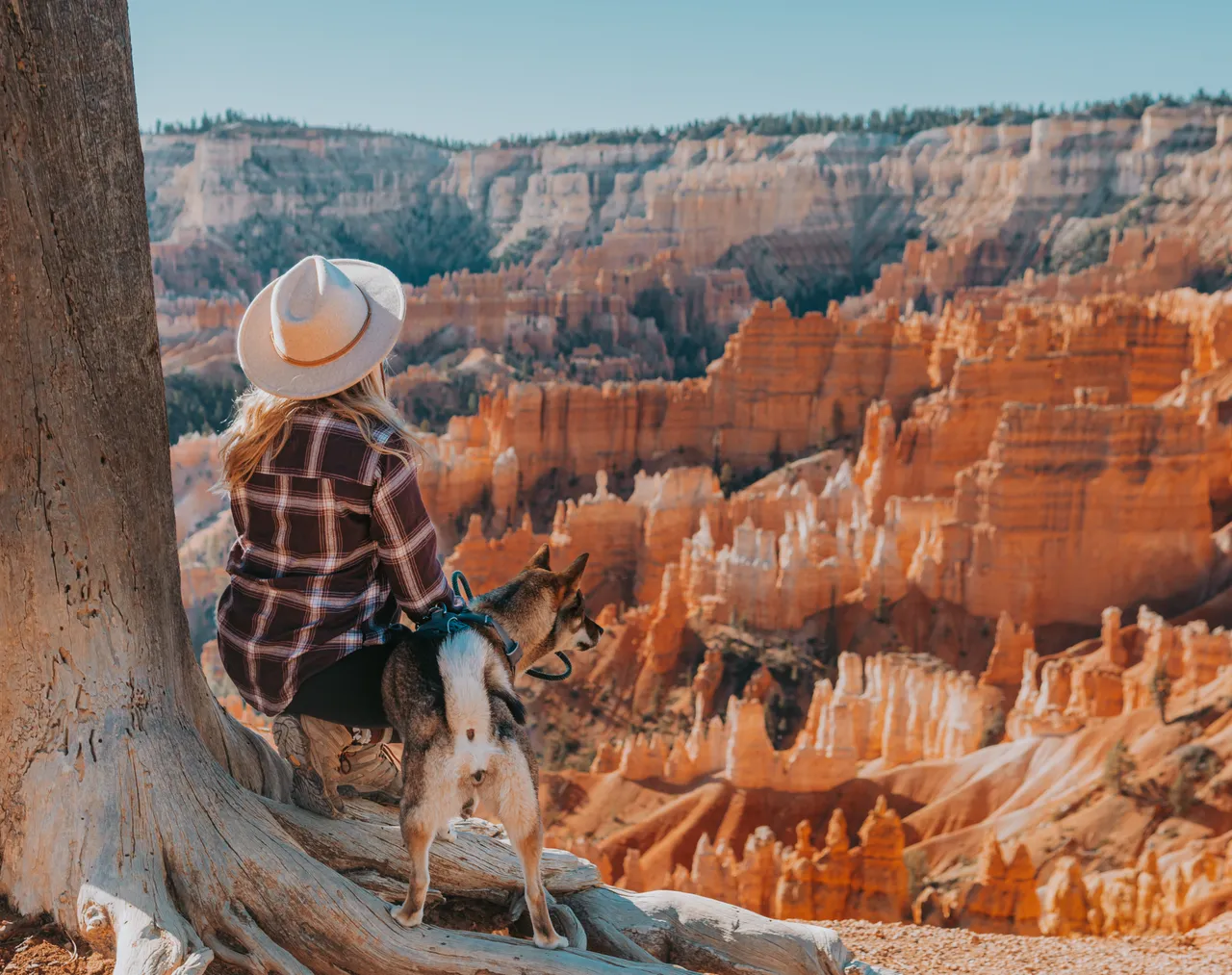
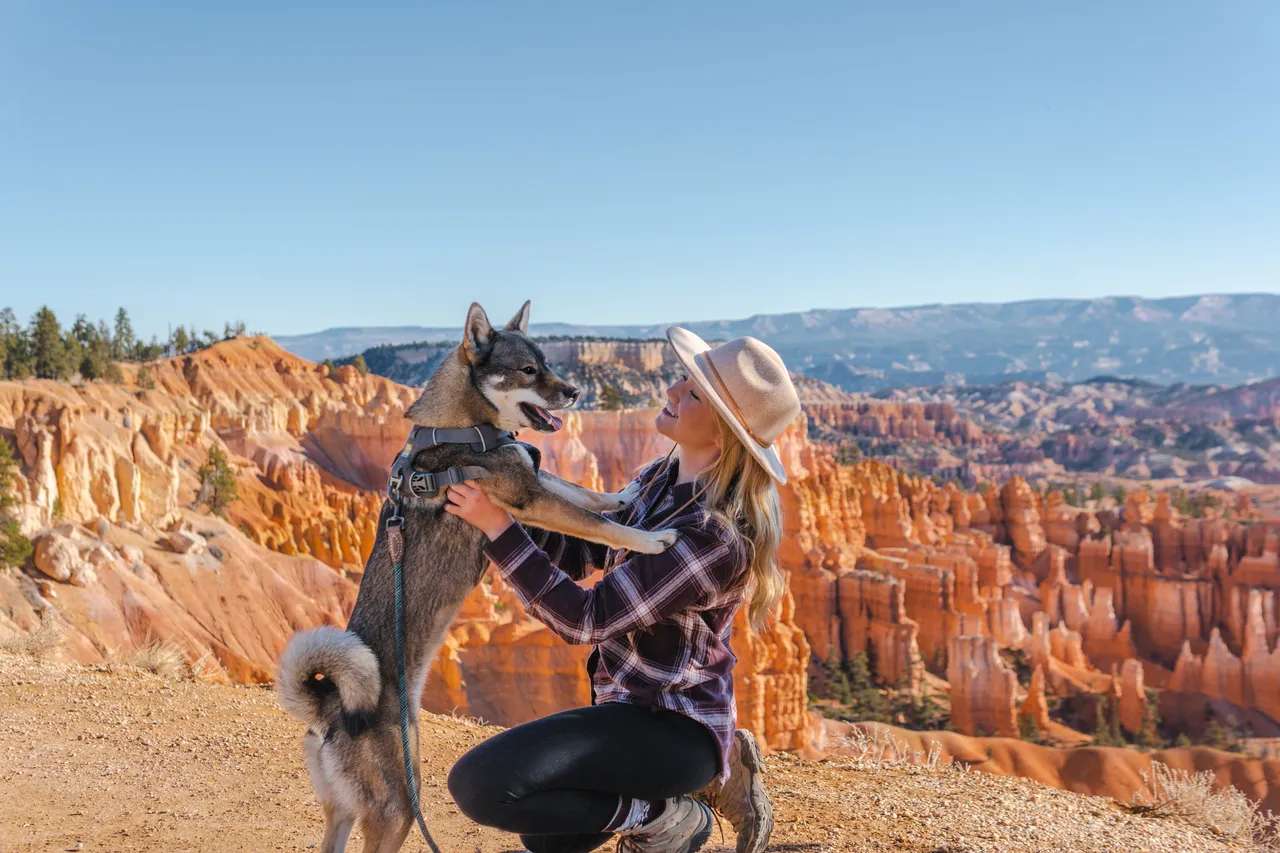
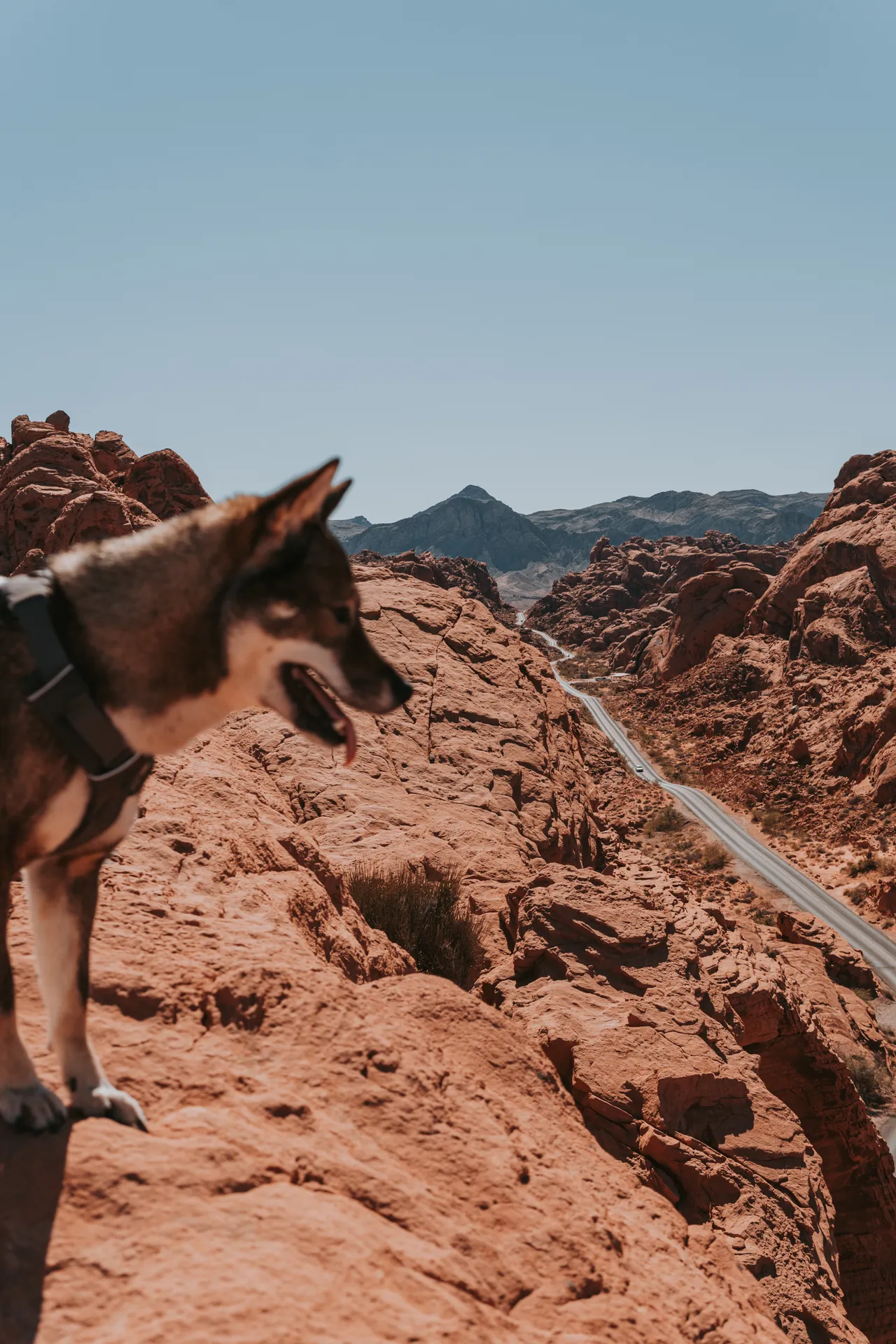
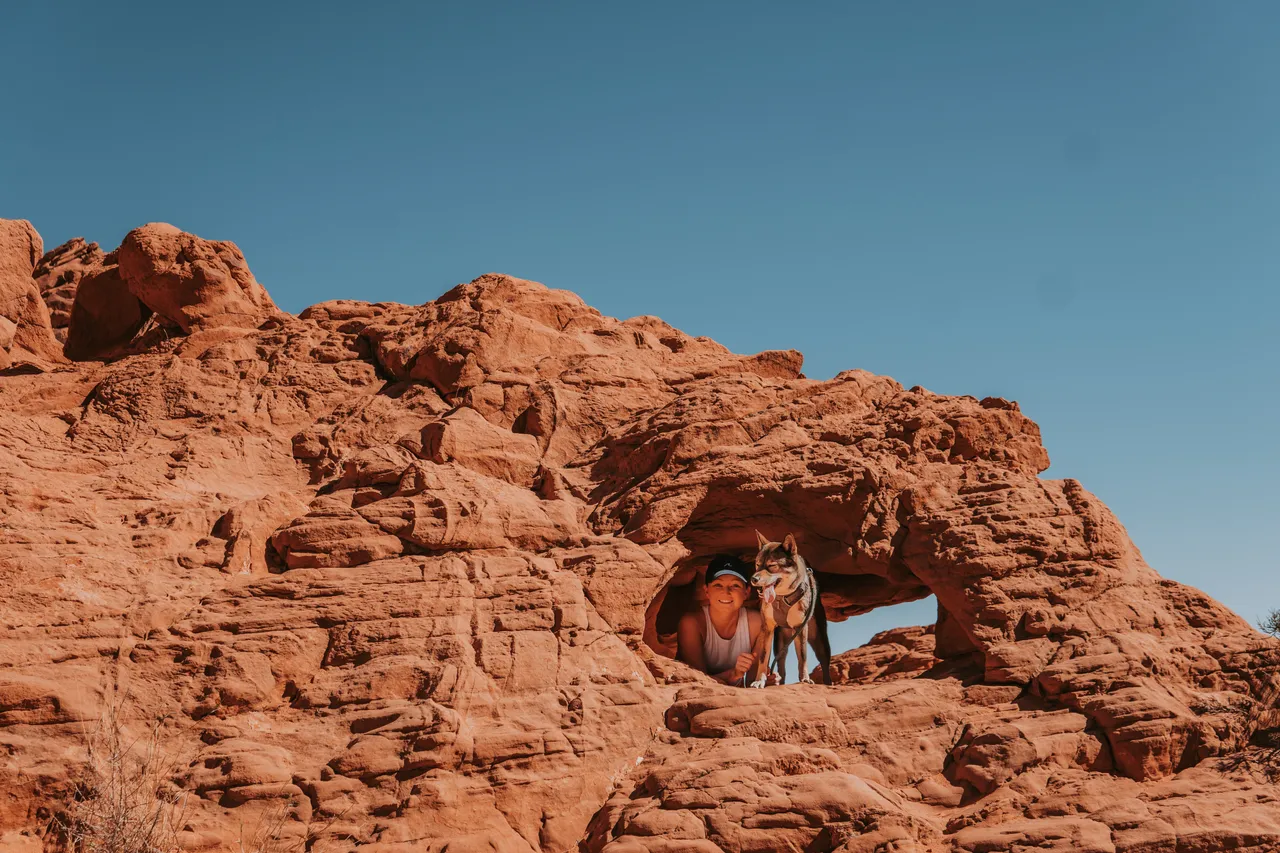
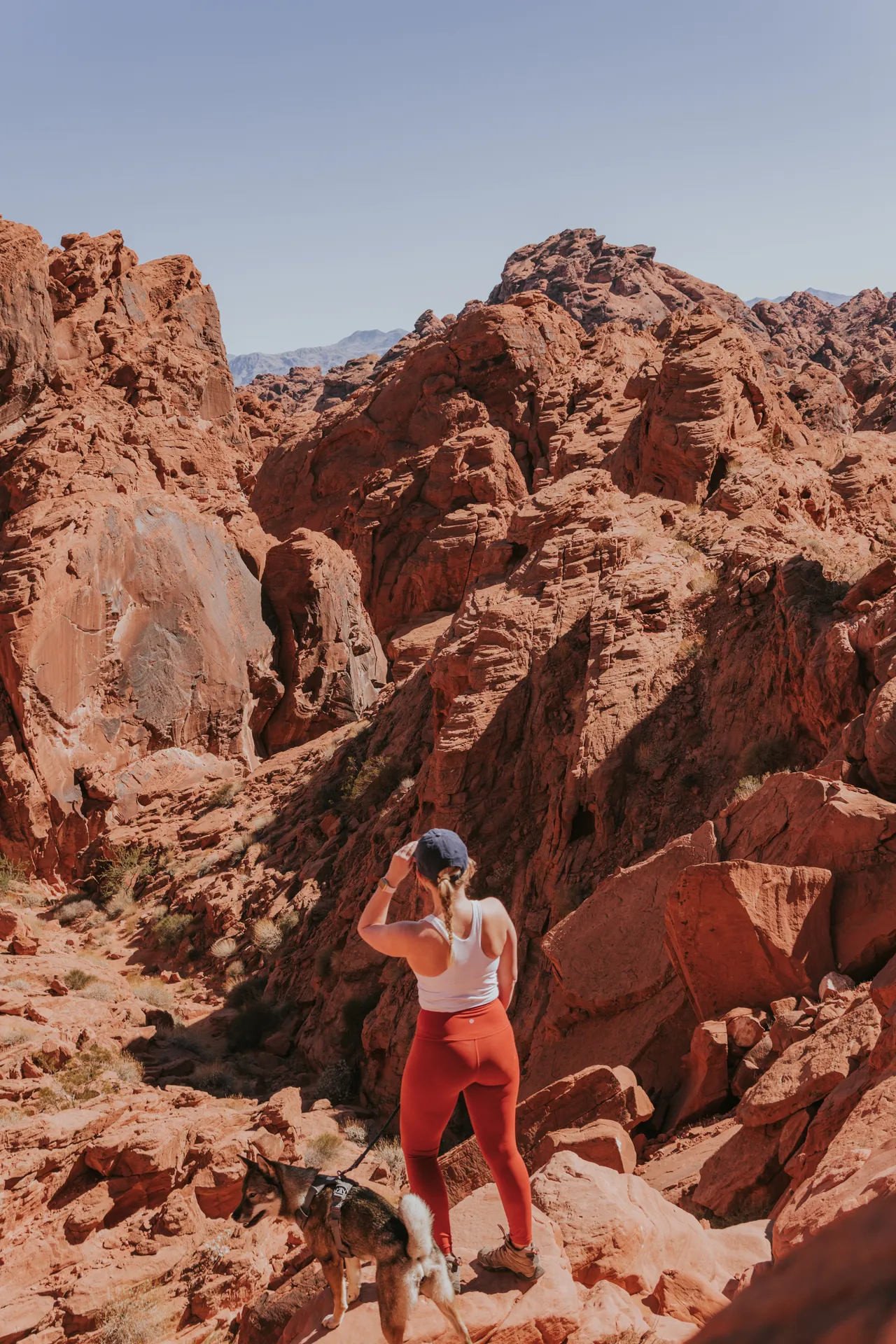
Something about the desert and a MINI just works. Maybe it's the contrast — a small, rounded British car against the massive red geometry of canyon country. We've driven Vegas through Zion and Bryce Canyon to Moab more than once, and Moab alone has pulled us back five times — for rock climbing, mountain biking, hiking, and some of the darkest skies I've ever photographed. The desert strips everything down. The drive there is half the point.
Zion & Bryce Canyon
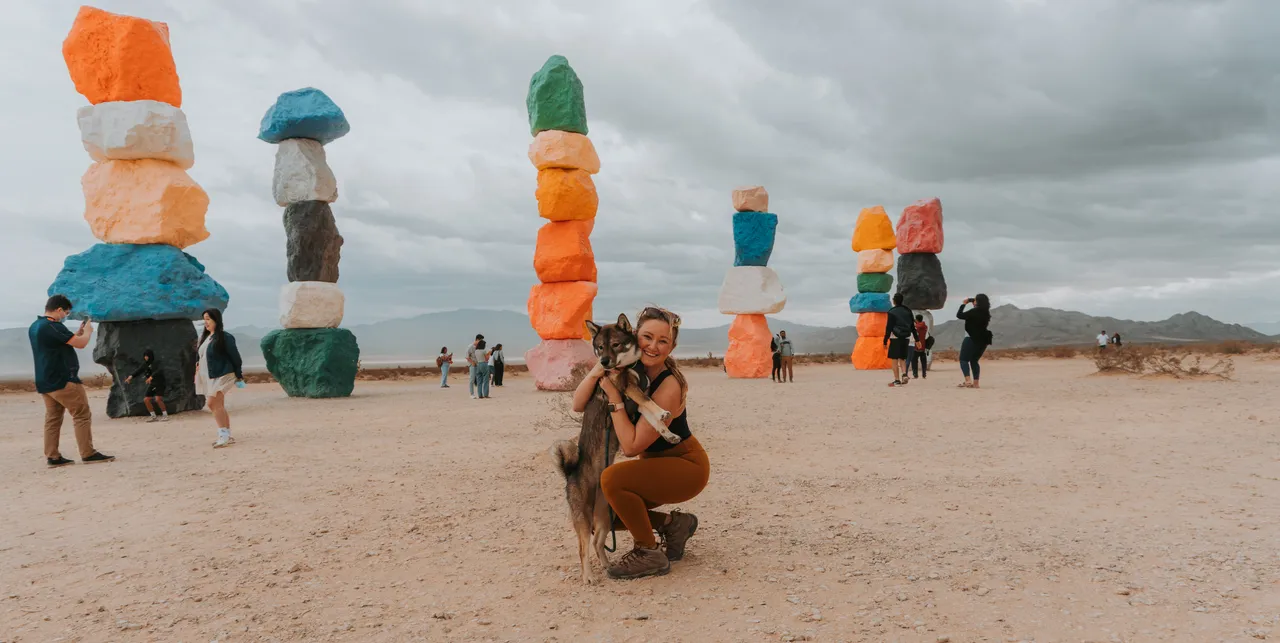
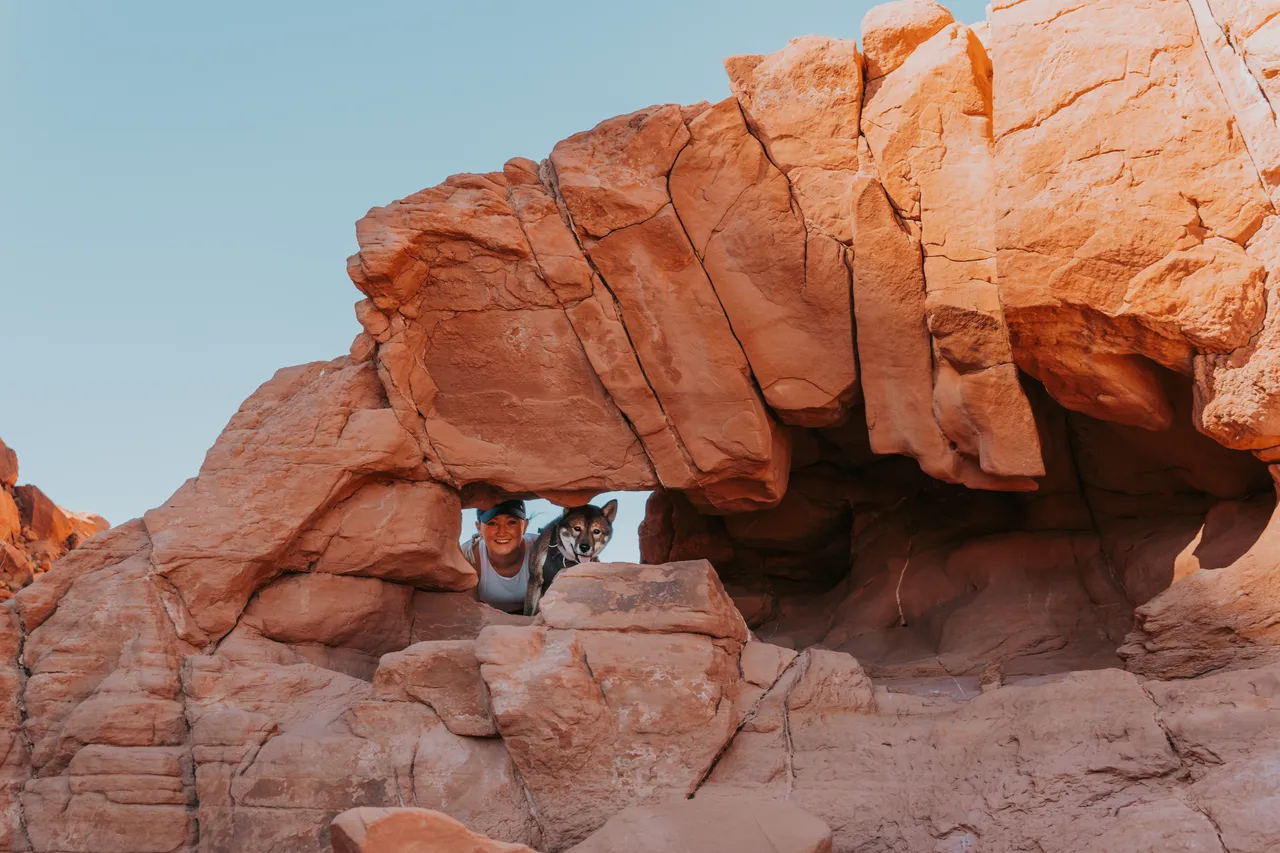
Valley of Fire & Seven Magic Mountains
Then We Headed Pacific Northwest
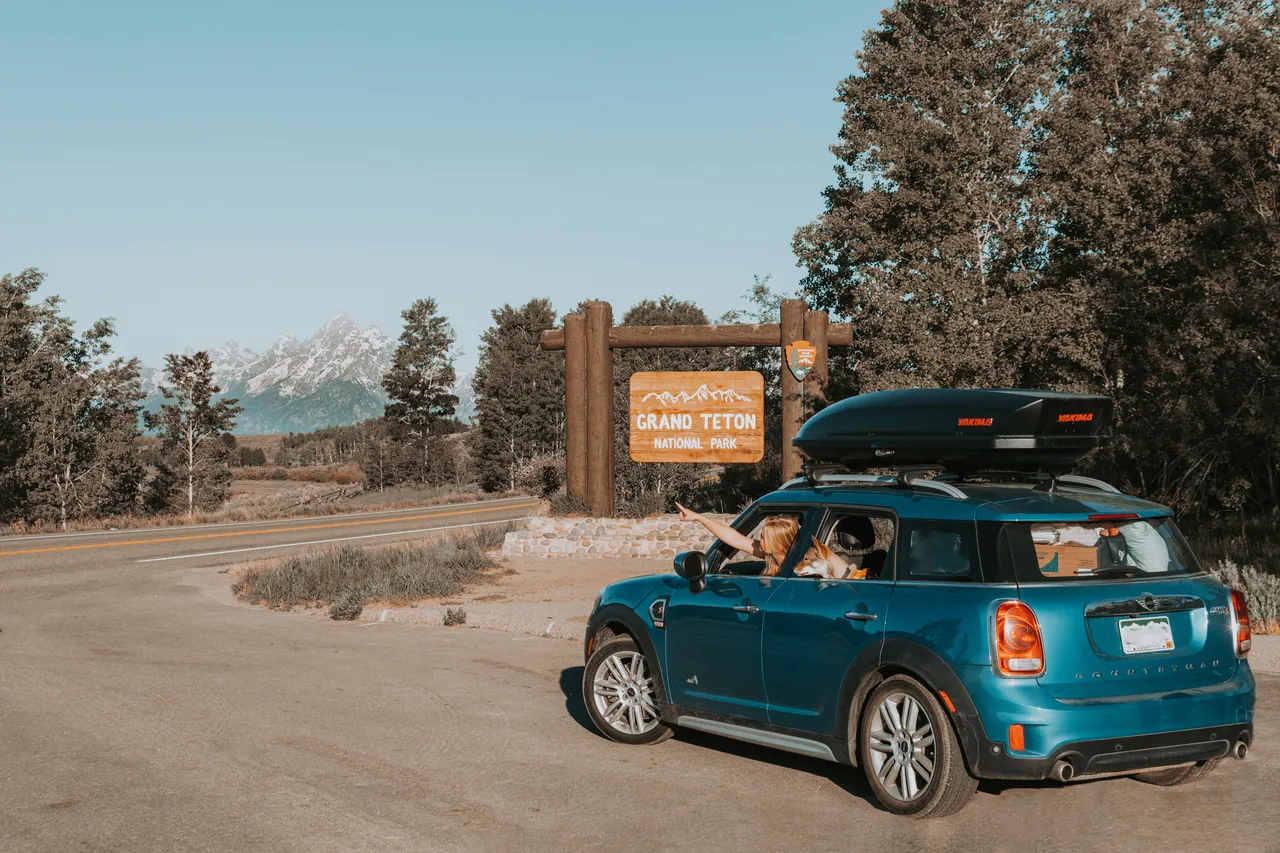
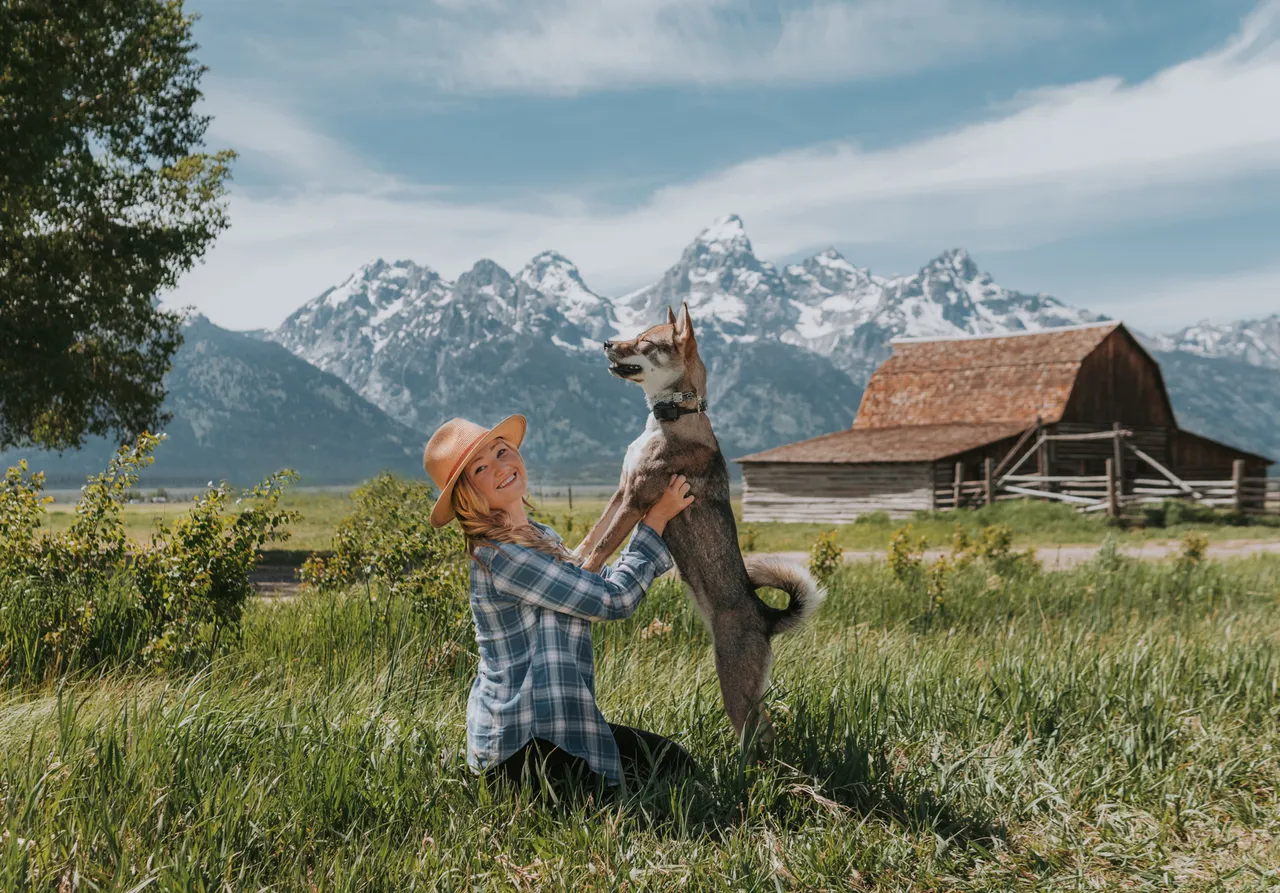
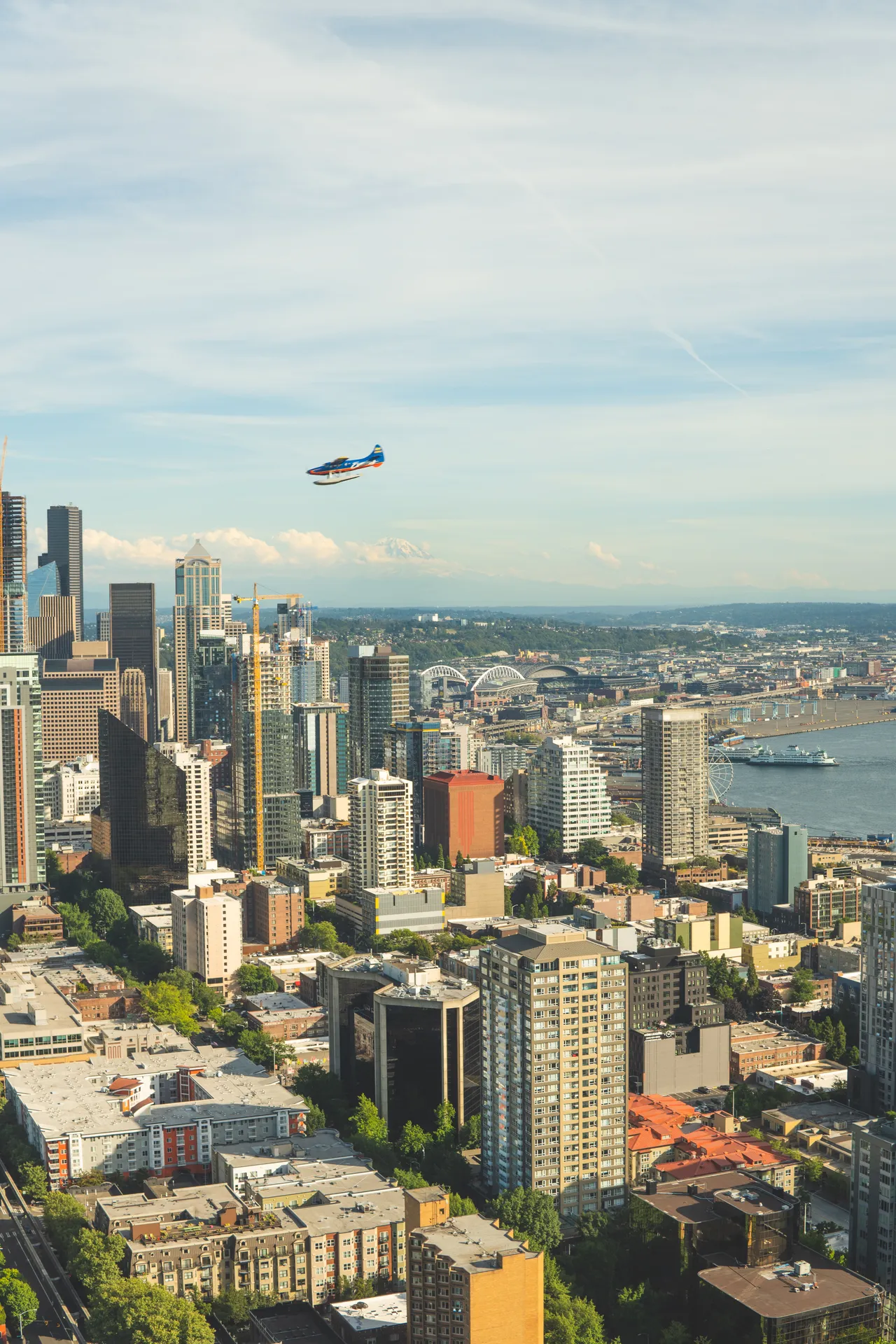
The move from Denver to Seattle was a road trip in itself — through Jackson Hole and the Grand Tetons, down through Boise, into Bend, and up the Oregon coast. I did it twice, both times stopping at Jackson Hole, and it never got old.
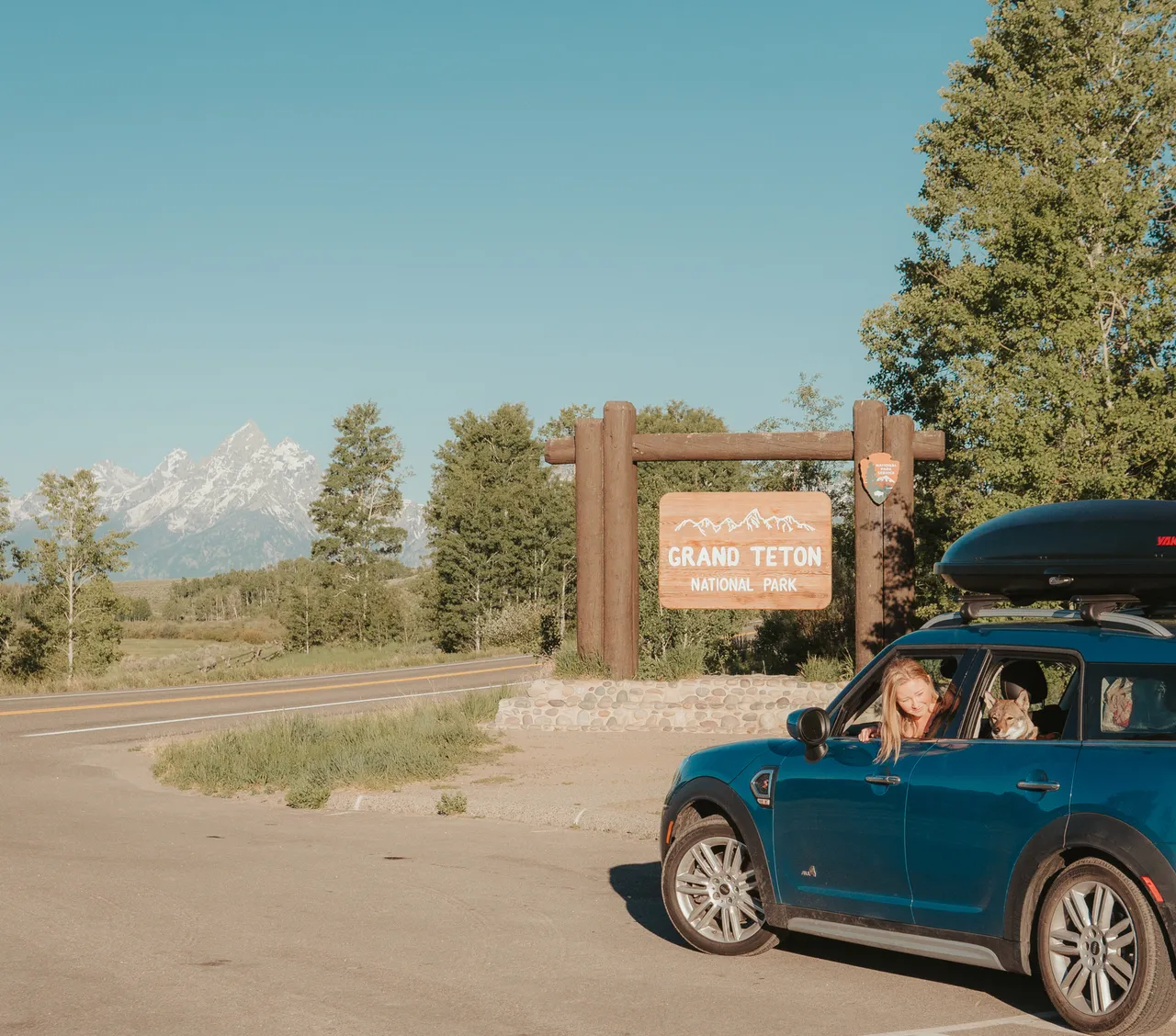
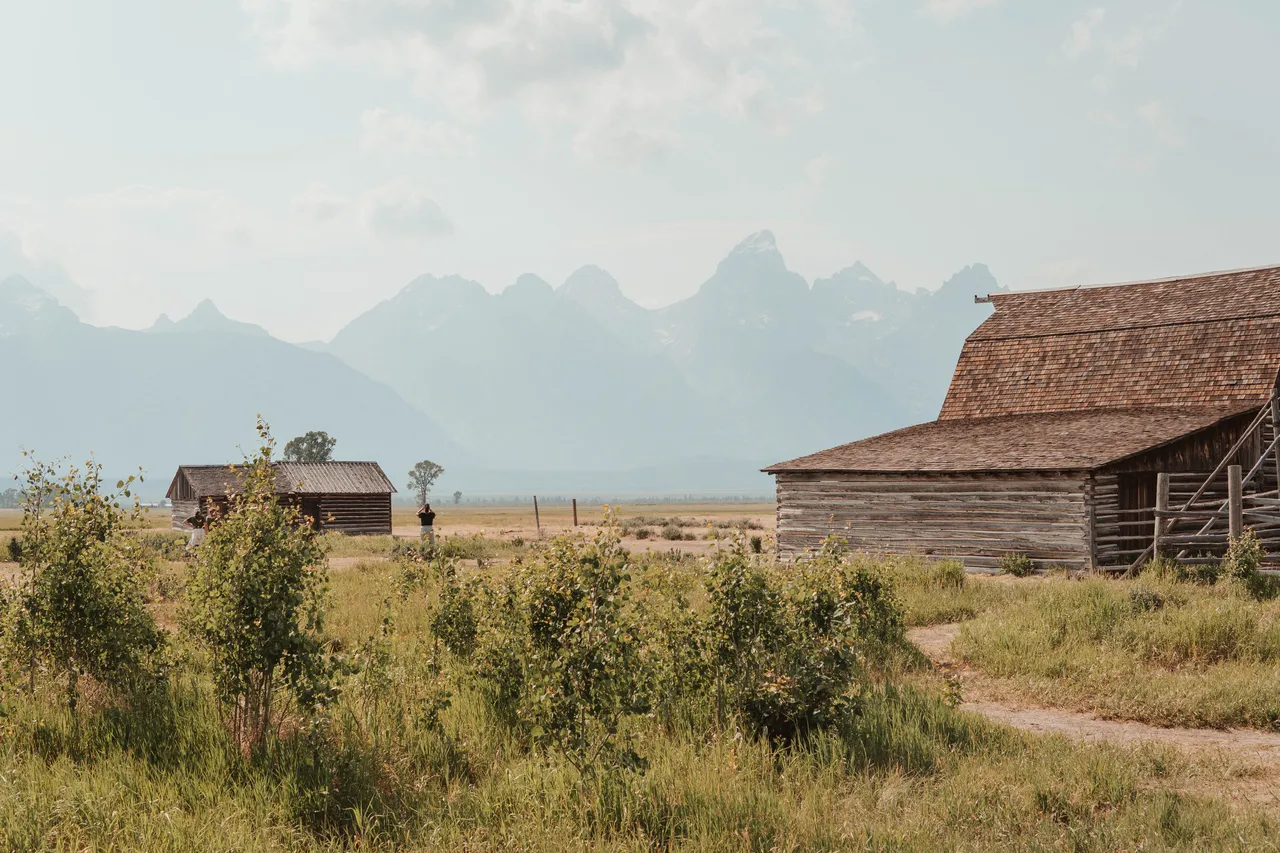
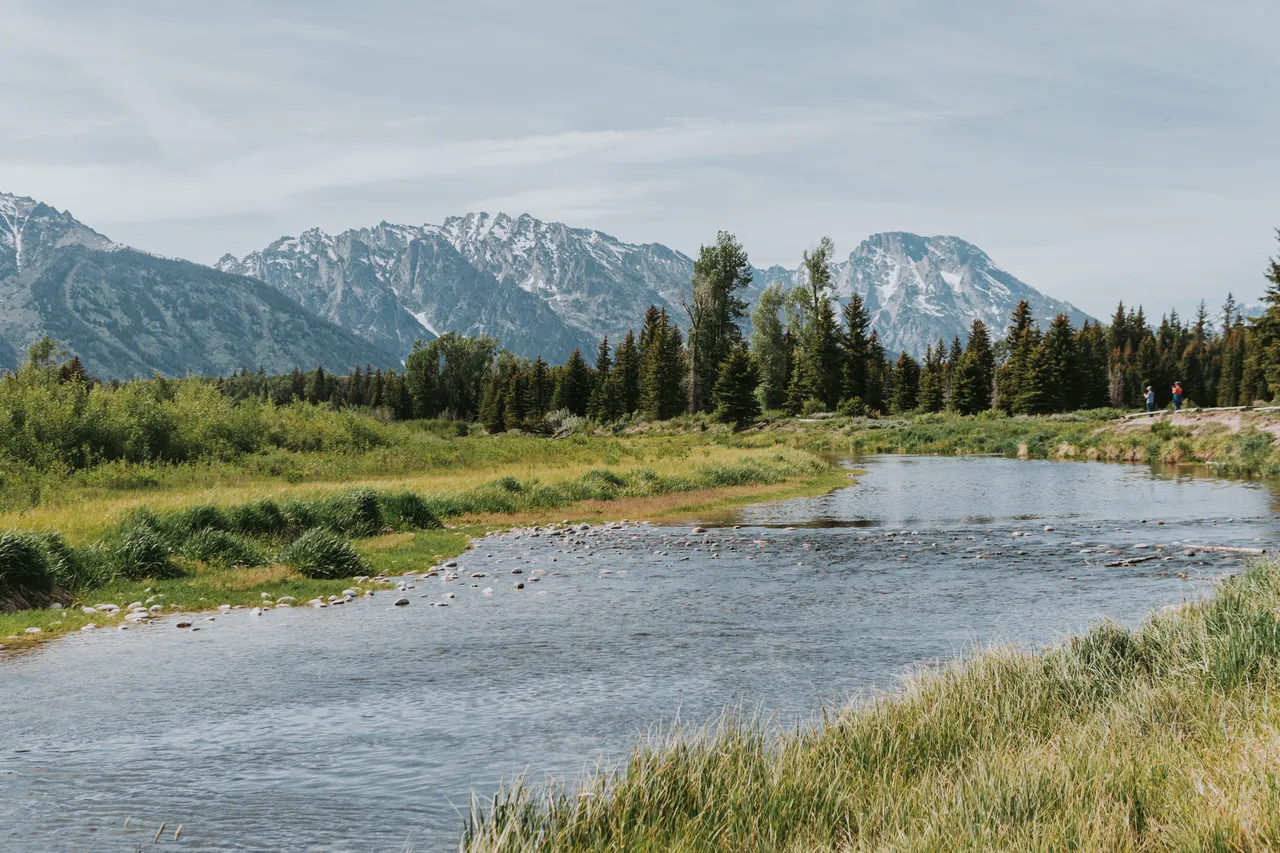
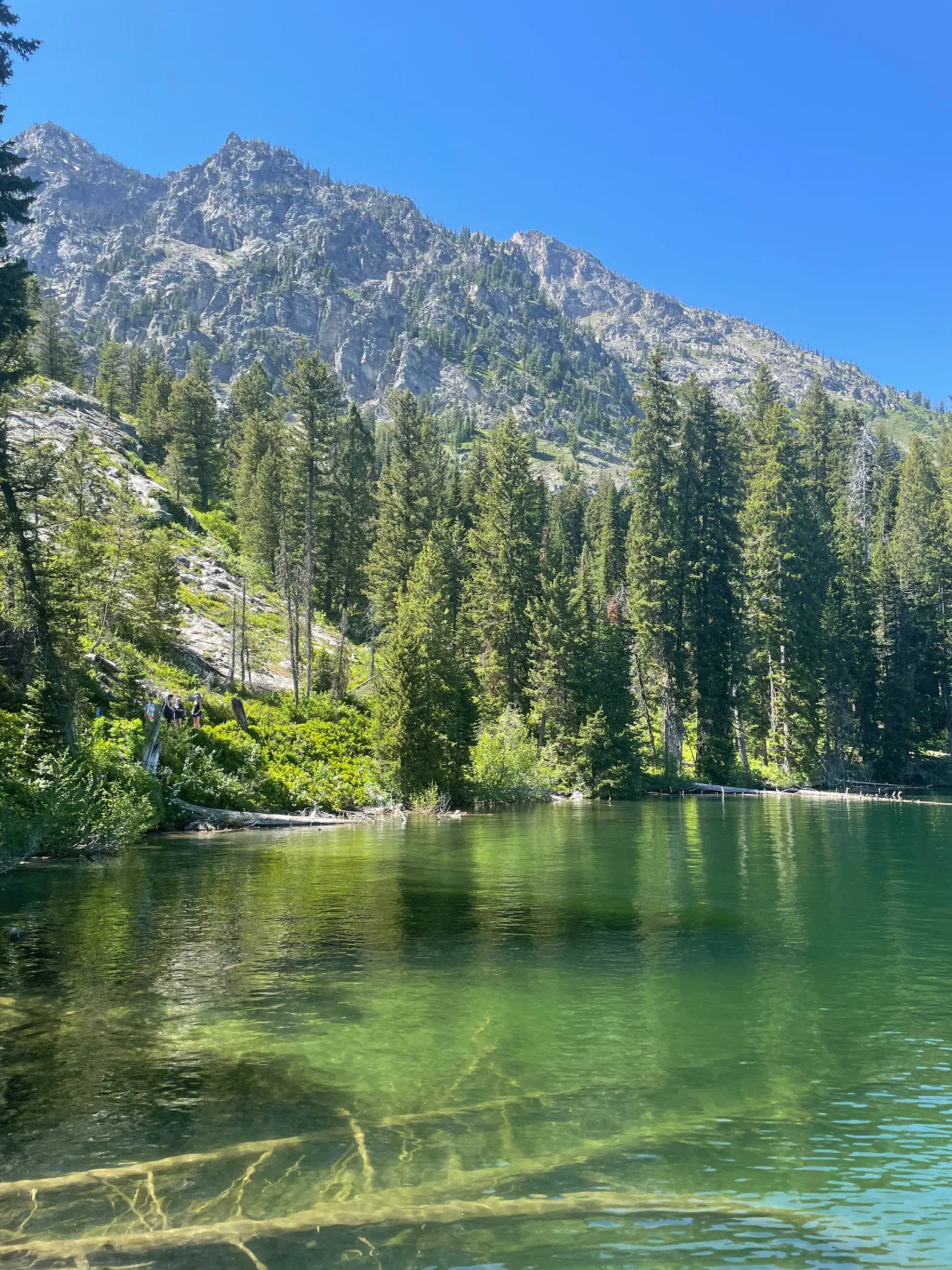
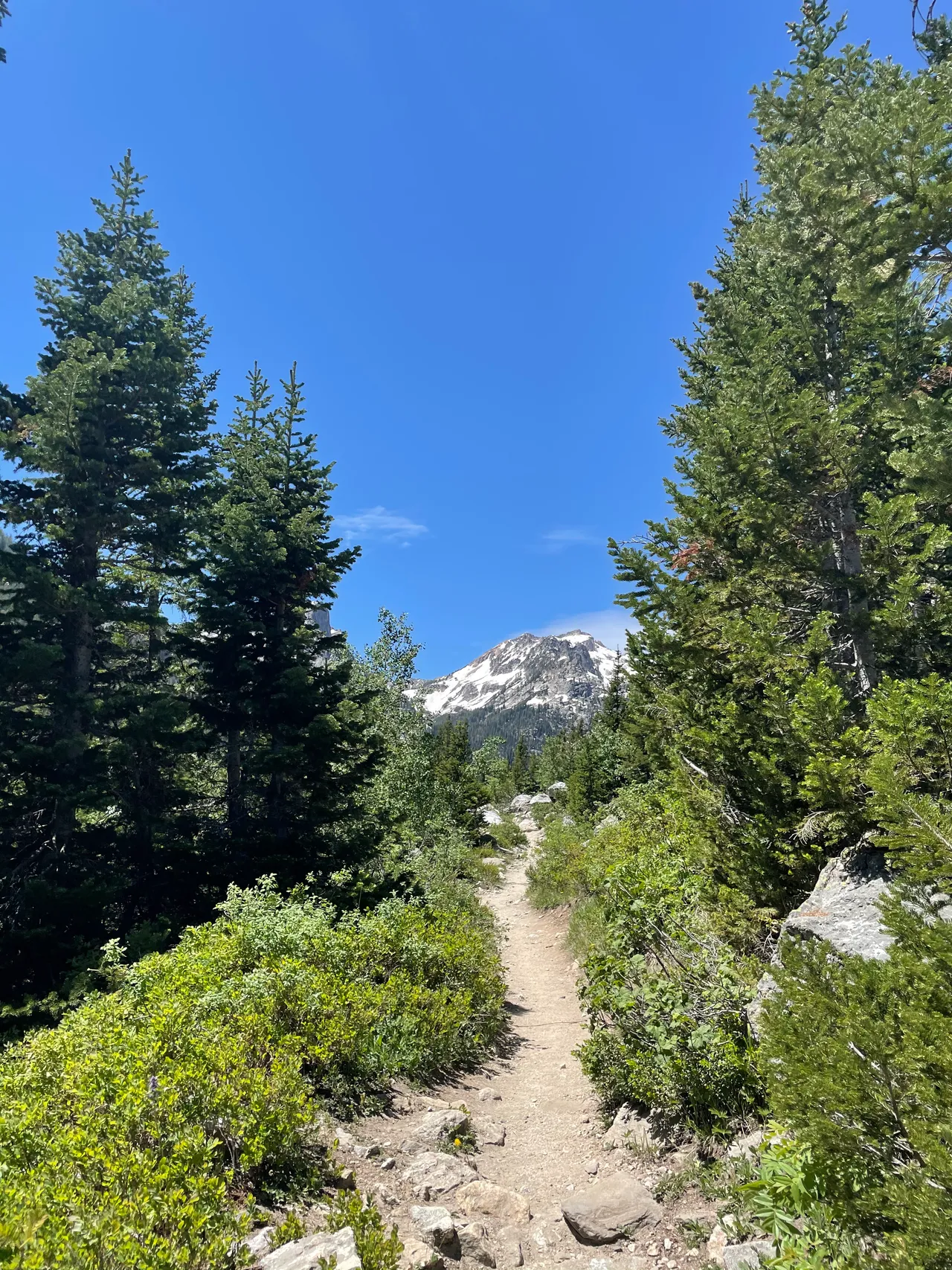
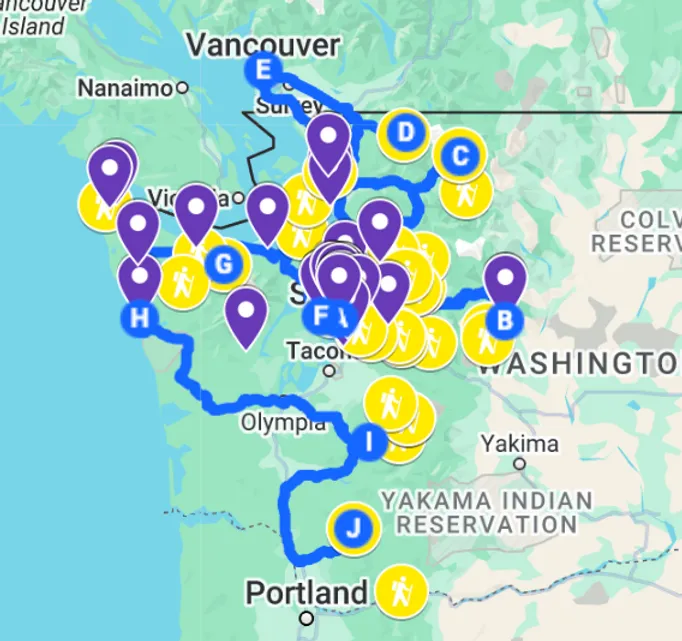
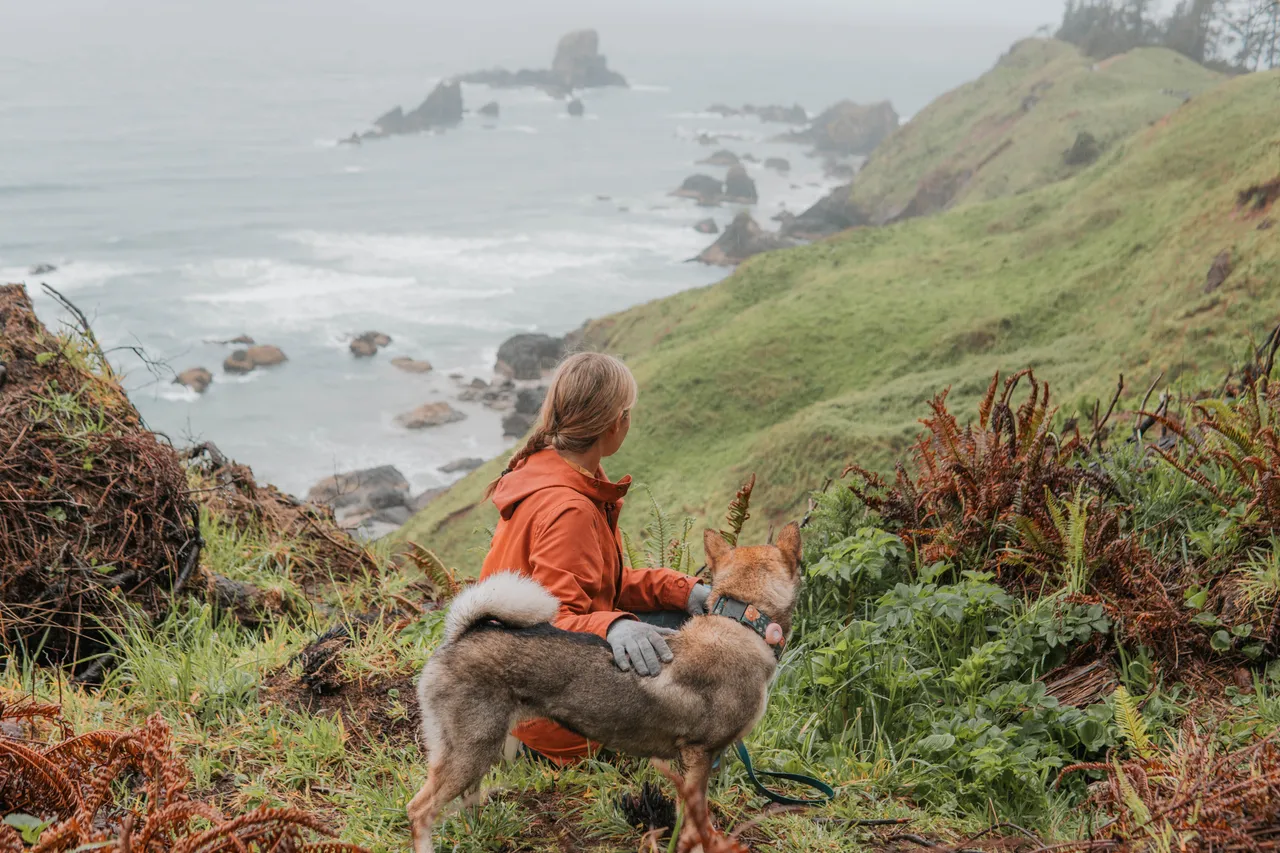
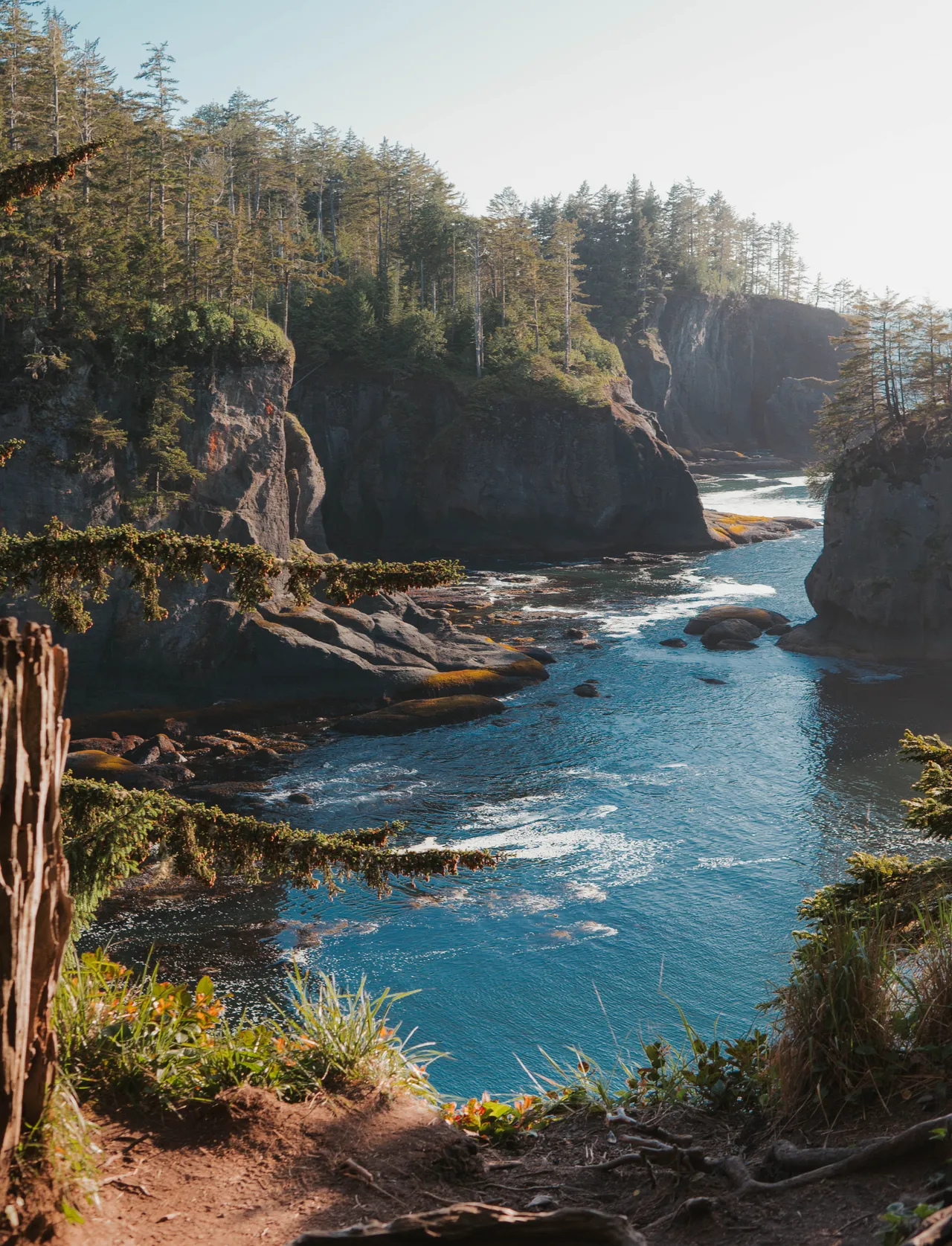
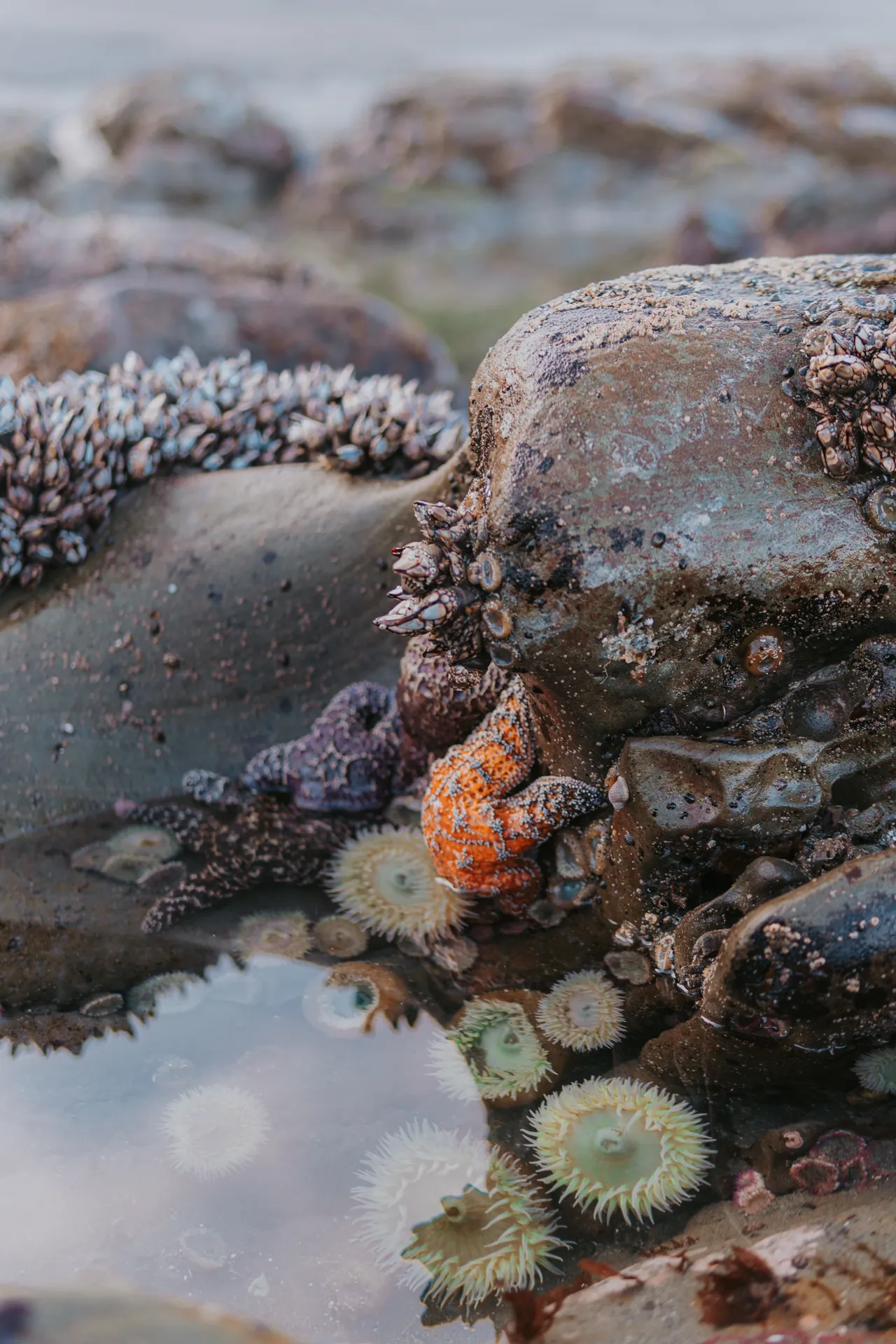
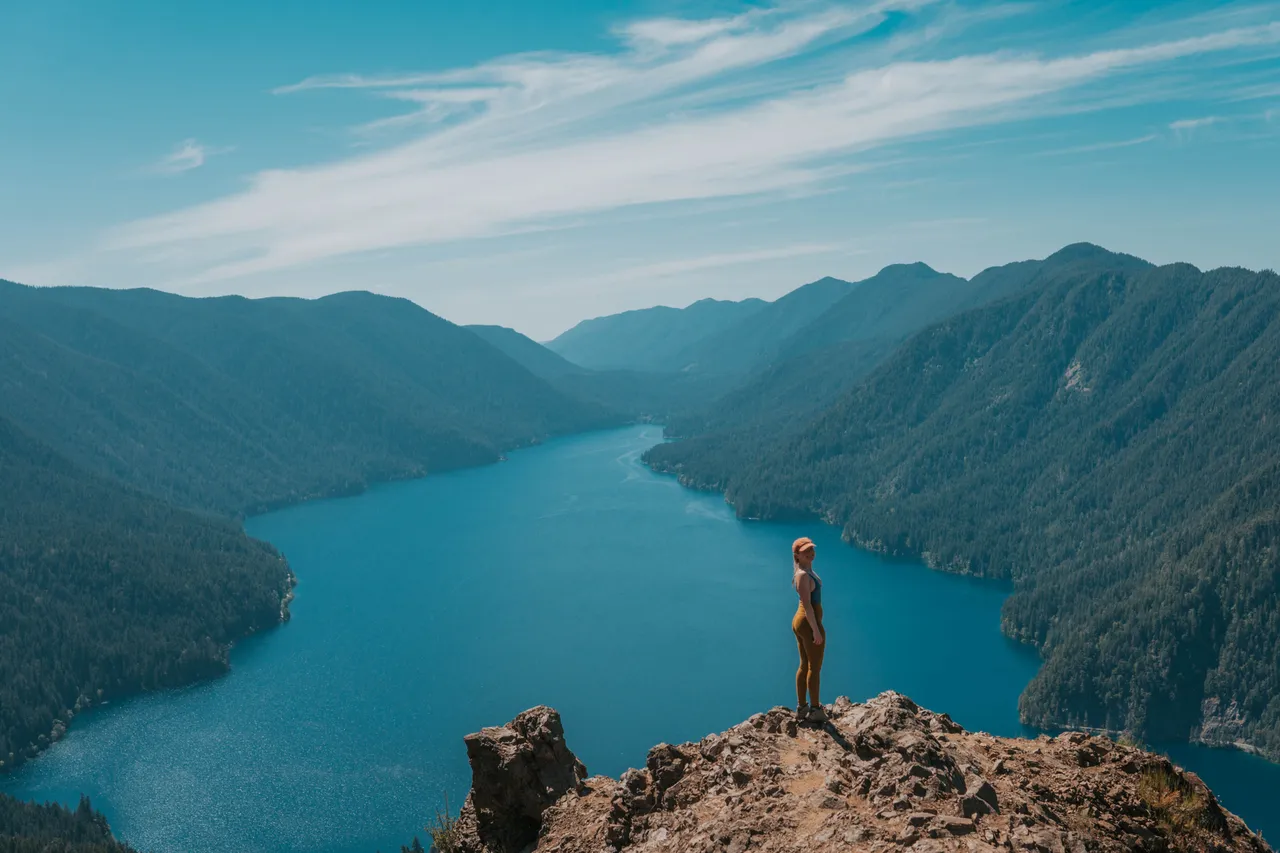
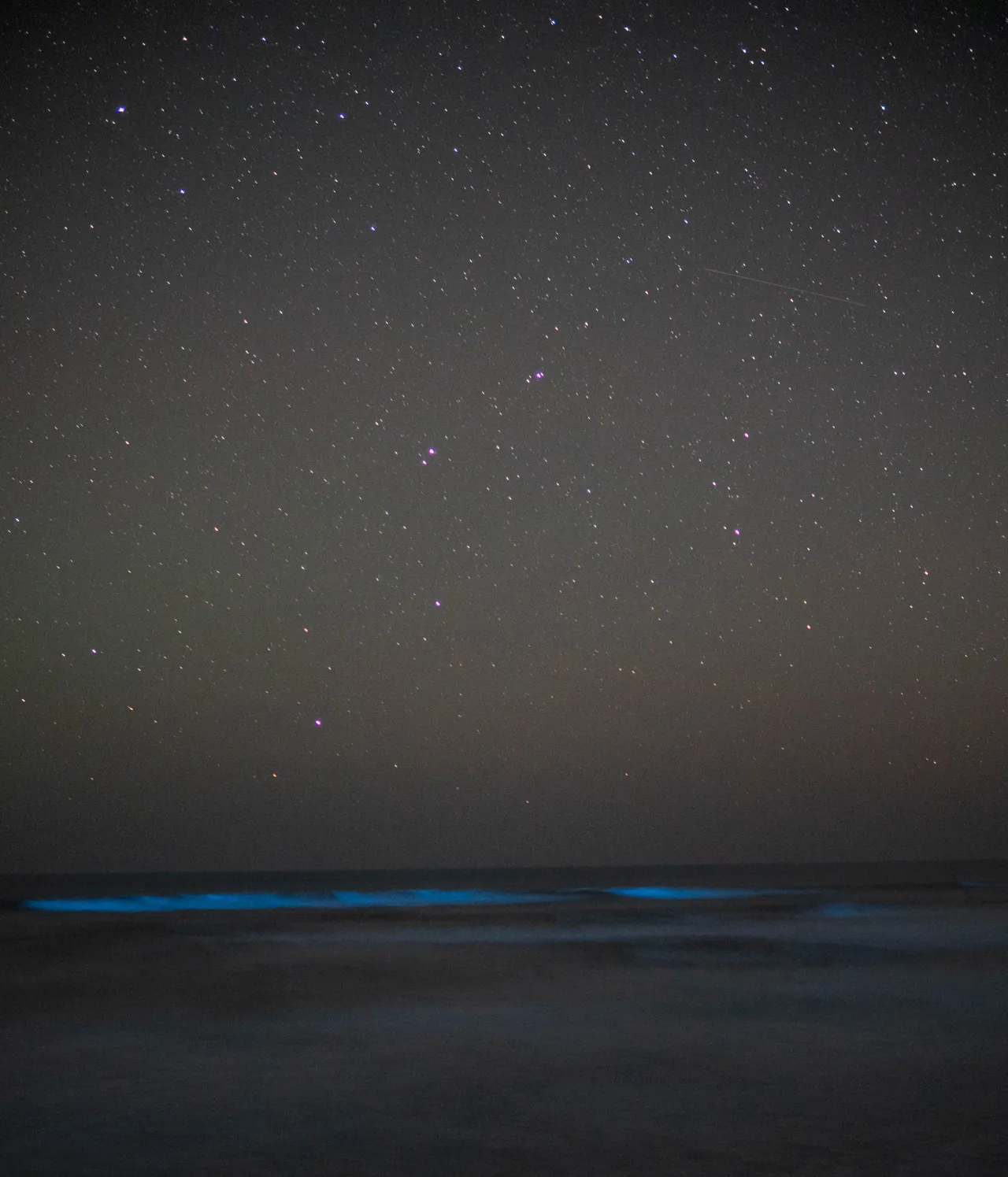
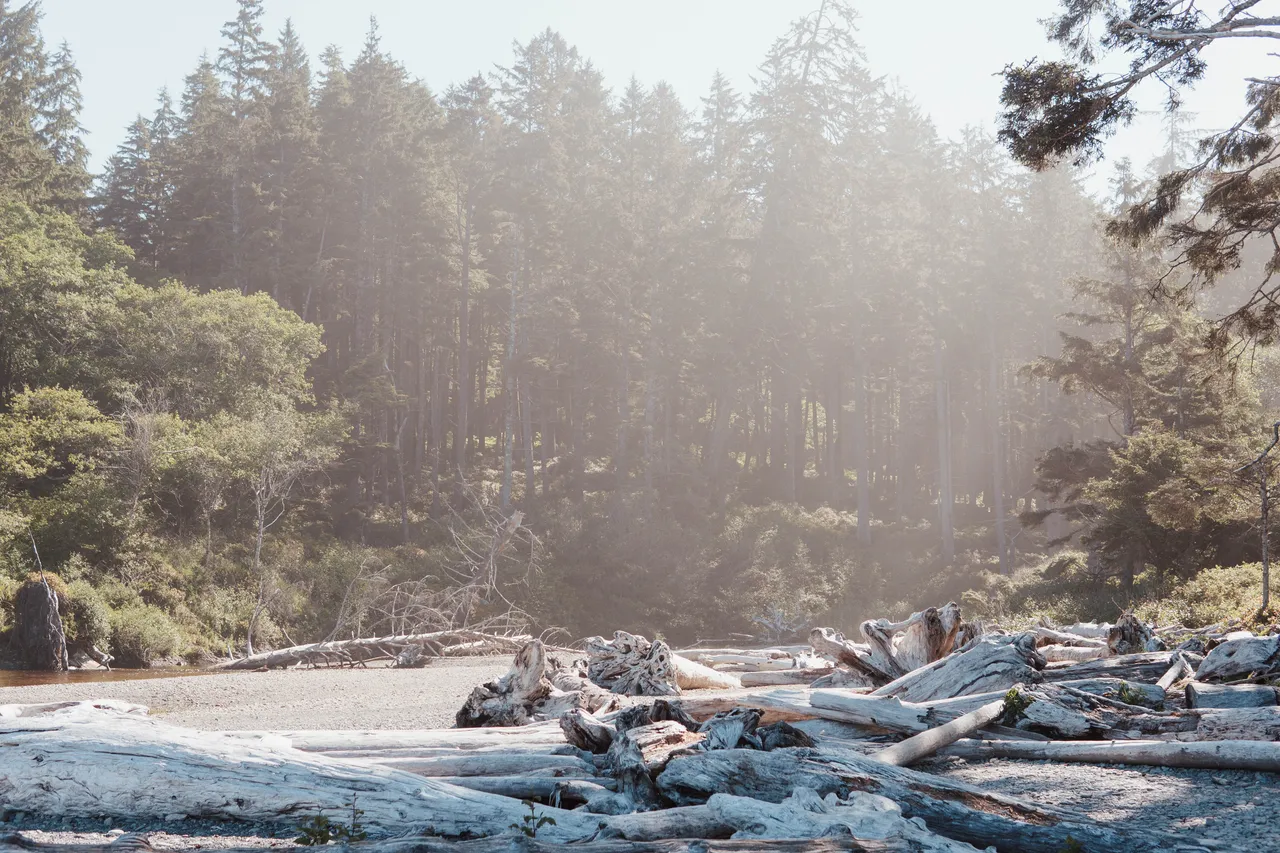
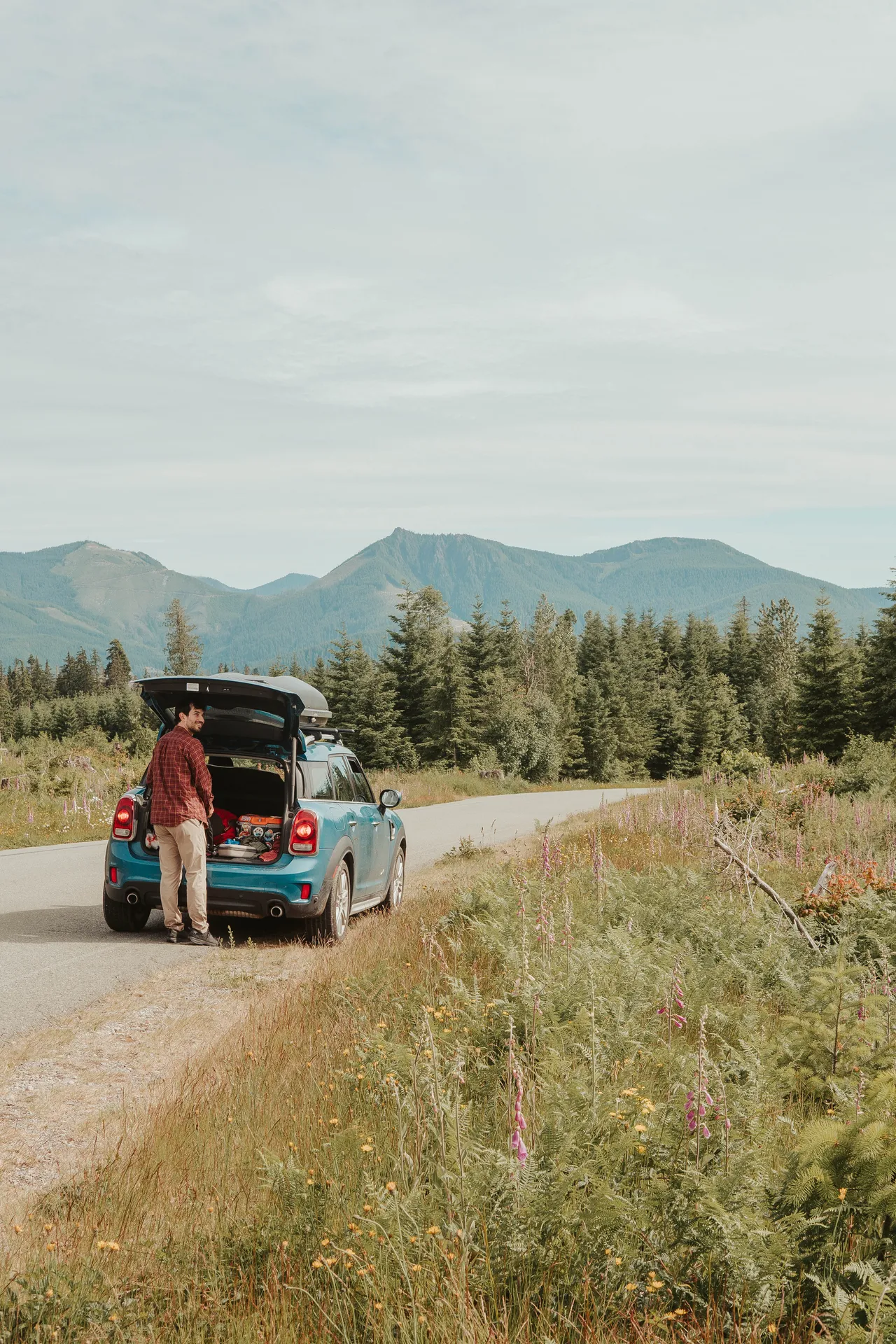
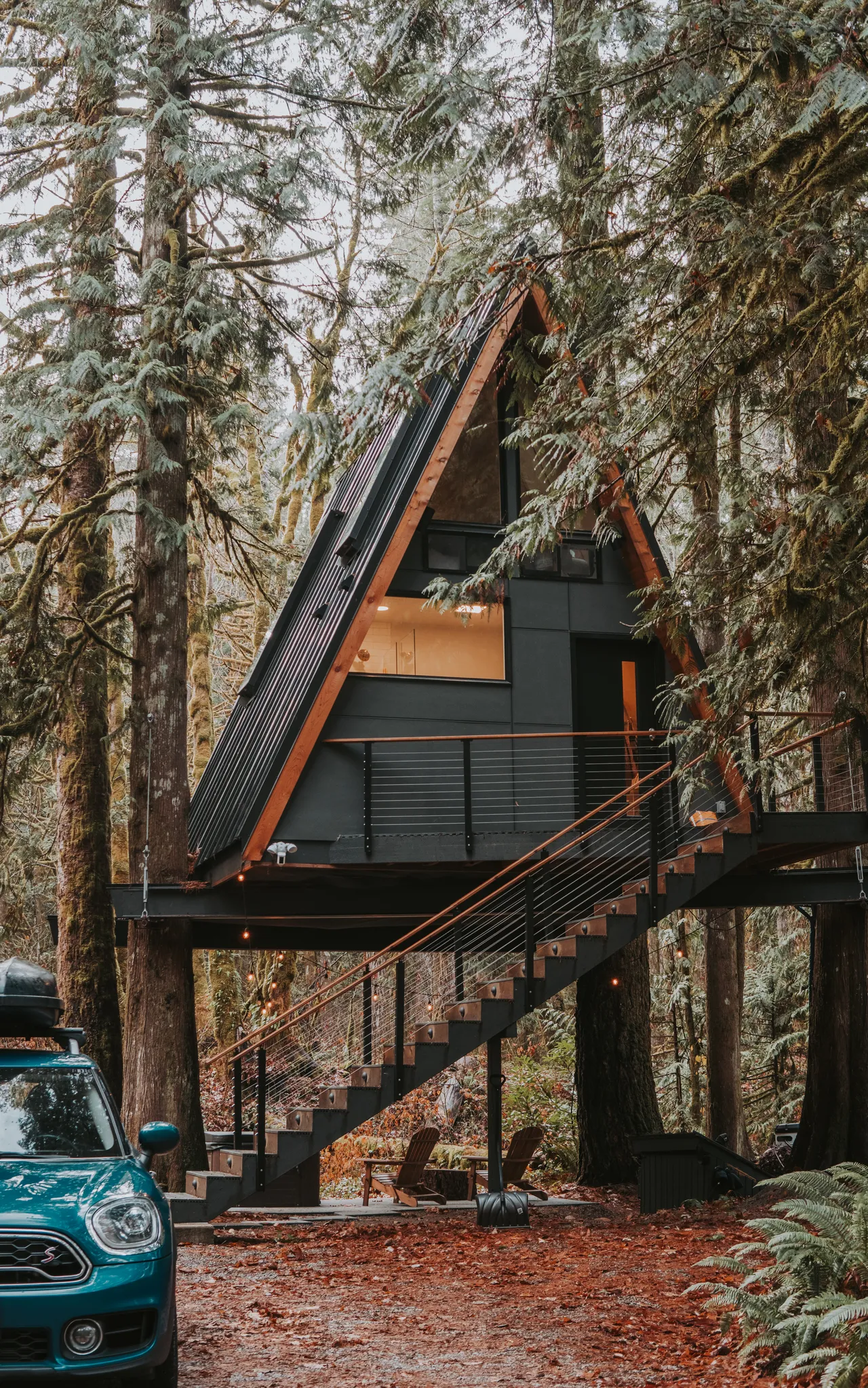
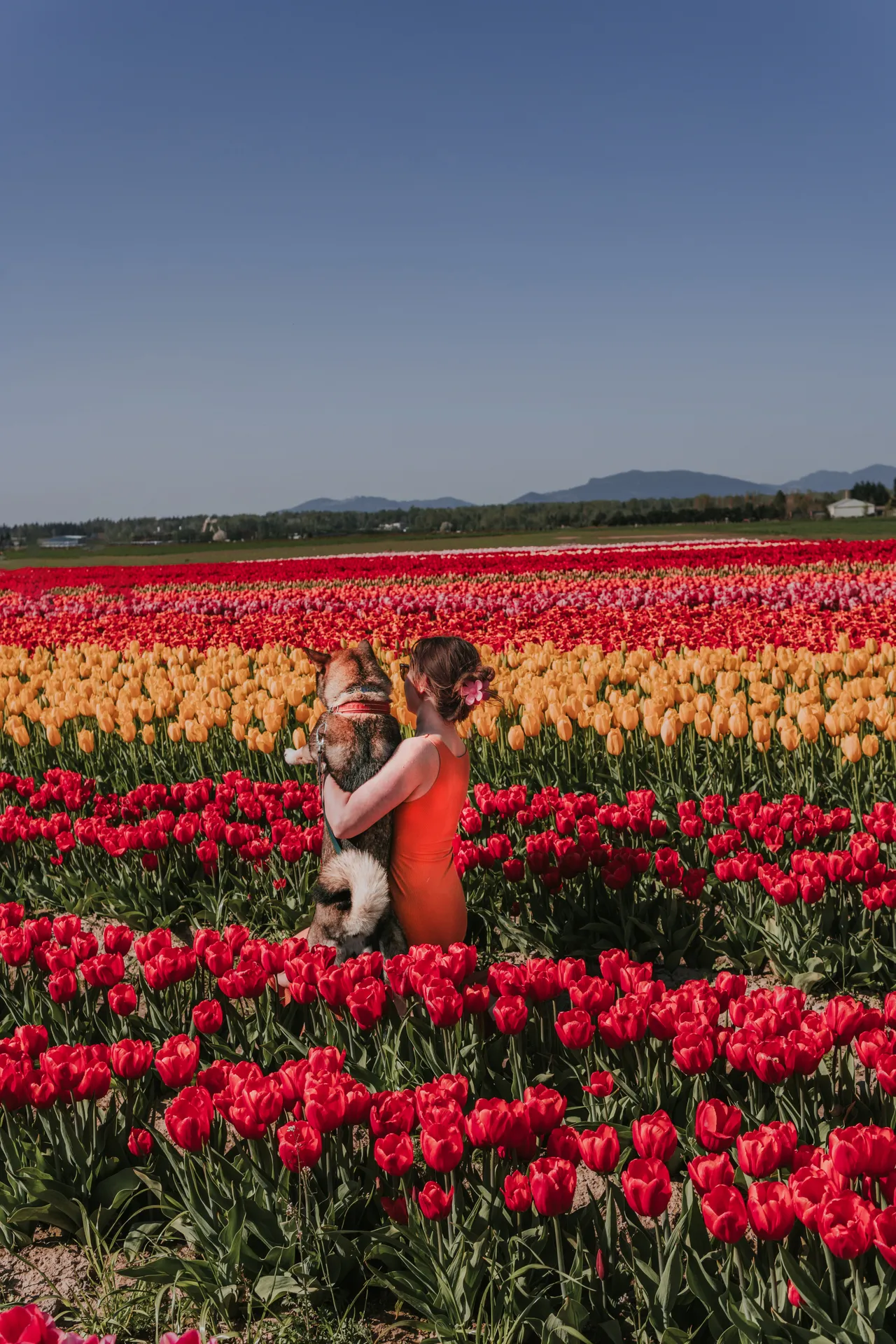
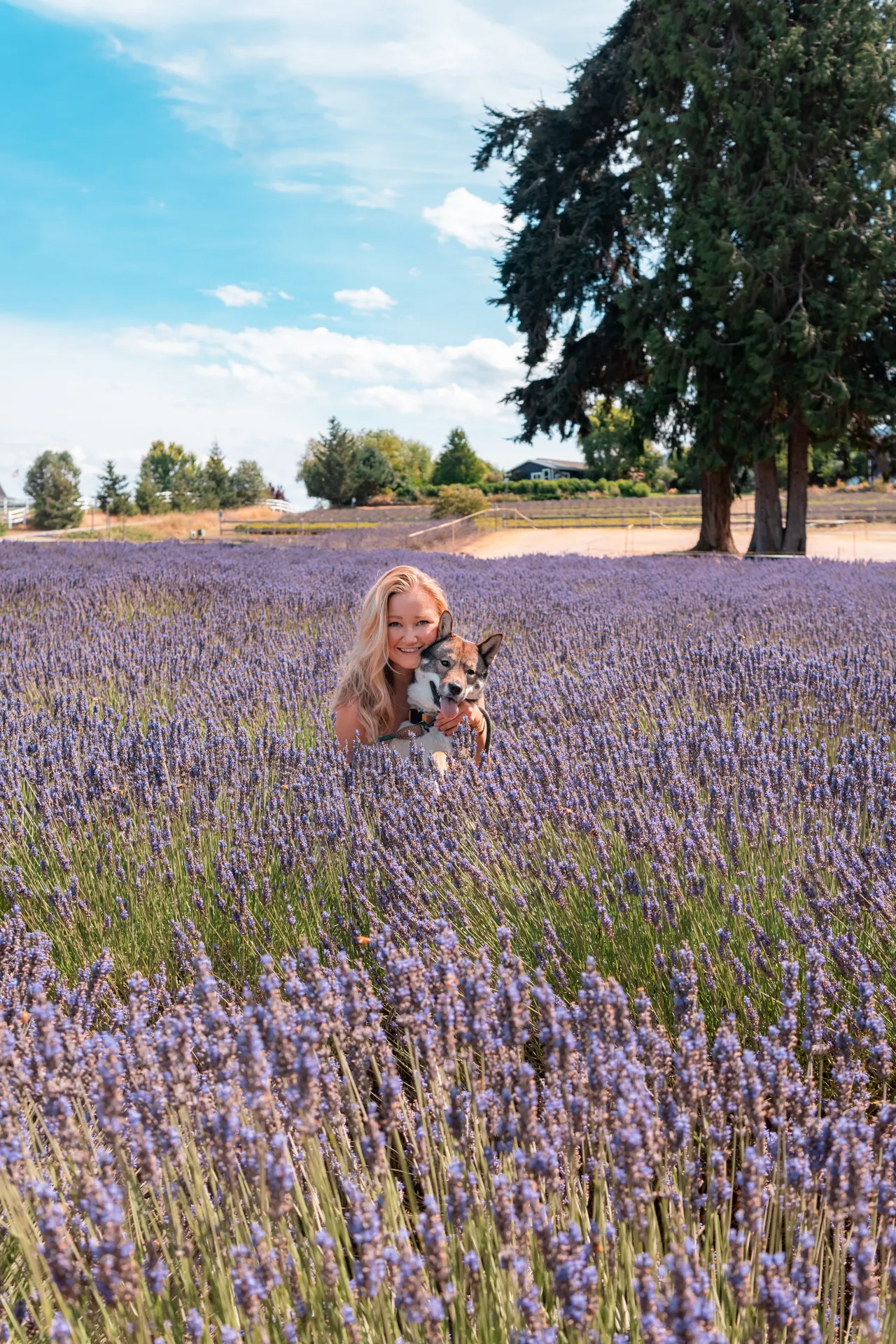
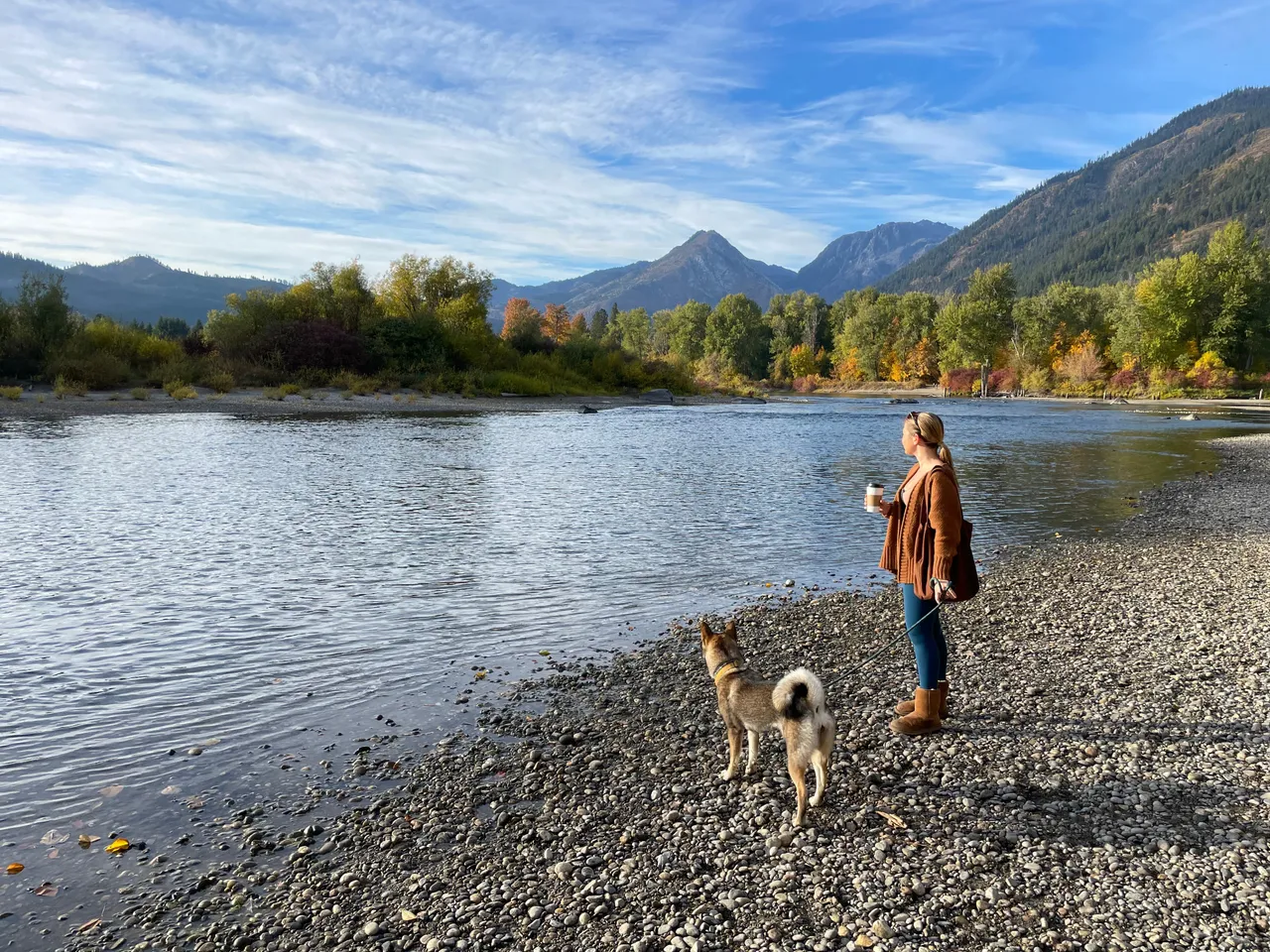
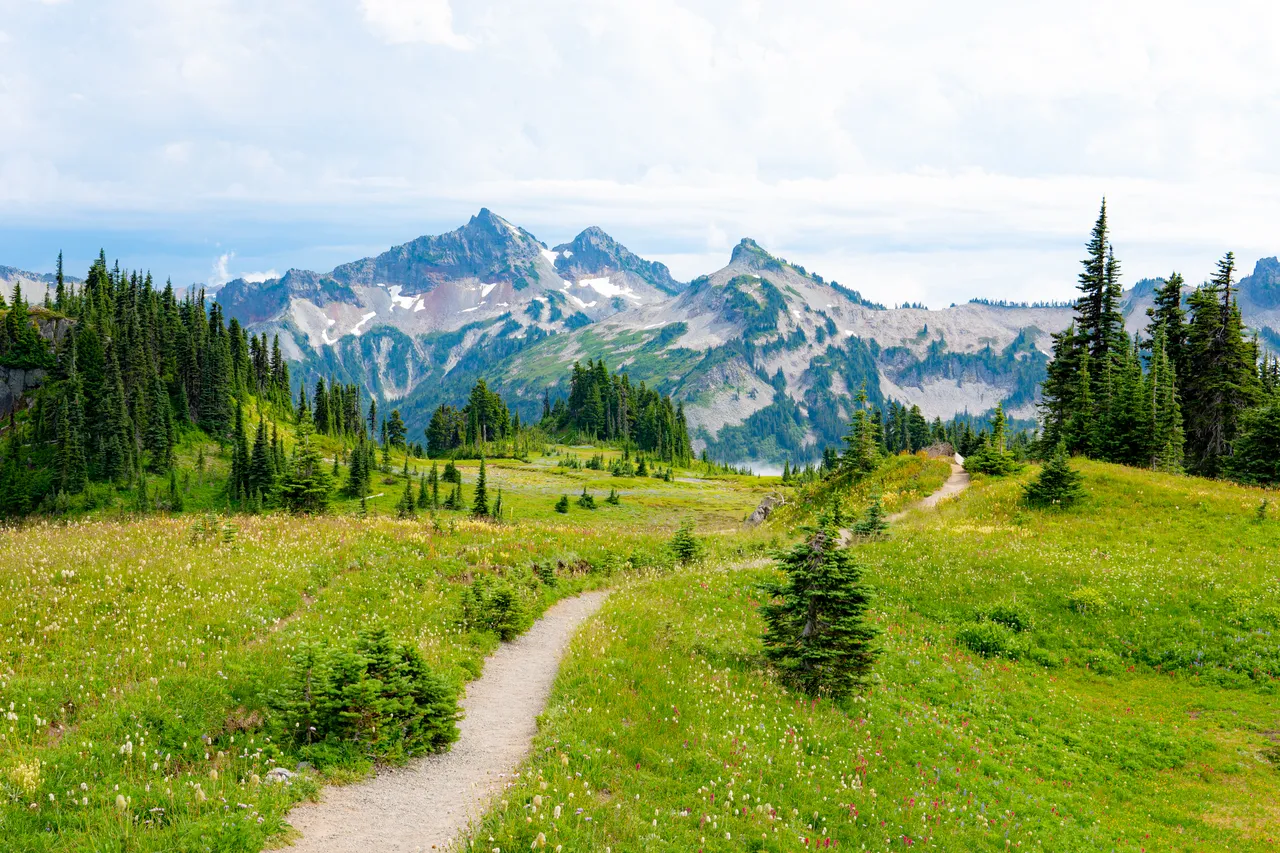
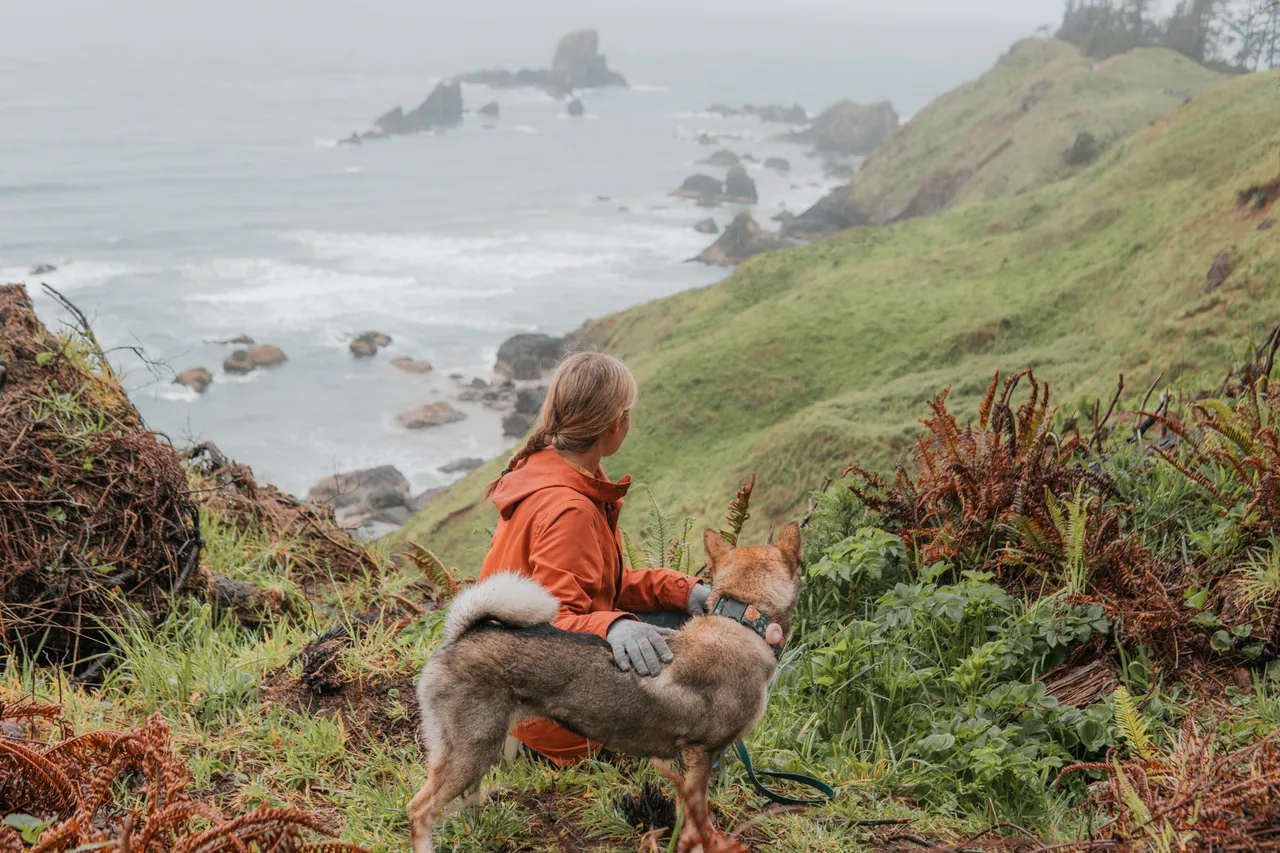
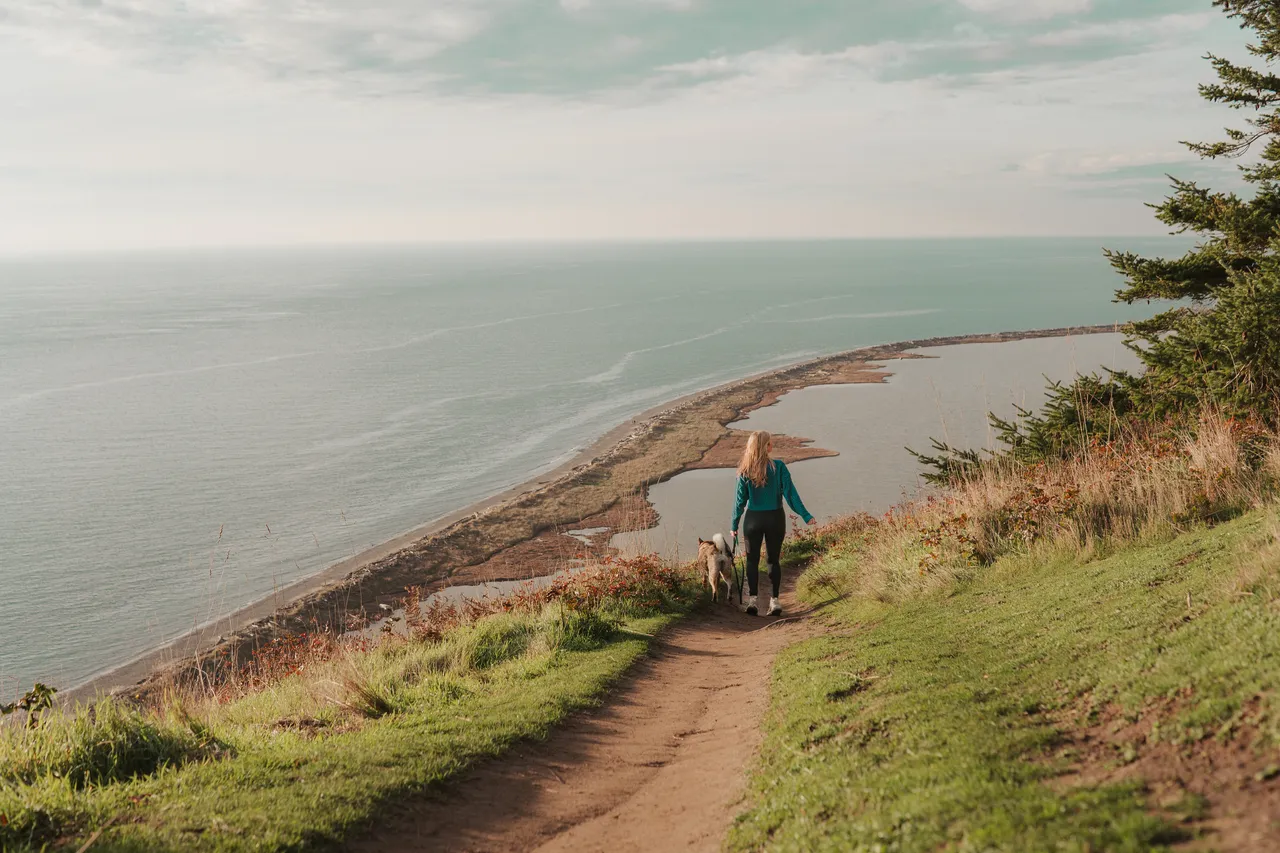
When the Countryman found its new home in Seattle, Washington opened up. Washington is made for driving. The Olympic Peninsula has pulled us back four or five times — always camping at Kalaloch Beach, always making the drive out to Cape Flattery at the very edge of the continent, always spending time in the Hoh Rainforest where the trees drip with moss and the world goes quiet. We've done Mt Rainier and the North Cascades, up to the Mt Baker area, summited Mt St Helens, the charming Bavarian village of Leavenworth, and east across the state to Spokane and Coeur d'Alene, Idaho. The Washington road trip map barely scratches the surface of what's out there.
Oregon
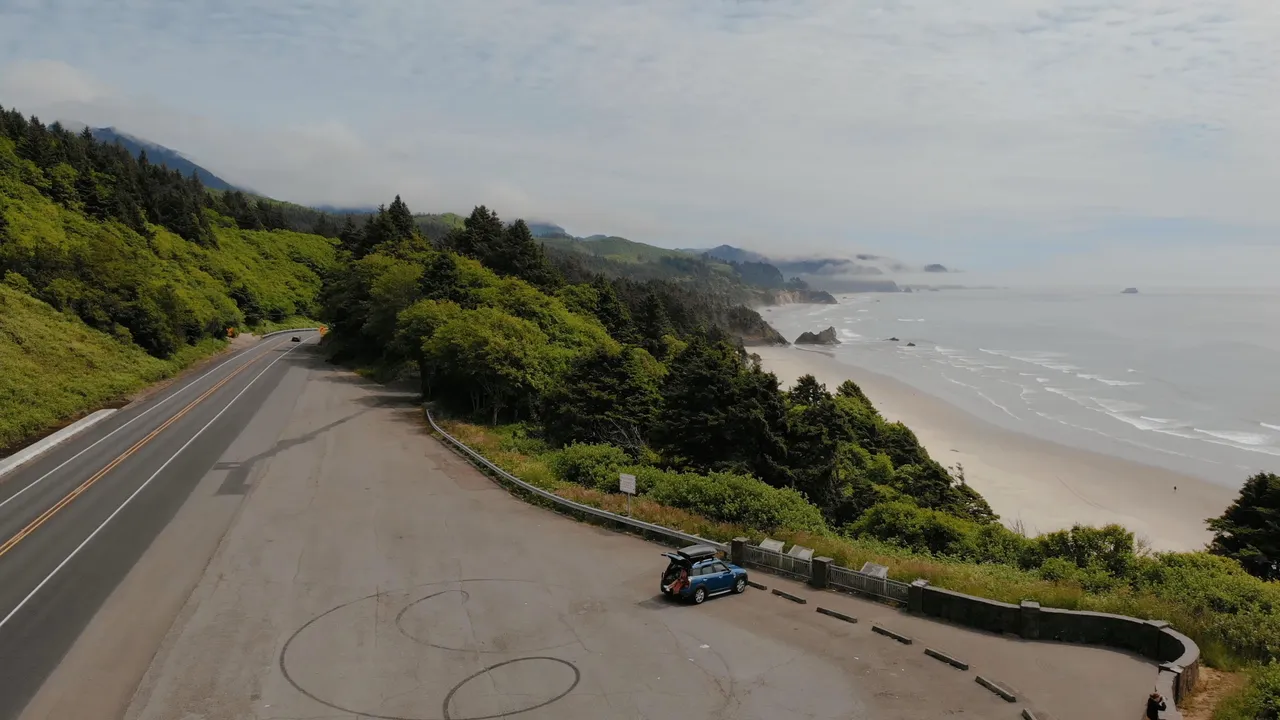
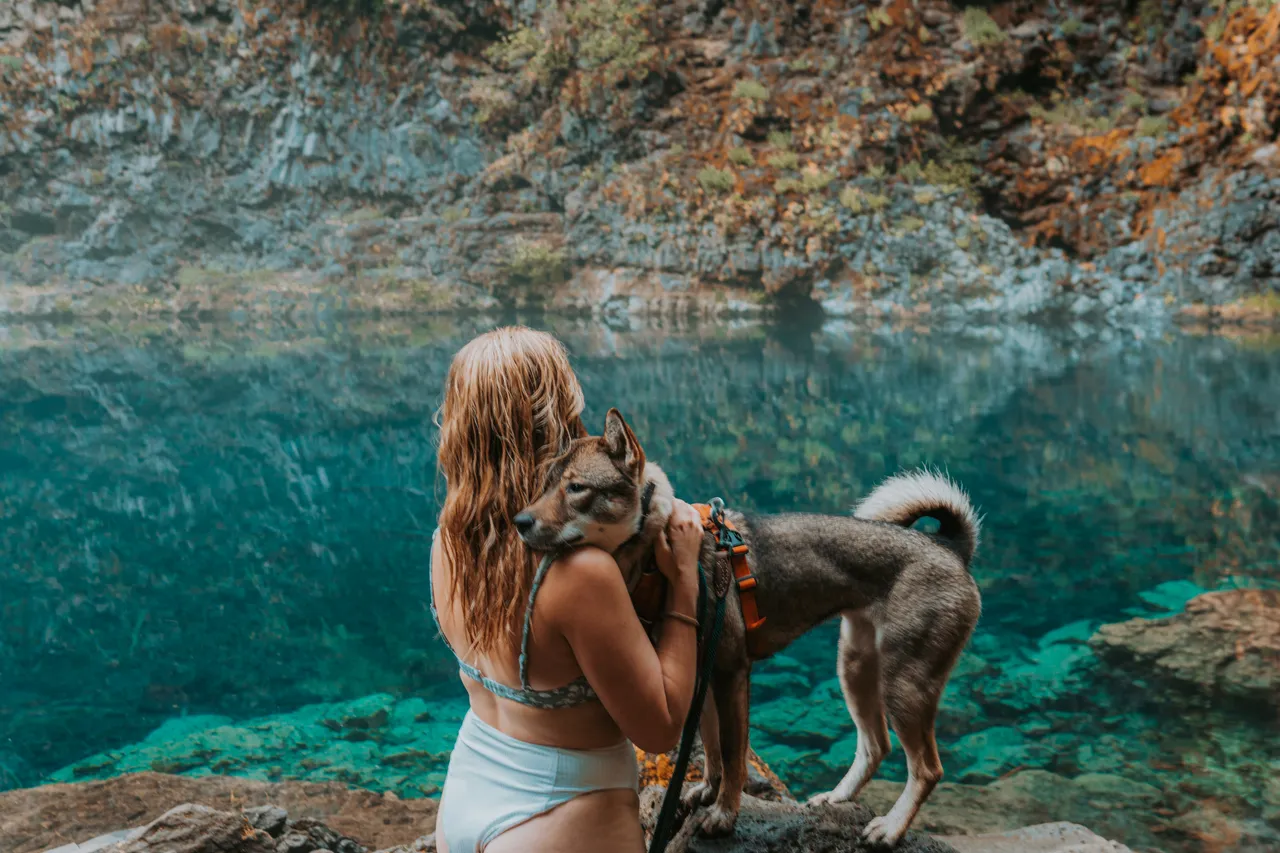
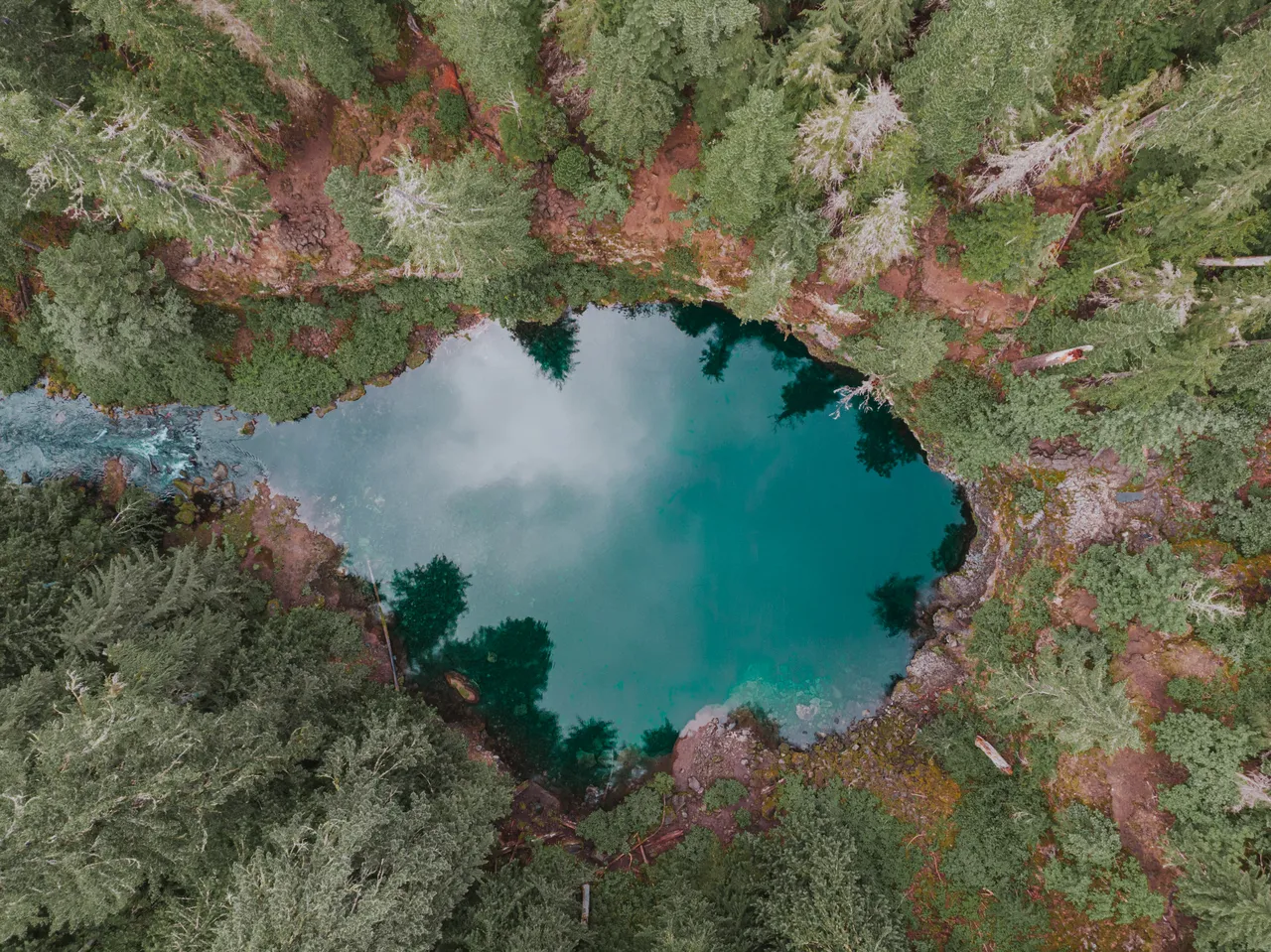
Oregon deserves its own chapter. Bend has become a ritual; it shows up on nearly every route south, a reliable place to stop, breathe mountain air, and eat an Ocean Roll from Sparrow Bakery. From Seattle we've driven down through Portland, done the Mt Hood Fruit Loop in summer and snowshoed the ski area in winter, then followed the Oregon coast south through Cannon Beach and into the Redwoods. The Tamolitch Blue Pool near Bend is one of the most surreal things I've seen anywhere — a river that disappears into lava and resurfaces as an impossibly bright blue pool in the forest. It rained on us the whole hike, but we welcomed it, protected by the lush rainforest trees above.
Island Hoppin and Ferries
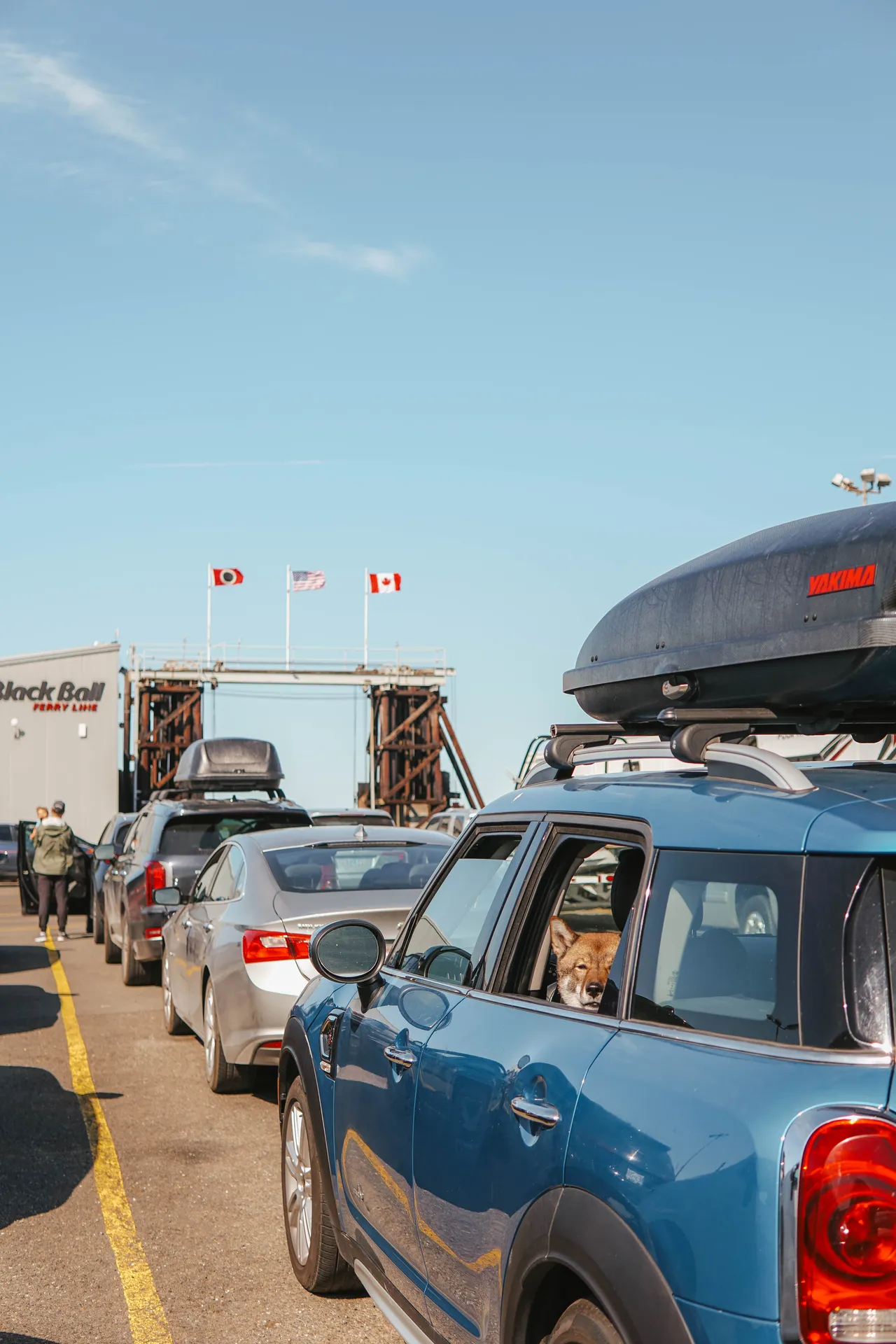
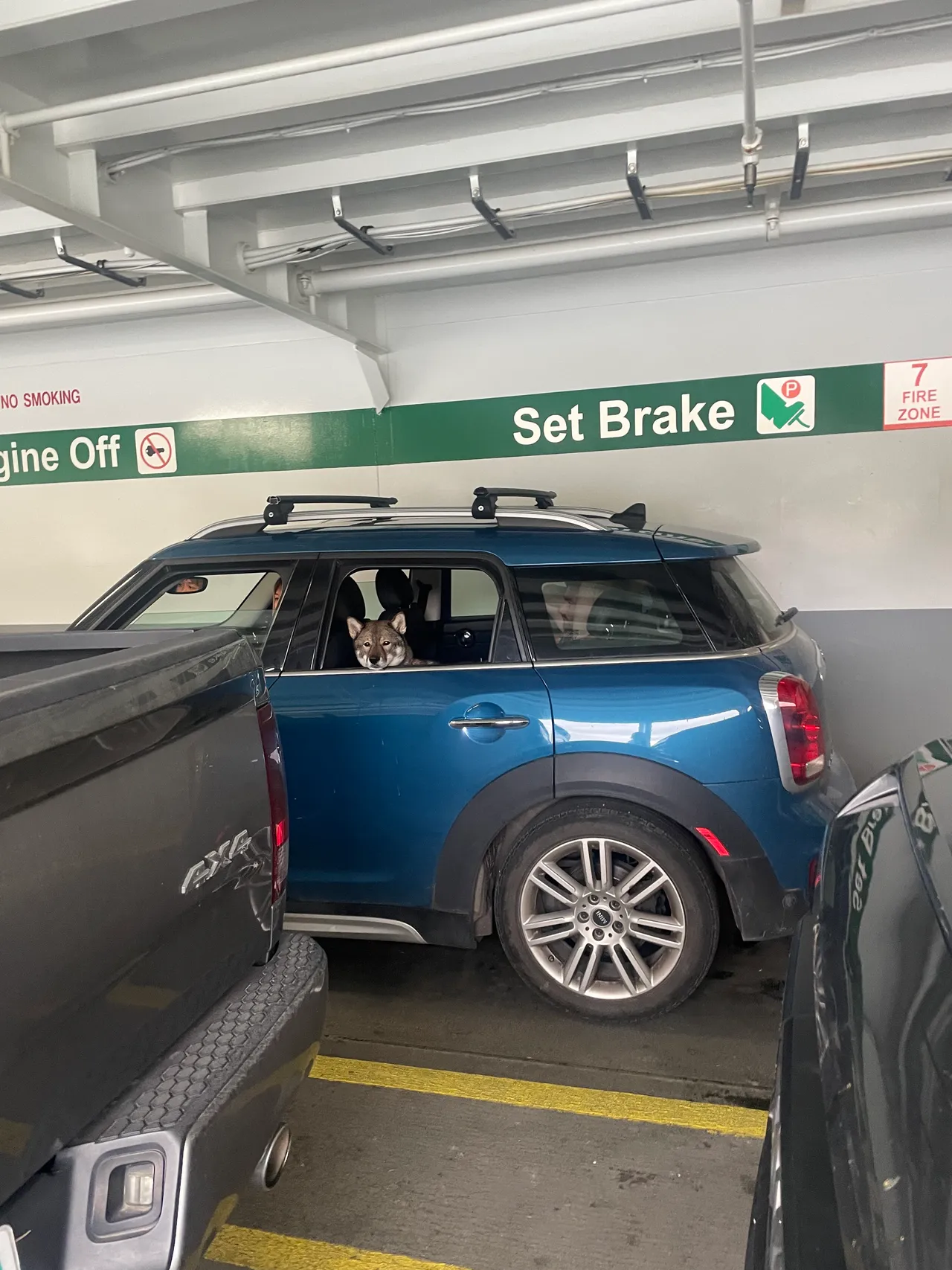
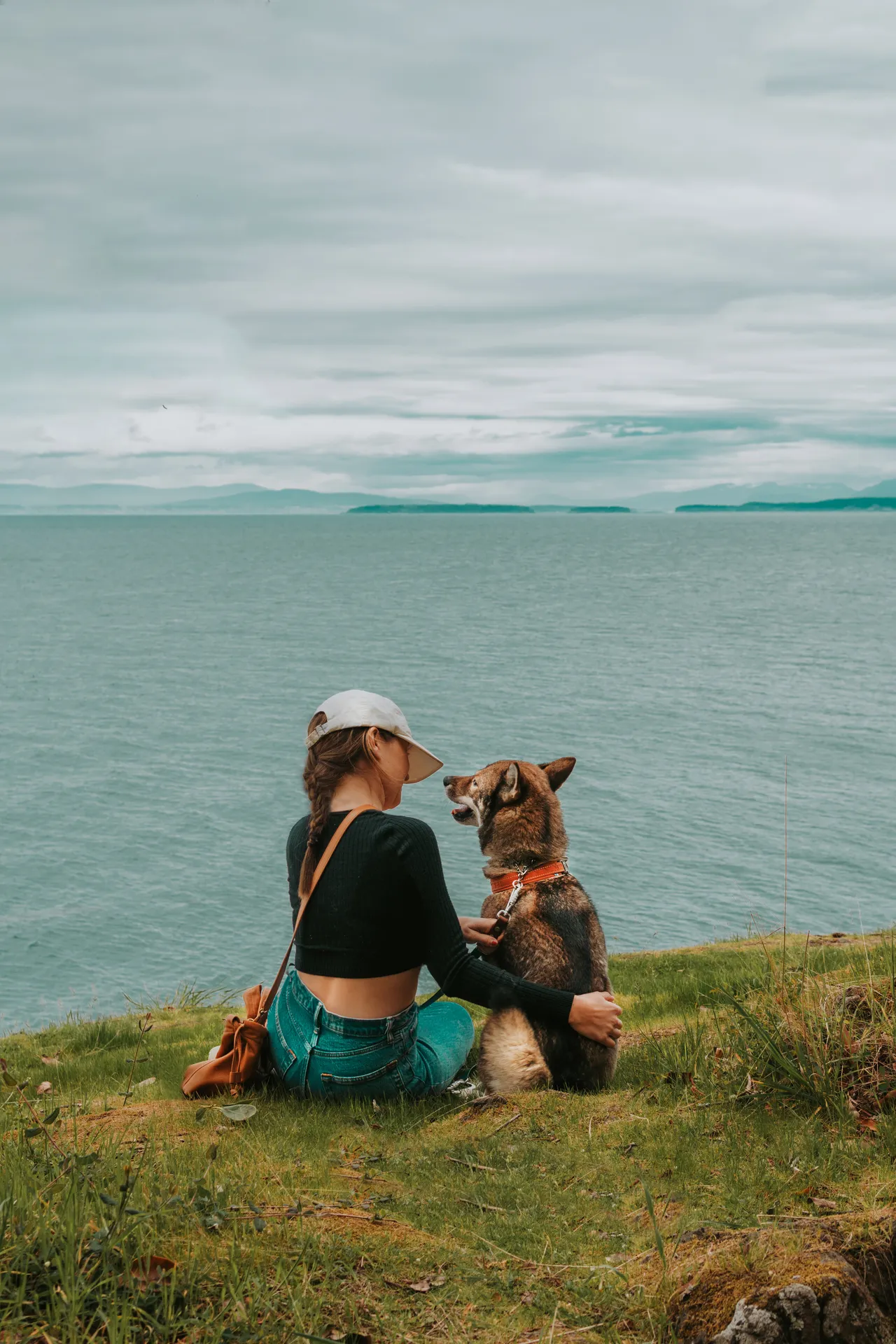
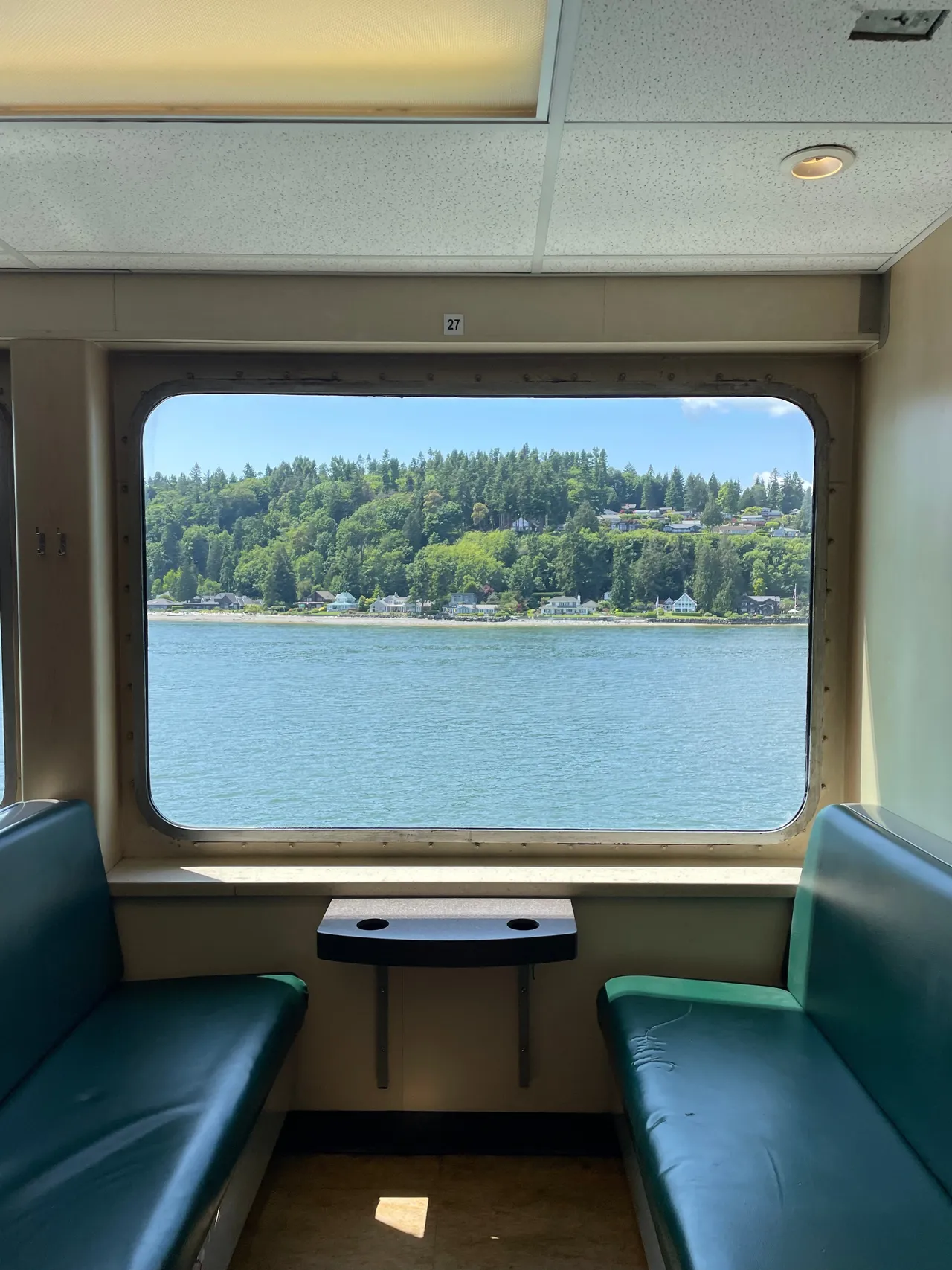
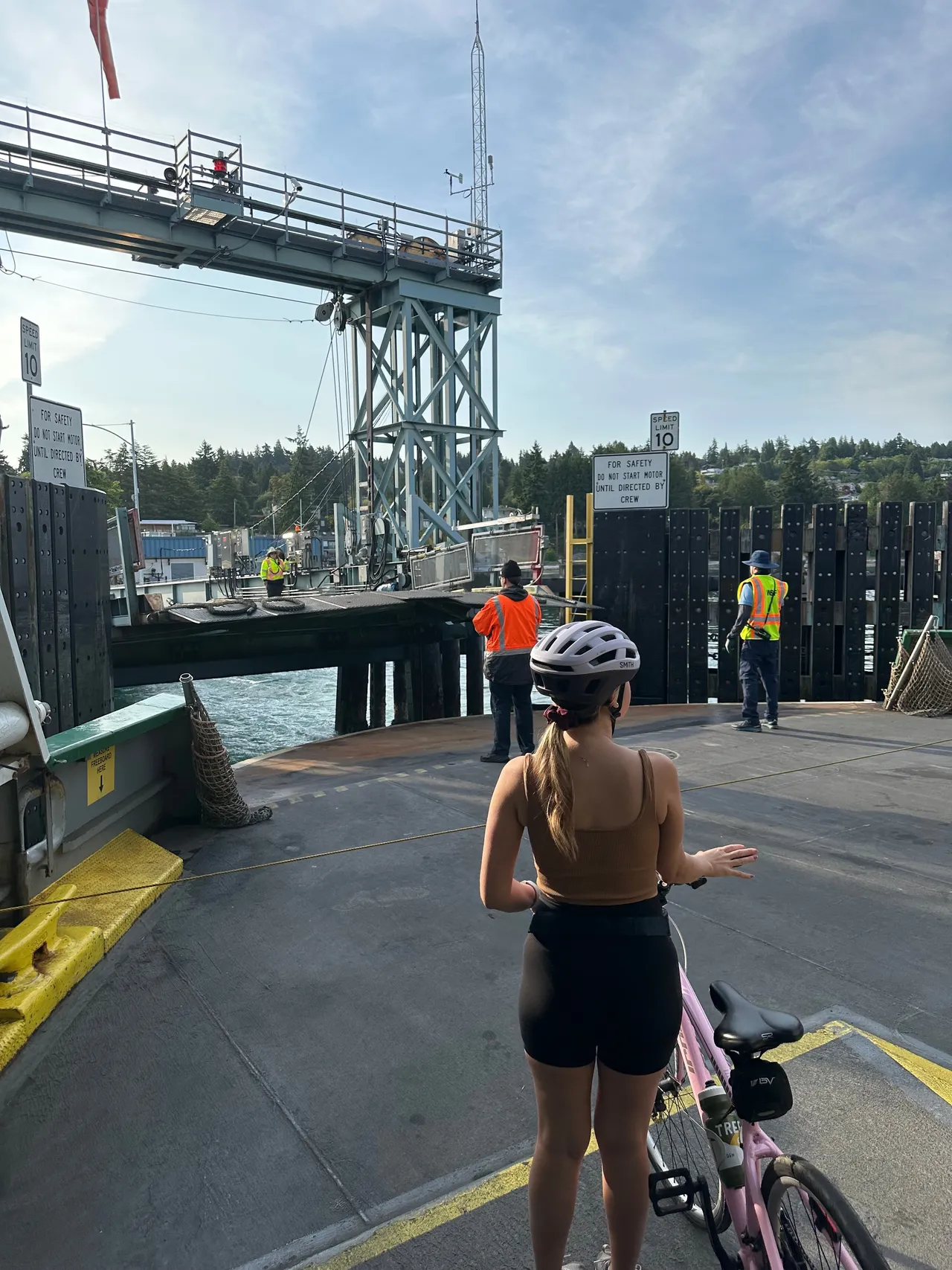
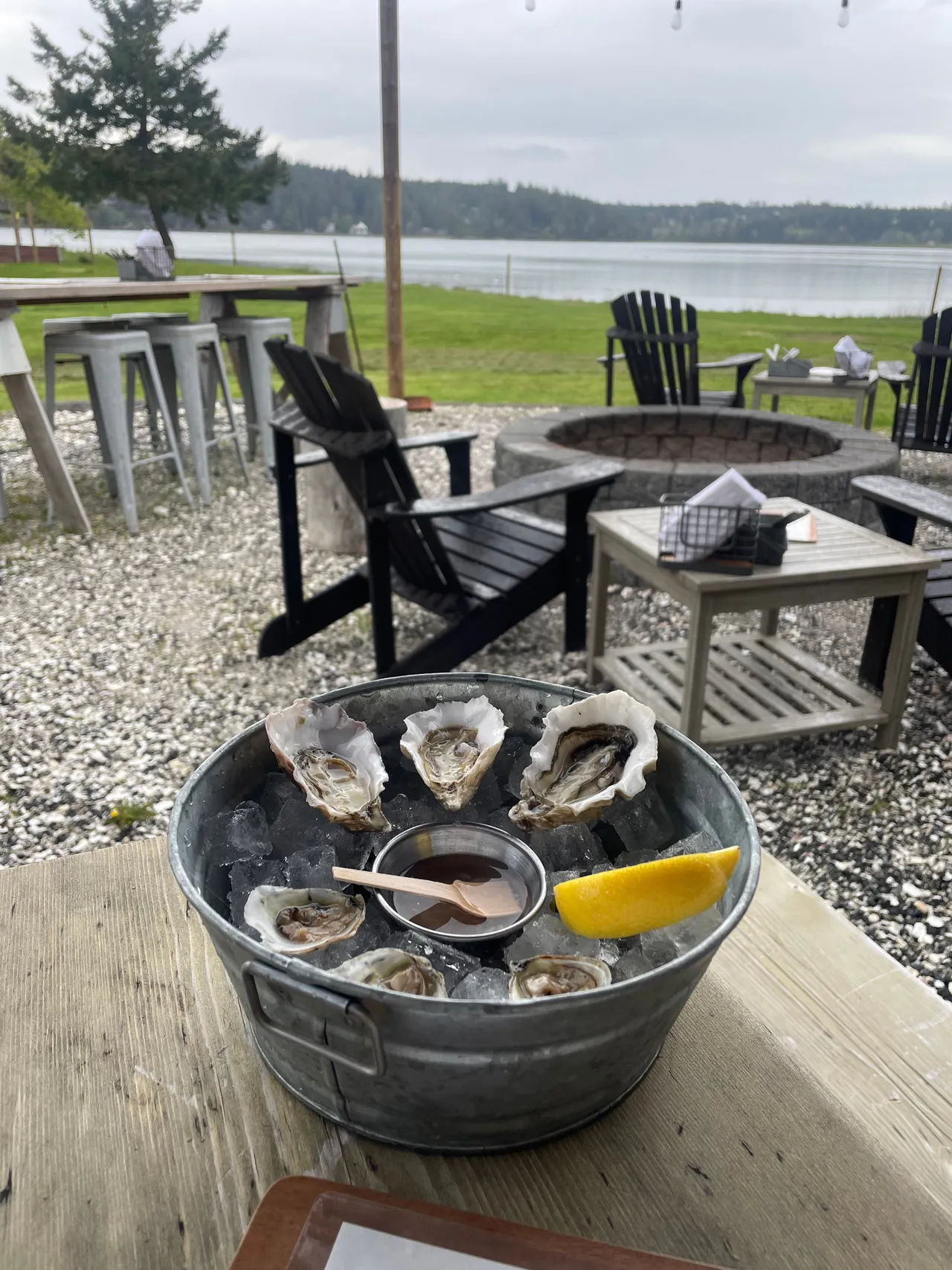
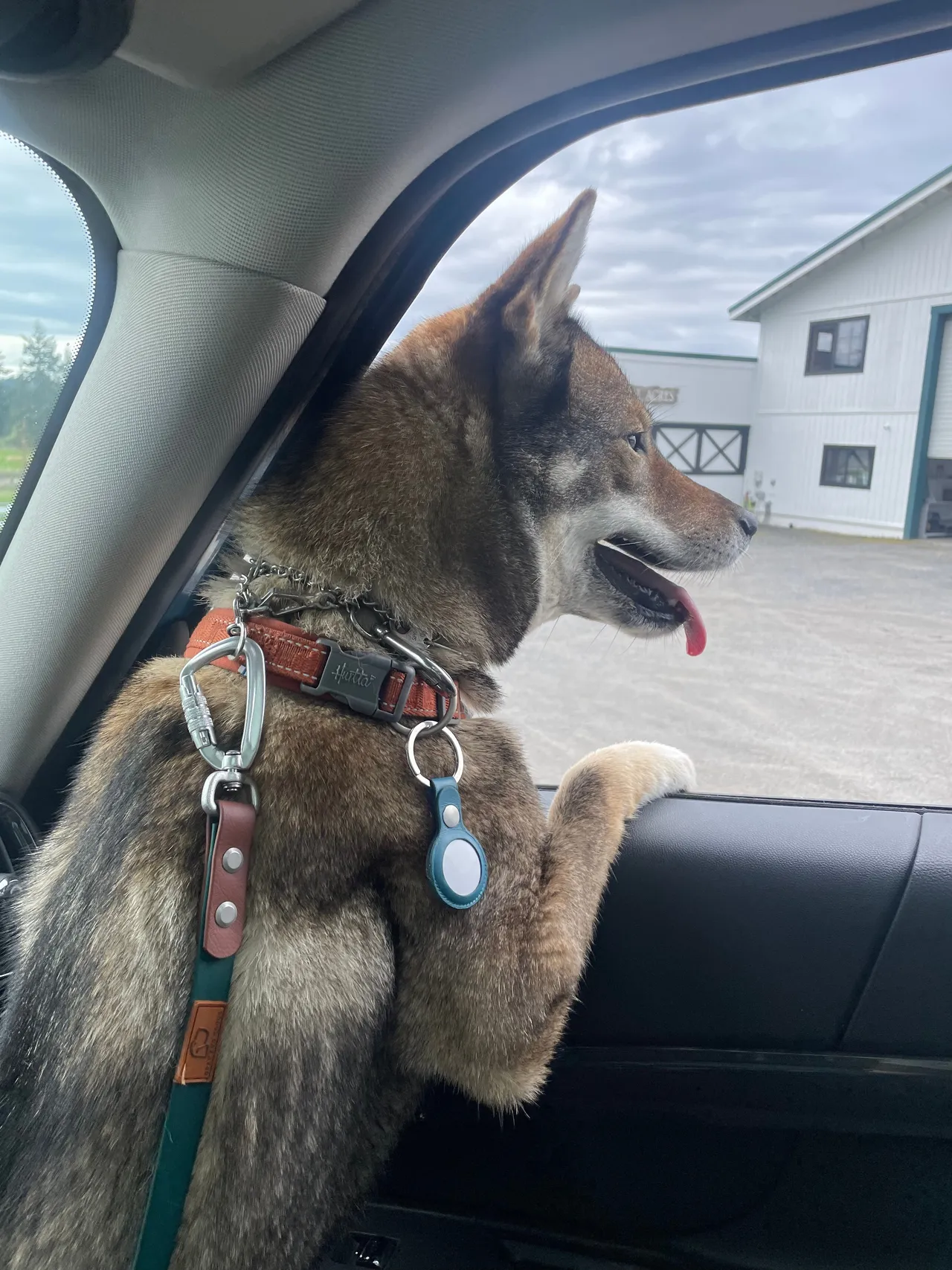
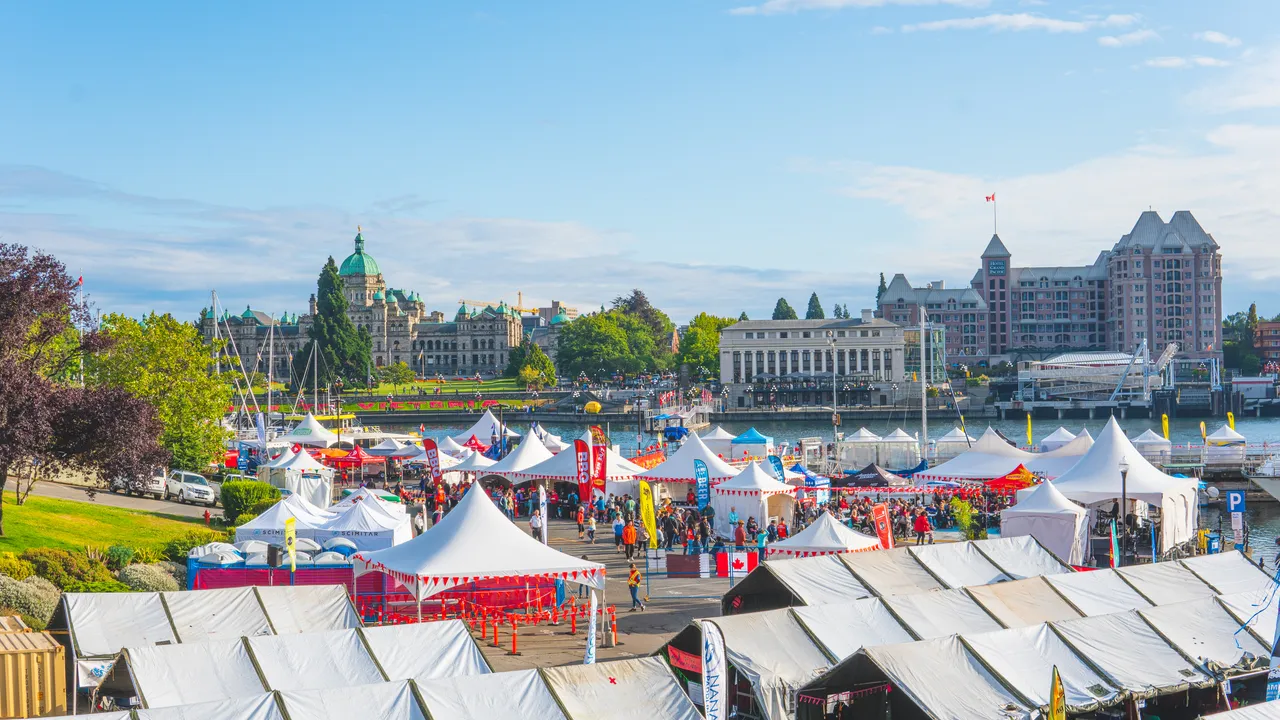
One of the things I didn't expect about living in the Pacific Northwest is how much of road tripping here involves ferries. You drive the car onto the boat, you take in the views of the sea while getting some time to relax from driving, and then you continue onward to your destination. The Washington State ferries are a commuter system for many; I've taken them to Bainbridge Island, Vashon Island, Whidbey Island for day trips, and the San Juan Islands for longer weekends. Getting to the Olympic Peninsula means taking the Bainbridge ferry out of Seattle, which is honestly part of what makes that trip feel like a proper departure. I've taken the Black Ball Ferry from Port Angeles over to Victoria, BC several times, Sora posted up in the window watching the strait pass by and going through customs via a port entry. The BC Ferries run from Horseshoe Bay in Vancouver over to Gibsons on the Sunshine Coast, which is how I got to Sechelt to visit a friend on one of our other trips. Each crossing is its own small adventure, a pause in the drive where all you can do is stand on the deck and look at the water.
Canada
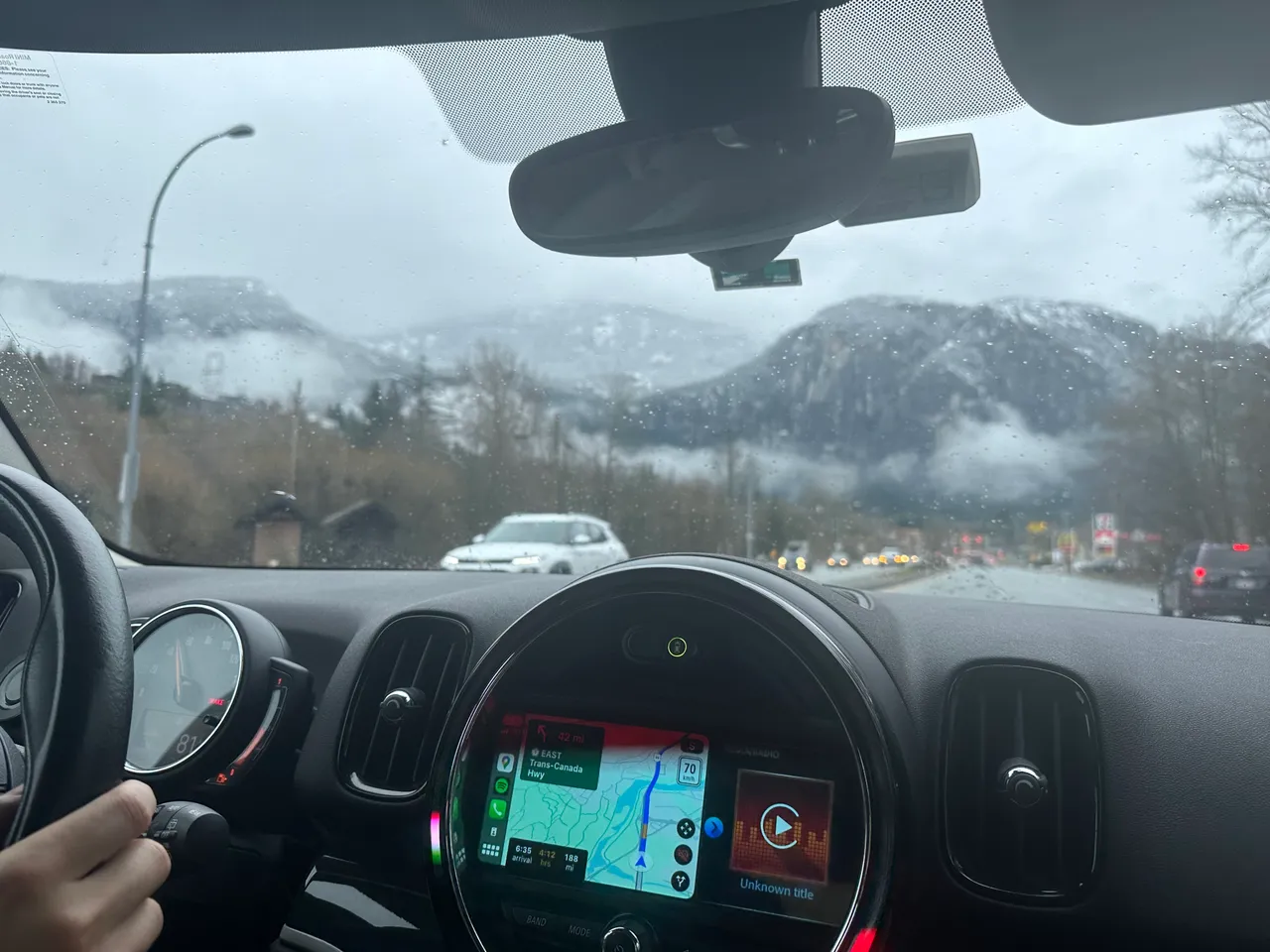
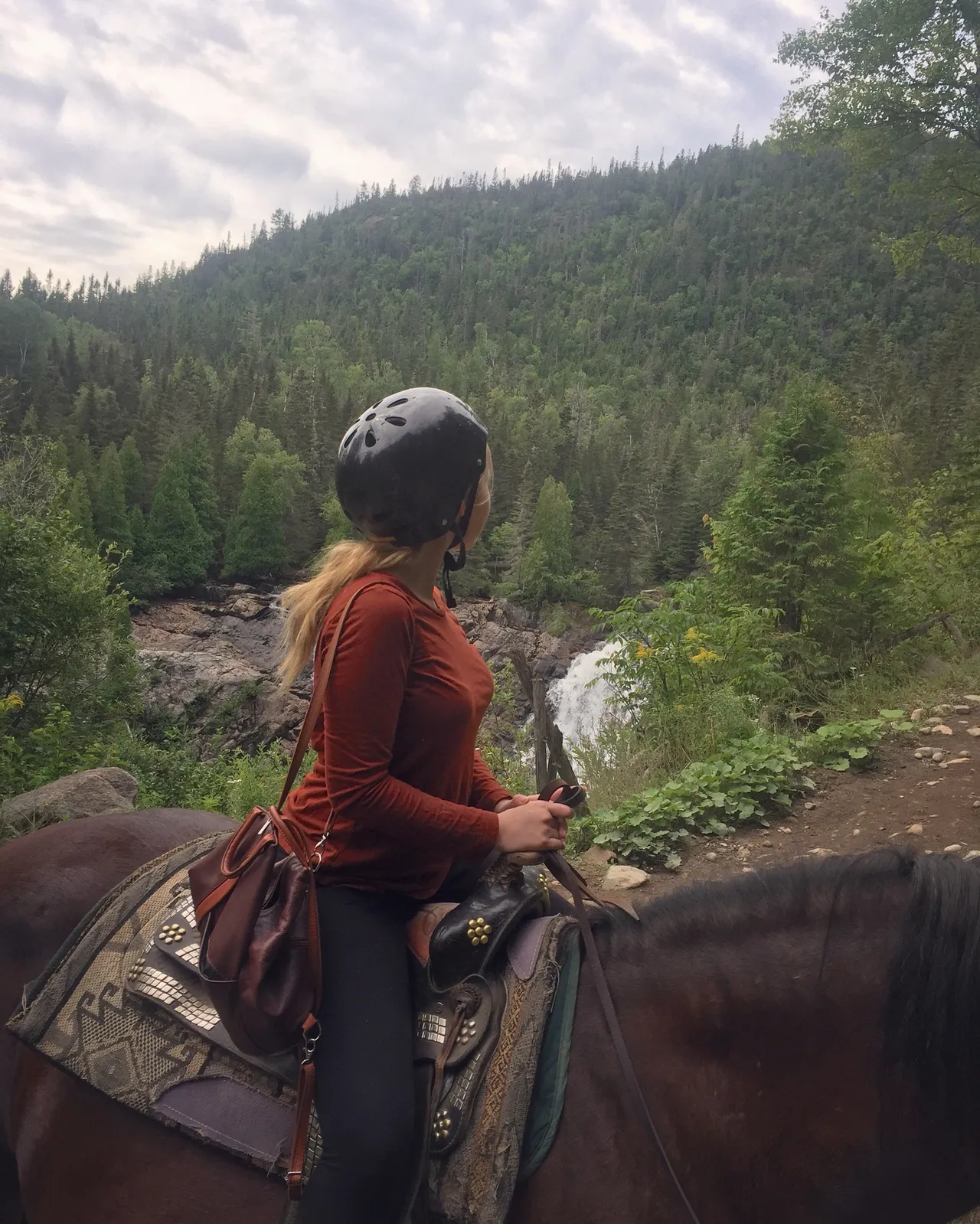
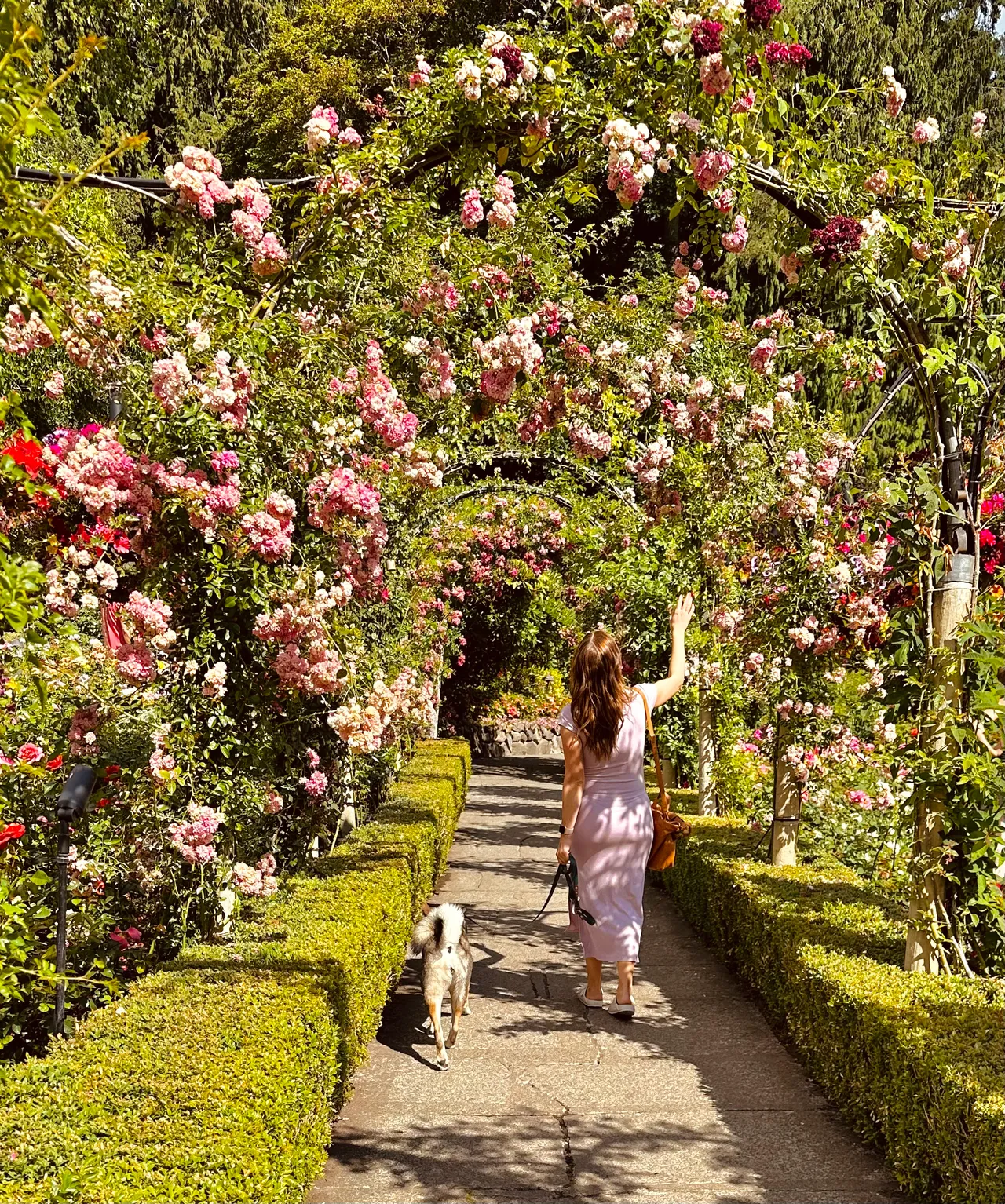
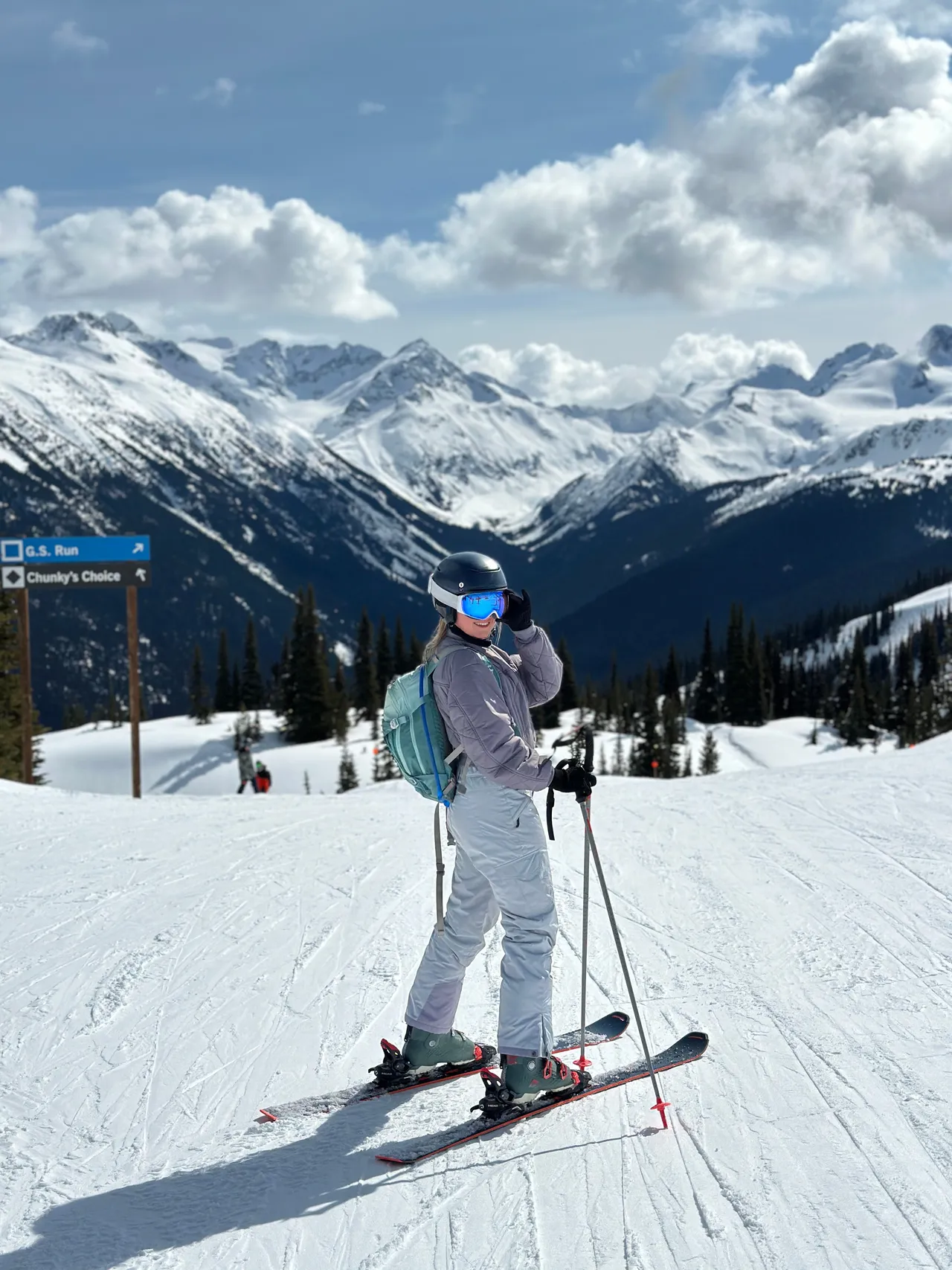
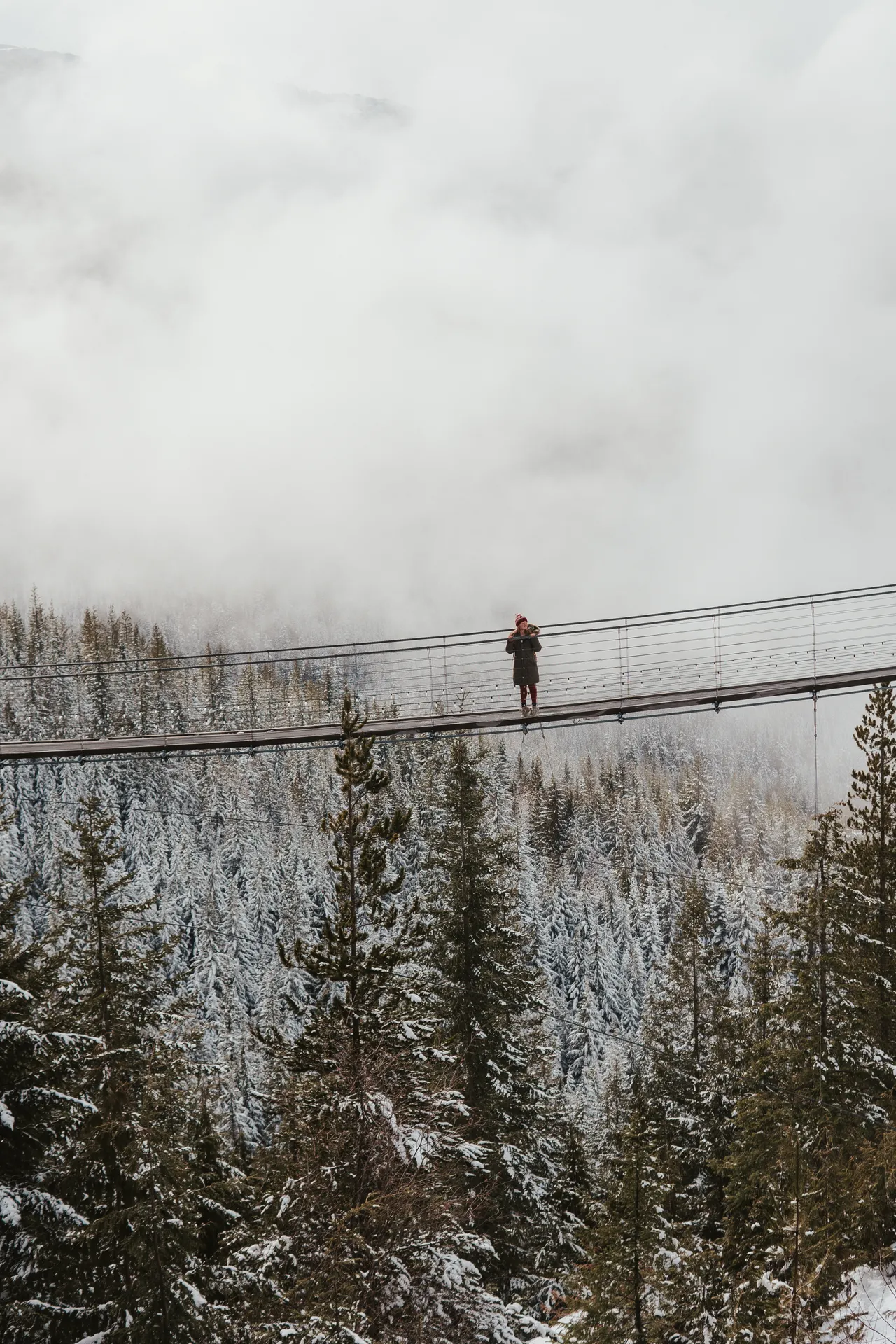
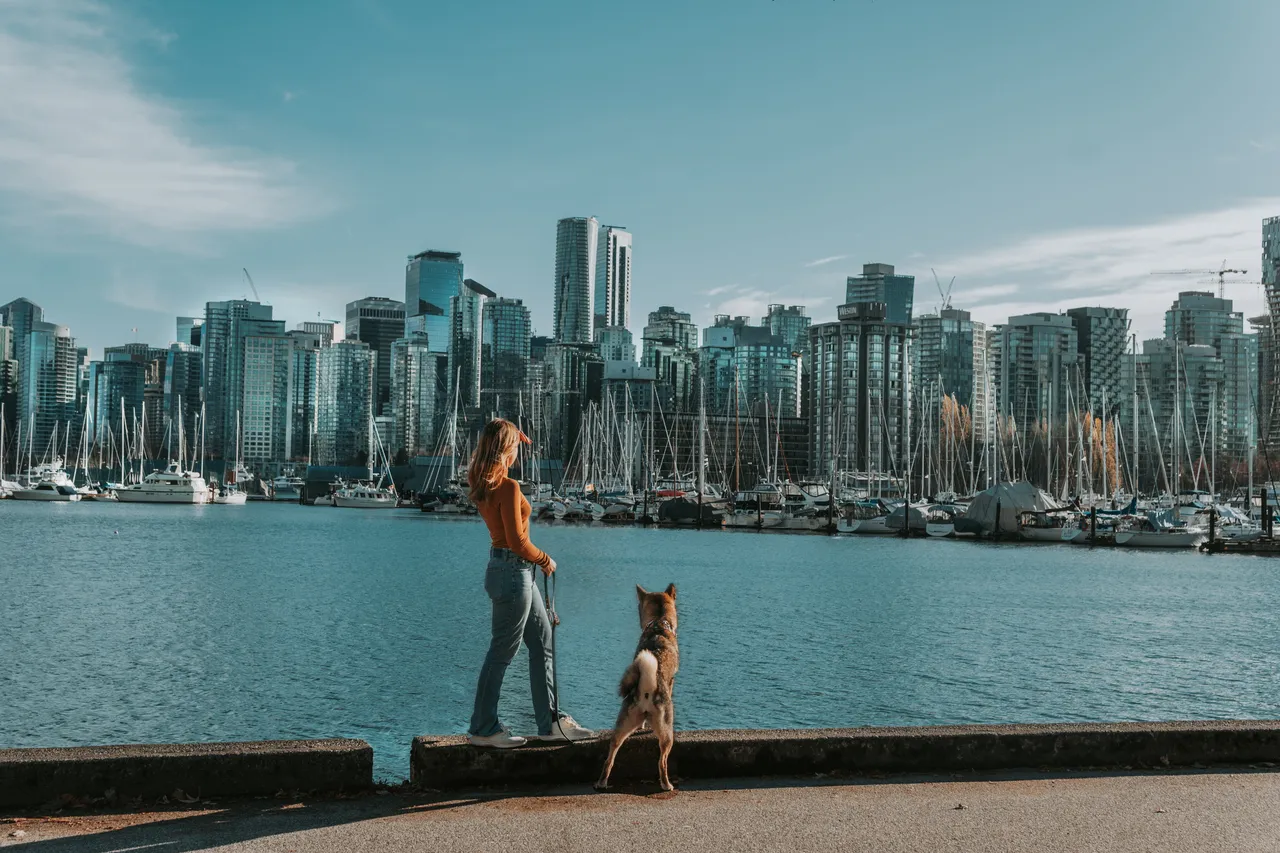
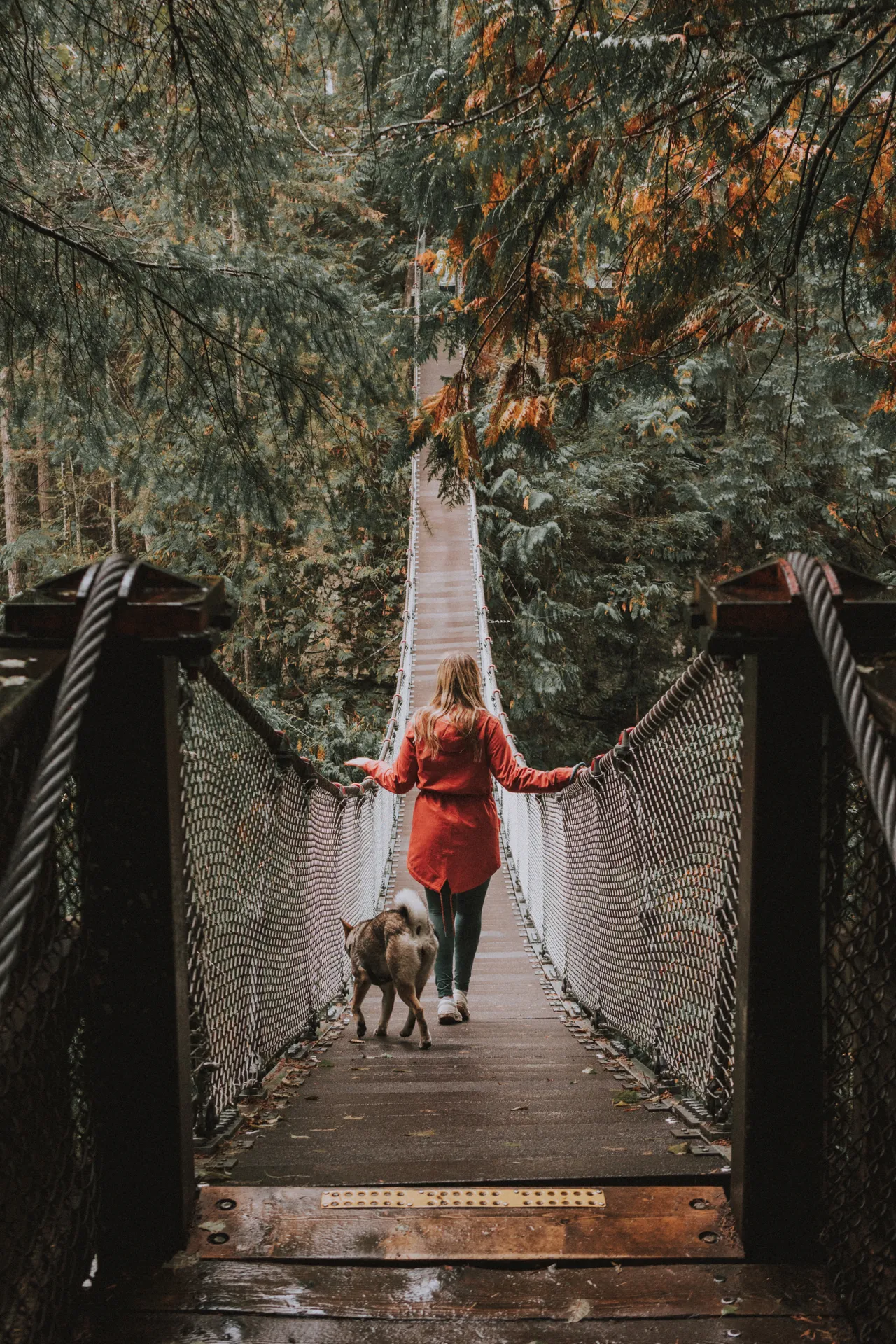
One thing I love about living in Seattle is the easy access to Canada. I've driven up to Vancouver and Squamish three times, made the Whistler run six times for various ski trips, and taken the ferry over to the Sunshine Coast to explore Sechelt and Vancouver Island. Port Townsend too, for a slower kind of weekend. Canada has always felt like an extension of the same road, not a different one. I often reflect on how we have more in common with the BC canadians in Seattle than we do with many americans, yet we are across borders.
California
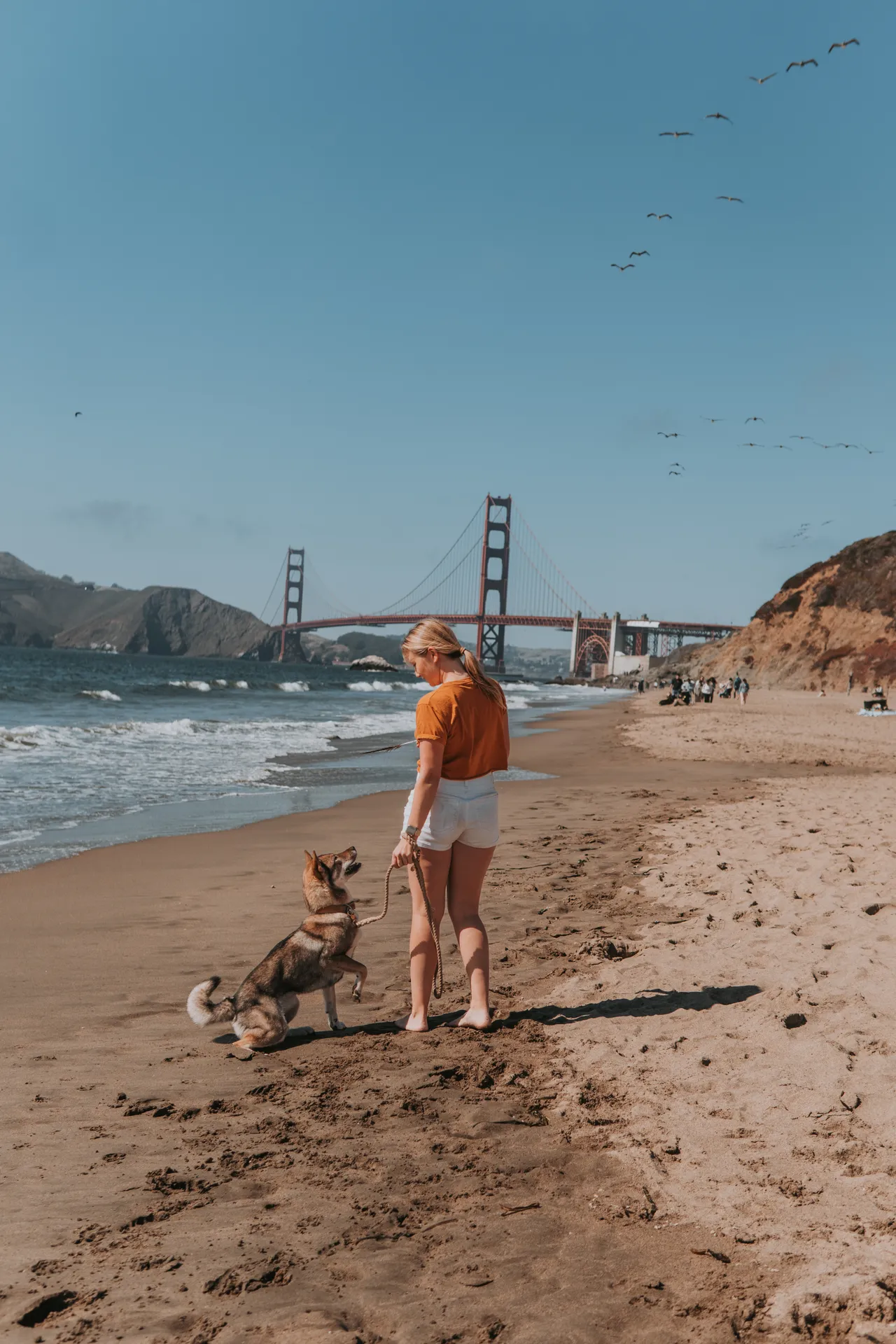
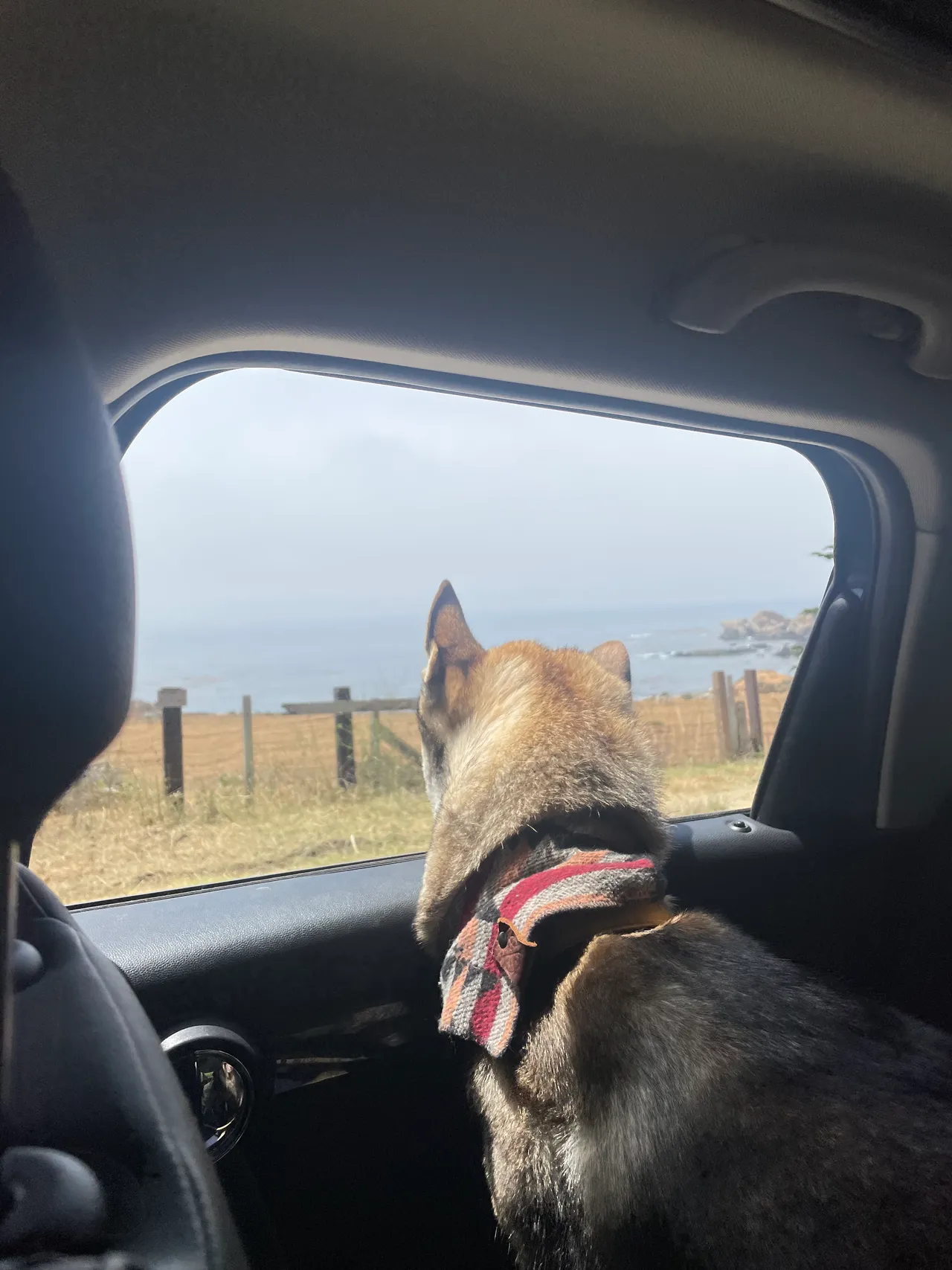
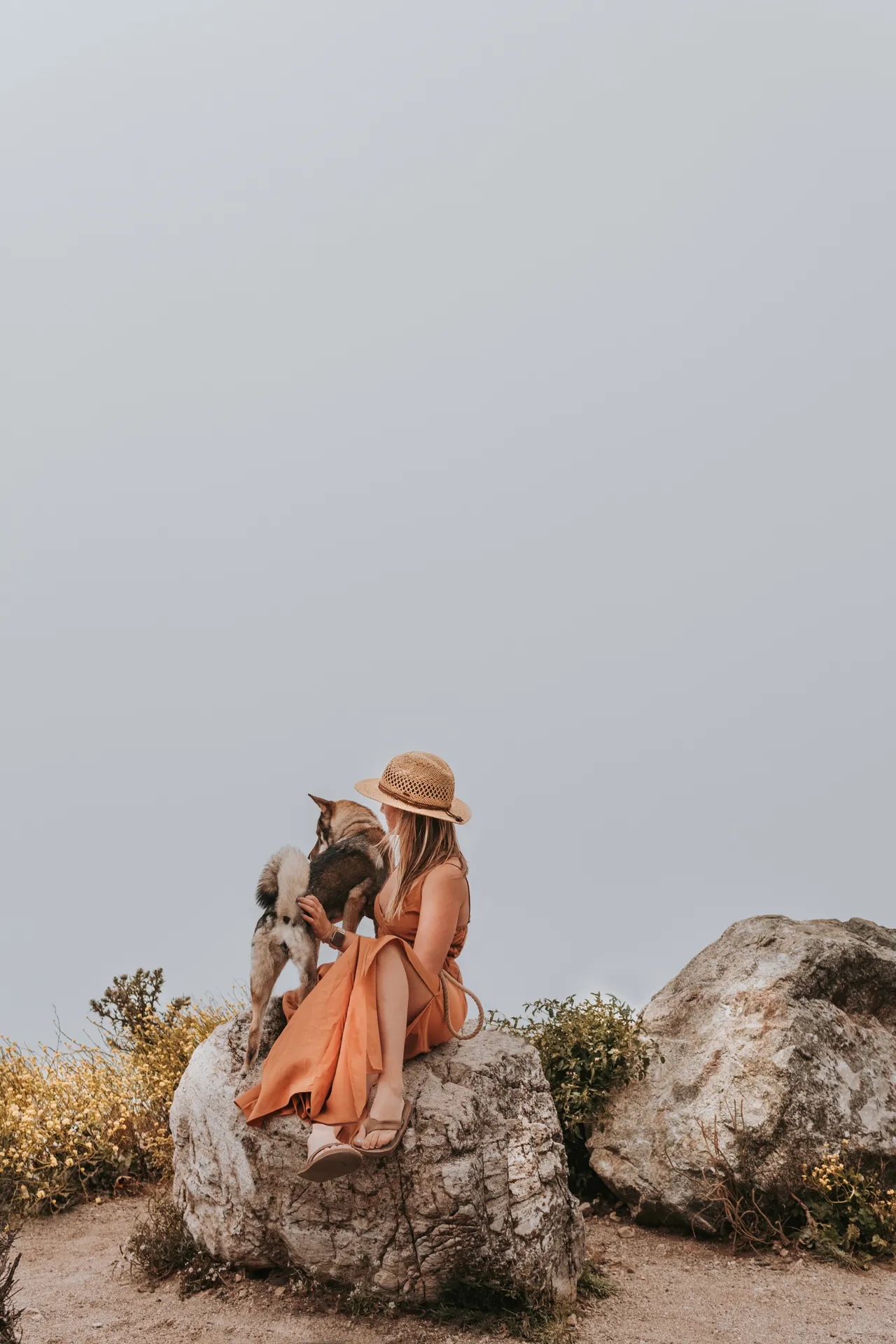
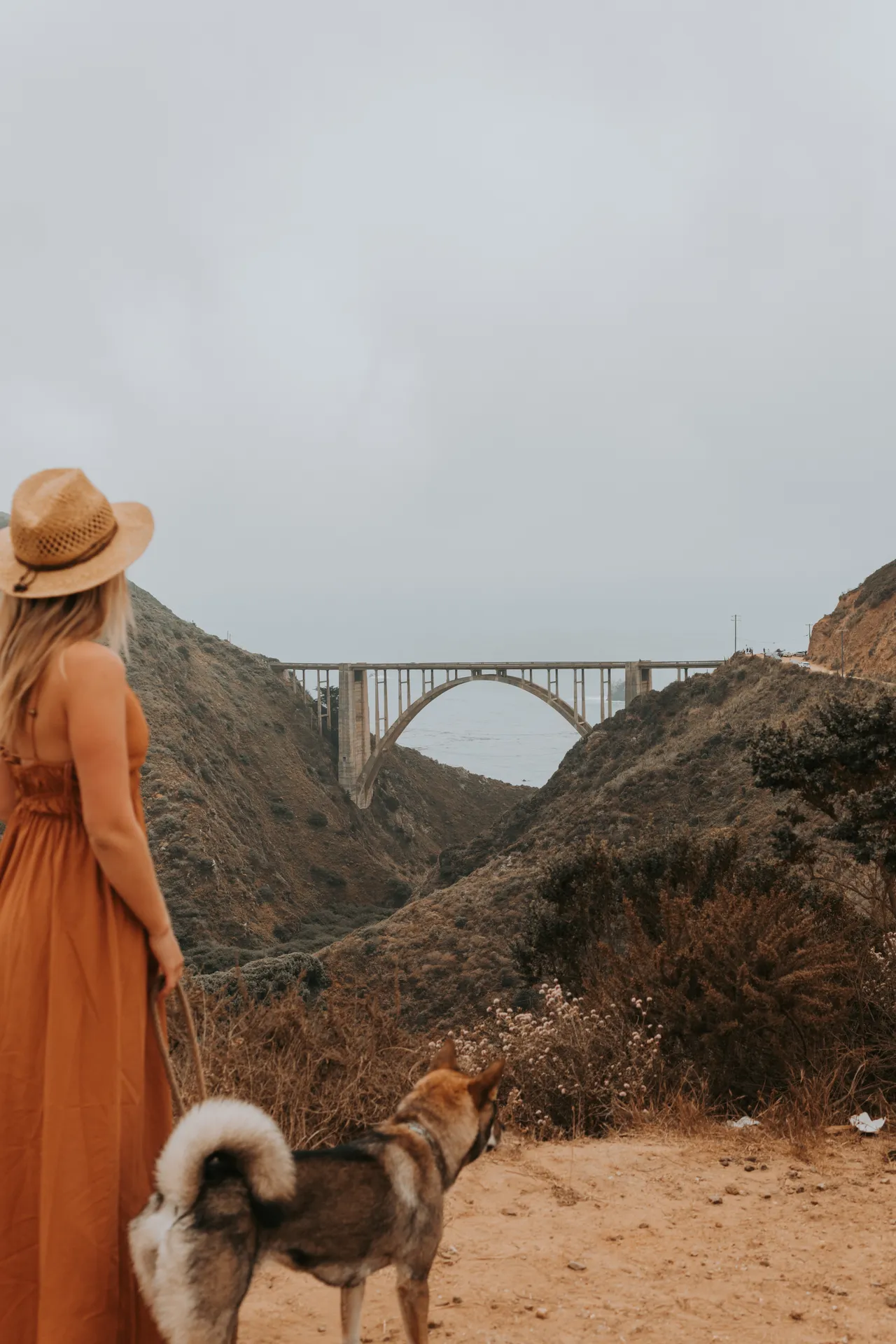
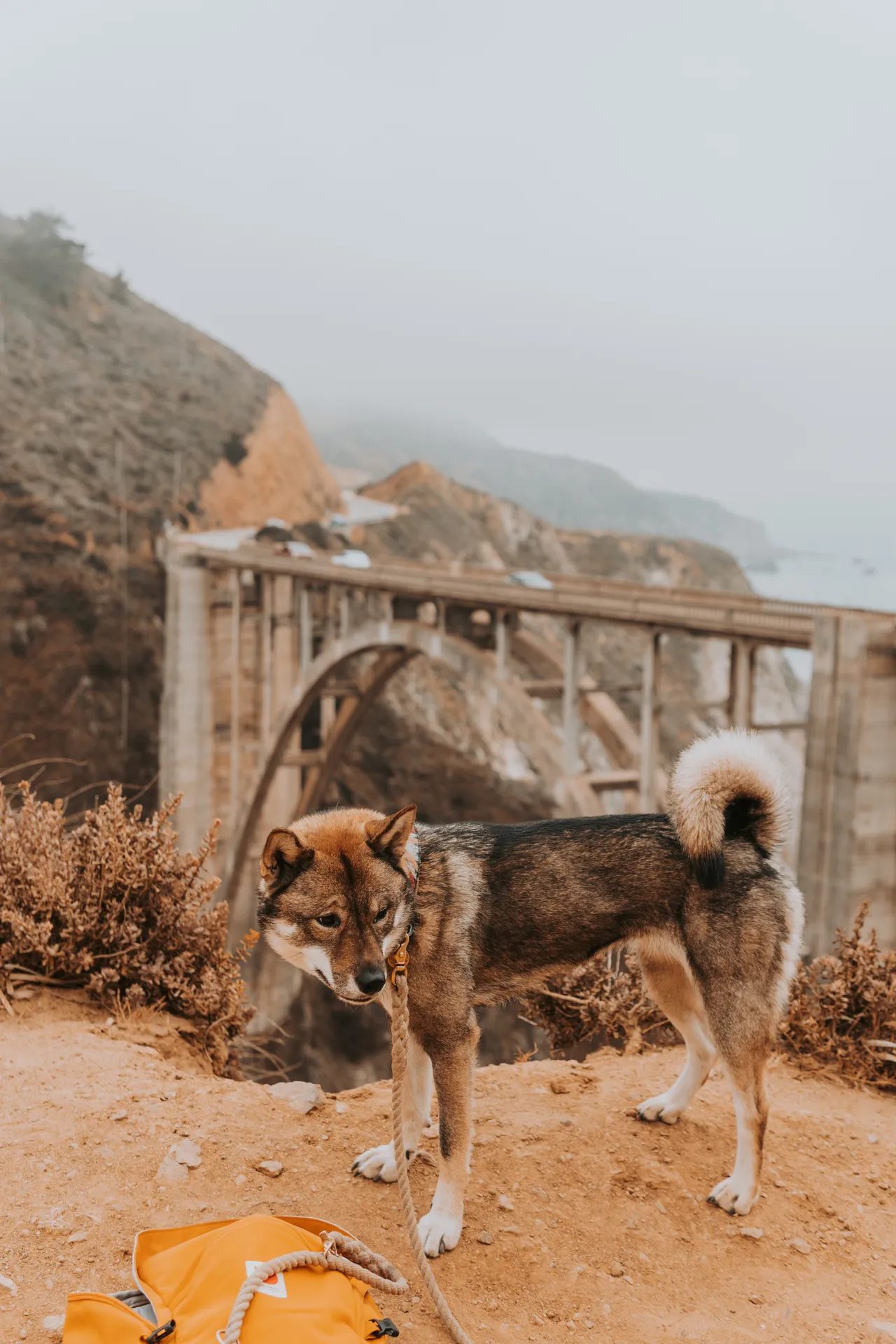
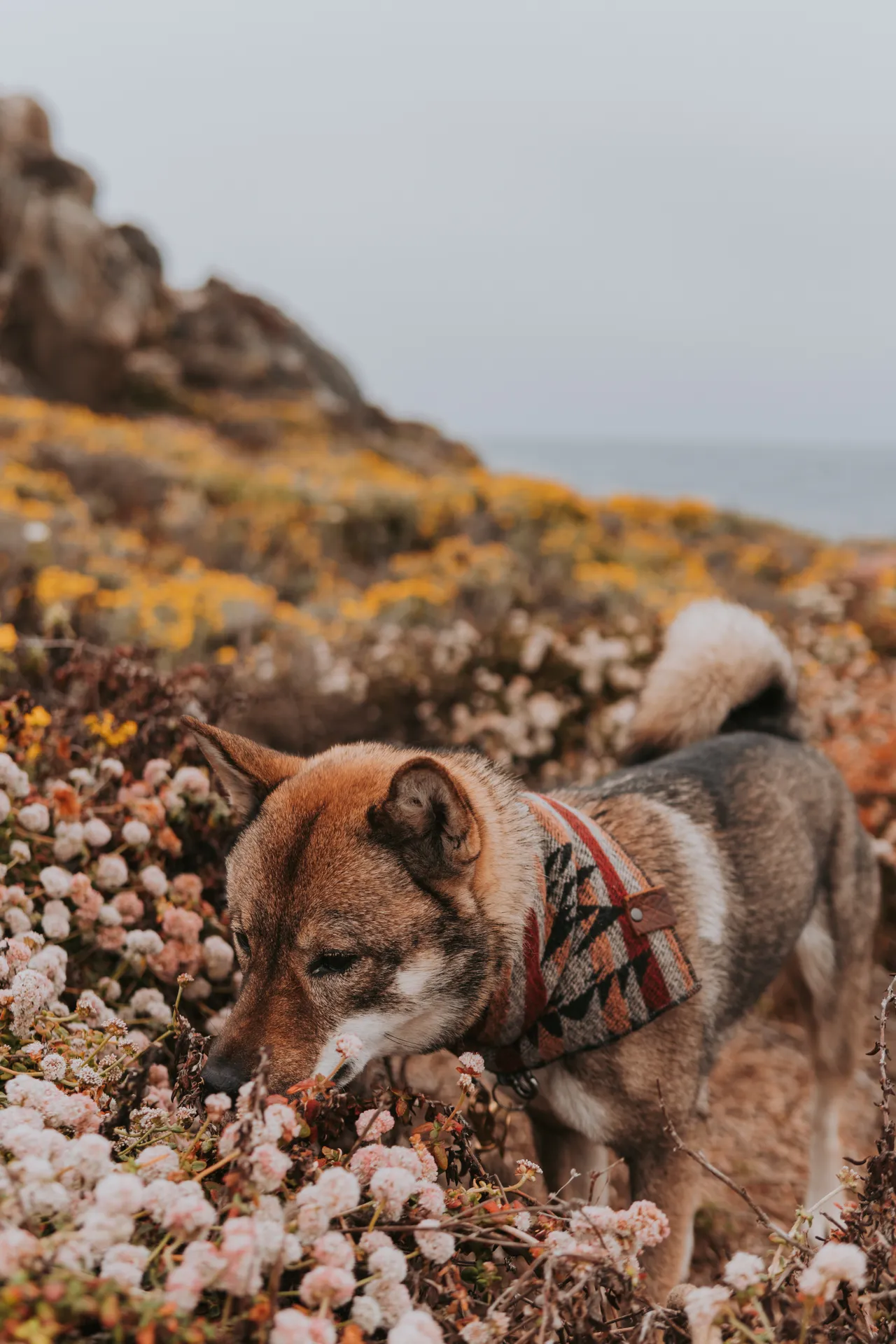
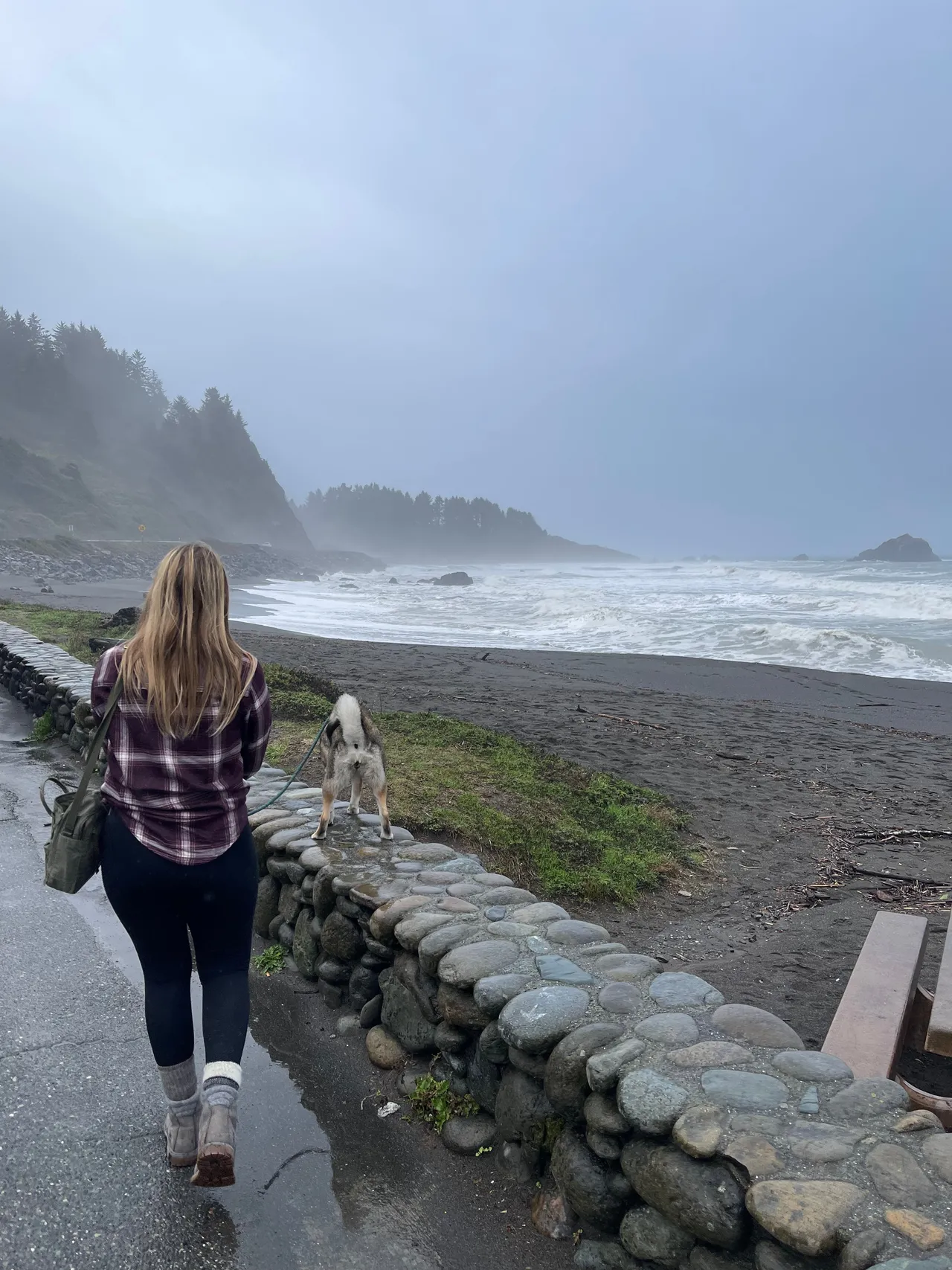
The California coast trip with Sora was one of the most meaningful and beautiful drives I've ever taken. One a summer post-break up, I drove San Francisco down through Monterey, Big Sur wrapped in thick summer fog, towards Los Angeles then San Diego. I still vividly remember looking out at the coast from up high in Big Sur, through dense fog, wondering where I would move next, knowing my time in Denver was coming to an end that year. California is one of those places I always dreamed of living, but haven't been able to afford, so I just admire it in small dosages when I travel; I appreciate its beauty every time. I continued in the MINI from california back through arizona and new mexico to get back to Denver. The MINI did suprisingly well with the coastal drives and high temperatures (118 degrees farenheit at one point in AZ).
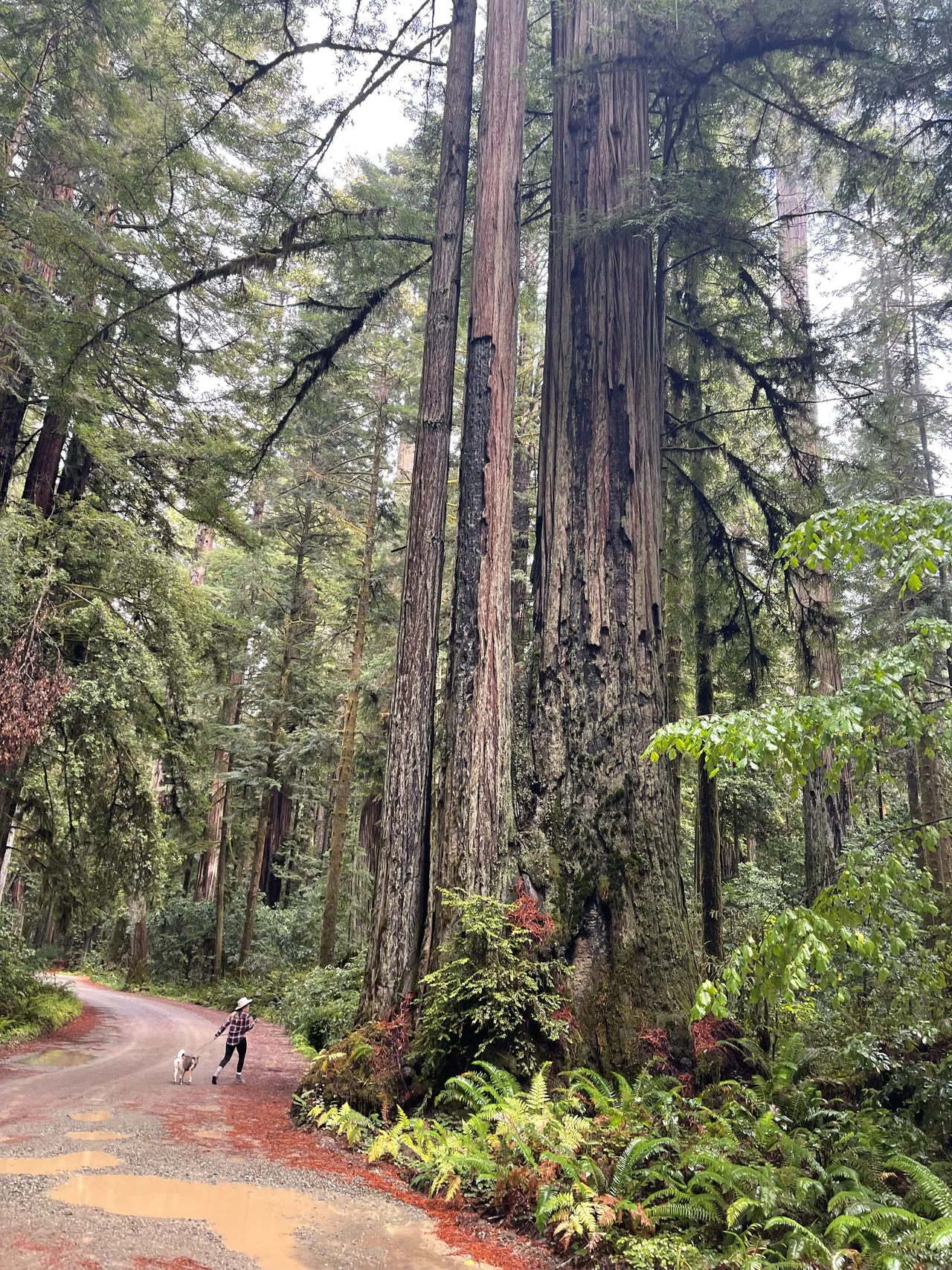
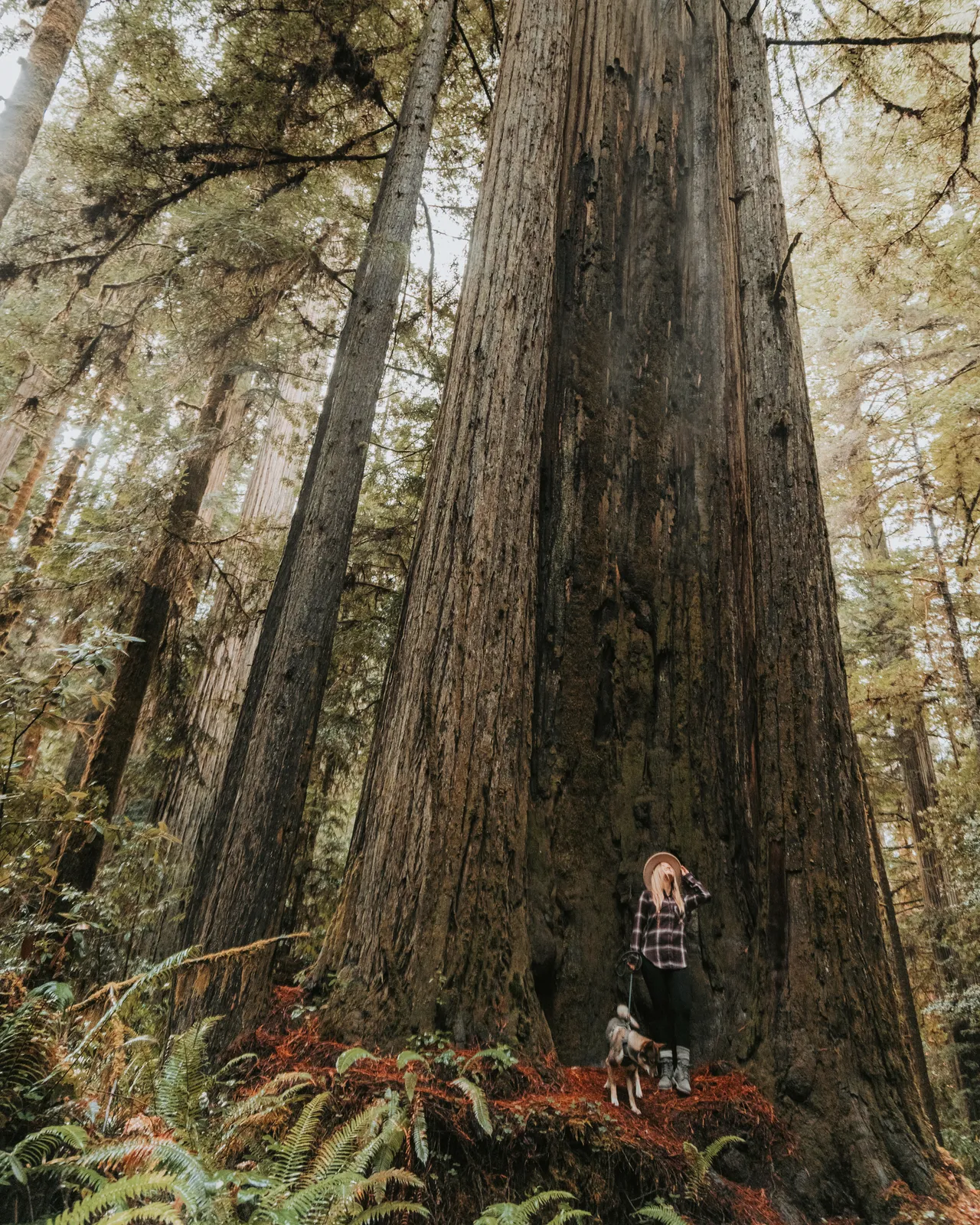
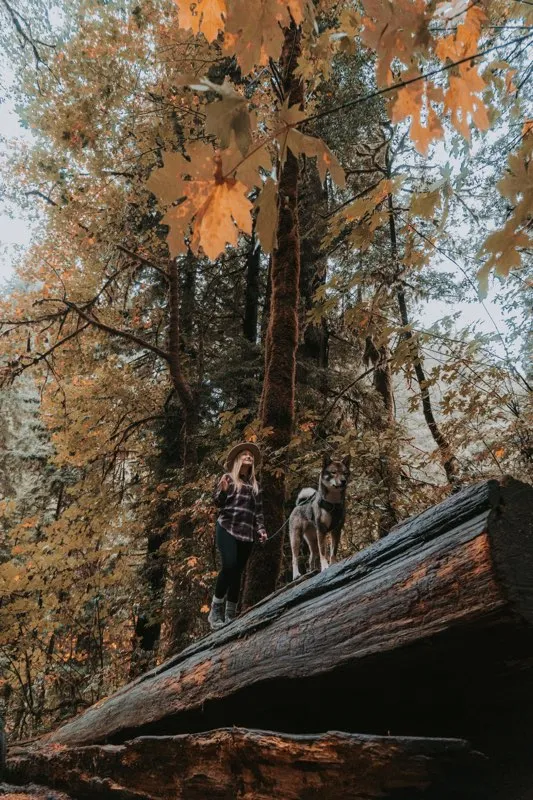
Another trip, on my second move to Denver from Seattle, I drove down from Seattle through Bend, towards the southern Oregon coast and through the rainy, autumn covered Redwoods to Napa and San Francisco — and then the highway to Yosemite closed overnight due to a mudslide. I rerouted through Fresno, through the Central Valley heat, out to Las Vegas, and into the desert instead. It was the most fun I had on that trip. Hotels or cheap camgrounds with good refund policies are always my go to due to unpredictable conditions in the west (e.g., mudslides, wildfires, blizzards, etc.).
The Redwoods
Arizona & New Mexico
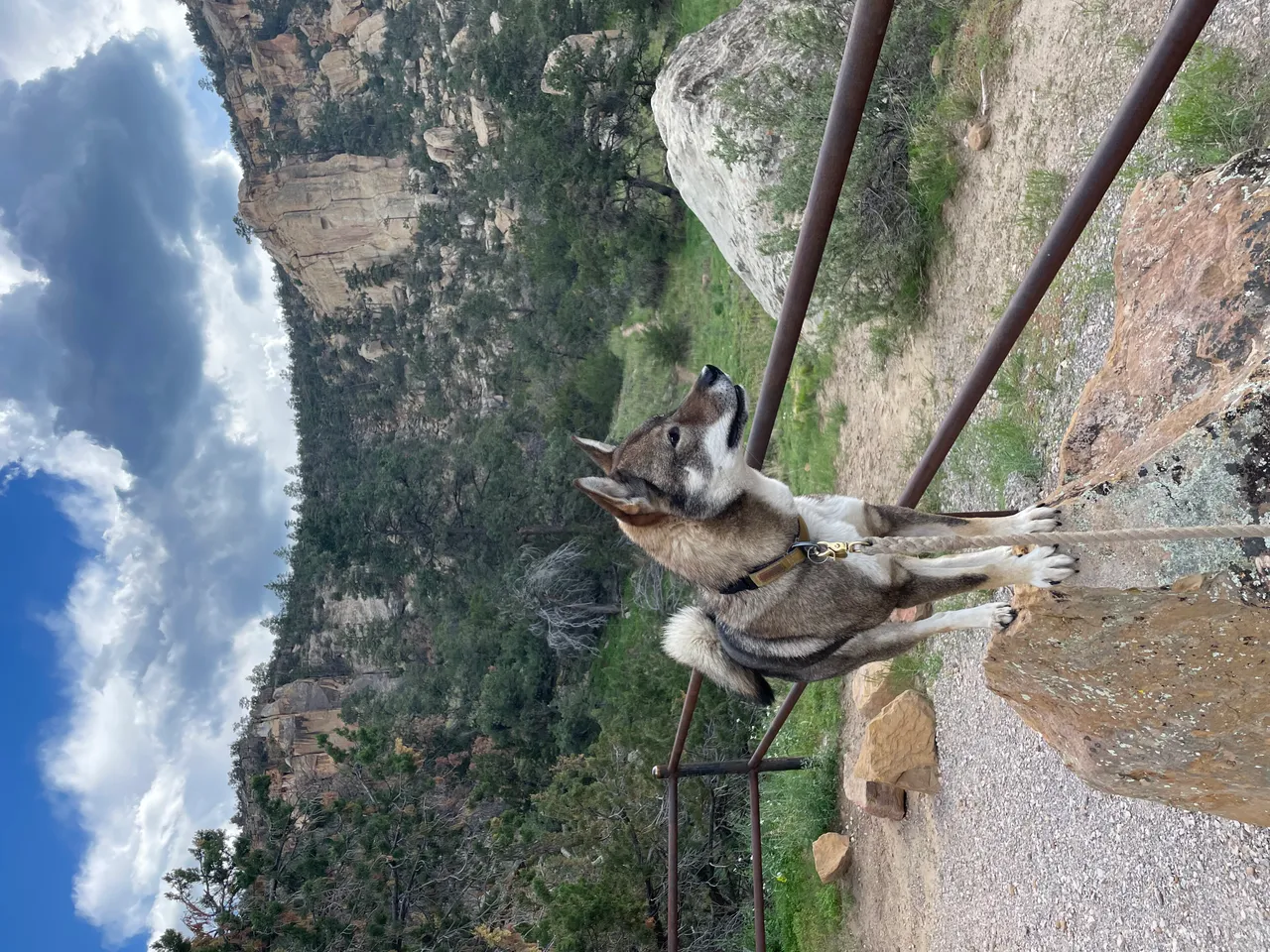
Getting back to Denver from San Diego meant heading east through Scottsdale and up through Santa Fe — desert and high desert in quick succession, a completely different landscape than the coast I had just left. From San Diego, through Pheonix, I remember being all alone with Sora on the empty road, driving parallel to the US-Mexico border as I made my way home, seeing wildfires in distance and reminding myself I needed to get home. I pushed through this stretch, living on breakfast burritos from mexican restaurants, and carefully choosing gas stations that looked safe. (one of the biggset anxieties i have when i travel are gas stations since this is where I've dealt with the most harassment and danger when driving. I always fill up during daylight and I won't pull in if there are creepy men lurking, I just wait it out or go only if I see other women. After the stretches of emptiness in Arizona, i arrived in my last city, Santa Fe. This artsy, mountain town, was so fun. I spent my mornings with Sora at a cozy bakery called Dolina and chatted with locals. We roamed around the shops and then headed back to denver. It was the first trip I took relying completely on myself, and I was so scared something would happen and I'd be screwed, but I really built my confidence with that trip, reinforcing how I can really do anything.
Crested Butte to Lake Tahoe
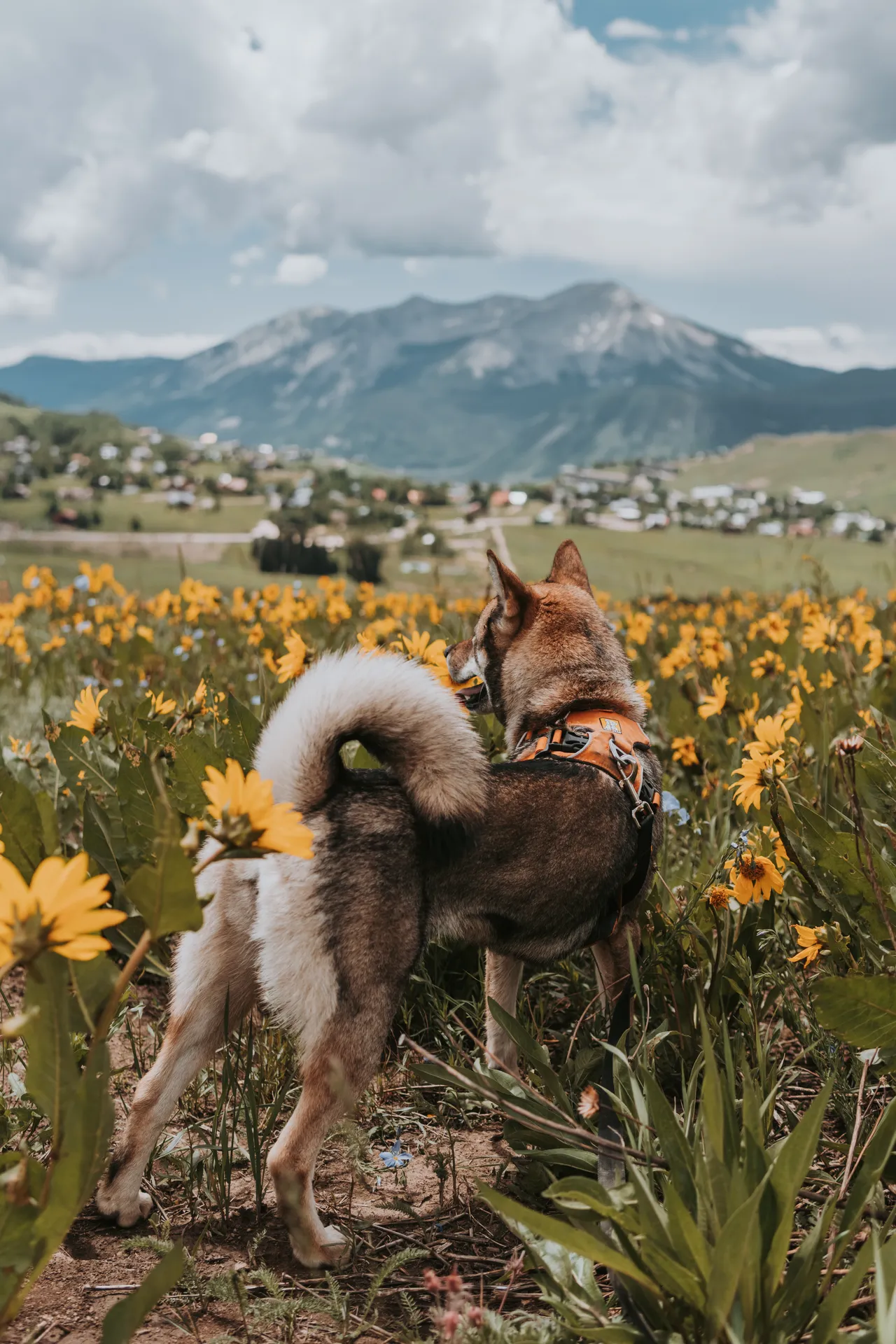
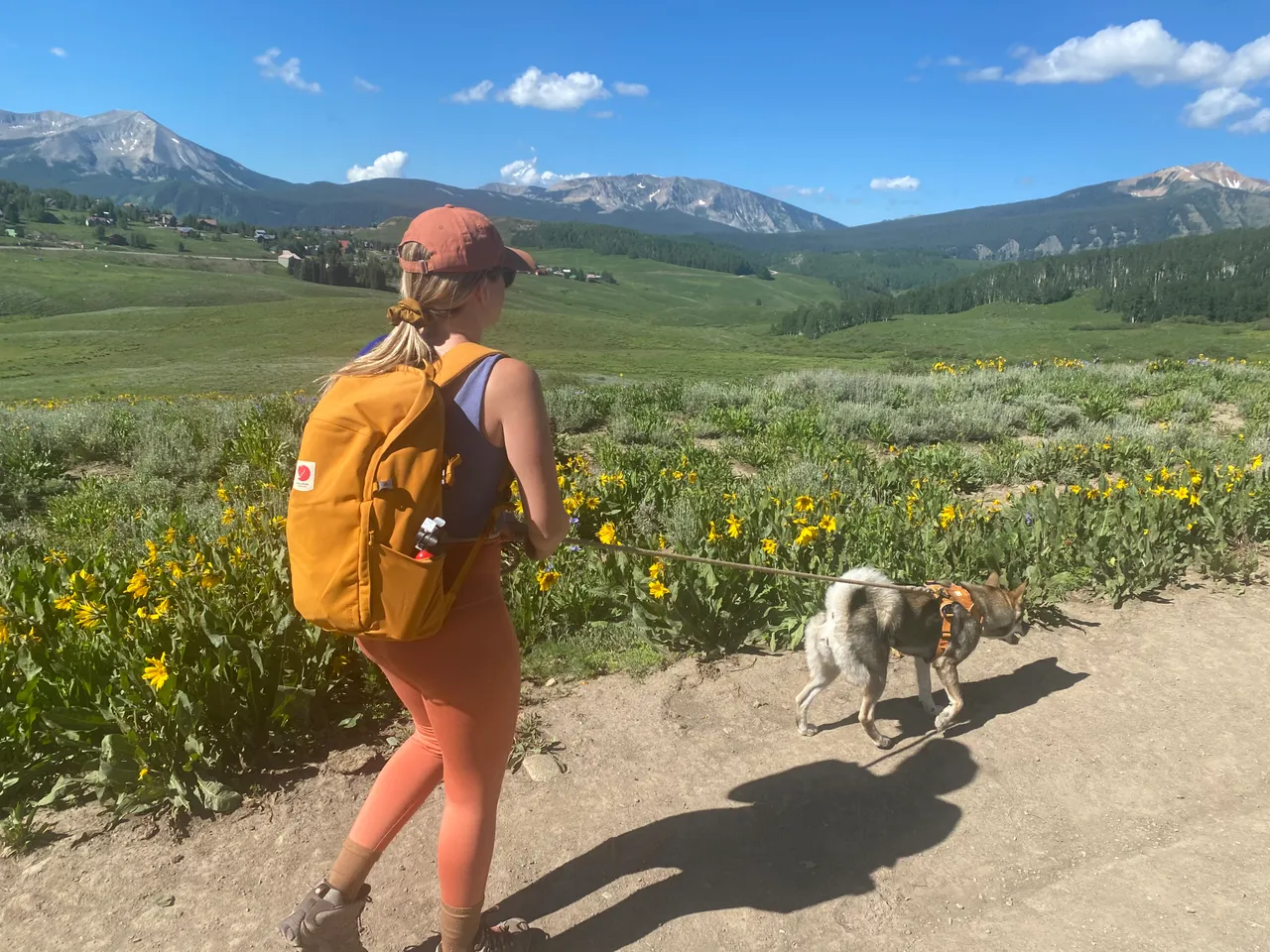
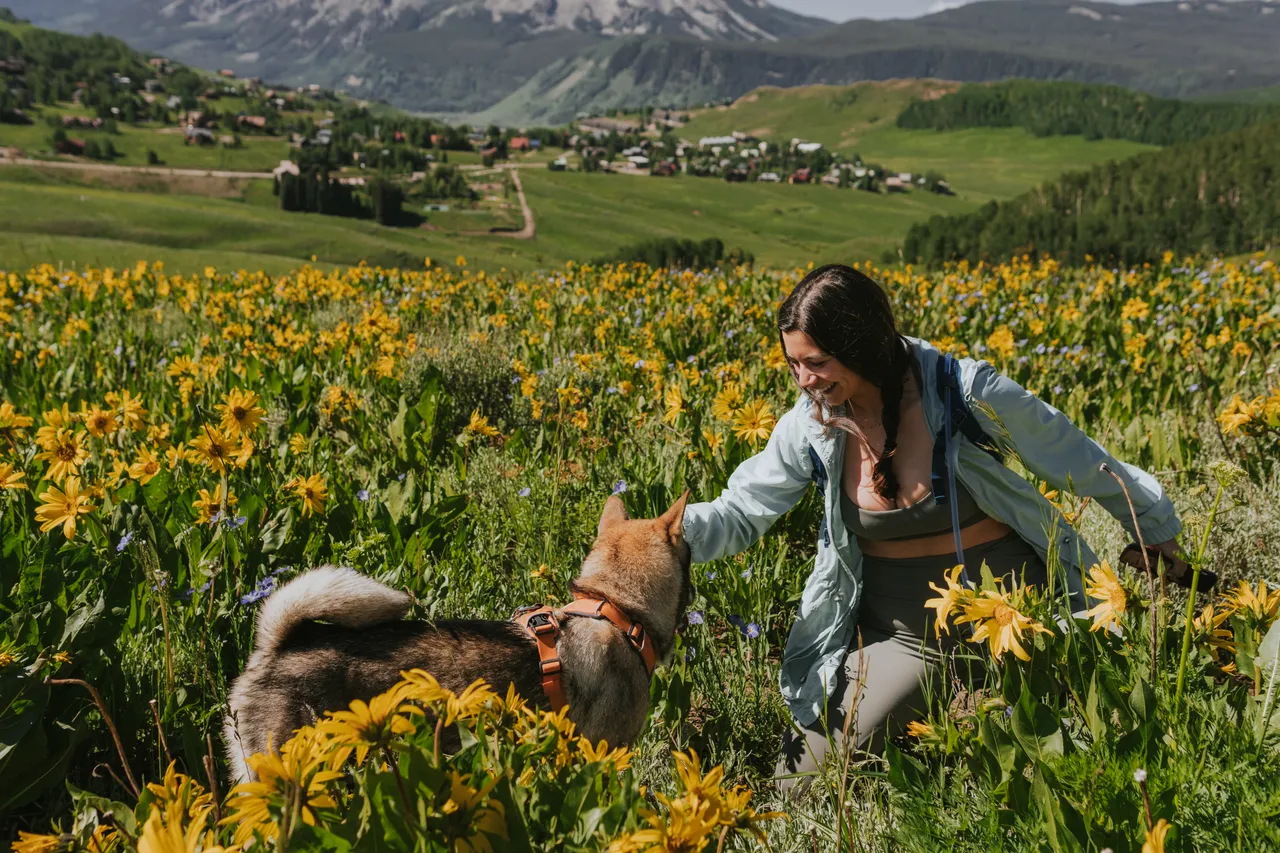
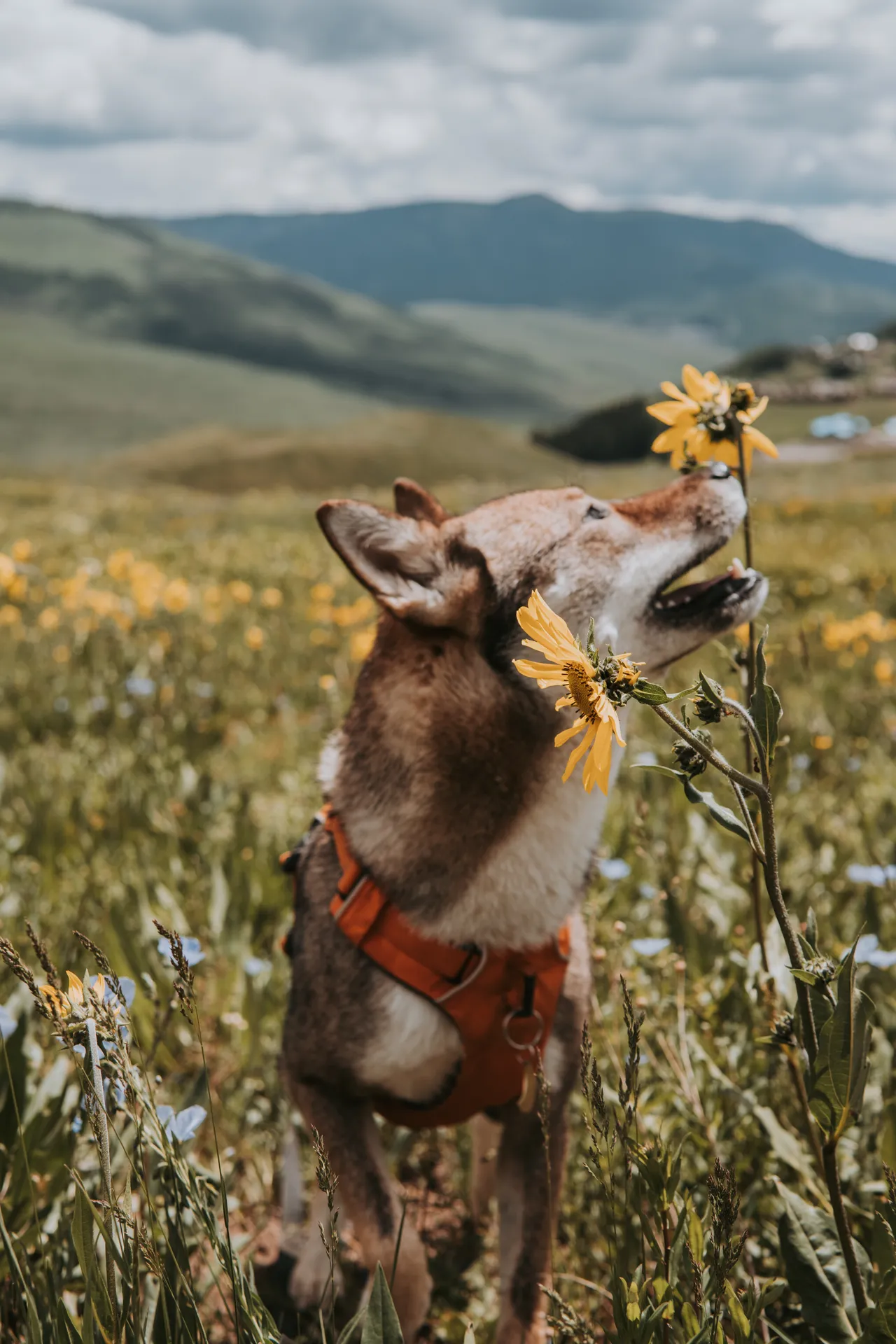
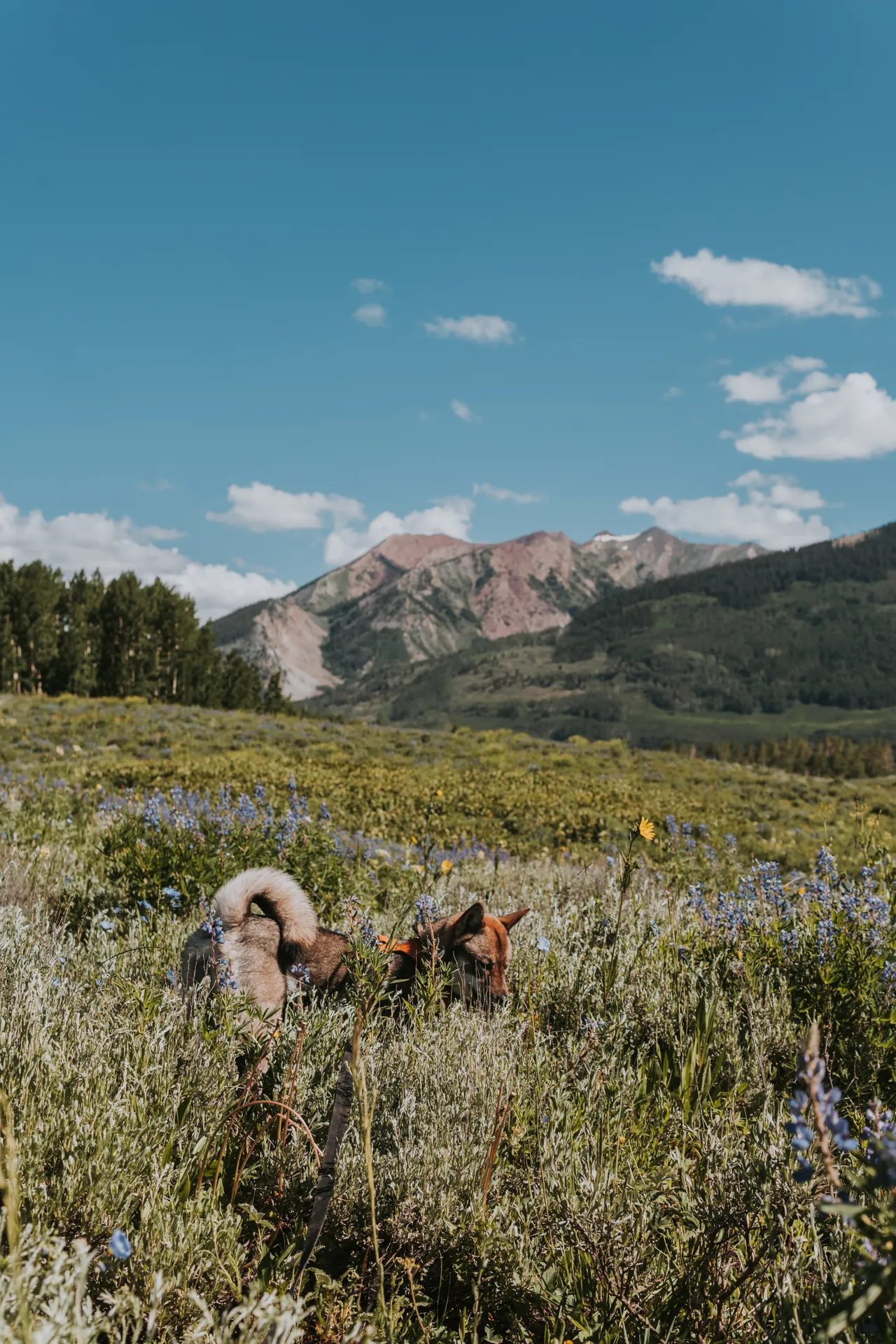
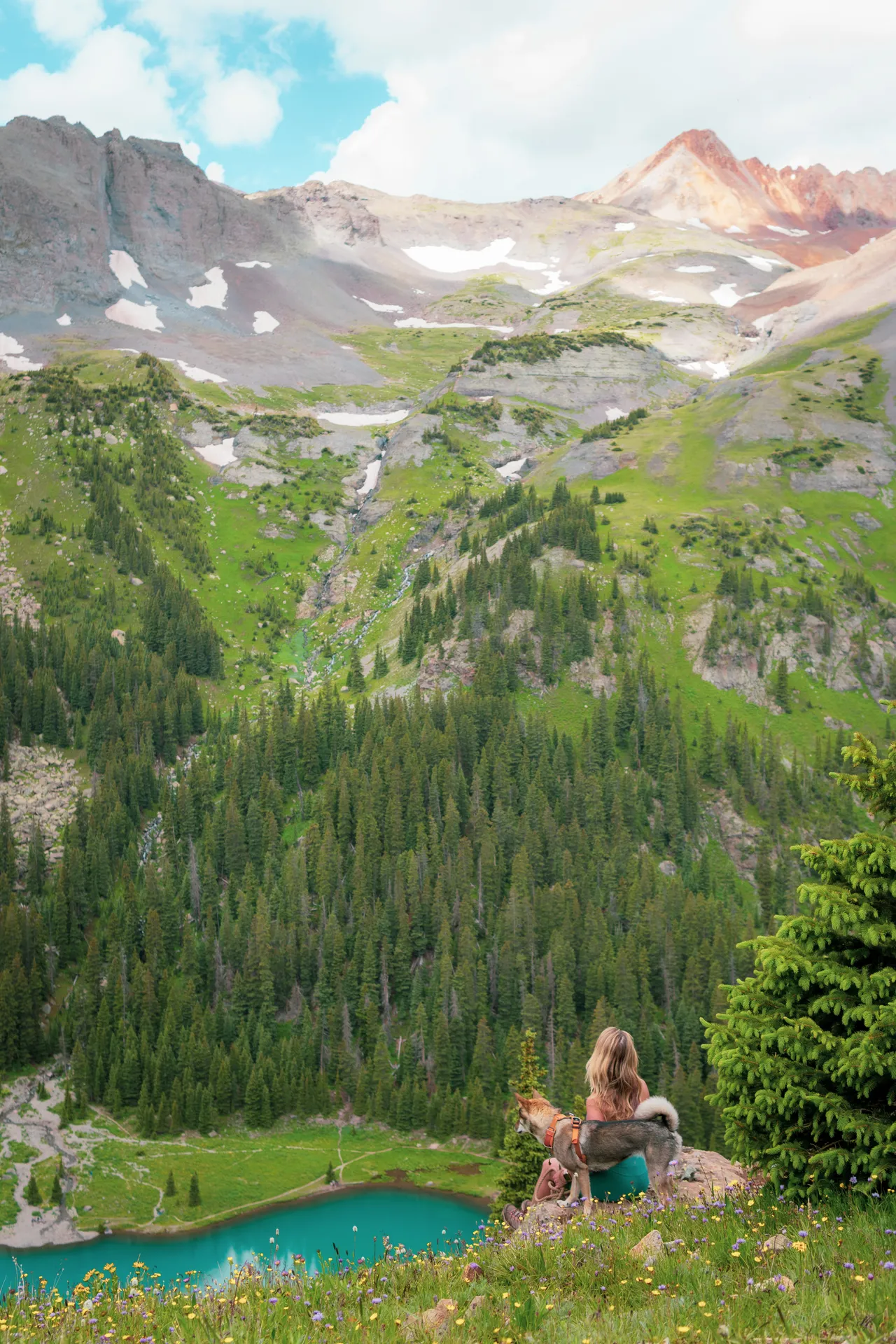
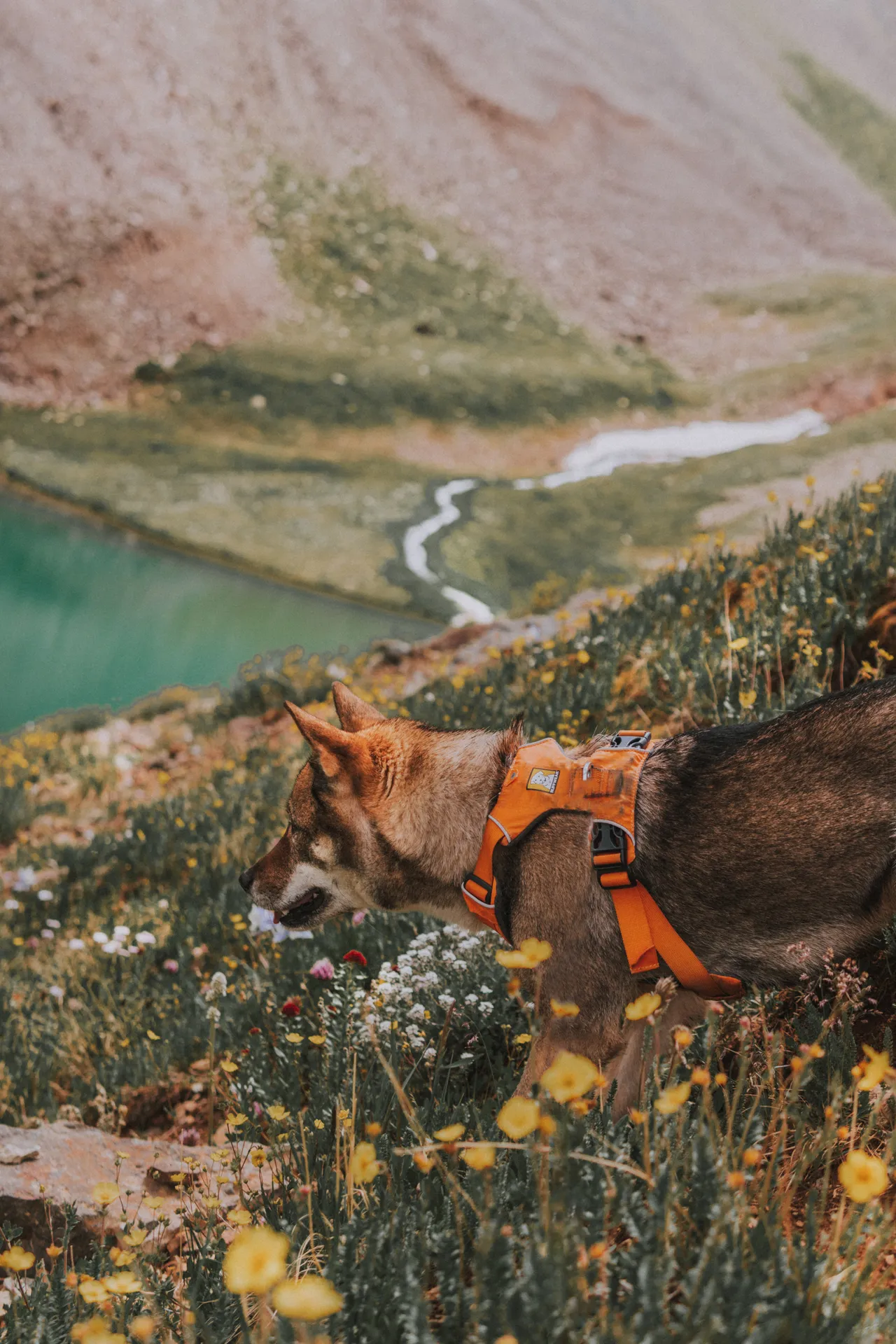
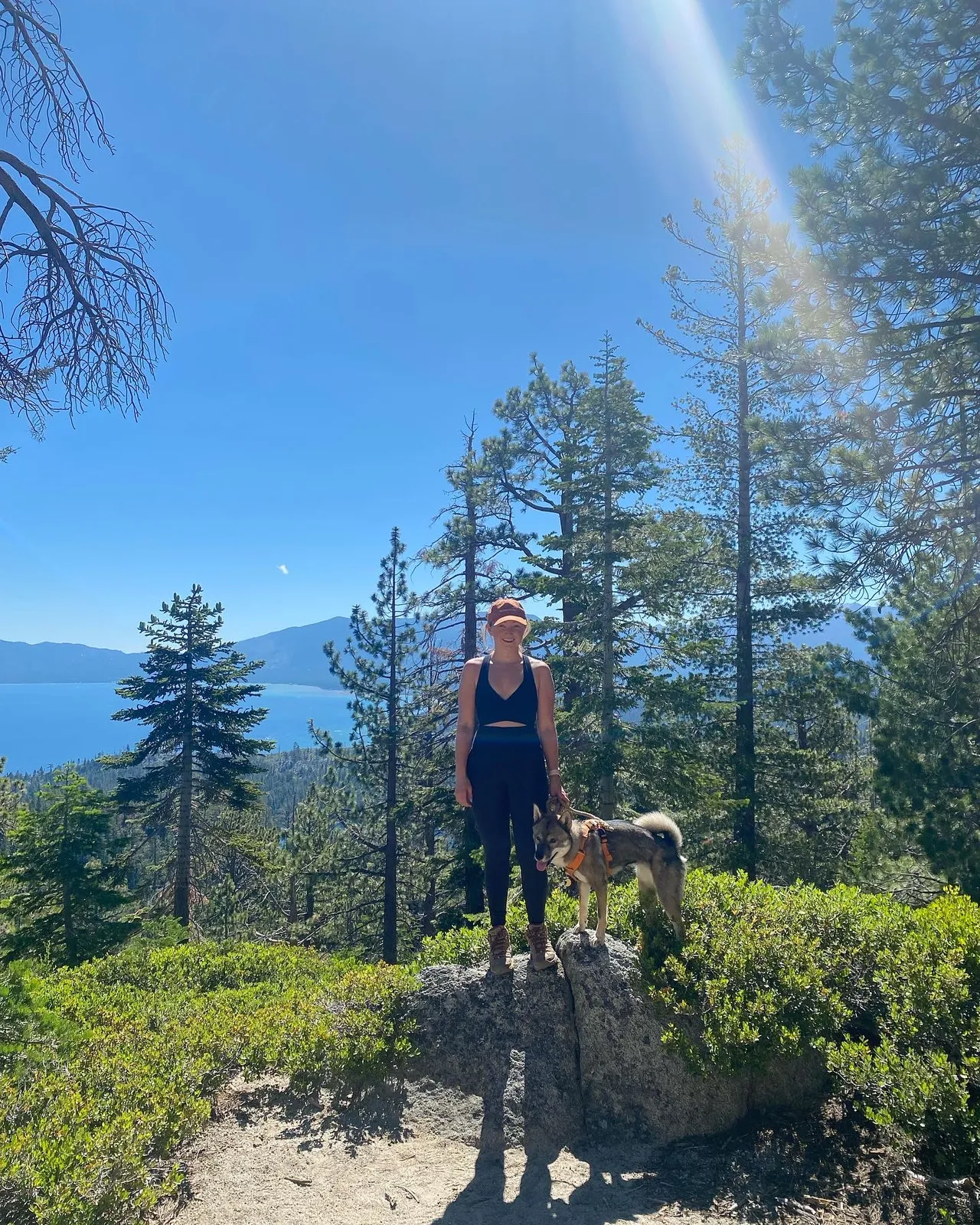
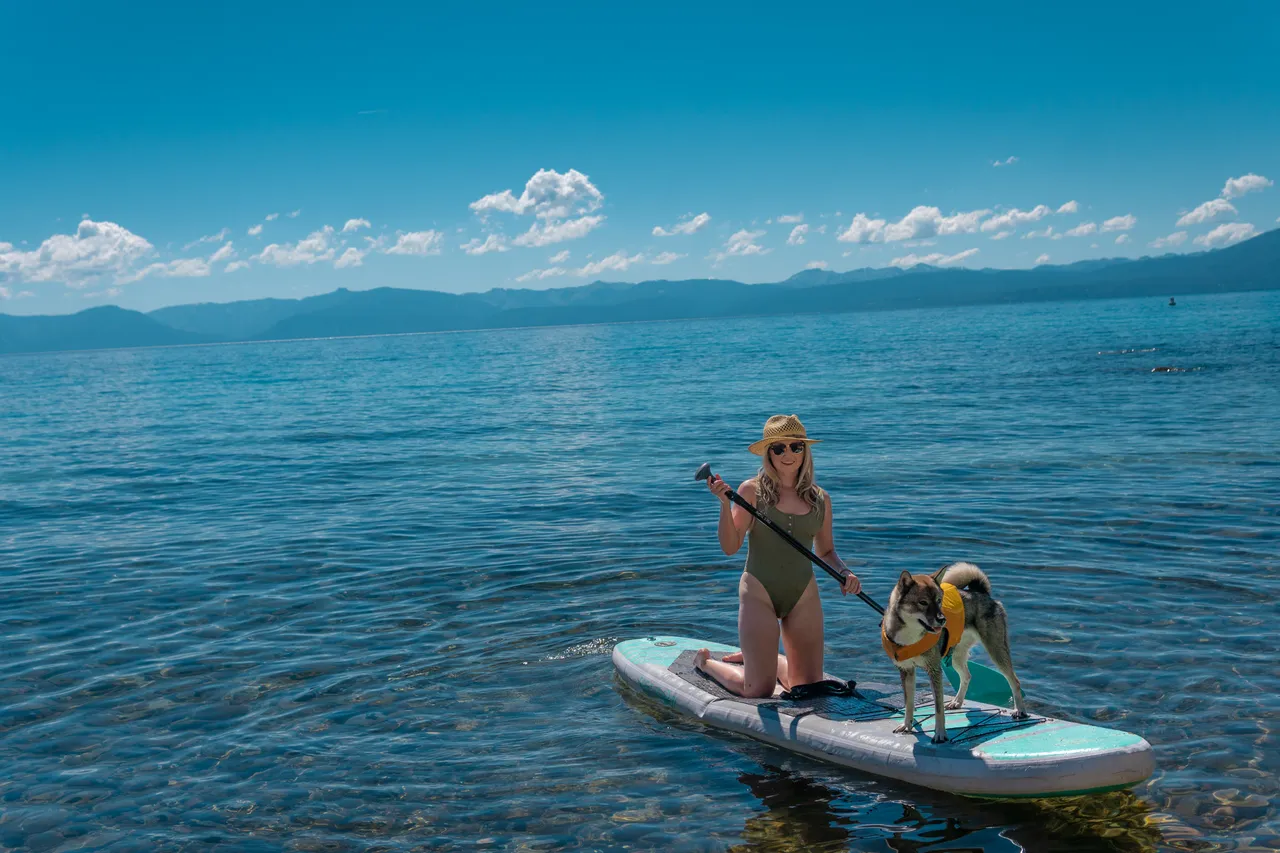
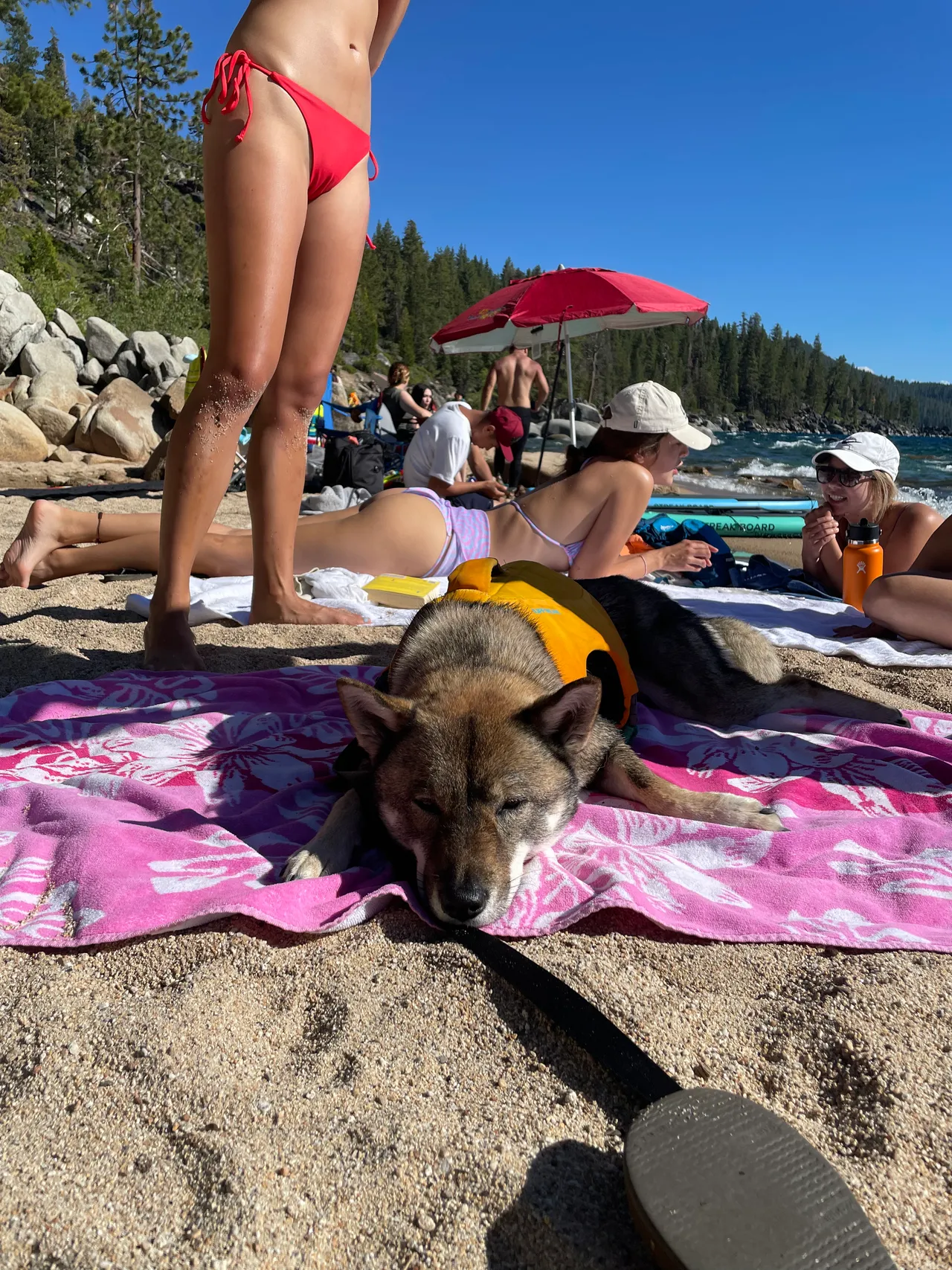
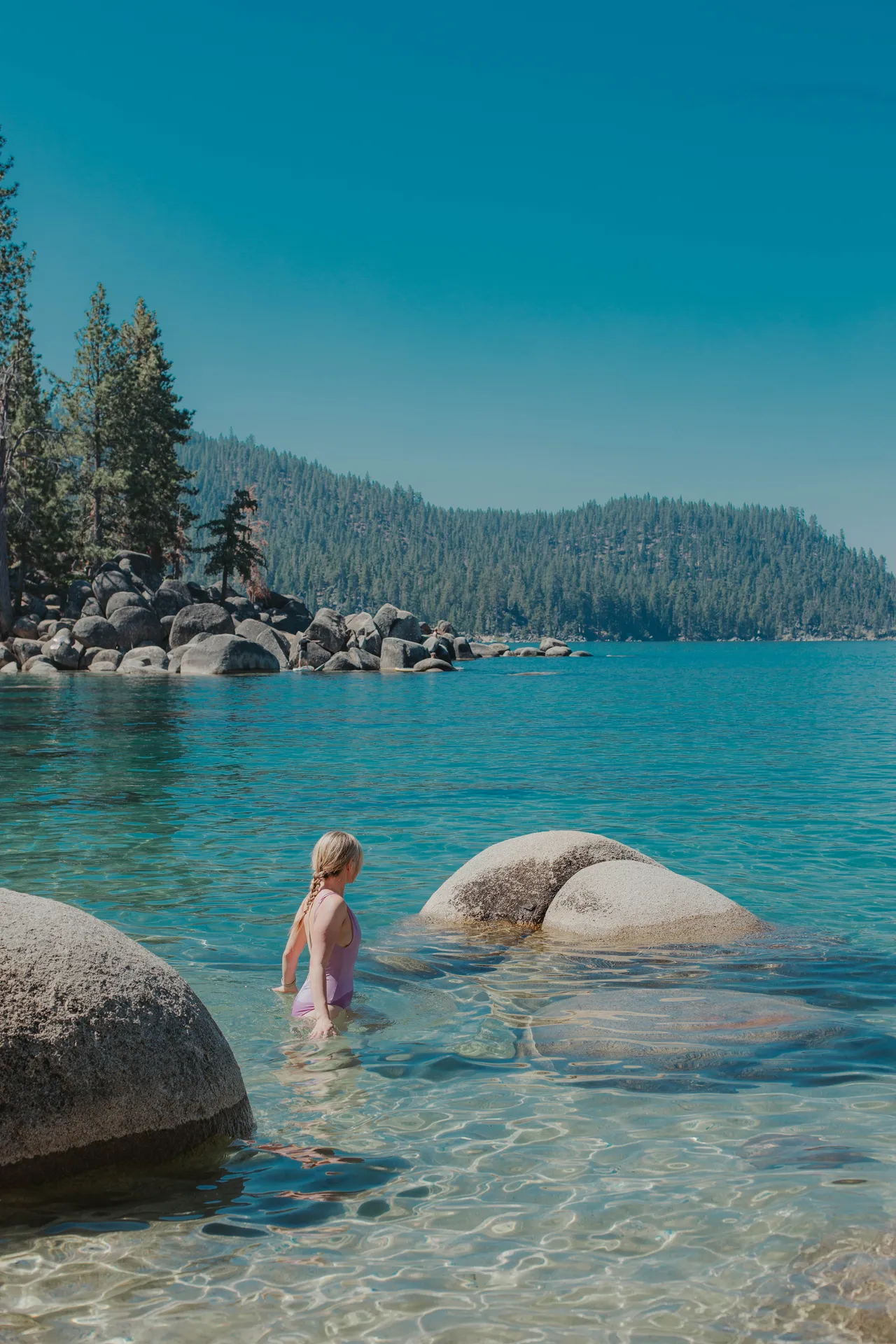
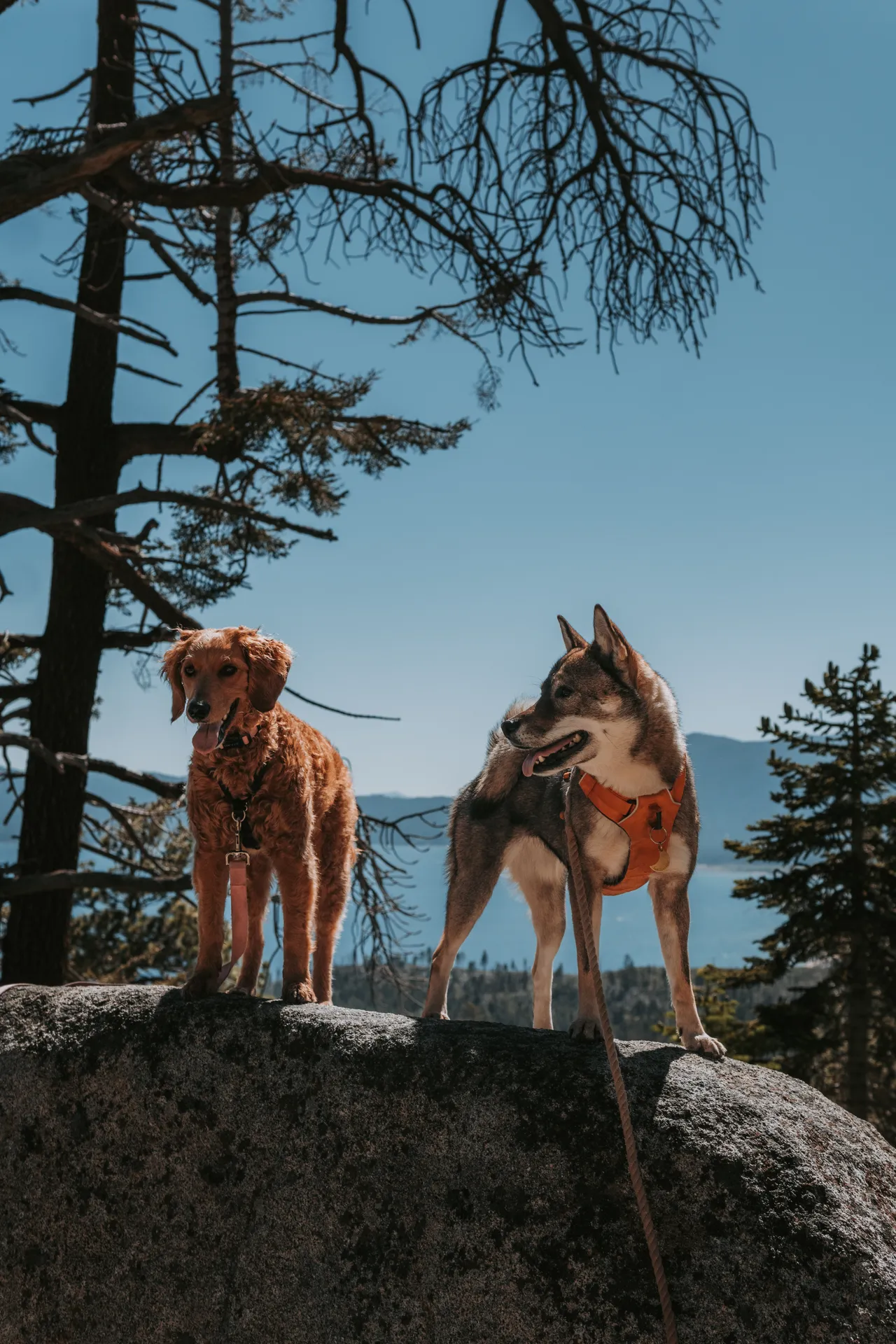
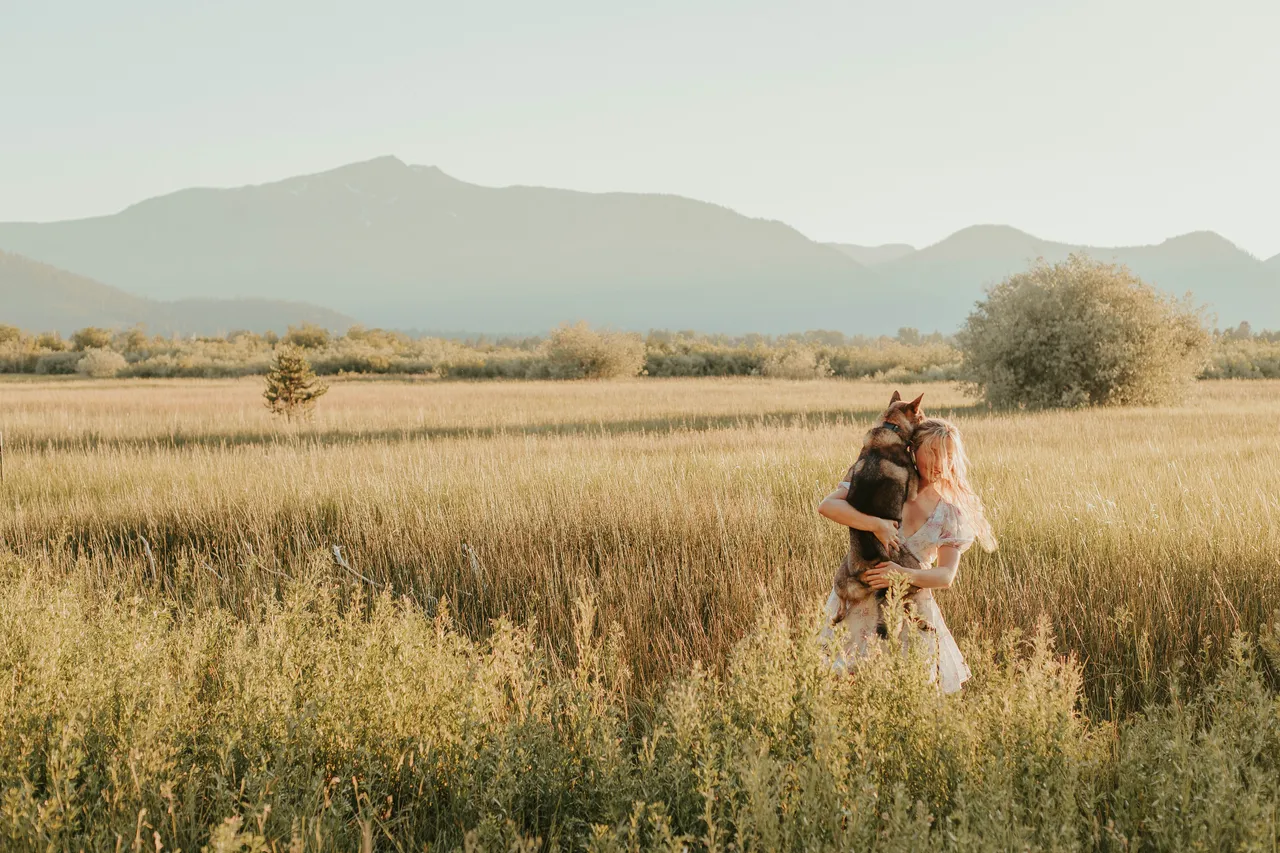
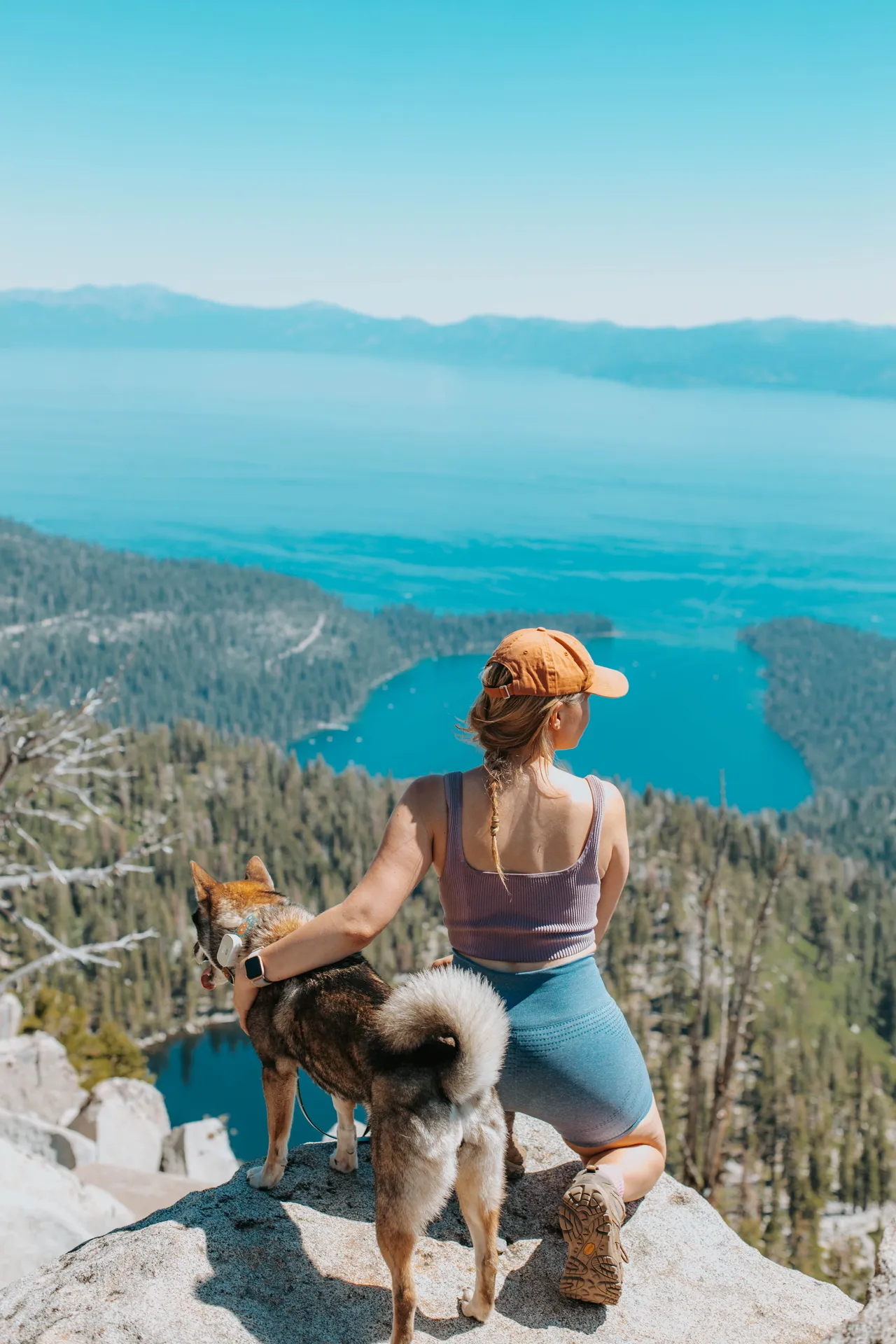
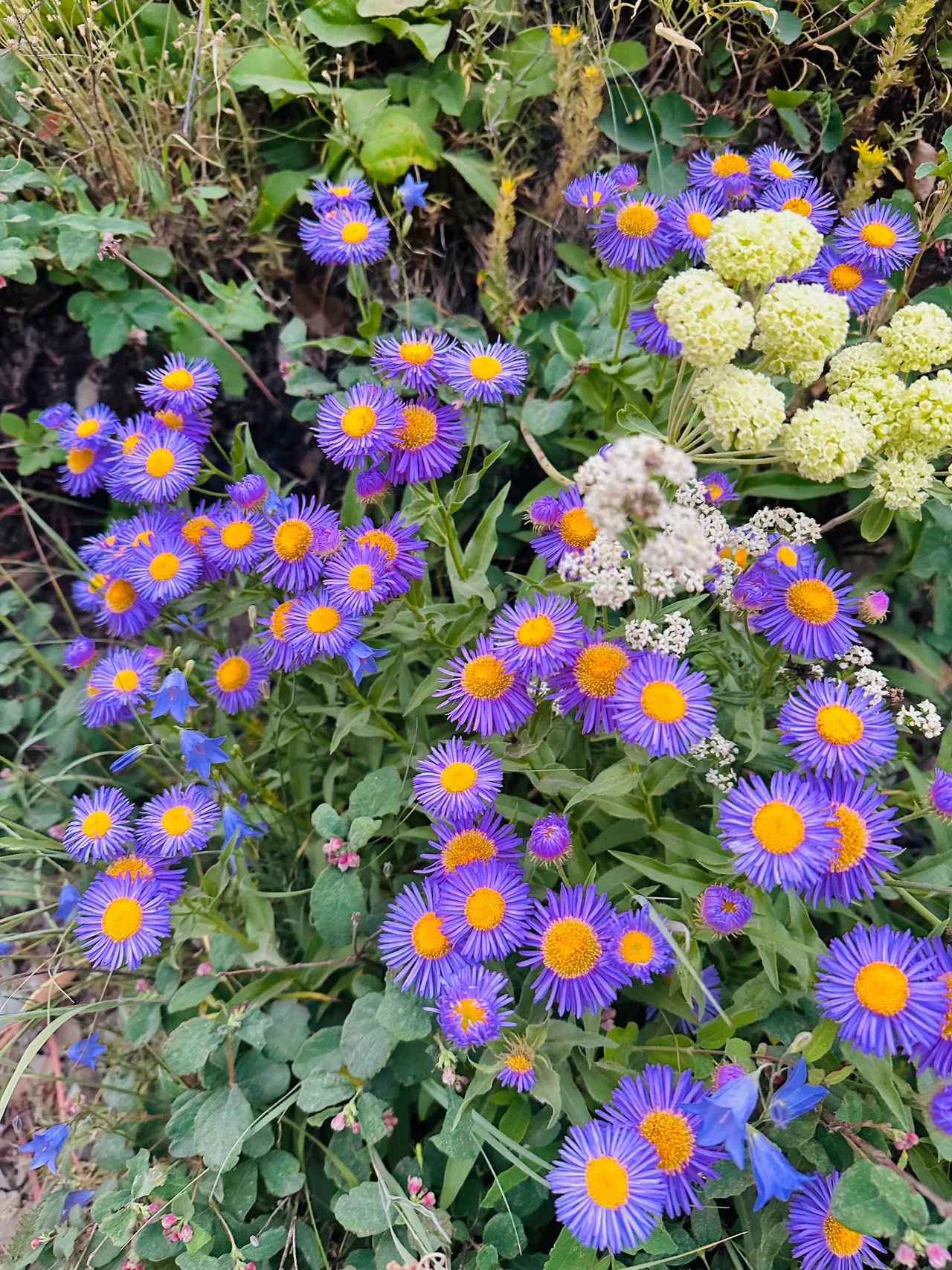
This trip was a girls road trip to Lake Tahoe from Denver - my last big trip with my friends from Denver, since I knew i was going to leave by the end of the year. This one started from Denver and headed straight to Crested Butte, peak wildflower season in July, and the first time Sora and I had ever been there. The valley was full of color in every direction. I still remember frolicking in the fields, sun shining down, not a care in the world; it was so beautiful. From there we drove to Ridgway and I hiked Blue Lakes again, with even more wildflowers, then up through Salt Lake City, across the Bonneville Salt Flats, and out to Lake Tahoe. Lake Tahoe is one of my favorite places in the US; there's nowhere like it where you get views that feel like the ocean, high alpine meadows and mountain air, and clear translucent water.
Crested Butte & Ridgway
Bonneville Salt Flats
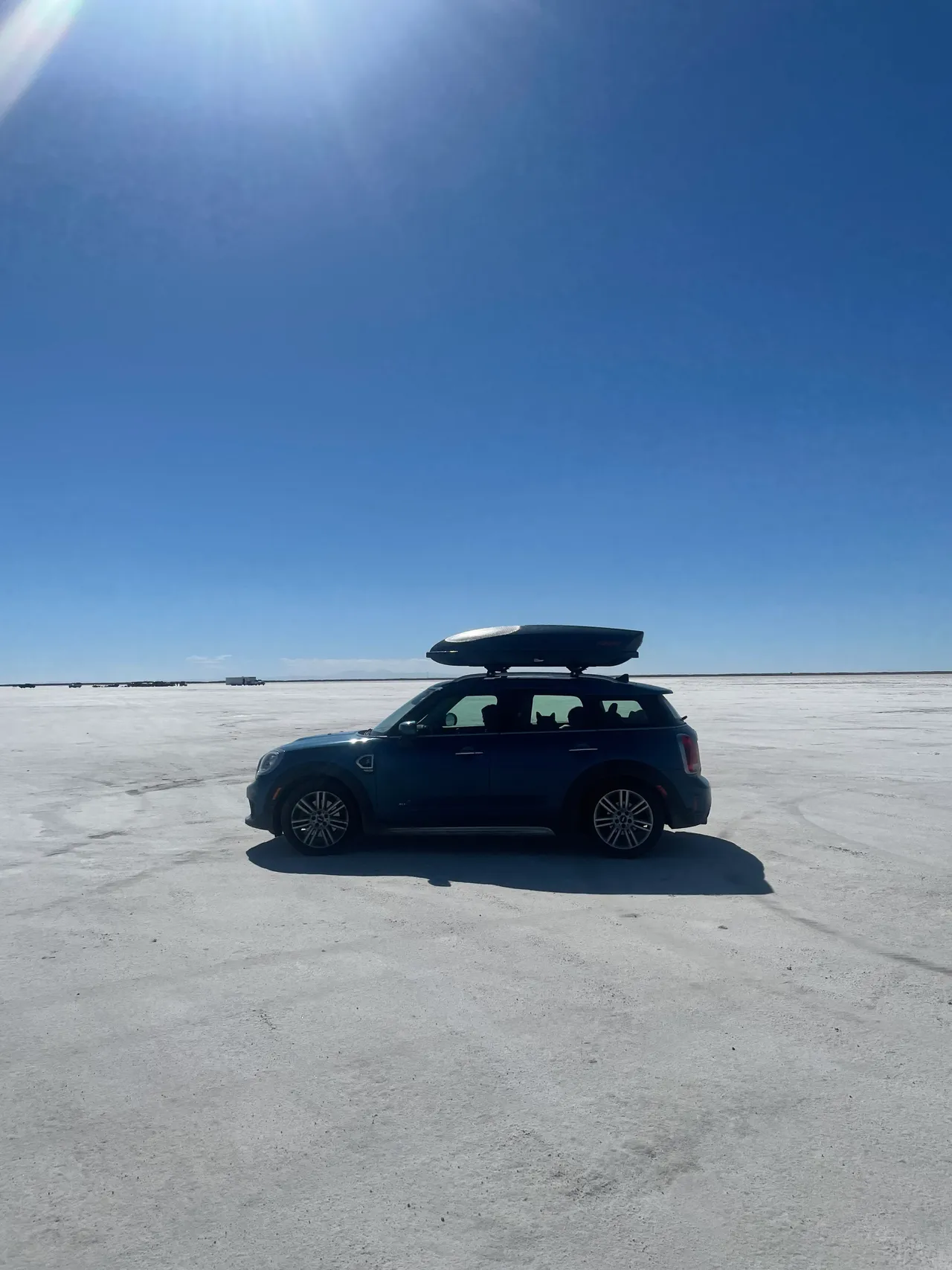
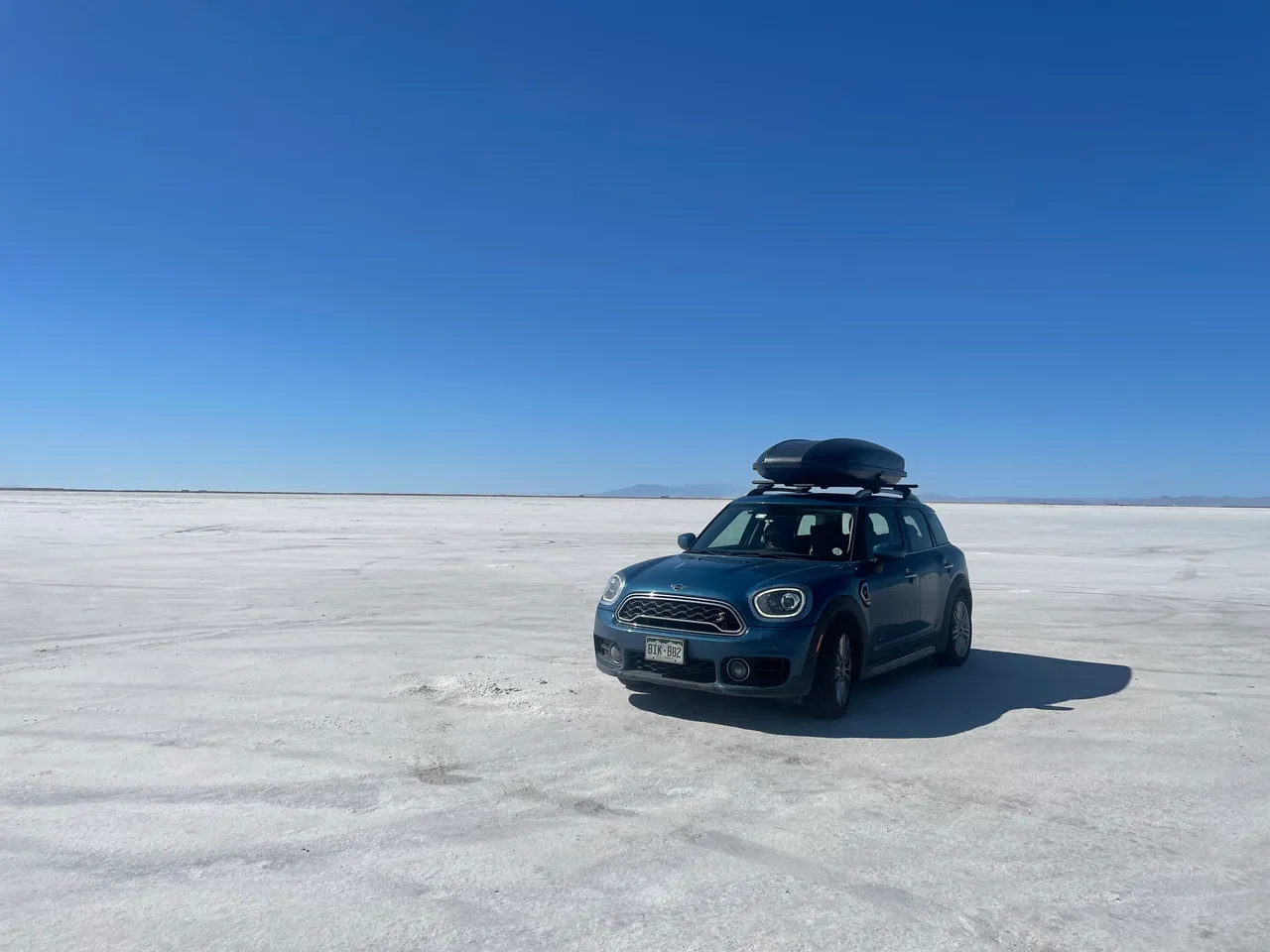
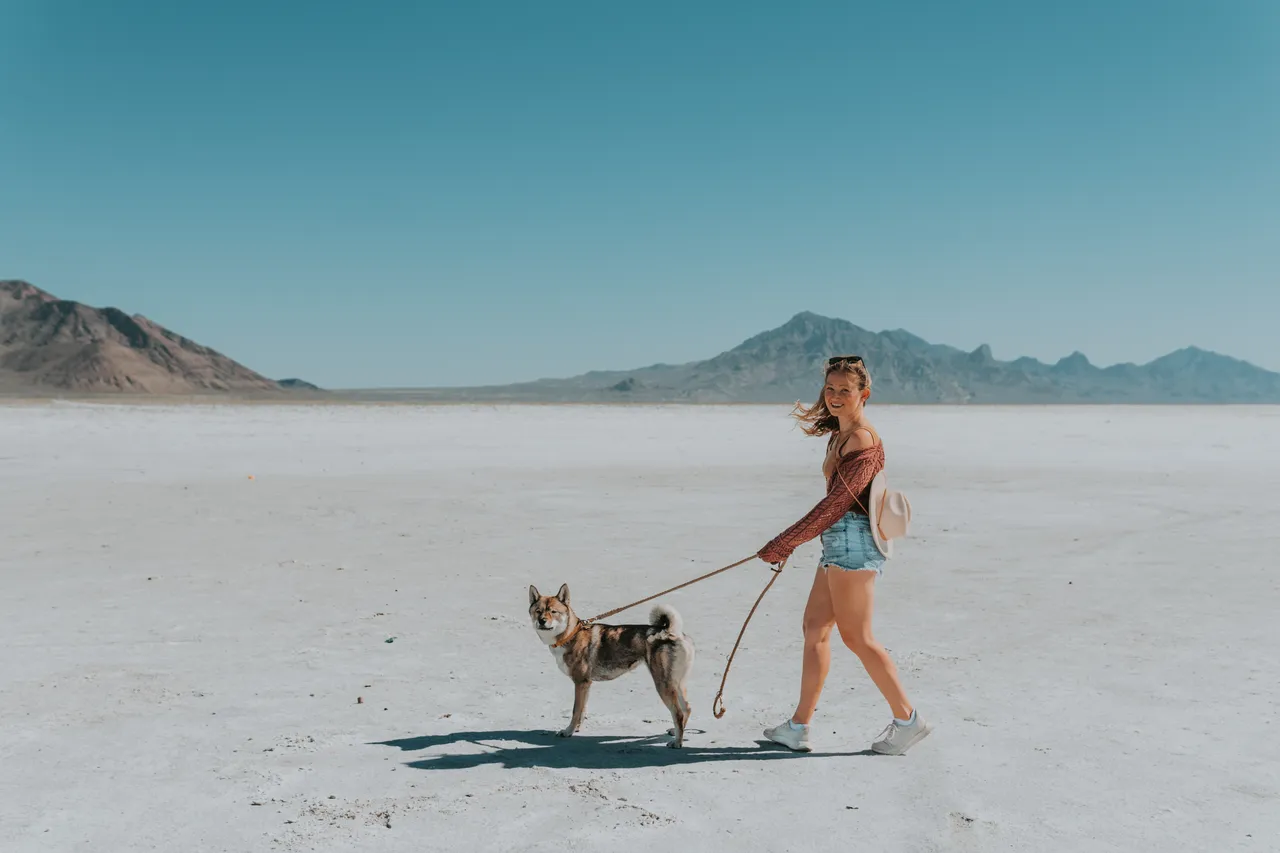
One of the highlights of the drive was crossing the Bonneville Salt Flats — an endless white expanse stretching to the horizon in every direction. We pulled over and drove the MINI right out onto the flats. It felt like another planet.
Lake Tahoe
The Big Loop
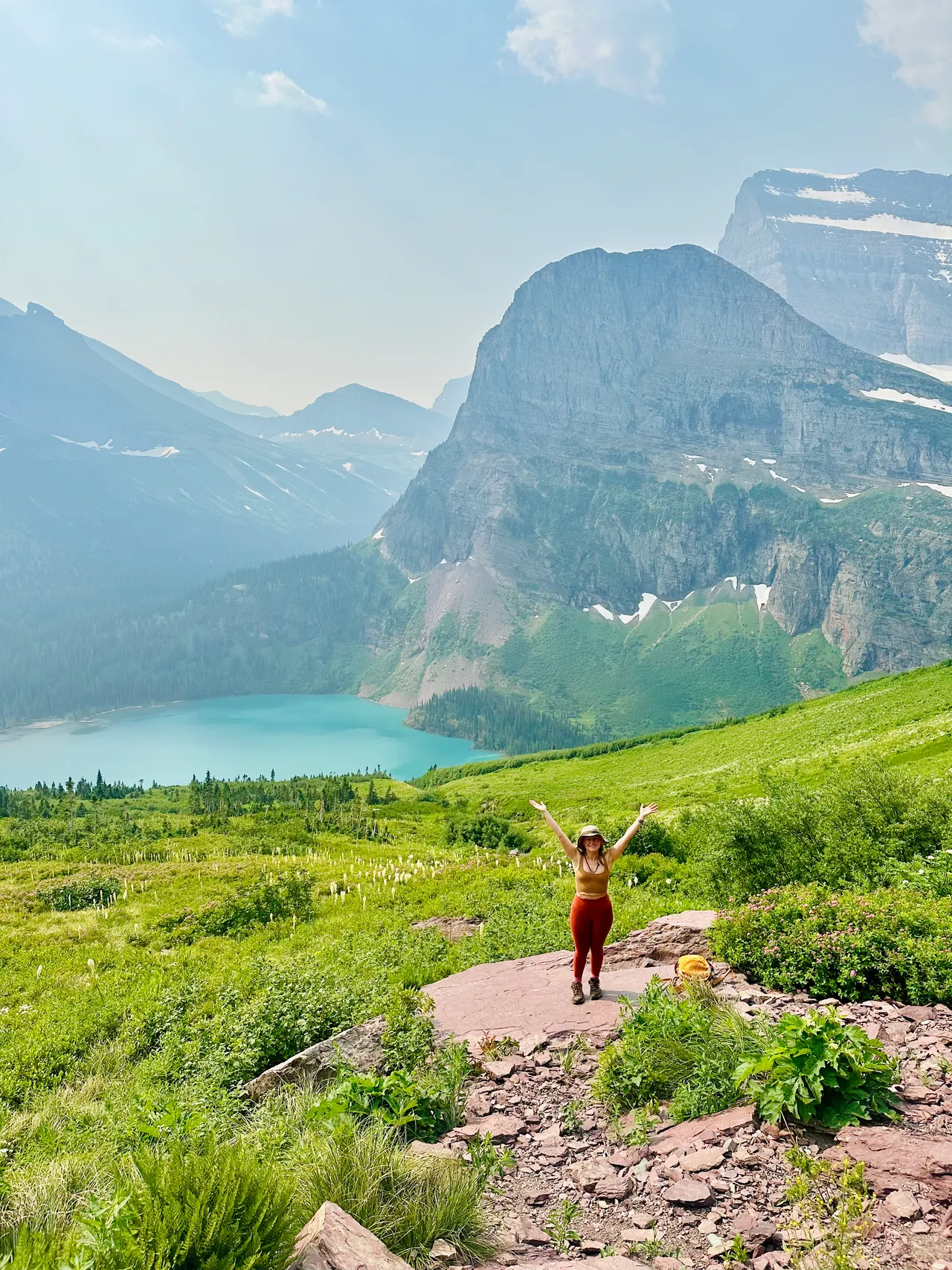
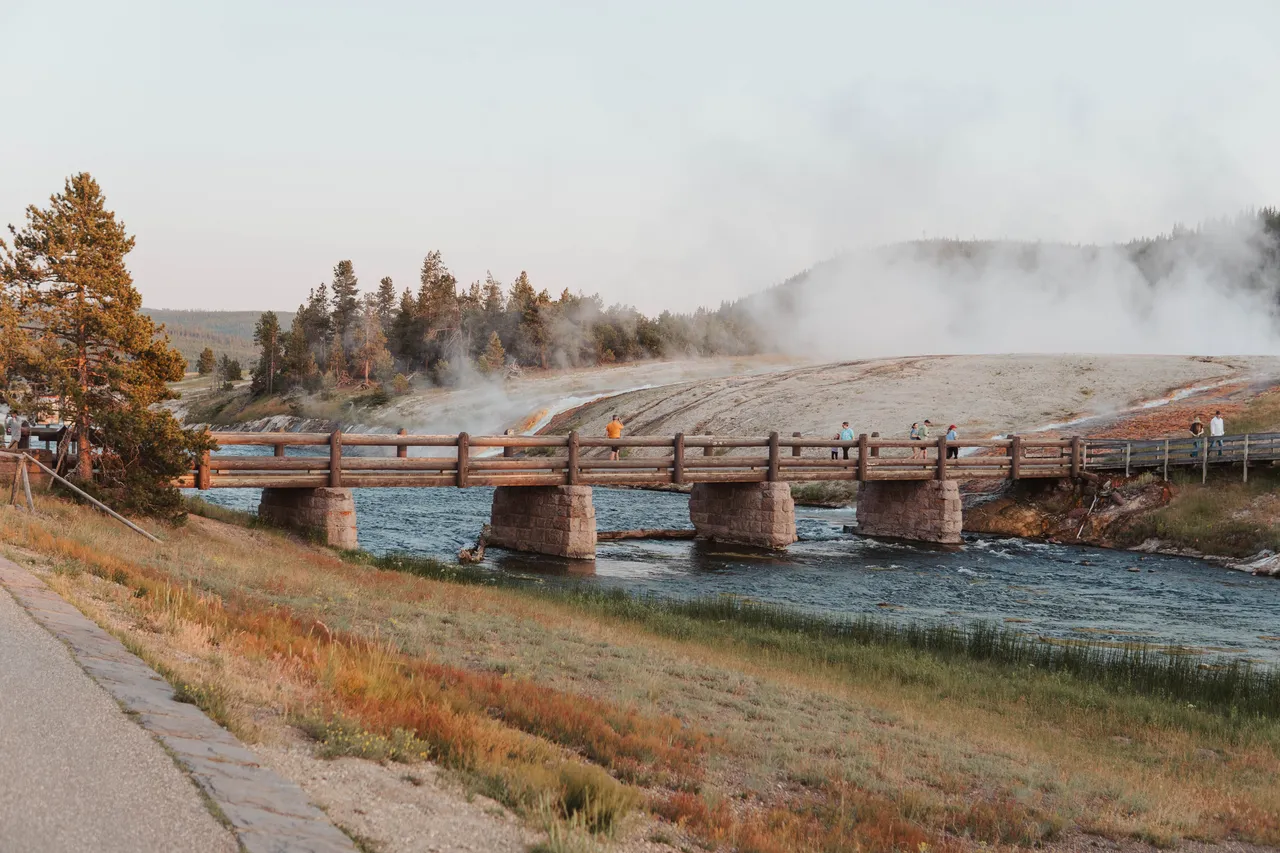
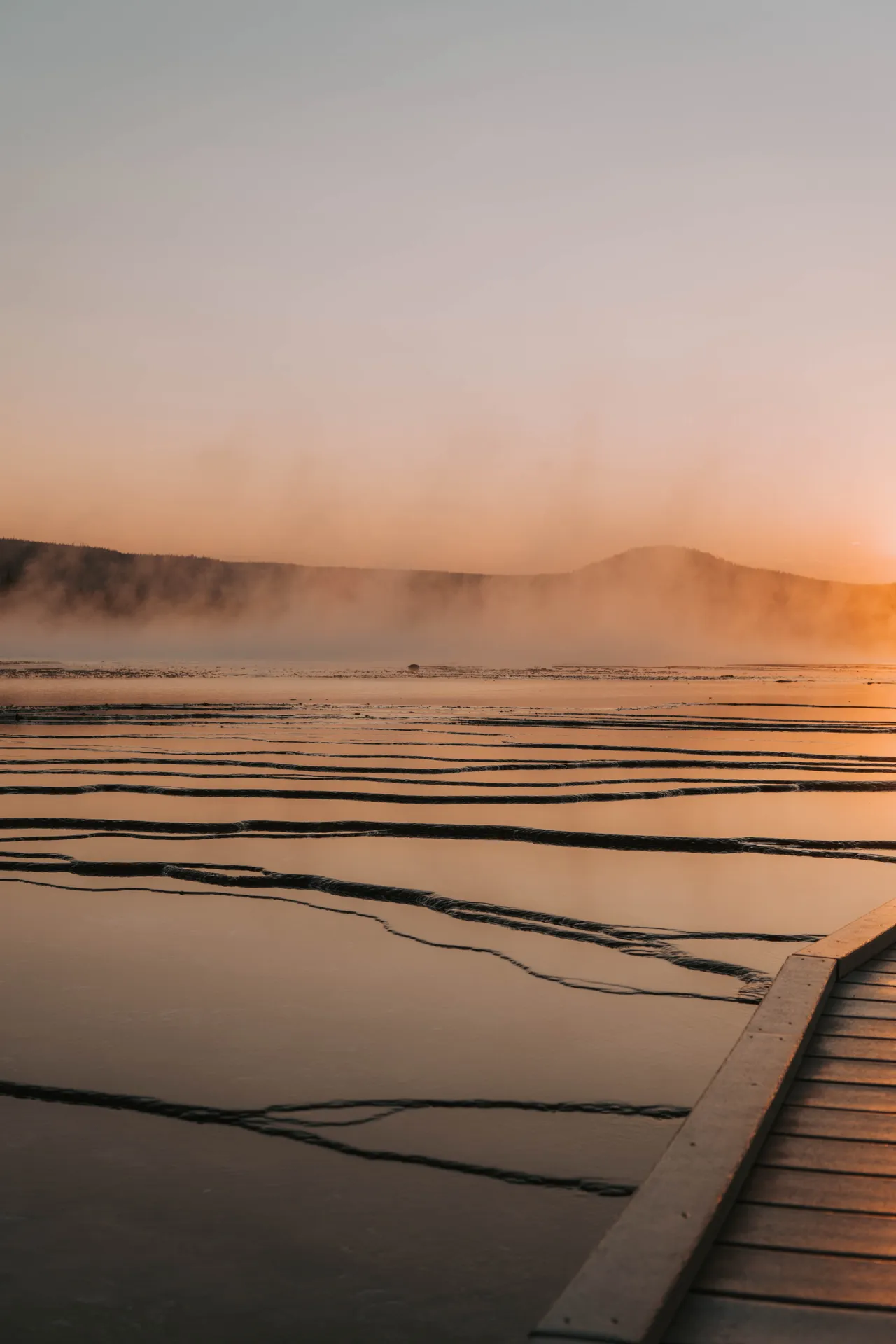
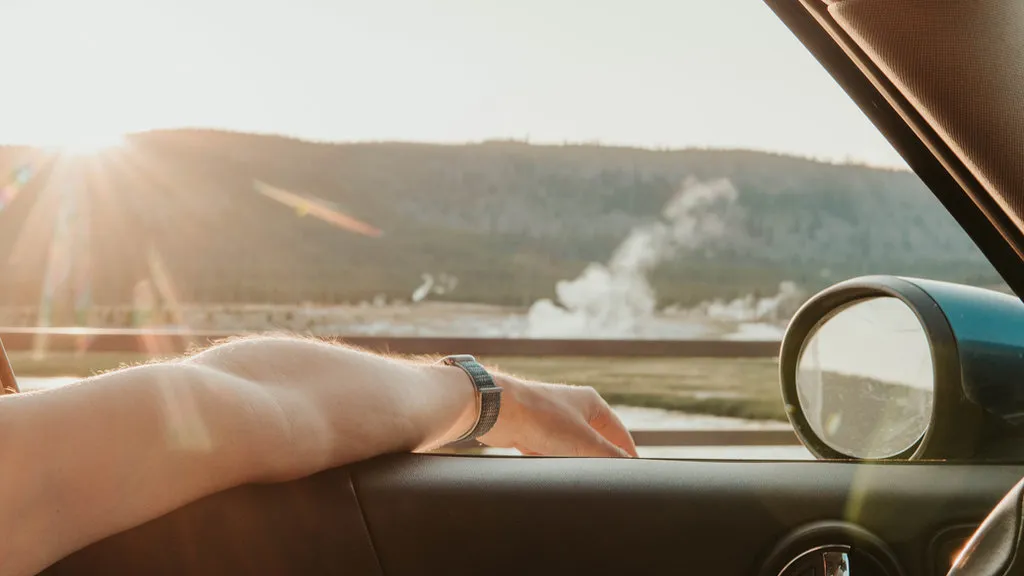
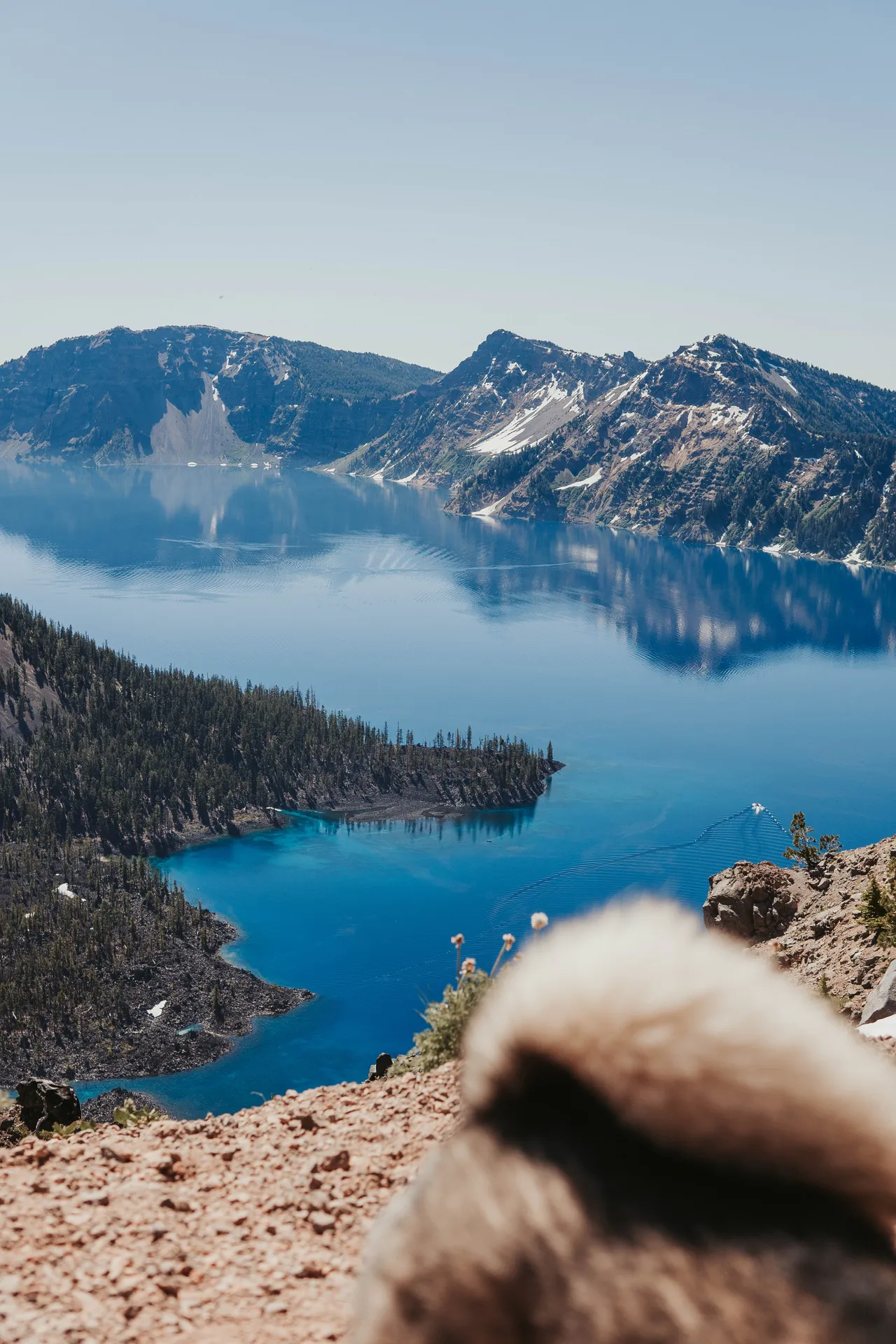
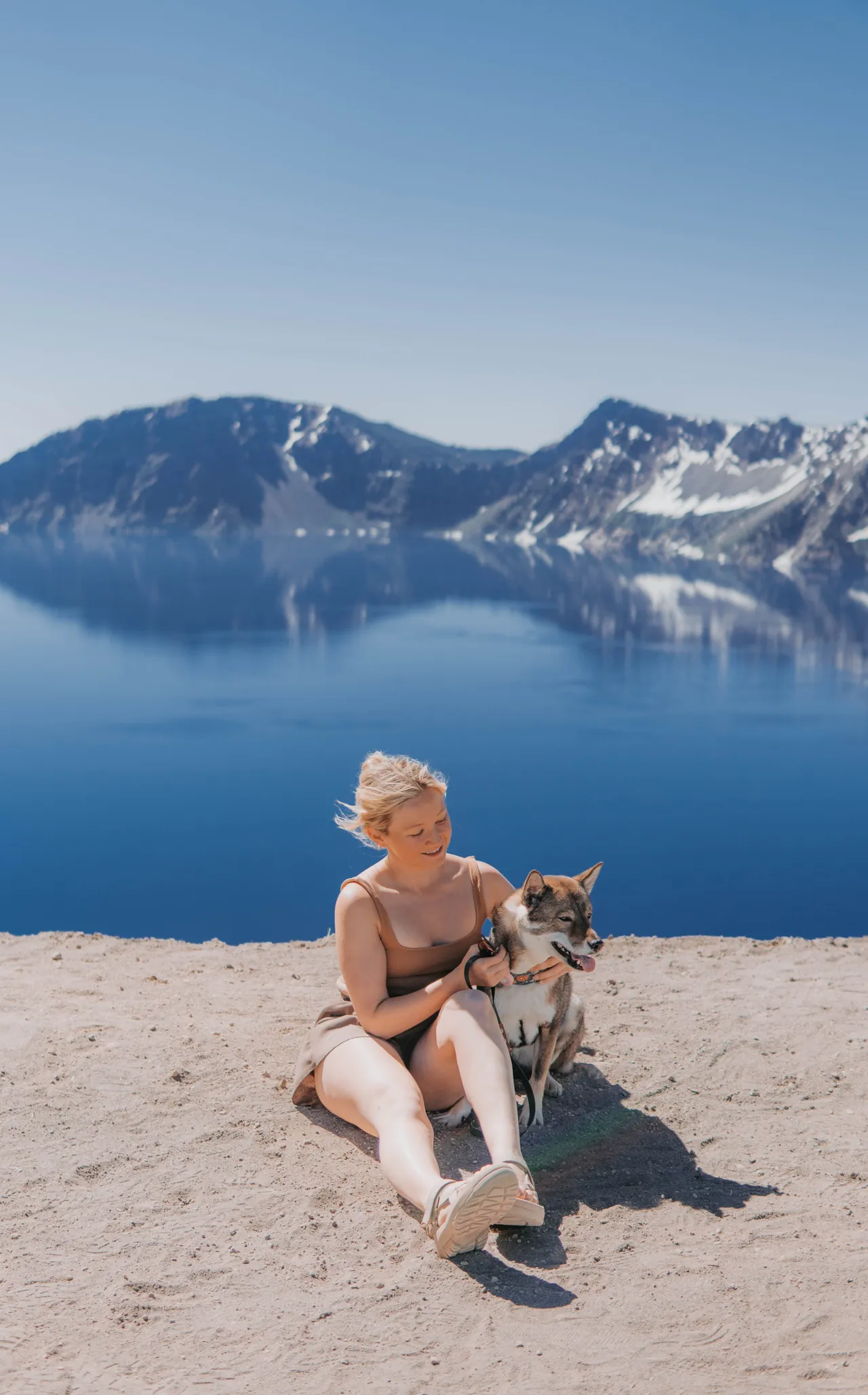
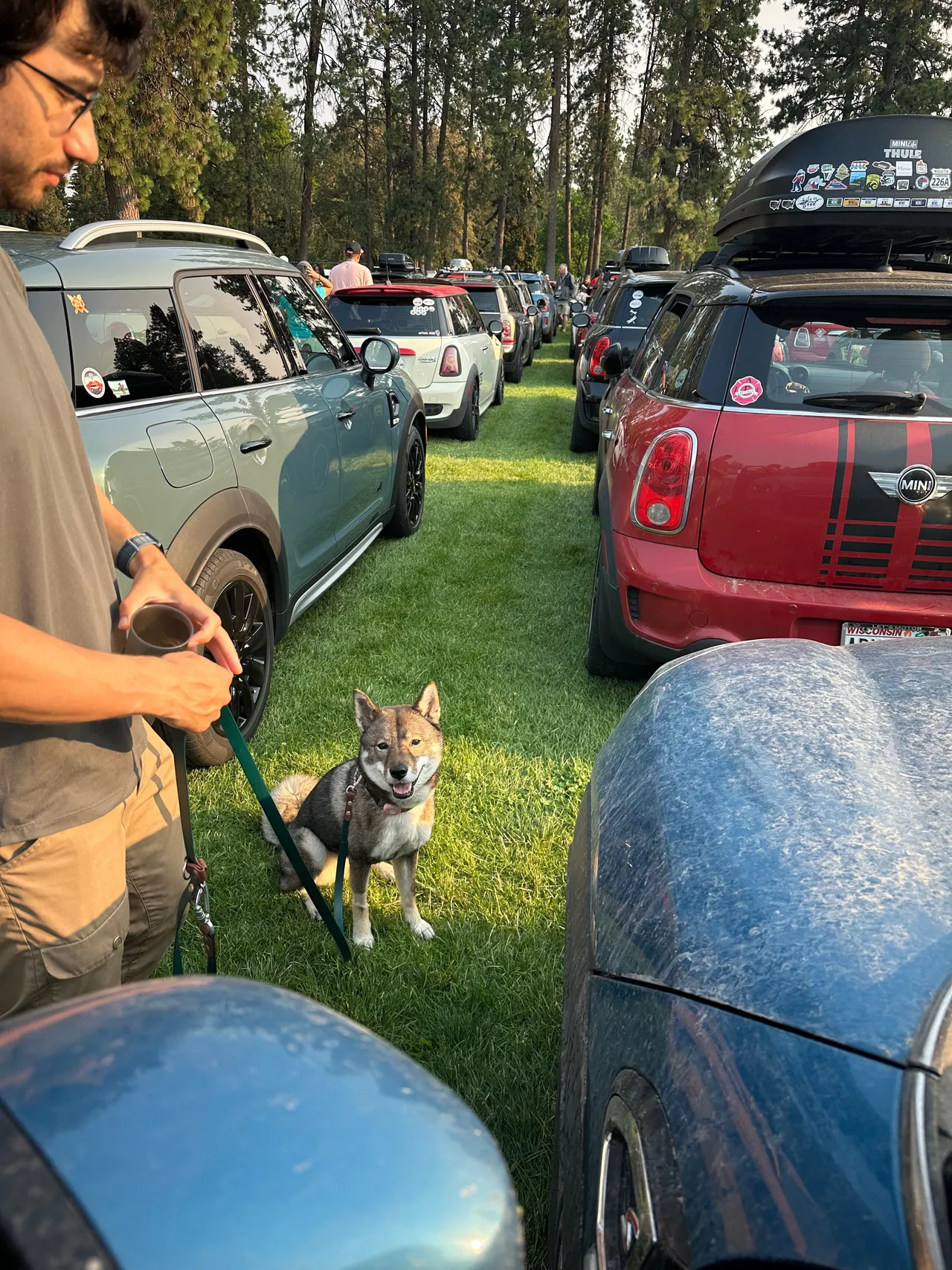
The most ambitious trip started in Seattle and went... everywhere. We drove south through Oregon to Ouray, Telluride, Durango, Mesa Verde, and Grand Mesa. Then up through Salt Lake City, across to Jackson Hole, Grand Teton, Yellowstone, Bozeman, Missoula, Kalispell, and finally Glacier National Park — Going-to-the-Sun Road with my hands out the window, the northern mountain air coming through like a reminder that the world is very large and very good. Back through Idaho and Oregon — including Crater Lake National Park, that impossibly blue caldera in the middle of the forest — and home to Seattle. The MINI logged serious miles on that one and asked nothing in return. This was part of the MINI Takes the States 2024 road trip where the MINI coopers meet up in various cities for a drive across the country together. I did a few of the routes as part of it to join in. Meeting other MINI drivers was the highlight, and we'd be driving through remote regions of Colorado and then randomly see another MINI cooper on the road and wave at each other, knowing we were all taking part of the same shared experience.
Going East
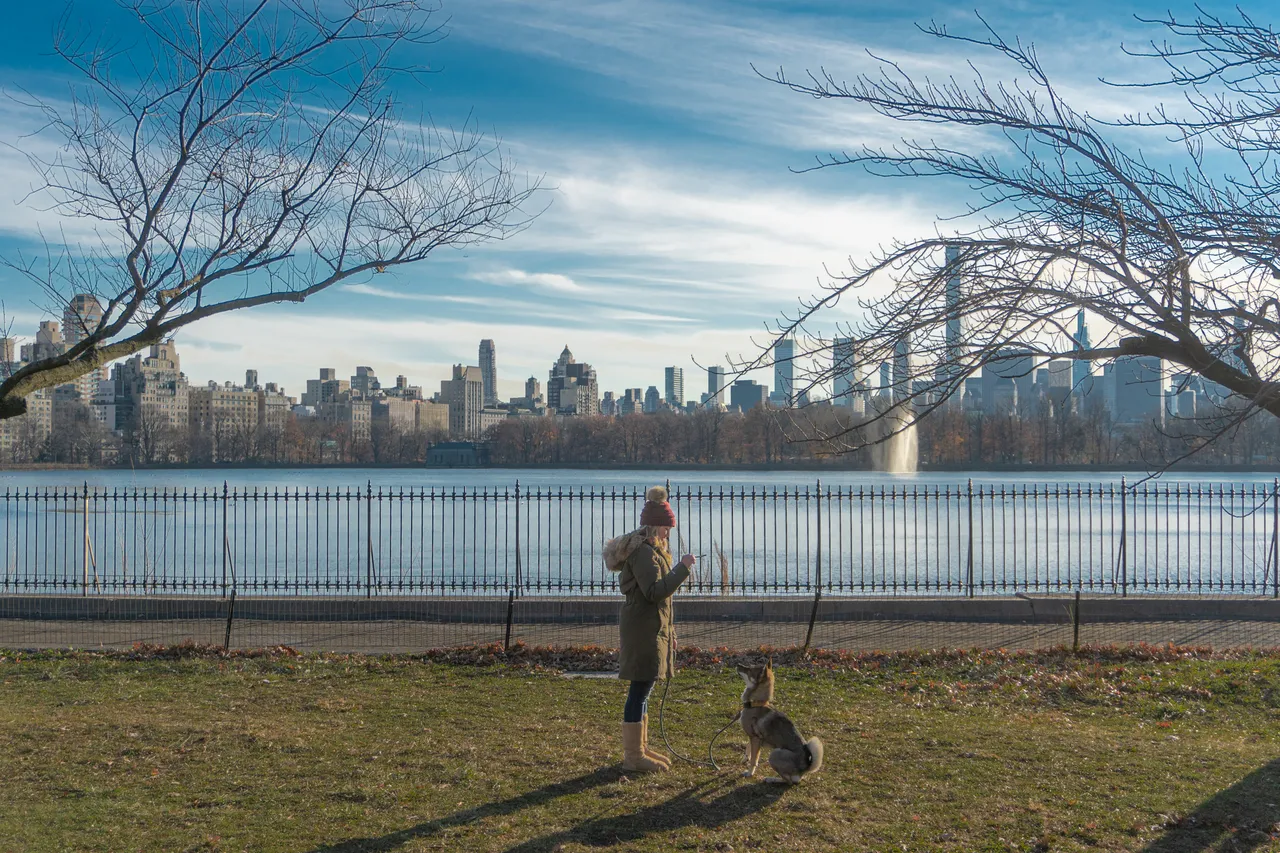
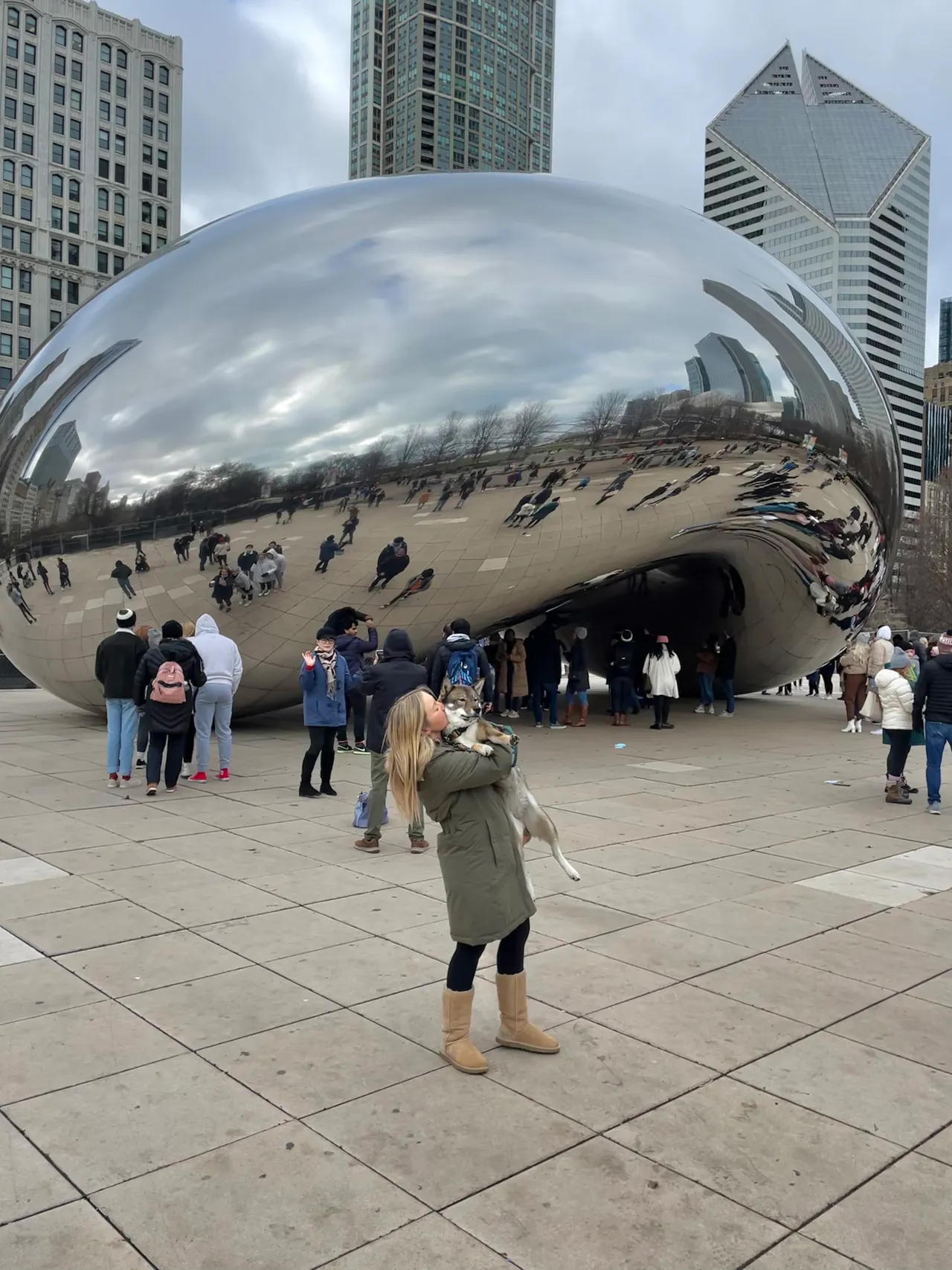
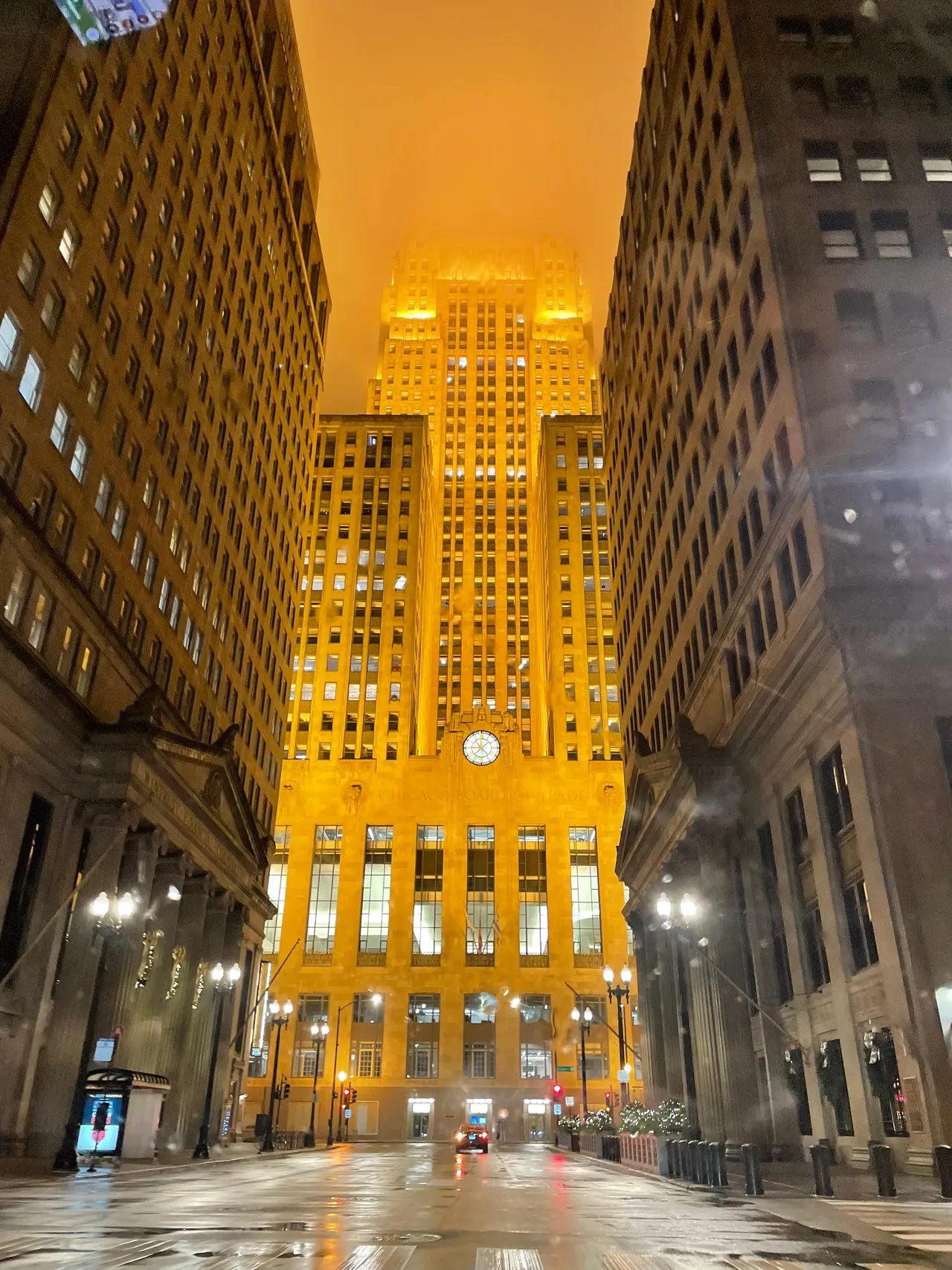
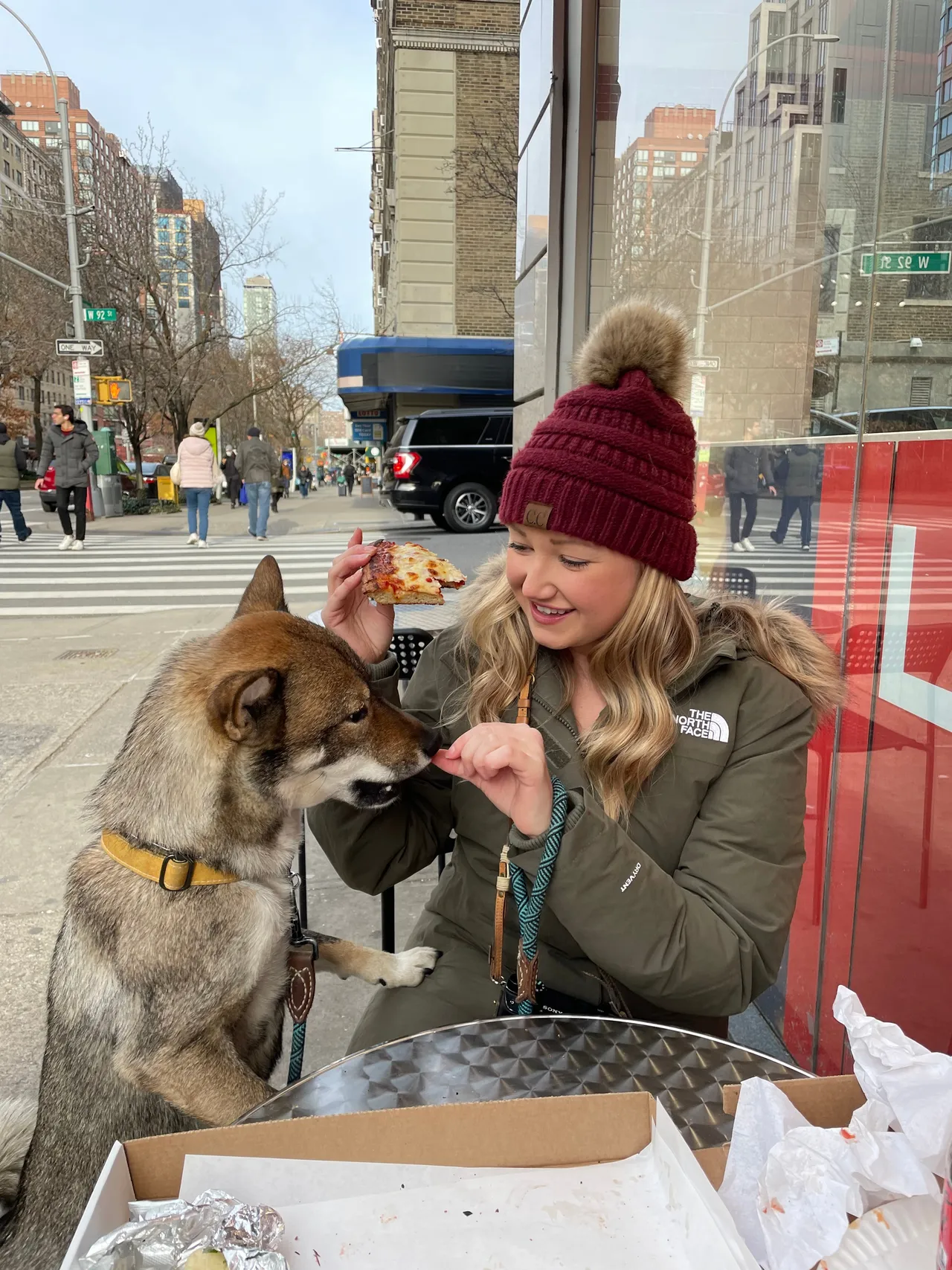
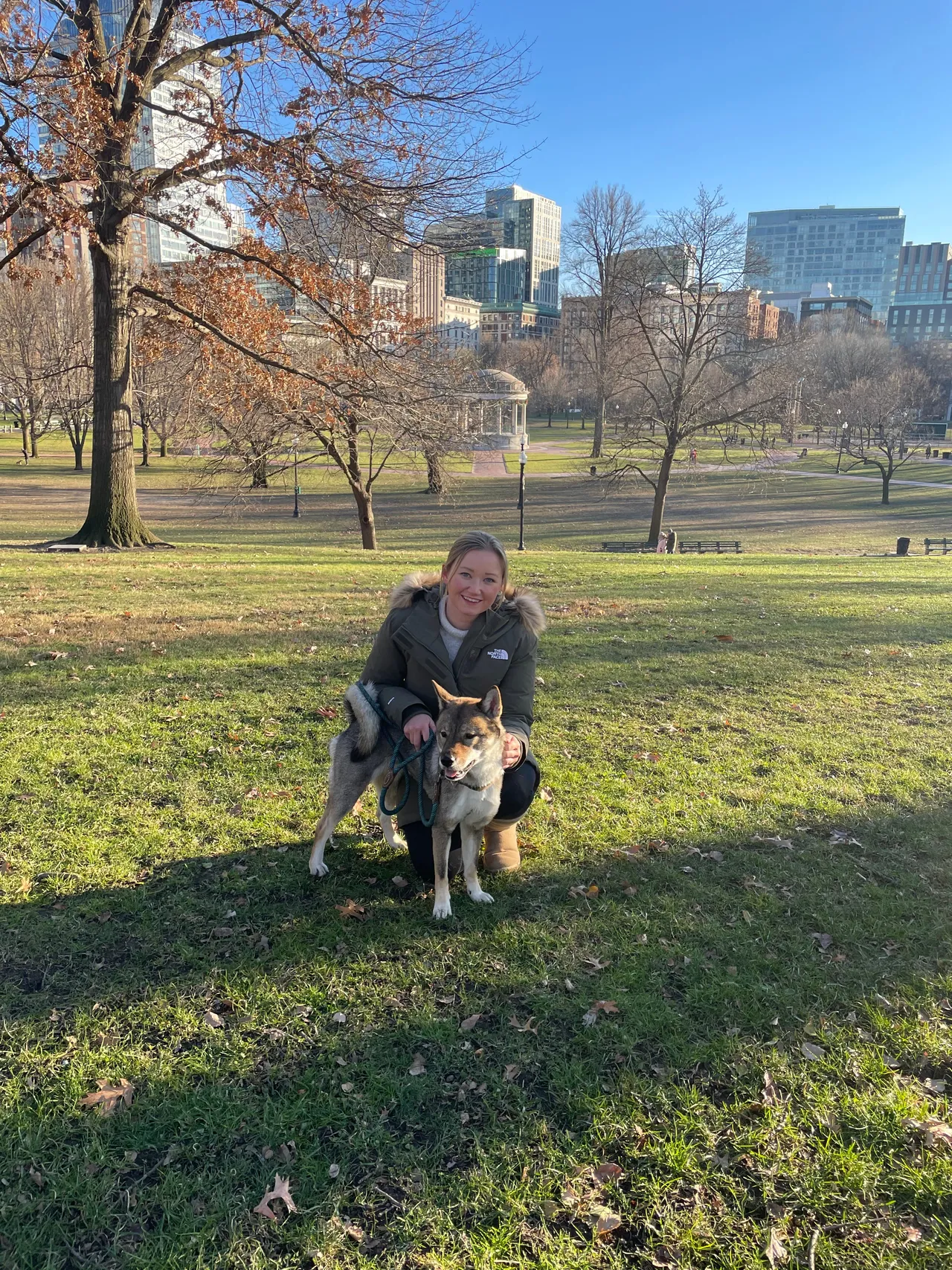
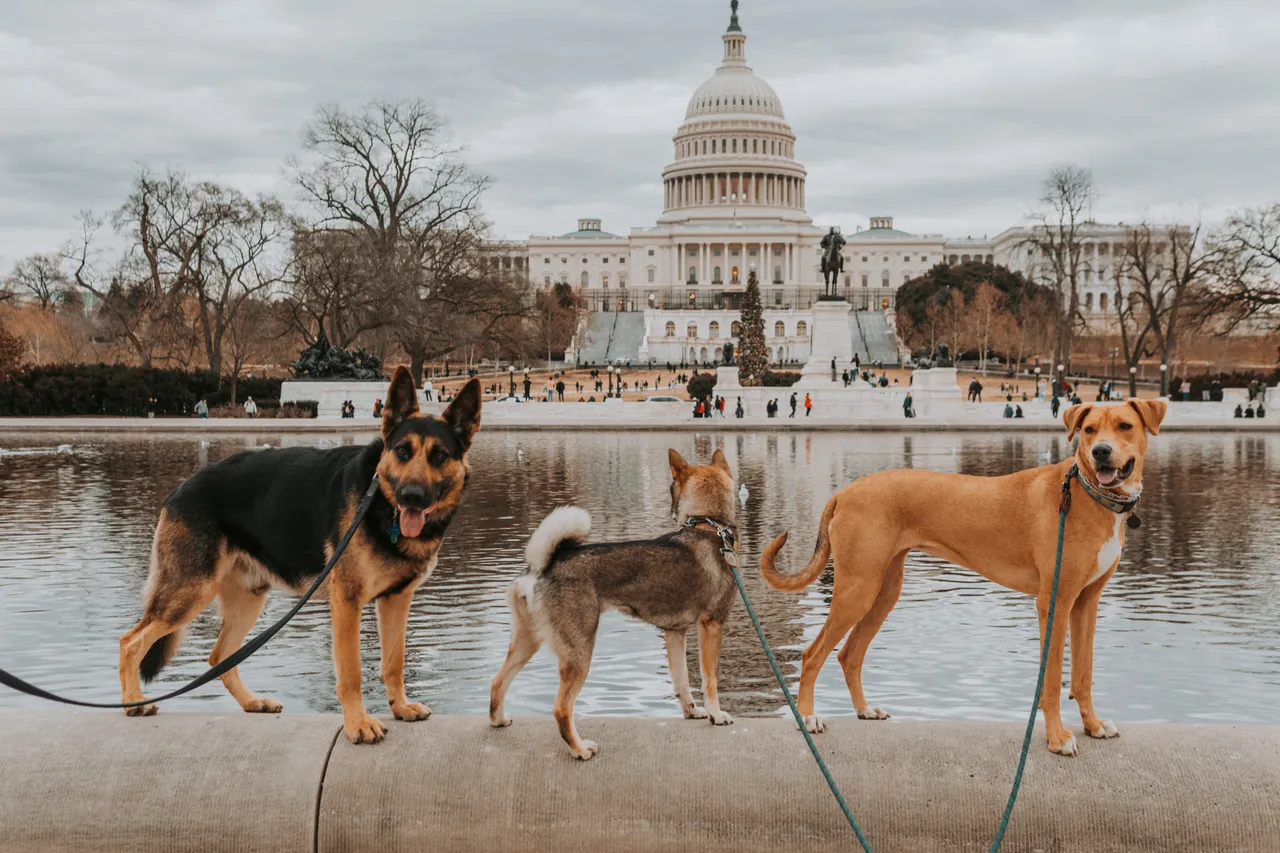
One winter I drove east. Not a quick trip — all the way across. Denver through Nebraska, Iowa, and Chicago, through Indiana and Ohio, up to Boston and Connecticut, and into New York City. I parked in upper Manhattan, right near Central Park. In a MINI. The parking spots that defeat full-size cars are a non-issue in a Countryman, and navigating the city felt manageable in a way I didn't expect. Then south through Baltimore — an old home — and down through DC and Virginia.
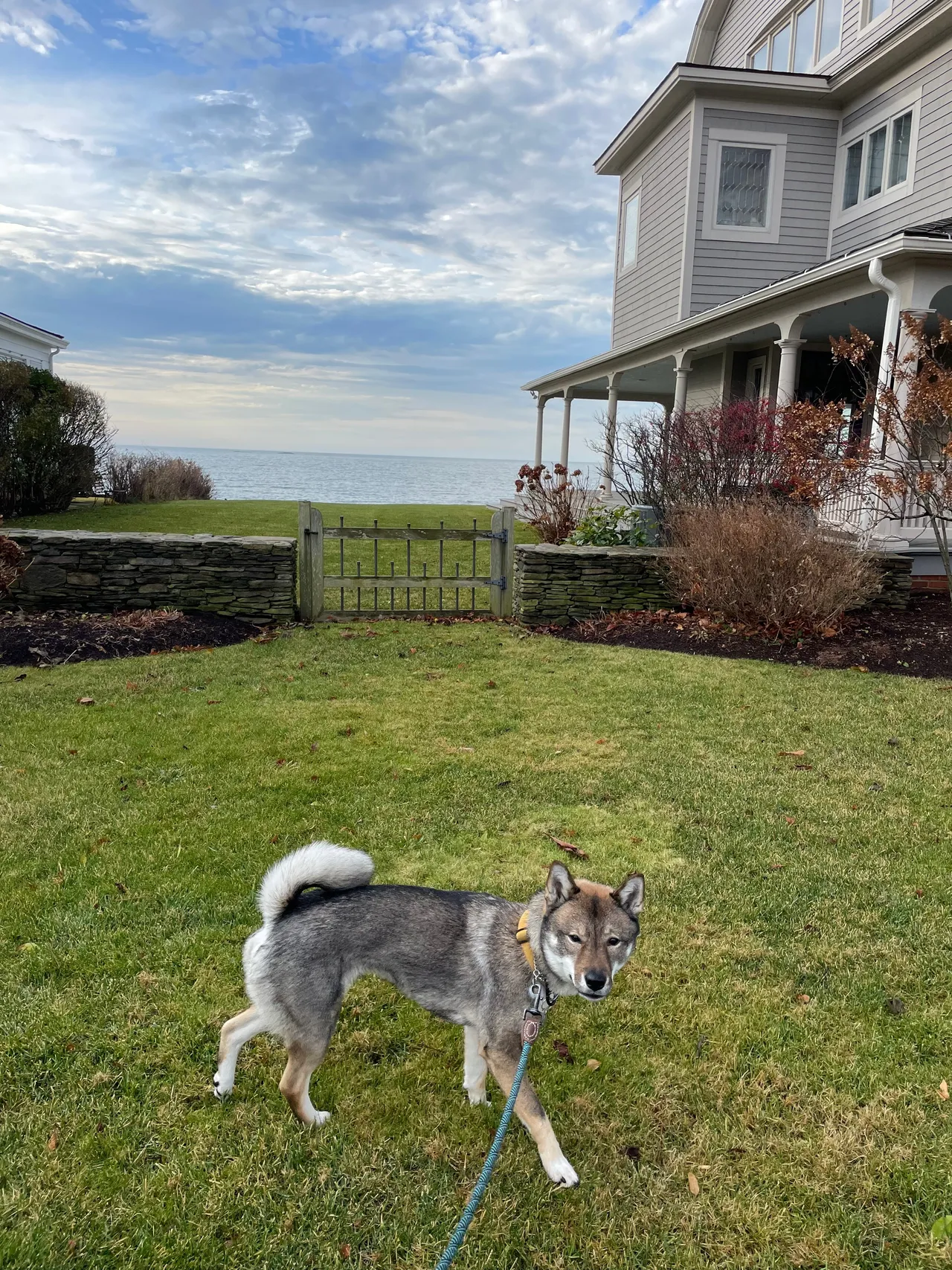
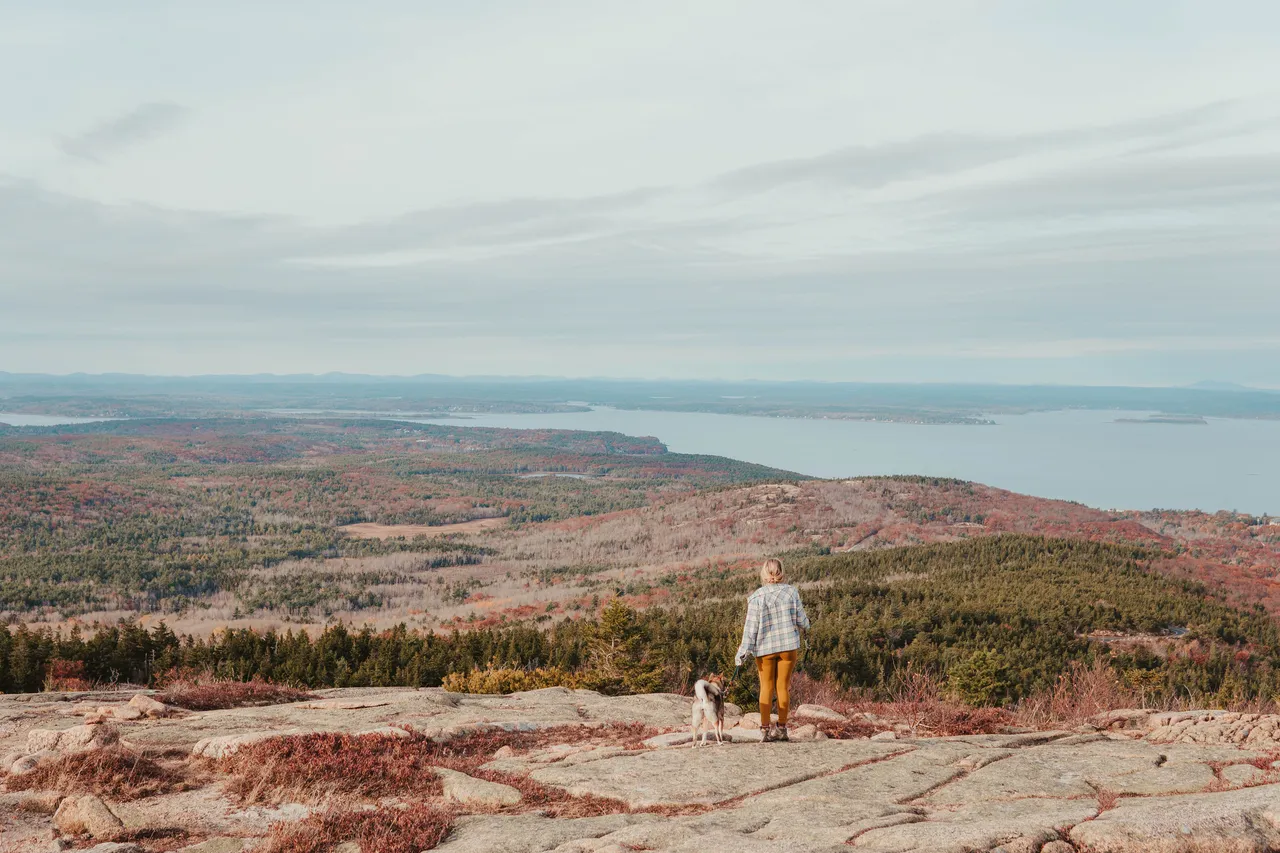
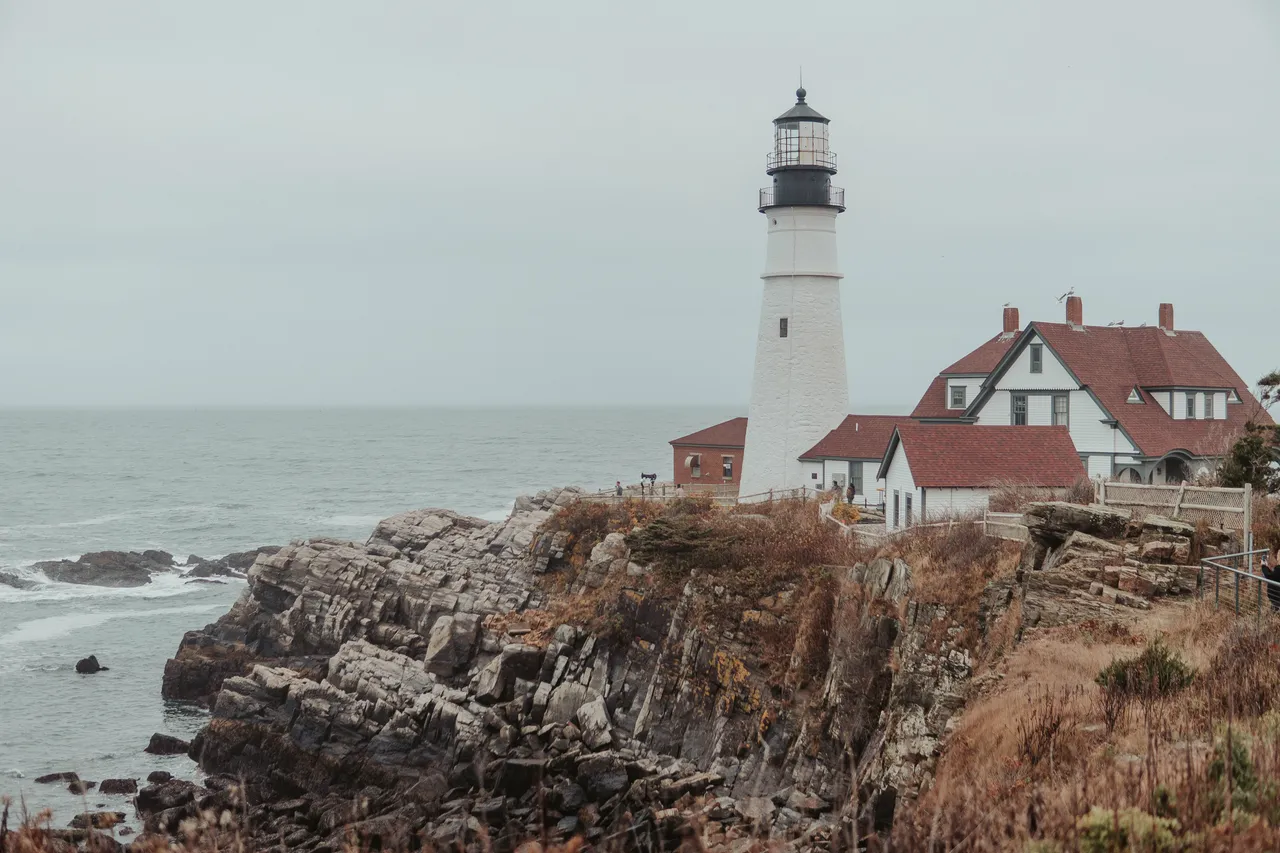
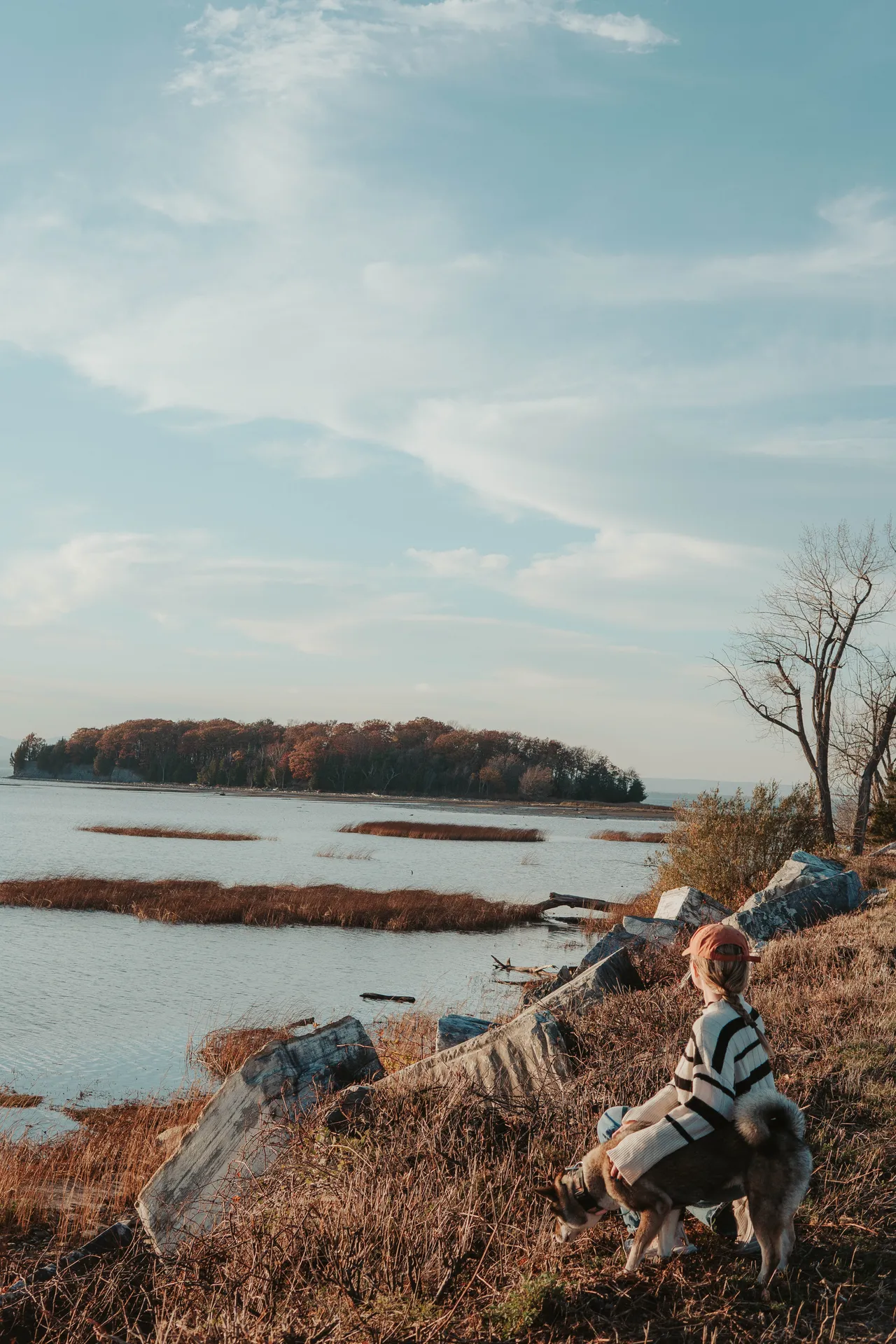
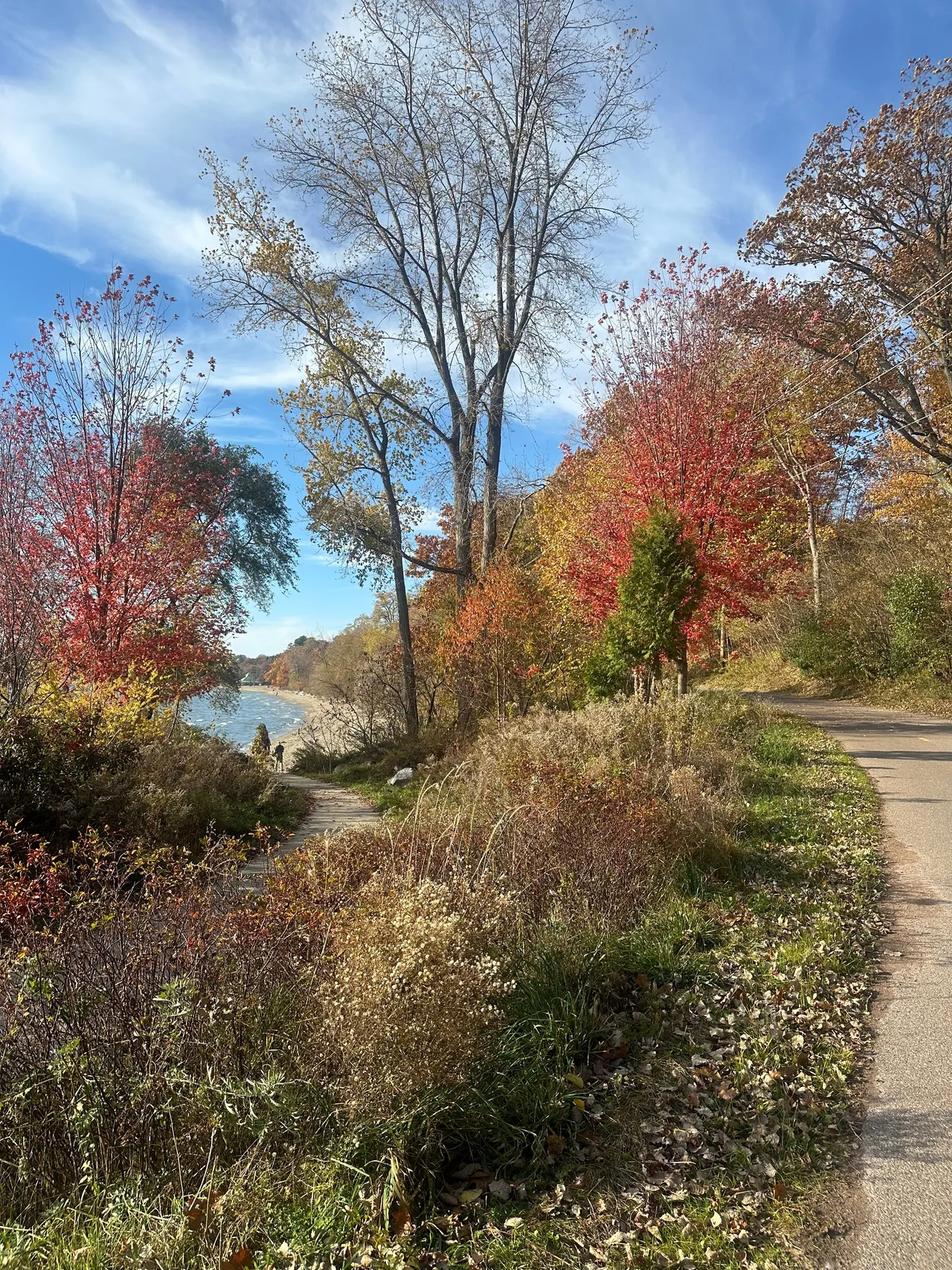
A separate trip took me from Virginia up the Atlantic coast to Acadia National Park in Maine, across to Portland, through New Hampshire, and into Burlington, Vermont. The East Coast trips feel different from the Western ones — more layered, more complicated, less sky — but the car handles them just as well. This was a trip to chase the fall foliage. There's no fall like a northeast fall, and i really appreciated the beauty of these remote locations, on the other corner of the country, opposite to my new home in Seattle.
The Perfect Car for a Dog Co-Pilot
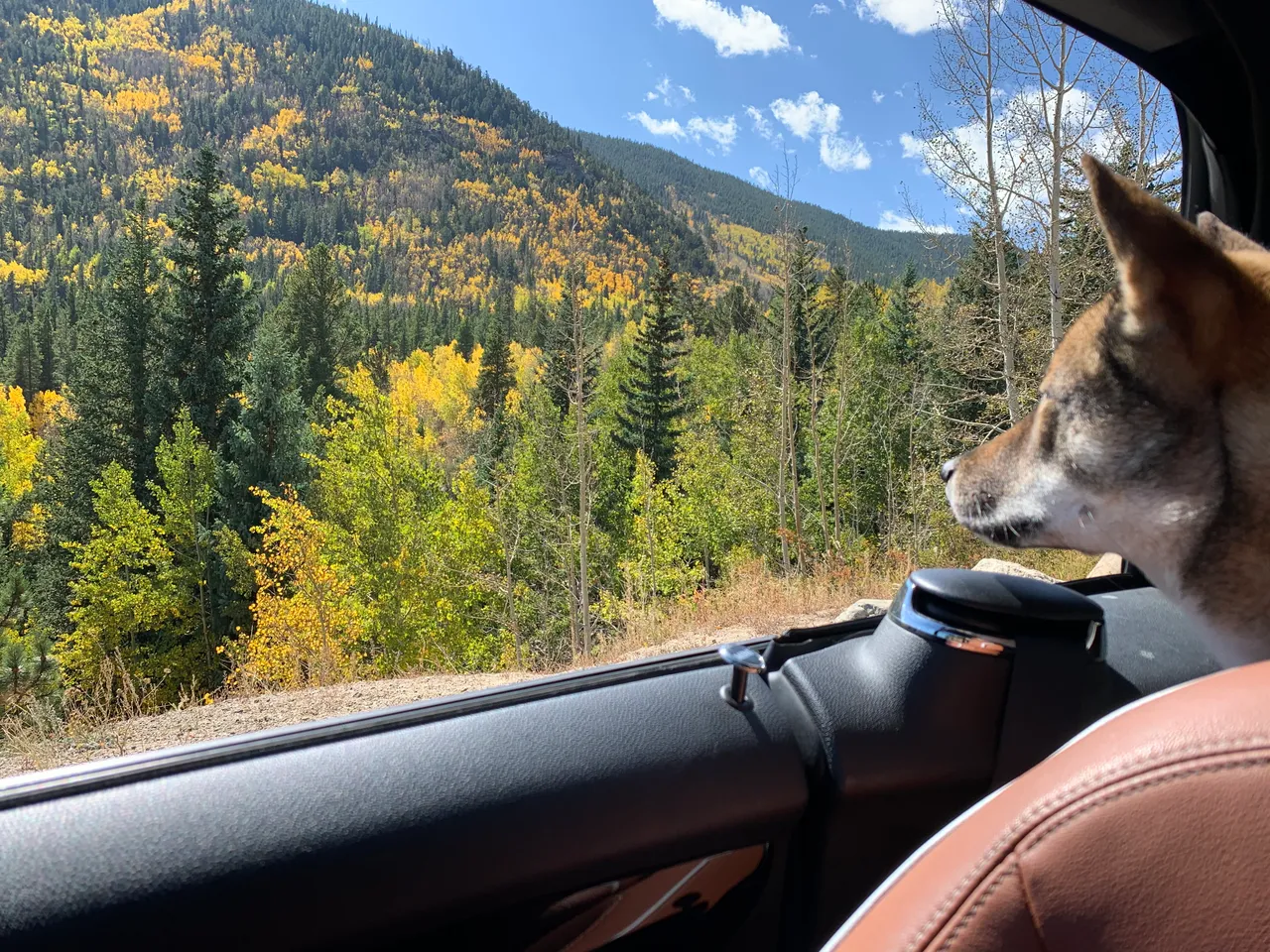
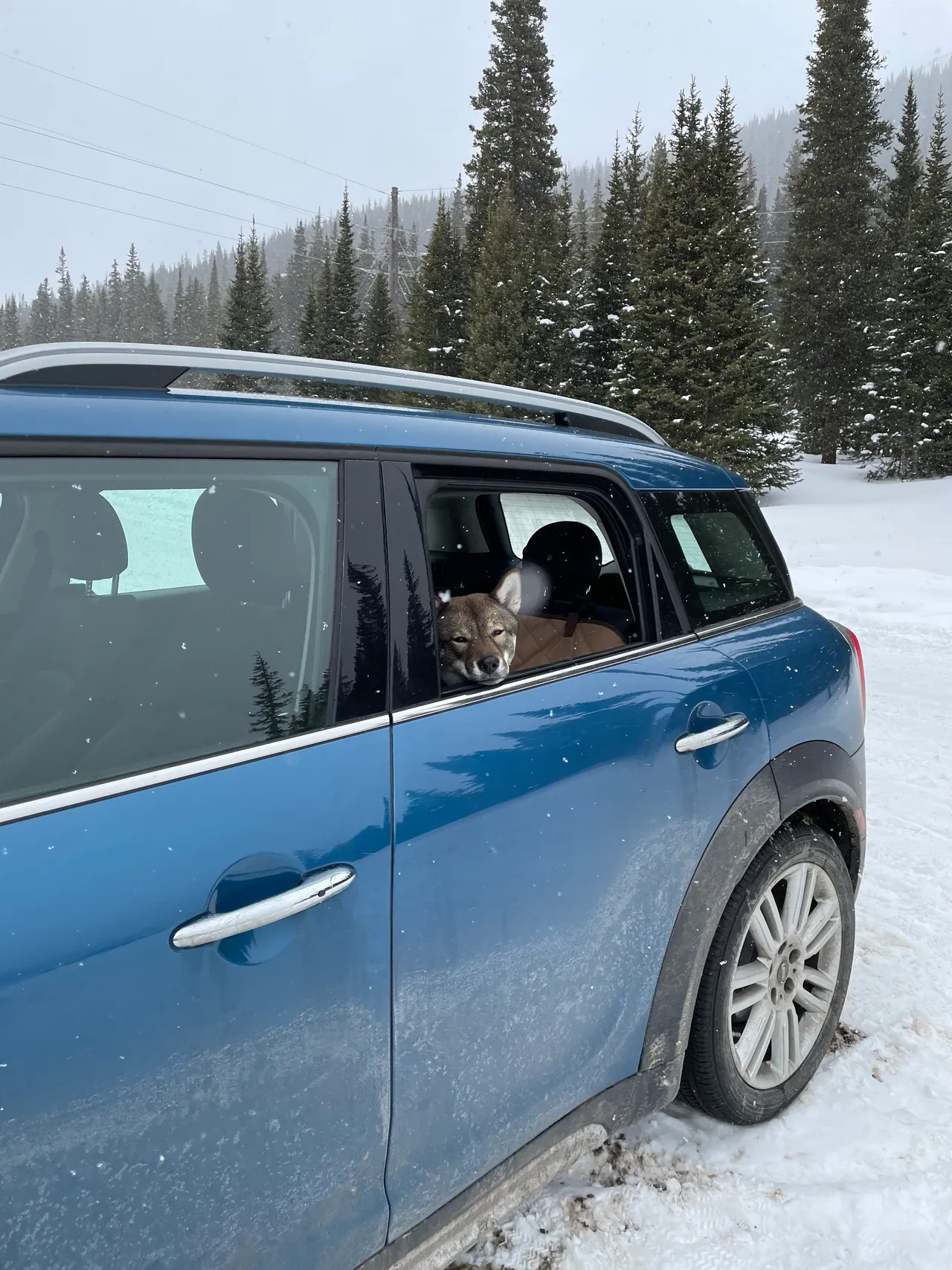
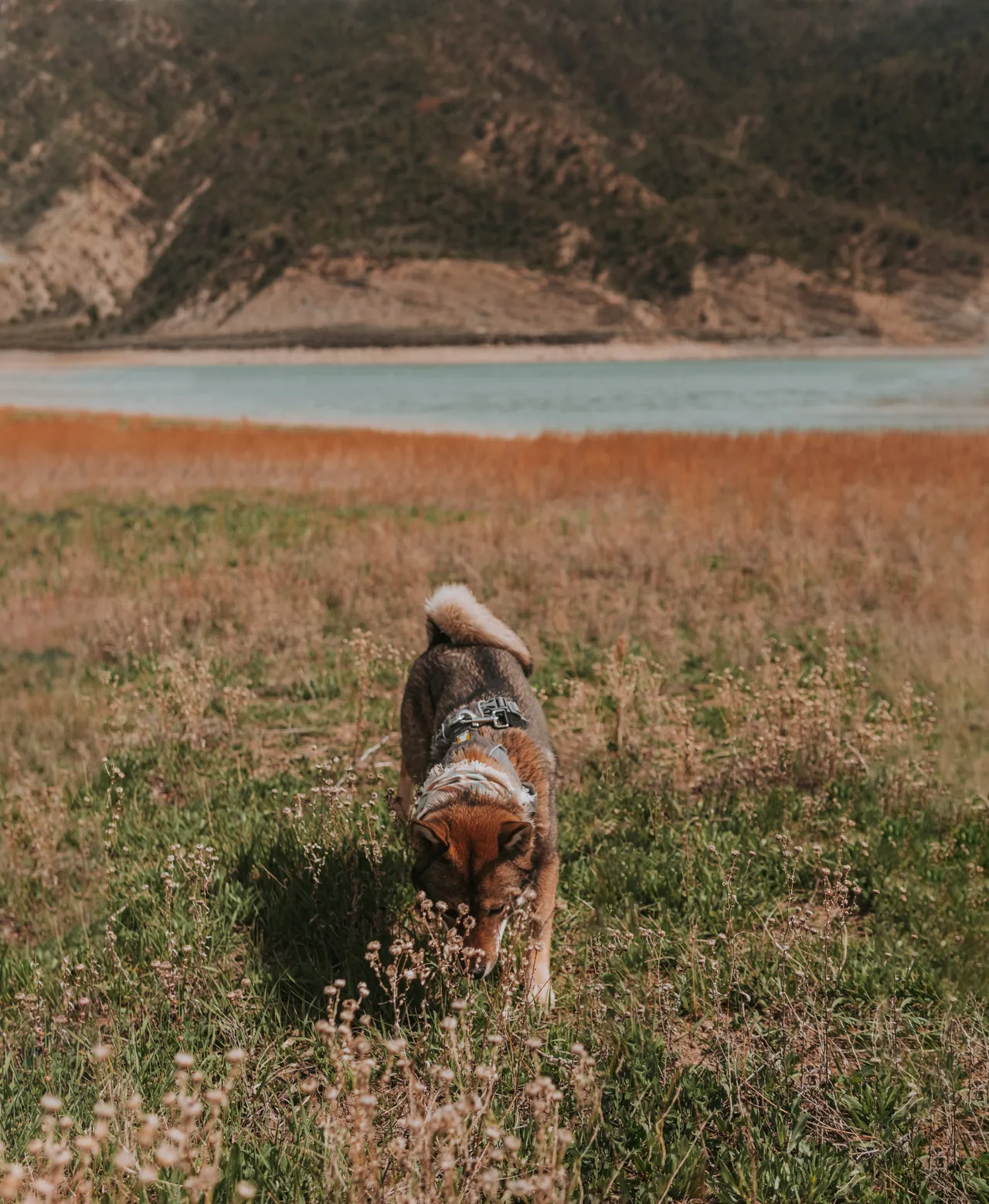
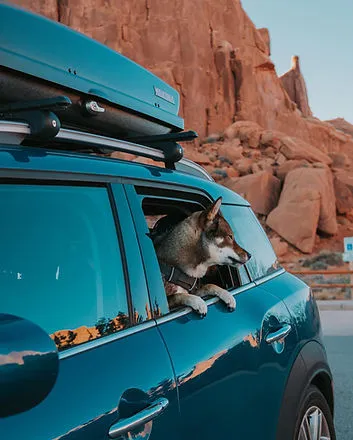
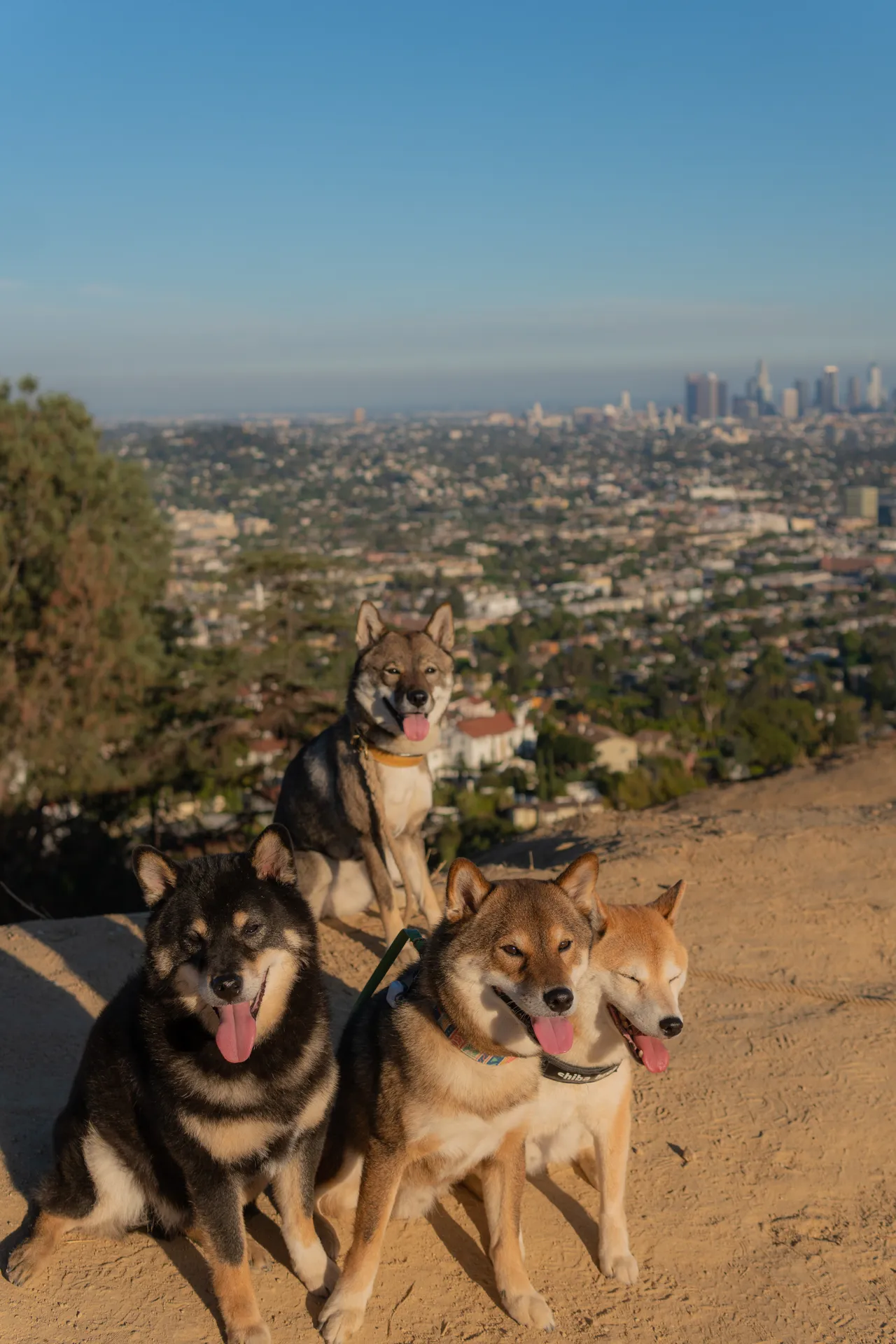
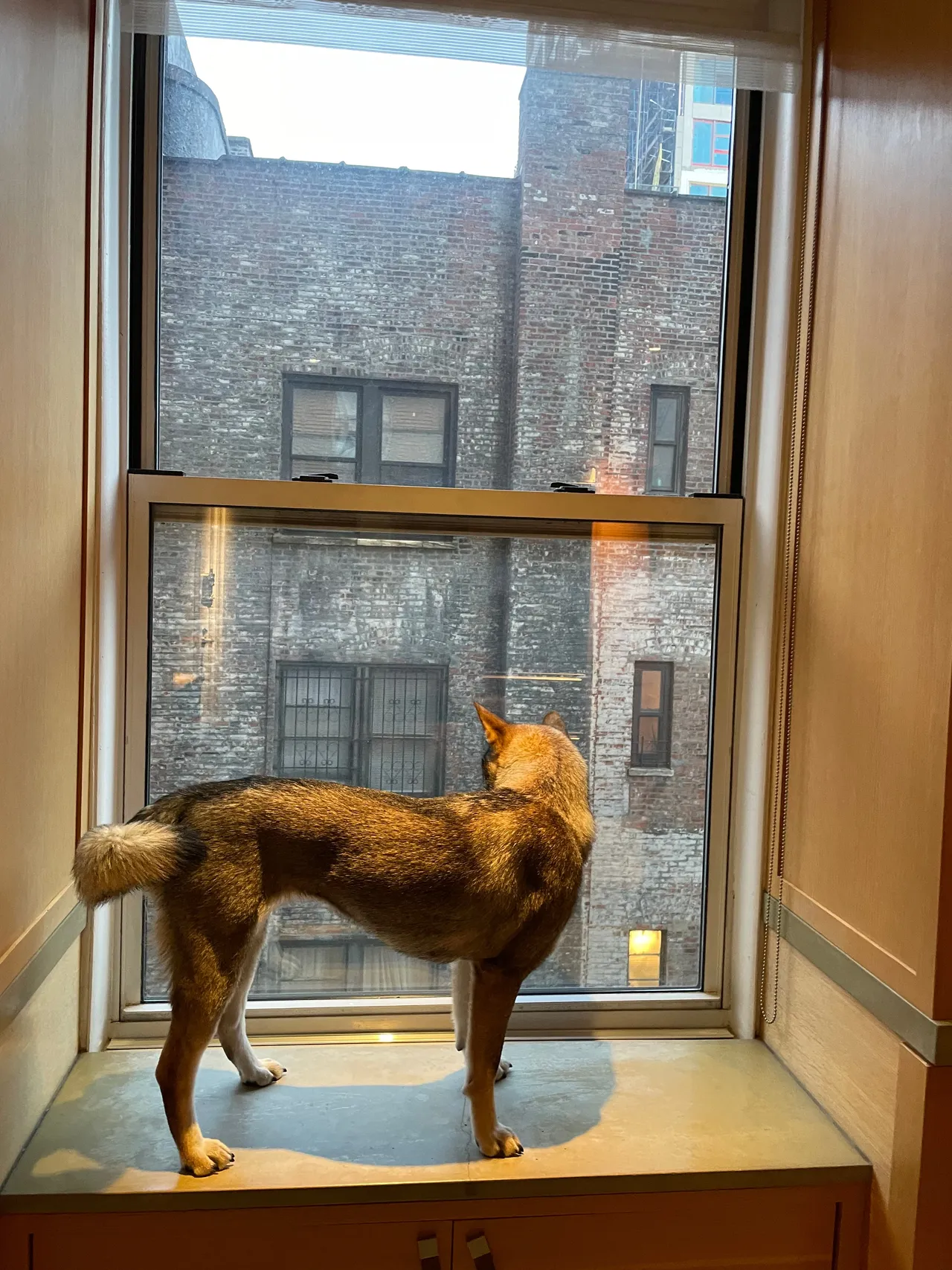
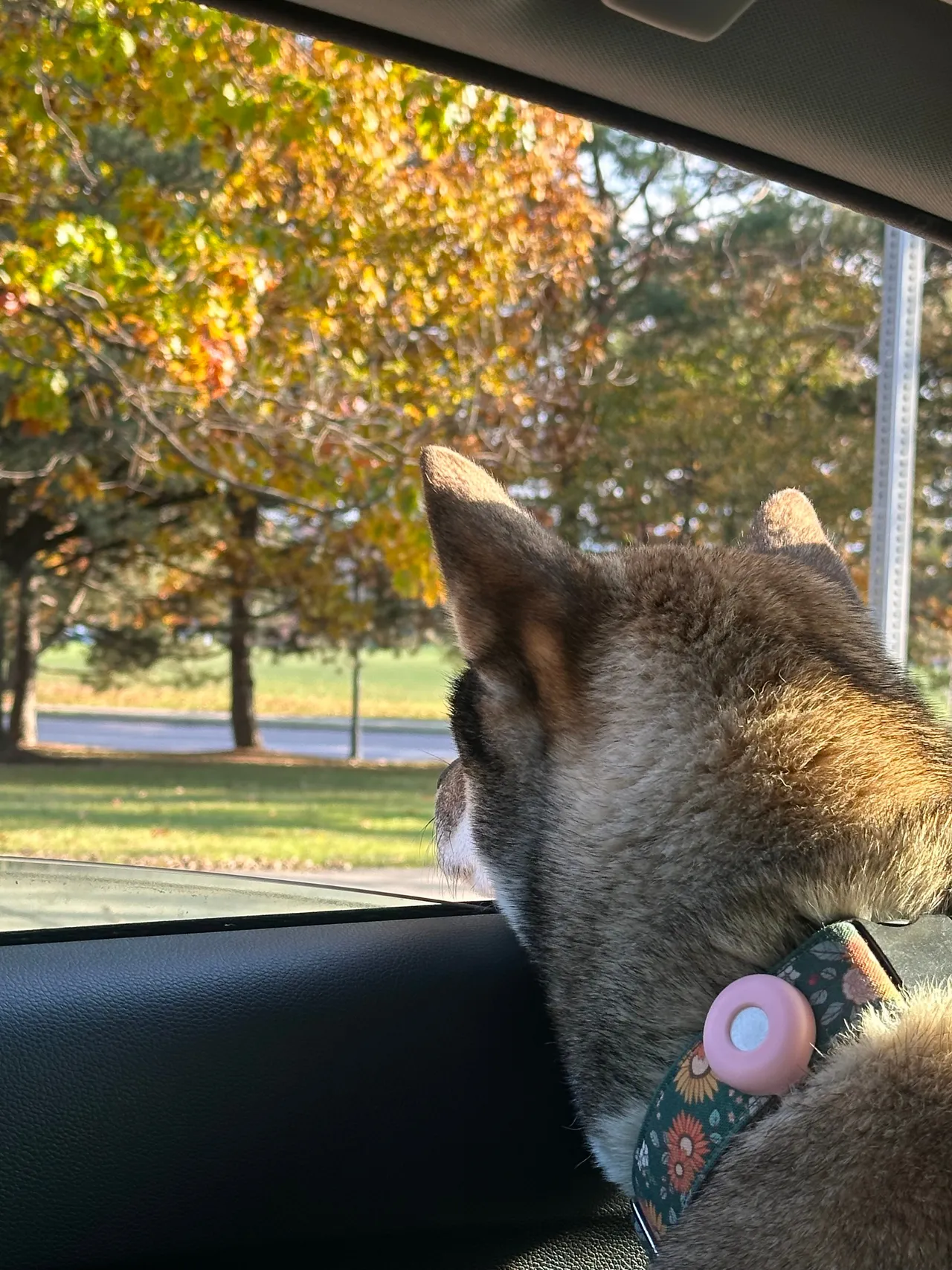
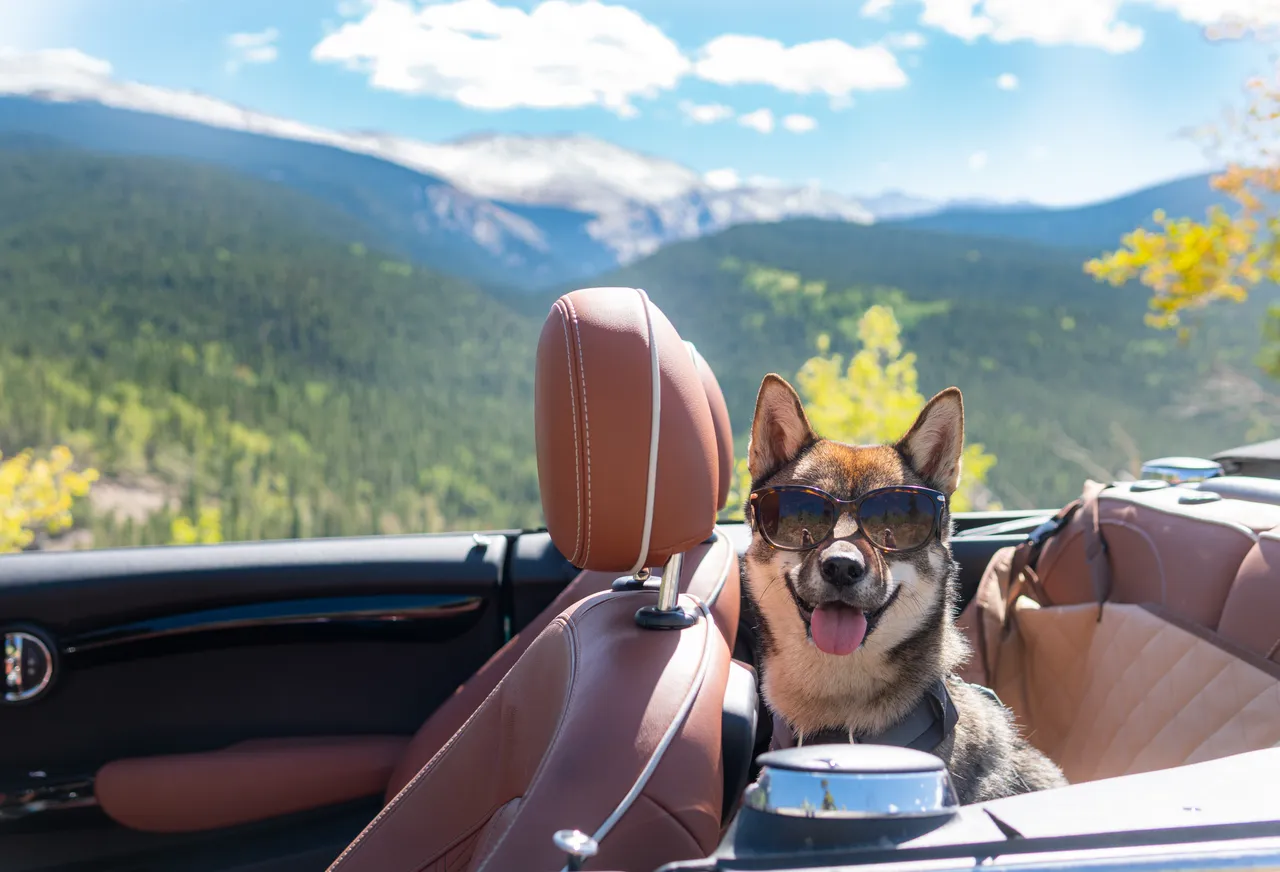
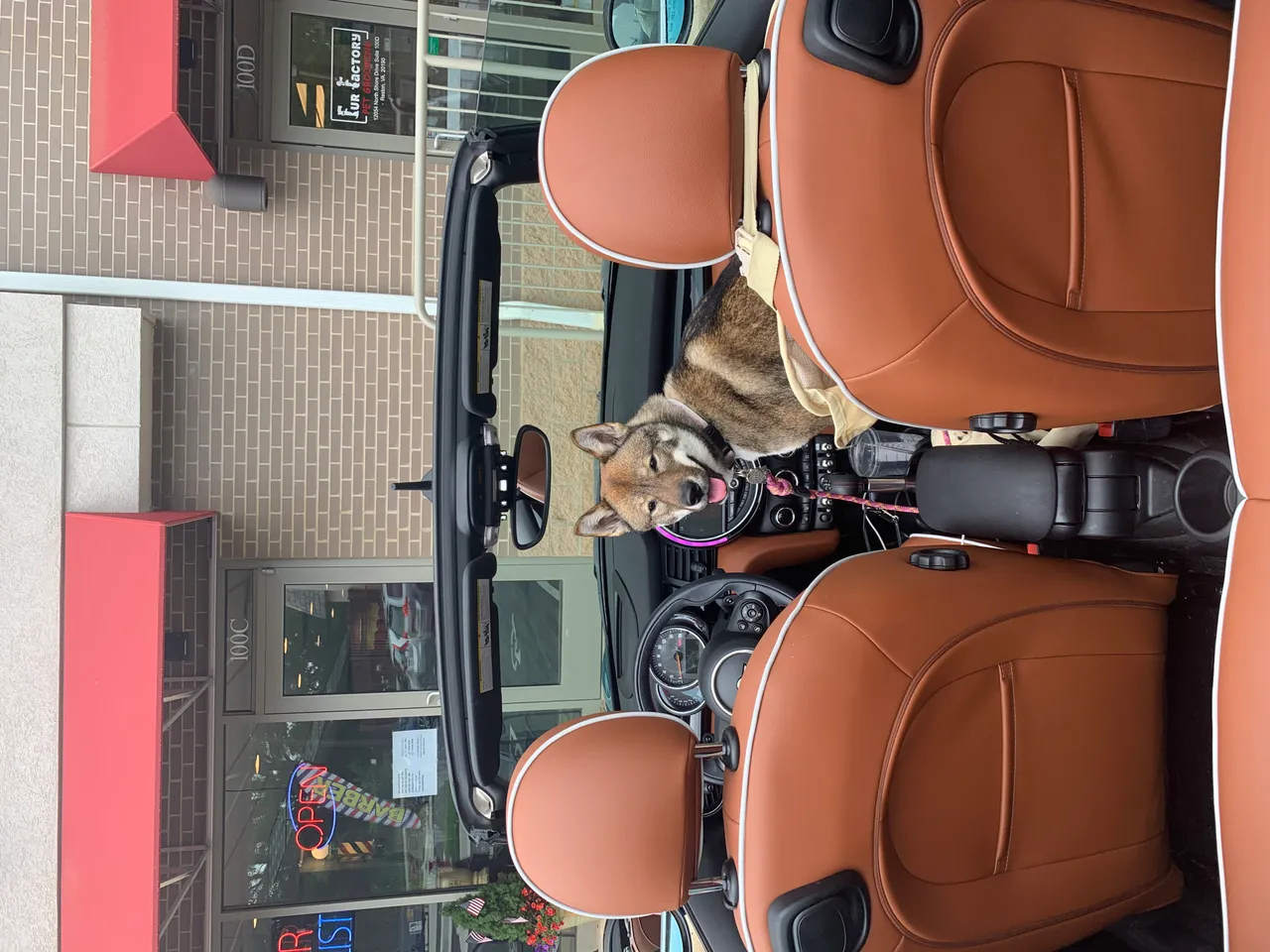
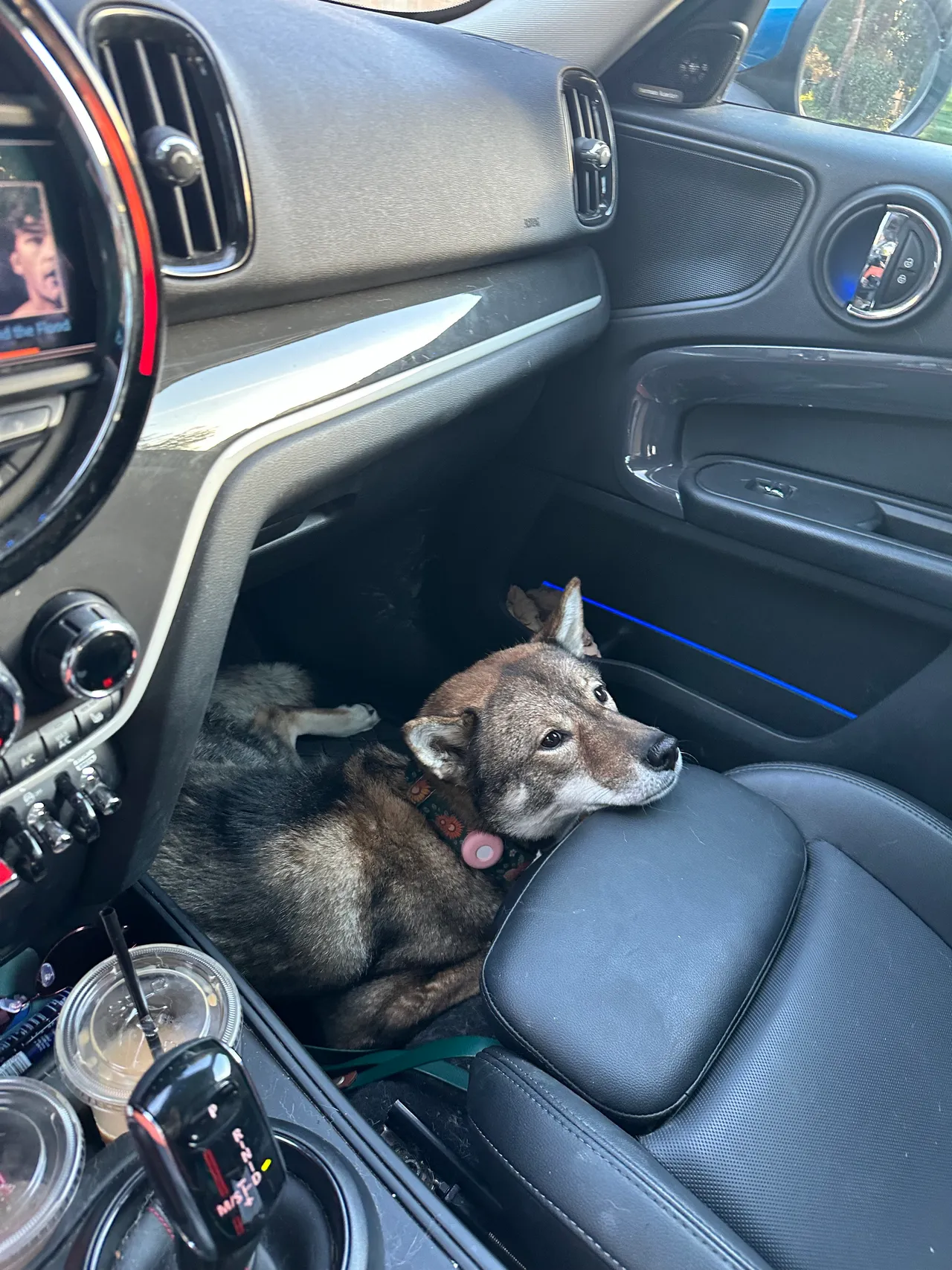
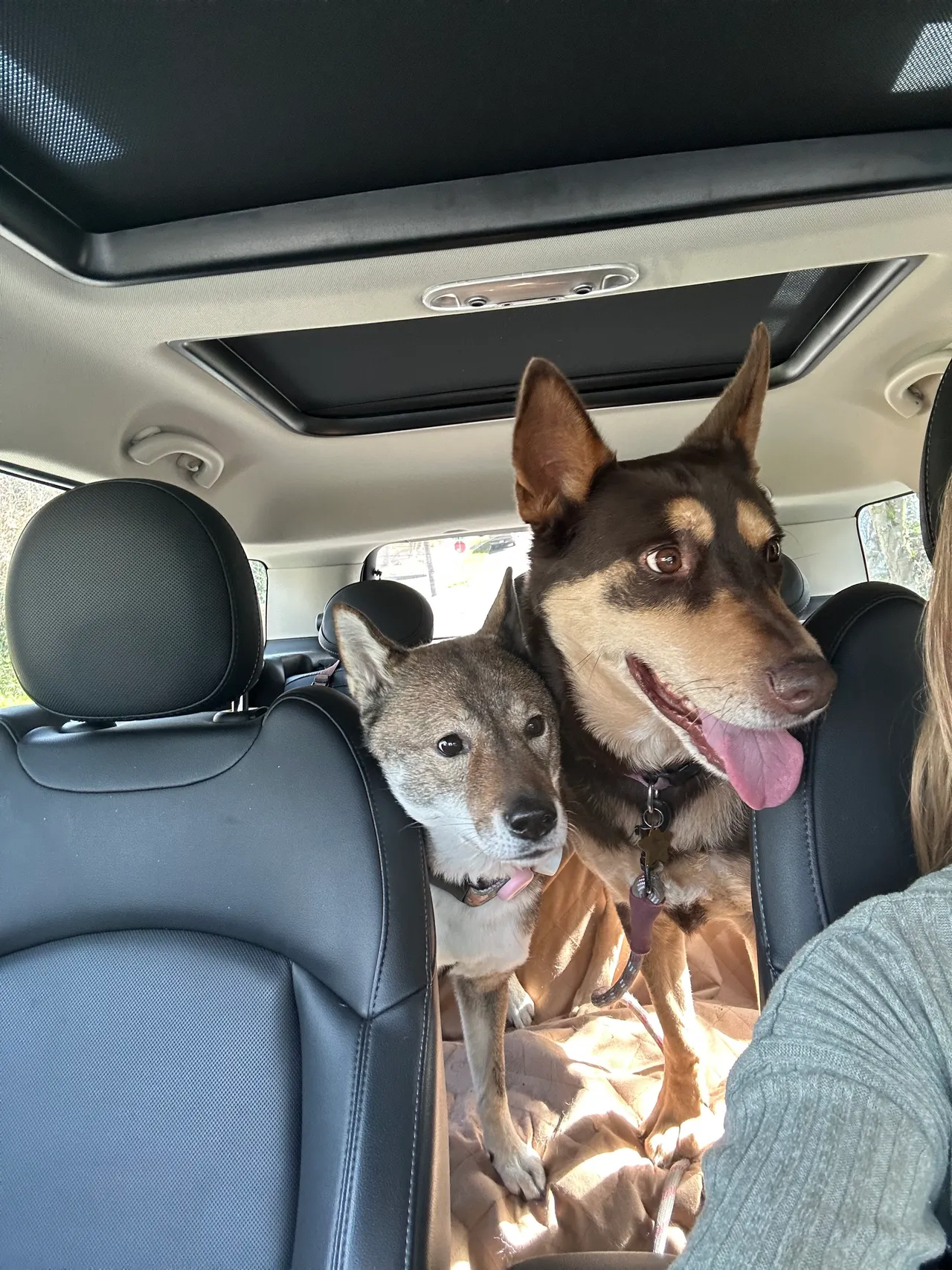
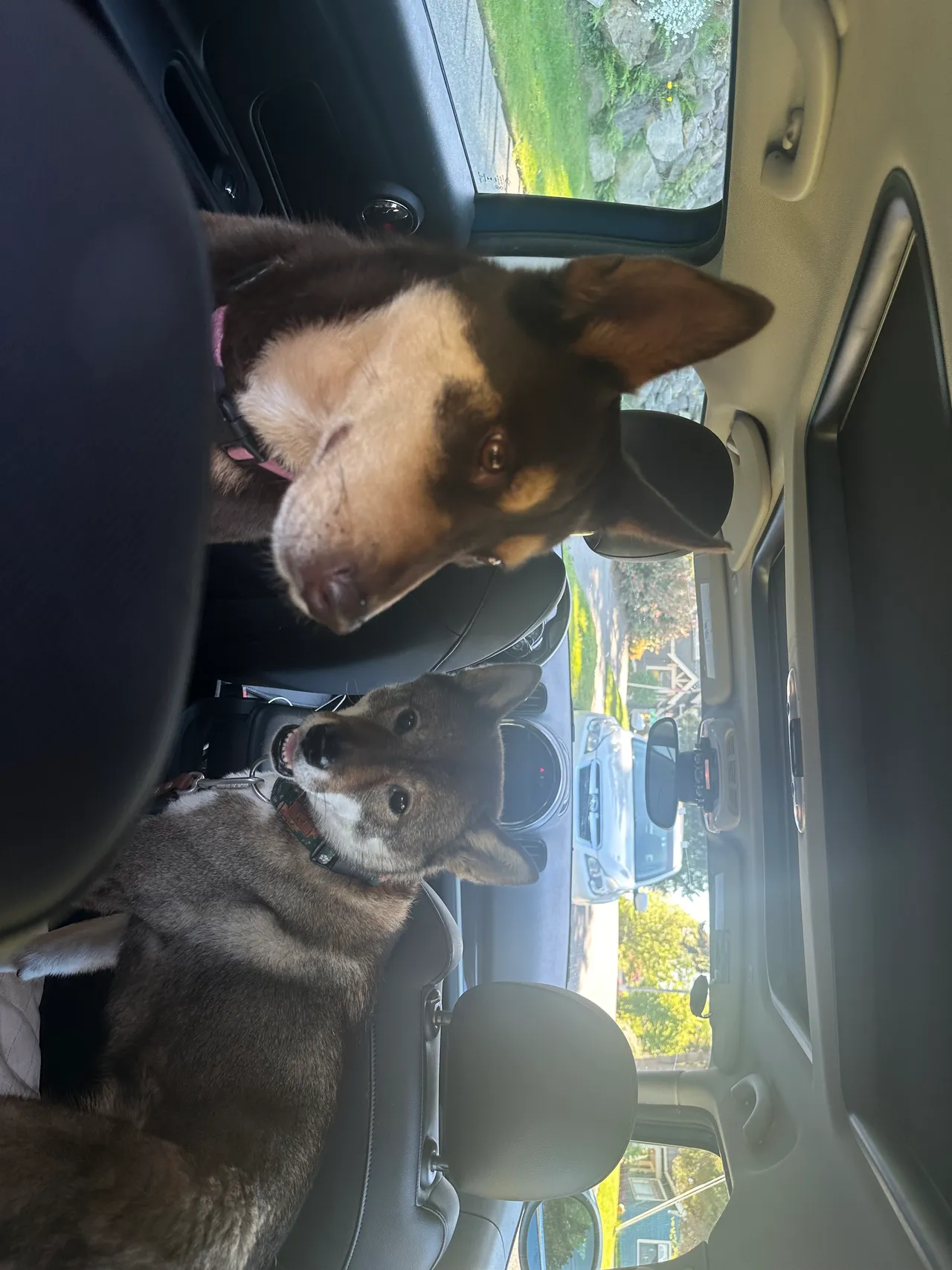
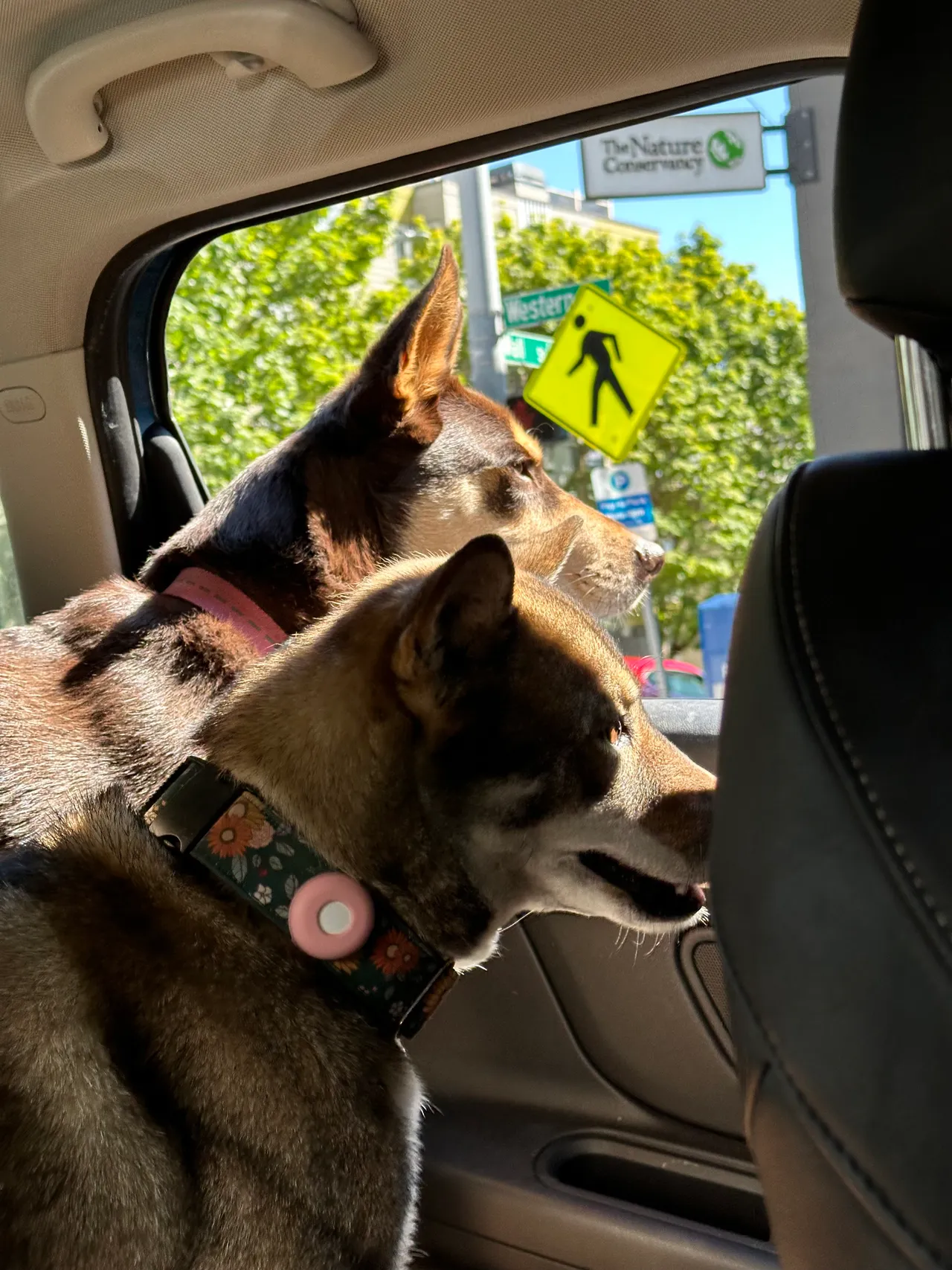
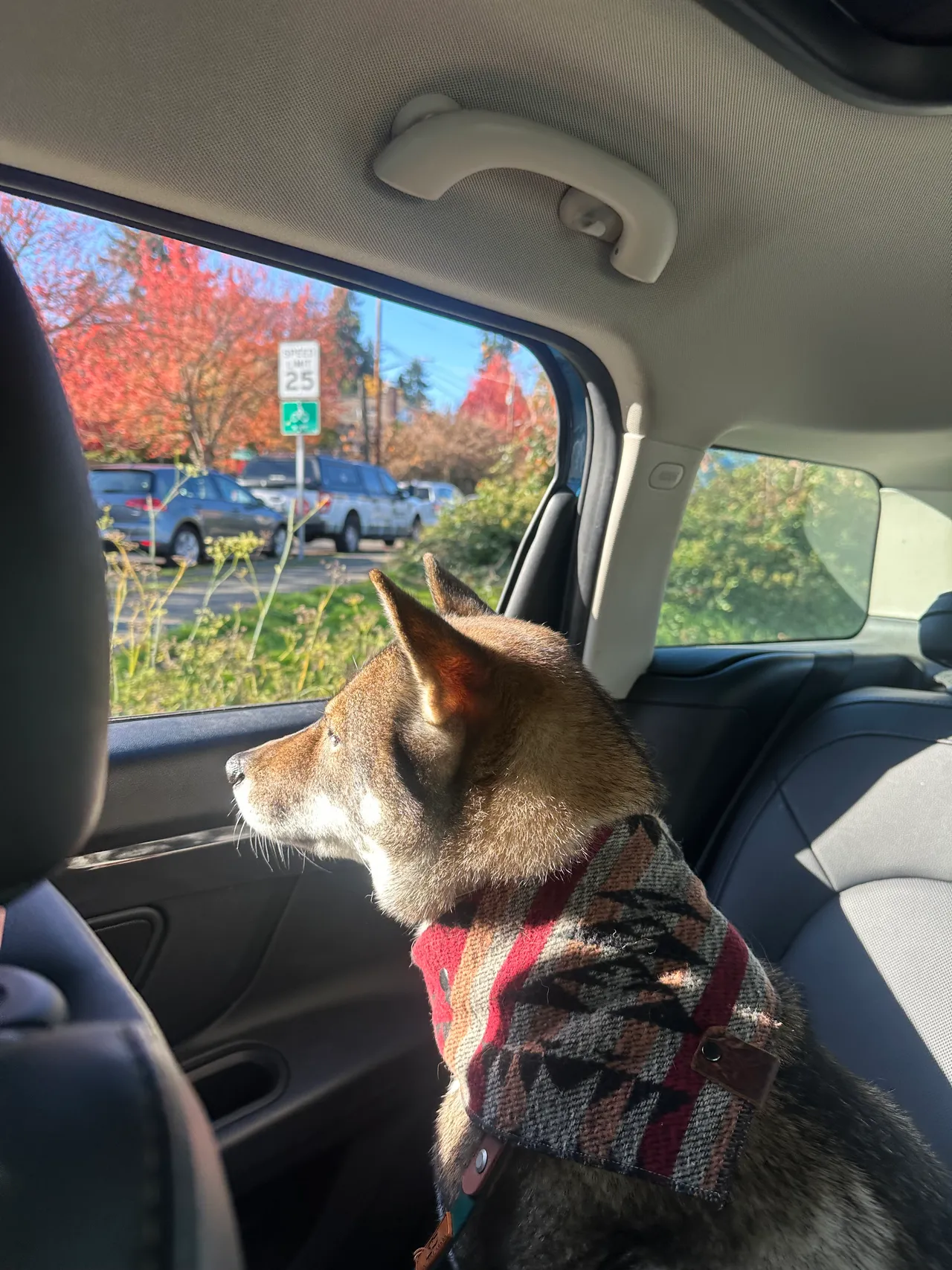
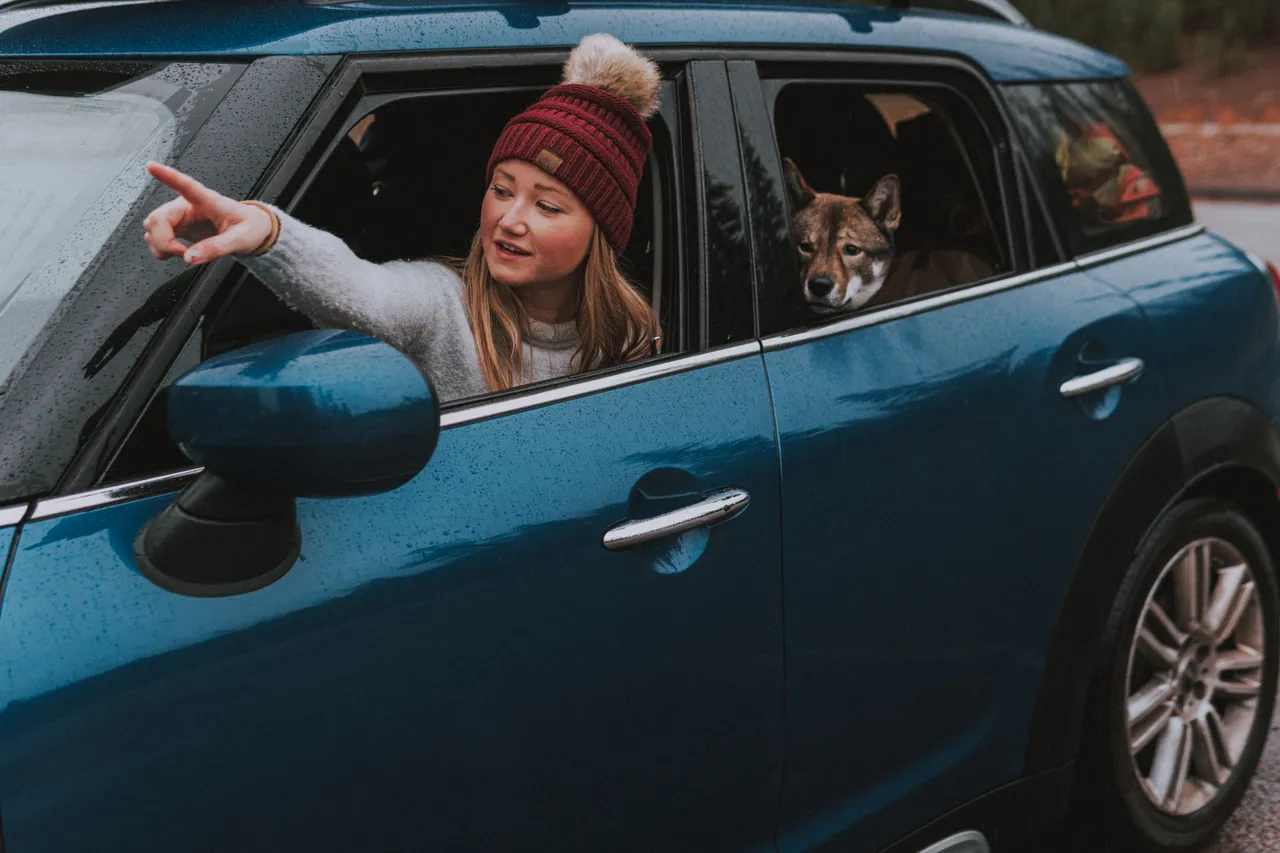
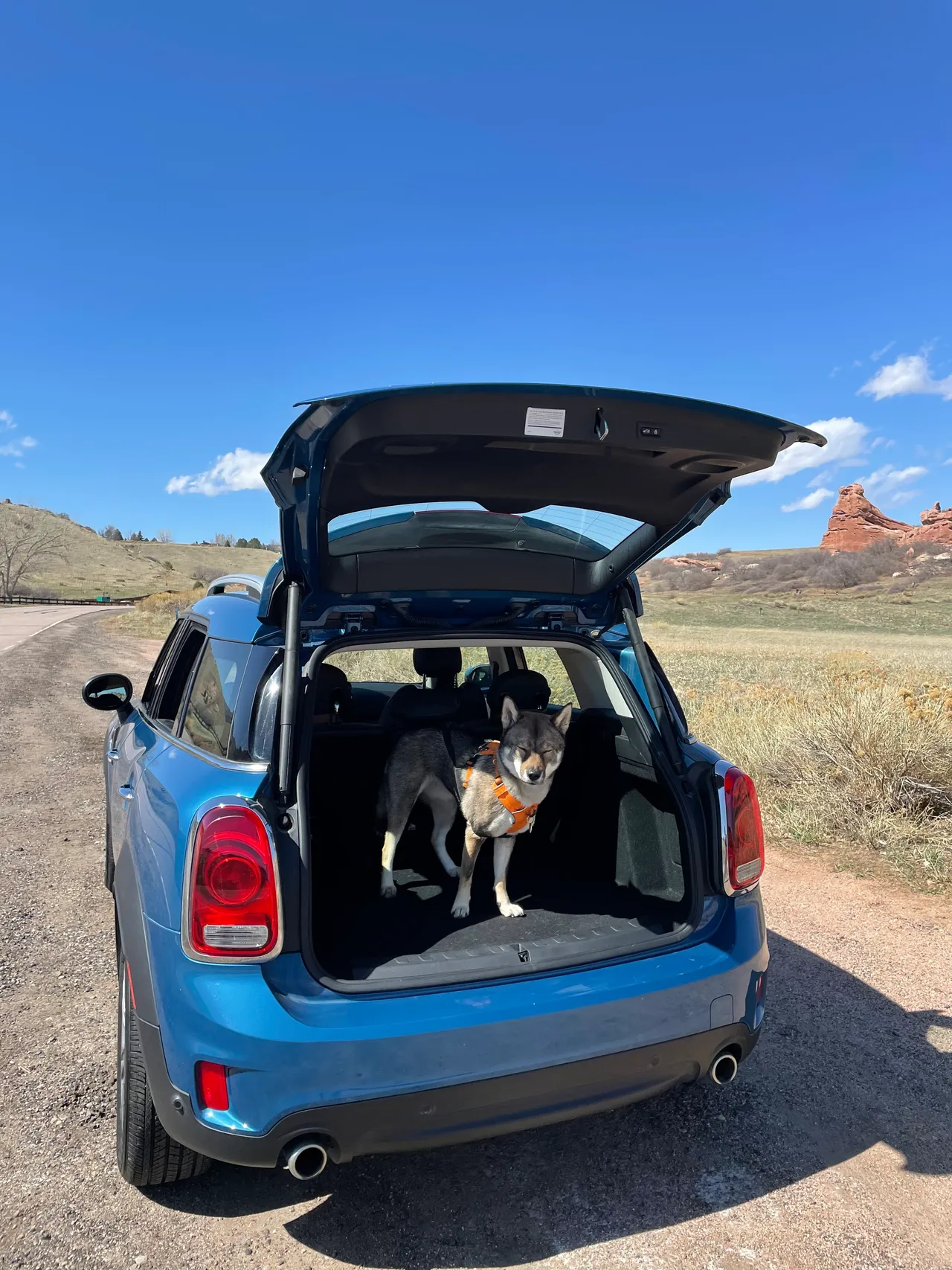
No road trip is really complete without your dog. That's just the truth. Sora is a Shikoku Ken, a Japanese mountain breed, and she has logged more road trip miles in this car than most humans do in a lifetime. One of her simplest pleasures is looking out the window on a drive — she loves nothing more. And I love nothing more than glancing in my mirror while I'm driving and seeing her little nose poking out, wiggling in the wind, that little smile on her face. It never gets old.
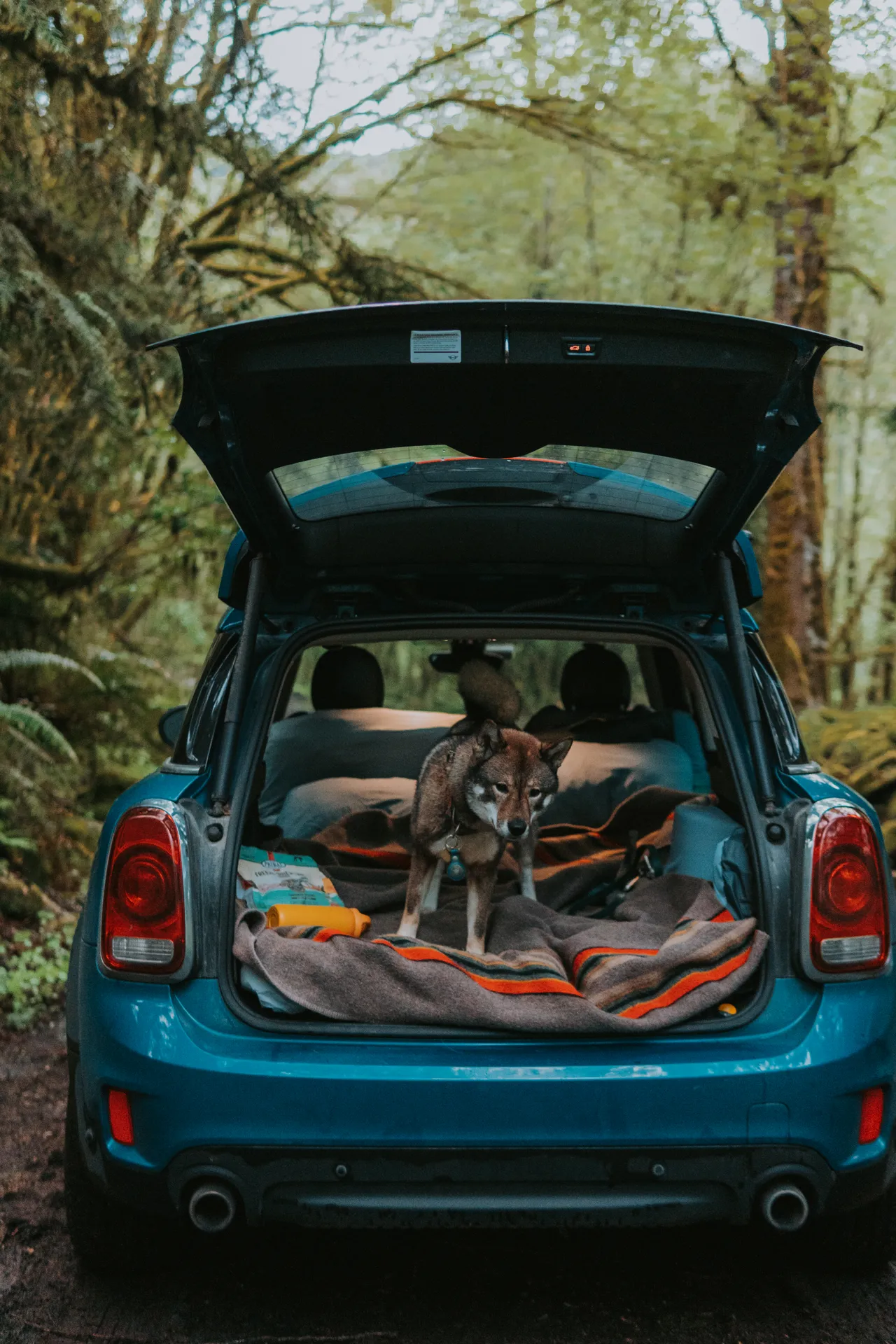
People ask whether a MINI is practical for traveling with a dog. Easily — and not just one. I've done plenty of trips with two dogs, including bigger dogs, and the Countryman handles it fine. Two people, two dogs, gear for a week: it all fits. The rear seat has room for a dog bed, the hatch is deep, and the car's manageable size means you can find dog-friendly spots, pull over fast when they need a break, and squeeze into trailhead parking that defeats everyone else. Sora has been to national parks, beaches, mountain summits, and city neighborhoods in this car. She hops in, settles down, and watches the world go by.
Sleeping in the MINI
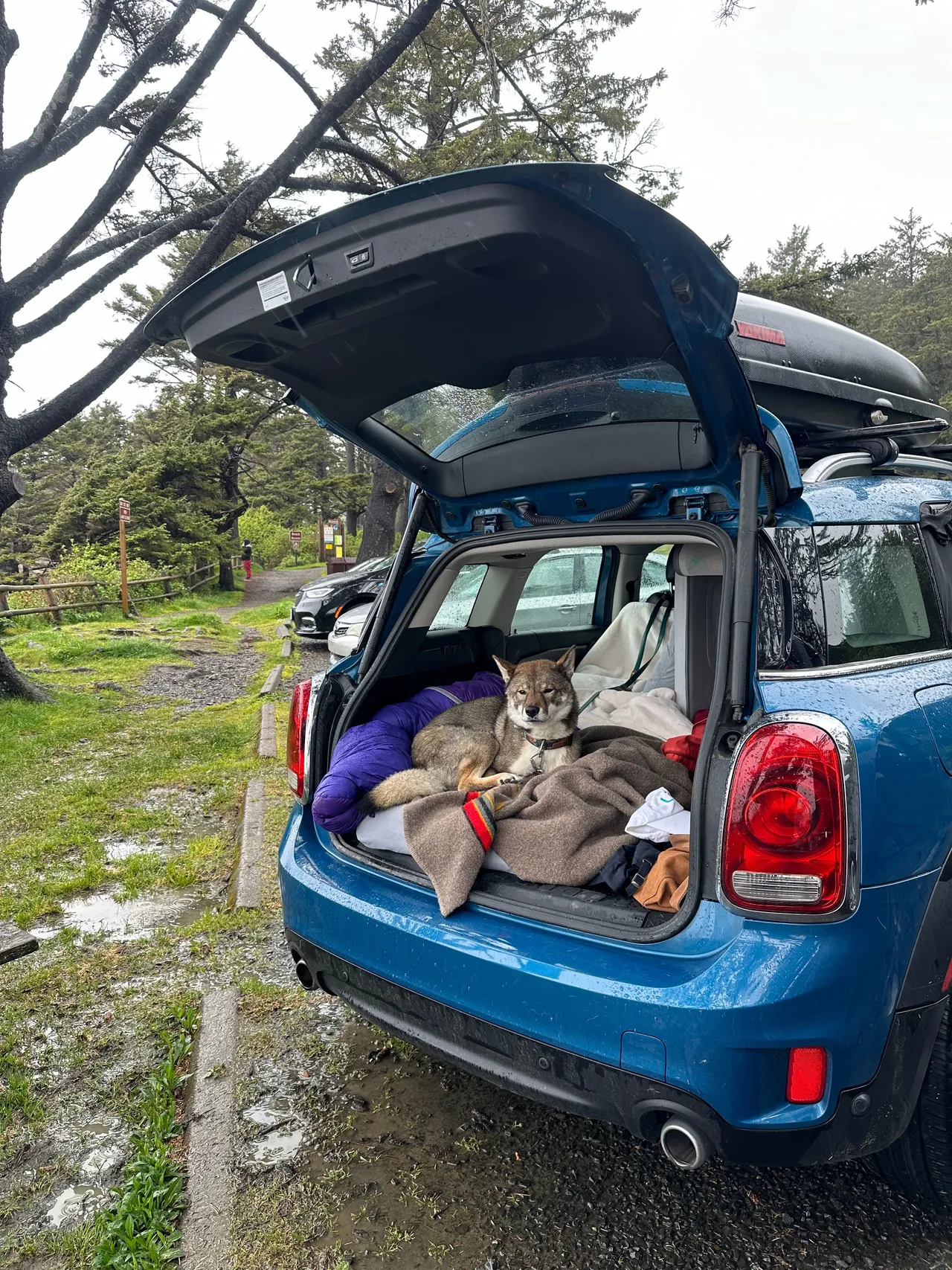
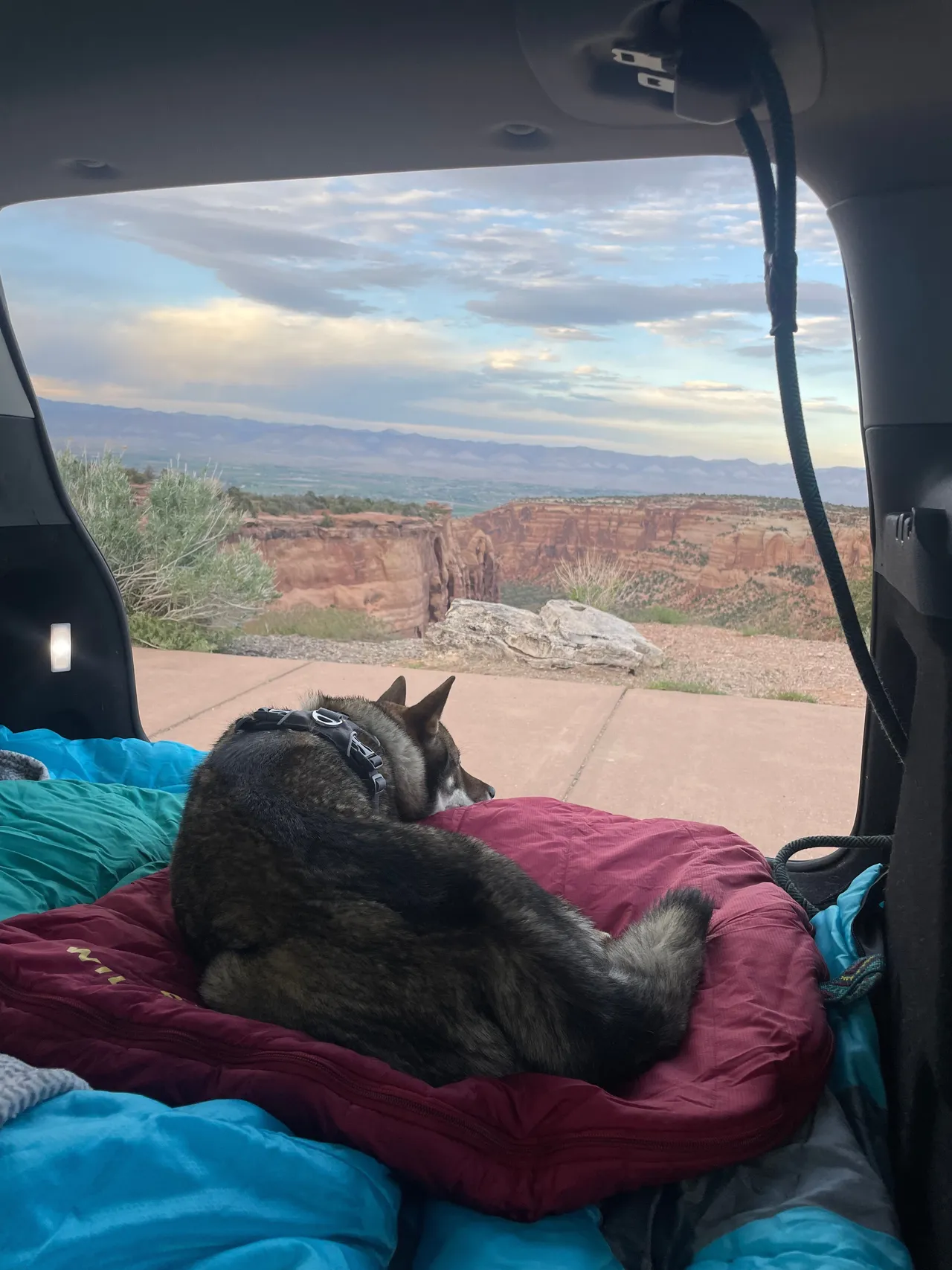
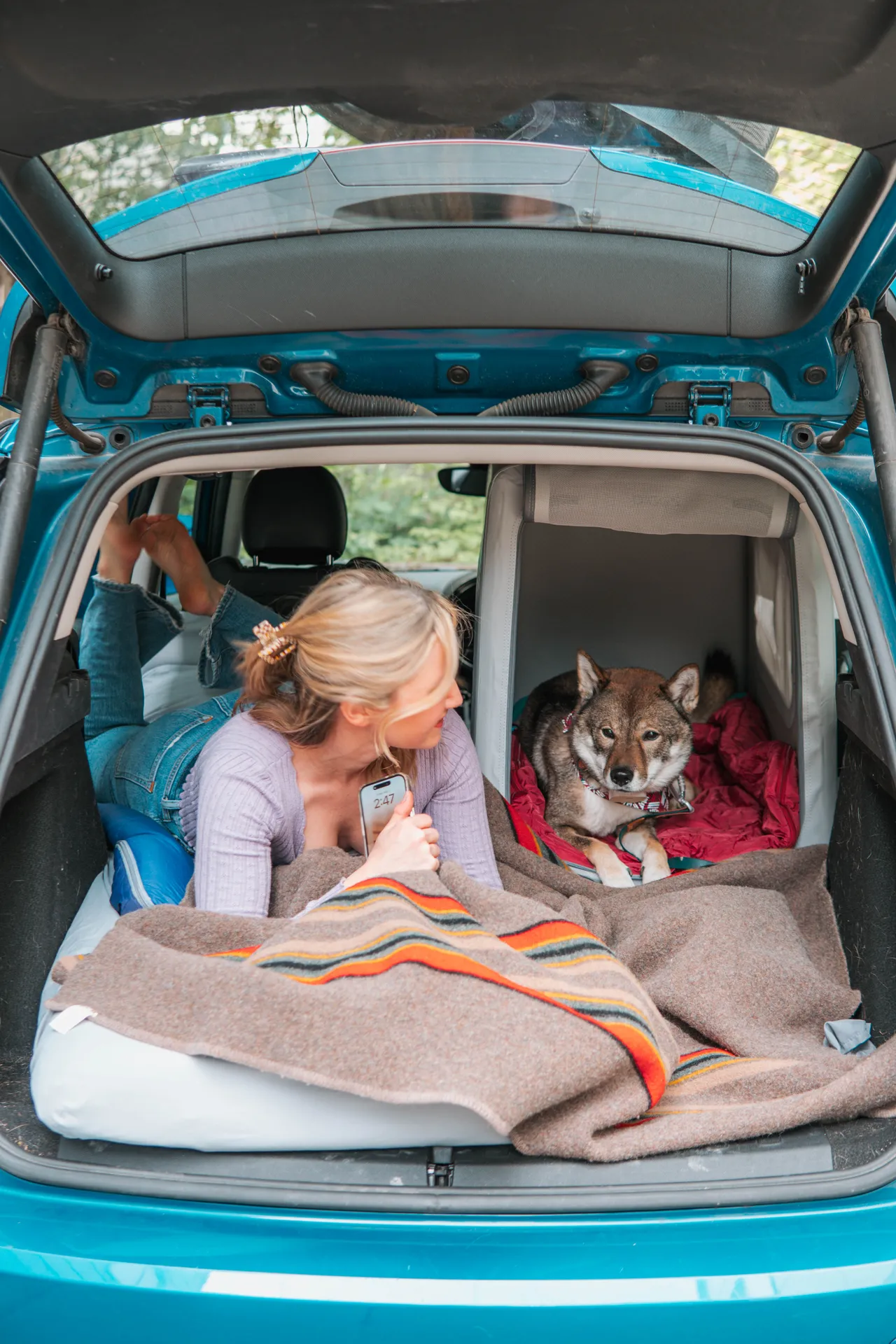
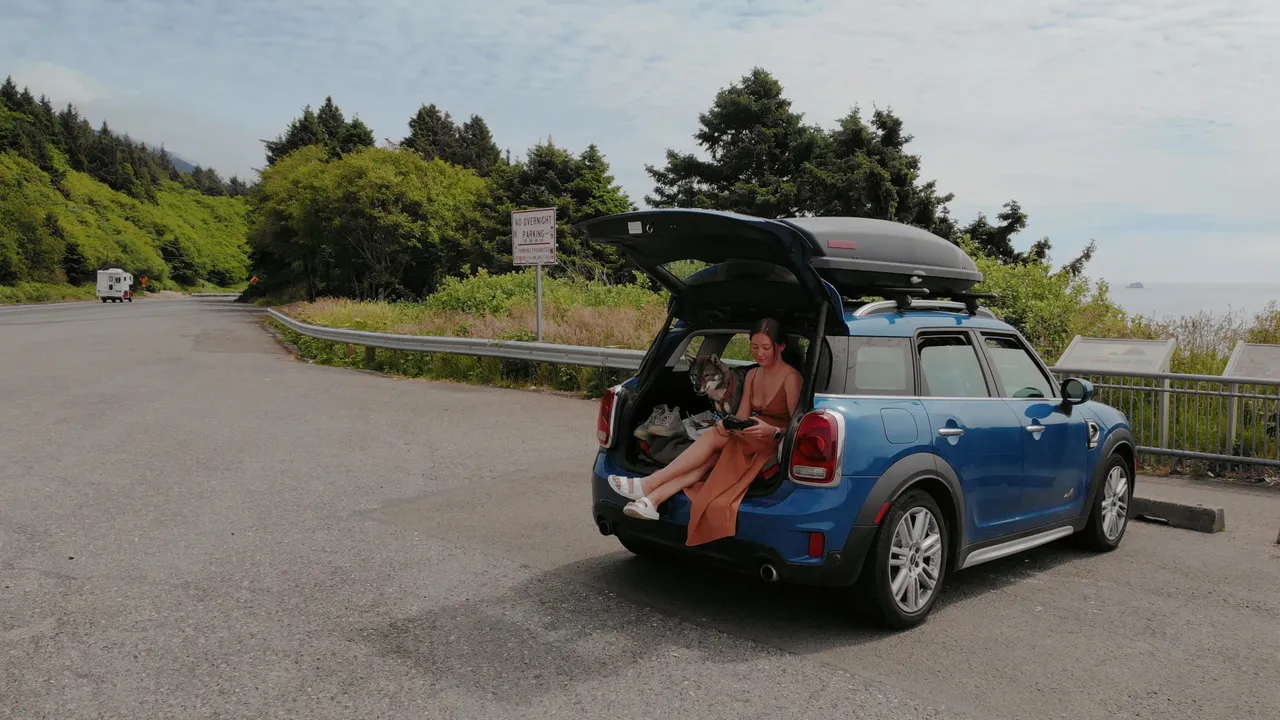
Some of the best nights on the road have been spent sleeping in the car. The Countryman's rear seats fold flat enough to fit a sleeping pad, and with the right setup it's genuinely comfortable — which I figured out early on and have leaned into ever since. It keeps things simple: no tent to pitch, no campsite reservation needed, just pull off somewhere good and call it home for the night.
In 2024 we participated in MINI Takes the States — a cross-country rally that brings together MINI drivers from all over to drive a planned route across the US together. It's exactly the kind of trip the Countryman was built for, and sleeping in the car along the way made it feel even more like a proper adventure. If you want the full setup breakdown, I wrote about how I sleep in my MINI Cooper — gear, layout, everything.
What a MINI is Really For
People assume a road trip car needs to be big. It doesn't. What it needs to be is reliable, fun to drive, and just the right size to remind you that you're moving through something larger than yourself. The Countryman fits everything Sora and I need, handles mountain passes without drama, squeezes into the spots everyone else passes up, and still feels like a car worth driving just for the pleasure of driving it.
If you're a MINI driver wondering whether you can do the big trips — whether the car is up to it, whether you'll feel limited — you won't. The only limit is where you decide to stop. And so far, we haven't found that place yet. Across the 70,000+ miles of road trips i've taken in my MINI counrtyman (not including the thousands i've taken in the convertible beforehand!) I have never broken down or gotten a flat tire. I always have healthy tires, do a maintenance check/oil change before a big journey, and I also reguarly take care and do scheduled repairs as needed. It's been a fun little life, with the MINI, that has become an integral part of me and Sora's travels together.
The only limit is where you decide to stop. And so far, we haven't found that place yet... next stop: Alaska 2026, the last frontier.
Comments
Leave a comment
Road Trip Planning Guide
This hub is a good place to start if you want route ideas, practical planning notes, and posts that work well together as one trip.